


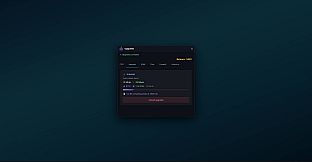
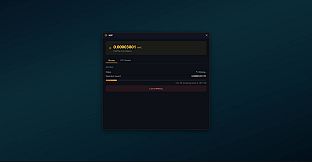
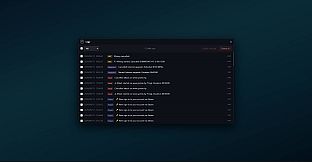
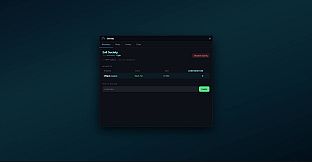
Dark Looter is a free to play strategy and simulation game set on PC that places players in the role of a hacker operating through a retro desktop interface. The core experience revolves around attacking virtual institutions to steal files, selling those files for profit, upgrading hardware, and competing in a shared persistent online world.
Gameplay
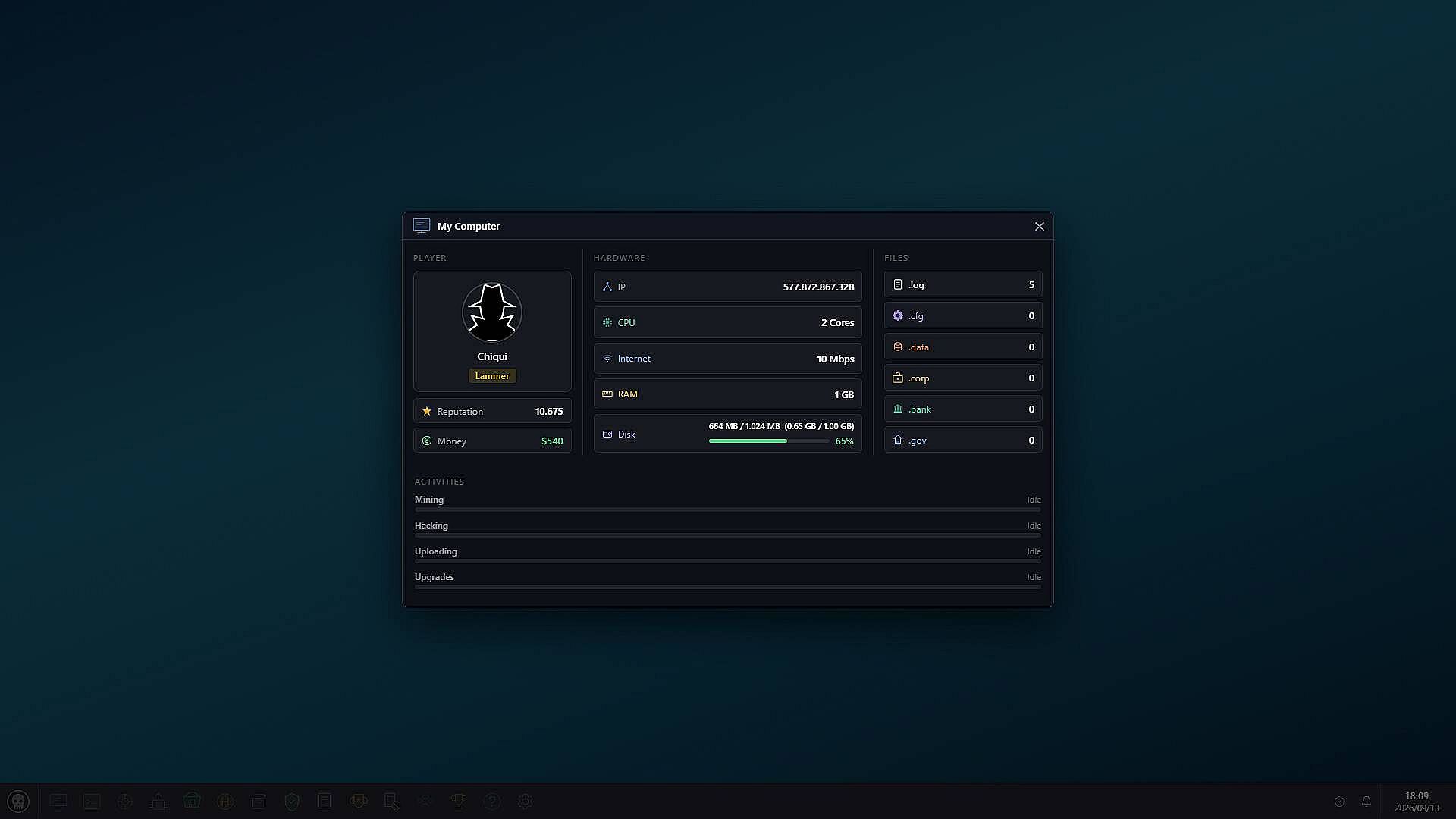
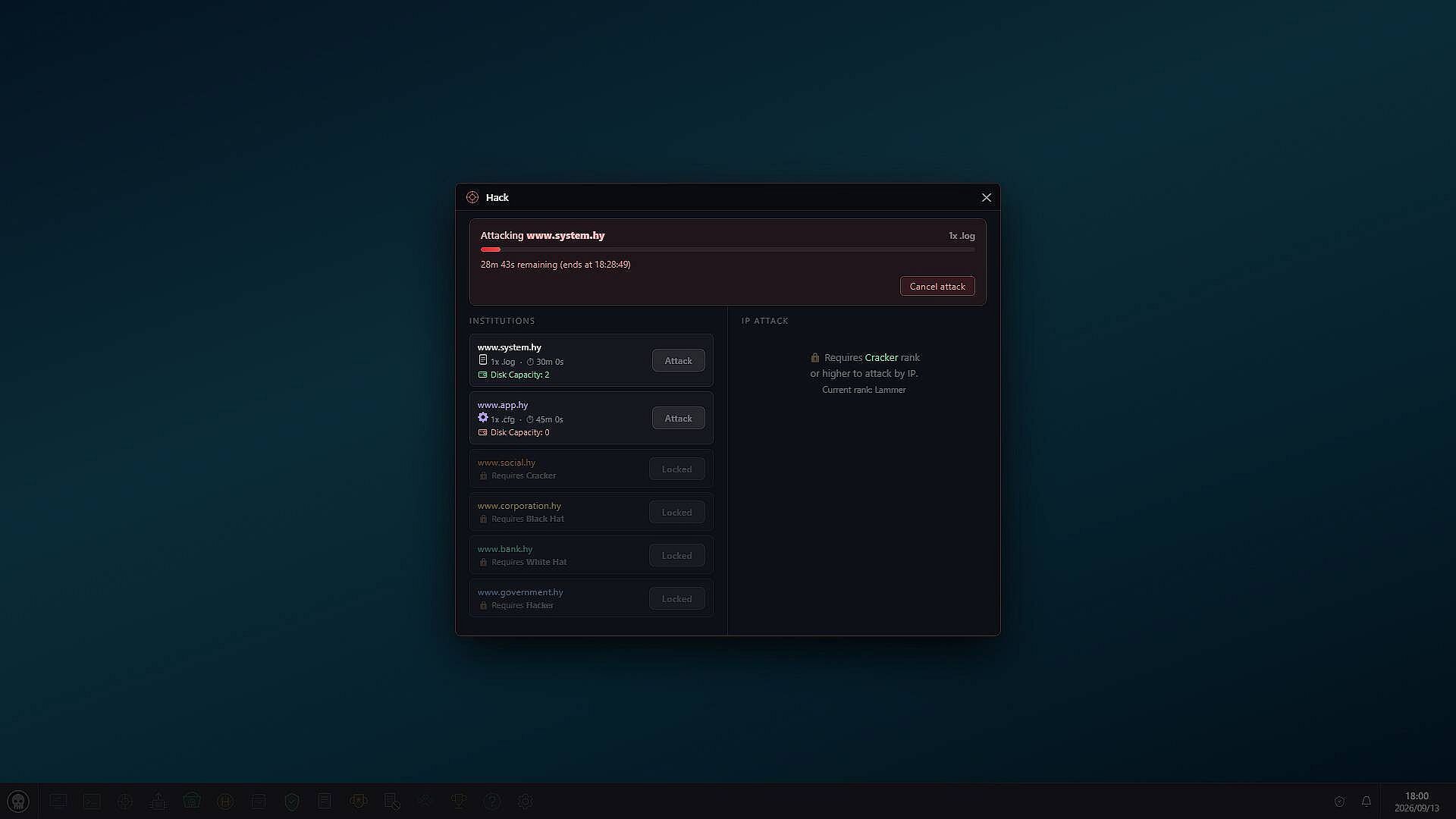
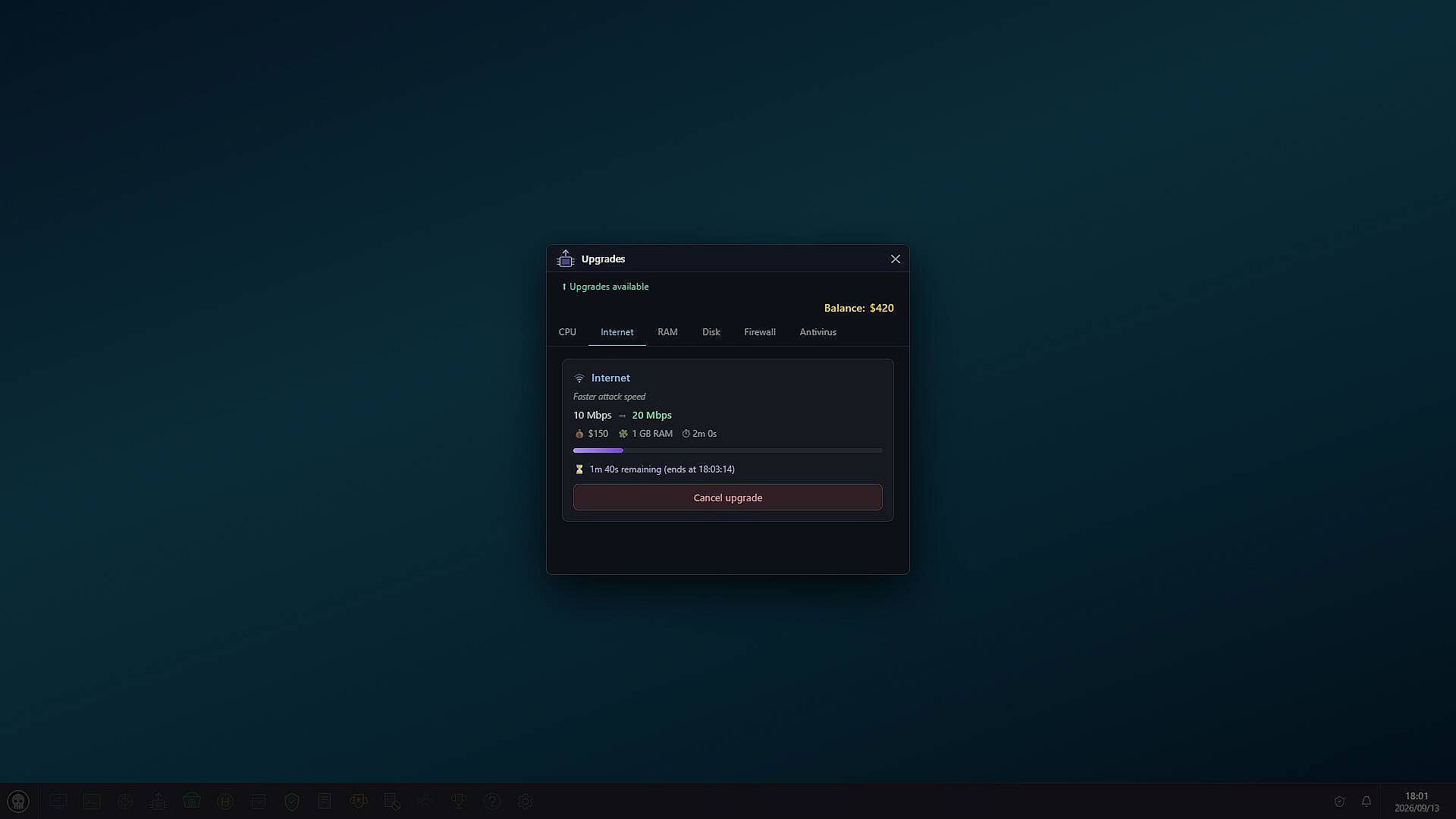
The central loop involves selecting targets among six institutions of rising difficulty. Each institution yields a specific file type with its own value and required attack duration. Hardware upgrades directly influence attack speed and file yield because every action consumes shared resources such as disk space. Players manage CPU, RAM, disk capacity, internet speed, firewall, and antivirus components, with each upgrade requiring real time to install.
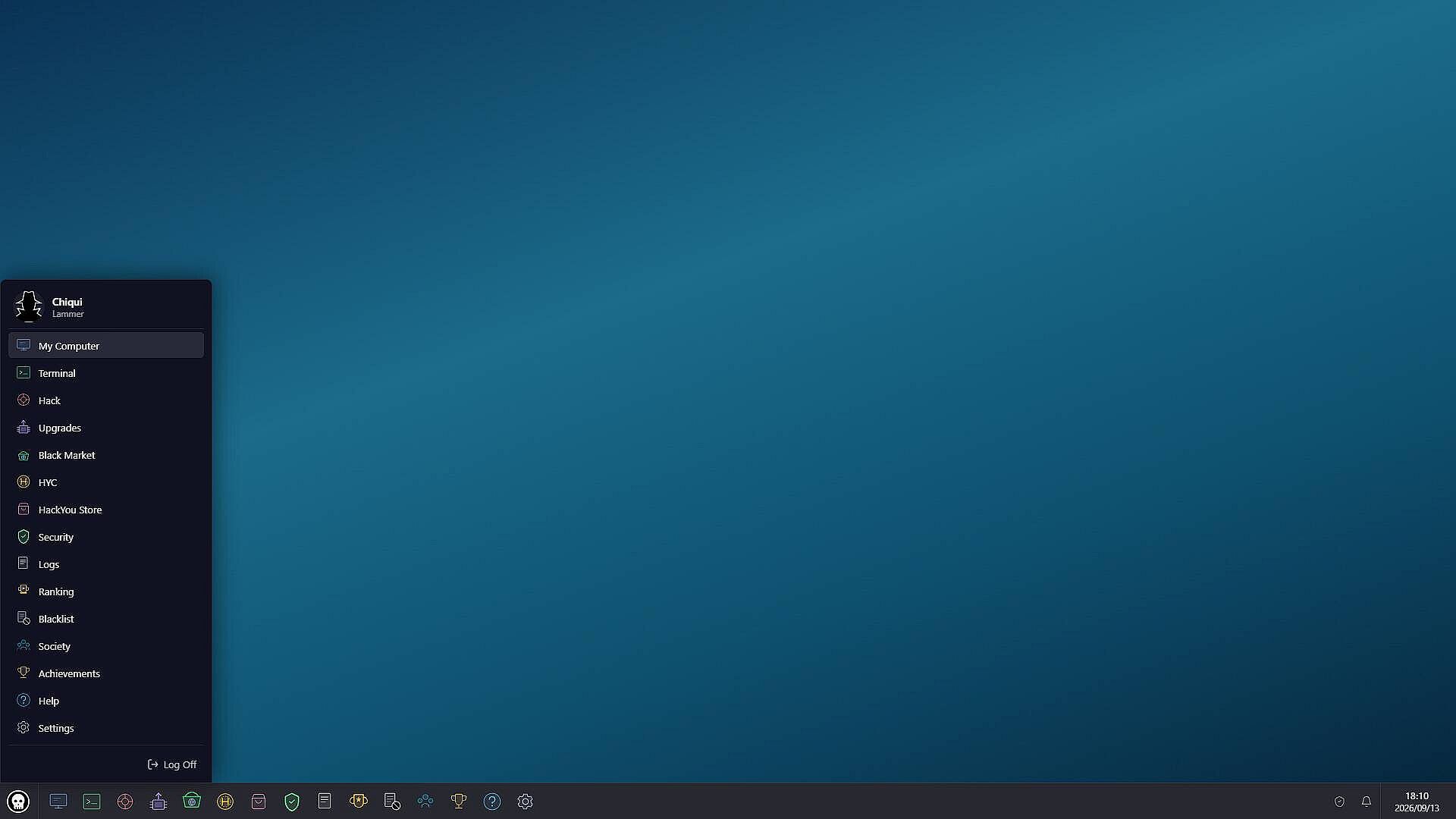
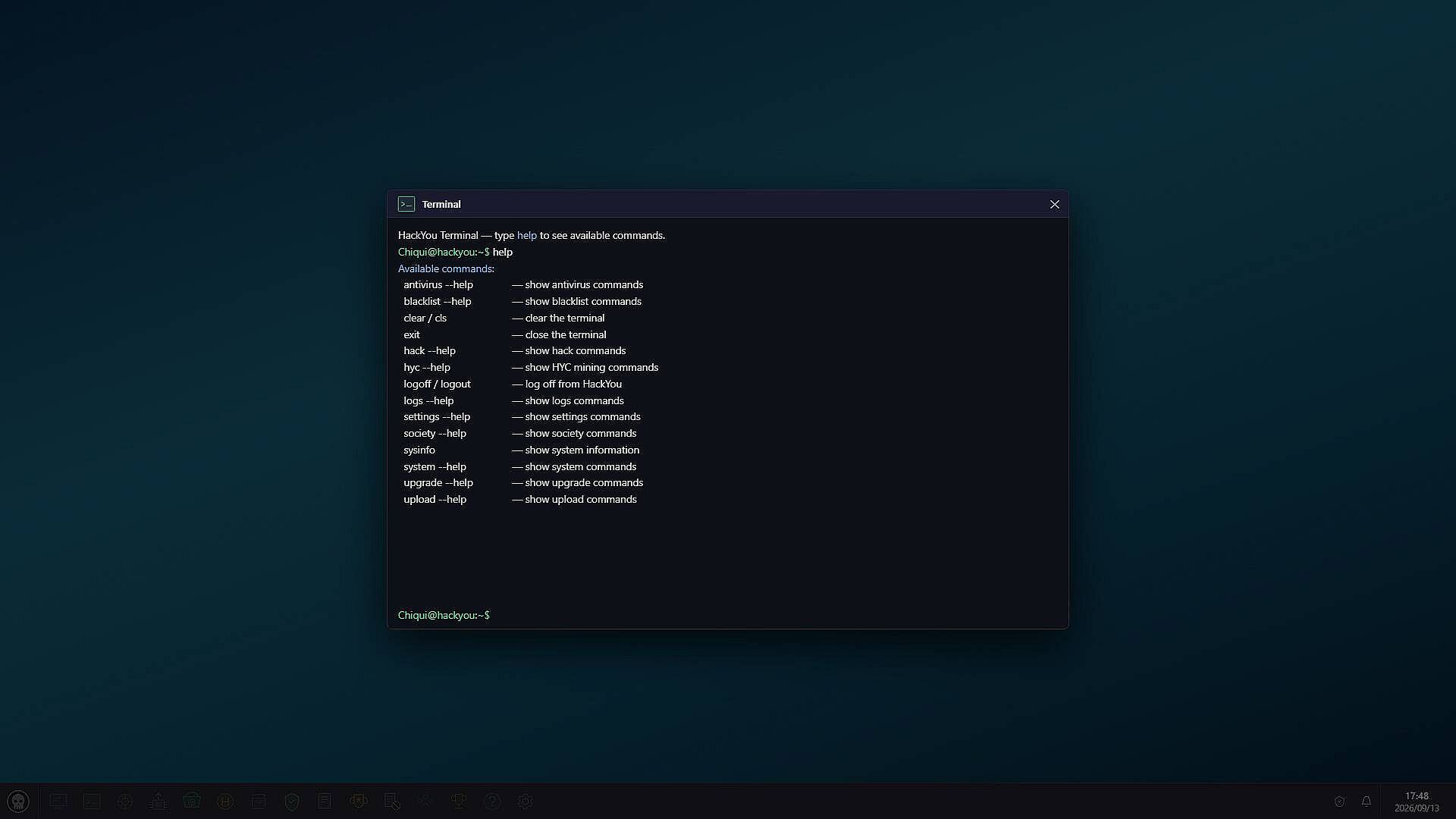
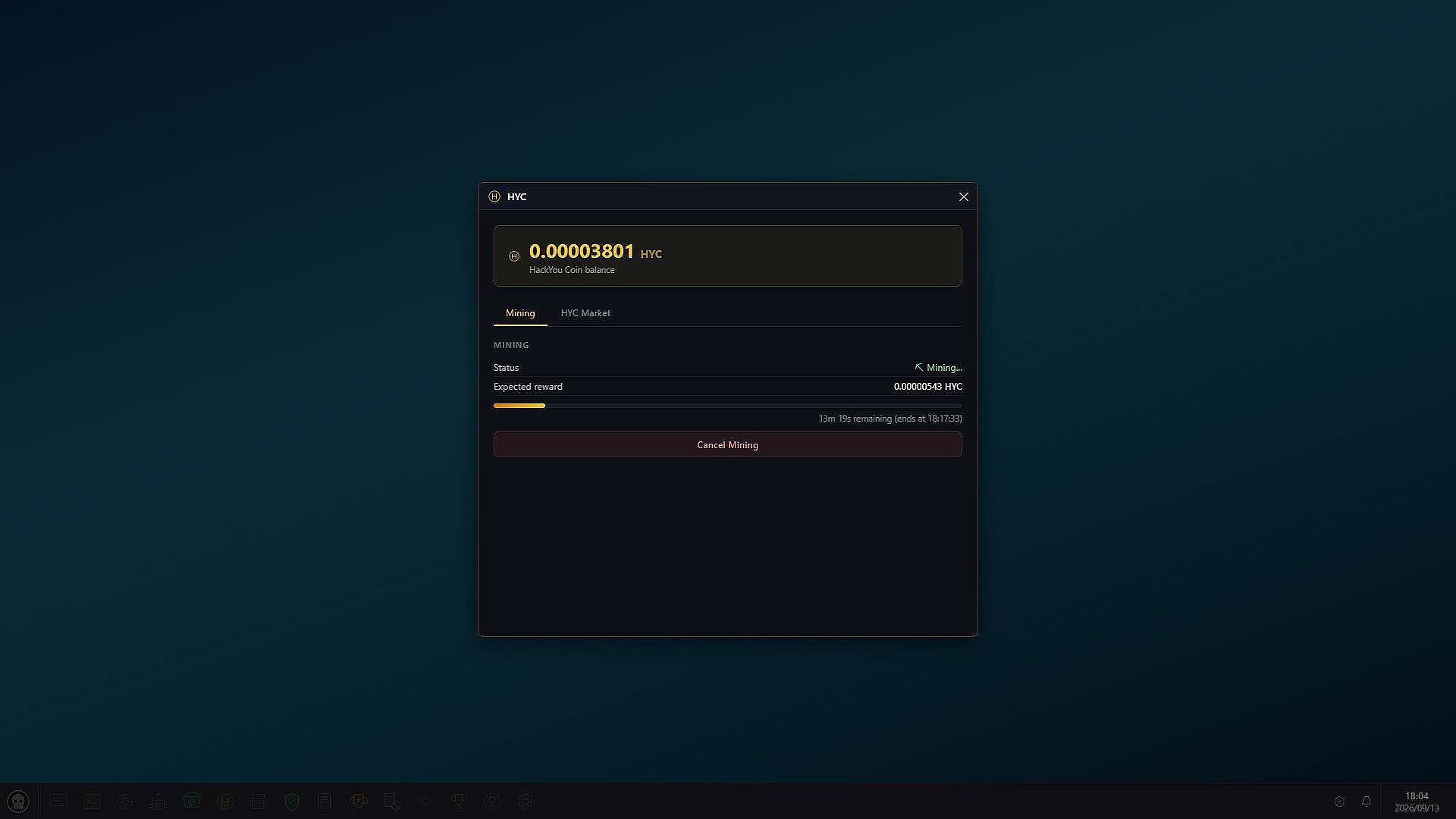
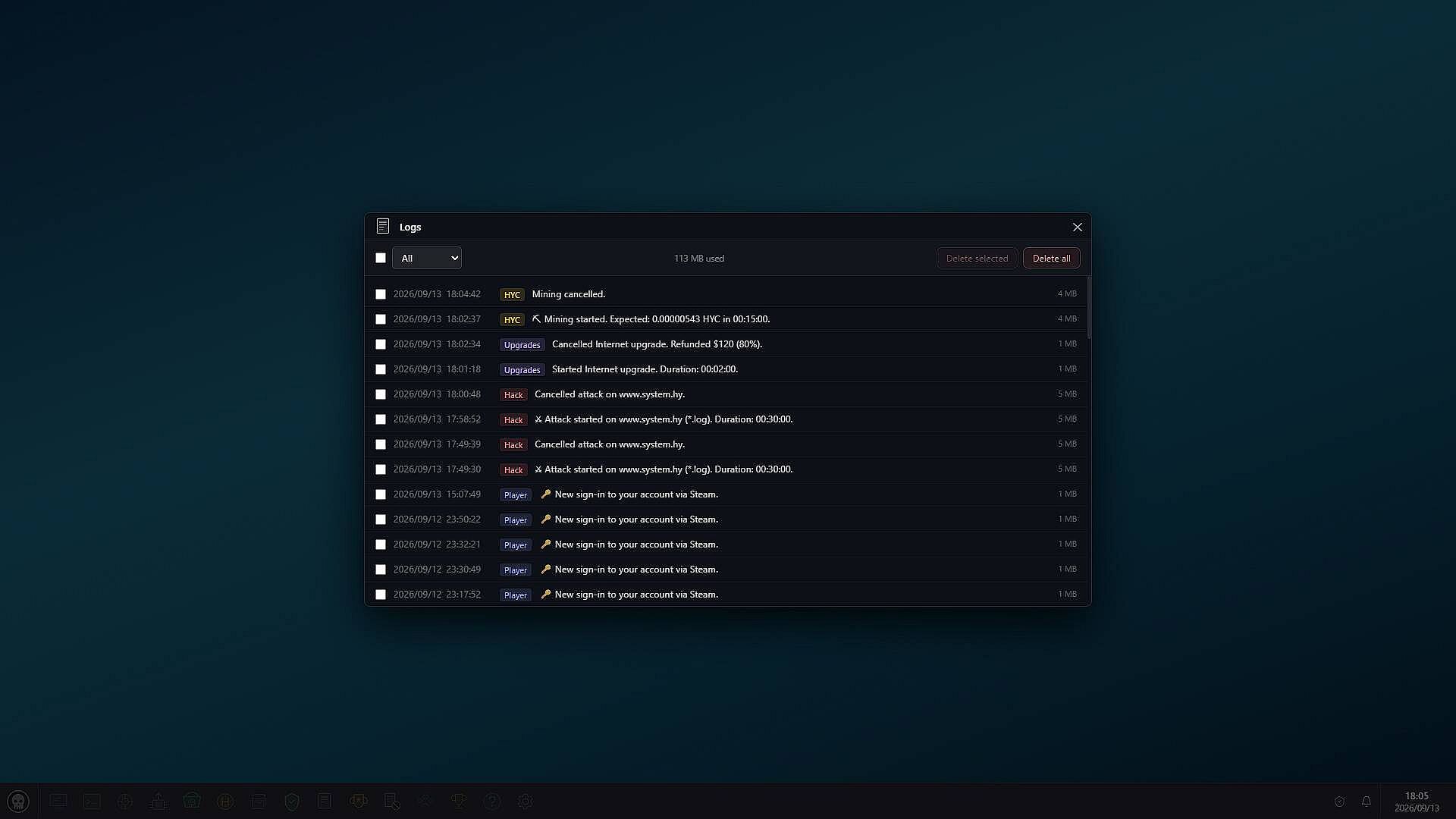
Progression occurs through five ranks that unlock additional targets and player versus player options. Mining produces a cryptocurrency that trades on a live market with fluctuating prices, while stolen files move to a black market for cash conversion. All activity occurs inside a simulated desktop complete with file explorer, terminal commands, logs, and ranking screens. Game updates appear as installable system patches within that same environment.
Game Modes
Institution attacks form the primary single player style activity, scaling in complexity and reward. Once players reach the appropriate rank they can initiate direct attacks on other participants using IP addresses, with successful thefts transferring files and failed attempts exposing the attacker on a public blacklist. Defensive tools such as firewalls and antivirus software detect and counter incoming intrusions.
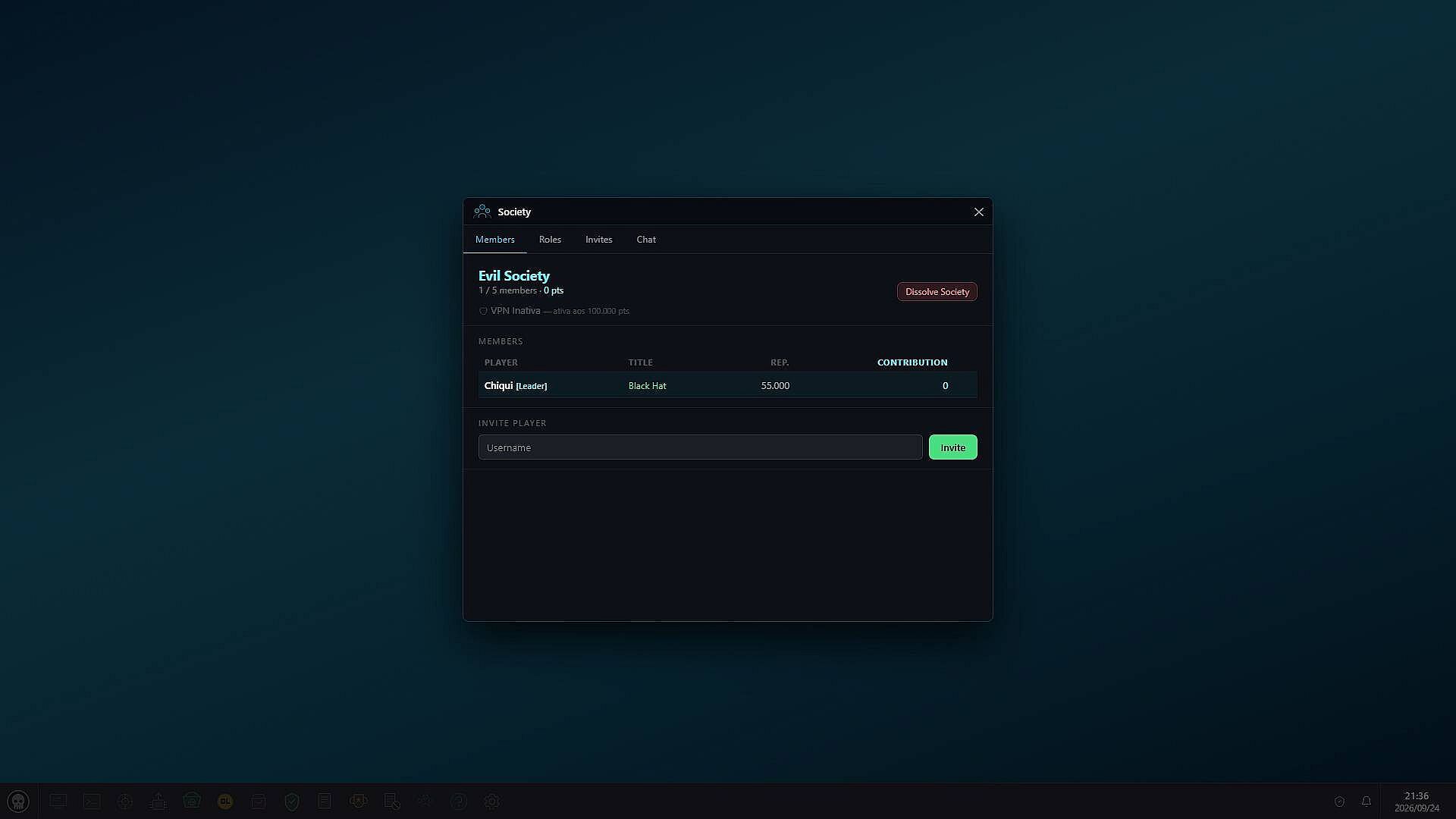
Societies provide a group layer where players form or join organizations, assign roles, communicate internally, and accumulate collective points. These groups compete on dedicated society rankings while individual players track global leaderboards. The persistent world means actions by one participant can affect others through shared markets and player interactions.
Progression and Economy
Rank advancement from Lammer through Cracker, Black Hat, White Hat, and Hacker grants access to stronger targets and new abilities. Disk management forces constant trade offs because attacks, mining operations, and file uploads all draw from the same limited storage. The live cryptocurrency market introduces price volatility that rewards timing and risk assessment when converting mined assets into usable funds or premium features.
IP address changes allow players to evade detection after exposure, while hardware choices determine overall efficiency across multiple systems. Steam achievements track milestones such as rank milestones and successful high value thefts.
Is It Worth Playing?
Dark Looter targets players who enjoy deliberate, resource management focused simulations with both solo and multiplayer elements. The real time upgrade timers and shared economy create ongoing decisions about hardware priorities and risk versus reward. Because the game remains in development with a planned 2027 release, no player reviews or completed seasons exist yet. Those drawn to retro interface themes, persistent world competition, and incremental rig building will find the described systems align closely with that preference. Early interest can be gauged through the listed features and the free to play model once the title launches.