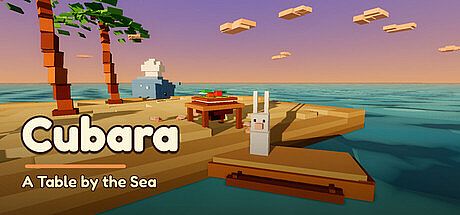


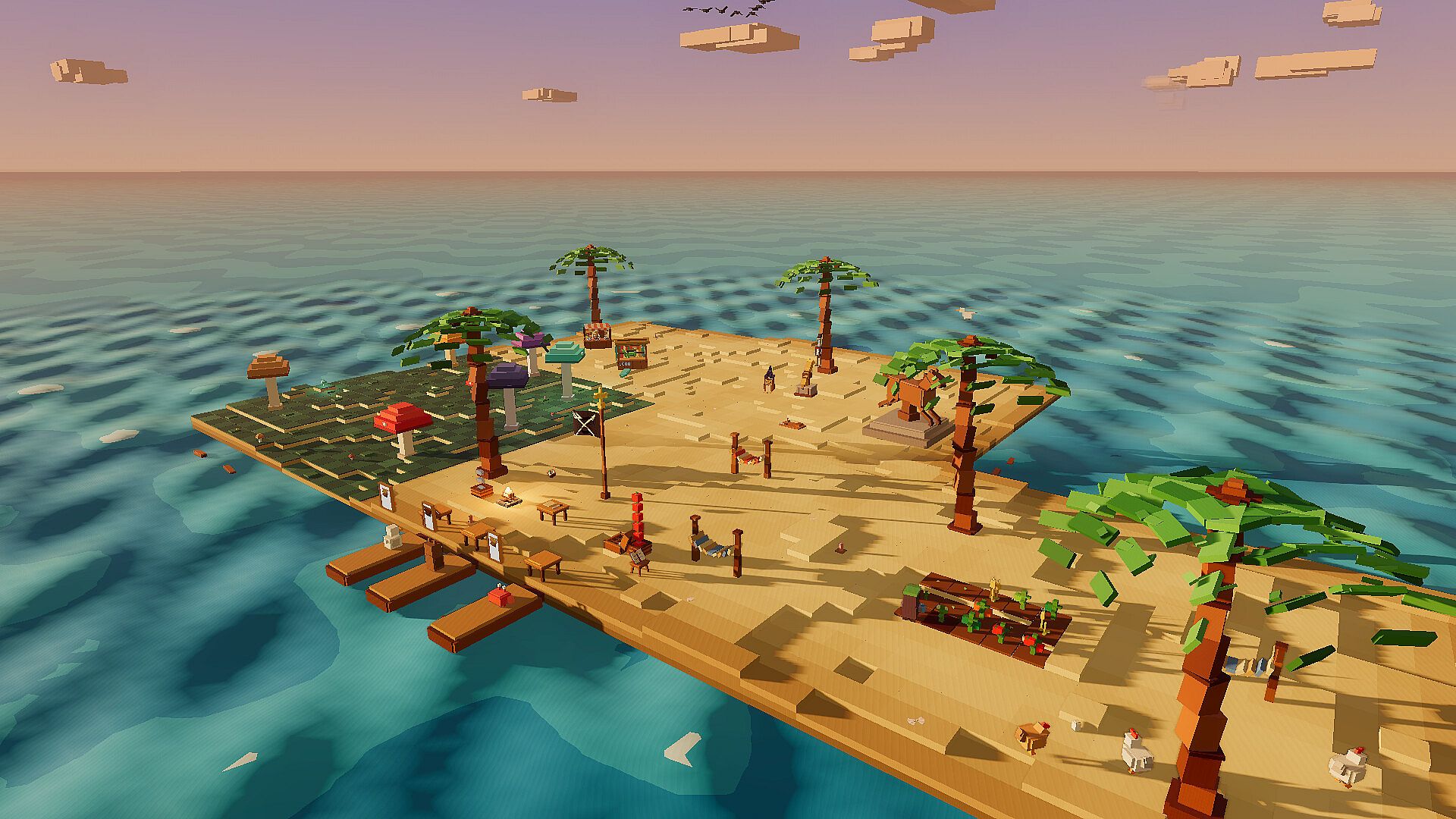
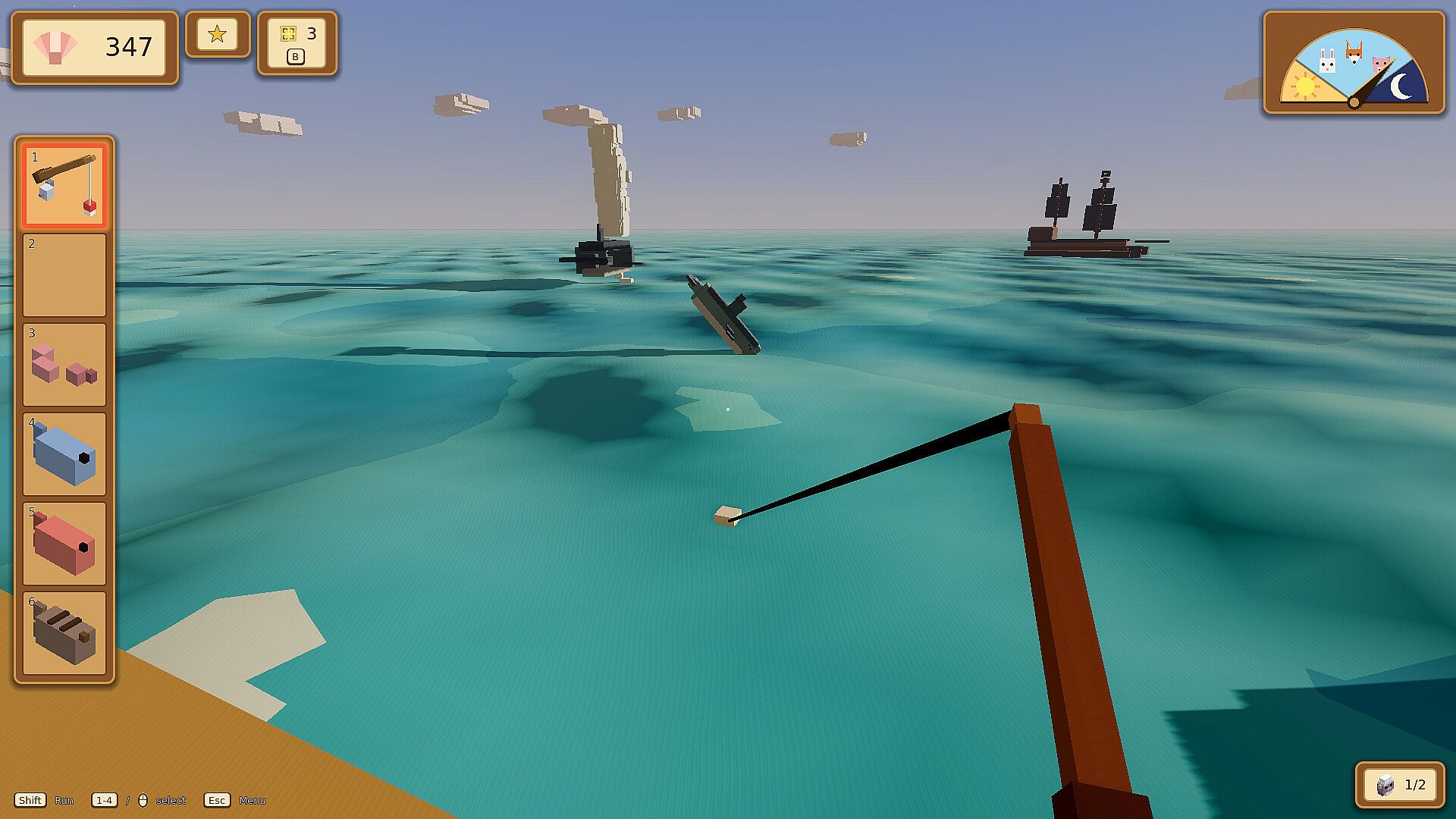
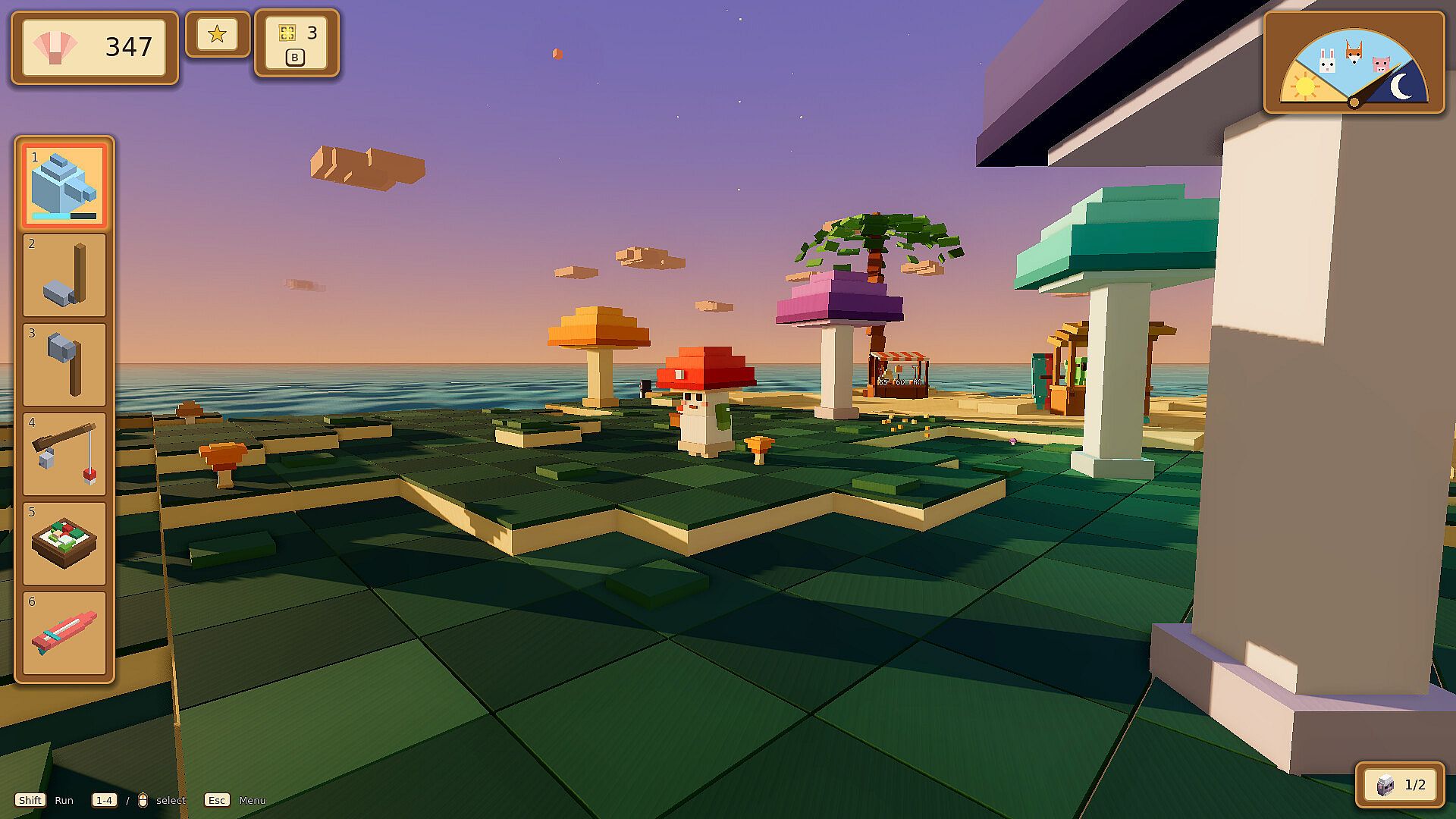
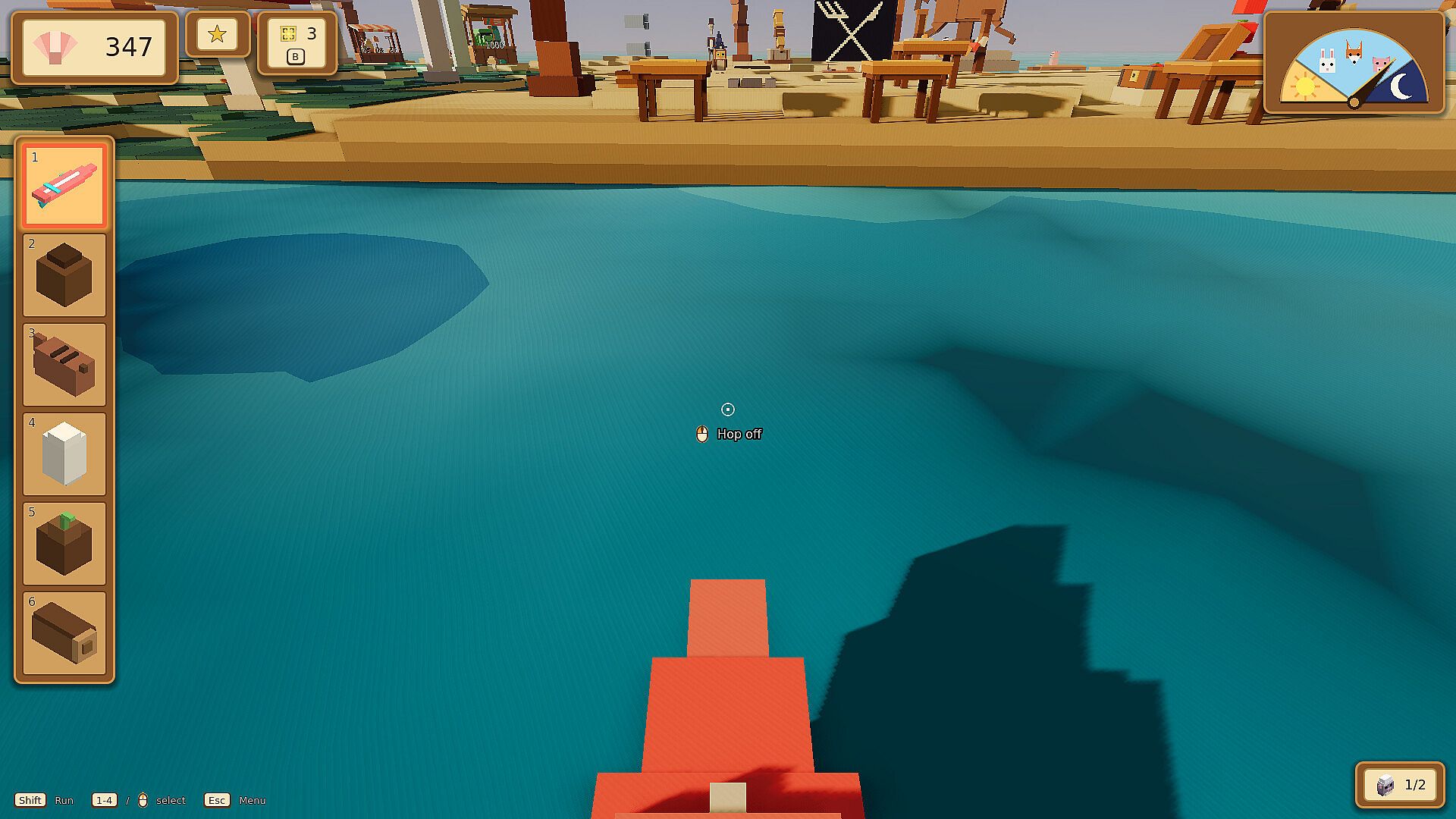

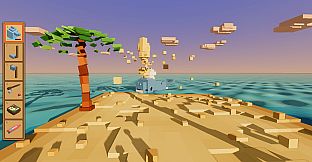
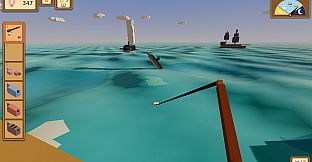
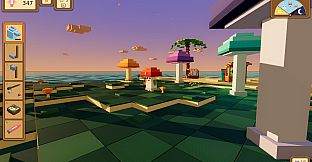
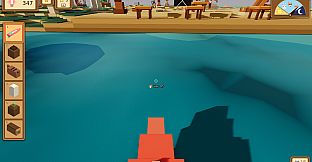

Cubara: A Table by the Sea es un juego indie de simulación casual en el que los jugadores llegan a una isla desierta y transforman una playa sencilla en un concurrido restaurante junto al mar. La experiencia gira en torno a la agricultura, la pesca, la cocina y el servicio a clientes animales que llegan en canoa, todo en un entorno relajado sin combates ni condiciones de fracaso.
Gameplay
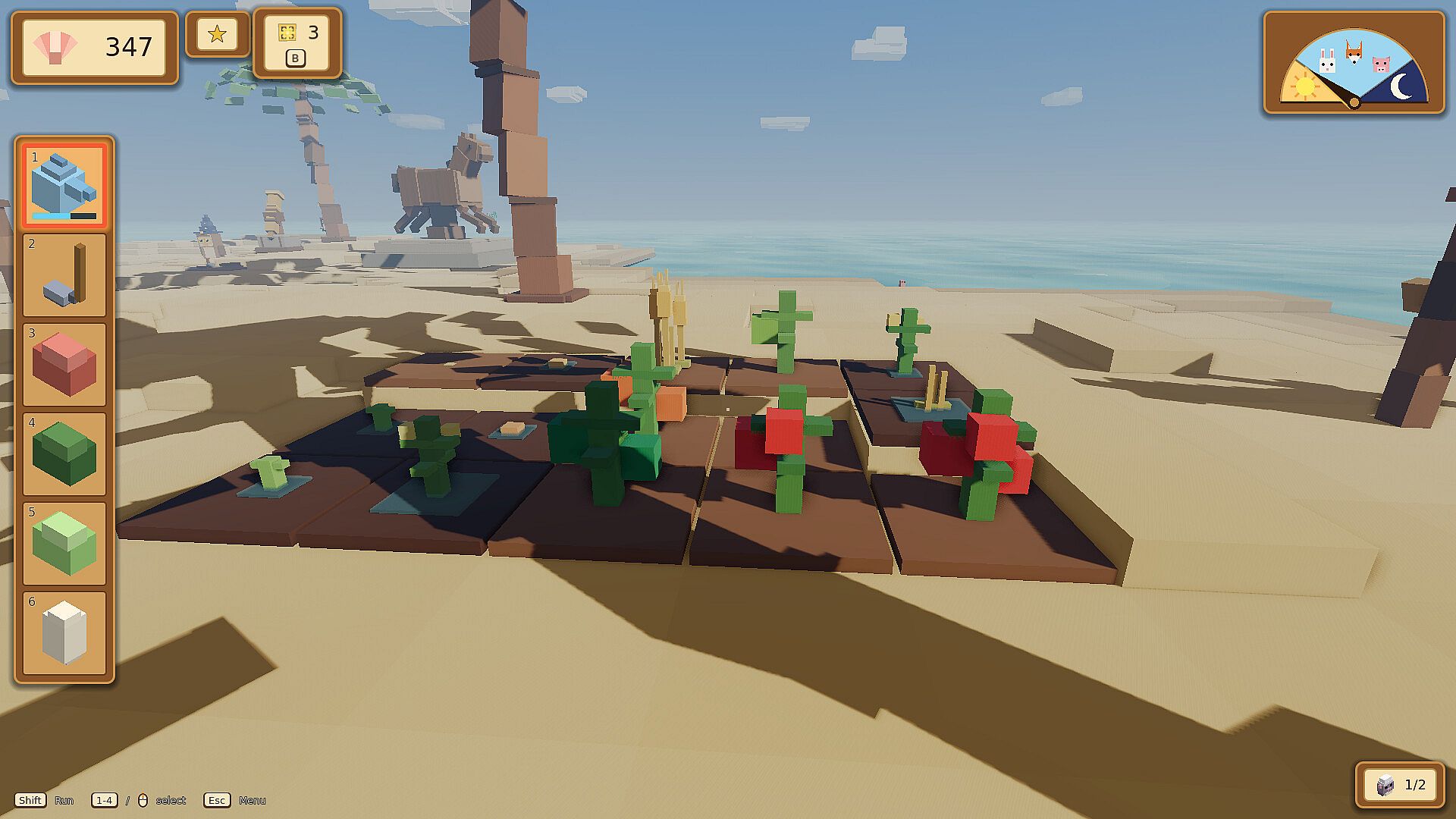
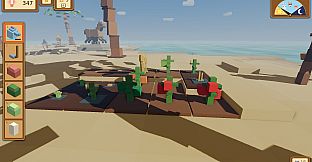
El ciclo principal empieza con la recolección básica de recursos en la isla. Los jugadores aran la arena para plantar tomates, pepinos, trigo y boniatos, los riegan y cosechan. Otras tareas incluyen sacudir cocos de la única palmera, recoger huevos, cavar cebo y pescar desde la orilla. Todos los ingredientes del menú proceden directamente de la isla.
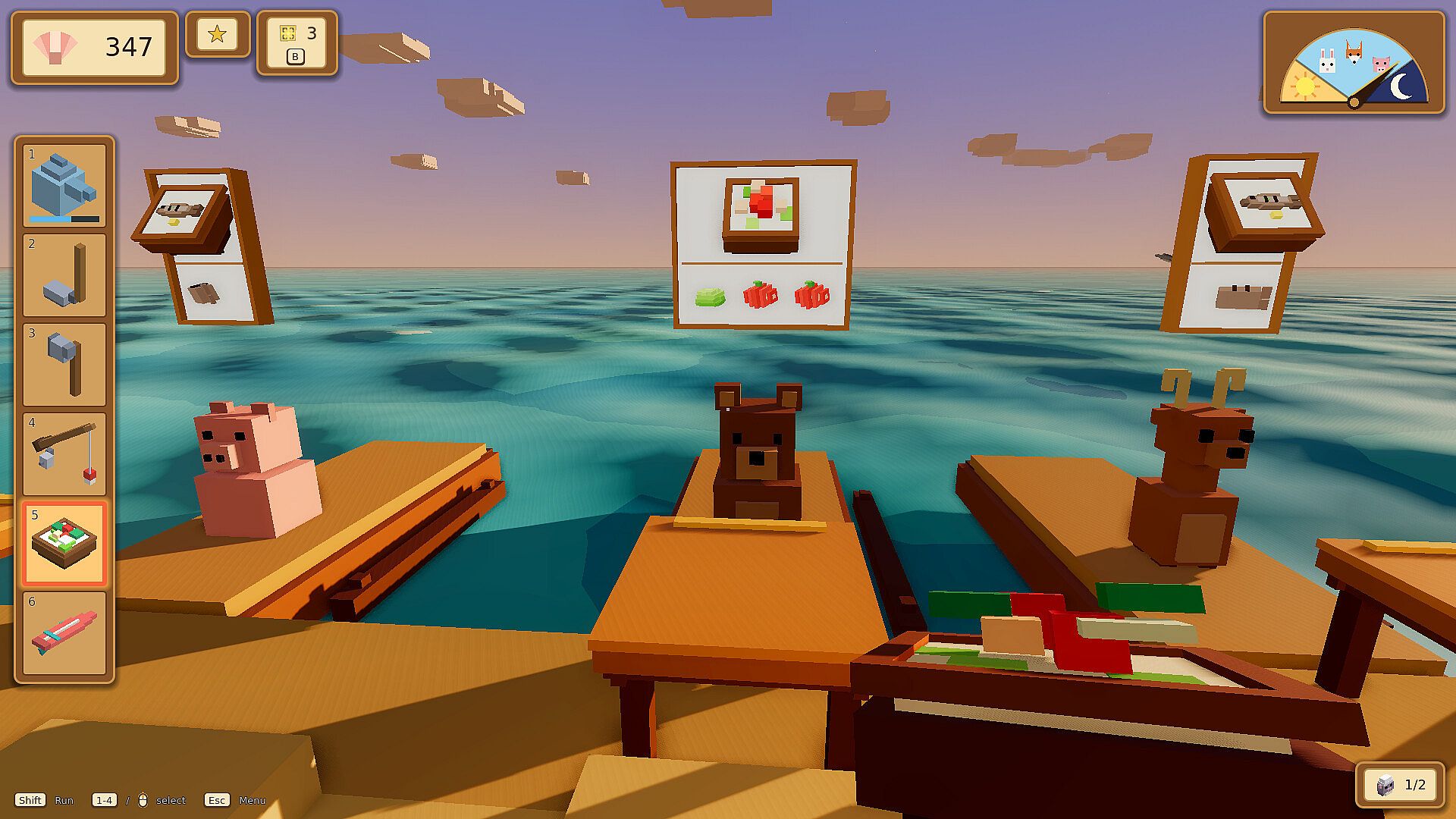
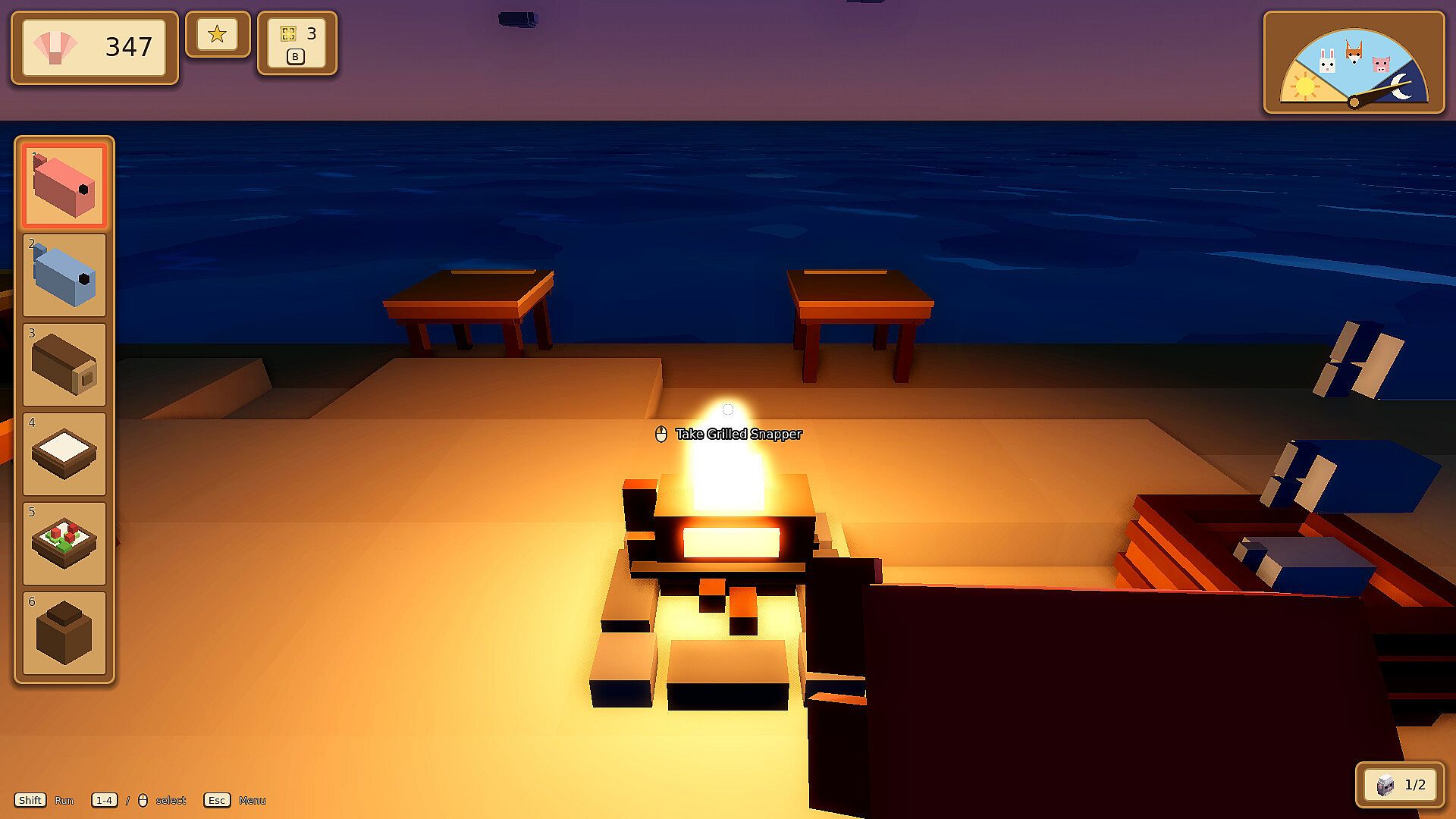
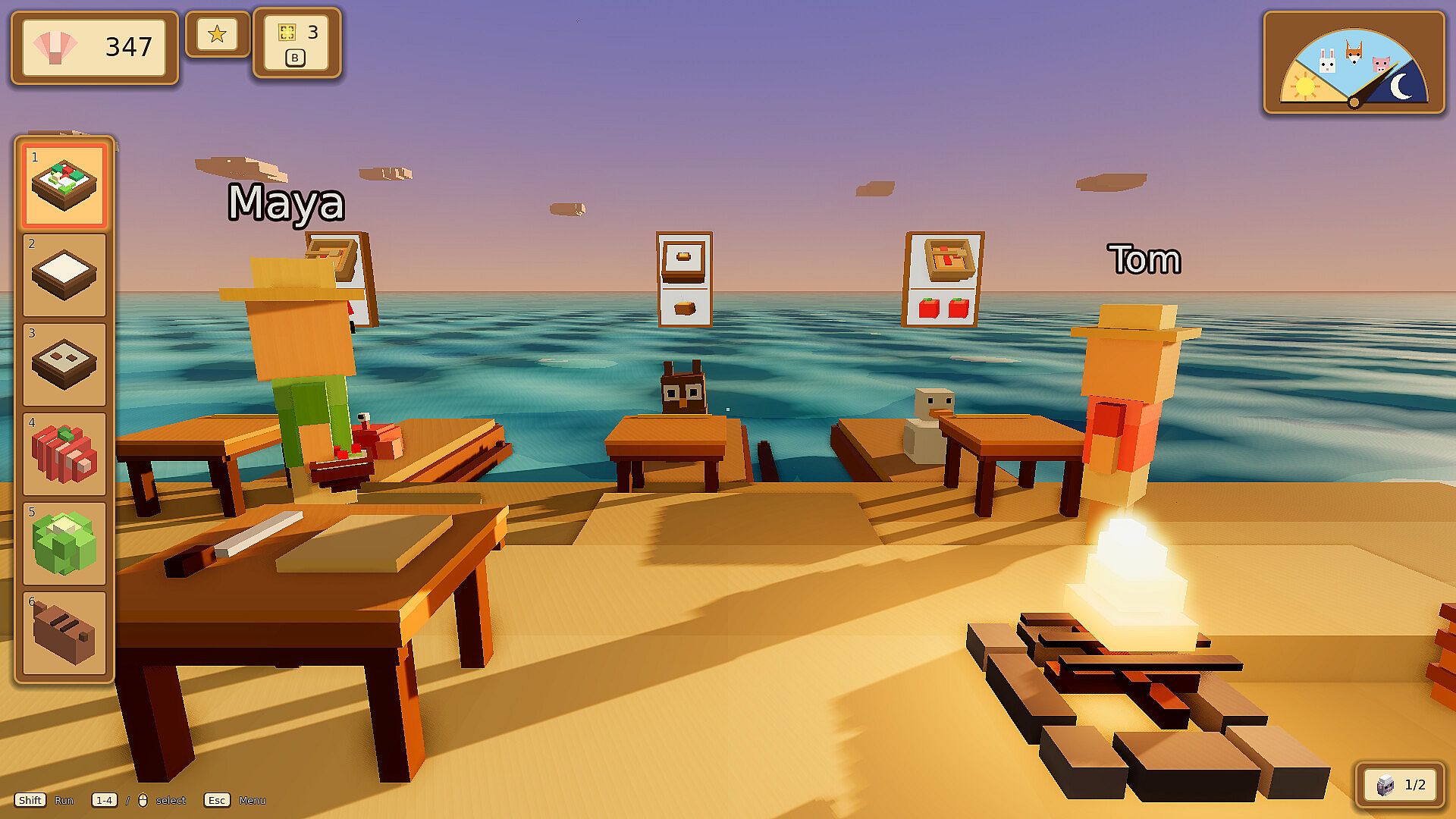
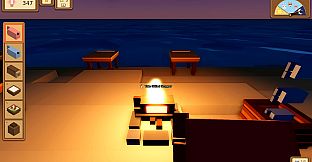
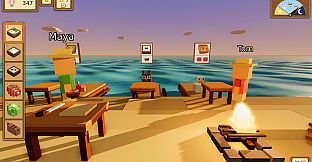
La cocina se realiza a mano con un sistema inspirado en Overcooked, pero sin presión de tiempo. Incluye cortar en la tabla, montar platos sobre la arena y asar a la parrilla sobre una fogata de madera a la deriva. El menú abarca desde ensaladas sencillas hasta pescado a la plancha, pizza y sopa de setas. Los platos sucios se devuelven al mar para lavarlos. El servicio se produce al mediodía, cuando se iza la bandera y llegan canoas con clientes como zorros que piden ensalada o búhos que solicitan pescado a la plancha. Los jugadores leen los pedidos, preparan los platos, los sirven calientes y recogen las propinas que quedan en la arena.
A medida que el restaurante crece, la gestión del personal añade profundidad. Se pueden contratar topos, ratones, erizos y gatos para roles específicos como regar cultivos, pescar, atender mesas o fregar platos. Es posible definir rutas, mejorar herramientas y pagar sueldos cada noche para que las operaciones sigan funcionando incluso sin la intervención directa del jugador.
Modos de juego
La experiencia principal se desarrolla en modo un jugador, donde una persona se encarga de todos los aspectos de la granja, la cocina y el servicio a su propio ritmo. El juego también permite cooperativo en línea para dos jugadores, que pueden repartirse las tareas: uno en la cocina y otro en el servicio y las entregas durante la hora punta del almuerzo.
No existen modos competitivos ni de desafío. El foco está en la progresión constante a través de ciclos diarios de preparación, servicio y actividades de relajación al atardecer, como hacer surf o contemplar las estrellas con un telescopio. Los jugadores pueden bajar la bandera para saltarse un día entero si prefieren tomarse un descanso del servicio.
Expansión de la isla y progresión
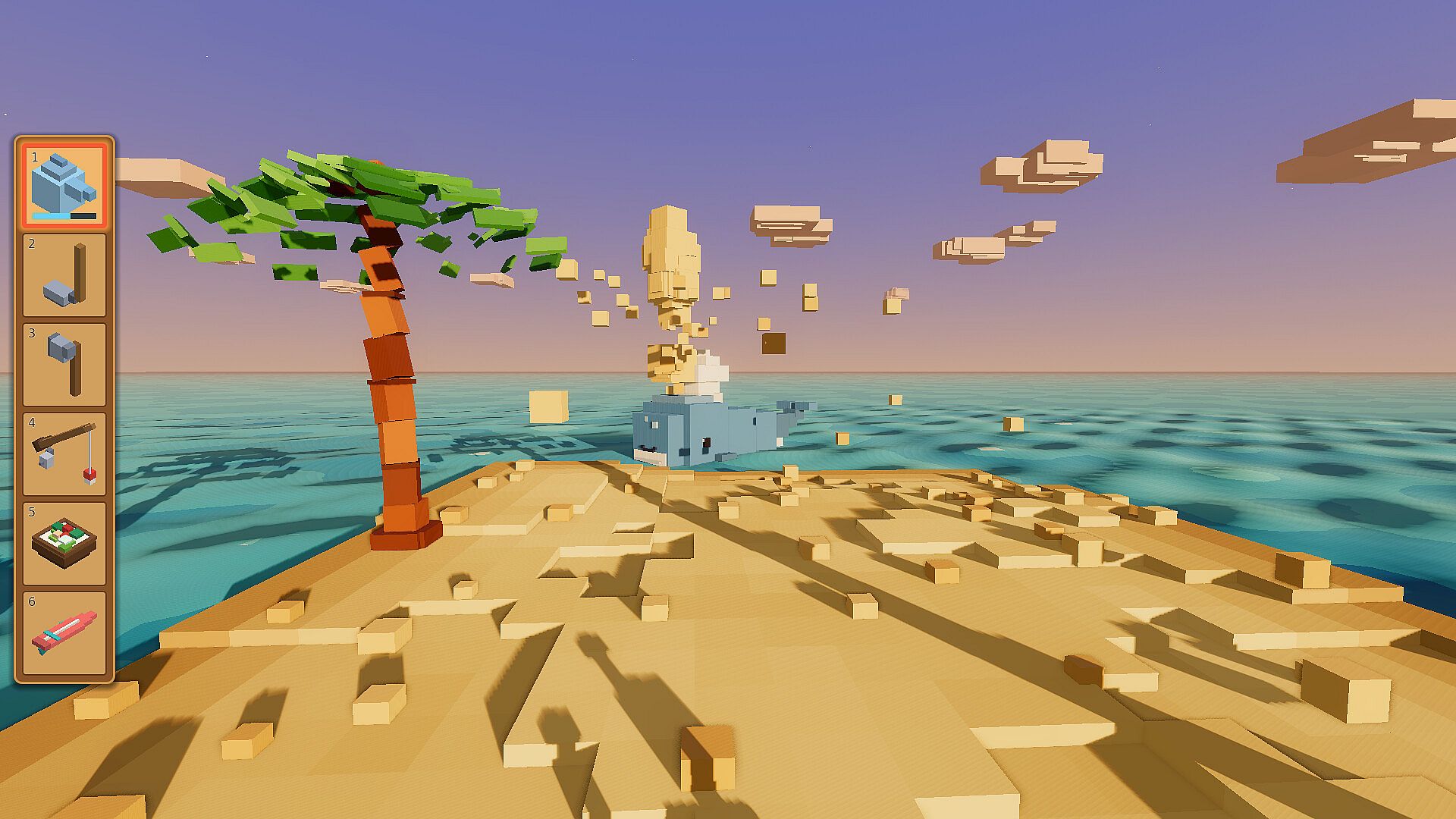
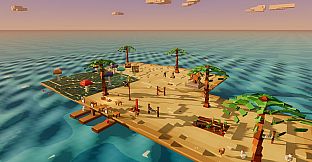
El progreso se logra recogiendo conchas para financiar el crecimiento de la isla. El personaje ballena eleva nuevas secciones de tierra desde el mar, cada una con una sorpresa única como un nuevo vecino, una tienda o un secreto. Estas adiciones aumentan el espacio disponible para más cultivos, mesas y personal. El menú se amplía de forma natural con nuevos ingredientes y recetas que se descubren en el camino. Una estrella Michelin espera al crítico grulla que visita el local cuando se cumplen los estándares.
Todo permanece dentro del entorno insular, con soporte completo para texto en inglés y hebreo, incluida la disposición de derecha a izquierda. La ausencia de podredumbre, deudas o contratiempos permanentes mantiene el enfoque en un crecimiento constante y agradable.
¿Merece la pena jugarlo?
Cubara: A Table by the Sea está pensado para quienes disfrutan de simuladores relajados de agricultura y cocina con elementos ligeros de gestión. El diseño sin estado de fallo, el sistema de personal animal y la opción de cooperativo lo hacen accesible tanto para partidas en solitario como para compartir con un amigo. Quienes buscan acción de alto riesgo o estrategia compleja pueden encontrar el ritmo demasiado suave, mientras que los aficionados a la vida isleña relajada y a la construcción incremental de un restaurante apreciarán el bucle diario constante y las sorpresas de expansión. El juego está disponible en PC y pone el acento en la libertad del jugador para marcar el ritmo sin presiones externas.