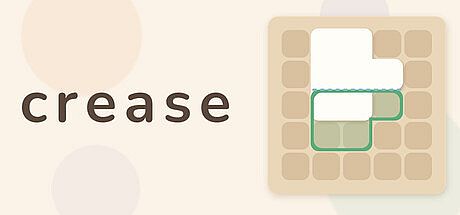


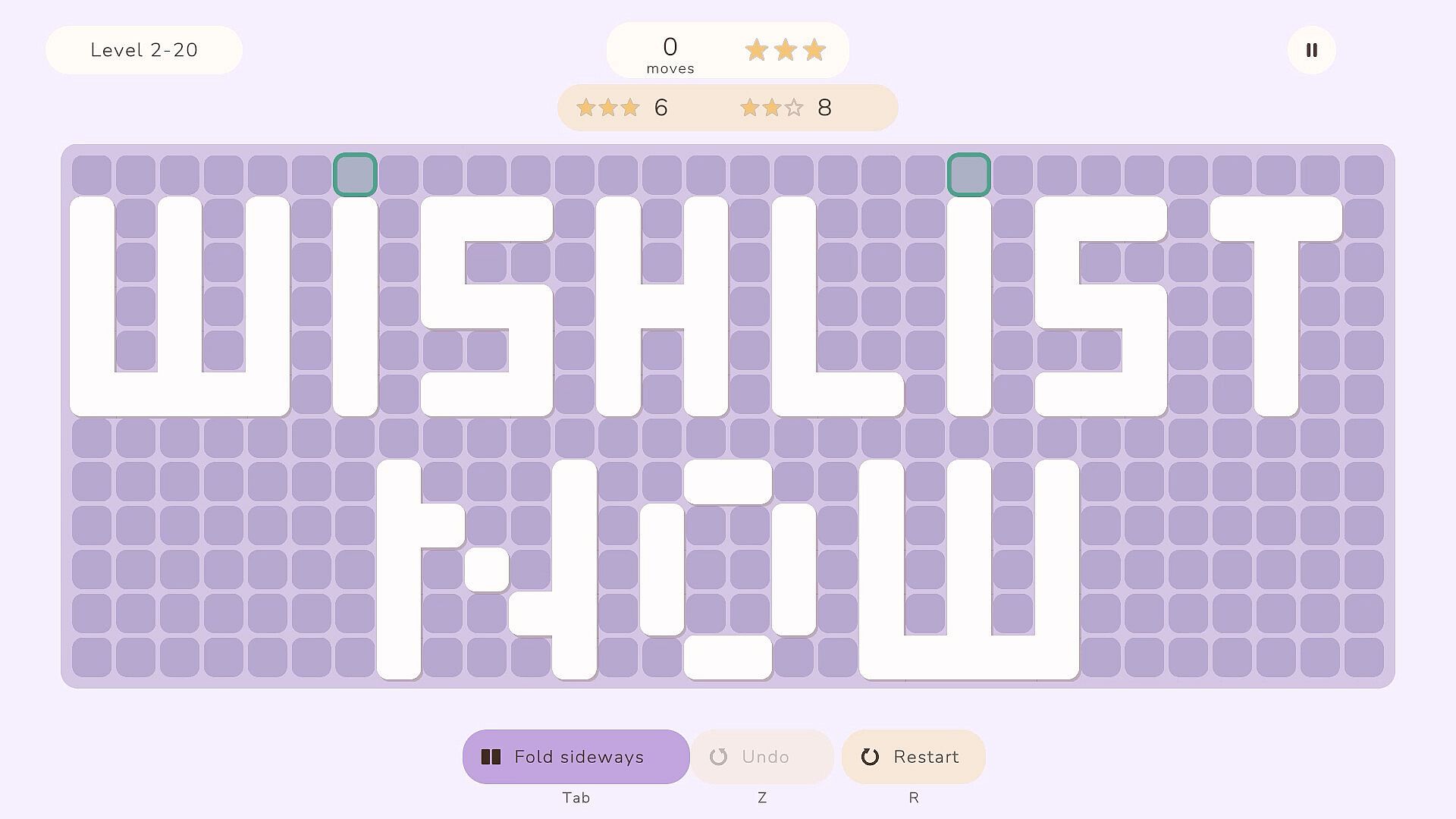
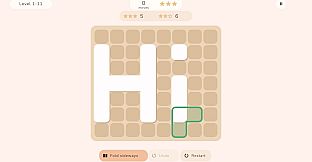
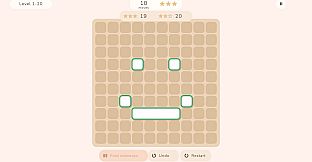
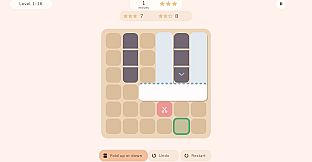
Crease is an indie casual puzzle game centered on folding a sheet of paper to match a precise target shape on a grid. Players manipulate creases and sides to transform the paper step by step until it aligns exactly with the outline in both form and position.
Gameplay
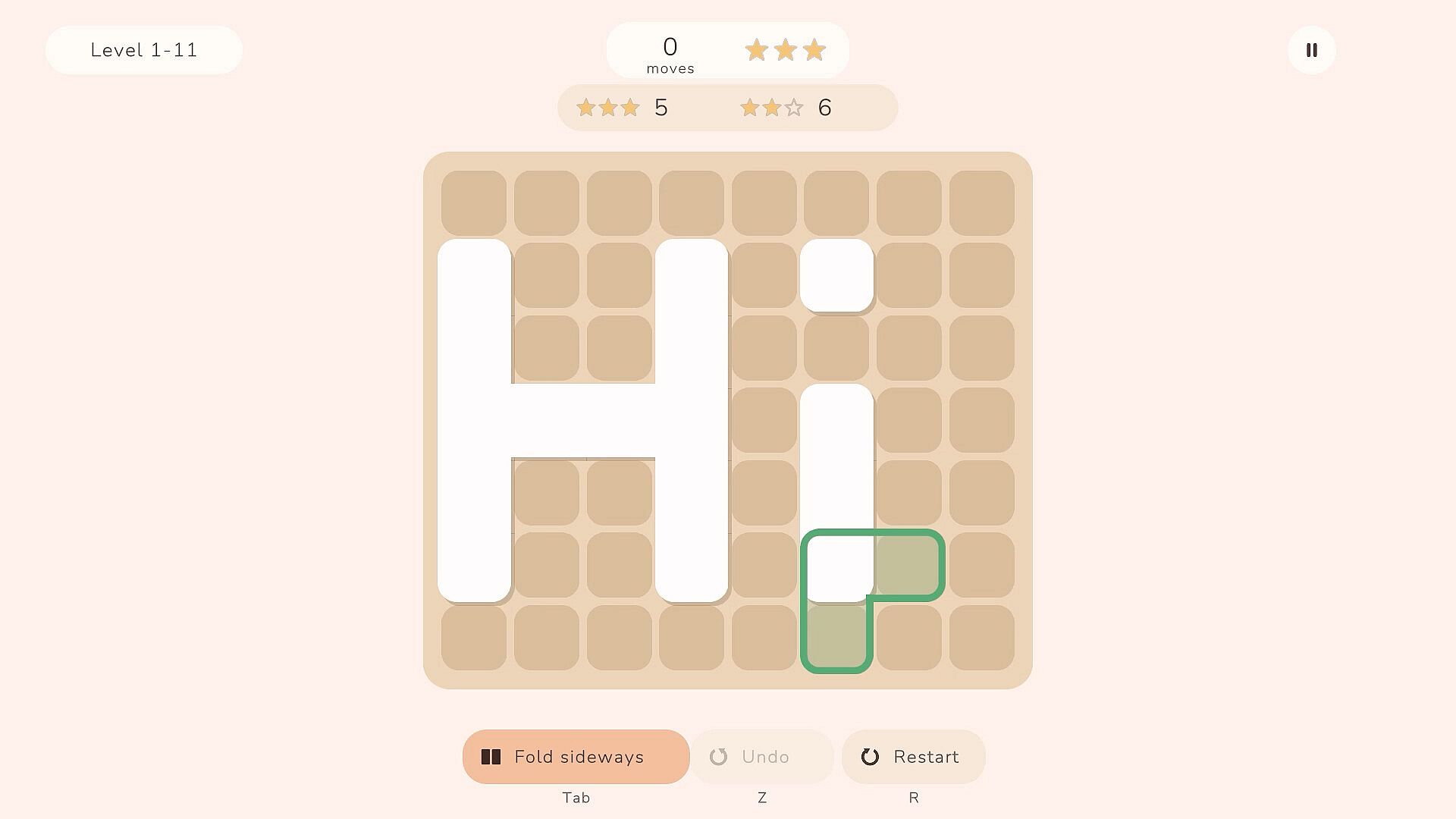
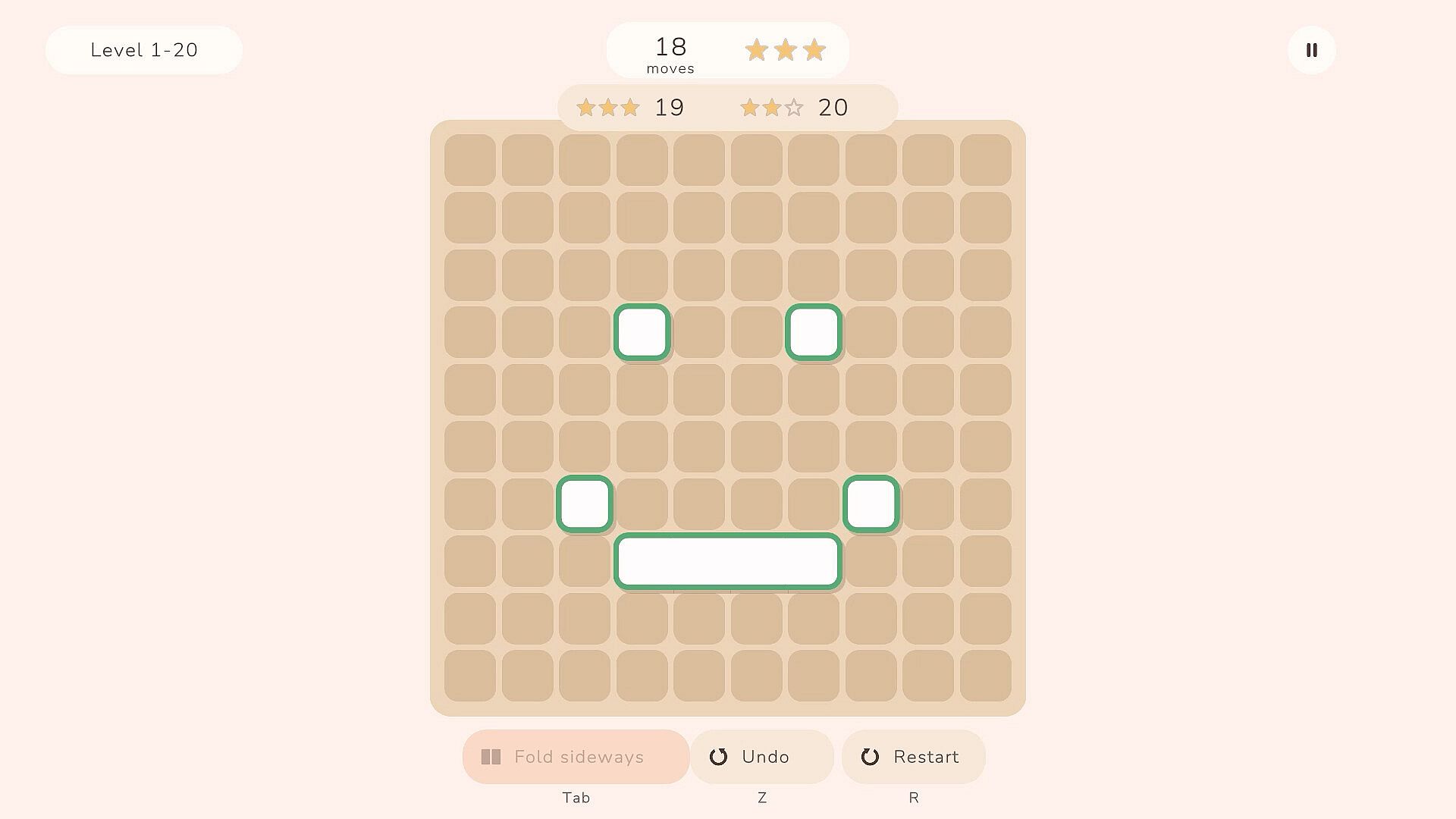
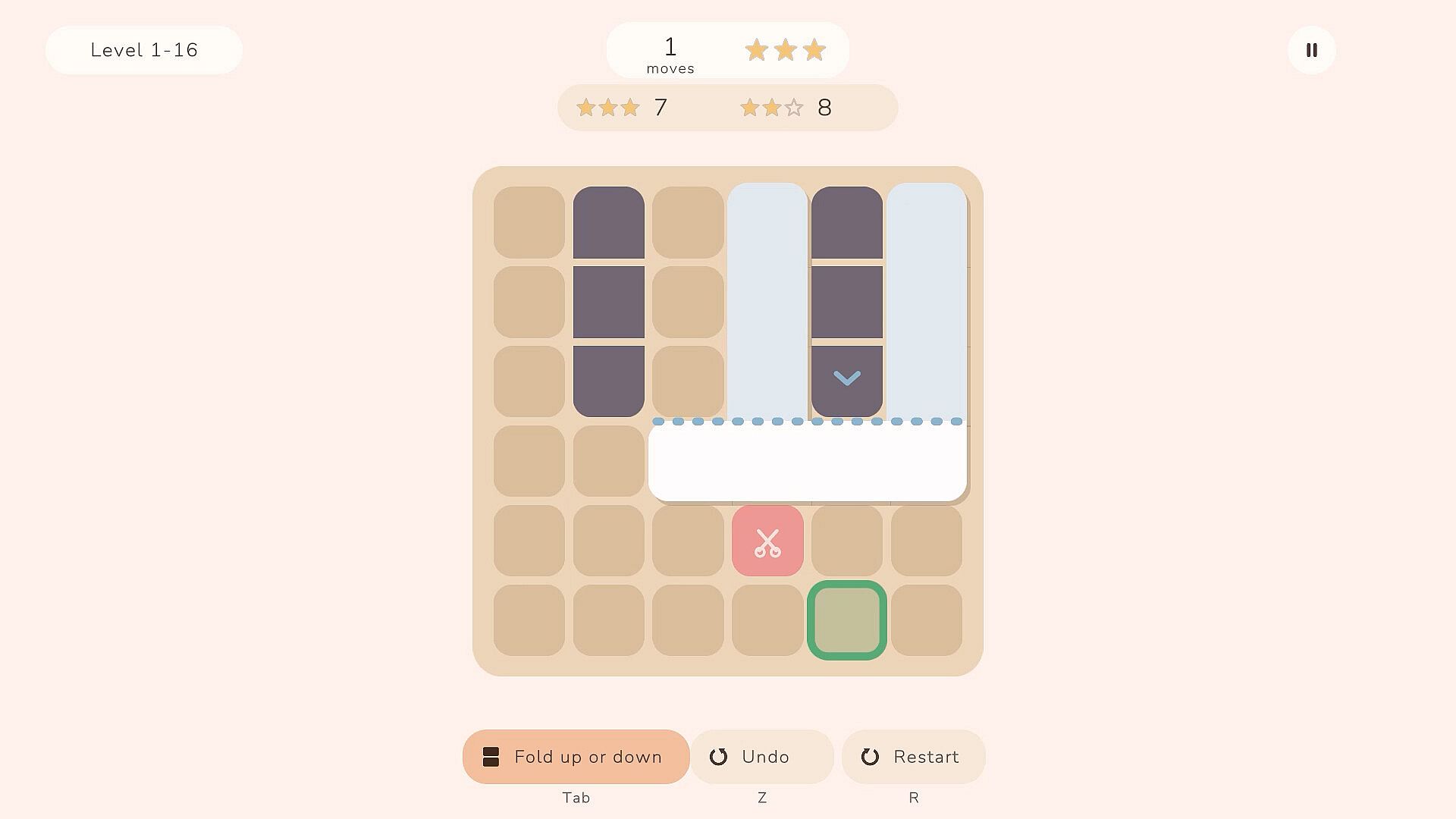
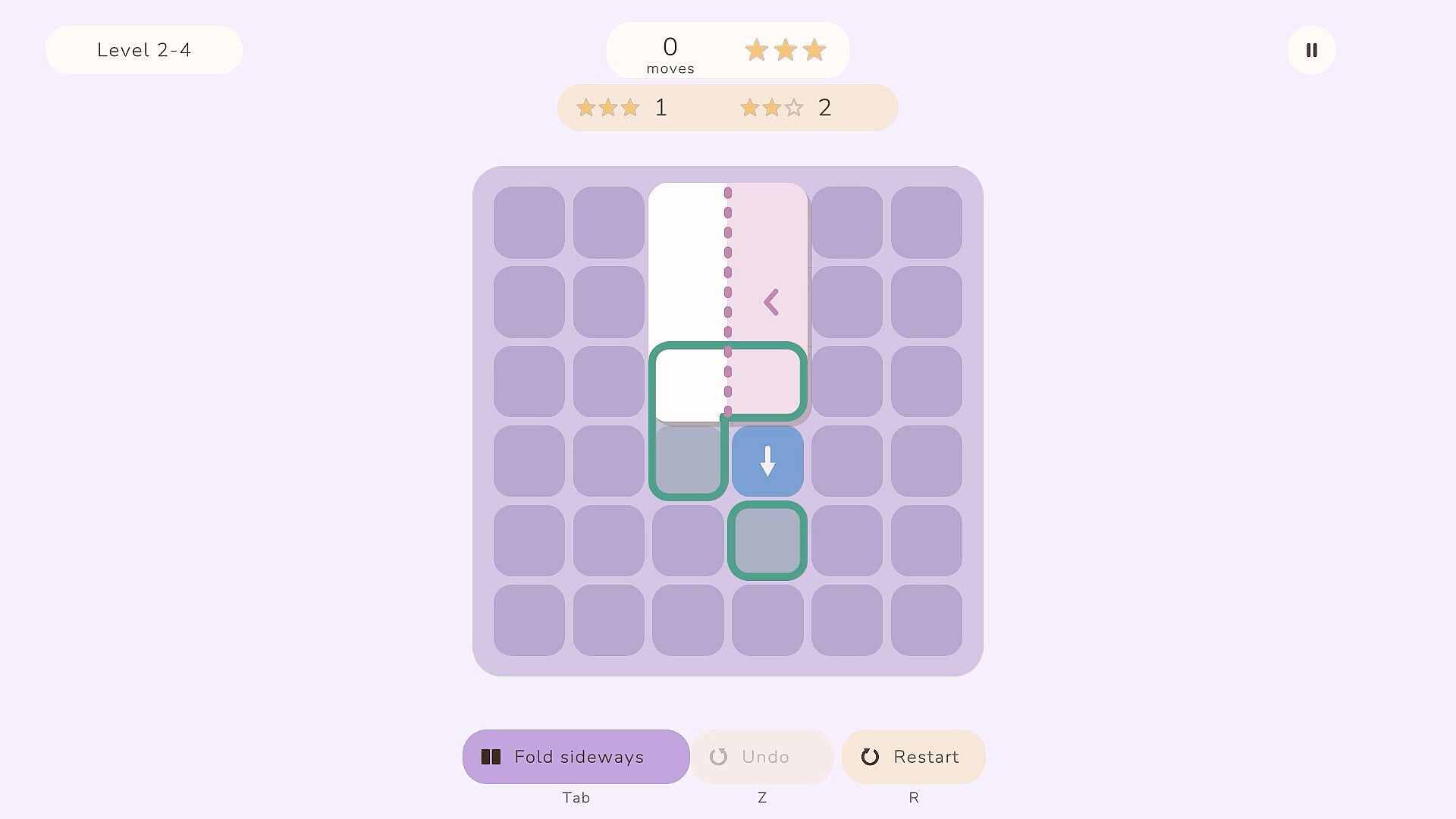
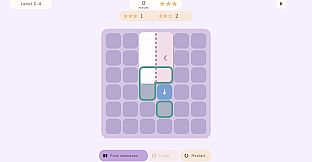
The core loop involves selecting a crease line on the paper and choosing which side to fold over. Each fold alters the paper's configuration, and the goal remains consistent across all challenges: reach the exact target shape and placement without deviation. The grid provides clear boundaries, while the outline serves as the constant reference point for success.
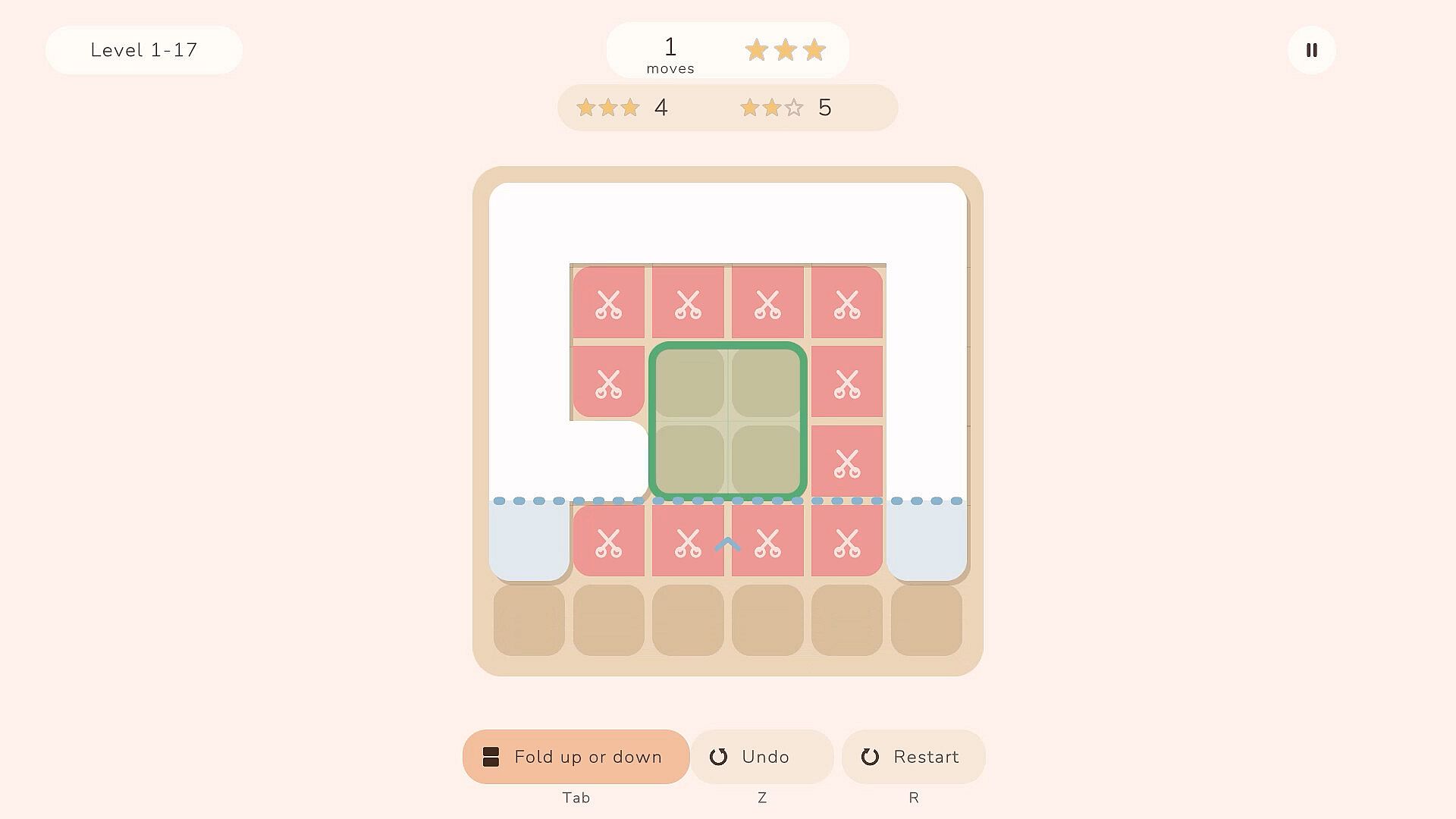
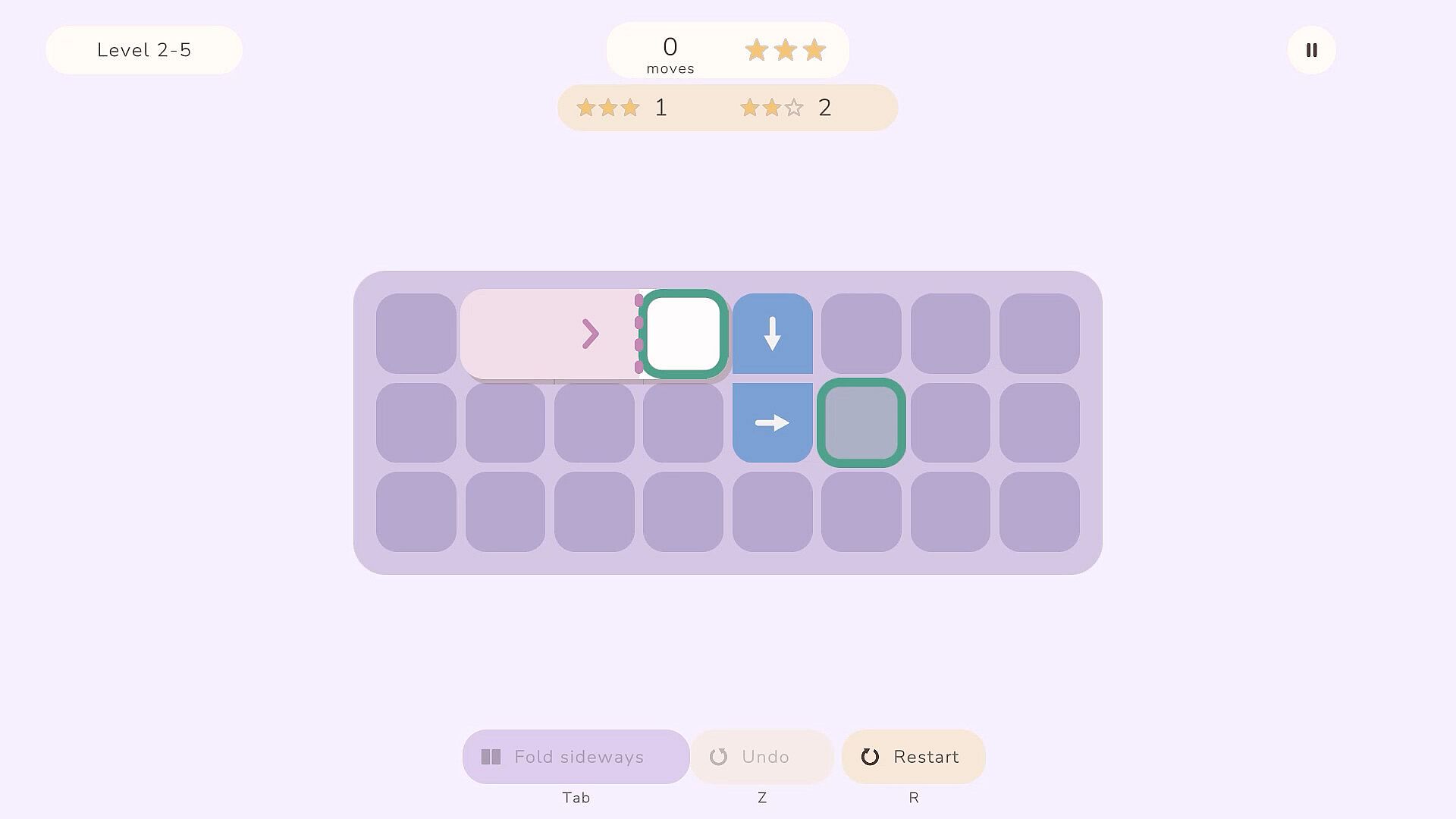
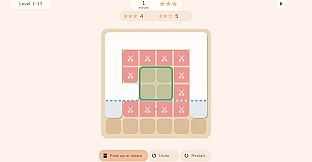
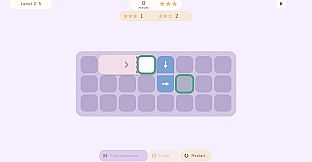
Mechanics build gradually through the experience. Early puzzles introduce basic folds in straightforward directions. Later ones incorporate obstacles such as blockers that restrict certain folds, shredders that alter paper edges, and pushers that shift sections of the sheet. These elements require players to plan sequences carefully, often testing multiple approaches before settling on the correct series of moves.
Control remains simple and deliberate. Any fold can be undone at any time, and the entire puzzle can be restarted instantly. No timers or penalties exist, allowing focus entirely on spatial reasoning and experimentation with the paper's geometry.
Game Modes
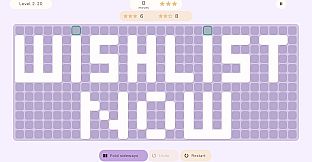
Crease centers on a single progression of over 100 puzzles. Each level presents a fresh target outline on the grid, and solutions demand repeated folding to match it precisely. The puzzles introduce new mechanics at a measured pace, ensuring that mastery of one set of rules leads directly into challenges that combine prior techniques with fresh constraints.
Progression feels organic rather than segmented. Players encounter variations in shape complexity, obstacle placement, and required fold sequences. The absence of separate modes keeps attention on the folding process itself, with every puzzle serving as both a standalone challenge and a step toward handling more intricate configurations.
Core Mechanics and Puzzle Design
Folds operate in any direction the player chooses, with the choice of which half moves adding an extra layer of decision making. The paper's physical properties on the grid mean that overlapping layers and edge alignments must be considered at every step. Blockers limit fold paths, shredders remove or damage portions of the paper, and pushers reposition elements, all of which force adaptive strategies.
The design emphasizes precision over speed. Each puzzle teaches a specific spatial concept through direct interaction, and the cumulative effect across the full set builds a deeper understanding of how folds interact with obstacles and targets. The result is a steady increase in complexity that rewards observation and iteration rather than trial and error under pressure.
Is It Worth Playing?
Crease suits players who enjoy deliberate, low-pressure puzzle solving. The relaxed structure, unlimited undos, and lack of failure states make it accessible for casual sessions or longer focused play. Those drawn to spatial reasoning and paper-folding concepts will find the mechanics rewarding as they progress through the levels.
The game delivers a consistent experience built around its central folding system. With more than 100 puzzles that layer new elements onto established ones, it provides substantial content for the genre without unnecessary additions. Players seeking a quiet, thoughtful challenge on PC will likely appreciate the straightforward presentation and steady learning curve.