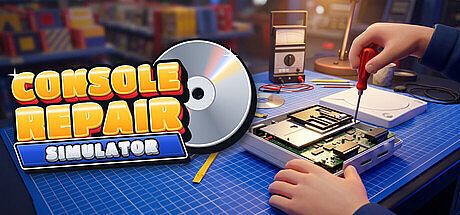


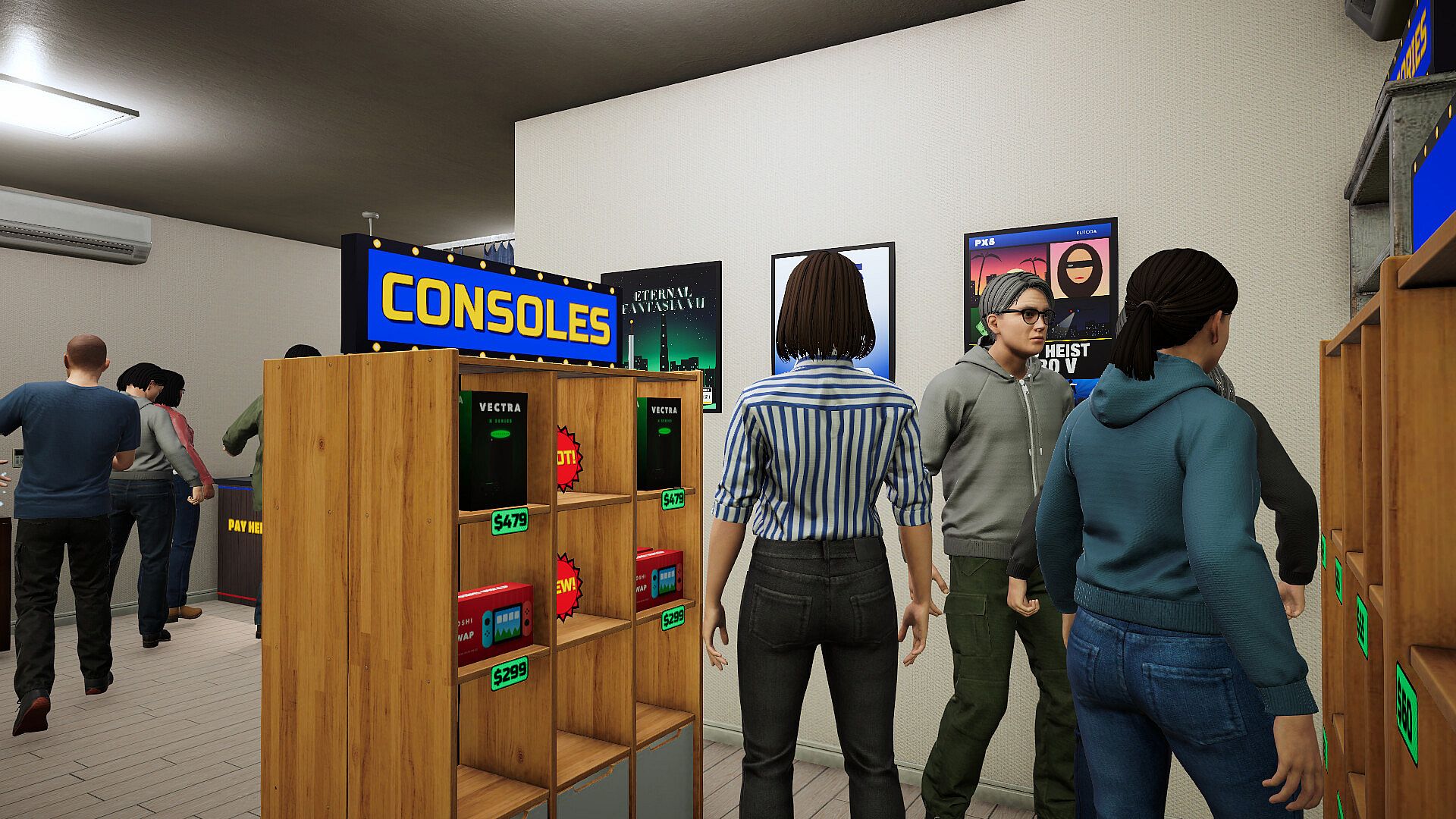
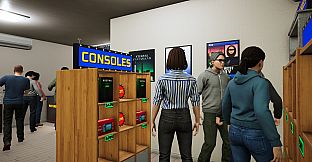
Console Repair Simulator is a single-player indie simulation game that puts players in charge of a small console shop in a quiet Tokyo back street. The experience centers on managing inventory, haggling with customers, and performing detailed repairs on retro-style hardware across three floors of the building.
Gameplay
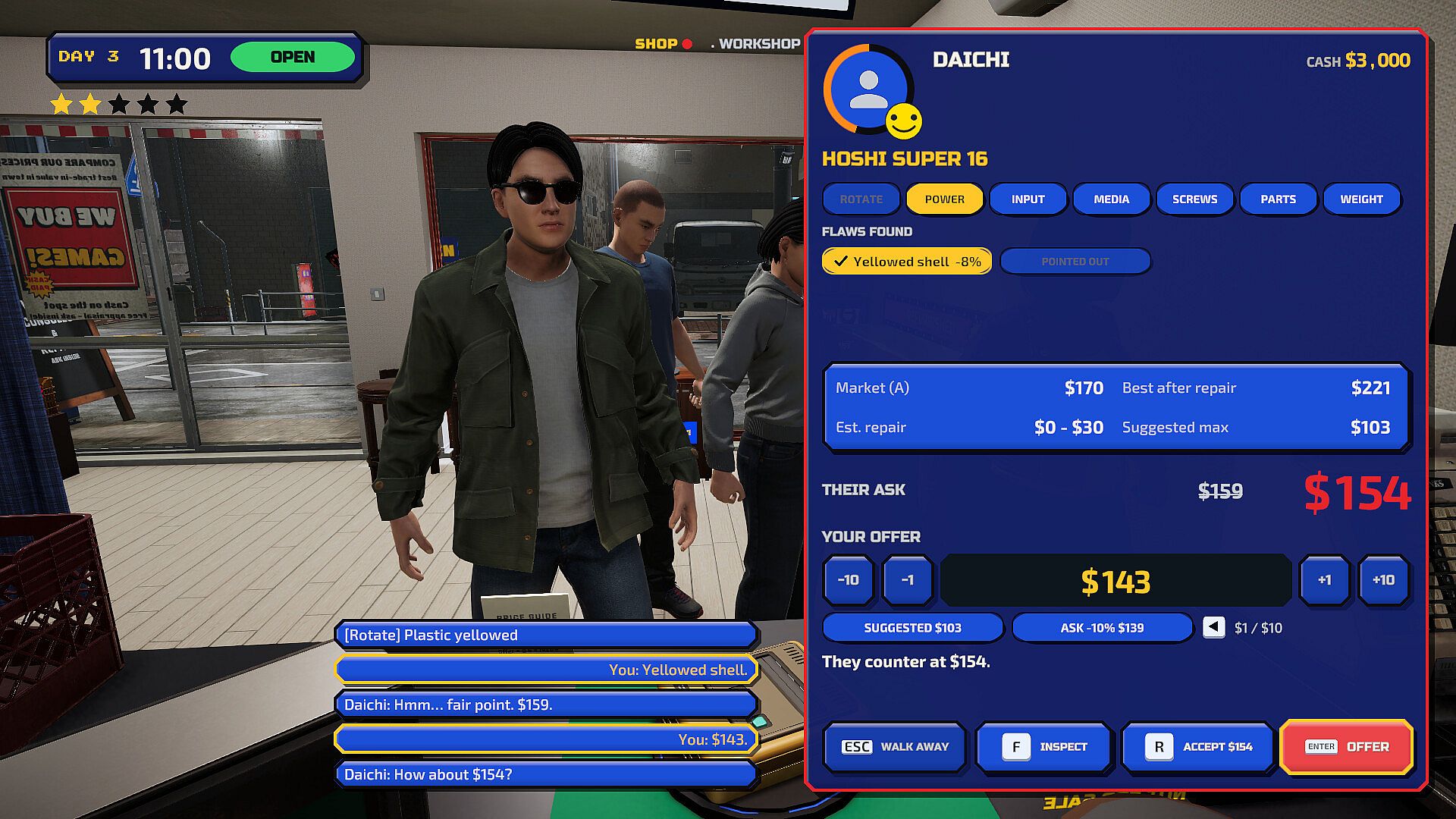
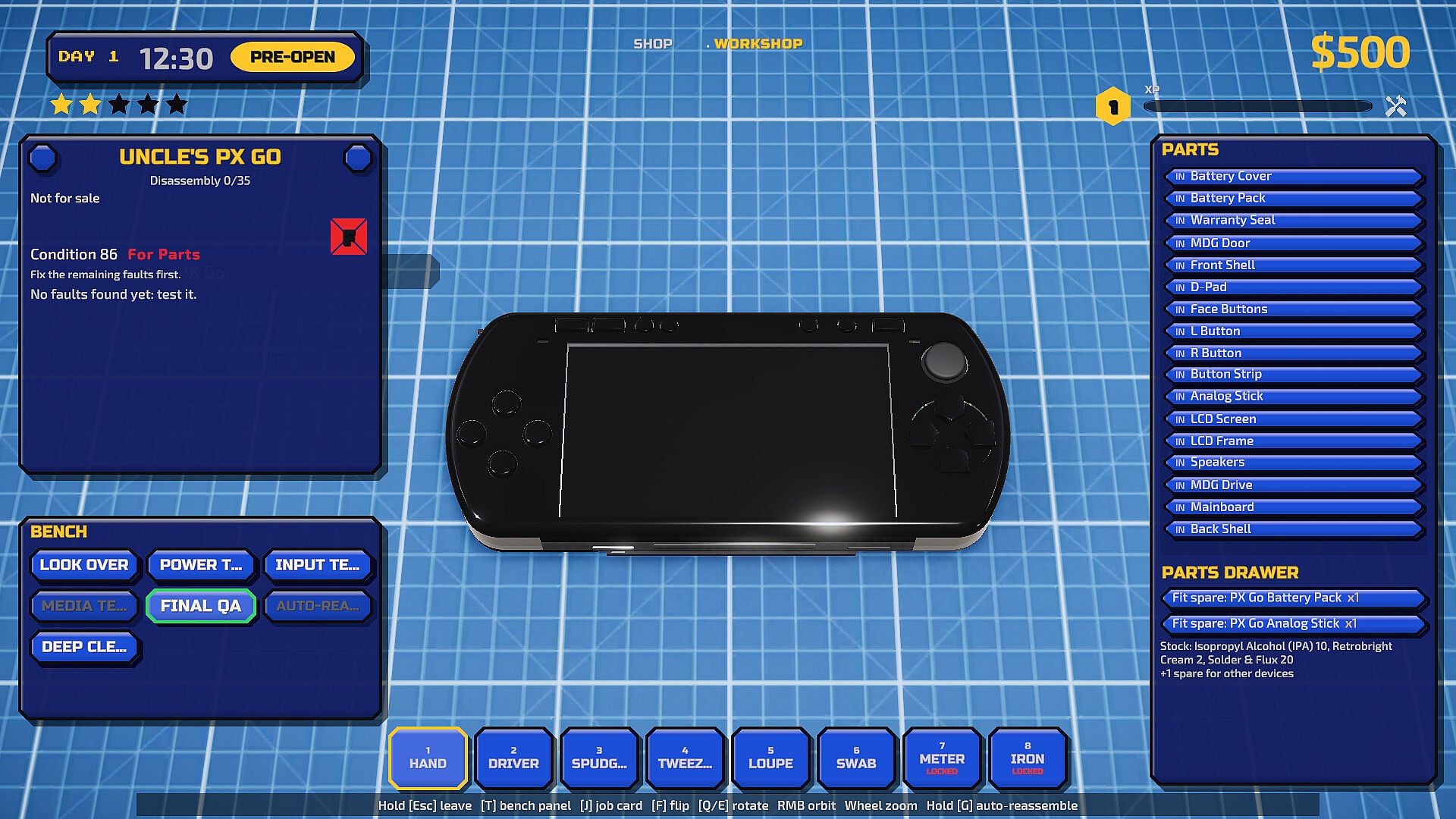
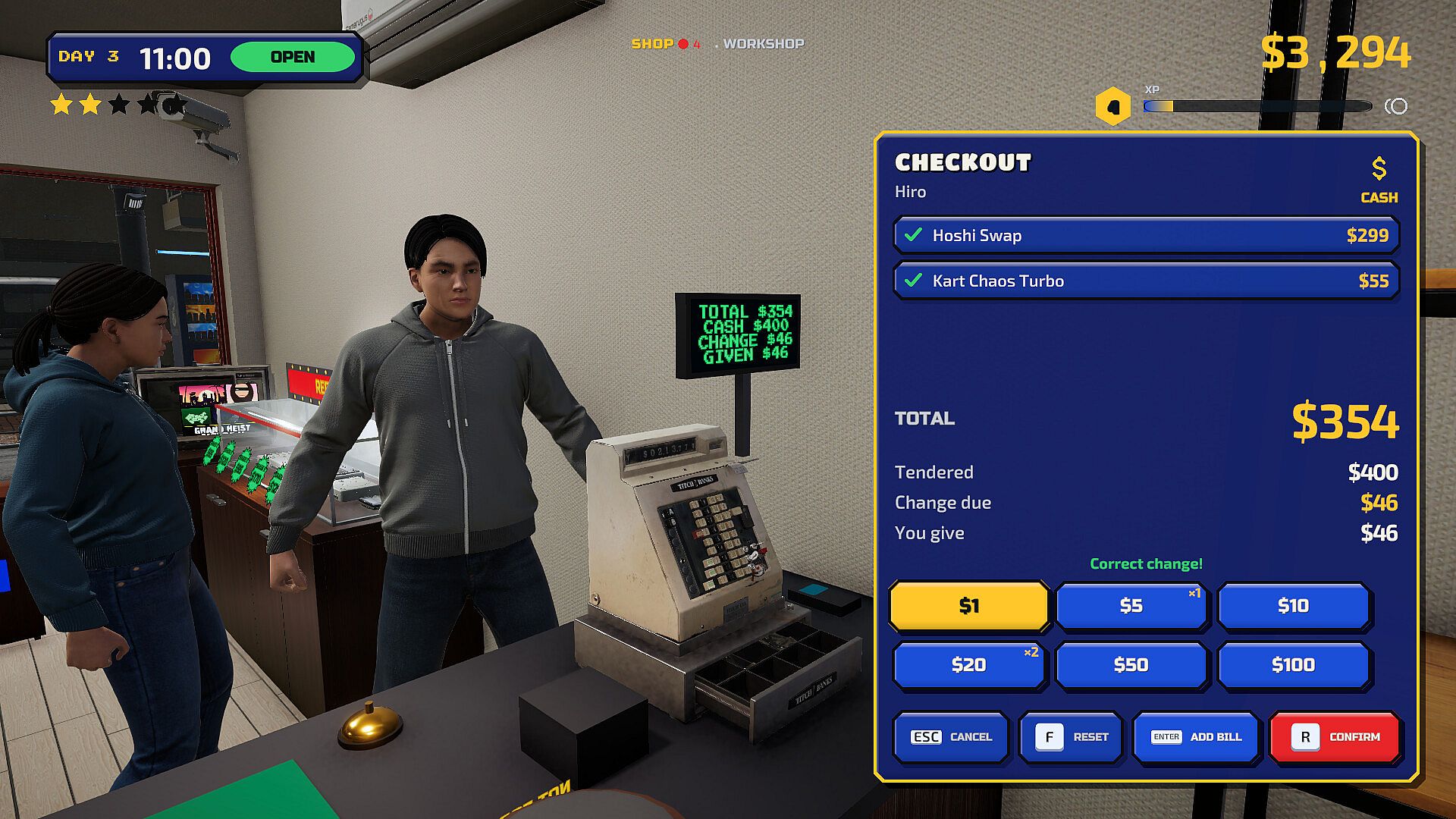
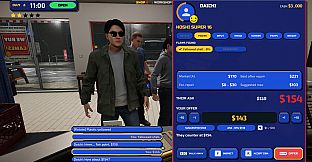
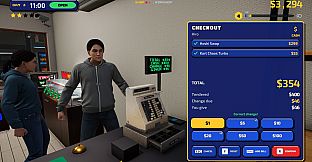
Players begin with limited cash, a basic toolbox, and one broken handheld device on the workbench. The core loop involves stocking shelves with new consoles and games ordered through the shop computer, pricing items using a price gun that displays cost, market value, and margin, and handling transactions at the counter by accepting card payments or counting cash change manually. Buying used hardware requires inspecting devices for completeness, running power and media tests, and negotiating prices based on discovered flaws.
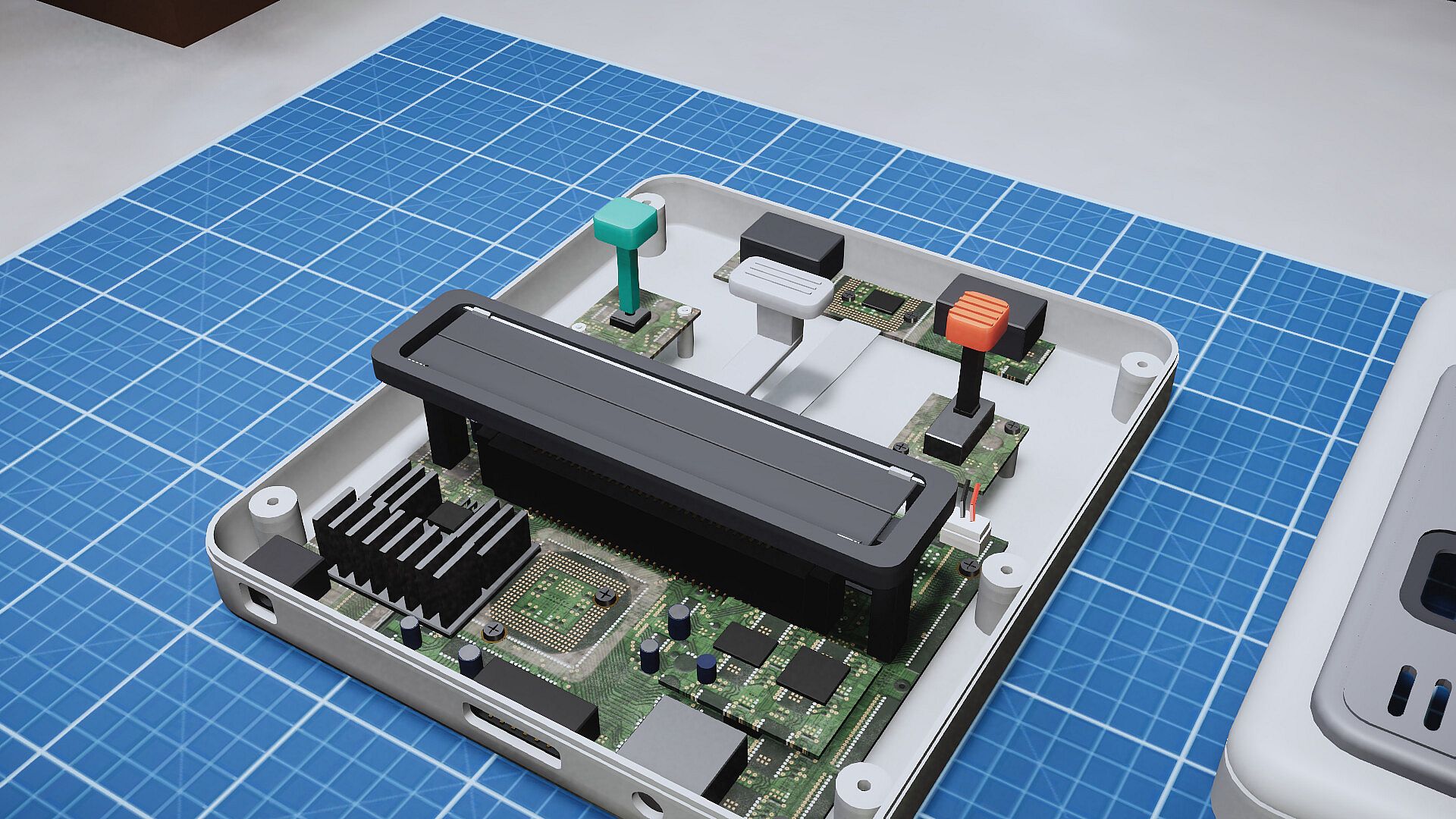
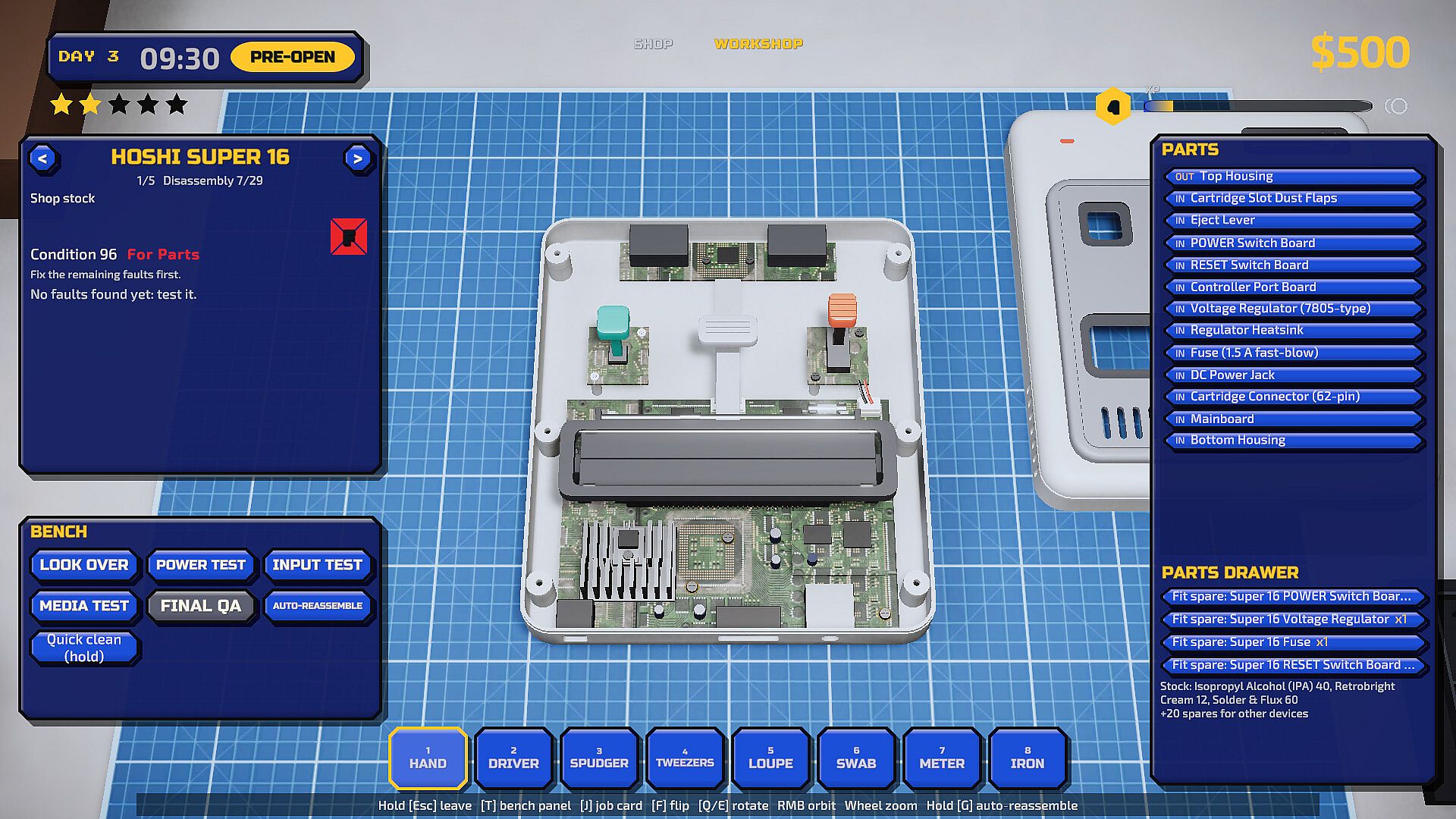
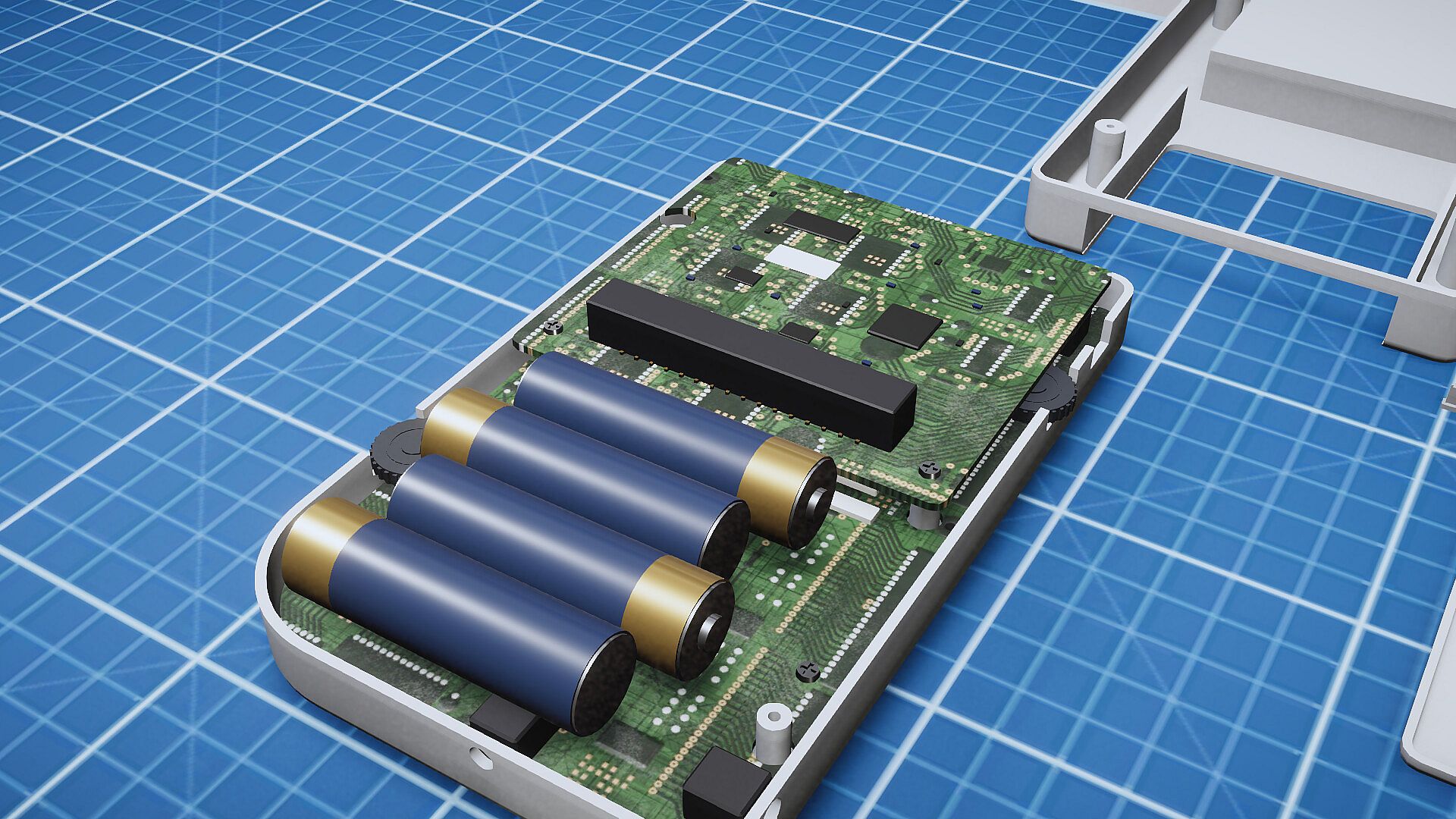
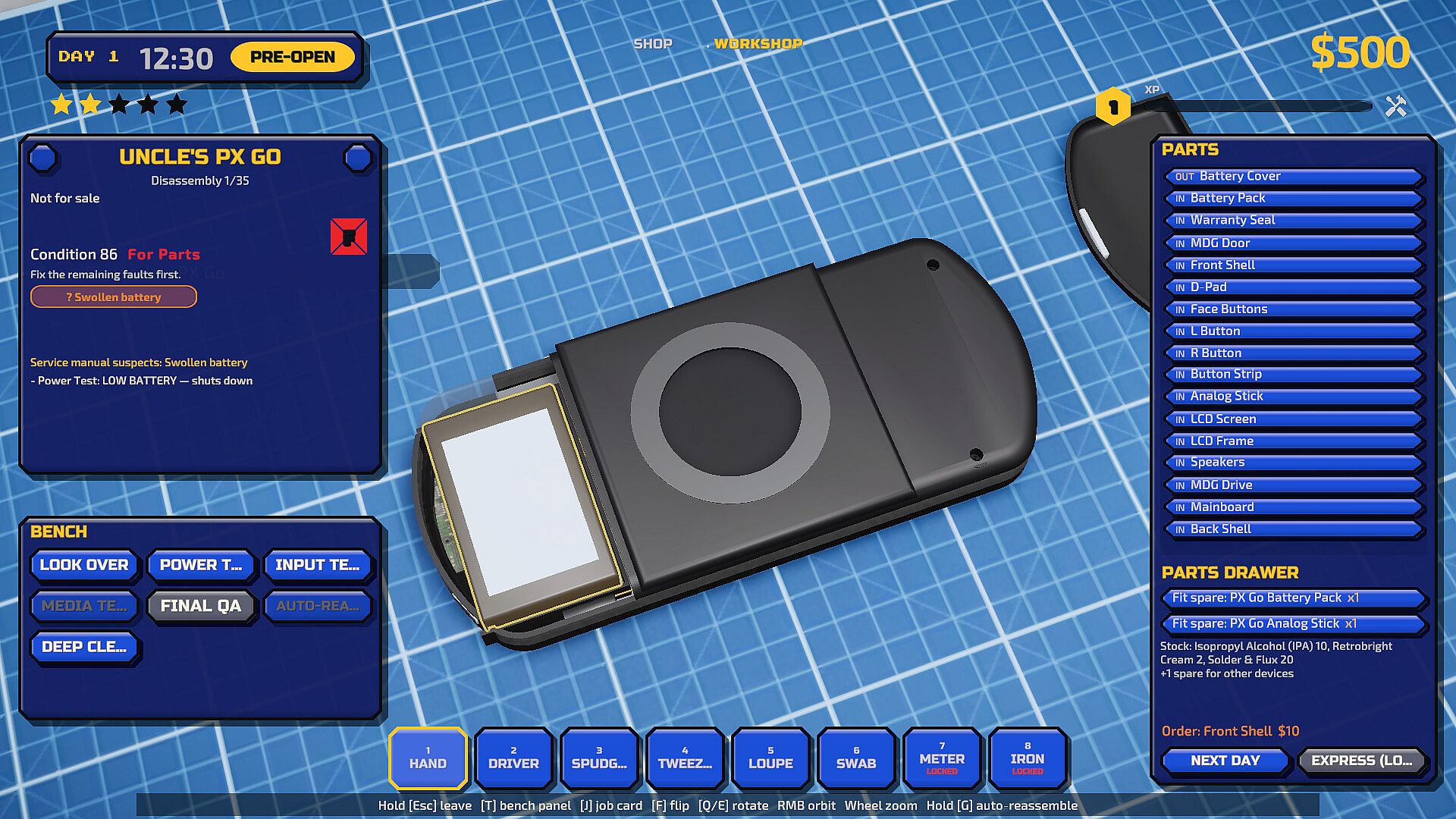
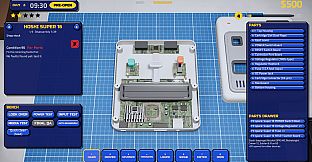
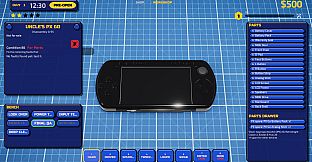
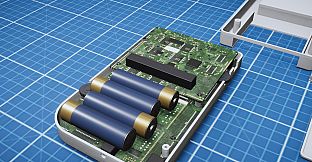
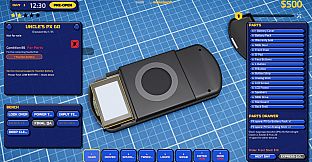
Repair work takes place on a top-down mat where every screw and component is treated as an individual object. Devices must be rotated and zoomed for access, with parts laid out in order and screws collected in magnetic trays. Four distinct machines are available for disassembly, each featuring between 13 and 23 parts and 14 to 19 screws. Diagnosis relies on visual checks, power tests, input tests, media tests, audio tests, and a multimeter before any parts are replaced. The toolbox includes screwdrivers with multiple bit types, a spudger, tweezers, a magnifier, swabs, isopropyl alcohol, a brush, a multimeter, and a soldering iron. An electric screwdriver unlocks later for faster screw removal. Fixes range from cleaning lenses and cartridge pins to scrubbing corrosion, reflowing solder joints, and using a UV box for retrobright treatment on yellowed plastic.
Restored items can be placed in a refurbished showcase or street window with condition grades. Mistakes such as leaving a screw behind reduce points, while loose boards may deliver a harmless zap during testing. Progression comes through earning XP to unlock new tools and skills as the shop expands.
Game Modes
The game operates entirely in single-player mode with no multiplayer components. Core activities revolve around counter sales, used hardware acquisition with haggling, bench repairs, and eventual expansion into the taped-off top floor. Once unlocked, the upper level becomes a late-90s game cafe featuring sofa booths with consoles and a row of arcade cabinets where customers pay by the hour at a token kiosk. Restored machines can be placed in a Try and Buy booth to potentially sell directly to playing customers.
Options allow customization such as mouse and keyboard or gamepad controls with full rebinding, a relaxed clock speed, adjustable UI scale, reduced motion, reduced flashing, and colour-safe grades. The fictional hardware and 16 invented game titles create a nostalgic 90s atmosphere through chunky visuals, bold colours, chrome accents, lo-fi beats, jazz-hop tracks, and chiptune music in the saloon area.
Shop Management and Progression
Daily operations include rotating stock from delivery boxes, setting competitive prices, and interacting with a variety of customer personalities during purchases and sales. Each seller brings unique traits, hidden bottom lines, and limited patience, with some concealing known faults. Counter tests provide initial information, but deeper issues often require opening the case on the bench. The 27 catalogued faults encourage careful diagnosis before committing to replacements.
Expansion focuses on filling shelves, improving the building, and unlocking new repair capabilities. The shop PC handles ordering stock and spare parts while displaying a price book and messages from Uncle Tetsu. All elements remain grounded in the single-player experience without external servers or seasonal content.
Is It Worth Playing?
Console Repair Simulator suits players who enjoy methodical, hands-on simulation gameplay with a focus on precise mechanical tasks and light business management. The deliberate pace of disassembly, testing, and reassembly rewards attention to detail and offers a satisfying power-on moment after each successful repair. Those seeking quick action or competitive multiplayer will find the relaxed single-player structure less engaging, while fans of casual indie simulations will appreciate the progression from basic handhelds to more complex consoles and the eventual cafe expansion. The game remains a complete, self-contained experience built around its core repair and retail systems.