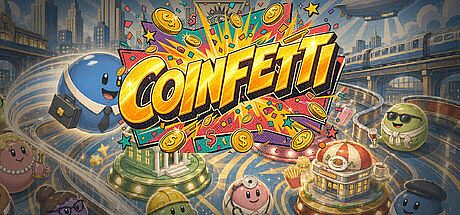


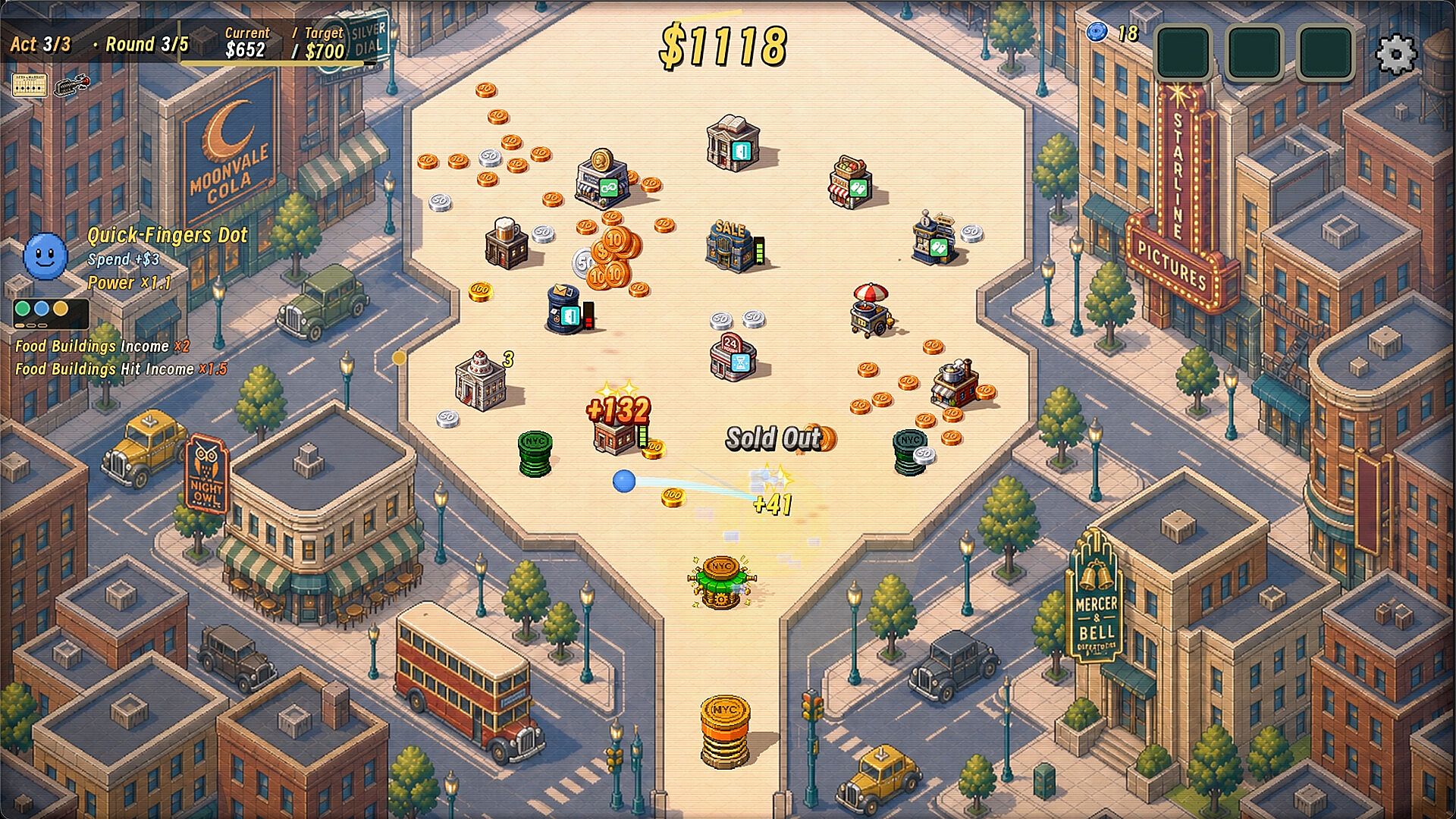
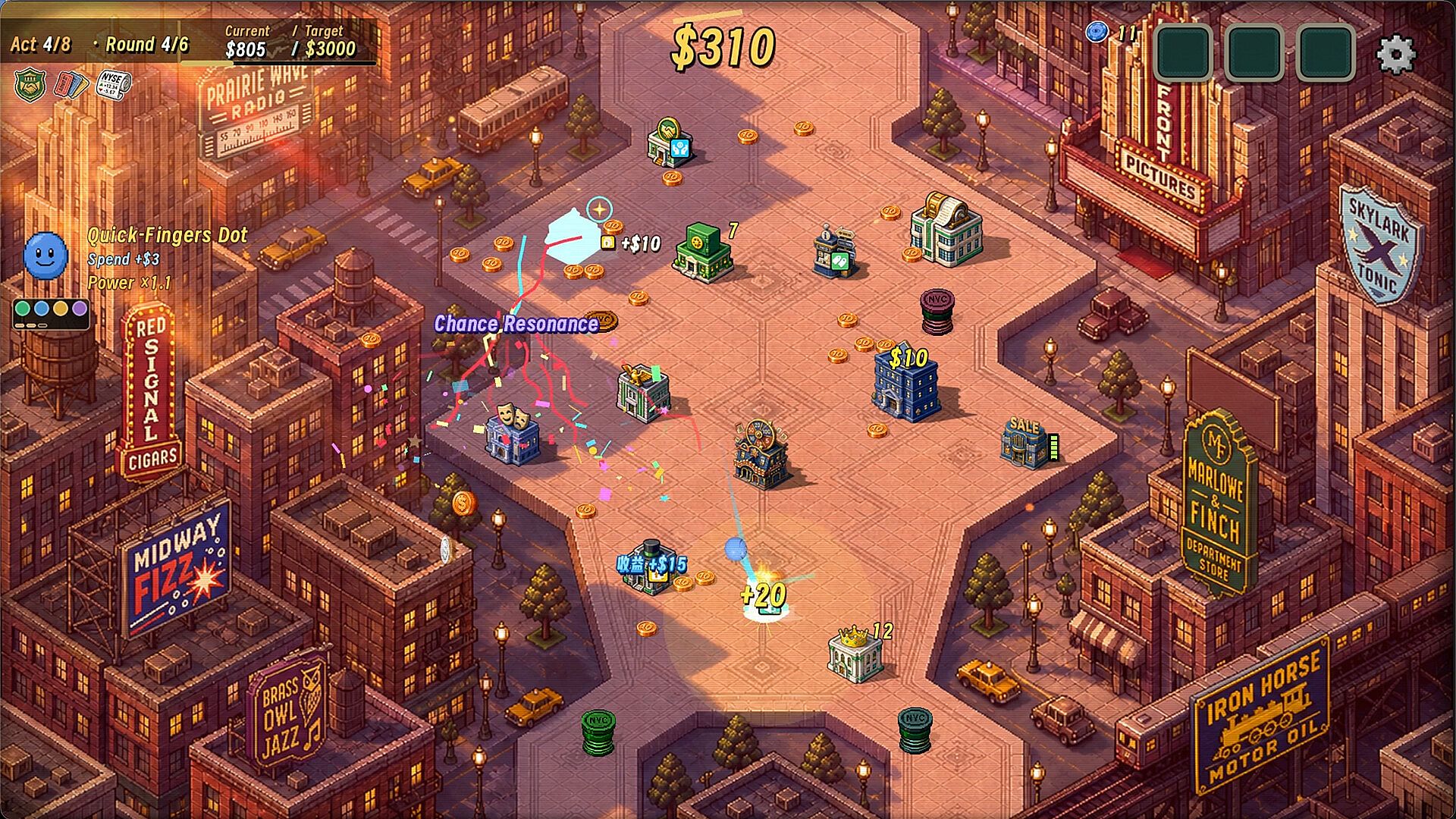


Coinfetti is a single-player strategy indie game that blends pinball physics with city-building and roguelike progression on PC. Players construct districts filled with buildings and then release customers who roll through like balls, triggering spending chains that generate coins based on layout and synergies.
Gameplay
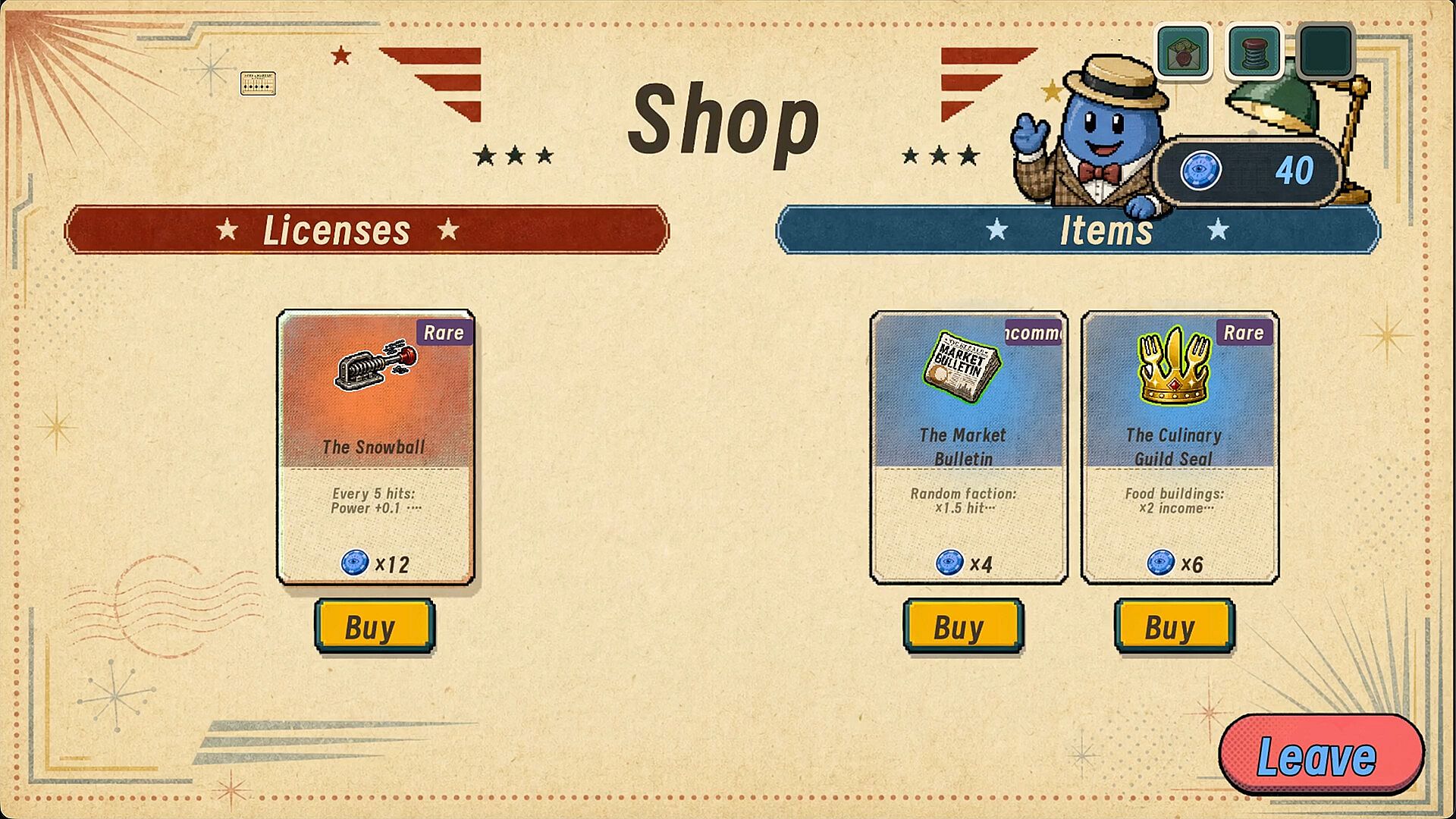
The core loop centers on drafting building cards and placing them to form streets before dropping a customer. Once released, the customer follows a fixed path determined by the layout, bouncing off structures to create chain reactions of payouts. Buildings belong to one of three factions, Food, Finance, or Civic, each with distinct scaling behaviors that reward focused builds or balanced mixes. Items and licenses provide one-time or persistent effects, such as redirecting customers, multiplying income, or boosting faction performance across a run.
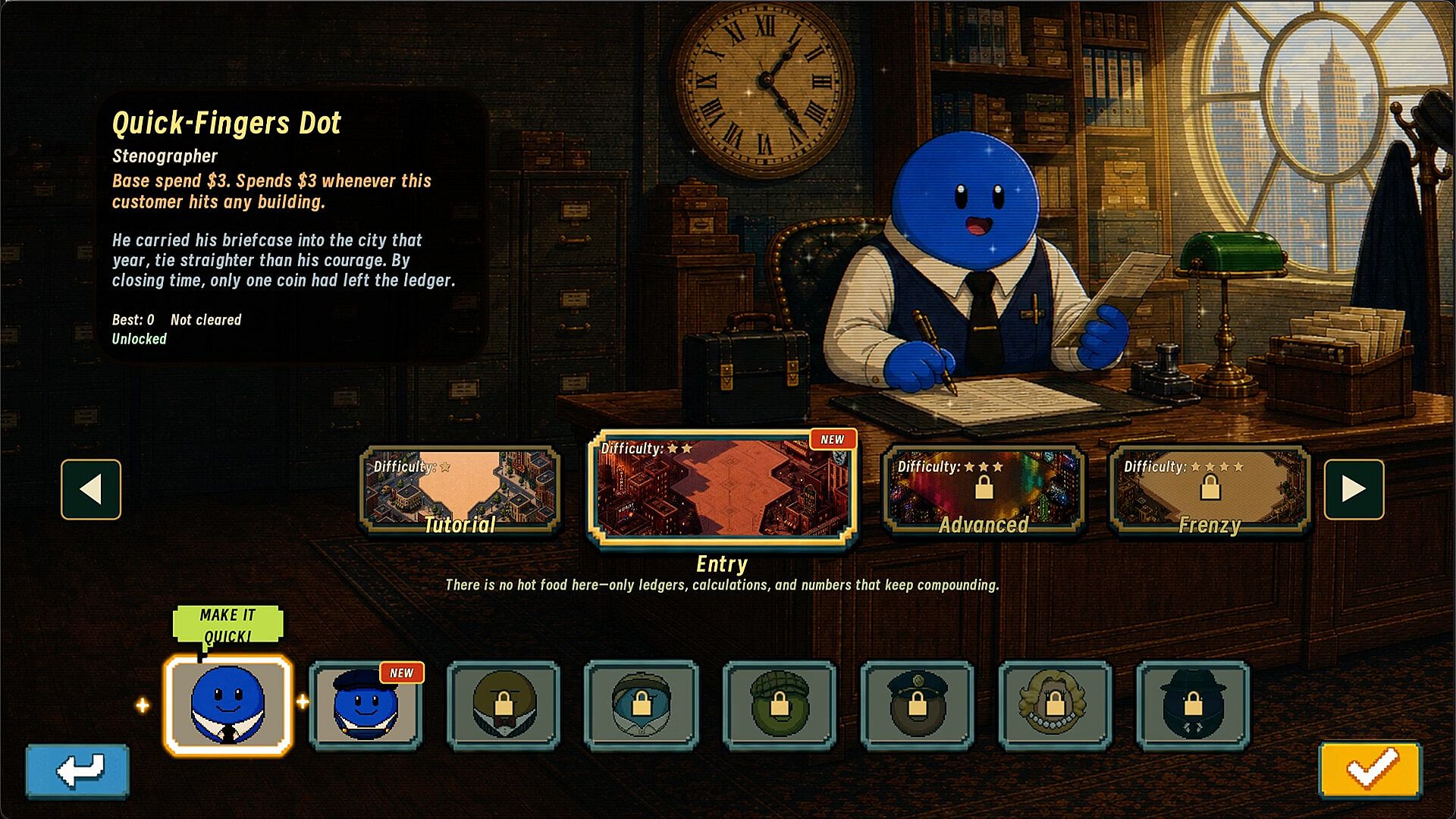
Customers carry individual spending habits, favoring certain building types or accumulating value the longer they remain active. Density plays a key role, as tightly packed districts amplify every collision into larger coin rewards. The tilted, crooked streets and rolling mechanics emphasize careful planning over direct control, with each decision locked in before a customer launches.
Game Modes
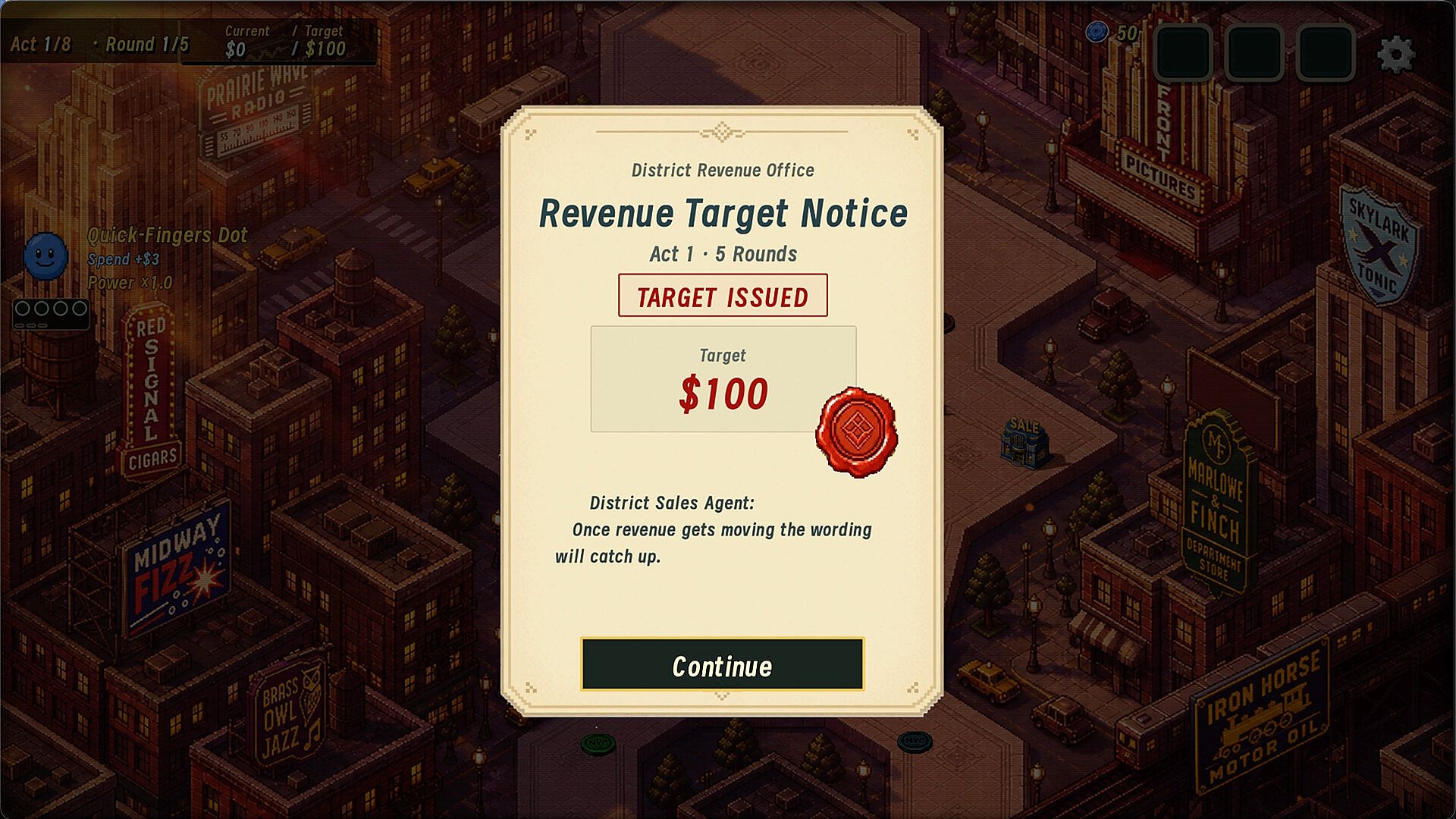
Coinfetti operates through repeated runs where players rebuild districts from scratch after each attempt. A single run involves drafting cards, positioning buildings, selecting drop points, and observing the resulting chain reactions until the district either succeeds or fails. Failure prompts a full reset with new card options, encouraging experimentation across different faction combinations and item synergies. No separate named modes exist beyond this core roguelike structure of iterative district construction and customer launches.
Key Mechanics and Systems
Card drafting forms the foundation of every build, with each structure starting as a selectable option that must be added to the block before the next customer drop. Placement determines bounce paths and interaction potential, while faction commitments influence long-term scaling. Items add flexibility by altering customer behavior or building output on a temporary or permanent basis. The system rewards observation of spending patterns and layout optimization, as minor adjustments can shift a modest payout into a flood of coins.
Progression stays confined to individual runs, with no persistent unlocks or meta layers confirmed. Every district emerges fresh from the draft pool, keeping focus on adapting to available cards and customer traits within that attempt.
Is It Worth Playing?
Coinfetti suits players who enjoy strategic planning combined with physics-driven outcomes in a single-player format. The roguelike runs emphasize trial and error through district rebuilding, appealing to those who like optimizing layouts and testing faction mixes without multiplayer elements. As an unreleased title scheduled for Q2 2027 with no reviews available, its appeal rests on the described mechanics of card-based building, chain-reaction payouts, and customer-specific behaviors. Those drawn to indie strategy games with pinball twists and short, repeatable sessions may find the approach engaging once it launches.