











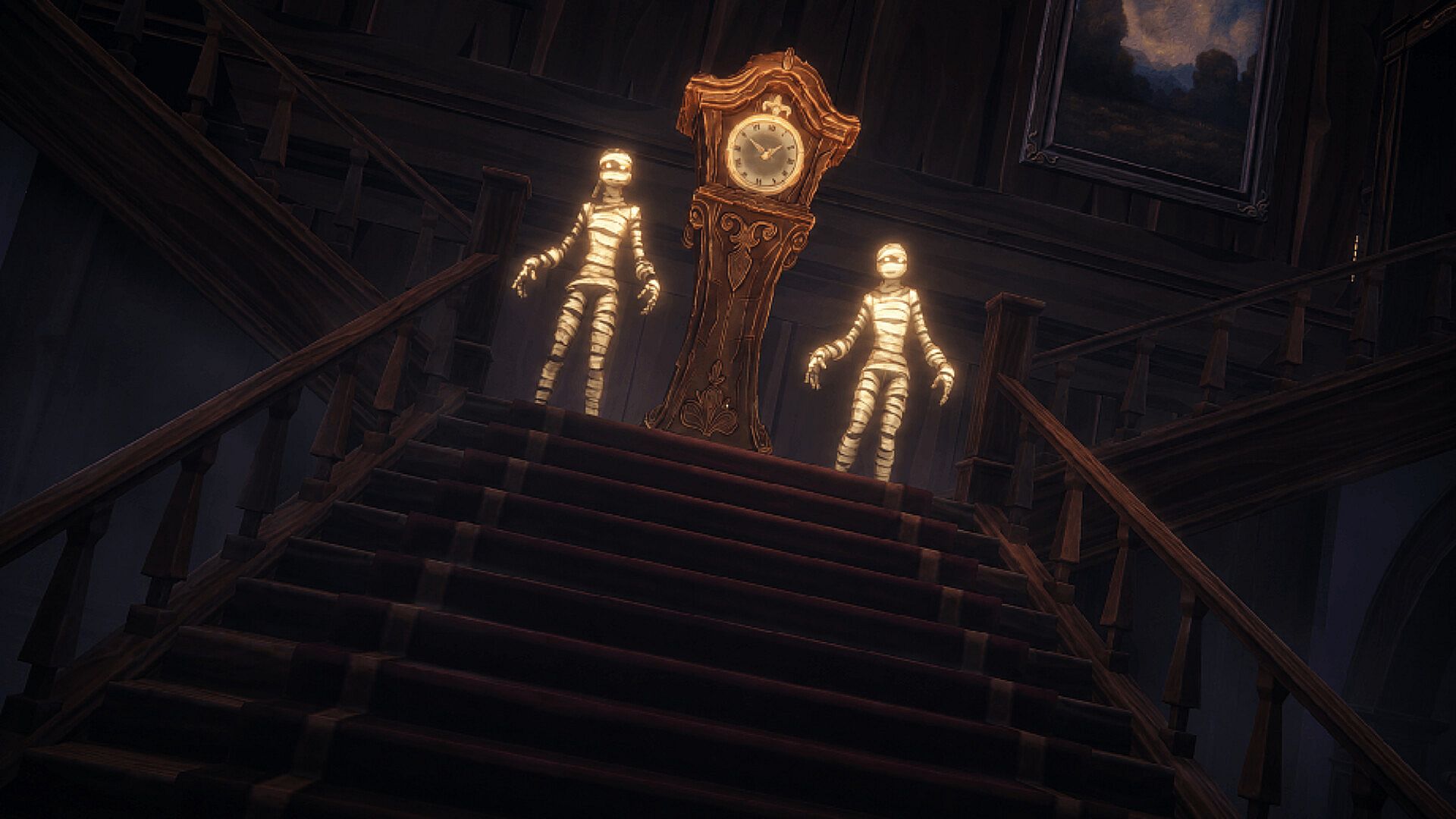





Club Sanguine is a strategy, indie, and simulation game for PC in which players manage a nightclub intended for vampires and their thralls. The goal centers on preparing the venue for the arrival of Nosferatu, the most prestigious vampire, by ensuring the club thrives, maintains tasteful standards, and avoids drawing police attention that could expose the vampire world.
Gameplay
Each session follows a clear nightly routine that begins when the player rises from their coffin. The first tasks involve cleaning the club space and using a computer terminal to order new furniture and equipment. Conversations with a secretary then cover permanent upgrades and staff hiring decisions. Once the interior meets basic standards, the player rings a bell to open the doors for the evening's arrivals.
Guest inspection forms the central challenge. Only vampires and thralls receive immediate entry, yet humans, zombies, demons, werewolves, and posers frequently attempt to gain access. The player examines each visitor, observes their reactions, and determines their true nature before allowing them near the dance floor. Humans may be directed toward blood collection, while those with unsuitable blood face banishment. Suspicious individuals can be held for deeper checks, and a trapdoor provides an additional option for handling difficult cases.
After processing all guests and admitting the approved ones, the player returns to the coffin to review the night's performance. Earnings are then allocated toward further furniture, decorations, equipment, staff, and other improvements that advance the club's status. Poor choices lead to fights, police inquiries, and erosion of the Masquerade that protects vampire secrecy. Running out of funds or attracting excessive scrutiny results in exposure to sunlight, ending the run.
Game Modes
The experience operates as a single continuous management loop centered on nightly operations and long-term club development. No separate named modes exist beyond the core cycle of preparation, guest handling, and post-night review. Progression occurs through repeated nights that gradually expand the club's capabilities and reputation.
Core Mechanics and Progression
Resource management drives decisions at every stage. Money earned from successful nights funds acquisitions that improve guest flow, security, and overall appeal. Reputation and secrecy act as hidden meters that decline with mistakes, creating tension between short-term profits and long-term survival. The secretary system adds depth by offering upgrade paths and hiring choices that alter how future nights unfold.
Guest variety introduces variety within the routine. Different creature types require distinct handling approaches, and misidentification carries direct consequences for the club's finances and safety. The trapdoor and extended inspection options provide tactical flexibility when standard procedures prove insufficient.
Is It Worth Playing?
Club Sanguine suits players who enjoy deliberate management simulations with a supernatural theme. The gameplay rewards careful observation and measured risk assessment rather than fast reflexes. Those drawn to indie strategy titles that blend routine tasks with escalating consequences will find the nightly cycle engaging. The absence of confirmed player review scores or ongoing seasonal updates means interest should rest on the described systems alone. If the combination of club upkeep, creature identification, and secrecy maintenance appeals, the game delivers a focused experience in that niche.











