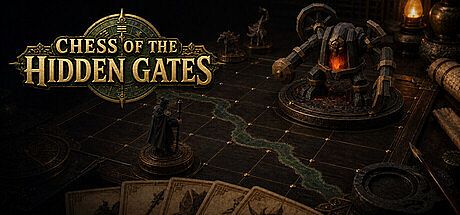


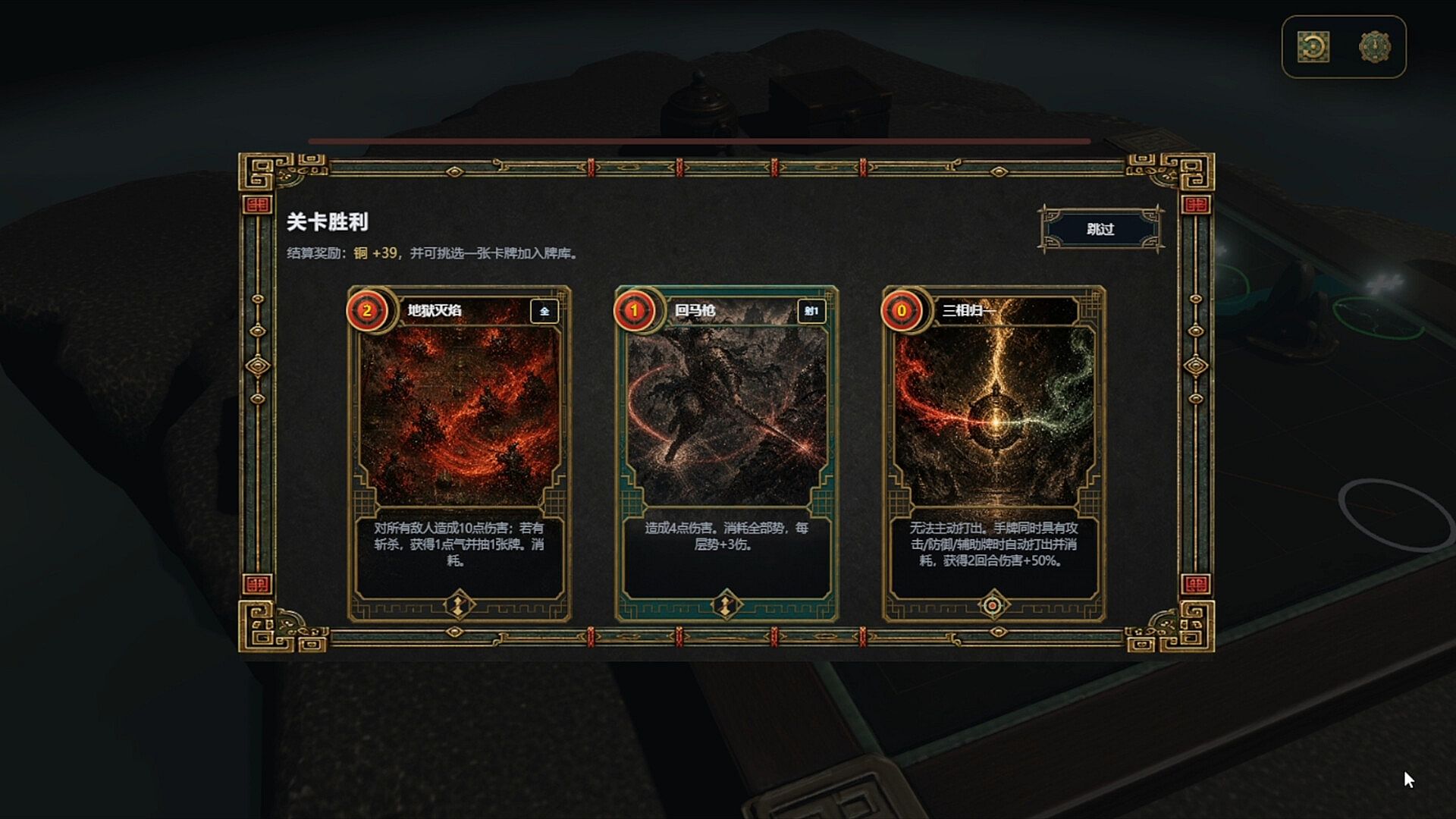
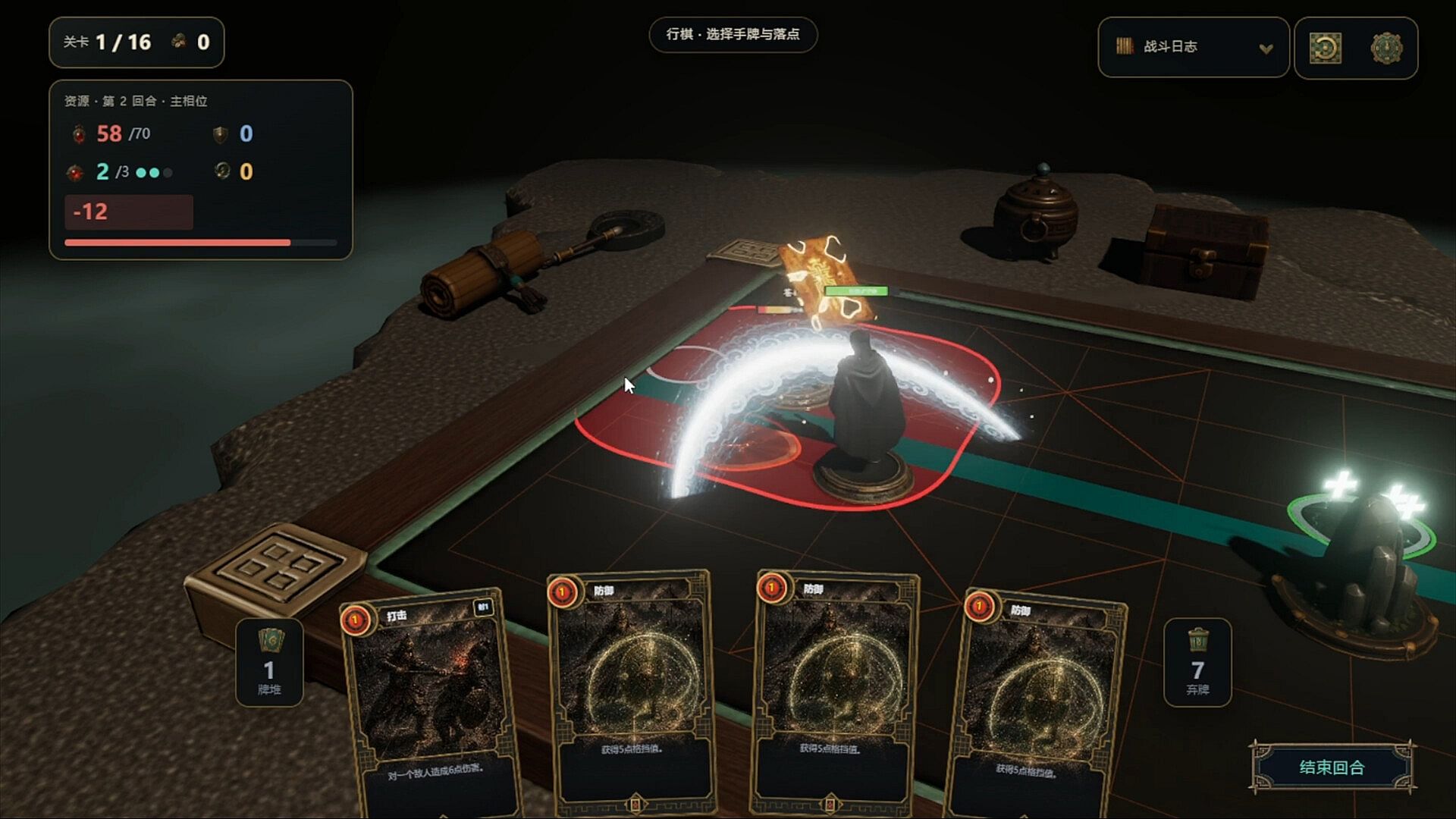
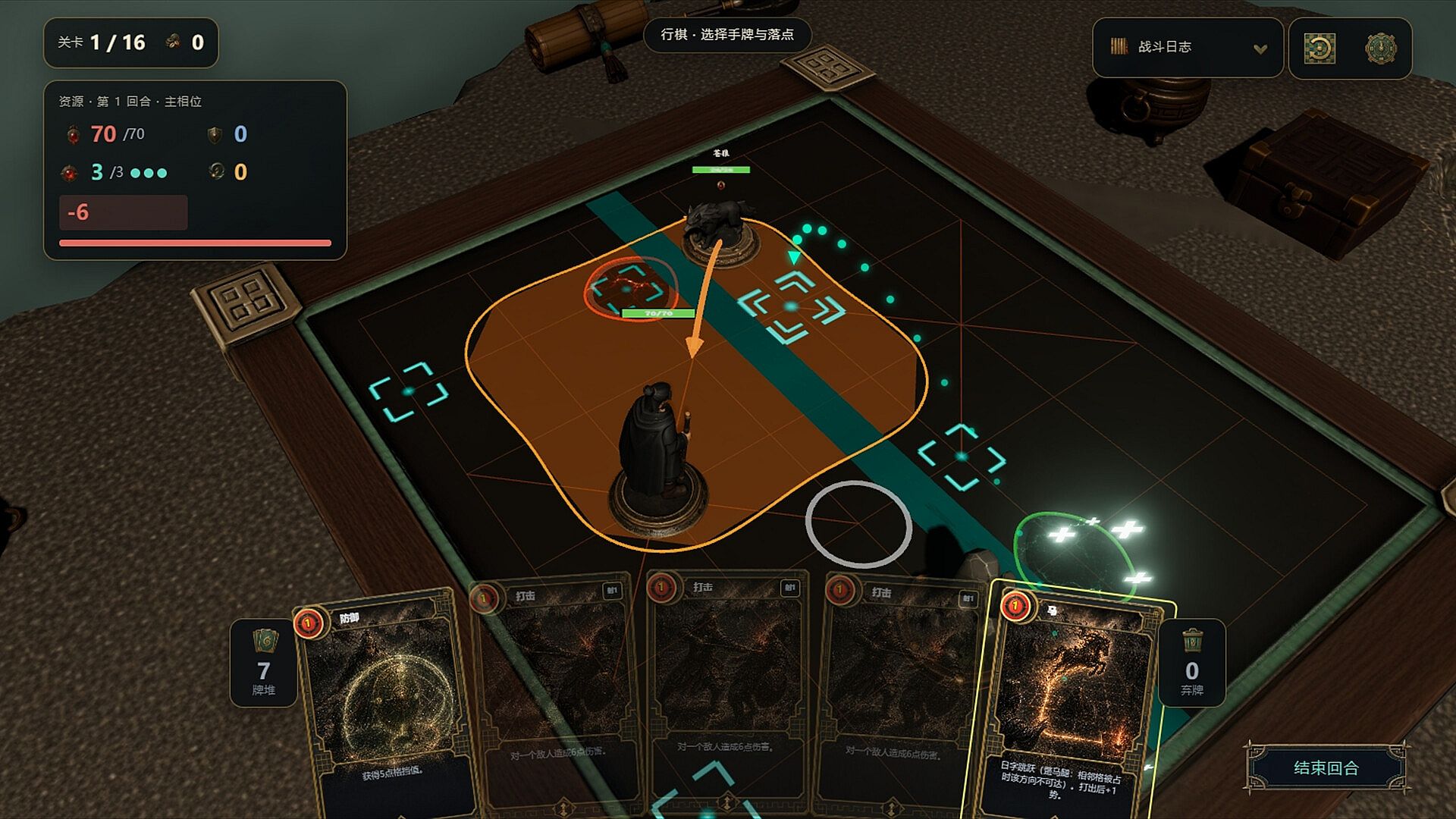
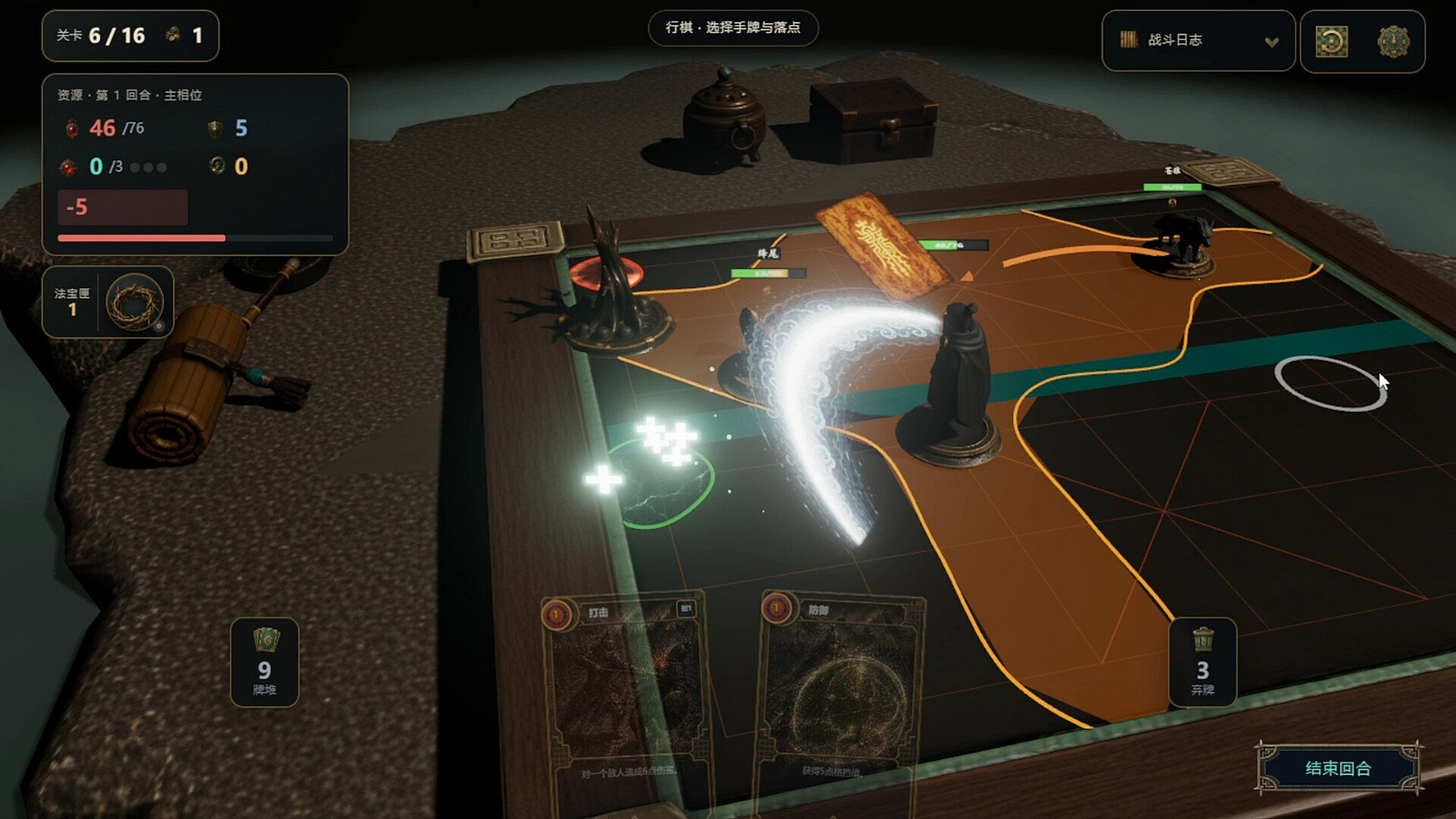
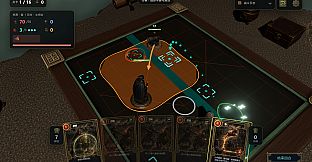
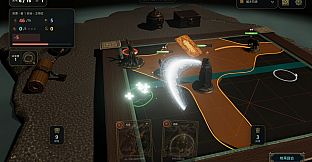
Chess of the Hidden Gates es un juego de estrategia para un solo jugador que combina la construcción de mazos roguelike con las reglas de movimiento del ajedrez chino. El control de las piezas se basa en cartas que representan movimientos concretos, y el resultado depende de la posición en el tablero más que de estadísticas de combate. El diseño pone el acento en leer la distribución de las casillas, anticipar la colocación enemiga y aprovechar el terreno y las interacciones entre piezas para decidir cada encuentro.
Gameplay
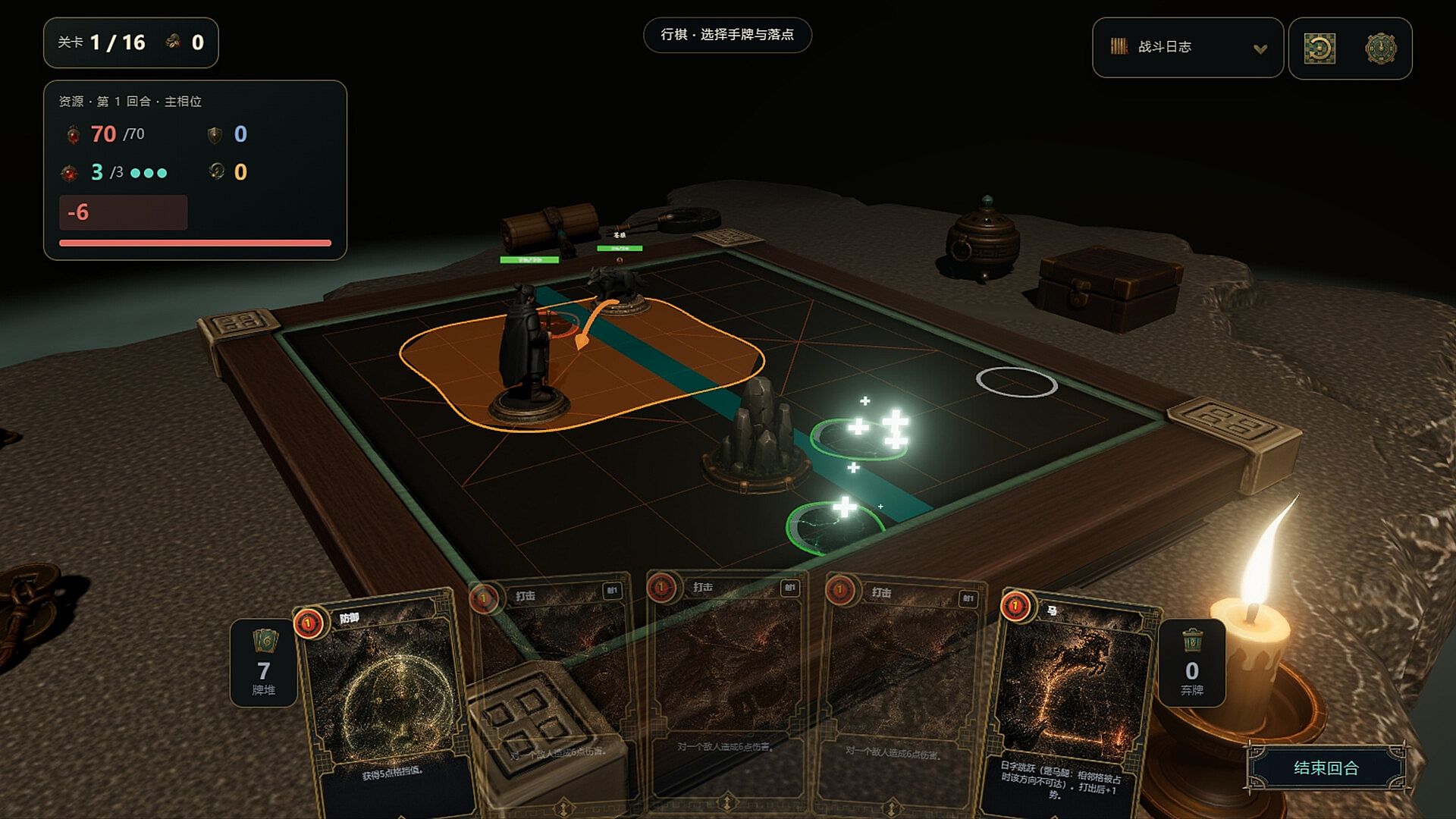
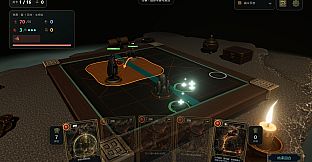
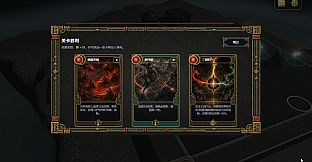
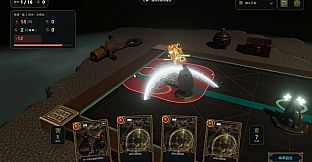
El bucle principal consiste en construir y pulir un mazo de 125 cartas repartidas en cuatro rarezas. Cada carta corresponde a una acción de estilo ajedrecístico, como el salto del caballo, el disparo del cañón a través de una pieza intermedia o el avance del peón más allá del río. Estos movimientos se ejecutan sobre una cuadrícula donde los enemigos ocupan casillas concretas y los ataques se dirigen a posiciones en lugar de a valores de salud abstractos. Una pieza mal situada puede dejar al jugador rodeado, mientras que una colocación precisa puede anular por completo las amenazas entrantes.
Tres clases distintas determinan cómo funciona el mazo en cada partida. El Maestro del Caballo acumula Impulso mediante saltos encadenados para liberarlo después en un golpe único y potente. El Comandante de Peones obtiene ventajas defensivas al mantener la posición sin moverse, adoptando una postura Inquebrantable que absorbe la presión. El Adepto del Cañón emplea tiros de Relevo que atraviesan piezas intermedias para alcanzar objetivos lejanos. La construcción del mazo exige seleccionar cartas que encajen en uno de estos sistemas y adaptarse al trazado procedural de cada intento.
Los enemigos son unas treinta criaturas extraídas de un bestiario vivo. Cada una posee su propio mecánica e historia, obligando a modificar las tácticas de posicionamiento en lugar de repetir combinaciones de cartas. Derrotar a una criatura desbloquea entradas adicionales en el diario que amplían su trasfondo. Cada partida presenta un terreno, amenazas y recompensas barajados, de modo que ningún recorrido por las puertas sigue la misma secuencia.
Game Modes
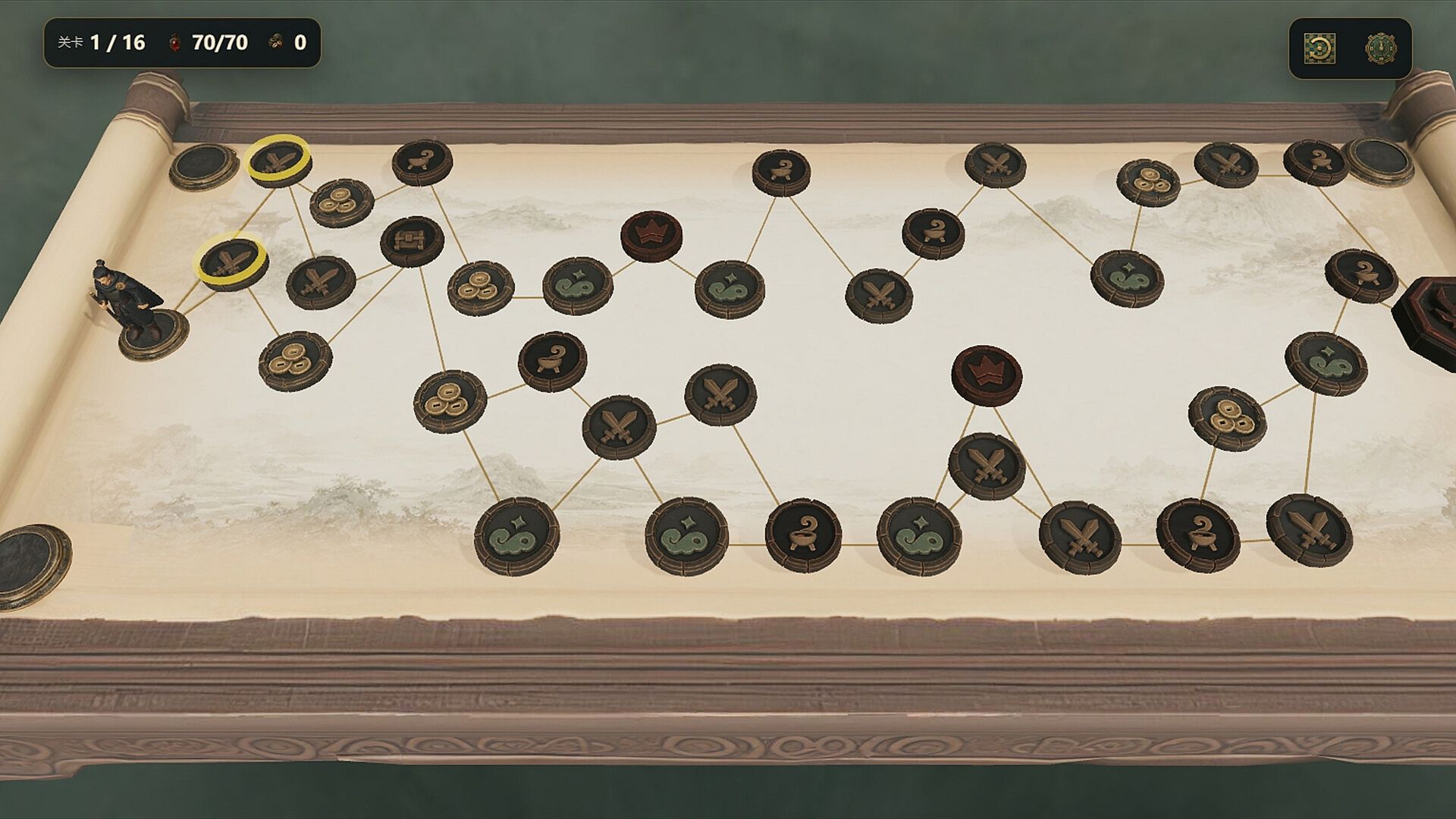
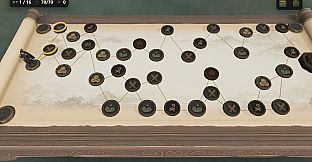
La experiencia se desarrolla en una serie de partidas para un solo jugador estructuradas en tres actos. El jugador avanza a través de puertas sucesivas y se enfrenta a desafíos crecientes que incluyen cambios de terreno y encuentros con jefes especializados. Las Nueve Estrellas actúan como adversarios rotativos al final de cada acto e introducen modificaciones de reglas, como efectos de curación para enemigos menores o daño de fuego en todo el tablero. El enfrentamiento final plantea una elección contra el alma remanente de Chiyou.
La progresión sigue la estructura roguelike: cada intento comienza con una configuración de mazo nueva influida por las elecciones y descubrimientos anteriores. Las cartas obtenidas y los encuentros con criaturas varían, premiando a quienes adaptan sus sistemas de tres clases a las nuevas condiciones del tablero. No se describen modos competitivos ni cooperativos; el foco permanece en los intentos iterativos de un solo jugador para atravesar las Ocho Puertas.
Visuals and Presentation
El escenario evoca el escritorio de un estudioso tradicional, con un tablero laqueado, piezas talladas y detalles atmosféricos como incienso y luz de velas. El tablero mismo constituye todo el campo de batalla, manteniendo la acción dentro de una cuadrícula compacta. Esta presentación refuerza el tema de una partida antigua que se reanuda bajo el control del jugador, con enemigos extraídos de referencias históricas y míticas vinculadas a la batalla de Zhuolu.
El arte de las cartas y el diseño de las piezas reflejan las cuatro rarezas y las mecánicas específicas de cada clase. La estética general mantiene un carácter de juego de mesa sin entornos expansivos, dirigiendo la atención a las decisiones tácticas sobre las casillas.
Is It Worth Playing?
Chess of the Hidden Gates está dirigido a jugadores que valoran el posicionamiento deliberado y la sinergia de cartas por encima de la acción rápida o la progresión numérica. La fusión de elementos roguelike con el movimiento del ajedrez chino genera un ciclo distinto en el que leer el tablero y anticipar las colocaciones determinan el resultado. Quienes conozcan constructores de mazos que recompensan la planificación cuidadosa pueden encontrar atractivos los sistemas de clase y los encuentros procedurales con criaturas a lo largo de múltiples partidas.
El juego sigue en desarrollo, con lanzamiento previsto para el cuarto trimestre de 2026, y actualmente no cuenta con reseñas de usuarios. Su formato para un solo jugador y su énfasis en la profundidad estratégica lo hacen adecuado para quienes buscan una experiencia reflexiva y rejugable en PC. La disponibilidad dependerá del lanzamiento final, tras el cual los jugadores podrán evaluar cómo funcionan las mecánicas en la práctica.