

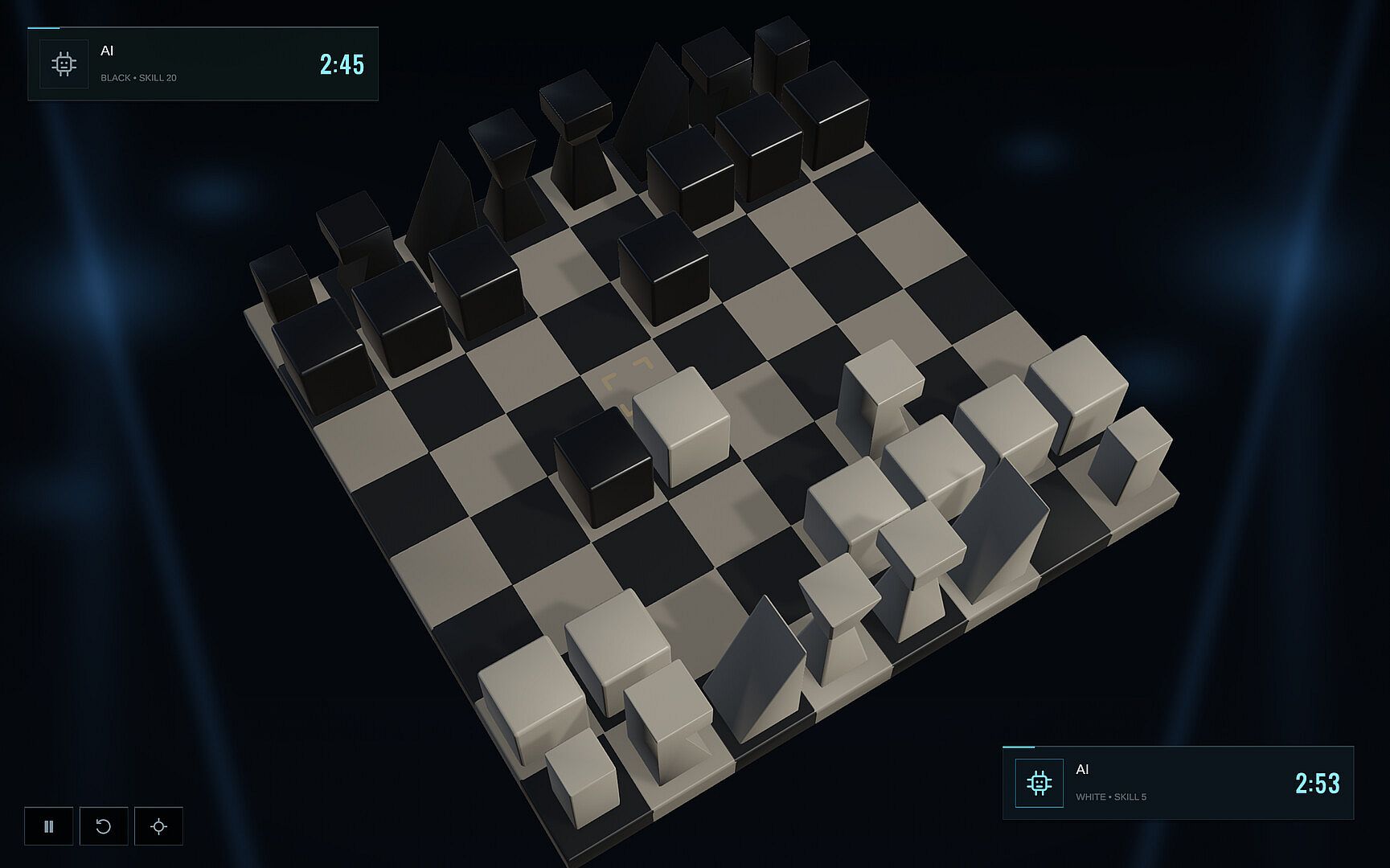
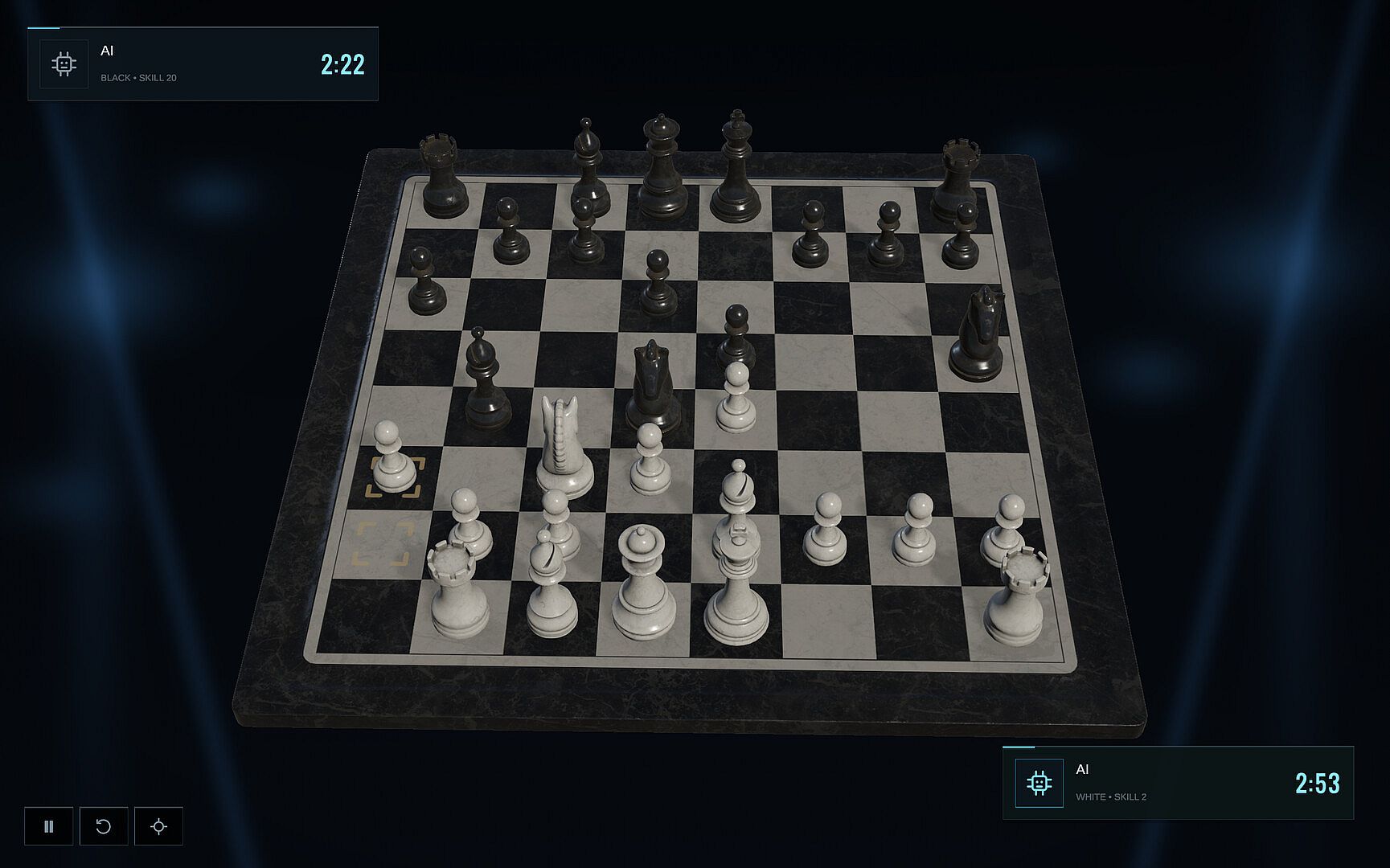
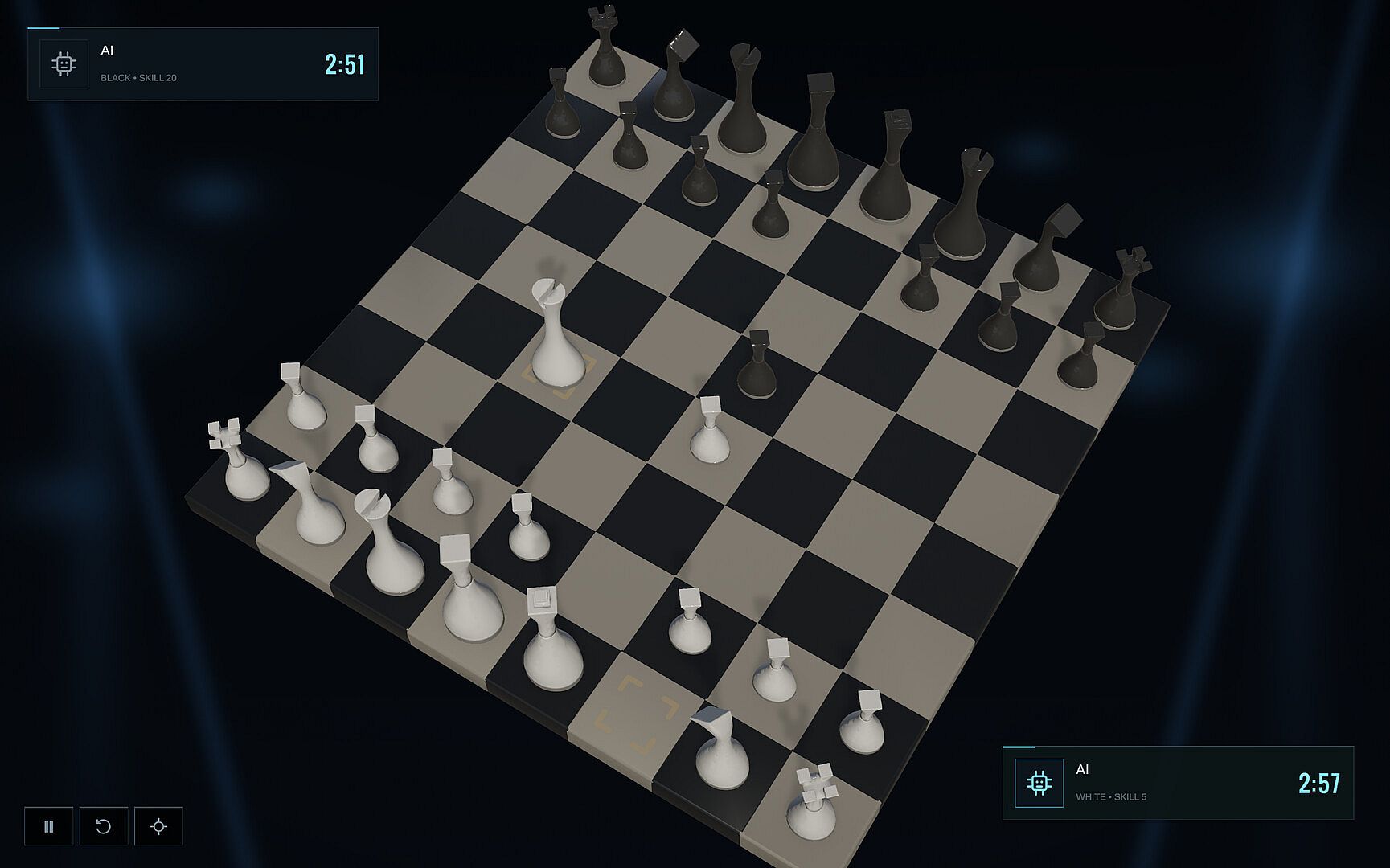
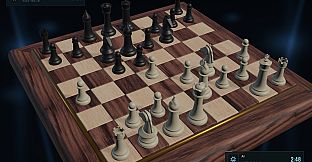

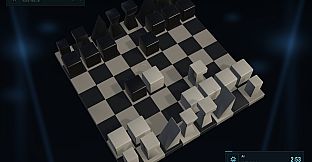

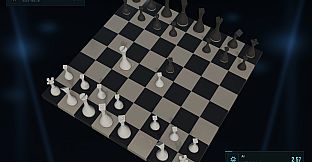
Chess: Apex is a 3D chess strategy game developed for PC that emphasizes visual quality and smooth play in a desktop client format. It delivers standard chess rules through a polished three-dimensional presentation, allowing players to focus on strategic decisions while enjoying detailed boards and pieces. The game supports single-player sessions against artificial intelligence as well as multiplayer options for two participants, making it suitable for both casual practice and competitive matches between opponents.
Gameplay
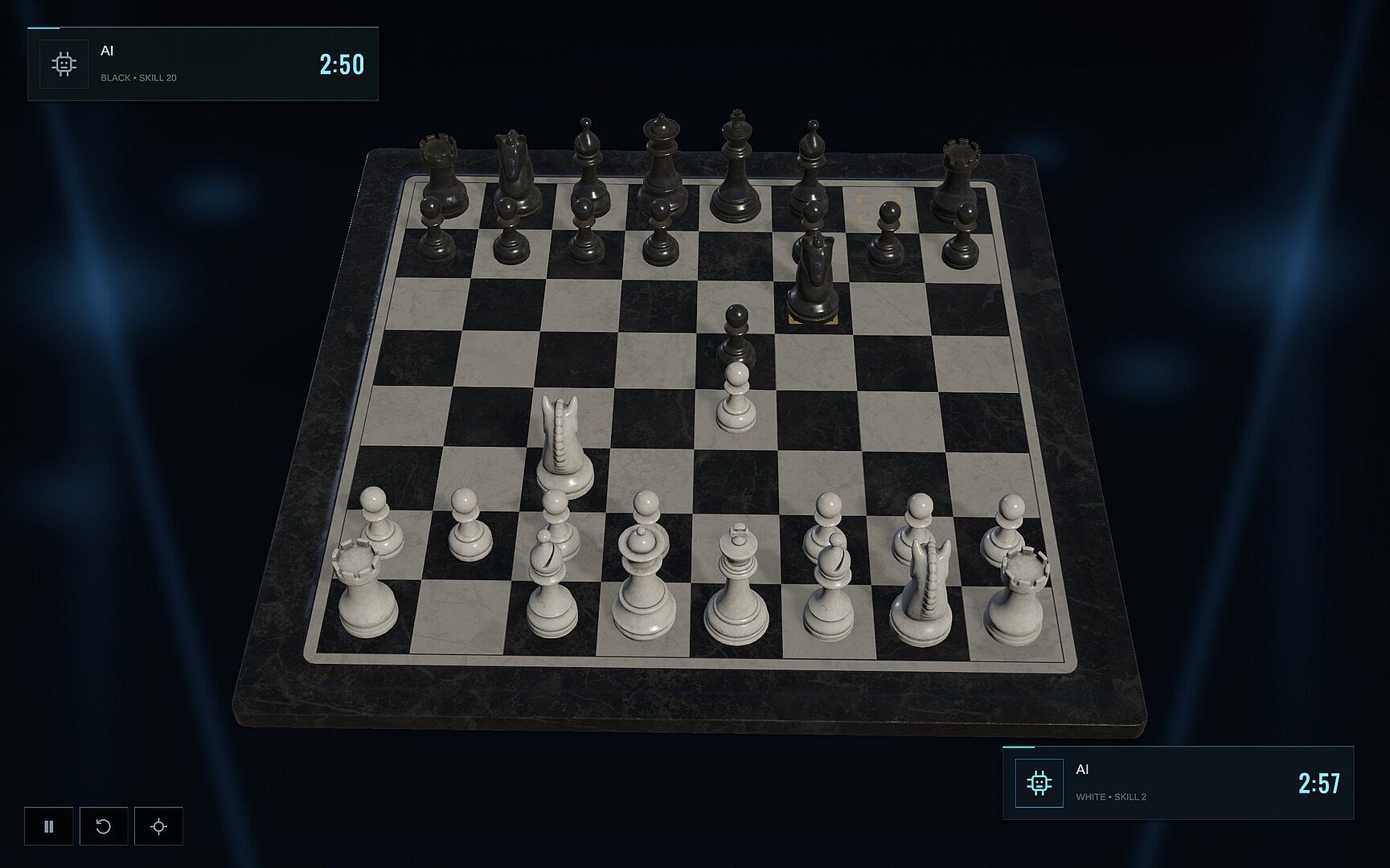
The core experience revolves around selecting a side, setting a time control, and entering a match on a customizable three-dimensional board. Players move pieces according to traditional chess rules, with the engine handling all validations for legal plays and check situations. Time controls include options for Fischer increment, which adds time after each move to maintain steady pacing without abrupt endings. The three-dimensional view provides clear sightlines across the board from multiple angles, reducing visual clutter during complex positions.
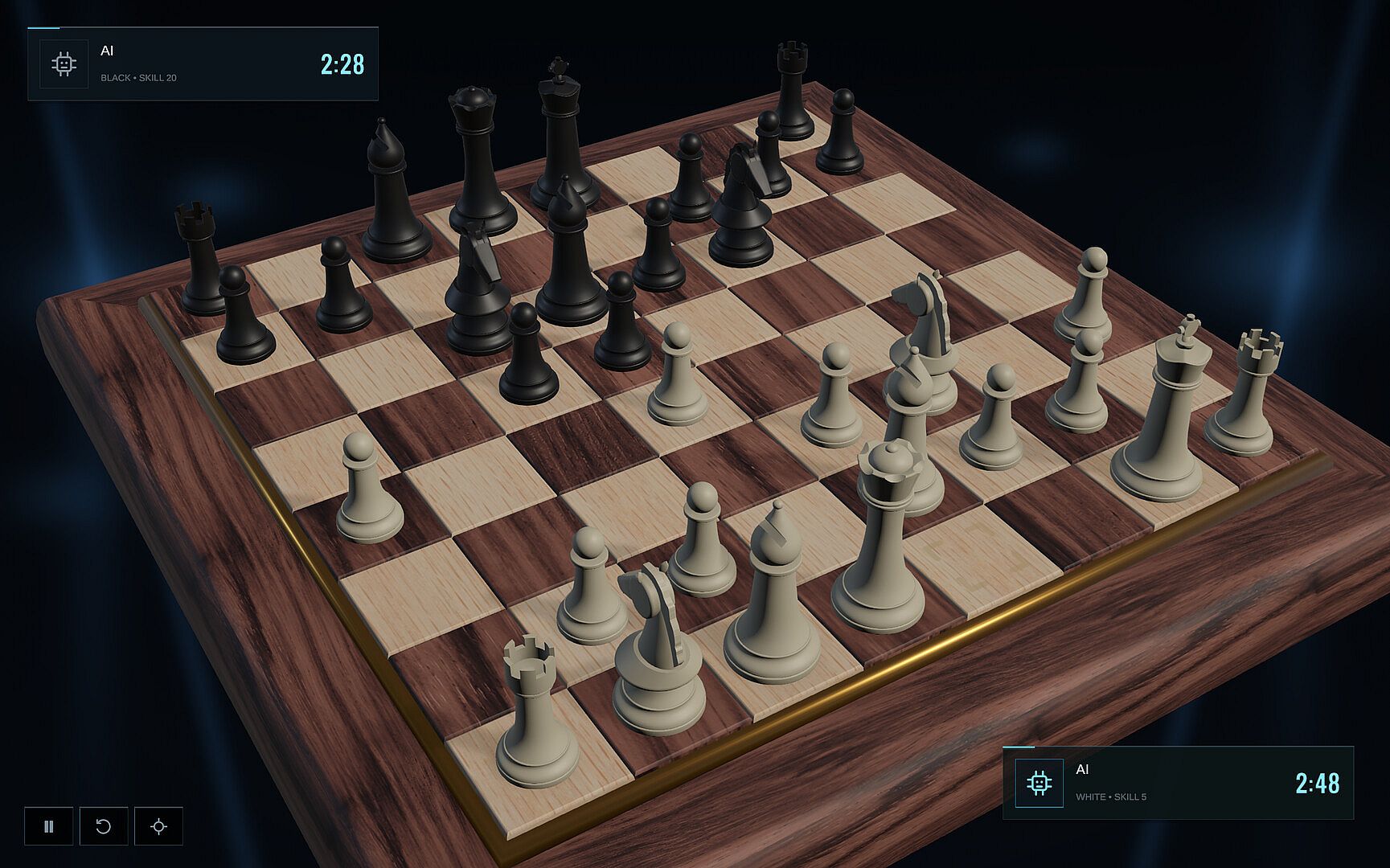
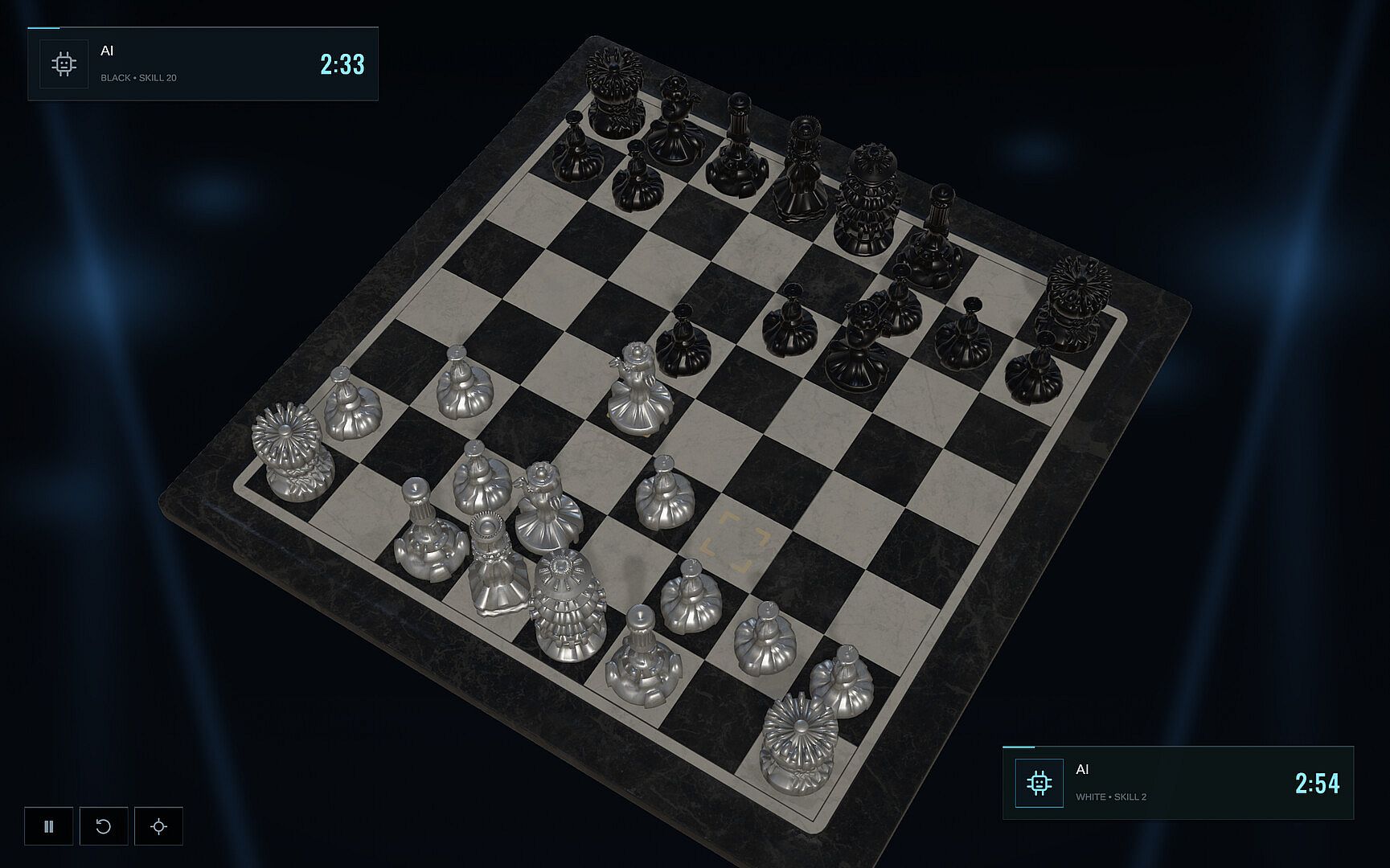
Customization extends to board designs and piece sets, letting users adjust the aesthetic to their preference before each game. Match history tracks completed games with basic statistics on outcomes, opening moves, and duration. These elements combine to create a focused environment where strategy takes center stage without unnecessary distractions or additional layers beyond core chess mechanics.
Game Modes
Three primary ways to play stand out in Chess: Apex. Online matches connect players through the platform's friend system for direct head-to-head competition. Local player-versus-player allows two people to share the same computer and alternate turns on one device. The third option pits a single player against the Stockfish engine at adjustable difficulty levels, ranging from beginner-friendly settings to more challenging configurations that test advanced tactics.
Each mode supports the same time controls and customization choices, ensuring consistency across sessions. No additional variants or team-based formats appear in the available features, keeping the emphasis on classic two-player chess encounters.
Customization and Presentation
Visual refinement forms a key part of the design. Boards and pieces receive multiple options that alter appearance without changing gameplay rules. The three-dimensional rendering aims for clarity at standard resolutions, with system requirements scaled for both modest and higher-end hardware. This approach suits players who value a modern look alongside reliable performance on Windows, macOS, or Linux setups.
Statistics from past matches provide simple overviews of personal performance trends. These records help users review patterns in their play without requiring external tools or complex analysis features.
Is It Worth Playing?
Chess: Apex appeals most to individuals seeking a visually updated chess client with straightforward access to friends, local opponents, and a capable artificial intelligence opponent. Its feature set covers the essentials expected in a complete desktop program, including configurable timing and result tracking. The absence of extra game modes or progression systems keeps the focus narrow and precise on chess fundamentals.
Those who prefer a clean interface and three-dimensional presentation over two-dimensional alternatives may find the approach refreshing for regular sessions. Availability on multiple operating systems broadens access for users across different hardware. With no established player reviews available at this stage, the value rests on how well the listed options align with personal preferences for chess software rather than community metrics or ongoing content updates.