




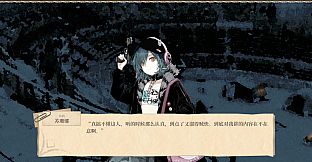
Chernoberg: Rebirth is a strategy RPG developed for PC that blends tactical combat with narrative-driven progression in an original post-apocalyptic setting. Players take on the role of Melia Chlōros, a skilled mercenary navigating a world altered by a magical meteorite, while leading refugees in search of stability and belonging.
Gameplay
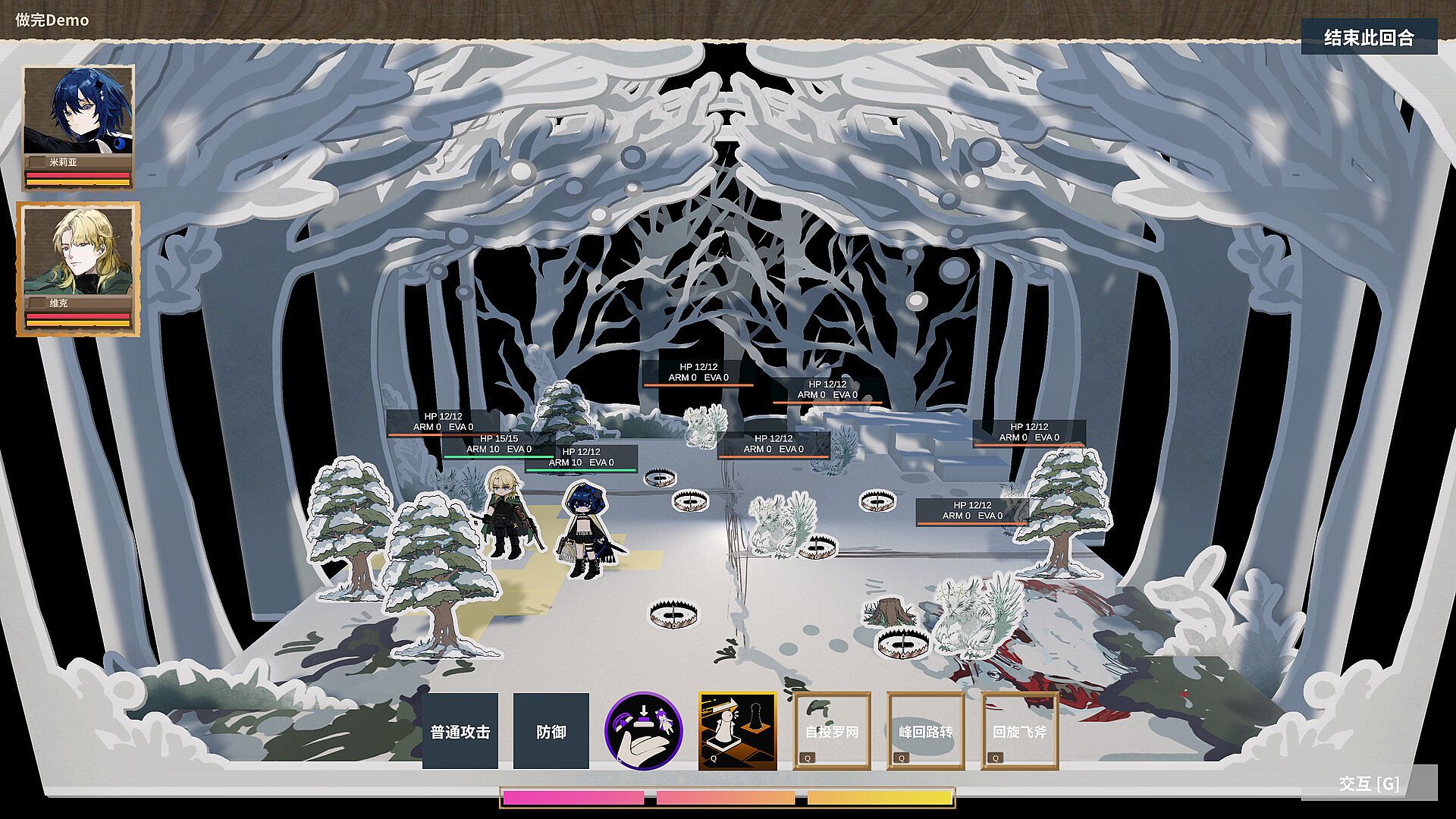
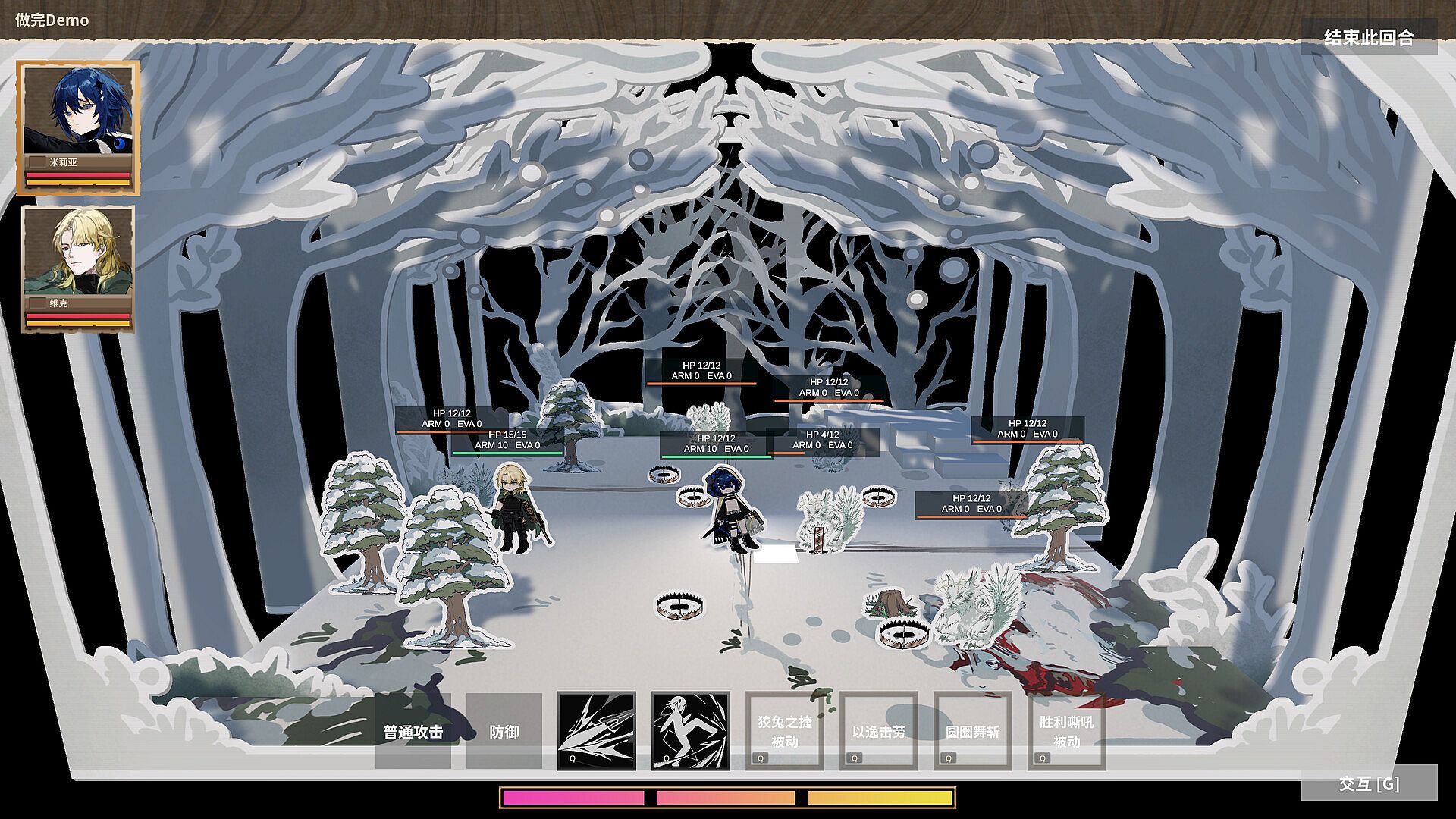
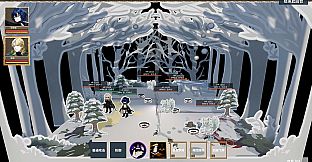
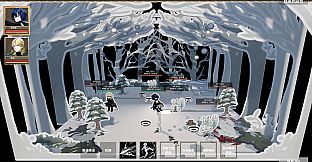
The core loop centers on tactical battles that emphasize positioning, preparation, and exploiting enemy vulnerabilities. Combat unfolds on grid-based stages where players gather intelligence beforehand or test enemy defenses during fights. Breaking armor opens opportunities to trigger elemental weaknesses, leading into powerful Smash attacks that create openings for follow-up strikes. An Exterminate move then clears groups of foes when timed correctly. When direct weaknesses are unavailable, Collision Attacks allow players to Smash enemies by using the environment or positioning advantages. Objects scattered across each stage provide additional tactical options, such as altering terrain or creating distractions.
Accessibility features make the system approachable even for those new to SRPGs. Battles reward thoughtful squad assembly over raw stats alone. Each character offers two sub-class choices that reshape skill sets and alter the effects of Smash and Exterminate actions. Armor pieces modify elemental resistances and unlock passive bonuses at upgrade milestones. Carried items deliver last-moment advantages. These layers encourage experimentation with team compositions so that roles complement one another across varied encounters.
Game Modes
The primary experience revolves around a linear story campaign divided into three epic poems. The first poem, available in the current early access build, contains more than 100 missions designed with distinct objectives and layouts. Each mission presents fresh combat scenarios that test different strategic approaches. Progression through the poems gradually expands the roster, starting with five controllable characters in the initial release and adding three more in later sections. No separate multiplayer or competitive modes appear in the available information.
Outside of main missions, players manage character growth through skill trees and accessory upgrades that modify existing abilities. Psychic powers tied to gifted individuals receive further development as the narrative advances, revealing new capabilities. These systems integrate directly into the mission structure rather than functioning as isolated side activities.
Story and Setting
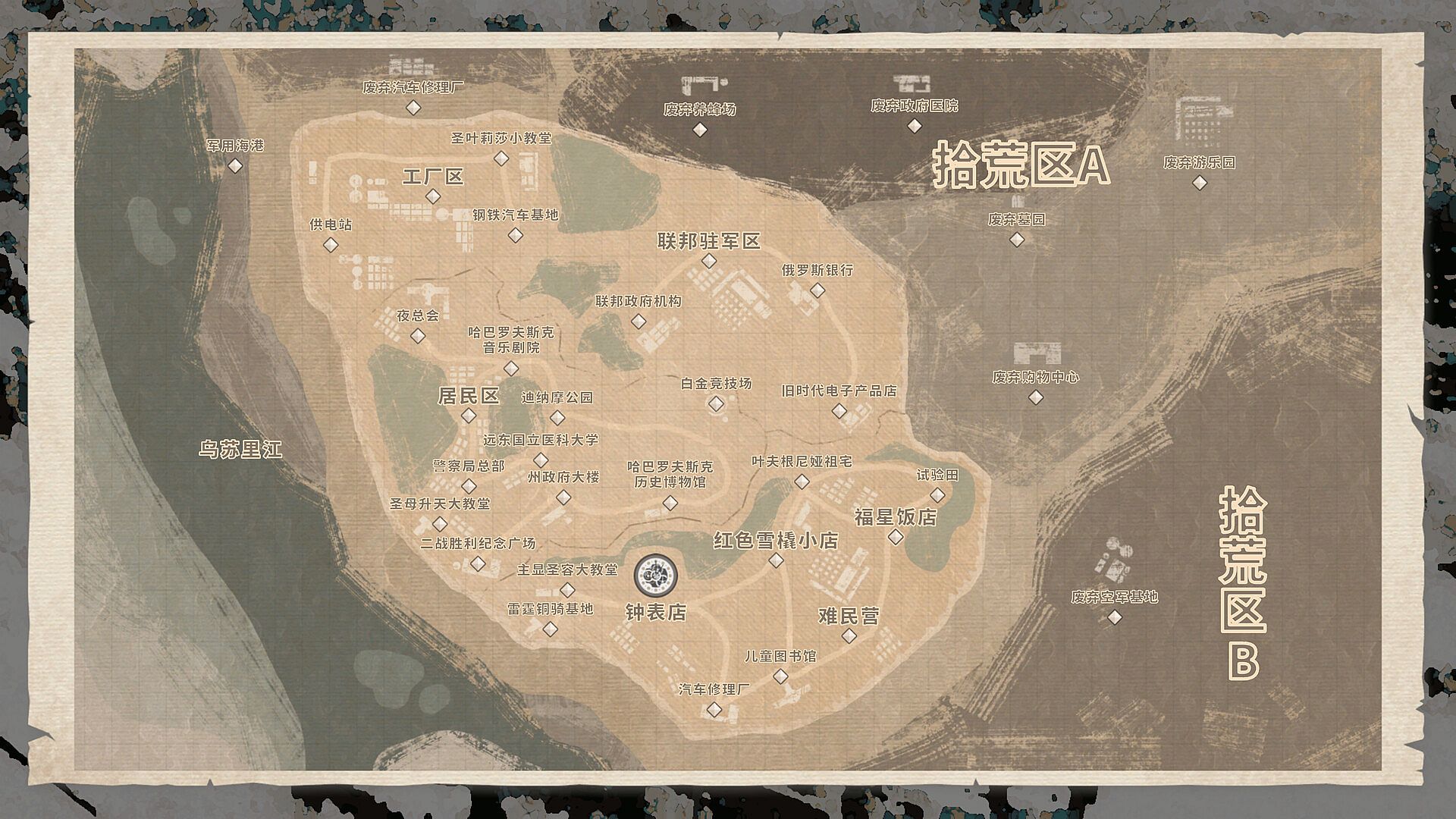
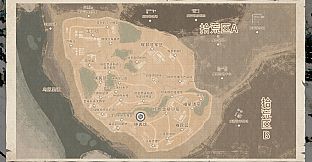
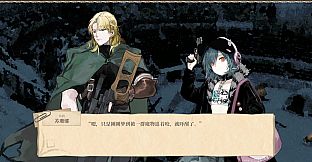
The narrative unfolds in Khabarovsk, one of the last locations retaining organized government and military presence after the meteorite impact. Melia leads a group of refugees viewed with suspicion by local authorities. Earning trust requires balancing external threats with internal conflicts while forging connections with a diverse cast of companions. The story emphasizes themes of family, acceptance, and finding a place to call home amid widespread calamity and human strife. Three poems structure the overall arc, with the early access version delivering the opening chapter and its associated missions.
Progression and Customization
Character development focuses on meaningful choices that affect battlefield roles. Sub-class selections create divergent playstyles for the same unit, changing both active skills and the secondary effects of key combat actions. Armor upgrades and accessory acquisitions further personalize each mercenary, granting passive benefits or skill alterations once certain thresholds are met. The expanding roster across poems allows players to refine squad synergies over time. Environmental interactions and pre-battle scouting add layers of preparation that influence how customization pays off in each stage.
Is It Worth Playing?
Chernoberg: Rebirth suits players who enjoy accessible tactical strategy games with strong narrative focus and incremental character growth. The early access version provides the first poem's full set of missions and five starting characters, offering a substantial starting experience while promising additional content and mechanical refinements in future updates. Those drawn to SRPGs that prioritize positioning, elemental exploitation, and squad synergy over complex menus will find the combat loop engaging. The emphasis on multiple paths to victory per stage and ongoing roster expansion supports repeated playthroughs with different team builds. If the combination of story-driven missions and straightforward yet deep tactical systems aligns with personal preferences, the title delivers a coherent single-player campaign worth following through its planned three-poem structure.












