




Car D Game combines roguelike deckbuilding with turn-based tactical racing on PC. Players build and modify cars whose components directly supply the cards used during races. The experience emphasizes strategic planning over real-time reflexes, drawing from real physics simulation while pausing action at regular intervals for decision making.
Gameplay
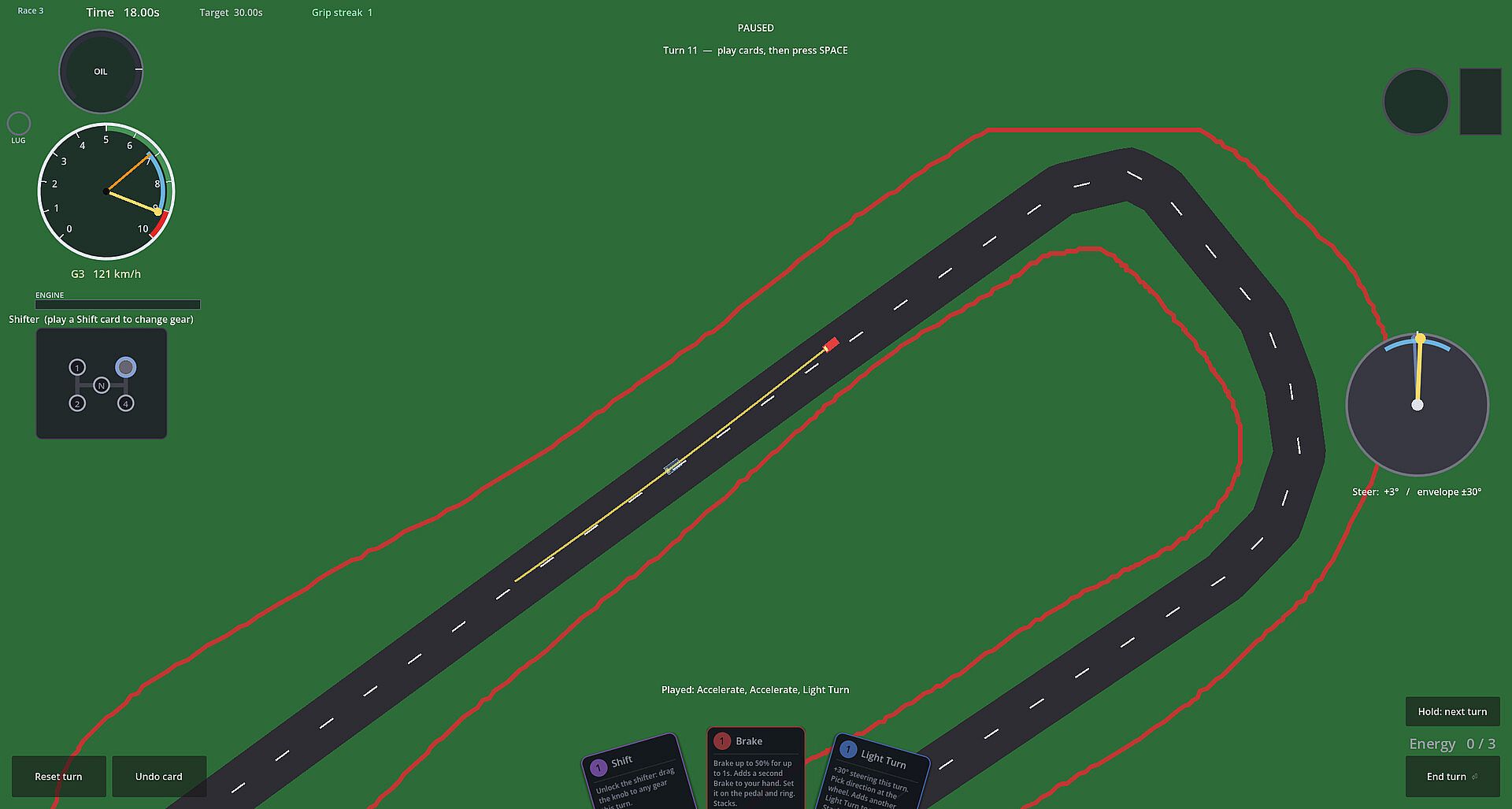
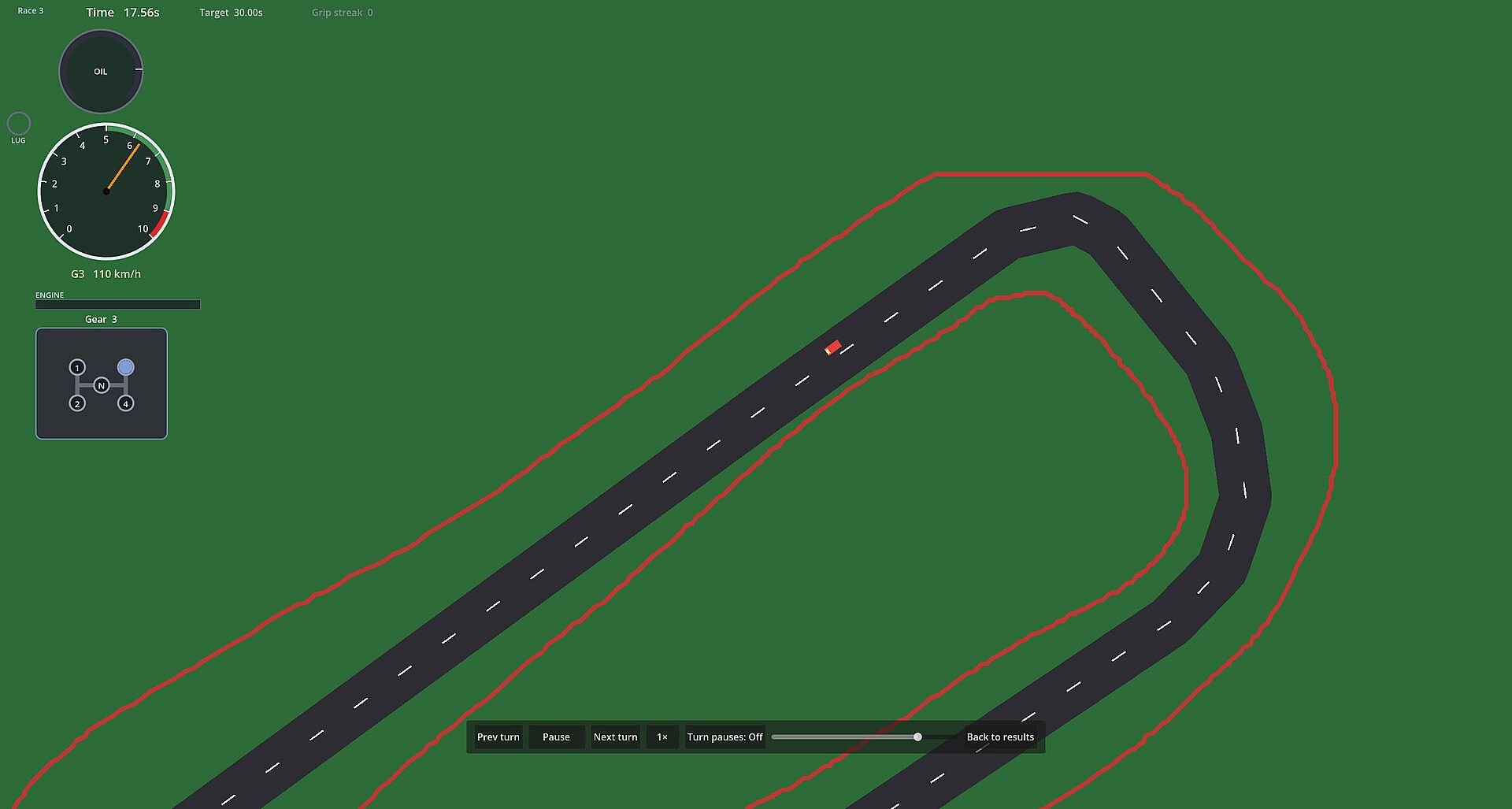
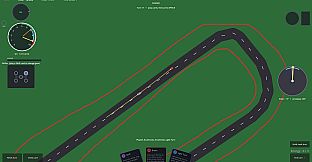
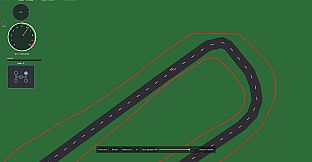
The core loop centers on a simulated race that advances in short segments. At each pause, a projection shows the car's projected path based on current momentum and conditions. Players select cards to adjust acceleration, braking, gear shifts, turns, or boosts, then preview the exact changes to the racing line before committing. Once confirmed, the physics simulation runs forward, accounting for tire slip, grip levels, heat buildup, and momentum carryover into the next segment.
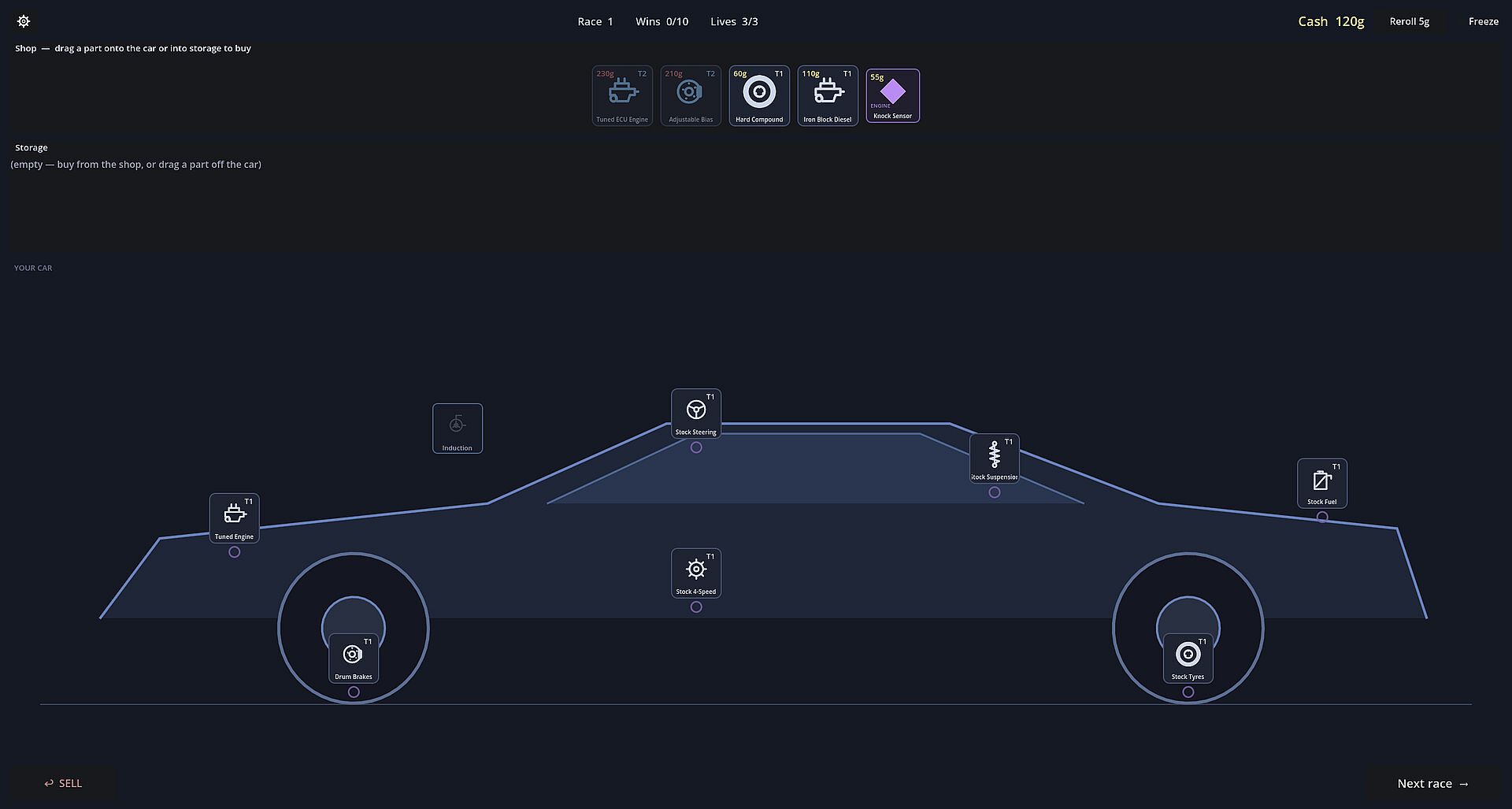
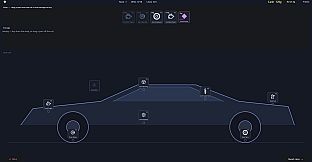
Parts installed on the car determine the available cards in hand. A racing engine adds acceleration options, upgraded brakes strengthen stopping power, and other components like tires or suspension introduce specialized effects. Between races, the garage serves as the deckbuilding hub where players buy, sell, and swap parts to reshape their hand and overall strategy. Each configuration creates a distinct playstyle focused on racecraft elements such as braking points and gear management, all resolved through puzzle-like choices rather than split-second timing.
Game Modes
The roguelike campaign forms the main single-player structure. Players progress through a ladder of increasingly challenging races, earning cash and selecting from reward options after victories. Each loss costs a life, and exhausting lives ends the run. Driver skills accumulate as permanent passive bonuses that influence future builds, encouraging experimentation across multiple attempts.
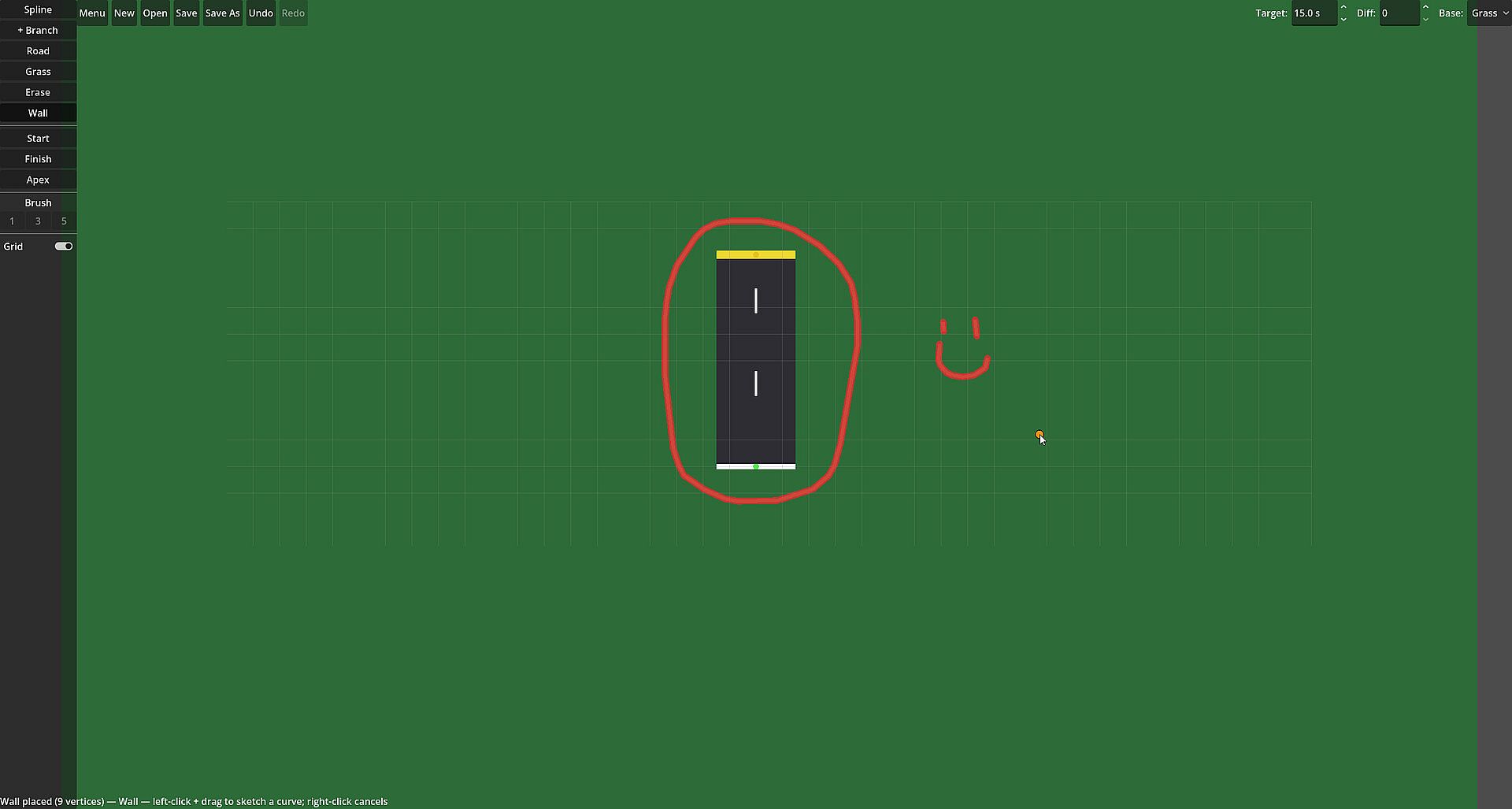
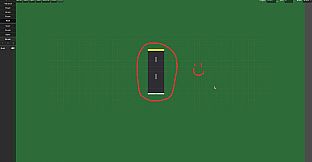
Ghost racing provides competitive elements by matching players against recorded runs from others at similar skill levels via leaderboards. Replays of completed races allow detailed review of lines and outcomes. A map editor supports creation and racing of custom tracks, extending the experience beyond predefined content.
Progression and Customization
Every run begins fresh with new part selections shaping the deck from the ground up. Cash earned funds garage transactions, while skill pickups layer lasting advantages that interact with chosen components. This system ensures varied approaches to the same tracks, as different part combinations alter card availability and effectiveness in meaningful ways.
The physics foundation remains consistent across all activities, so strategic adjustments in one area, such as grip management through tire choices, produce tangible differences in how simulations unfold. Replays reinforce learning by letting players examine exactly where projections aligned or diverged from final results.
Is It Worth Playing?
Car D Game suits players who enjoy strategy games and deckbuilding mechanics applied to a racing context. It removes the barrier of real-time control while preserving depth in engineering and tactical decisions. The game enters Early Access with core systems including the turn-based loop, campaign structure, garage management, ghost features, replays, and map editor already functional. Development plans include expanded content based on player input, and the title is listed as free to play.
Those drawn to roguelike runs, part-based customization, and physics-driven strategy without reflex demands will find the approach distinctive. The absence of traditional driving controls shifts focus entirely to planning and build choices, creating an experience tailored for enthusiasts of cars and engineering who prefer deliberate pacing.