






Battle Bot Tactics is a strategy game focused on building and testing modular combat robots in an indie early access title available on PC. Players engineer bots from scavenged parts and then send them into automated arena fights against other competitors to climb competitive ranks.
Gameplay
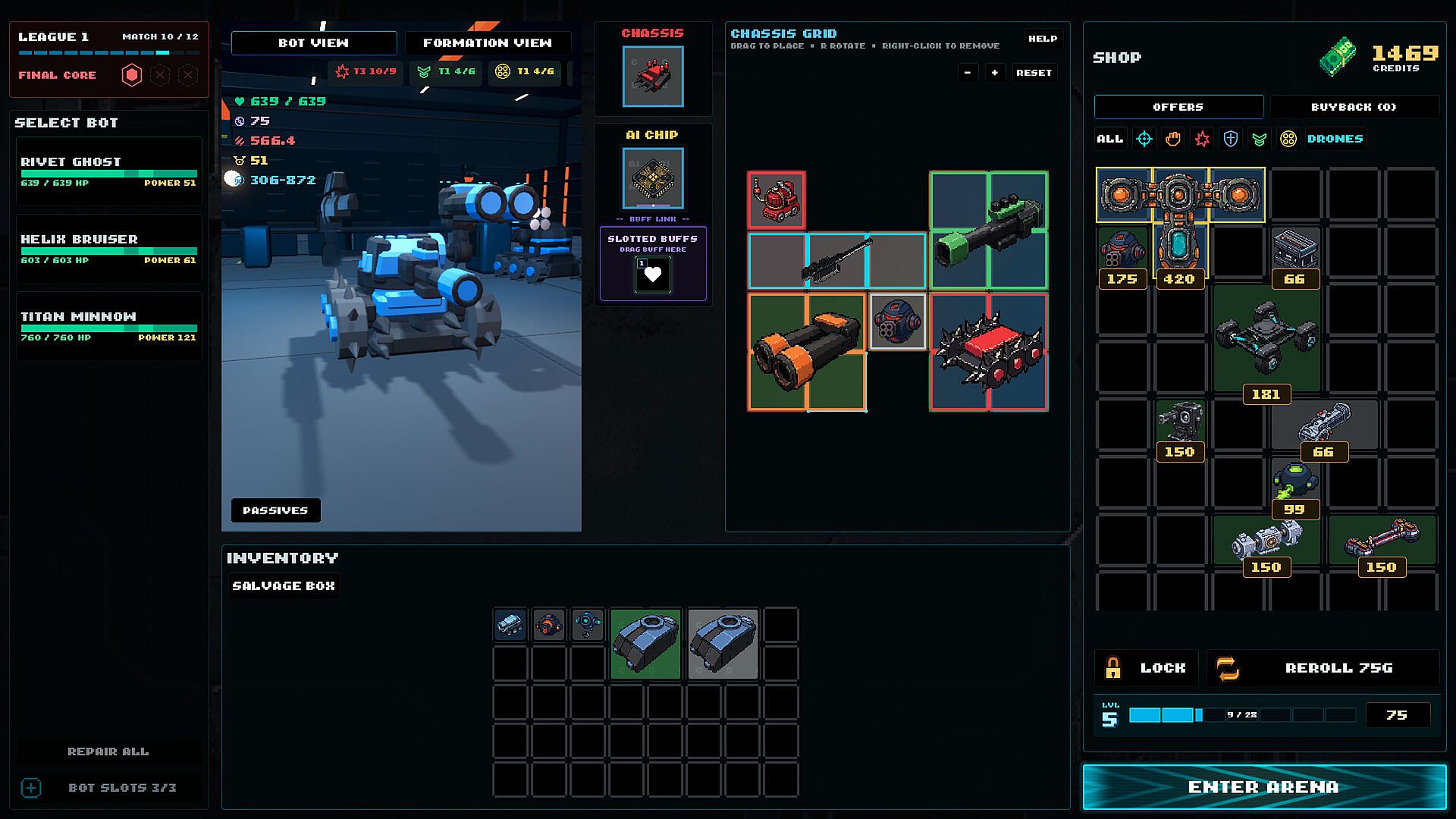
The core loop centers on constructing robots on a chassis grid where every placement matters for performance. Builders select from available weapons, movement systems, chassis types, and modules to create machines with distinct profiles such as heavily armored tanks, long-range snipers, close-range aggressors, or rapid-fire platforms. The AI module attached to each bot dictates its battlefield behavior, so mismatched combinations like pairing a sniper chip with short-range shotguns can lead to unexpected results during fights.
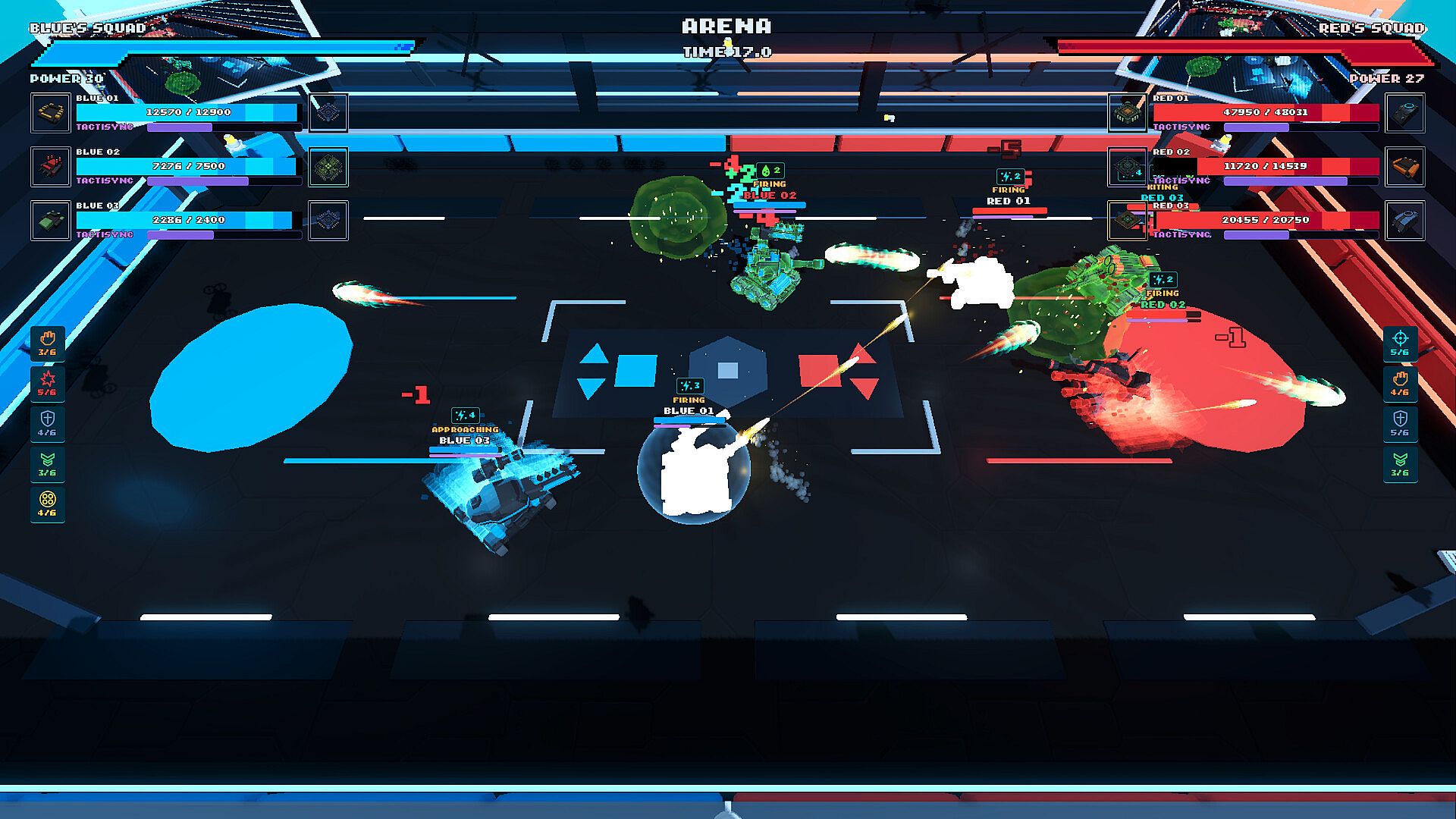
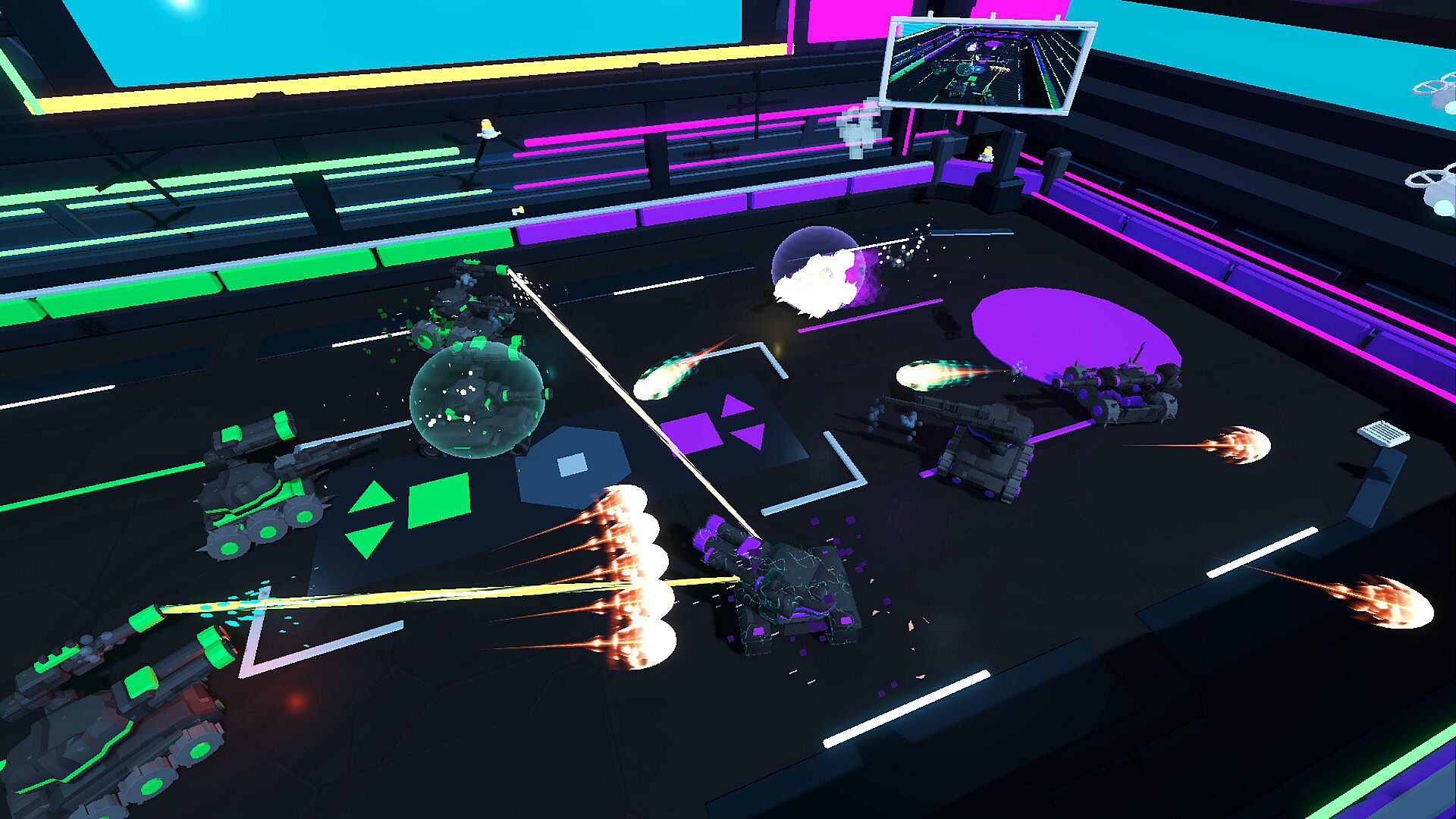
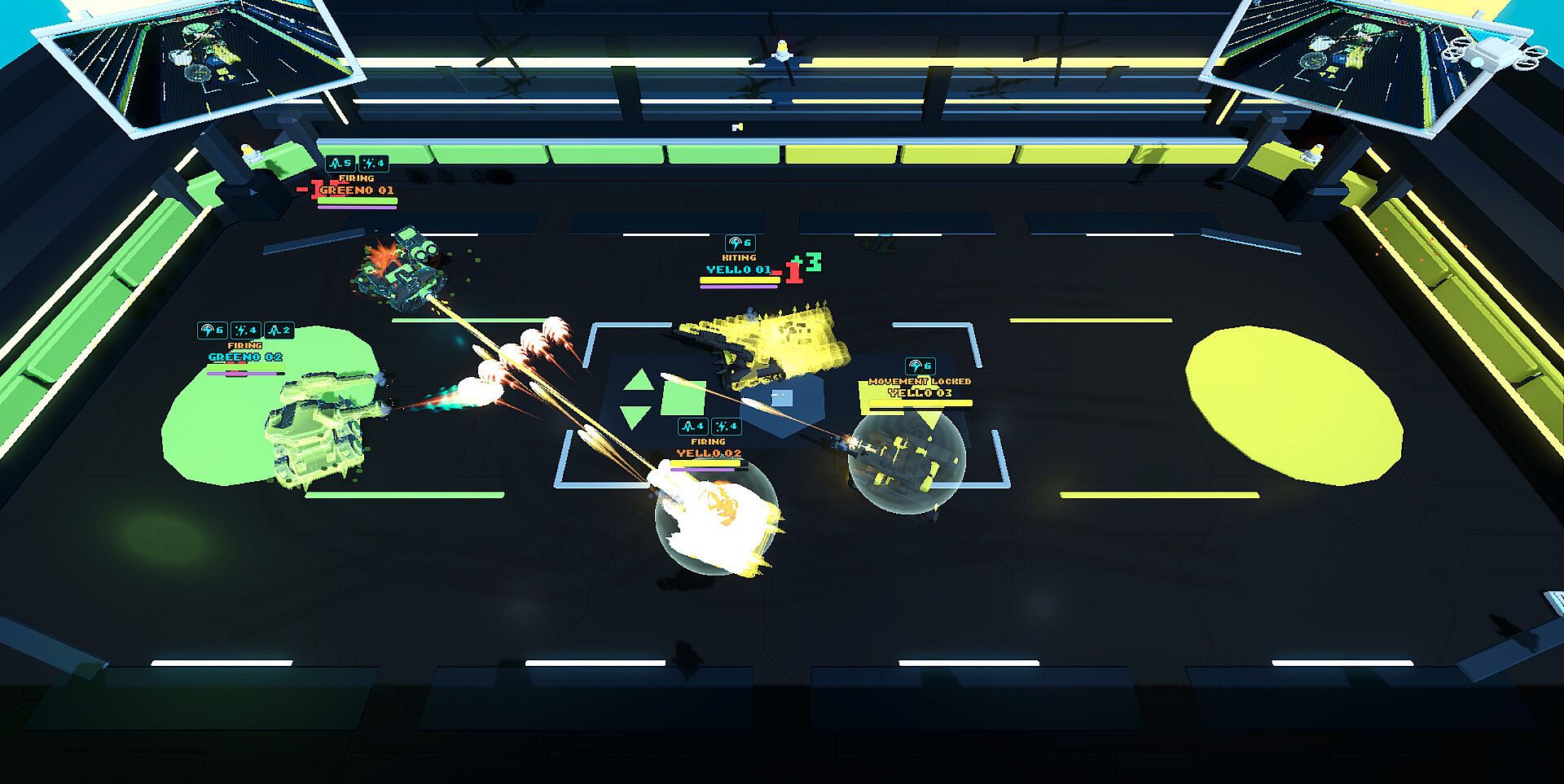
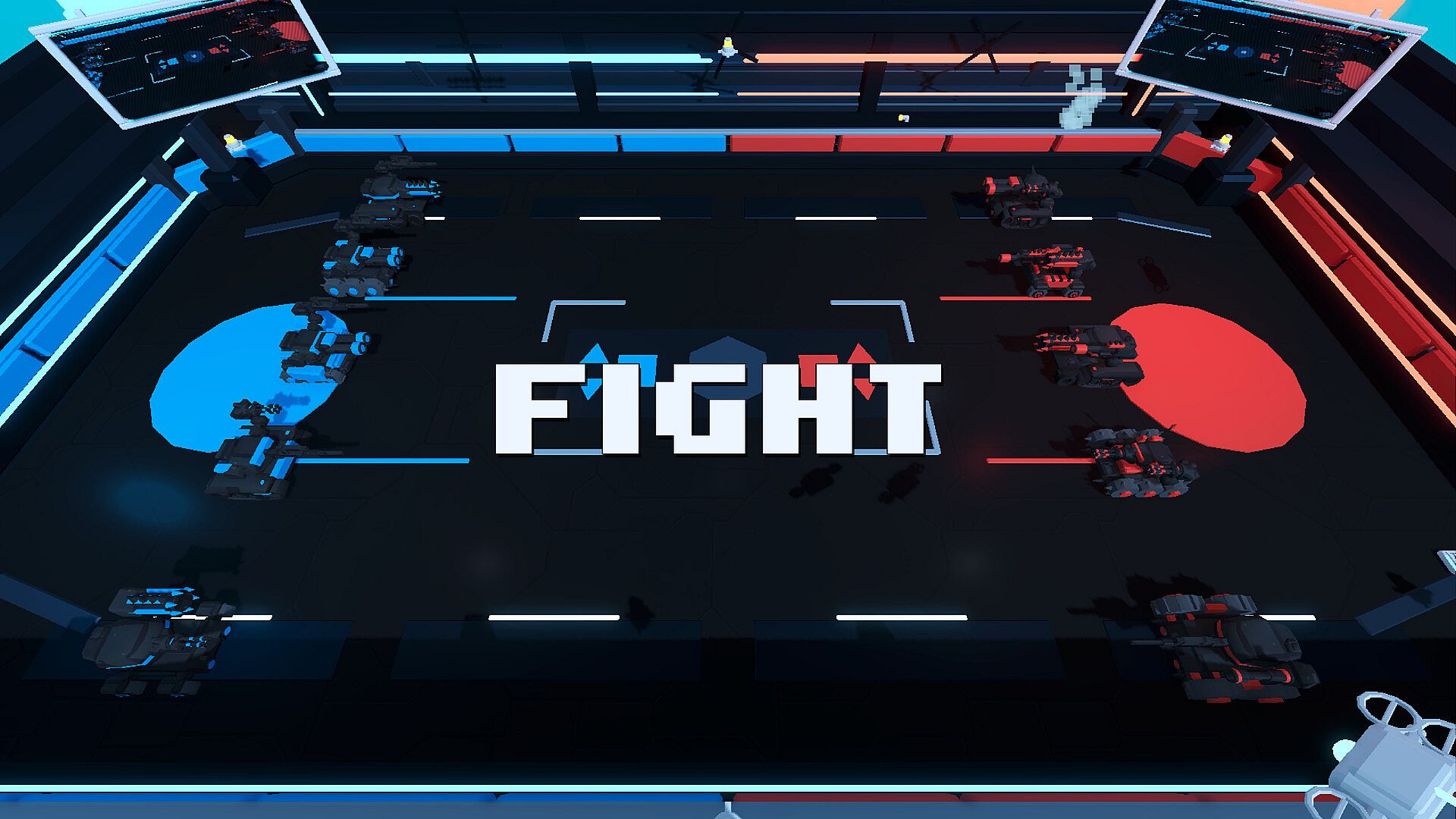
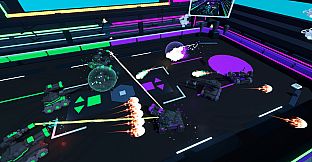
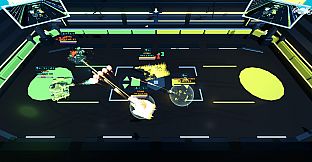
Once a team of bots is assembled, the battle plays out automatically without further player input. Outcomes depend entirely on the chosen parts, positioning logic, and overall stats. This setup encourages repeated experimentation because every match reveals strengths and weaknesses in the current design. After each fight, builders return to the garage to refine or overhaul their creations, testing new part synergies that might succeed or fail spectacularly.
The emphasis remains on efficiency and creativity rather than real-time control. Careful grid placement maximizes weapon coverage and movement options while the AI governs decision-making in the arena. This design rewards players who analyze results and iterate quickly between matches.
Game Modes
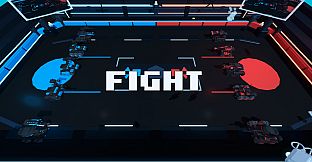
The primary activity involves preparing teams and entering arena battles against other players. These matches unfold automatically, with victory or defeat determined by how well the bots perform based on their builds. Success advances the player through arena ranks, creating a progression system tied directly to ongoing design improvements.
Outside of ranked matches, the experience revolves around freeform building and testing. There are no scripted single-player campaigns or additional named modes described beyond the core arena competition. The focus stays on multiplayer encounters where each participant's custom bots compete, and the cycle of build, battle, and refine continues indefinitely.
Building and Customization
Modularity defines the entire system. Different movement options, chassis sizes, and weapon types combine in countless ways to produce varied strengths and vulnerabilities. Heavily armored designs absorb punishment, while fragile long-range setups rely on distance and precision. Rapid-fire configurations emphasize volume of attacks, and aggressive loadouts push forward for close engagements.
The grid-based placement system forces deliberate choices about part positioning to optimize coverage and avoid wasted space. An AI module then interprets the layout to control actions, making the choice of behavior chip as critical as the hardware itself. Players discover viable combinations through trial and error, sometimes finding that unconventional pairings outperform expectations.
Progression and Ranks
Winning arena battles raises the player's standing in the competitive ladder. Higher ranks reflect consistent success with evolving bot designs, pushing builders to keep refining their machines. The loop of assembling a team, watching the automated outcome, and returning to optimize remains the central driver of advancement.
Because every loss sends the player back to the garage with new data, progression feels tied to learning rather than grinding resources. Experimentation with part combinations becomes the main path forward, allowing both methodical optimization and occasional wild ideas that somehow succeed.
Is It Worth Playing?
Battle Bot Tactics suits players who enjoy strategy games centered on creation, iteration, and automated competition. The modular building system and automatic battle resolution create a satisfying loop of design and observation, especially for those comfortable with early access titles that continue to evolve. Without specific review scores or update details available, the experience appeals most to fans of indie strategy projects that prioritize experimentation over polished narratives or extensive single-player content. Those seeking deep customization and rank-based multiplayer testing will find the core systems align closely with that preference.











