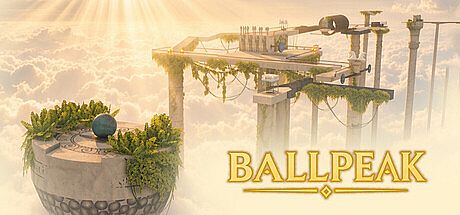


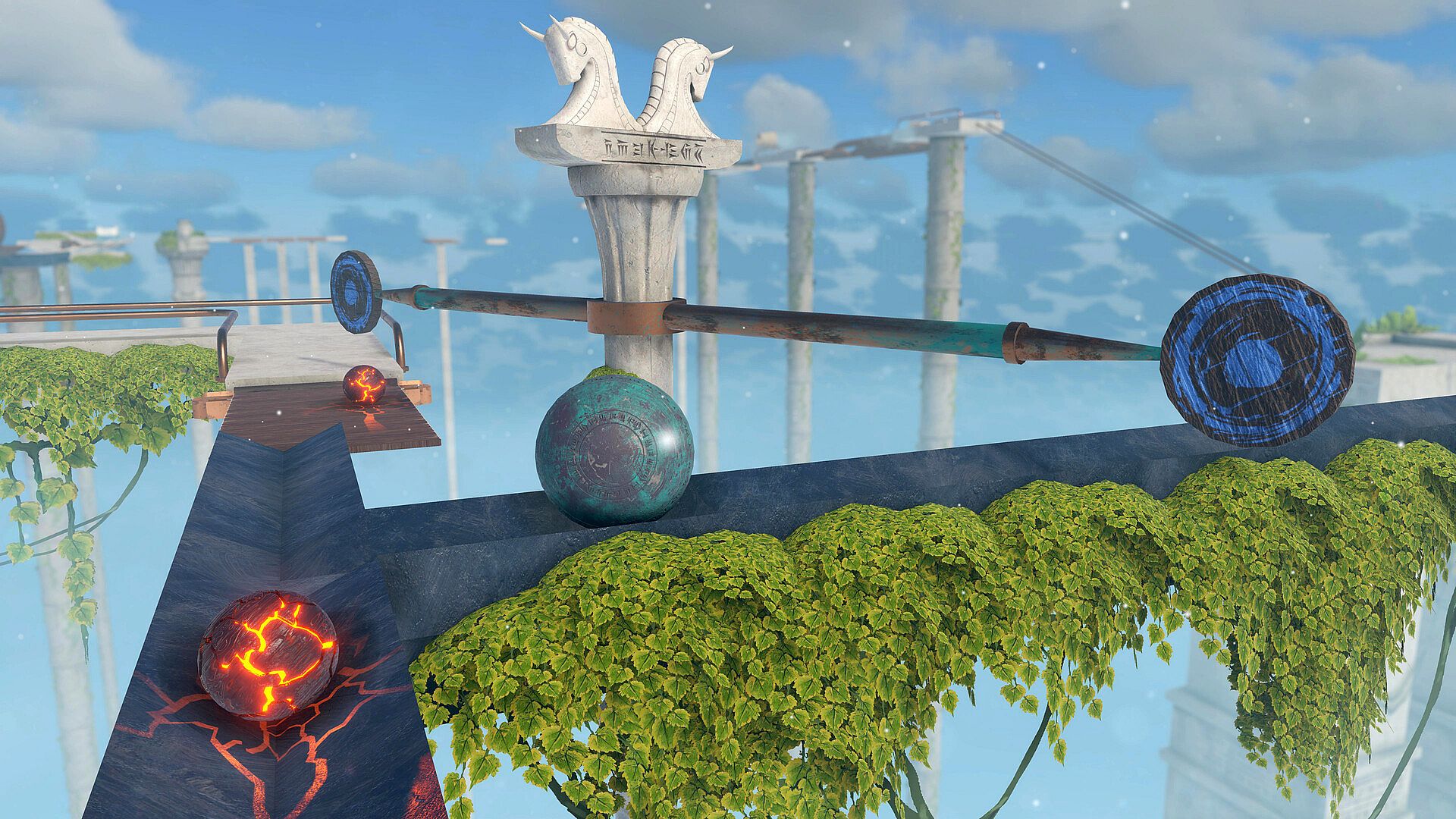
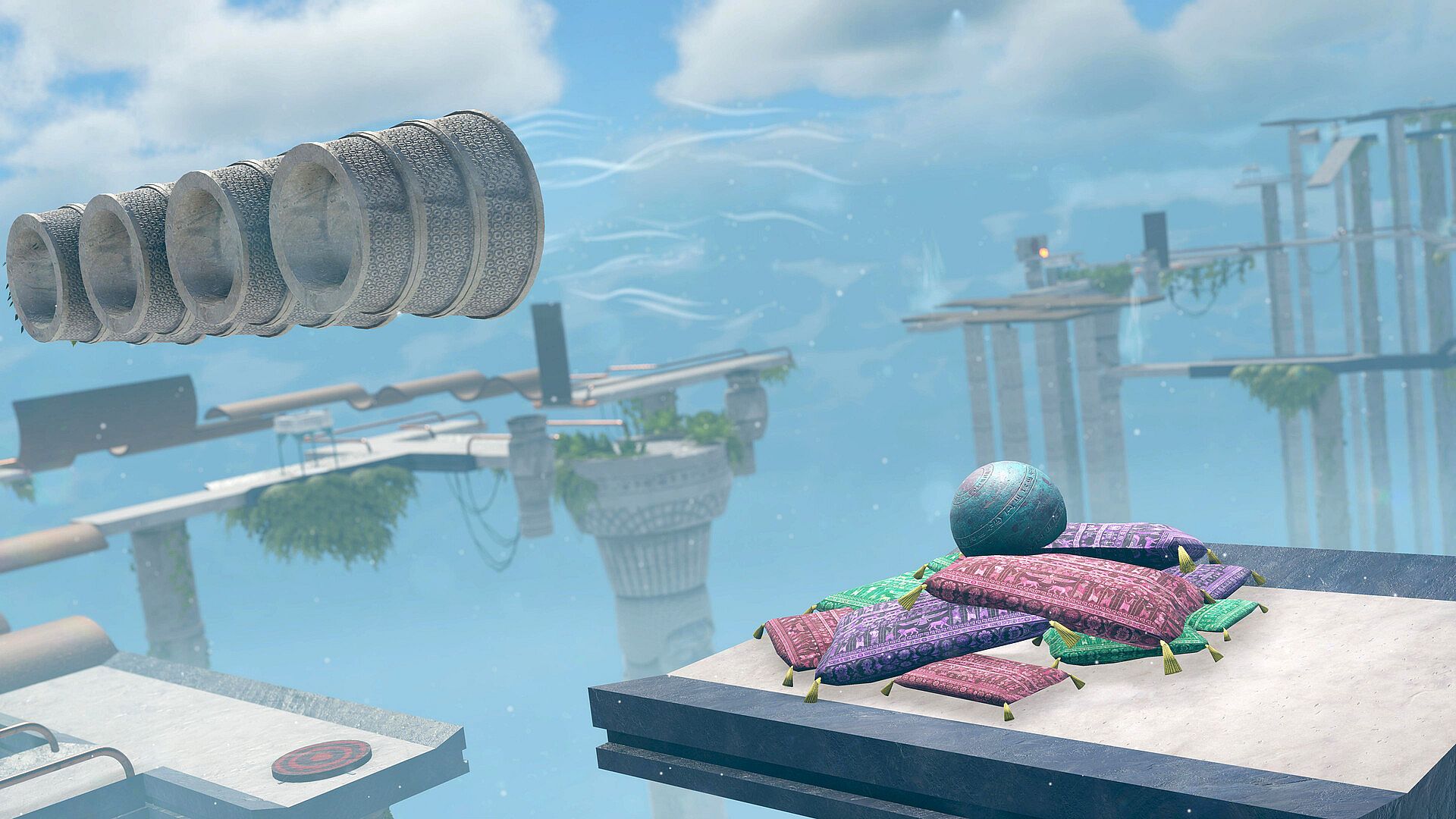
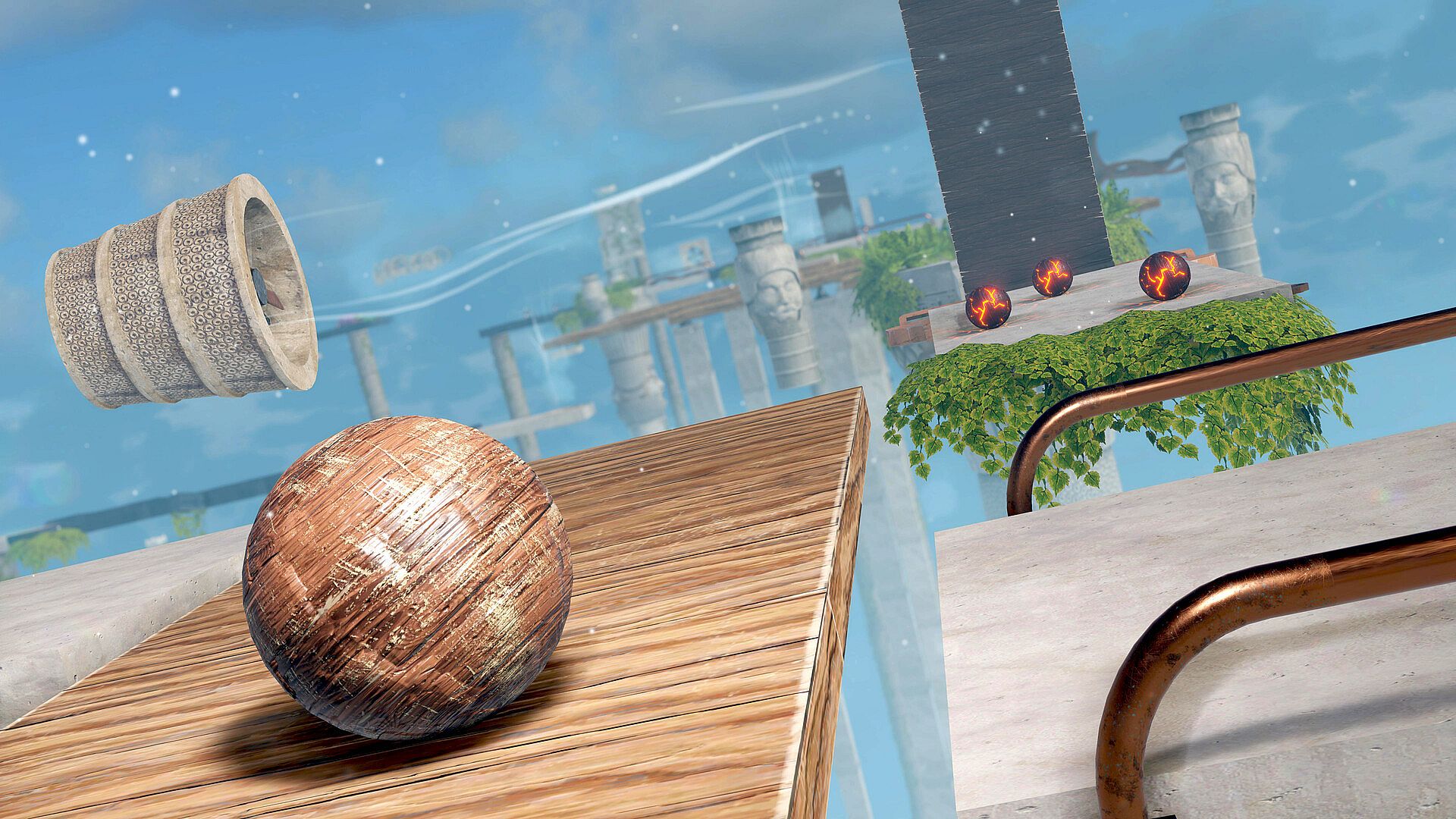
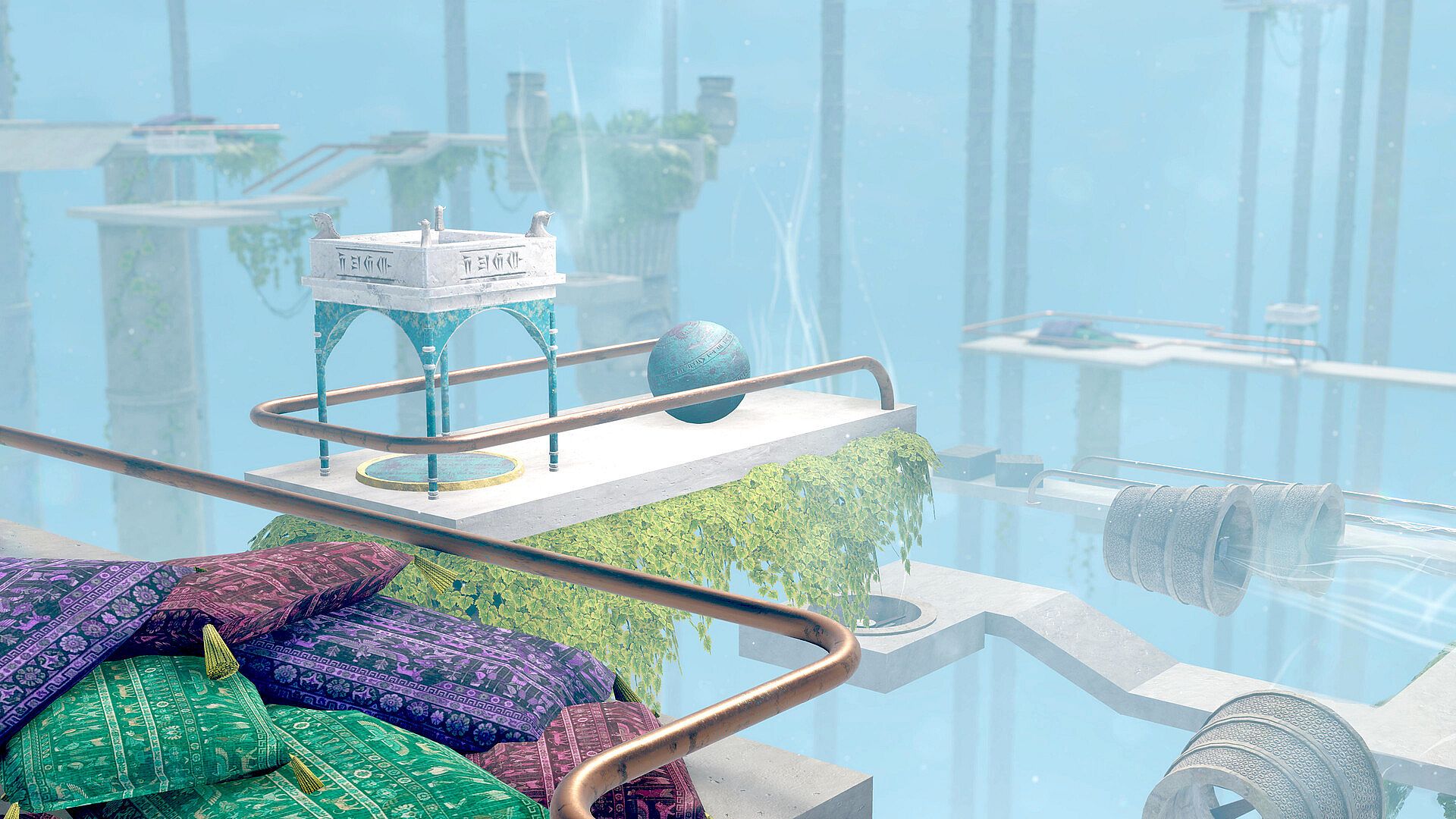
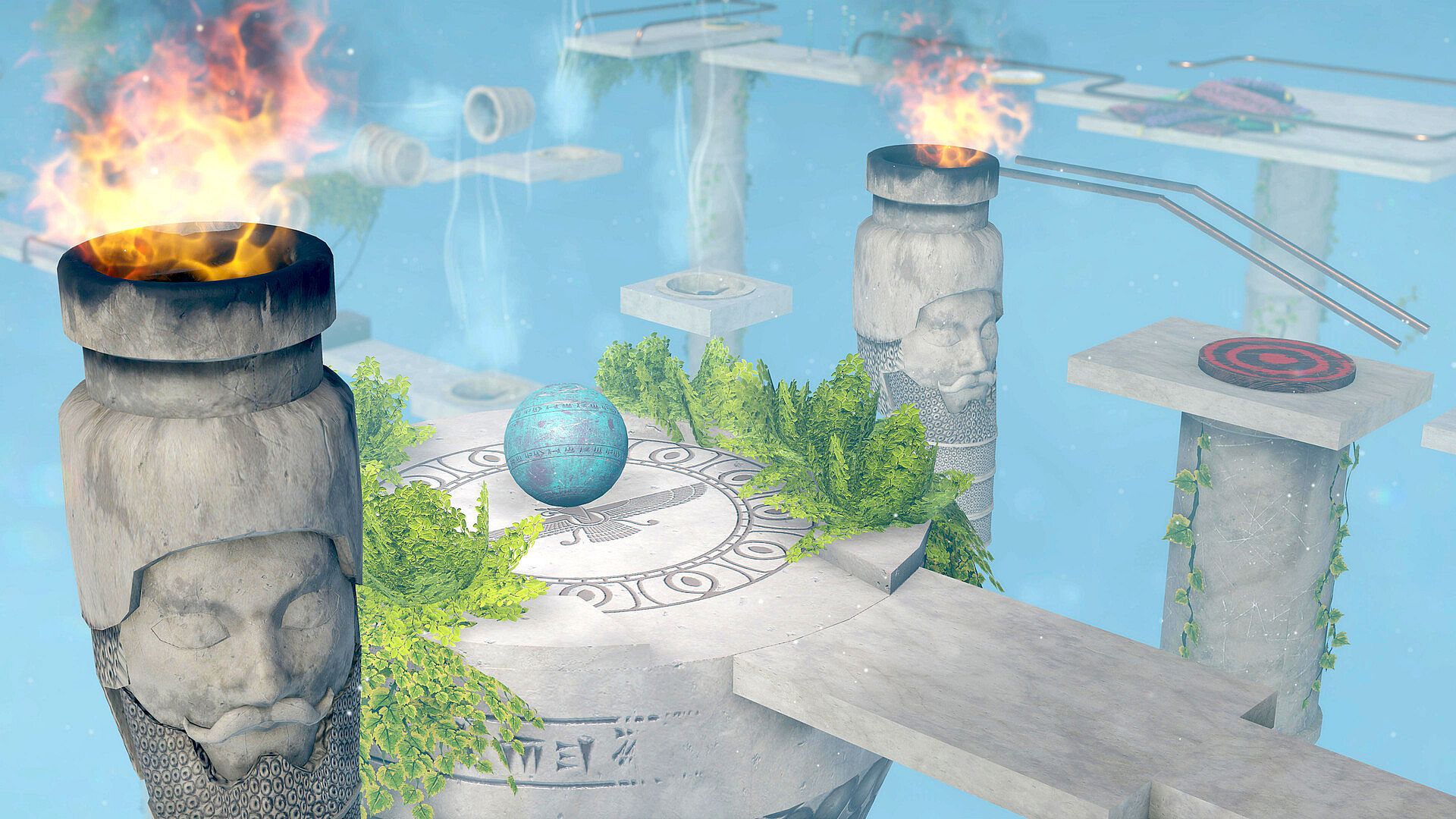
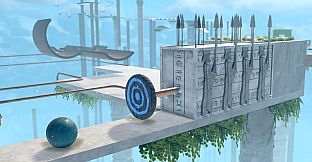
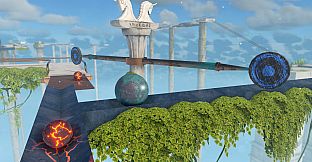
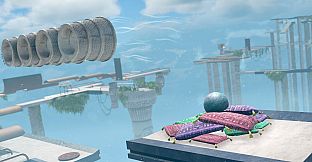
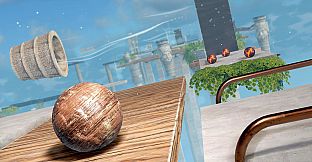
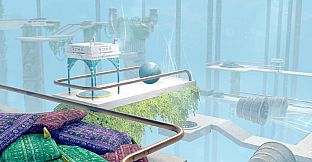
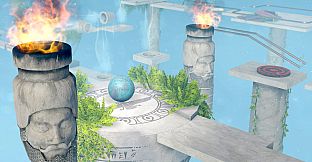
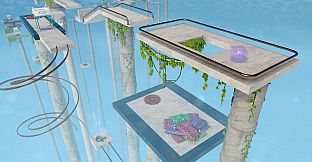
Ballpeak is an indie casual game for PC in which players control a rolling ball through a series of physics-driven courses. The experience centers on balance, momentum, and precise control as the ball moves across narrow paths and interacts with environmental elements. Different ball materials alter how each run feels and responds to the terrain.
Gameplay
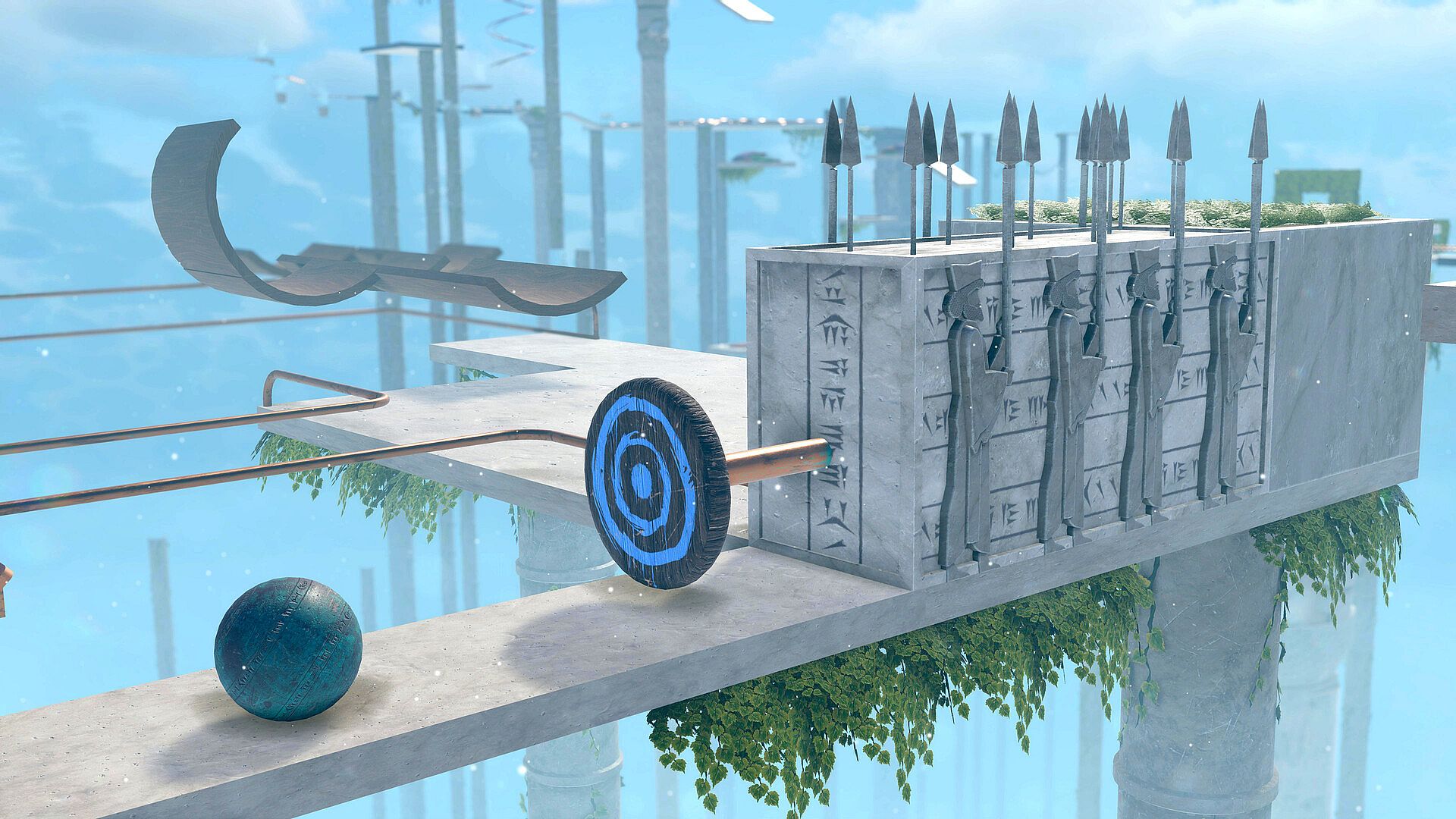
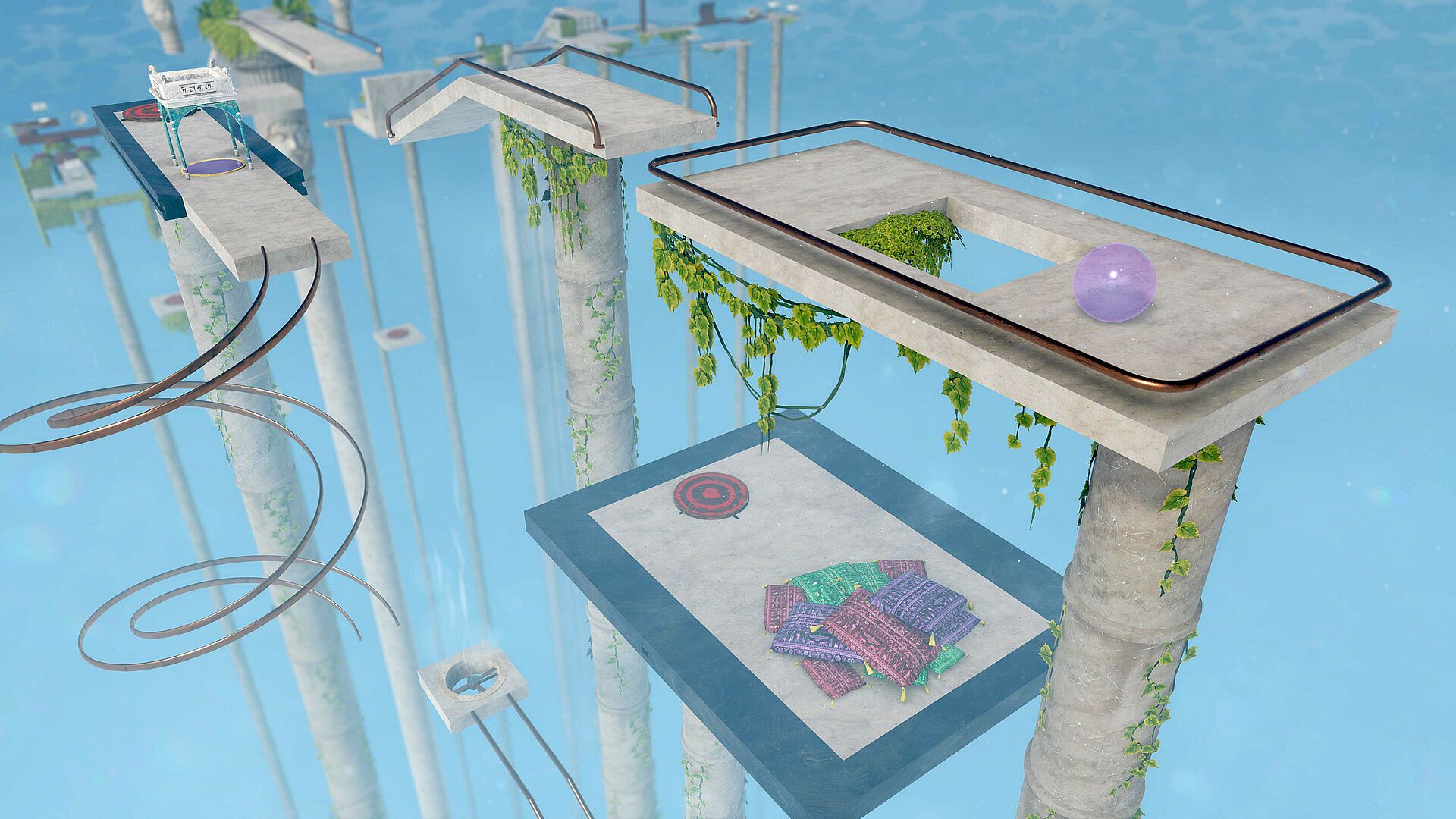
The core loop involves guiding the ball from start to finish on each course while managing speed and stability. Players accelerate, steer, and adjust for momentum to avoid falling off edges or missing jumps. Courses include narrow bridges that demand steady movement, gaps that require well-timed launches, crates that block or redirect paths, and fans that push the ball off course. Jump pads provide vertical boosts to cross larger distances. Every action depends on how the chosen ball interacts with surfaces and forces, so small adjustments in direction or pace determine success or failure.
Physics simulation governs acceleration, weight distribution, and reactions to obstacles. A heavier ball maintains momentum differently than a light one, while a fragile option requires gentler handling to prevent unwanted bounces or breaks in control. Players learn each course through repeated attempts, refining timing and path choices to complete runs cleanly. The emphasis stays on deliberate movement rather than speed alone.
Game Modes
Ballpeak presents a single-player structure built around sequential courses. Progression comes from mastering individual levels one at a time, with each new course introducing fresh combinations of obstacles and layout challenges. There are no separate competitive or cooperative modes confirmed; the focus remains on personal improvement through repeated practice on the same set of paths. Players select a ball material before or during a run and then work toward the finish line without additional rulesets or team elements.
The Five Ball Materials
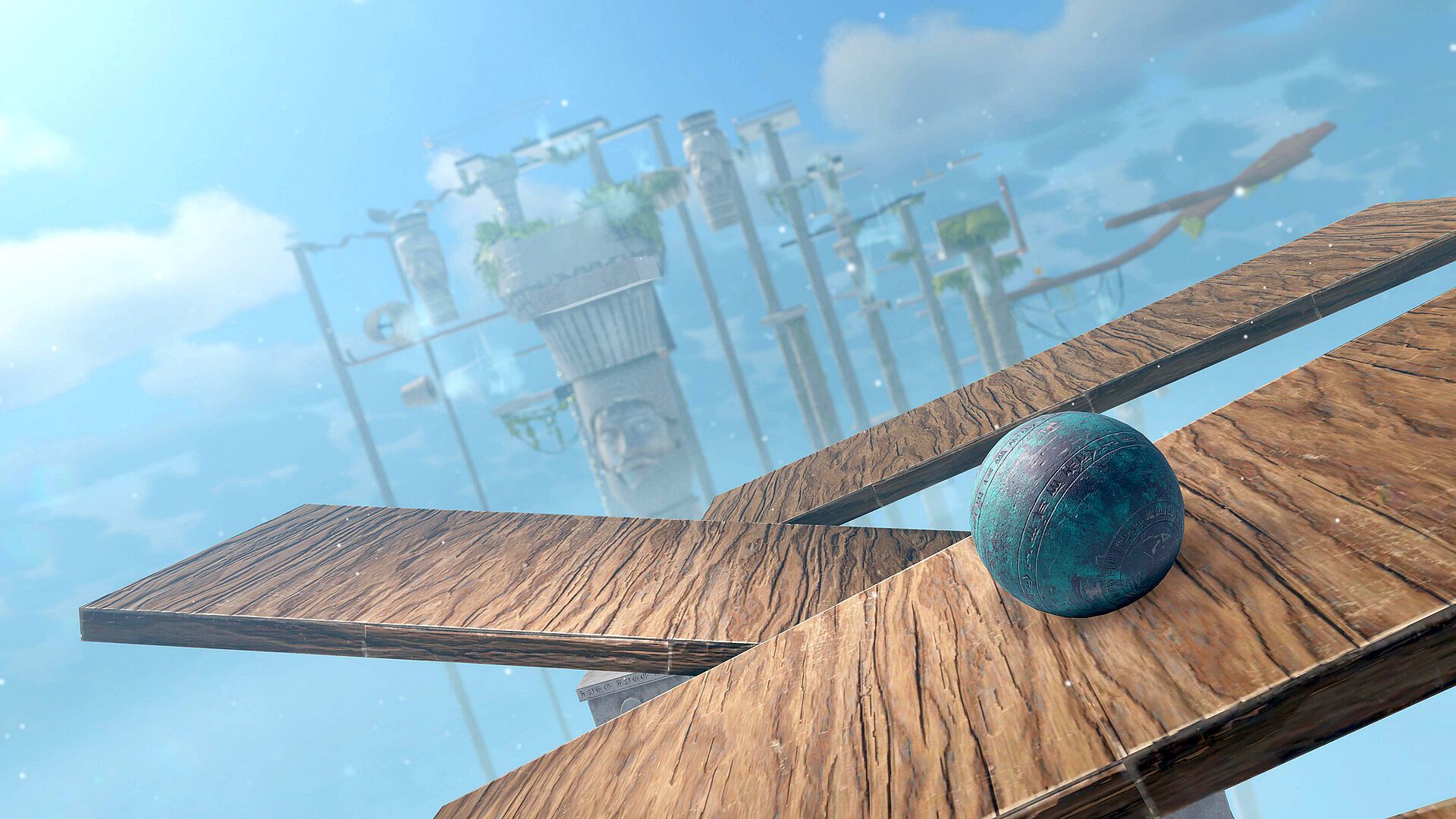
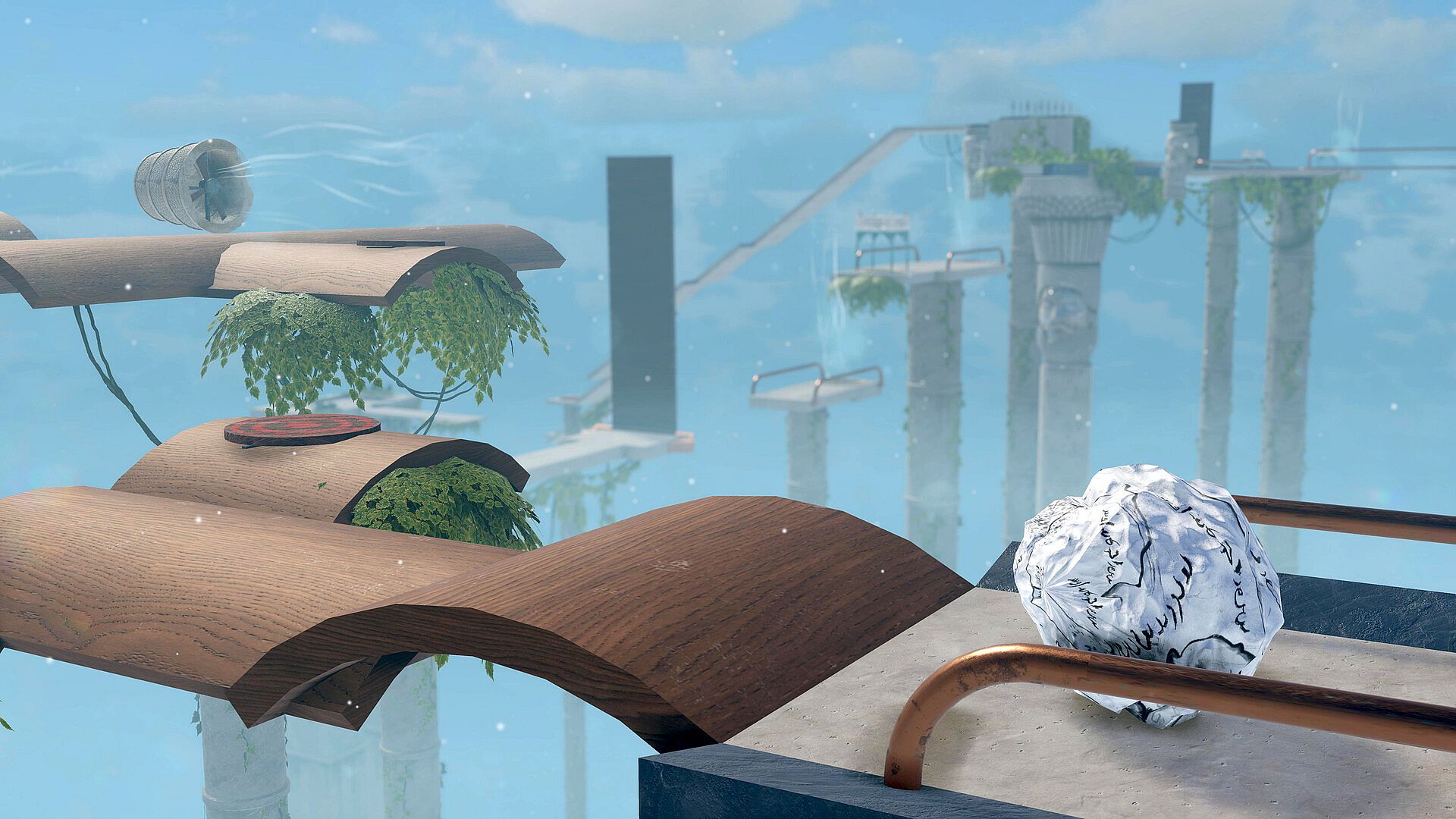
Five distinct materials give players options for how each course plays out. The paper ball feels lightweight and delicate, responding quickly to inputs but offering less stability on uneven sections. The wooden ball provides a balanced, classic rolling sensation suited to maintaining rhythm across longer stretches. The stone ball carries noticeable weight, which helps with steady forward motion but requires more effort to change direction or recover from missteps. The glass ball appears smooth and demands careful handling to keep it on track without sudden slips. The thorn ball features a spiky profile that changes grip and interaction with surfaces in ways the others do not. Switching materials lets players adapt to specific course demands or experiment with different handling styles.
Obstacles and Course Design
Level layouts test precision through a mix of static and moving hazards. Narrow bridges leave little room for error in steering. Moving fans create shifting air currents that push the ball sideways or backward. Crates act as barriers or movable objects that alter available paths. Jump pads launch the ball into the air, requiring accurate positioning for safe landings. These elements combine to create sections where timing, balance, and quick corrections matter most. The design encourages players to observe how each ball type handles the same obstacle differently before committing to a full run.
Is It Worth Playing?
Ballpeak suits players who enjoy deliberate, physics-focused single-player challenges without multiplayer or competitive layers. The variety of ball materials and obstacle combinations provides replay value through experimentation on the same courses. Since the game remains in a pre-release state with no player reviews available yet, any decision to play rests on interest in rolling-ball mechanics and precise control. Those drawn to casual indie titles centered on momentum and balance will find the described systems align with that preference. The absence of additional modes or ongoing seasonal content keeps the experience contained to its core course-completion loop.