

Autonomous System Zero is a free to play strategy game that blends massively multiplayer elements with indie development on PC. Players enter a persistent cyberwar environment where networks function as territory and information drives every decision. The experience requires no prior hacking knowledge or specialized skills, as basic commands can be mastered quickly, yet deeper success depends on problem solving, pattern recognition, and long term strategy.
Gameplay
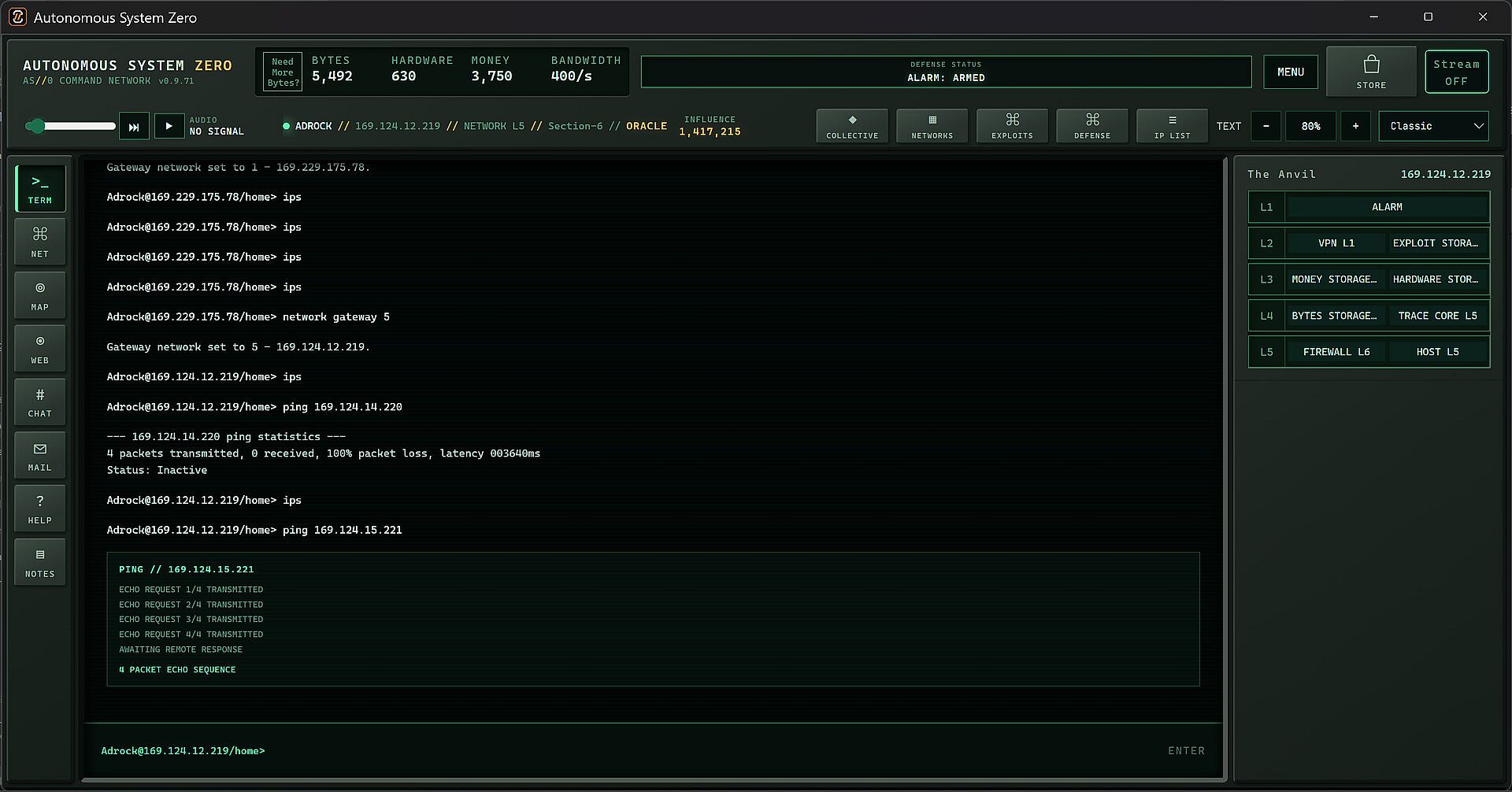
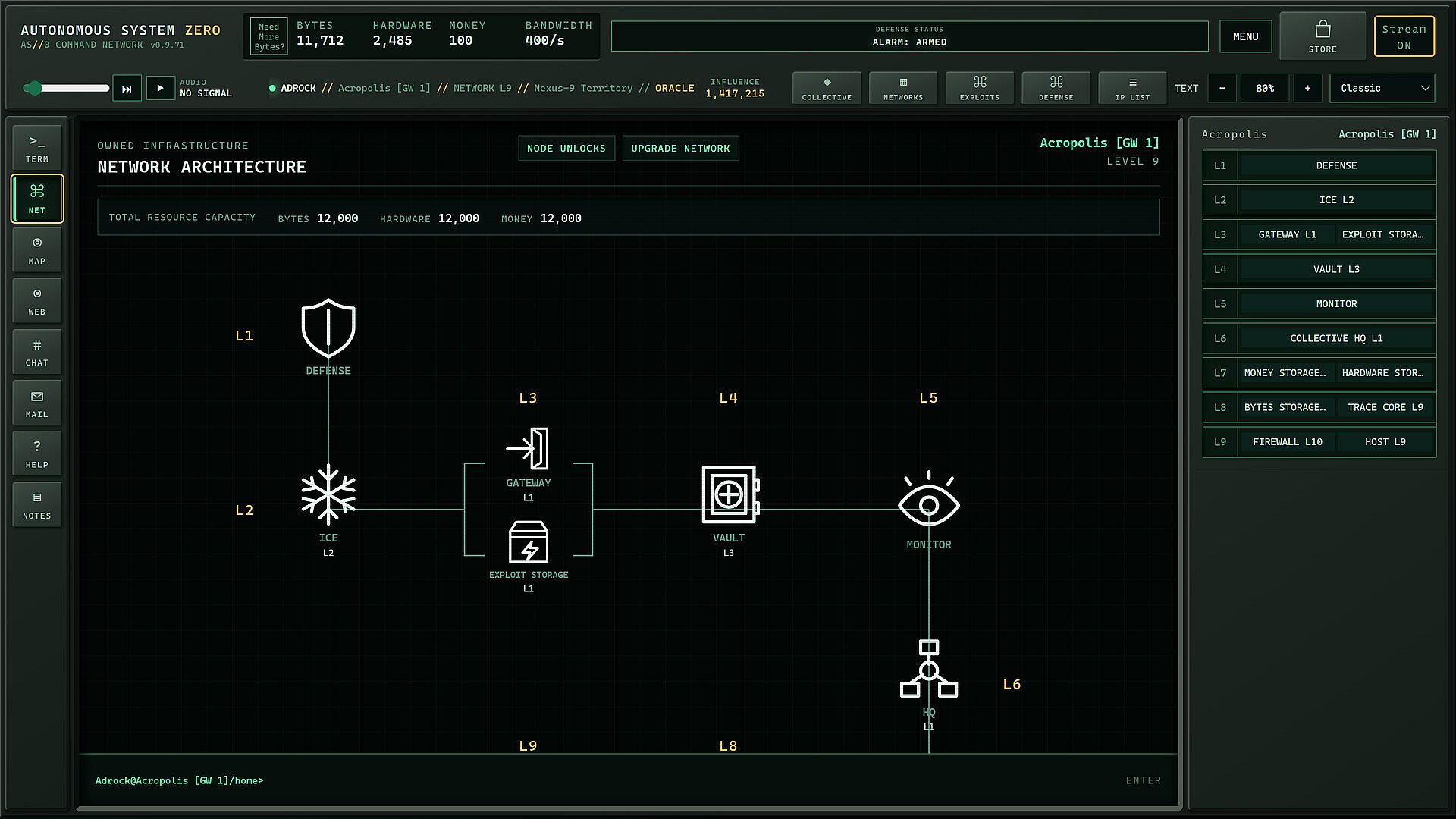
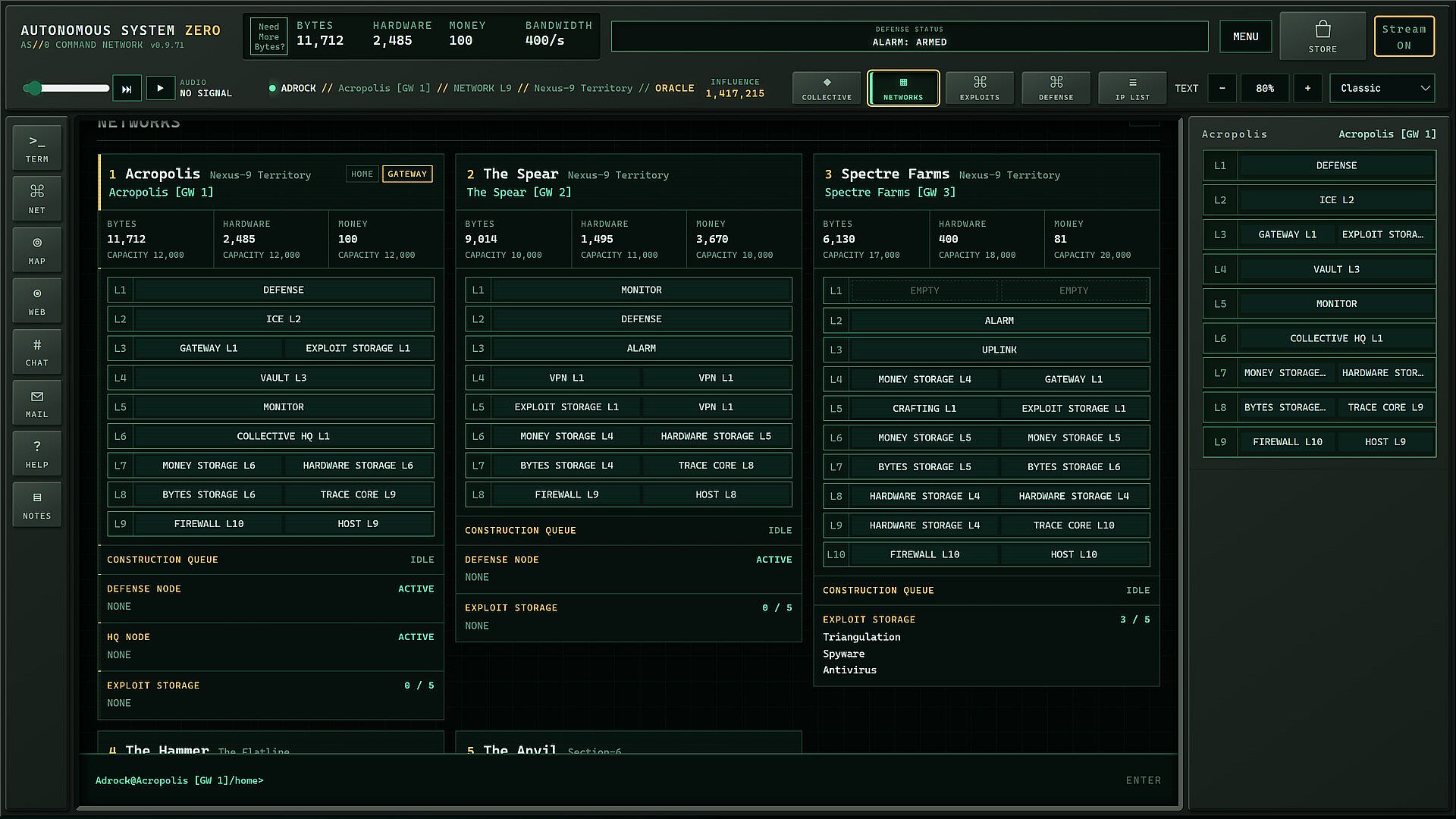
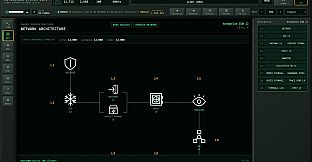
The core loop centers on building and defending personal infrastructure while engaging rival players. Each participant starts with a single network and limited awareness of surrounding systems. Scanning unknown addresses reveals new territory, allowing infiltration of hostile setups to extract resources and expand holdings. Infrastructure grows from basic hosts and firewalls into layered defenses that include storage, monitoring tools, alarms, and specialized gateways. Every addition increases capability but also creates new targets for opponents.
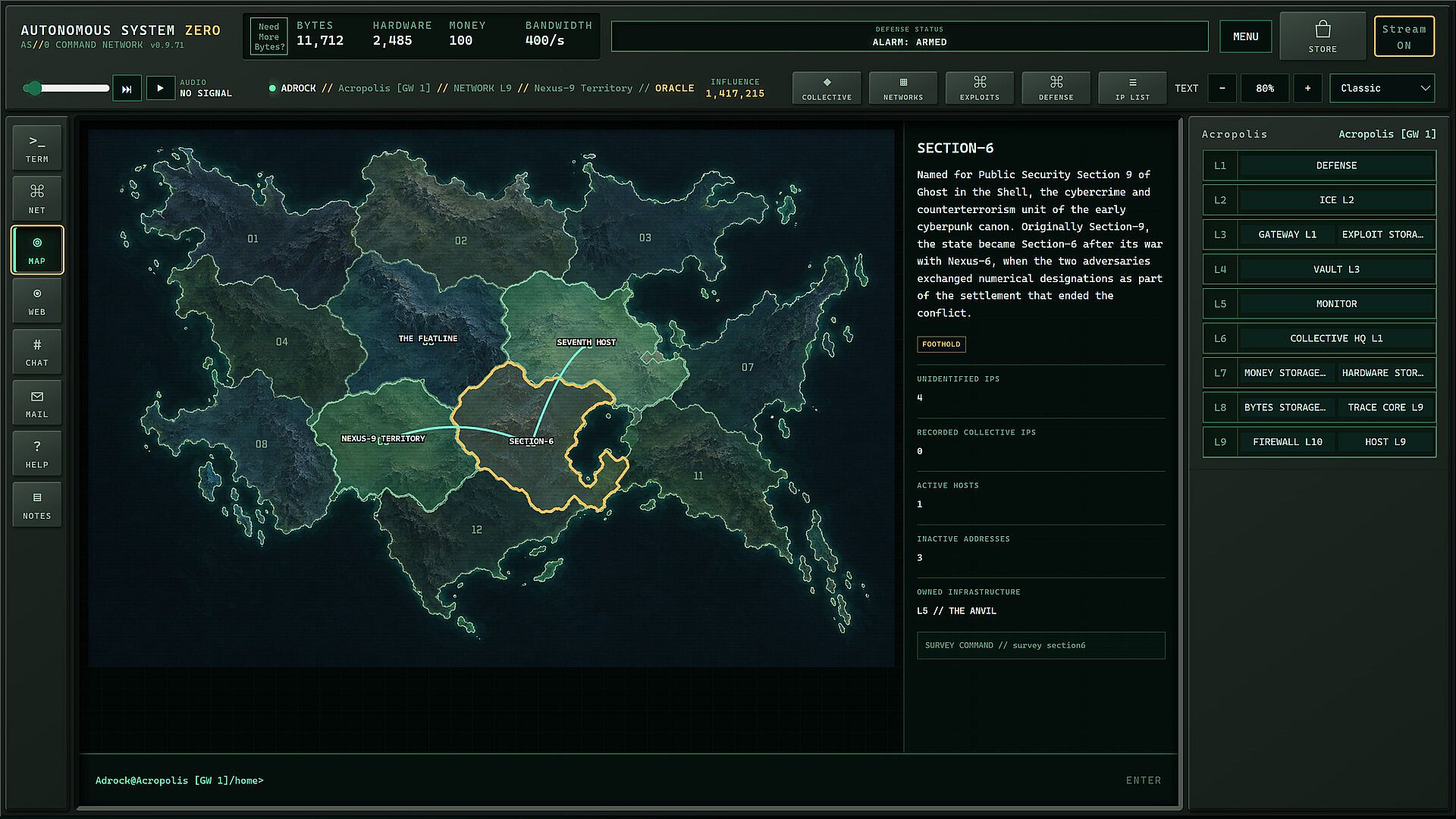
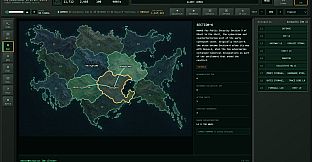
Distance and routing add strategic depth because signals cross national boundaries and incur costs. VPN structures help bypass restrictions and reduce expenses on distant operations. Players craft or acquire exploits for offensive and defensive use, then store, trade, or steal them from others. Public websites built inside the game serve recruitment or information purposes yet remain vulnerable to attack. The server tracks all changes, creating a living history of shifts in control, alliances, and conflicts.
Game Modes
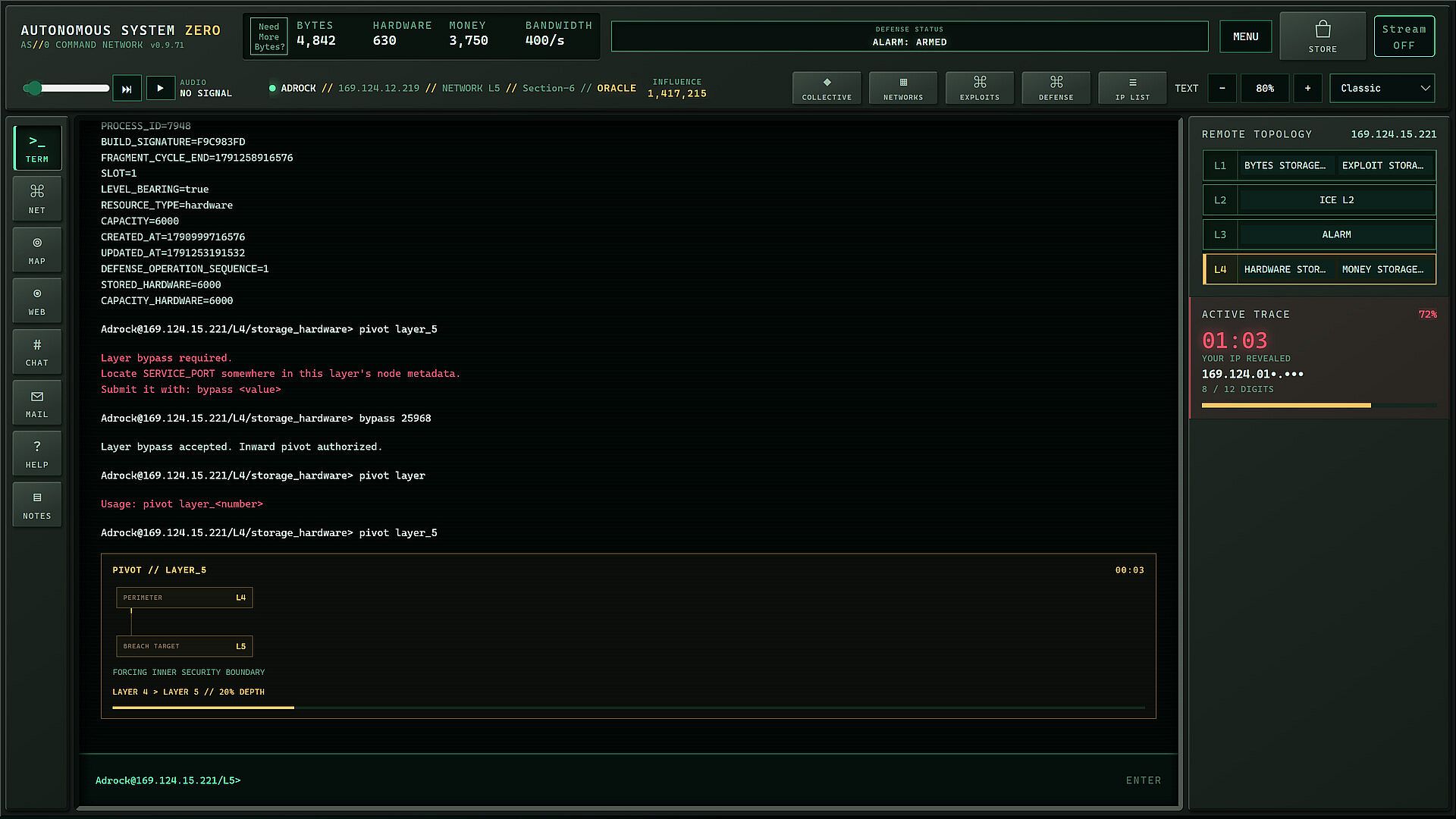
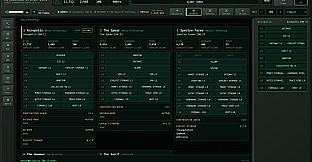
Autonomous System Zero operates as a single persistent world rather than segmented modes. Infiltration forms the central activity, where players breach firewalls layer by layer while an active trace attempts to identify the intruder. Success involves searching filesystems, defeating protective systems, and deciding whether to sabotage, capture, or withdraw before detection grows too high. Collective play allows formation or joining of player organizations that pool resources, establish branches across nations, and coordinate larger operations such as national control or shared vaults.
Netfall represents a late stage shift in the same world. At that point NPC infrastructure vanishes, memberships lock, and protections fade, leaving remaining groups to compete for what survives. Trust mechanics influence all interactions because shared intelligence can later benefit defectors. No character classes or hidden bonuses exist, so outcomes rest entirely on constructed networks, accumulated knowledge, and chosen alliances.
Key Mechanics and Progression
Progression occurs through tangible construction and learning rather than abstract levels. Networks expand into multiple systems that grant new tools for crafting, monitoring, and routing. Intelligence gathered during scans or infiltrations can be shared, traded, or falsified, turning information into a valuable commodity. Route planning around borders and controlled territories affects efficiency and safety, while control of key nations can reshape entire sections of the network.
Exploit creation and theft drive an economy without any central marketplace. Players bring custom tools into infiltrations or leave them stored for later use. The absence of pay to win elements ensures that keyboard skill and strategic thinking determine strength at every stage.
Is It Worth Playing?
Autonomous System Zero suits players who enjoy persistent strategy games with real consequences for decisions and alliances. Its free to play model removes financial barriers while the emphasis on learned skills rather than purchased advantages keeps competition open. The game rewards careful expansion, selective trust, and timely retreats during infiltrations. Those drawn to cyber themed multiplayer experiences that evolve through player actions will find a distinctive environment where every network and route contributes to an ongoing server history. Development continues with visible progress toward fuller features, making it a project worth following for fans of this niche.