

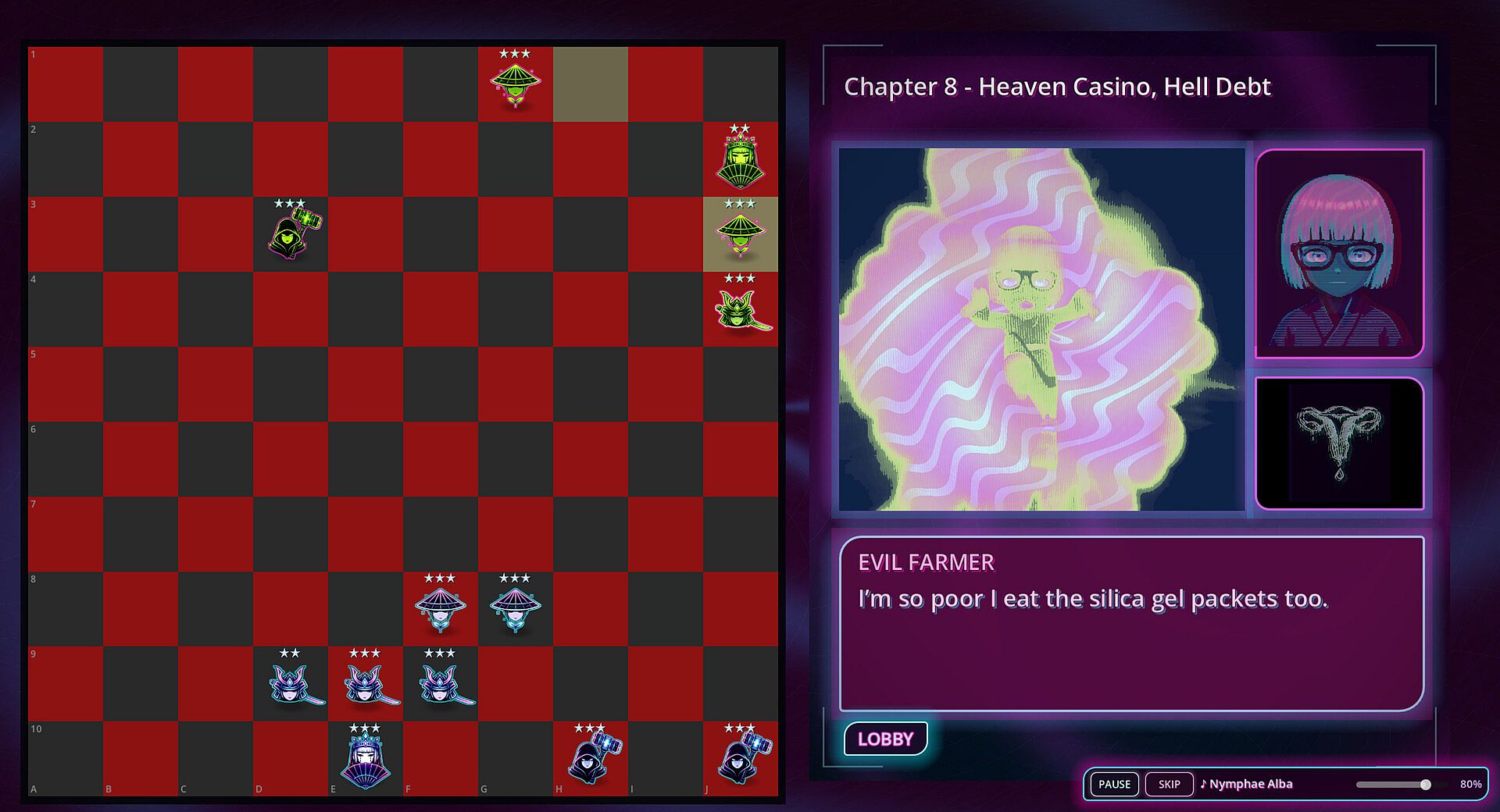
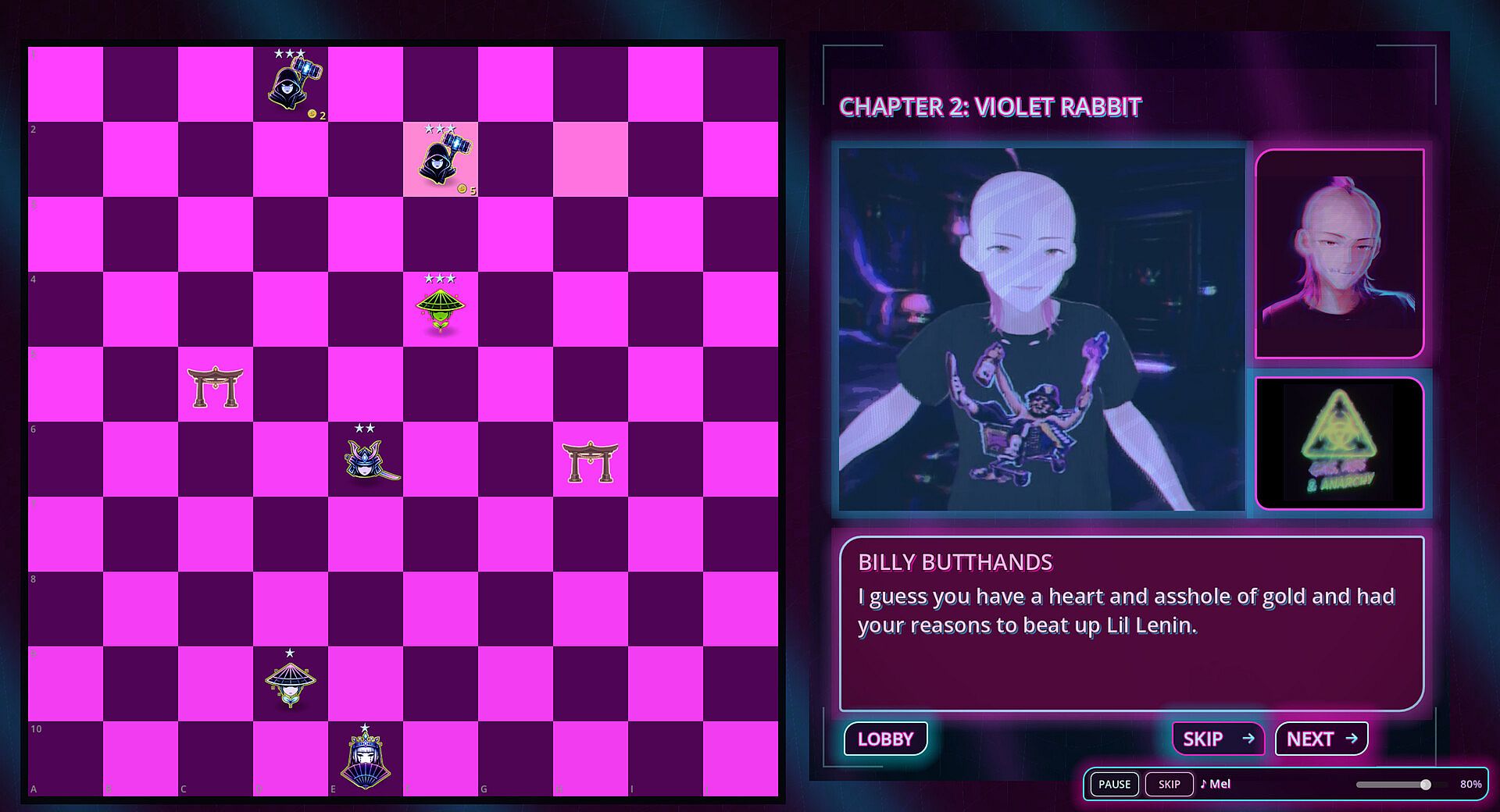
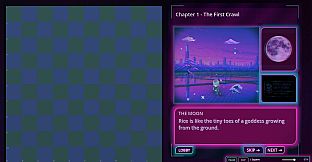
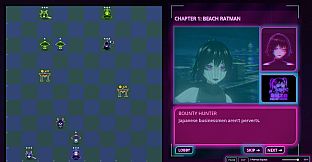
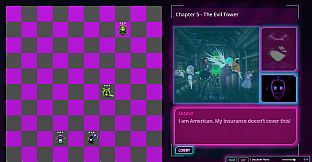
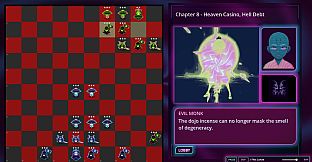
Agoonis is a neon turn-based strategy game for PC that places full control over army composition in the hands of the player before any battle begins. On a compact 10x10 board, participants spend an initial 300 gold to assemble forces that will determine the outcome through careful positioning and adaptation rather than reactive adjustments during play. The result is a deliberate experience where every choice in unit selection and placement carries lasting weight across matches.
Gameplay
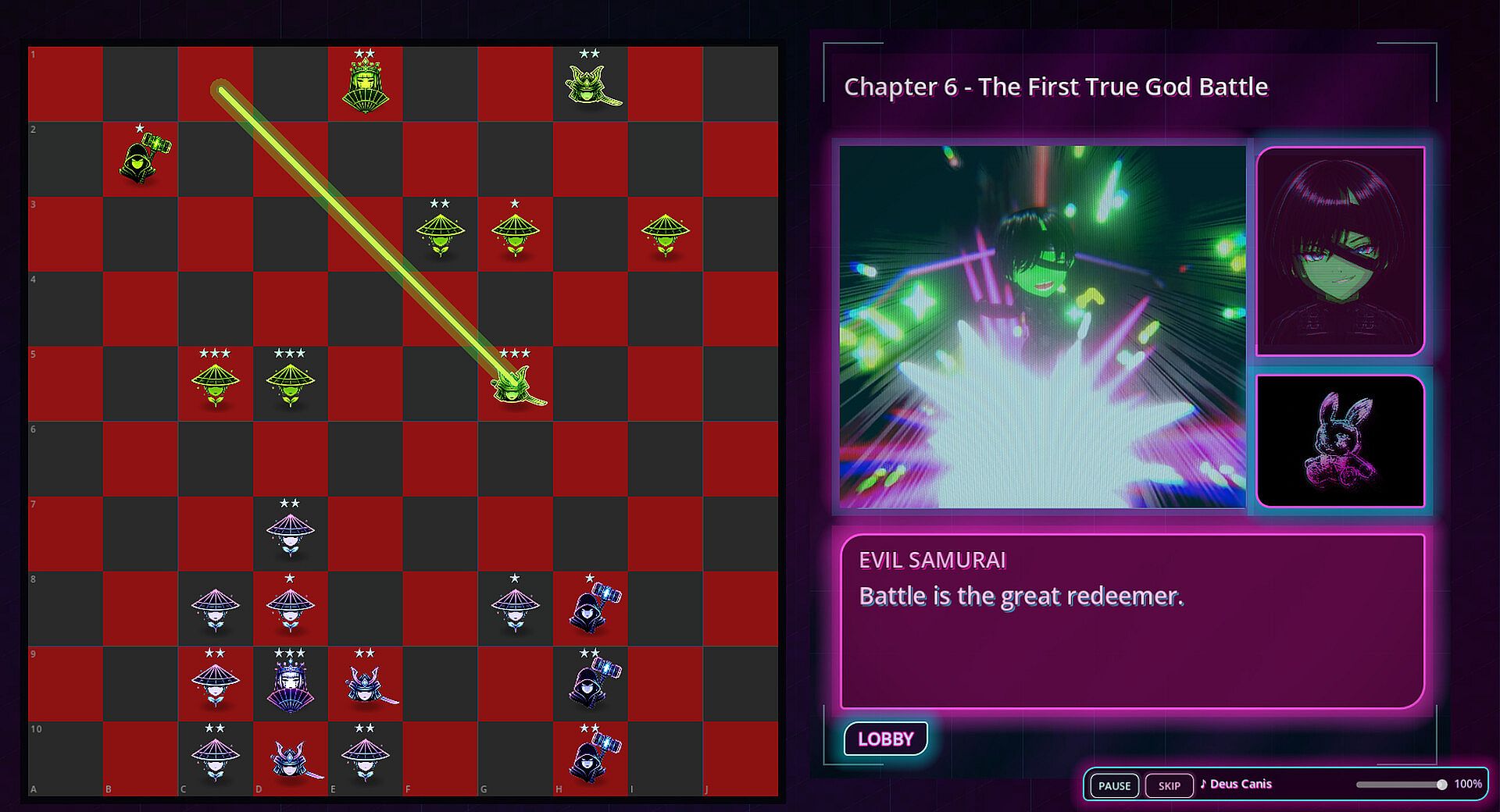
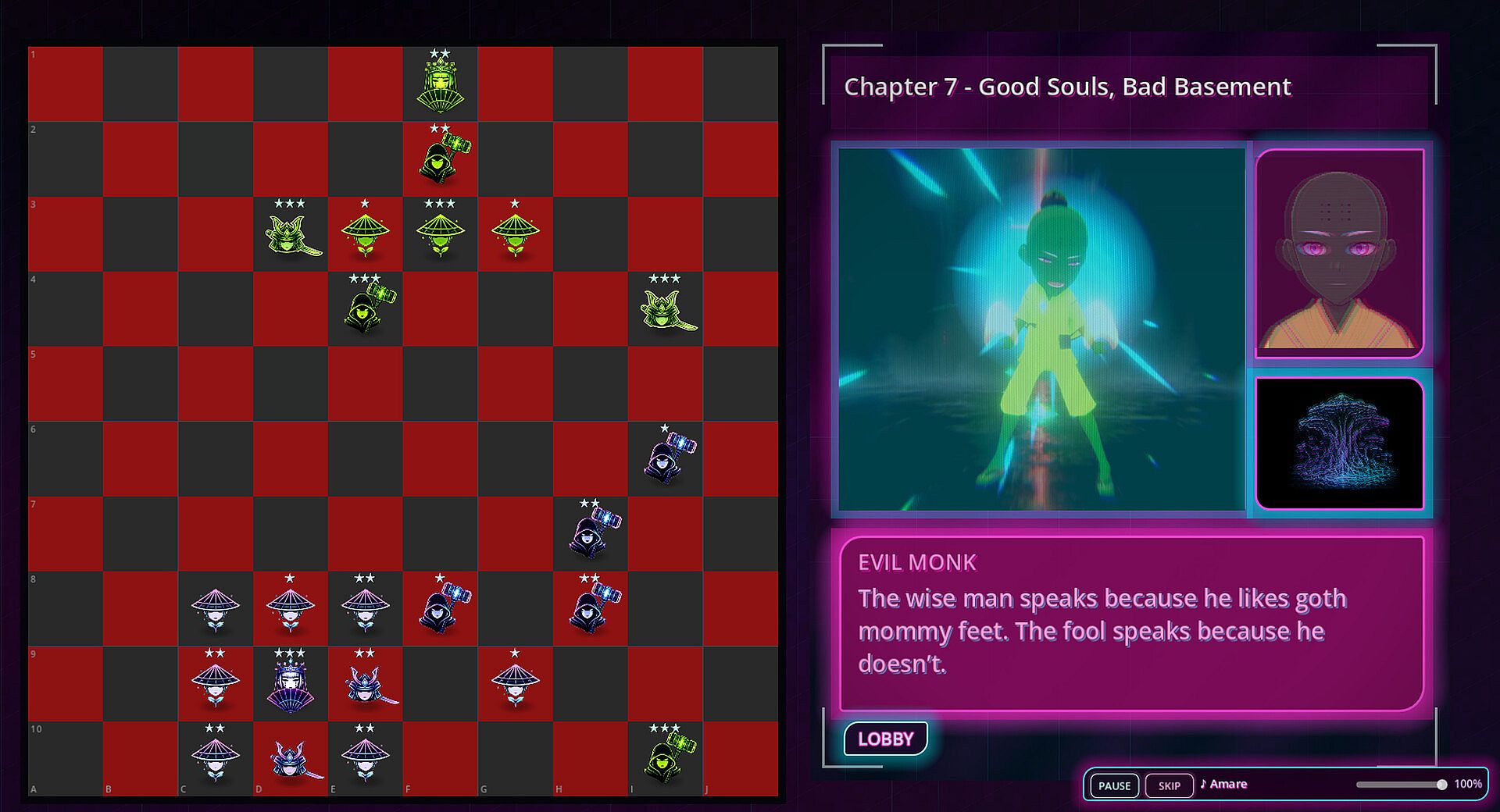
The core loop centers on pre-battle army construction followed by turn-based combat. Players select from distinct units with unique movement patterns and costs. Farmers serve as affordable early options that gain value through upgrades, while Samurai dominate diagonal lines and Monks provide leaping mobility over friendly pieces. The Empress functions as both a protected leader and a potential liability, and the high-cost Demon King offers raw power at 125 gold. Victory requires capturing the opposing Empress, with no traditional check mechanics to soften the final blow.
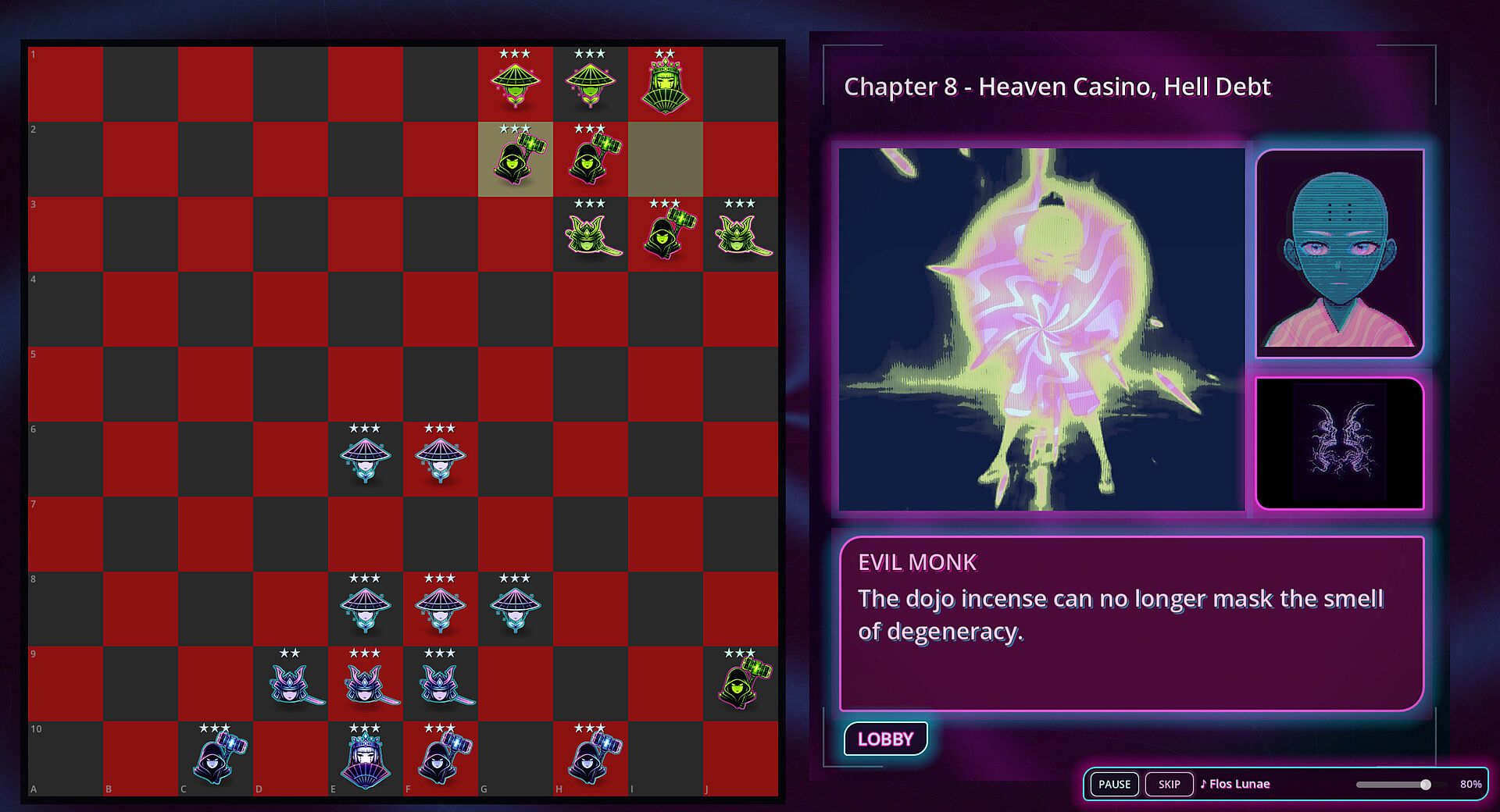
Copying units increases in expense with each duplicate, forcing decisions between balanced rosters, experimental compositions, or heavy investment in singular powerful pieces. Upgrades alter movement ranges, directions, and roles instead of simply boosting numbers. A basic Farmer advances one square at a time but can evolve into a more disruptive presence, Samurai extend their reach, and Monks develop longer threats while retaining vaulting ability. Even the Empress can shift from a vulnerable target into an active participant in later stages. These changes reshape the board's geometry and open new tactical options as matches progress.
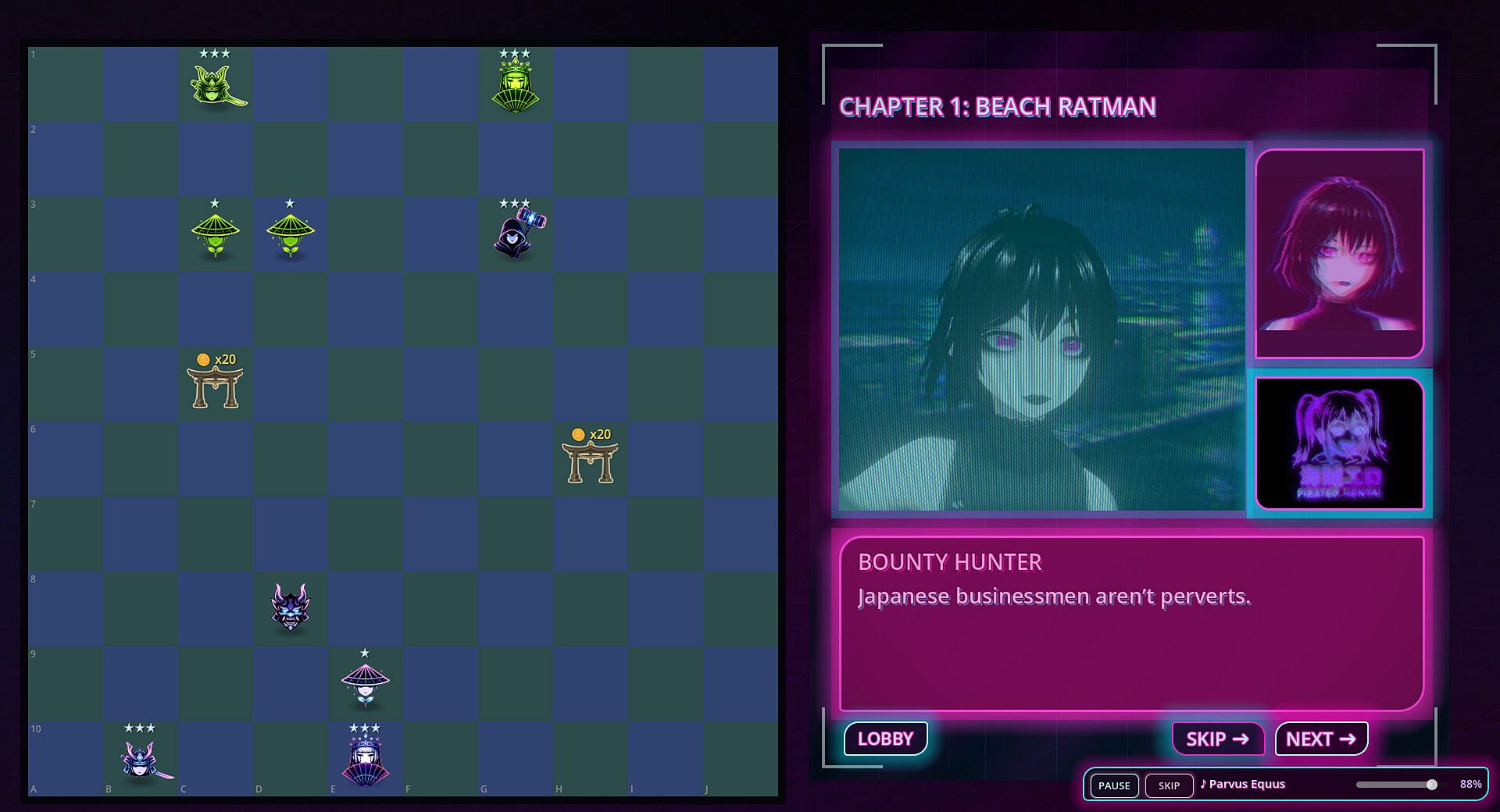
Control of Soul Shrines supplies ongoing gold during combat. The gold attaches directly to the claiming unit, funding upgrades that persist with that piece. A previously overlooked unit can suddenly threaten the formation, while an established setup may lose relevance once a Shrine-enhanced opponent appears. This system rewards proactive shrine management and punishes static strategies.
Game Modes
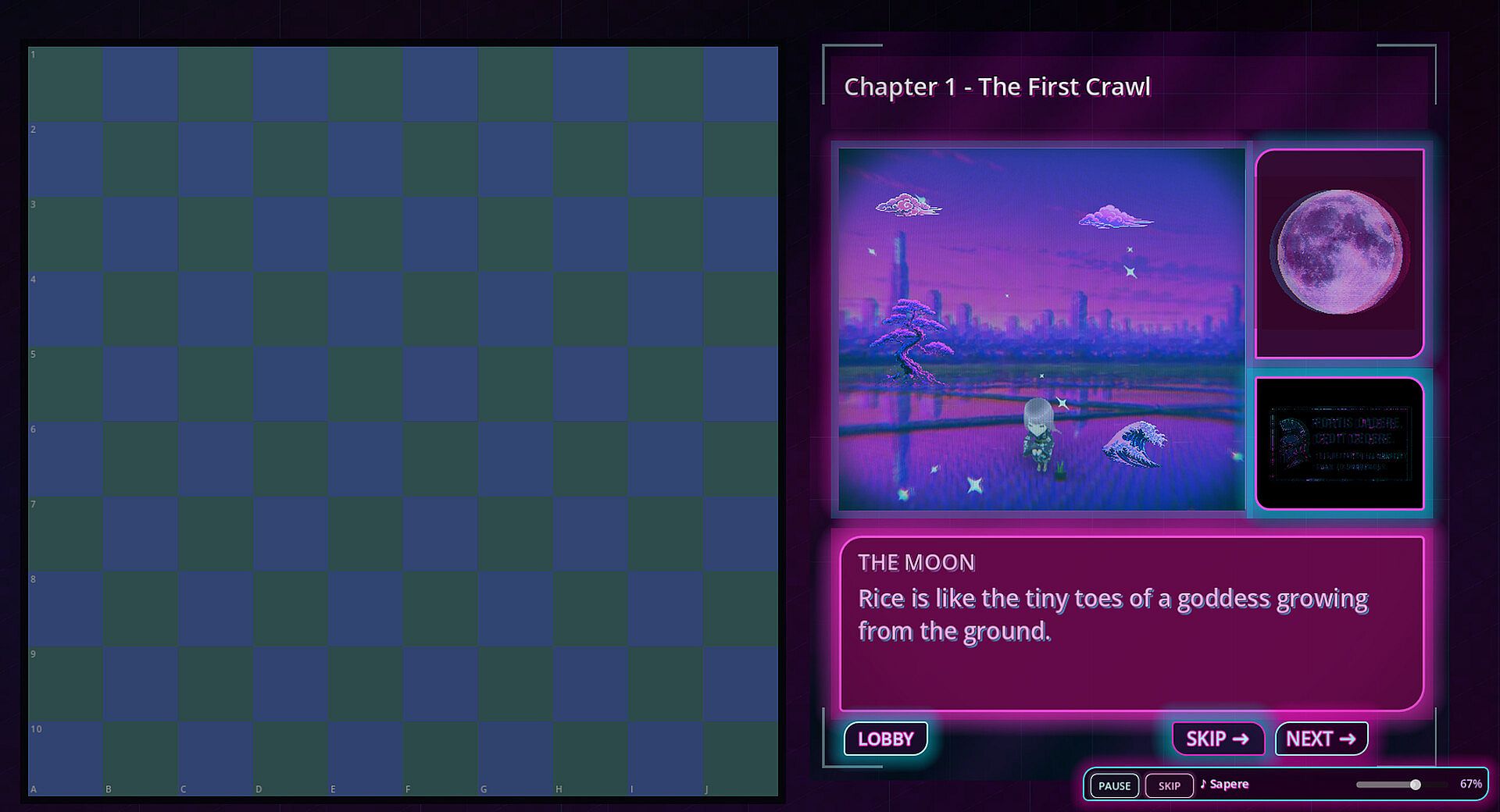
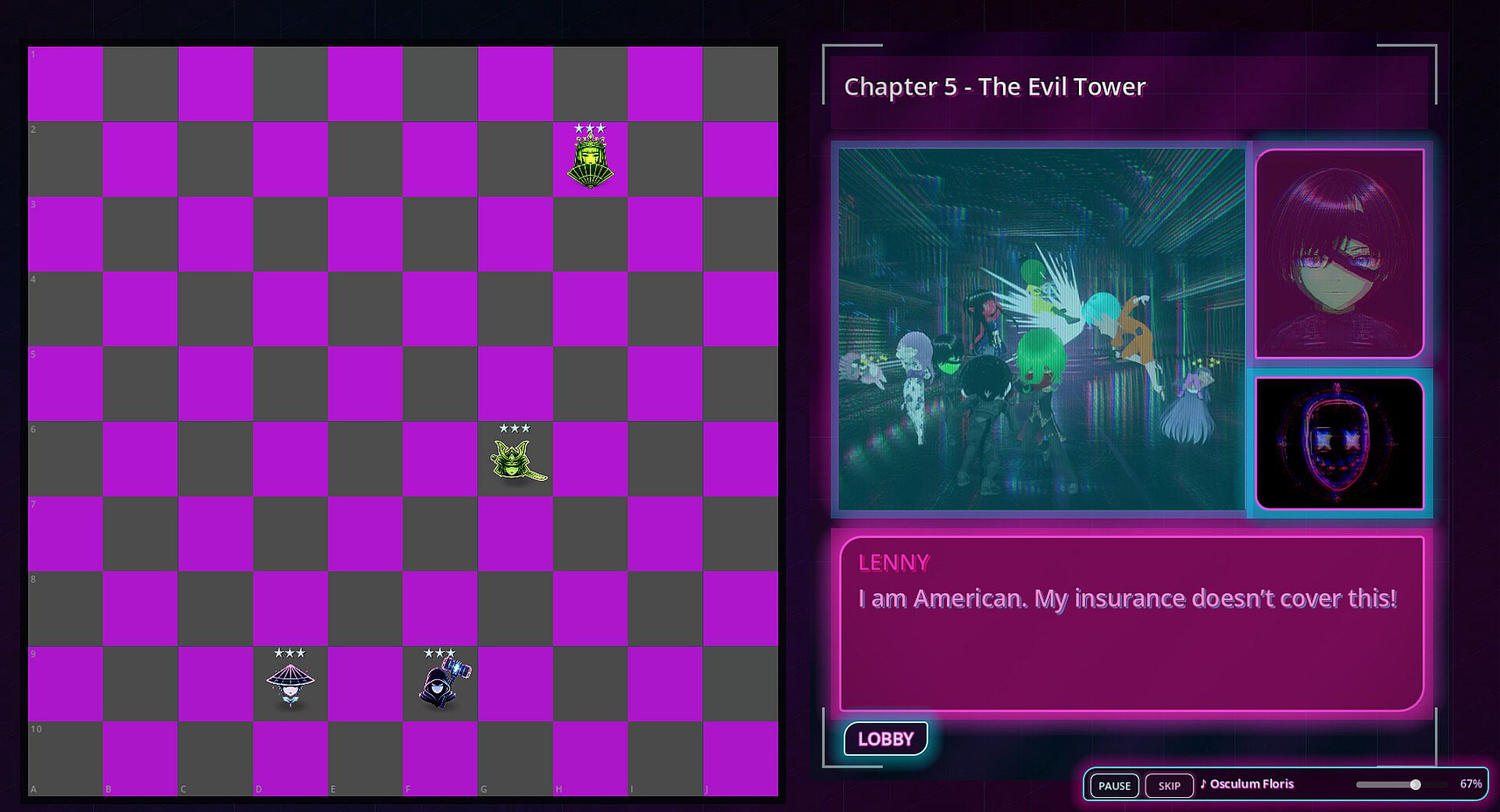
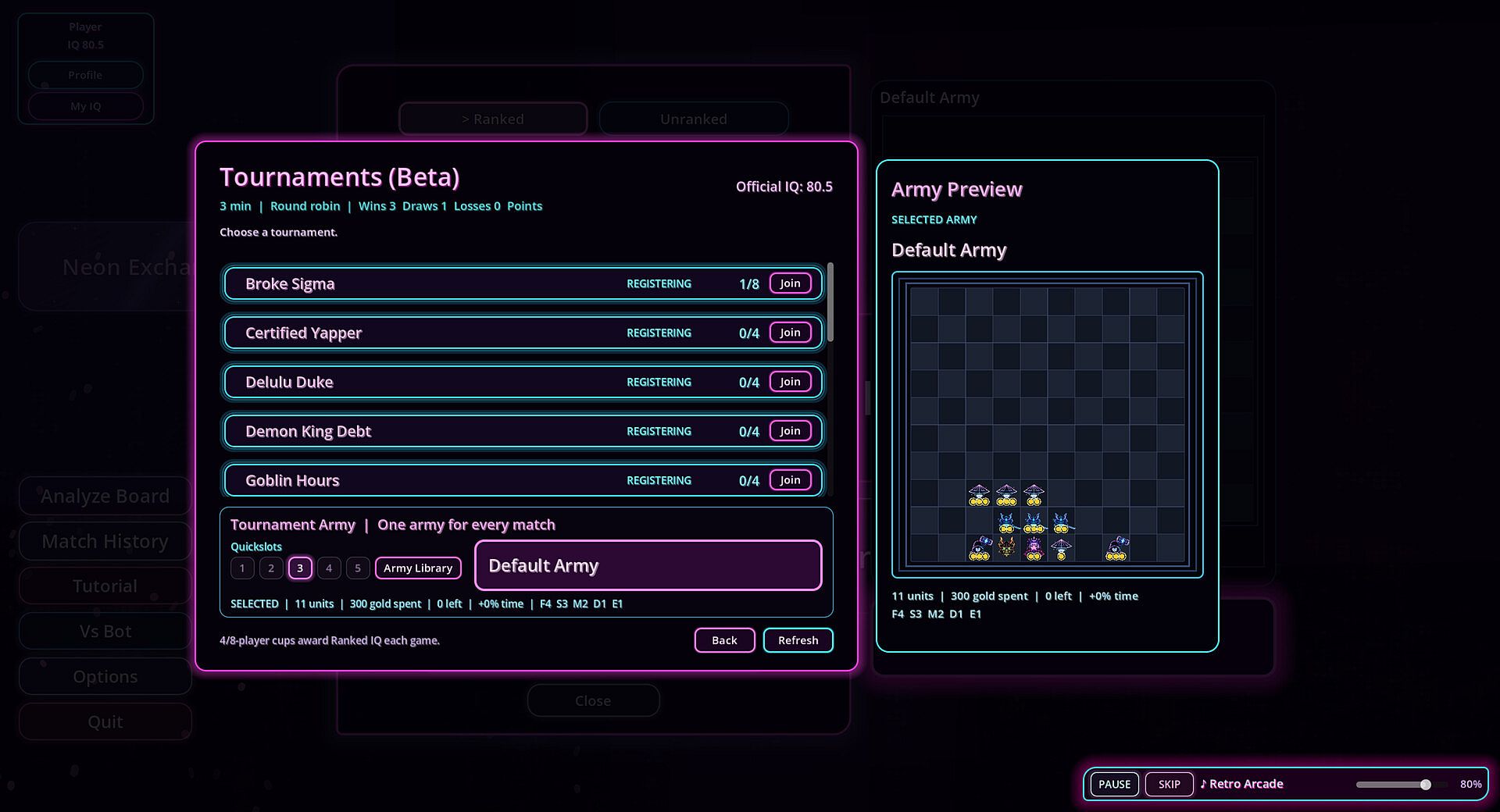
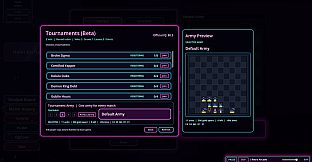
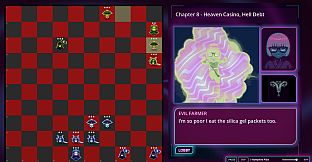
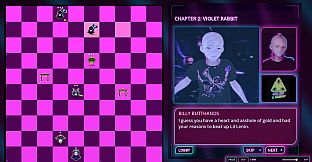
Custom armies can be saved to a library and deployed across several formats. Story Mode follows a narrative path that begins with an injured Farmer navigating neon rice fields toward an Evil Tower and continues into additional locations. These campaigns incorporate soul coins, philosophical elements, and occasional rule variations tied to plot developments. Bot battles allow practice against AI opponents at adjustable difficulty levels, while multiplayer supports direct challenges against other players or private matches arranged with friends. Match timers can be set to short or long durations to suit different pacing preferences. Completed games can be reviewed move by move to analyze decisions and explore alternative lines of play.
Army Building and Tactical Depth
Preparation determines success more than in-game improvisation. The rising cost of duplicates discourages over-reliance on any single unit type and encourages thoughtful combinations. Formations that account for diagonal control, leaping mobility, and shrine access tend to perform better than scattered deployments. Upgrades further differentiate armies by unlocking specialized capabilities that interact with the board layout and opponent positioning. This pre-match phase rewards experimentation and library management, letting players refine compositions for specific opponents or story encounters.
Is It Worth Playing?
Agoonis suits players who enjoy turn-based strategy with strong emphasis on preparation and adaptation. The clean core rules support focused matches, while Story Mode adds narrative context and occasional deviations from standard play. Multiplayer and bot options provide varied opposition, and the ability to review games supports ongoing improvement. Those drawn to army customization, positional tactics, and systems that reward shrine control will find consistent depth in the 10x10 format. The neon presentation and unit variety maintain visual interest without complicating the underlying mechanics. Availability on PC makes it accessible for those seeking a deliberate strategy experience centered on consequences rather than frequent resets.