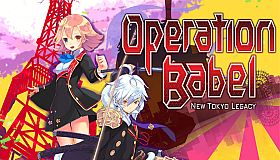




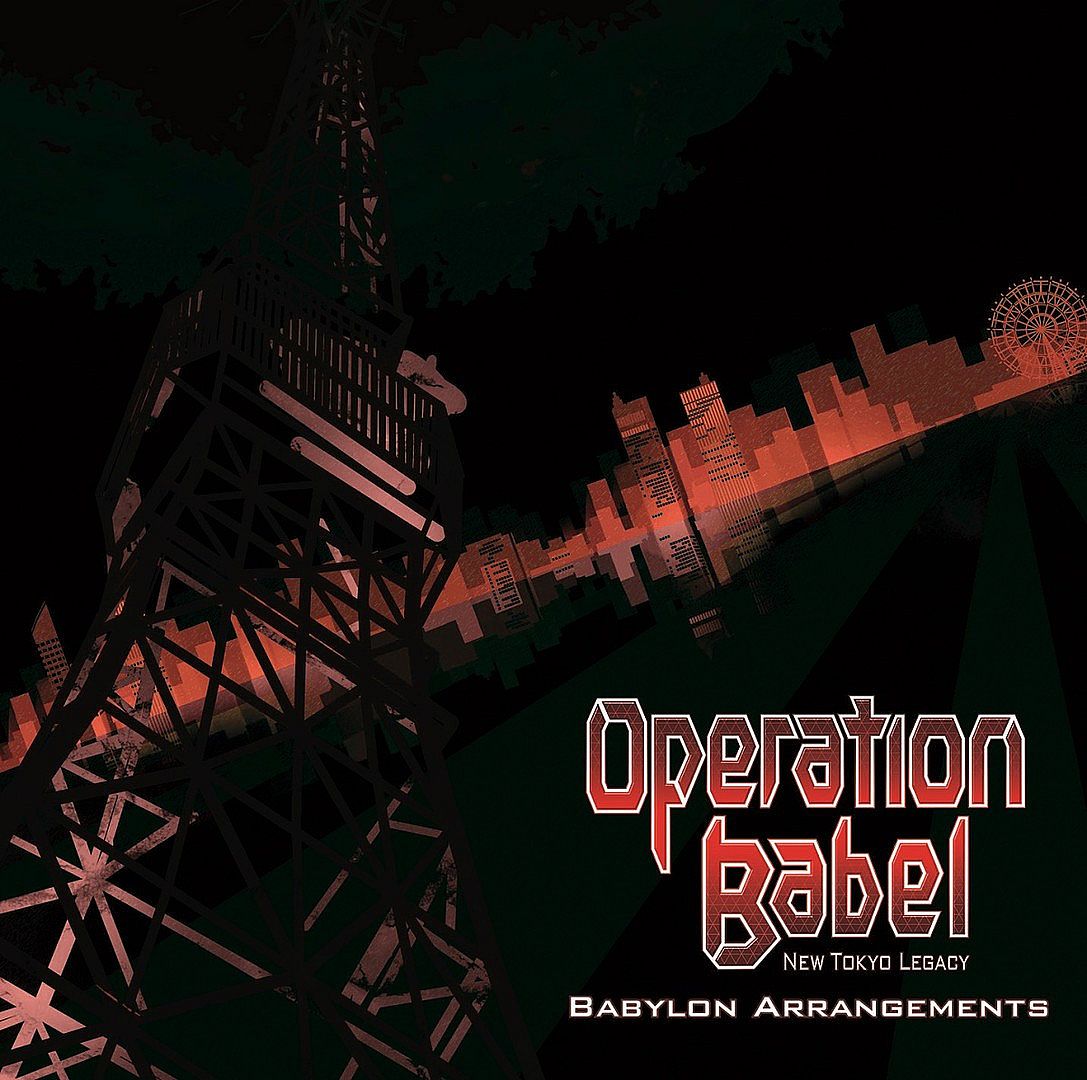
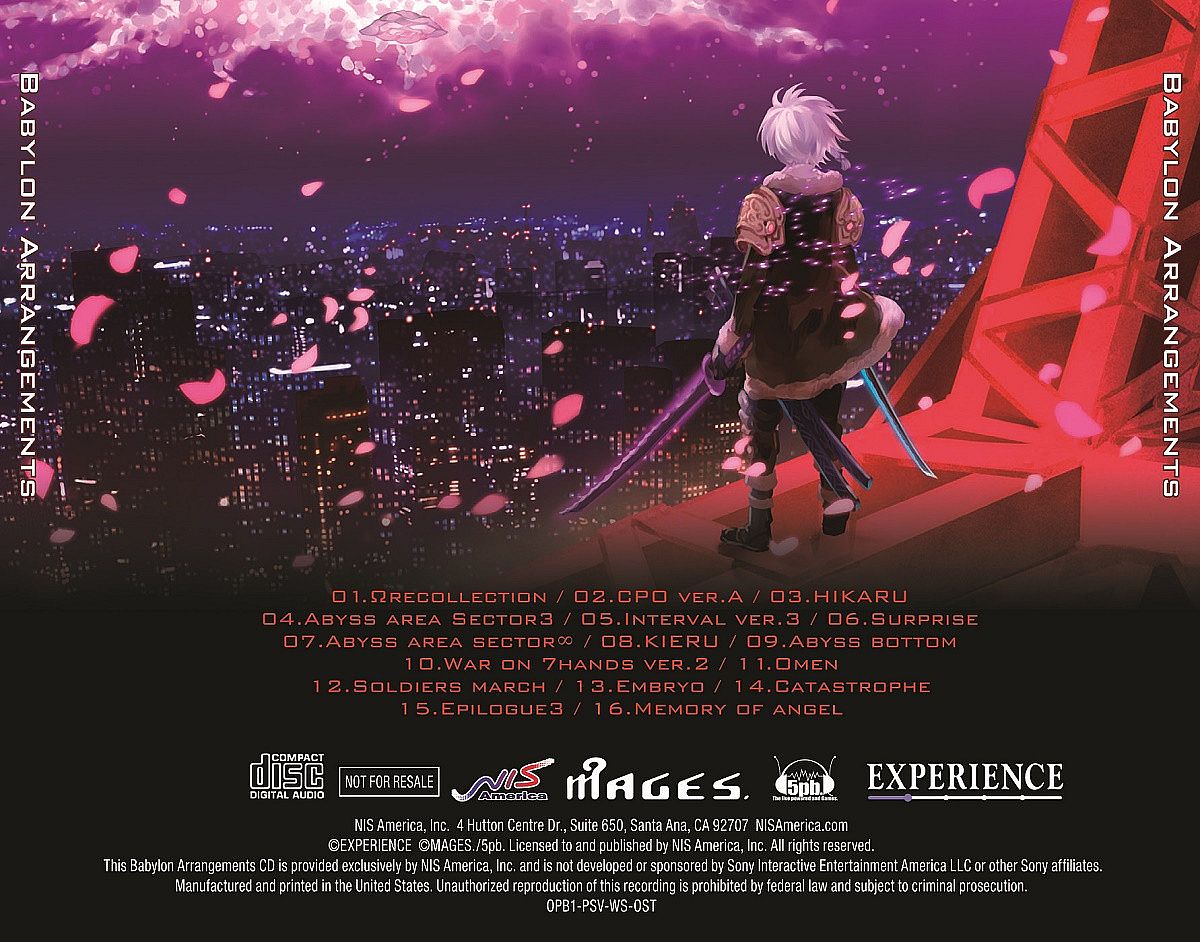


Operation Babel: New Tokyo Legacy is a first-person dungeon crawler RPG set in a near-future Tokyo threatened by creatures known as Variants. Players join the Xth Squad as recruits who gain abilities through Blood Codes derived from historical figures, allowing them to explore labyrinths called Abysses and confront the new danger posed by an object referred to as the Embryo.
Gameplay
The core loop centers on navigating grid-based labyrinths from a first-person view while managing random encounters and resource collection. Exploration involves mapping floors, locating treasure, and handling side activities such as cracking open Code Chips to recover older items and weapons. Combat unfolds in turn-based battles with a six-character party arranged in front and back rows, where positioning influences who takes damage and who can act effectively.
Blood Codes function as the primary class system, granting specific skills and spells. The Cross Blood system, also called Sub-Blood, lets each character equip a secondary Blood Code for hybrid builds that combine abilities from two classes while splitting experience gains. Additional customization covers appearance, personality traits, and voice selection during squad creation. New mechanics include XTND Skills and Spells attached to items, which provide abilities independent of the equipped Blood Code, and Unity Skills that activate when the full party cooperates in one of three categories: BRAVE, MAGIC, or ACADEMY.
The Rise and Drop system increases enemy strength and numbers the longer a party remains in a labyrinth, but it also improves the quality of drops. Players can retreat to a Medical Lab for healing and curing before continuing. Item crafting uses identified junk weapons and materials to strengthen equipment, and experience levels up Blood Codes to unlock further skills.
Game Modes
The game operates entirely in a single-player format focused on story progression through labyrinth exploration and combat. Squad formation offers two starting approaches: a pre-created balanced team for quicker entry or full manual customization of each member's Blood Codes and traits. Battles emphasize tactical repetition of commands once a reliable strategy is established, with options to speed up turns and skip animations for efficiency during repeated encounters.
Post-game content extends the experience with powered-up boss rematches and additional challenges for players seeking greater difficulty after the main story concludes. No multiplayer elements exist, keeping the focus on individual party management and labyrinth navigation across multiple Abysses.
Story and Setting
The narrative follows the Xth Squad's efforts to protect civilians after the appearance of the Embryo disrupts a period of relative peace. Tokyo's transformed sections become dangerous labyrinths filled with Variants, and the squad uncovers secrets tied to these threats while operating from a base at Hinowa Academy. Story scenes primarily use character artwork and text, with plot developments that include unexpected turns among the cast.
Progression ties directly to labyrinth depth and party strength, as stronger teams unlock access to new areas and confront escalating dangers. The setting blends school life elements with high-stakes operations against otherworldly invaders.
Is It Worth Playing?
Player reception on Steam stands at Mostly Positive based on over one hundred reviews. The title appeals to those who enjoy detailed party customization, turn-based combat with positioning considerations, and the risk-reward loop of extended dungeon runs. Its systems reward experimentation with hybrid classes and item attachments, though the menu-heavy interface and emphasis on micromanagement can feel dense for newcomers to the genre.
Those familiar with similar dungeon crawlers will find familiar strengths in the combat coordination and progression, along with improvements such as faster battle pacing compared to the predecessor. The game remains available for PC and supports extended play through its post-game challenges. It suits players who value strategic depth in single-player RPGs over fast-paced action or multiplayer features.