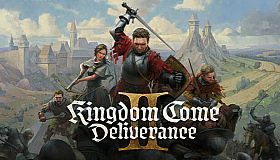




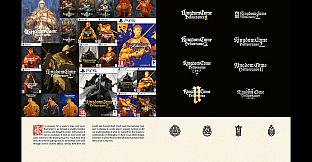
Kingdom Come: Deliverance II es un RPG de acción en un solo jugador ambientado en la Bohemia del siglo XV. El artbook que lo acompaña reúne cientos de bocetos, conceptos y notas de desarrollo que muestran cómo el equipo construyó sus escenarios y personajes a partir de una investigación histórica rigurosa. El jugador sigue a Henry desde sus orígenes como hijo de un herrero hasta los acontecimientos que lo conducen a la corte real, en un mundo fiel a las fuentes de la época y sin elementos fantásticos.
Gameplay
El núcleo del juego se basa en una simulación realista de la vida y los conflictos medievales. El combate exige ataques direccionales, bloqueos y gestión del aguante, donde el éxito depende del timing y la posición más que de pulsaciones rápidas. El sistema de progresión abarca esgrima, tiro con arco, artesanía, alquimia e interacciones sociales, junto con un sistema de reputación que registra el aspecto del jugador, sus decisiones en los diálogos y sus acciones en cada asentamiento.
La exploración transcurre en un extenso mundo abierto poblado de aldeas, bosques y caminos, donde las rutinas diarias -comer, dormir y mantener el equipo- influyen en la partida. Los árboles de diálogo tienen en cuenta las elecciones previas y el conocimiento de los personajes, permitiendo resolver muchos encuentros mediante negociación o engaño en lugar de recurrir a la violencia. Los sistemas de artesanía permiten forjar armas, elaborar pociones y recolectar recursos que se integran directamente en la supervivencia y la progresión.
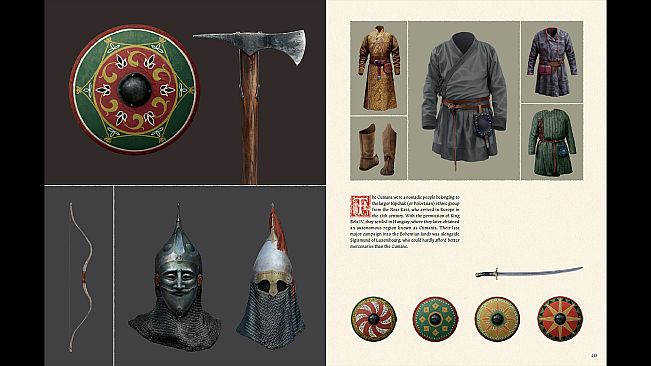
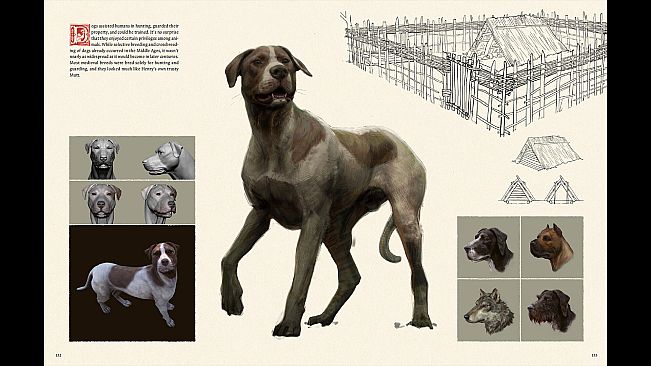
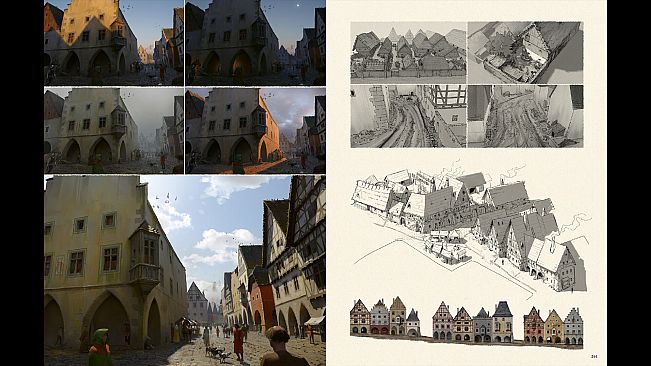
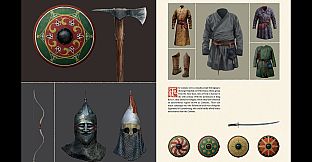
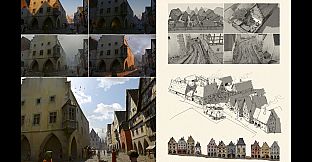
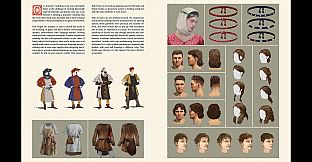
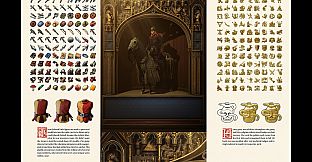
La fidelidad histórica se refleja en todos los aspectos, desde la indumentaria y la arquitectura de lugares como Kuttenberg hasta la forma en que los PNJ trabajan la tierra y se relacionan entre sí. El artbook documenta el proceso de investigación que respalda estos detalles, mostrando los primeros bocetos que, tras la consulta con expertos y el análisis de fuentes, dieron lugar a los recursos finales.
Modos de juego
Kingdom Come: Deliverance II es una experiencia para un solo jugador sin modos multijugador ni competiciones separadas. Su estructura se centra en una campaña narrativa principal acompañada de abundante contenido secundario que el jugador puede abordar a su ritmo. La libertad del mundo abierto permite distintas aproximaciones a las misiones -confrontación directa, sigilo o persuasión-, todo dentro del mismo mundo continuo y sin listas de reproducción ni arenas diferenciadas.
Mundo y personajes
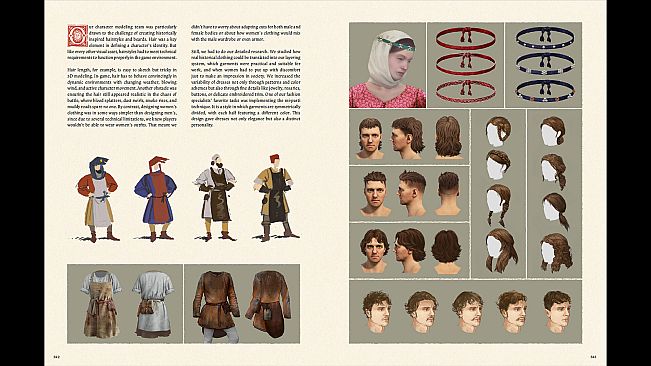
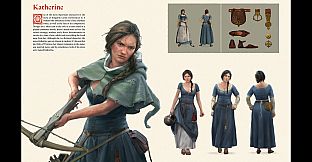
El desarrollo se centró en recrear la Bohemia medieval con autenticidad, prestando especial atención a Kuttenberg y sus aldeas cercanas. El artbook abarca cientos de páginas que recogen la creación de paisajes, modelos de personajes y detalles ambientales. Los artistas estudiaron la vestimenta, el trabajo y el movimiento de la época, dando lugar a un escenario que transmite la sensación de estar habitado en lugar de ser un simple decorado estilizado.
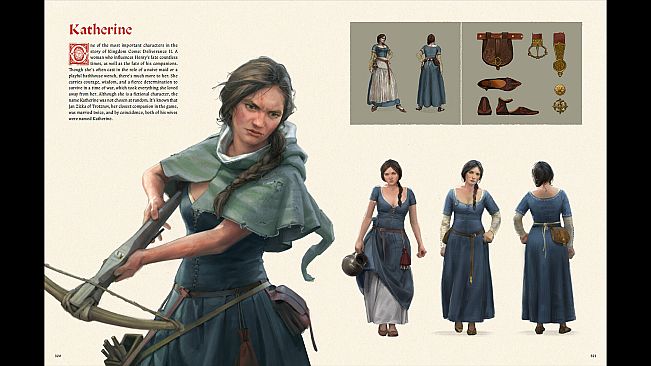
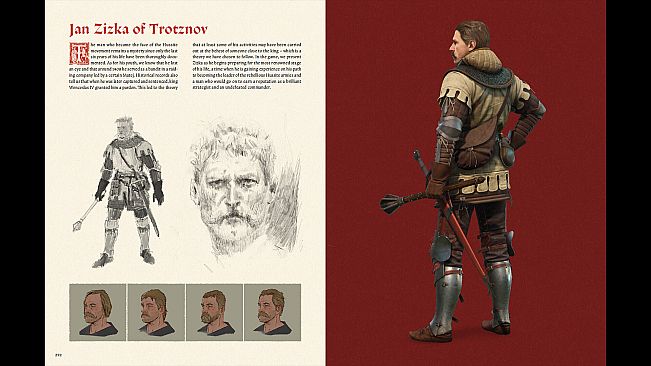
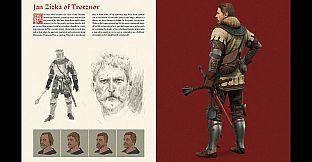
La trayectoria de Henry parte de unos humildes comienzos y avanza hacia las intrigas cortesanas, mientras los personajes secundarios cuentan con secciones dedicadas en el artbook. Estas ilustraciones ponen de relieve el proceso iterativo que perfeccionó desde la armadura hasta las expresiones faciales basándose en referencias históricas.
¿Merece la pena jugarlo?
La recepción ha sido muy positiva tanto entre la crítica como entre los jugadores, con una puntuación de 89 en Metacritic por parte de los críticos y valoraciones favorables de los usuarios. Desde su lanzamiento en febrero de 2025 ha vendido más de seis millones de copias en todo el mundo y sigue recibiendo parches que mejoran el rendimiento y el equilibrio.
La experiencia está pensada para quienes valoran un ritmo pausado, la profundidad de los sistemas y el rigor histórico por encima de la acción frenética o los elementos sobrenaturales. Quienes disfrutaron del primer juego o de RPGs realistas similares encontrarán mejoras en la respuesta del combate y en la narración. El artbook funciona como un complemento opcional que permite apreciar mejor el trabajo visual y de investigación que hay detrás del título.
En PC cuenta con soporte continuo mediante actualizaciones, lo que lo convierte en un paquete completo para quienes buscan una campaña extensa para un solo jugador con decisiones y consecuencias significativas.