

A new mid-43 scenario. : Operation Toenails.
The Allied base at Guadalcanal continued to suffer from Japanese bombing raids even after the island was declared secured on 9 February 1943. The Japanese airfield at Munda made these raids easier by giving Japanese planes a convenient place to refuel on their way to and from their main base at Rabaul. Although the Allies attempted to neutralize Munda through repeated bombing raids and naval shelling, their efforts were to no avail.
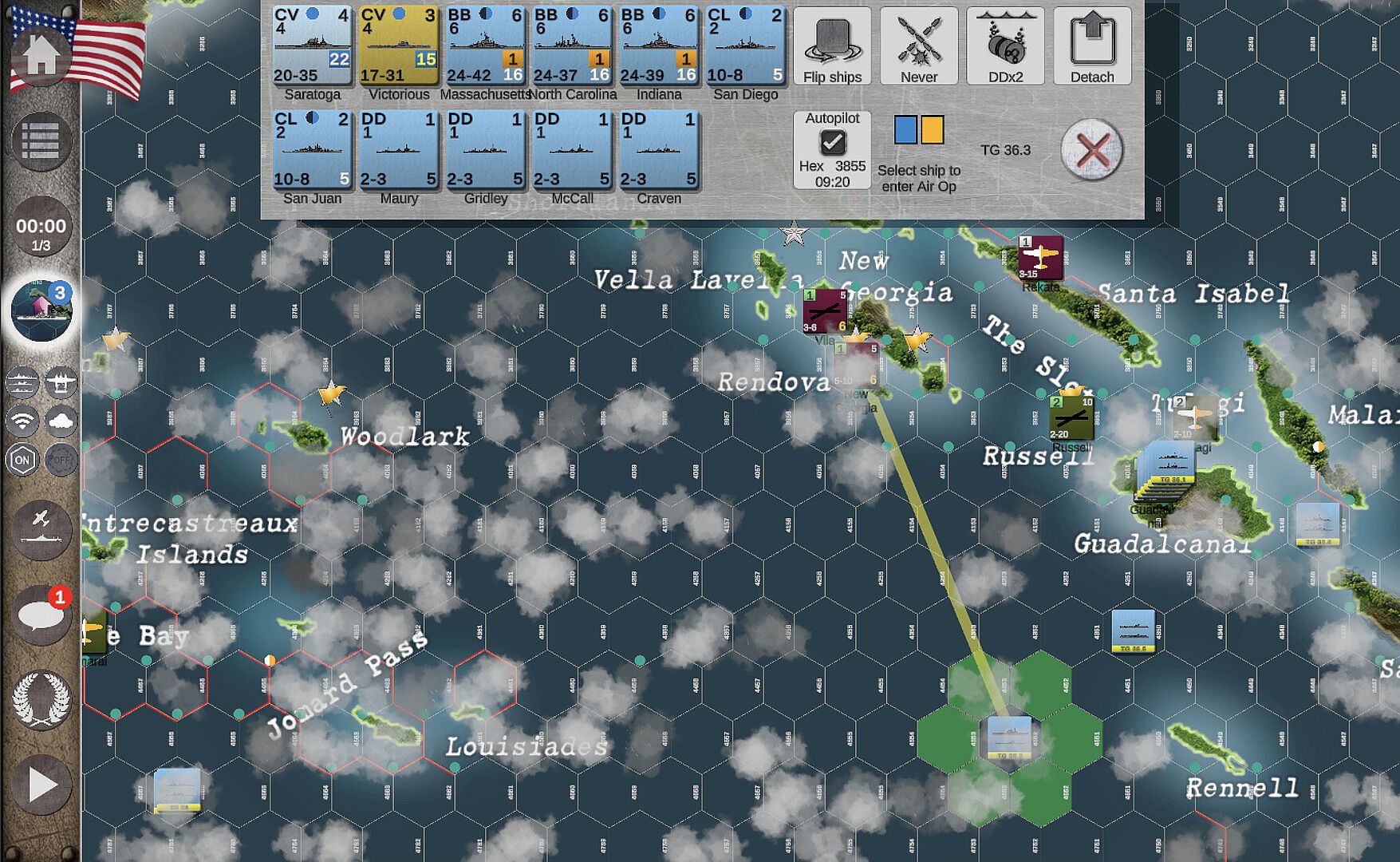
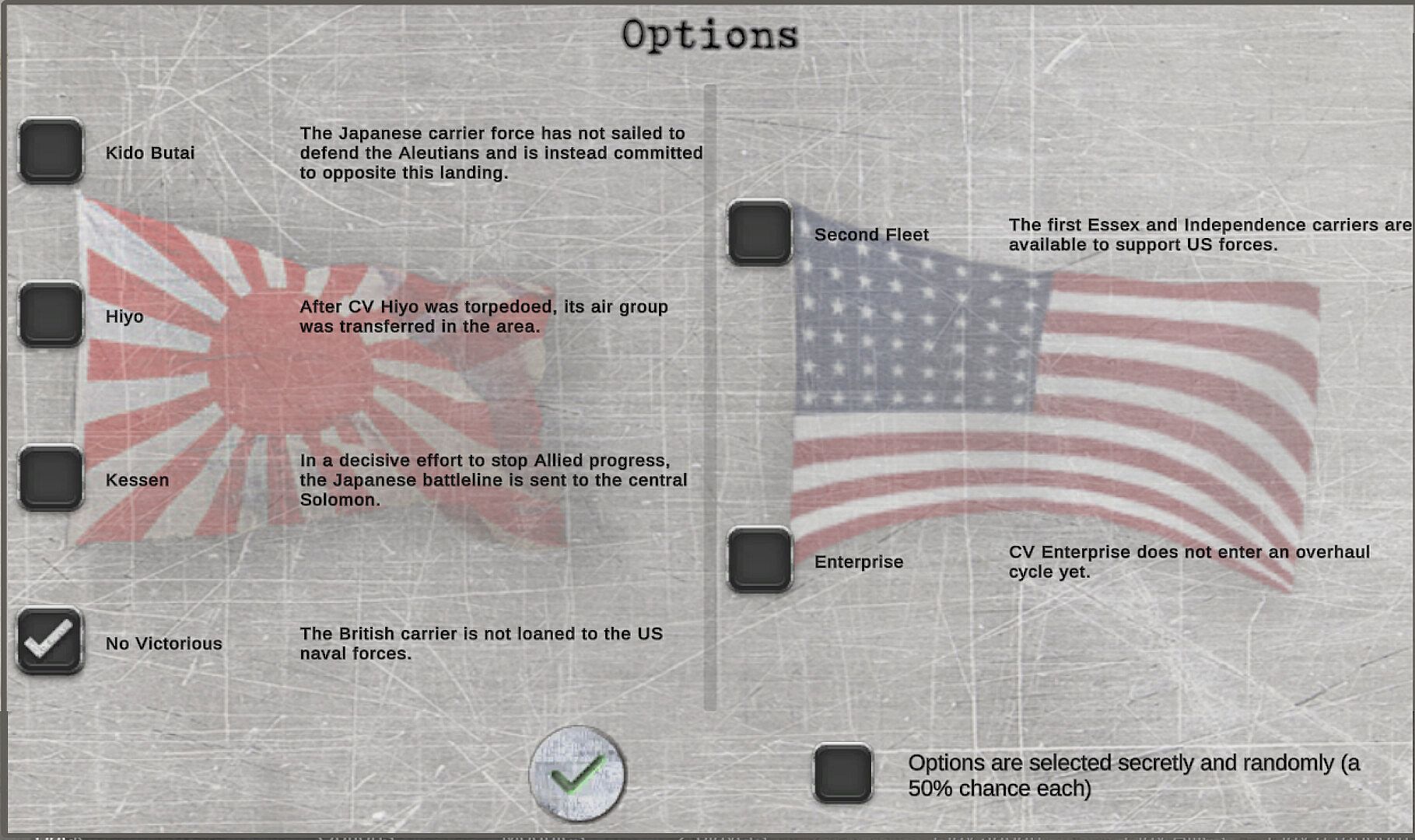
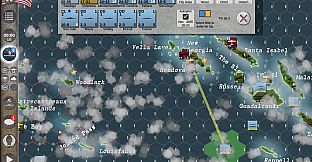
To take the airfield by force, the Allies planned four landings starting June 30. Troops were also landed at Vella Lavella in August, while Kolombangara was bypassed because it was strongly defended. As the USS Saratoga was the only US carrier available, the British loaned HMS Victorious (operating under the codename USS Robin), which handled all CAP duties using a superior CAP vectoring system.
Attempts by the Japanese to reinforce the island via Tokyo Express runs were countered by US naval actions, resulting in several nighttime surface battles. These operations were further supported by the Allied establishment of a patrol boat base, while the Japanese maintained a seaplane base at Rekata Bay.
Another step closer to Rabaul.: small landings were carried out on Woodlark and Kiriwina islands with air support from Milne Bay.
The Japanese garrison mounted a fierce defense and held the airfield until the end of August. Afterward, they managed to successfully evacuate their elite troops from Kolombangara and Rekata to Bougainville. On a historical side note, future President John F. Kennedy survived the sinking of his PT-109 boat during this campaign, and Pappy Boyington led his F4U Corsairs from Barakoma Airfield on Vella Lavella.