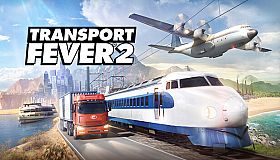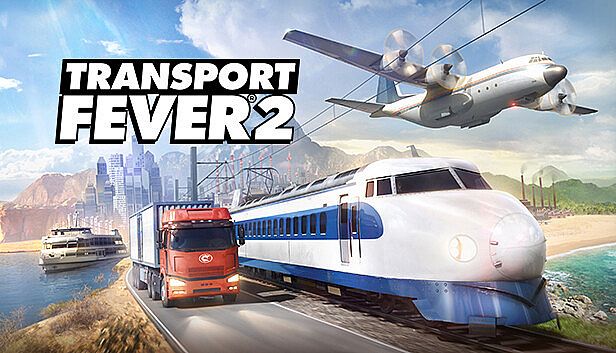










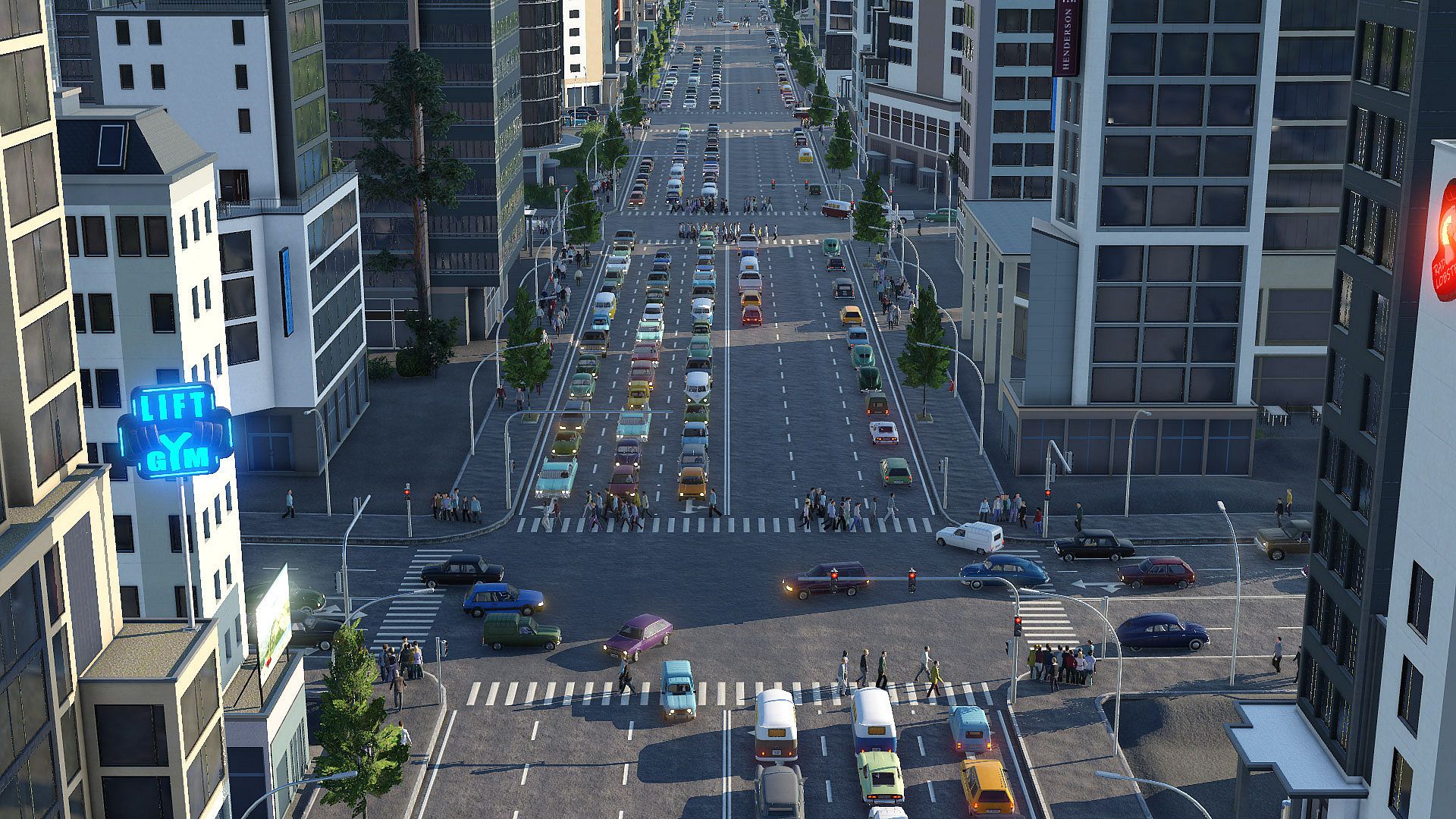
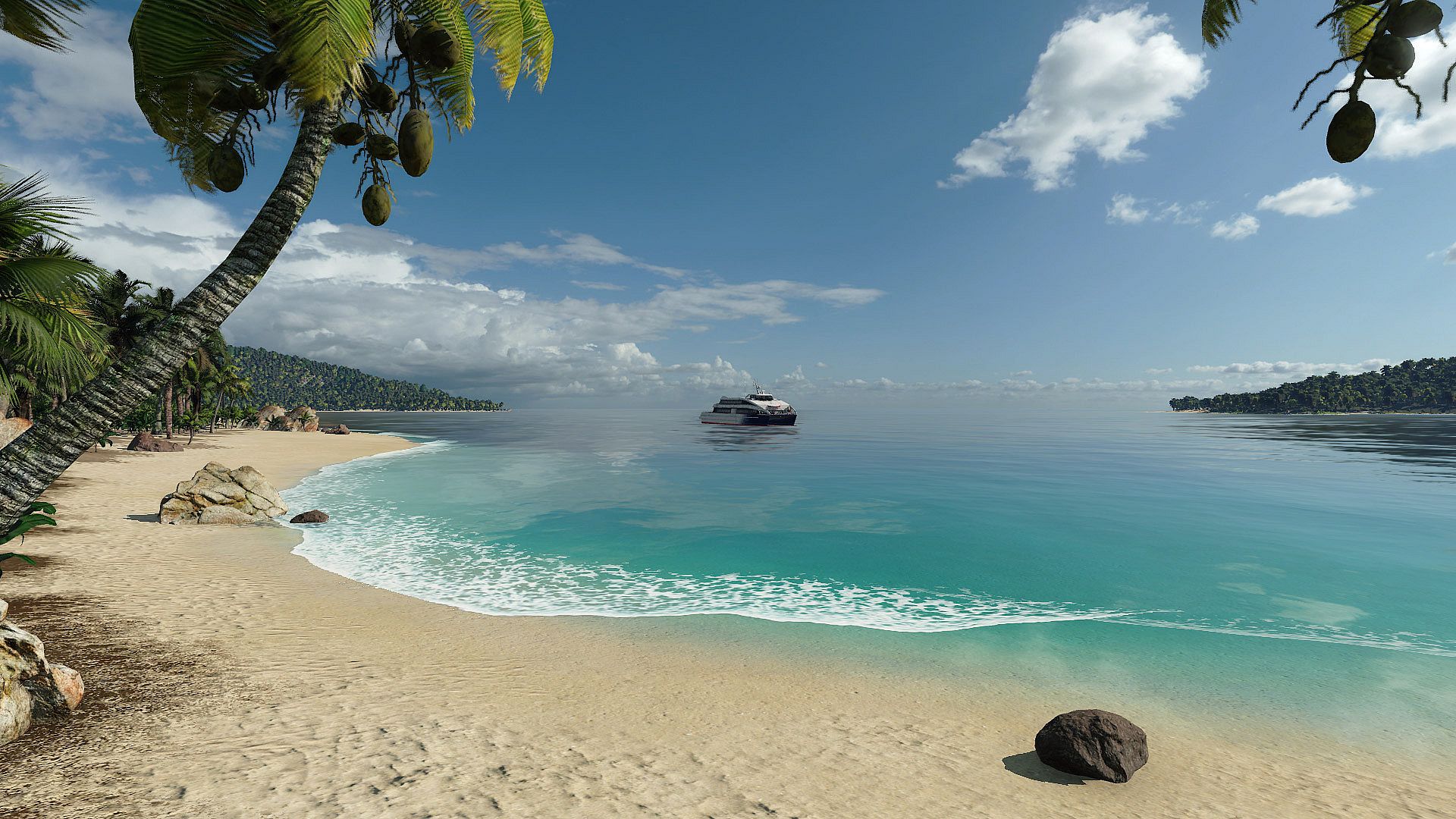
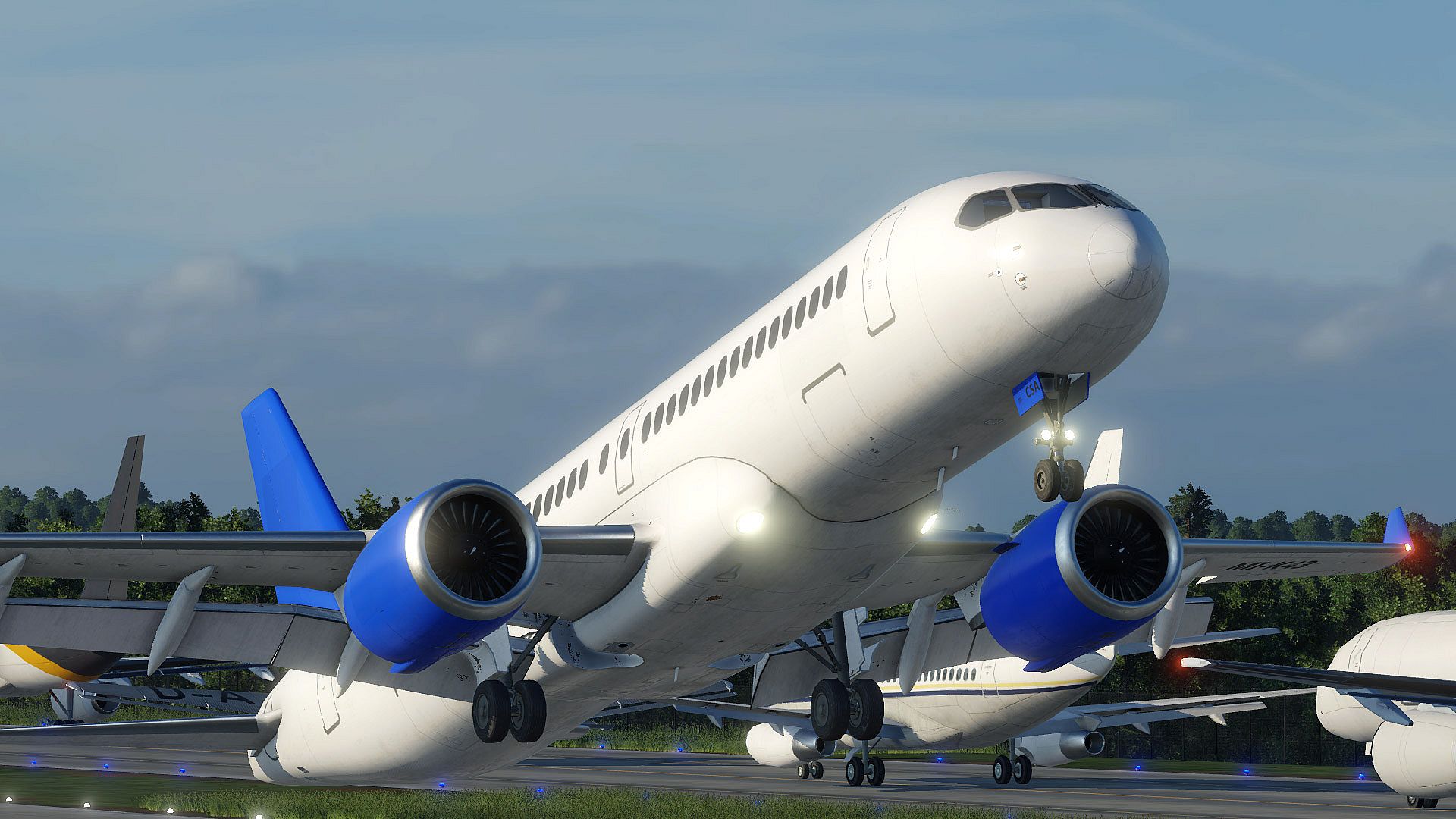
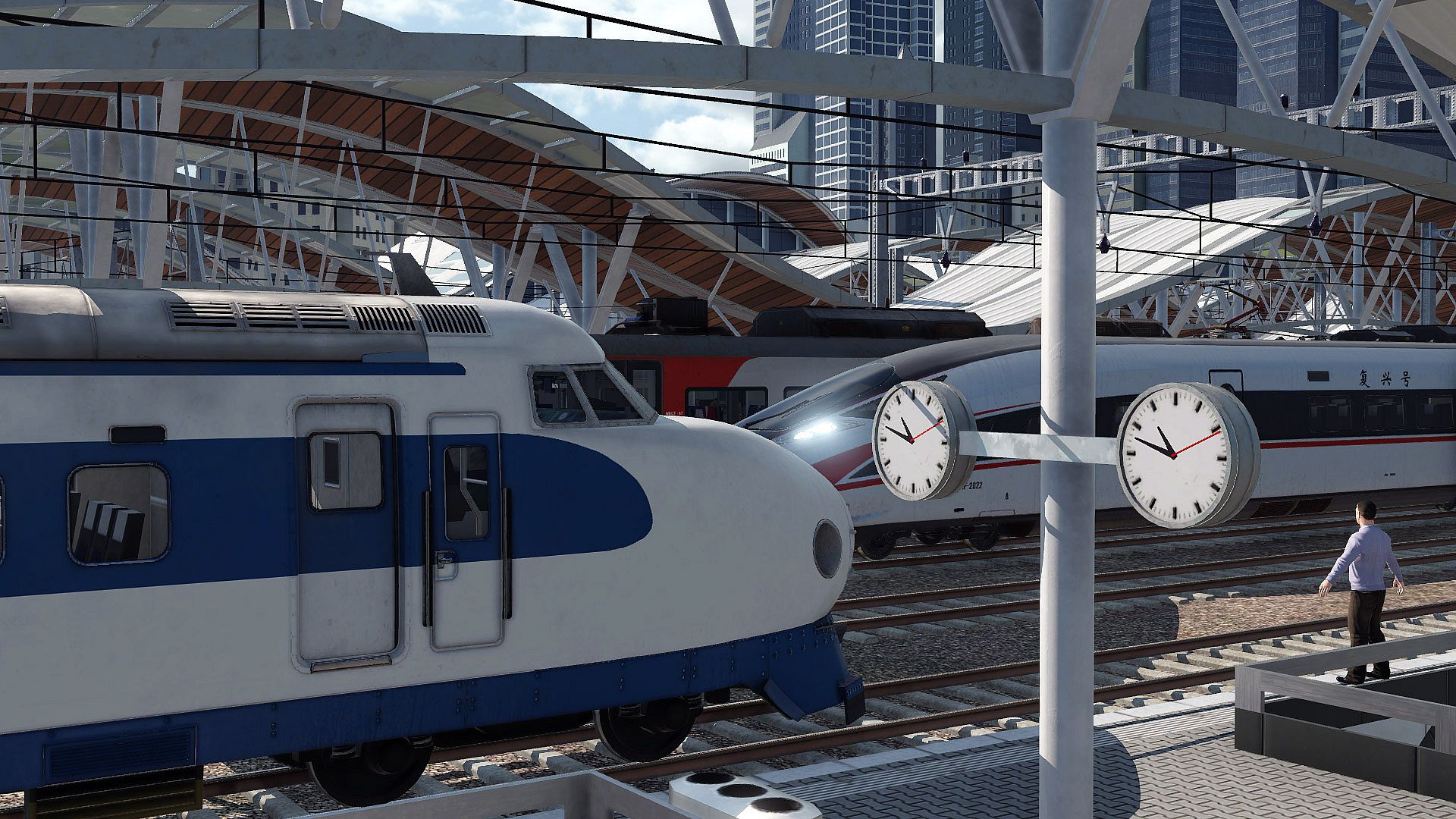
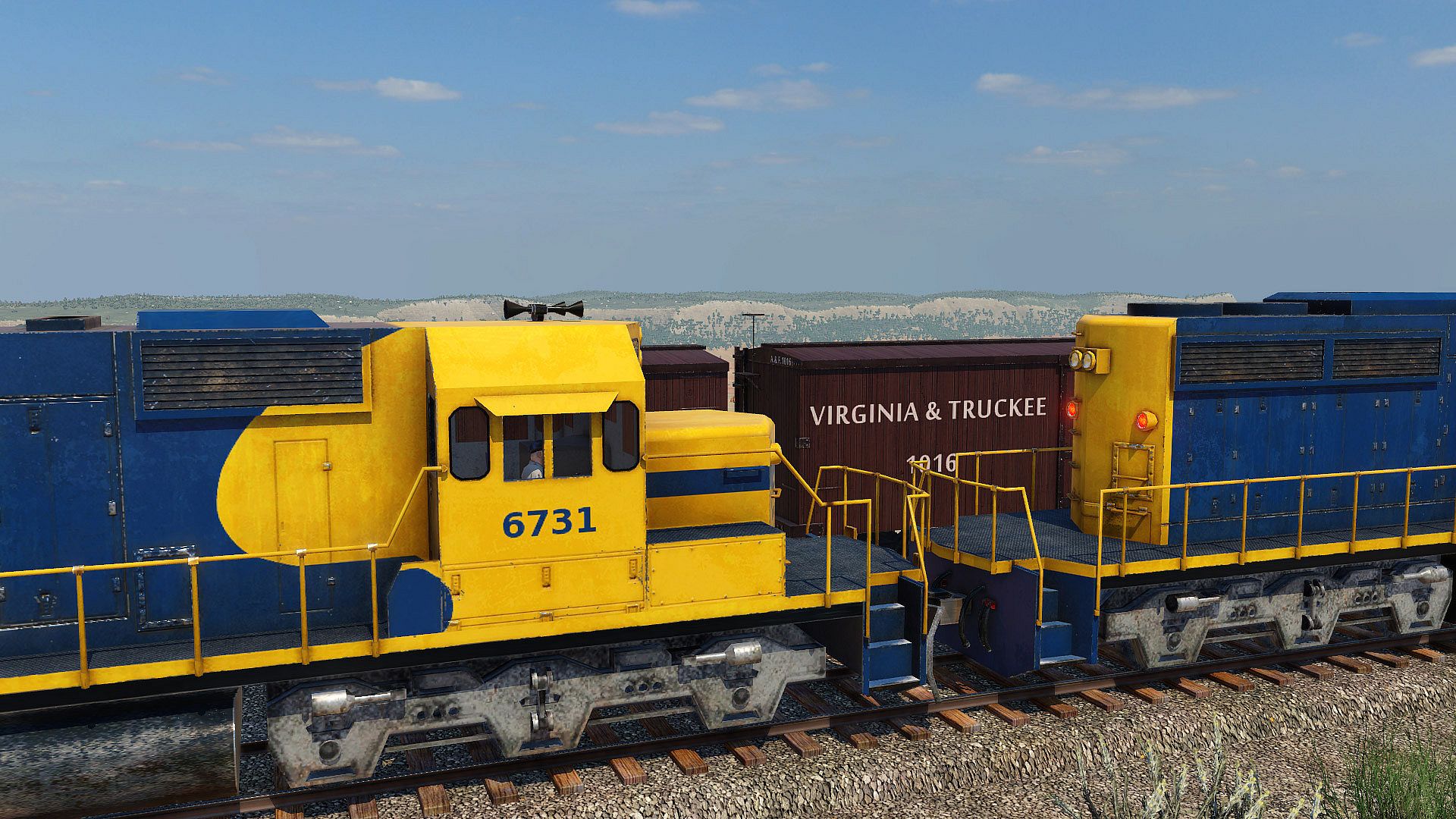
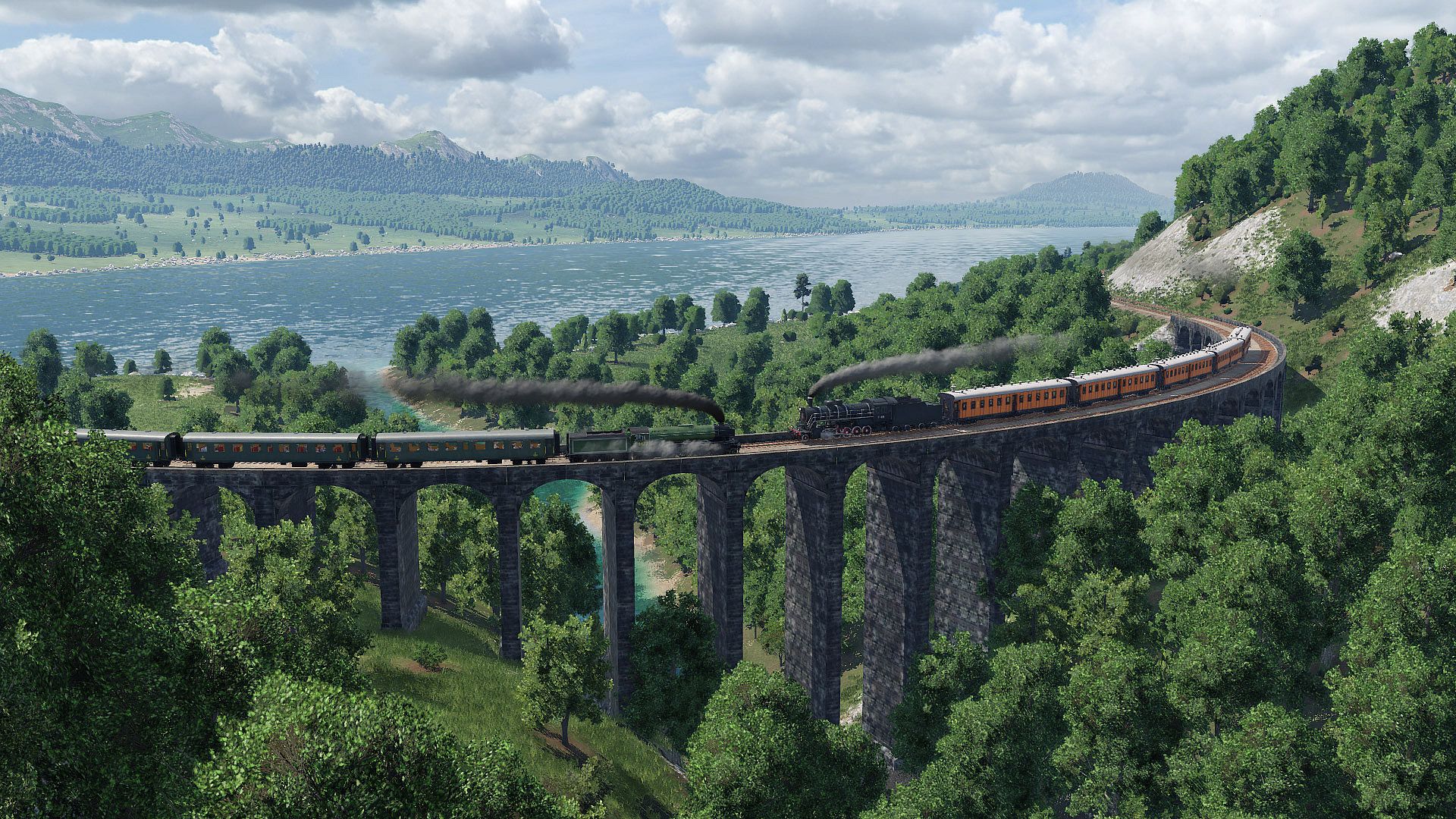
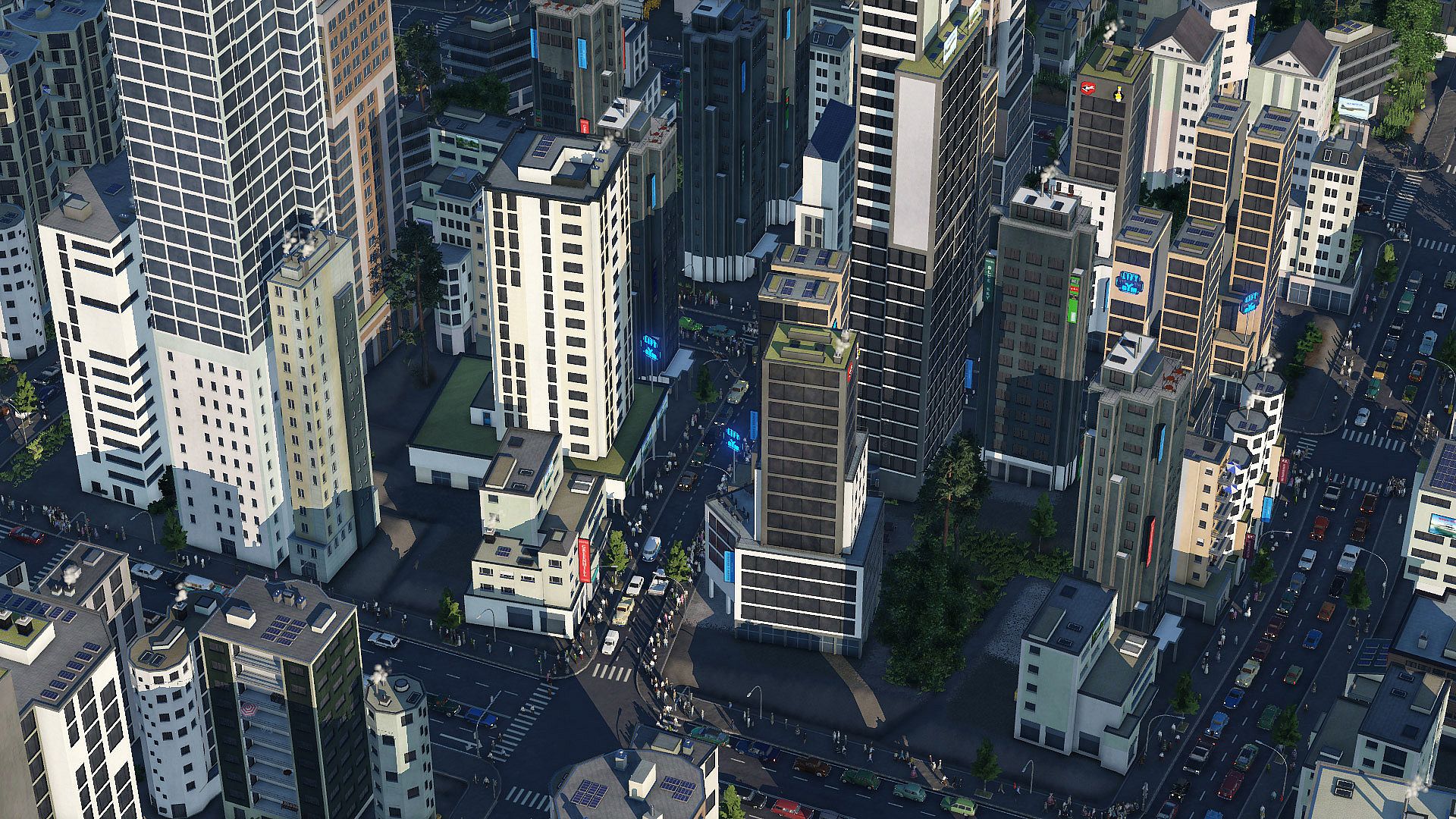
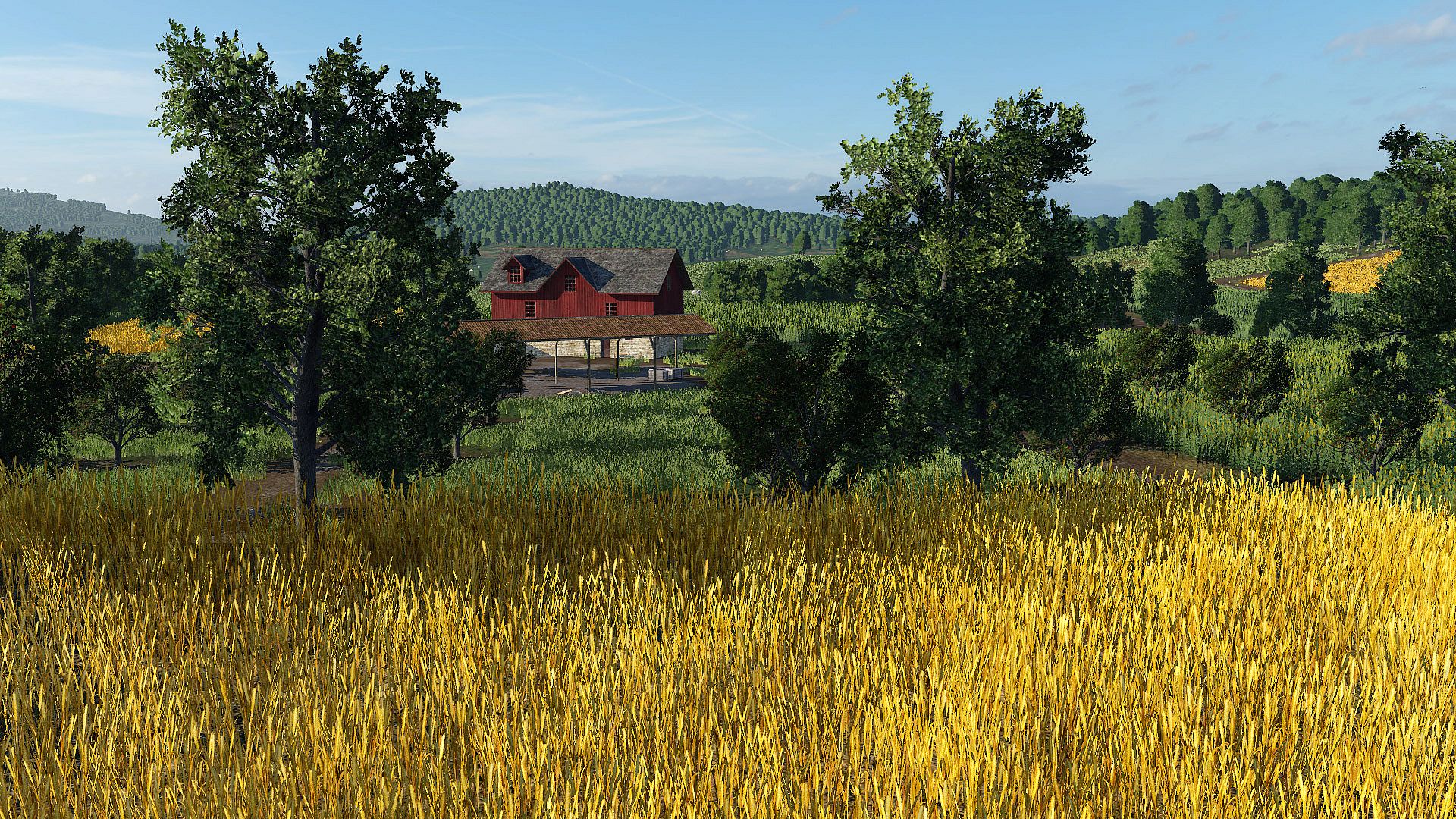
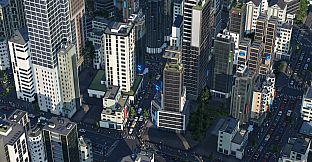
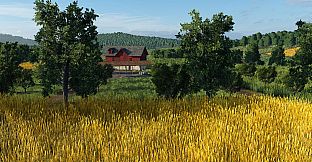
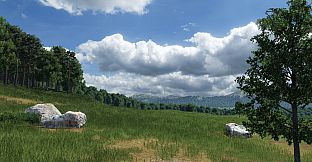
Transport Fever 2 es un simulador de transporte que combina estrategia y gestión empresarial. Los jugadores construyen y gestionan redes de vehículos por tierra, mar y aire para transportar pasajeros y mercancías, impulsando el desarrollo de ciudades e industrias en mapas generados de forma procedural.
Gameplay
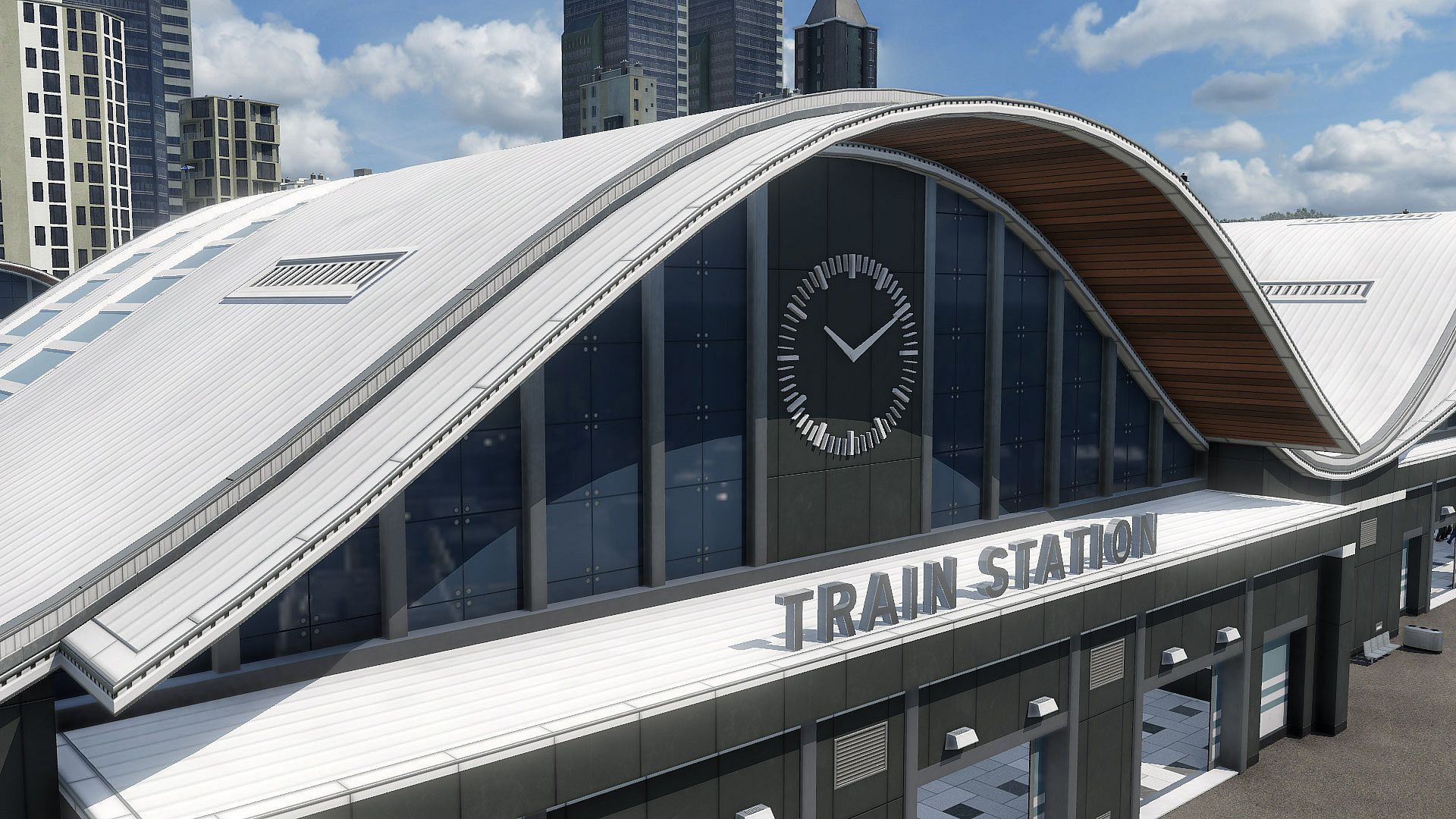
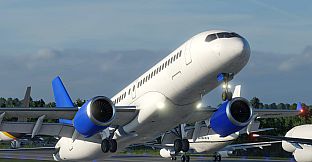
El núcleo del juego consiste en planificar rutas eficientes que conecten las fuentes de materias primas con las plantas de procesamiento y, finalmente, con los mercados o las ciudades. Entre los vehículos disponibles se encuentran trenes, camiones, autobuses, barcos y aviones, cada uno adaptado a distintas distancias y tipos de carga. El jugador debe construir y mantener infraestructuras como vías, carreteras, puertos y aeropuertos, equilibrando el presupuesto mediante préstamos y los ingresos generados por los servicios.
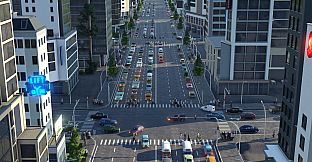
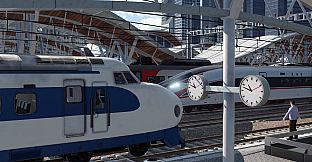
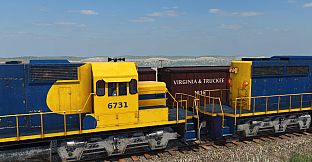
Las cadenas de suministro suelen requerir varias etapas, ya que los recursos se desplazan entre distintos puntos antes de llegar a su destino final. Las líneas de pasajeros favorecen la expansión urbana al mejorar la accesibilidad, lo que incrementa la demanda de bienes y servicios. El juego incluye modelos detallados de vehículos de Europa, América y Asia, con opciones para ajustar velocidad, capacidad y rutas con el fin de optimizar el rendimiento.
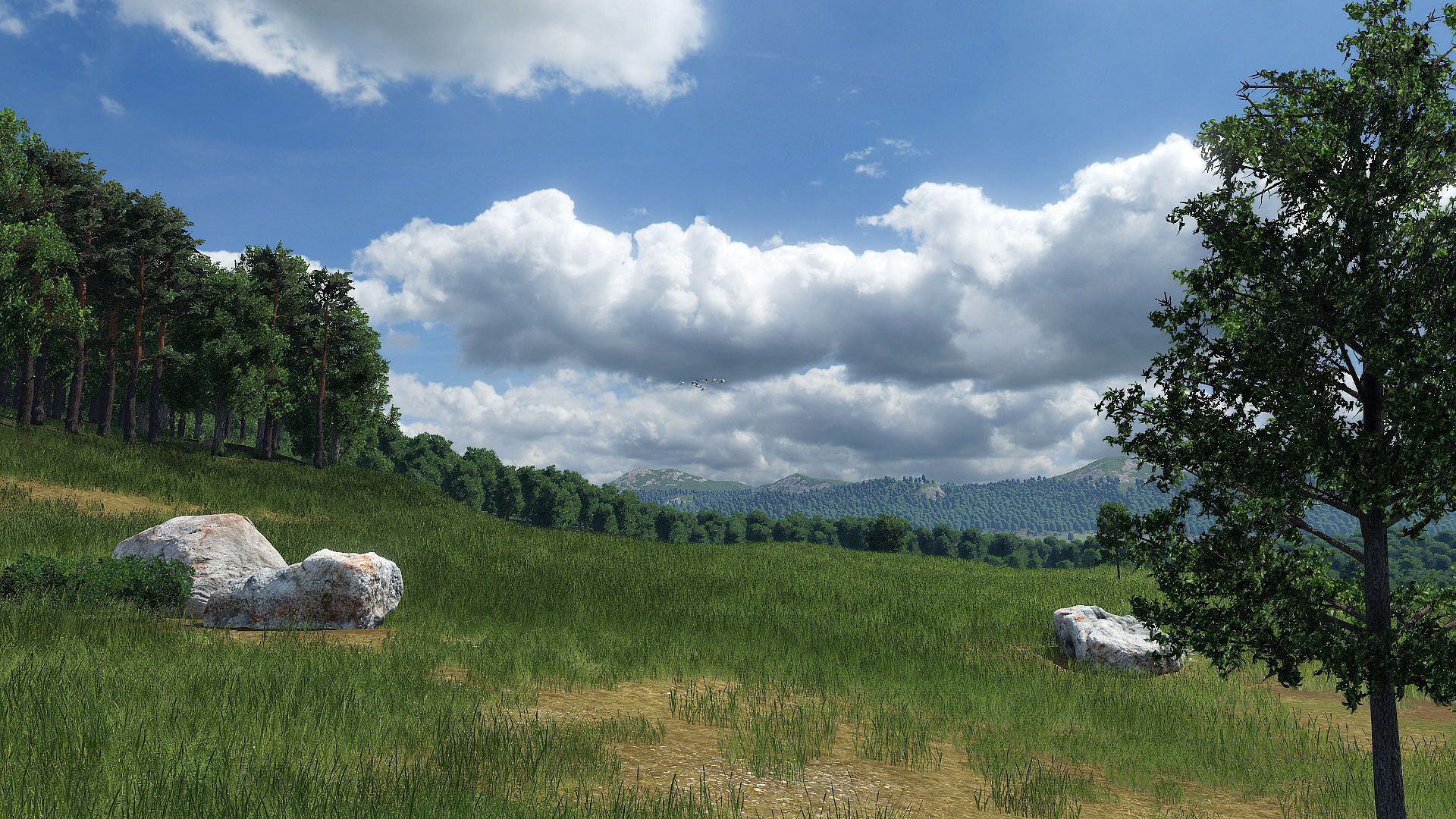
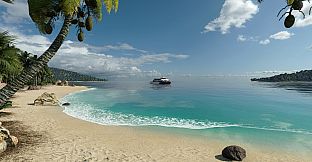
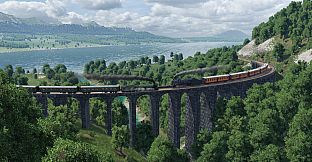
La configuración del mapa influye en la distancia entre ciudades e industrias, determinando qué métodos de transporte resultan más eficaces. El avance temporal permite recorrer distintas épocas, desbloqueando vehículos más modernos a medida que avanza la tecnología. Un editor integrado facilita la creación de paisajes personalizados en diferentes zonas climáticas.
Modos de juego
El modo libre ofrece un escenario abierto en el que los jugadores establecen sus propios objetivos, experimentan con diseños de red y persiguen logros. Este modo prioriza la libertad creativa en la planificación de rutas y la expansión de la empresa sin metas estrictas.
El modo campaña comprende tres experiencias narrativas independientes ambientadas en diferentes periodos históricos y continentes. Cada campaña plantea una serie de misiones centradas en retos concretos de transporte, acompañadas de voces y escenas que desarrollan la historia. Completar todas las misiones exige una gestión cuidadosa de recursos e infraestructuras a lo largo de los objetivos.
Vehículos e infraestructuras
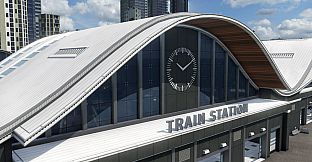
El juego cuenta con más de doscientos vehículos, cada uno modelado con atención a los detalles reales. Los jugadores gestionan flotas asignando vehículos a líneas, controlando los costes de mantenimiento y sustituyendo modelos antiguos por opciones más recientes. La colocación de infraestructuras debe tener en cuenta el terreno, ya que los cambios de elevación y las masas de agua afectan tanto al coste de construcción como a la eficiencia de las rutas.
Los niveles de dificultad modifican parámetros económicos como los costes operativos, los ingresos y los intereses de los préstamos. Las configuraciones más exigentes requieren un control financiero más estricto y una optimización más precisa de la red para mantener la rentabilidad.
¿Merece la pena jugarlo?
Transport Fever 2 atrae a quienes disfrutan de la planificación metódica y la construcción de redes a largo plazo en un entorno de simulación. Las reseñas lo describen como una versión refinada del género, con especial atención a la mecánica realista del transporte y al detalle visual. Muchos jugadores acumulan cientos o miles de horas, sobre todo quienes se sienten atraídos por la construcción ferroviaria y la optimización de cadenas de suministro.
El título ha recibido críticas generalmente positivas y mantiene una comunidad activa centrada en mapas y modificaciones personalizadas. Una última actualización importante incorporó mejoras como un soporte más amplio de mods en todas las plataformas. Está orientado a sesiones para un solo jugador, sin necesidad de elementos multijugador continuos ni contenido por temporadas.
Quienes busquen una experiencia de magnate del transporte centrada en PC encontrarán gran profundidad en la gestión de rutas y en las decisiones económicas. La combinación de libertad sandbox y campañas estructuradas ofrece valor de repetición para los aficionados a la estrategia y la simulación que prefieren un ritmo pausado frente a la acción rápida.