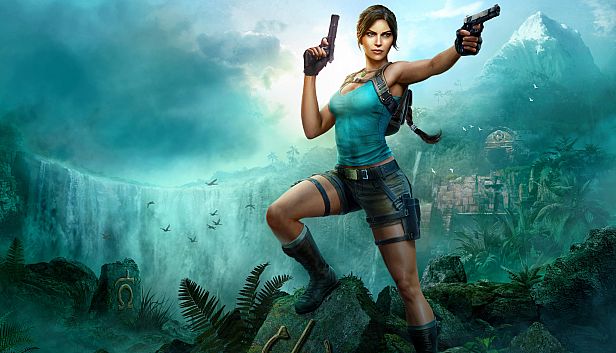



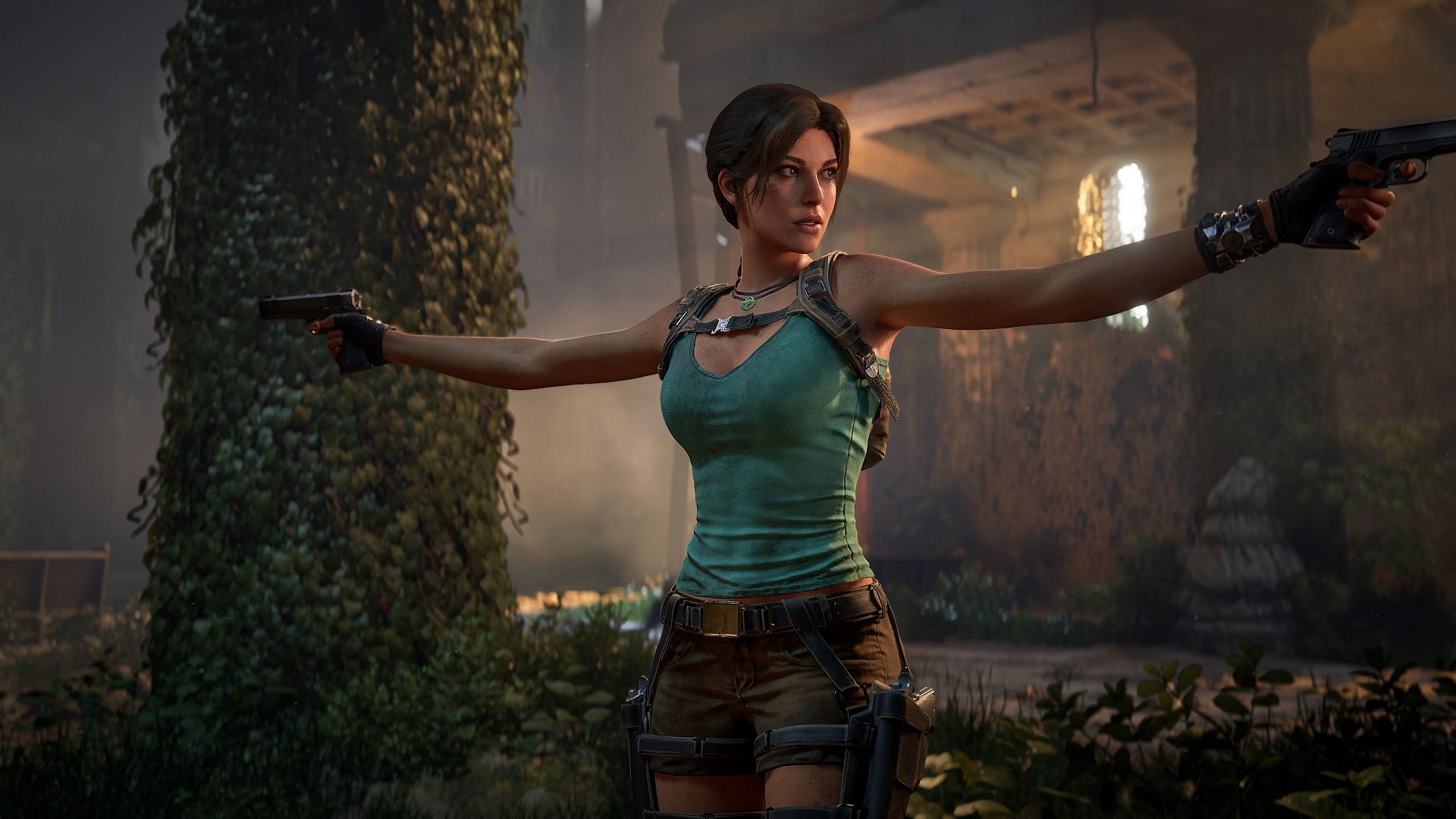

Tomb Raider: Legacy of Atlantis es un juego de acción y aventura que actualiza el Tomb Raider original de 1996 con nuevos gráficos y decisiones de diseño. El jugador controla a Lara Croft en su búsqueda de los fragmentos del artefacto Scion a través de distintas regiones. La experiencia se centra en el desplazamiento por terrenos variados, la resolución de puzles ambientales y los encuentros con fauna hostil. Funciona con Unreal Engine 5 y llegará a Xbox Series X|S, entre otras plataformas, en febrero de 2027.
Jugabilidad
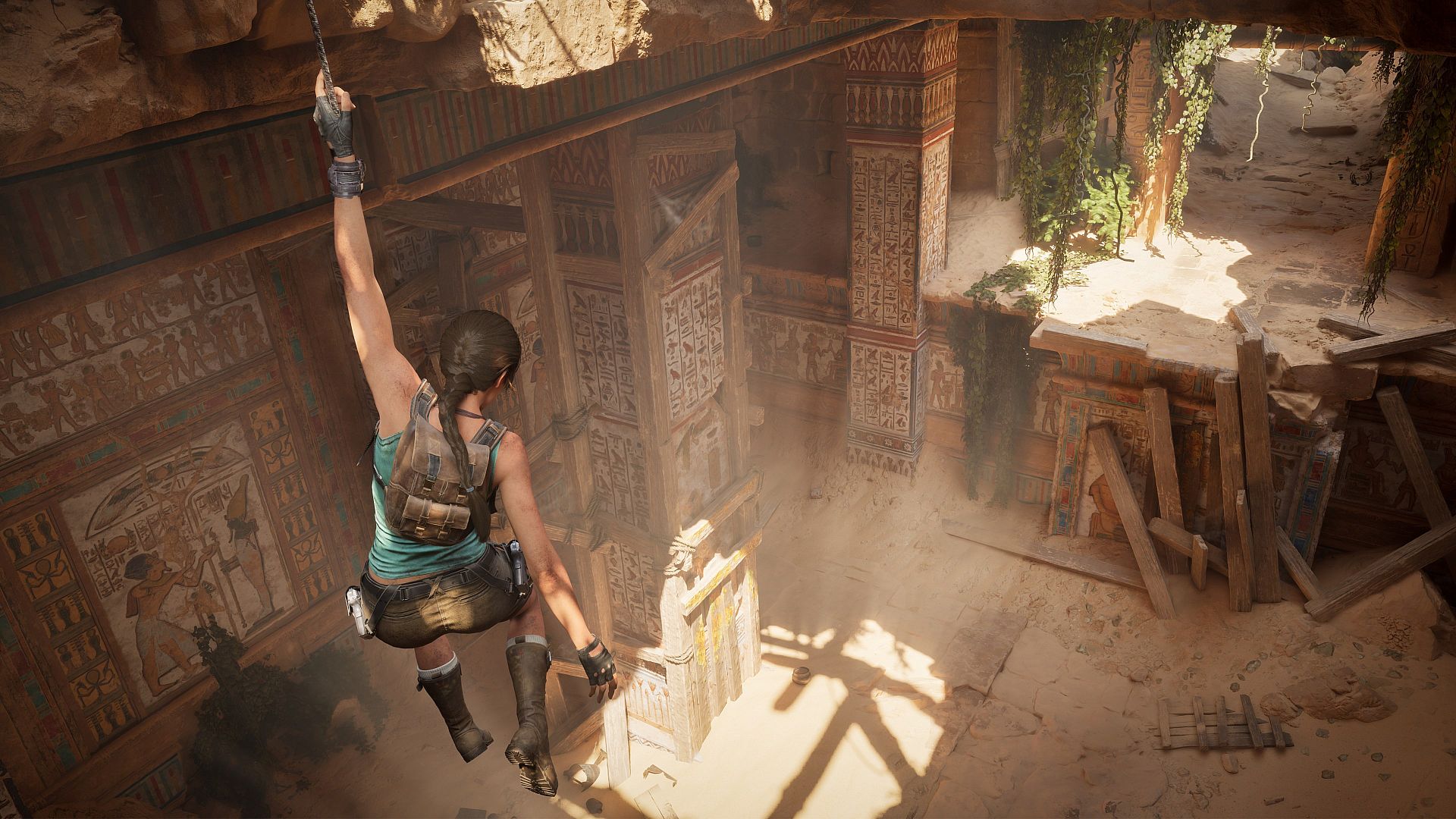
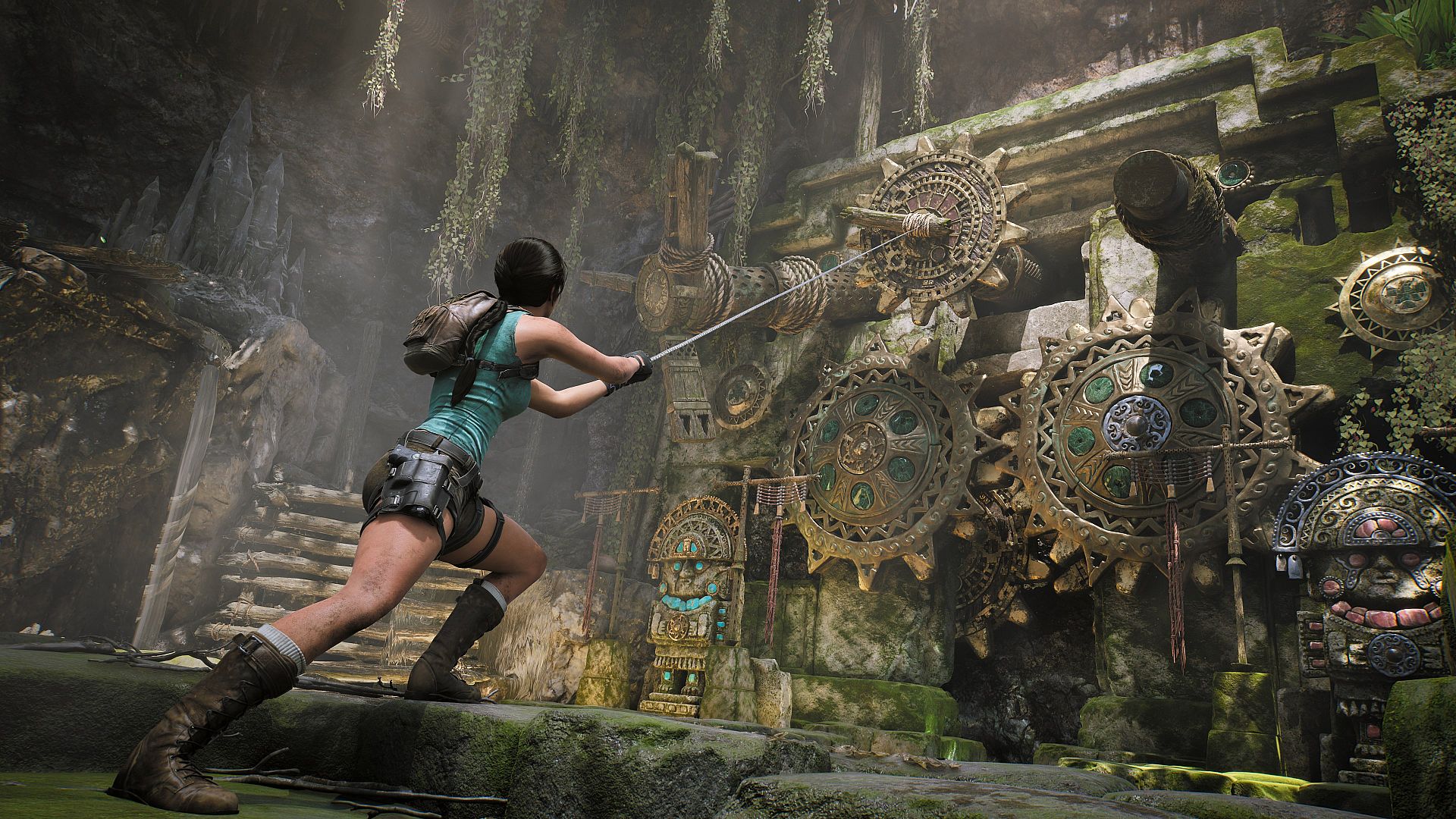
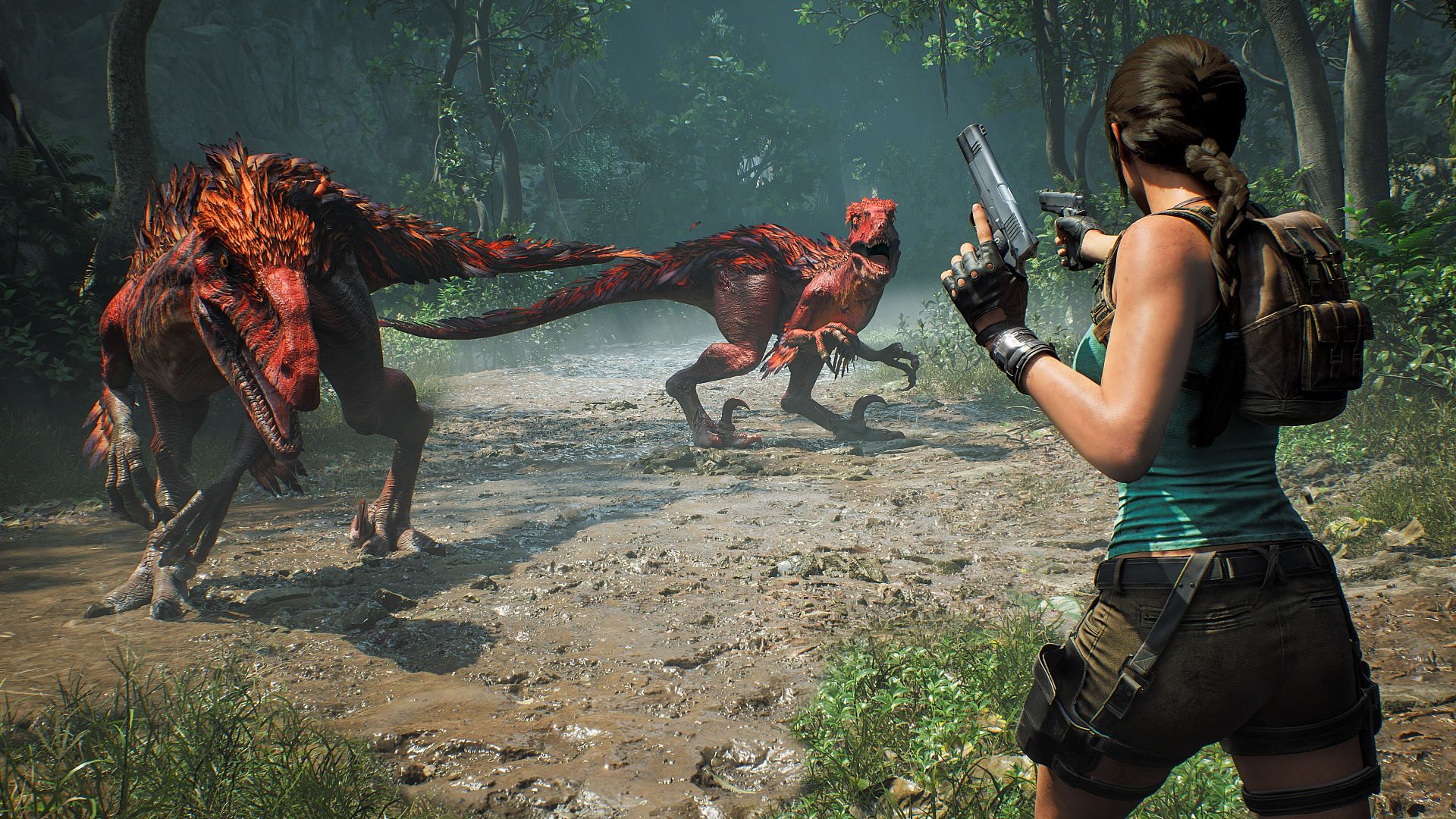
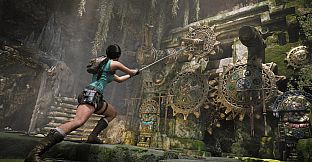
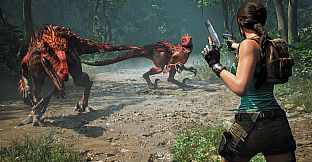
El ciclo principal consiste en recorrer zonas interconectadas mientras se gestionan los movimientos y la capacidad de resolución de problemas de Lara. El desplazamiento exige escalar, saltar y avanzar por terrenos irregulares que van desde junglas densas hasta extensiones áridas. Los puzles se centran en activar mecanismos, alinear objetos o buscar rutas alternativas entre ruinas y cuevas. El combate surge al aparecer depredadores y requiere buen timing y colocación para superarlos sin depender de un gran arsenal. El avance depende de la recogida de fragmentos del Scion, que abren nuevas zonas y marcan la secuencia de localizaciones.
Los controles priorizan una plataforma precisa y reacciones rápidas en momentos de tensión. Las habilidades atléticas de Lara le permiten impulsarse entre salientes o trepar a cornisas, mientras la gestión del inventario ofrece herramientas limitadas para resolver puzles. El diseño equilibra el tiempo de exploración con objetivos concretos, animando a observar el entorno en busca de pistas o caminos ocultos. Peligros ambientales como estructuras inestables o corrientes de agua influyen en las decisiones de movimiento.
Modos de juego
El título solo incluye una campaña para un jugador. No hay opciones competitivas ni cooperativas. La estructura sigue un camino lineal con posibilidad de retroceder una vez se obtienen nuevas habilidades o llaves. Este formato mantiene el foco en la narración y el descubrimiento individual, sin sesiones compartidas ni tablas de clasificación.
Exploración y escenario
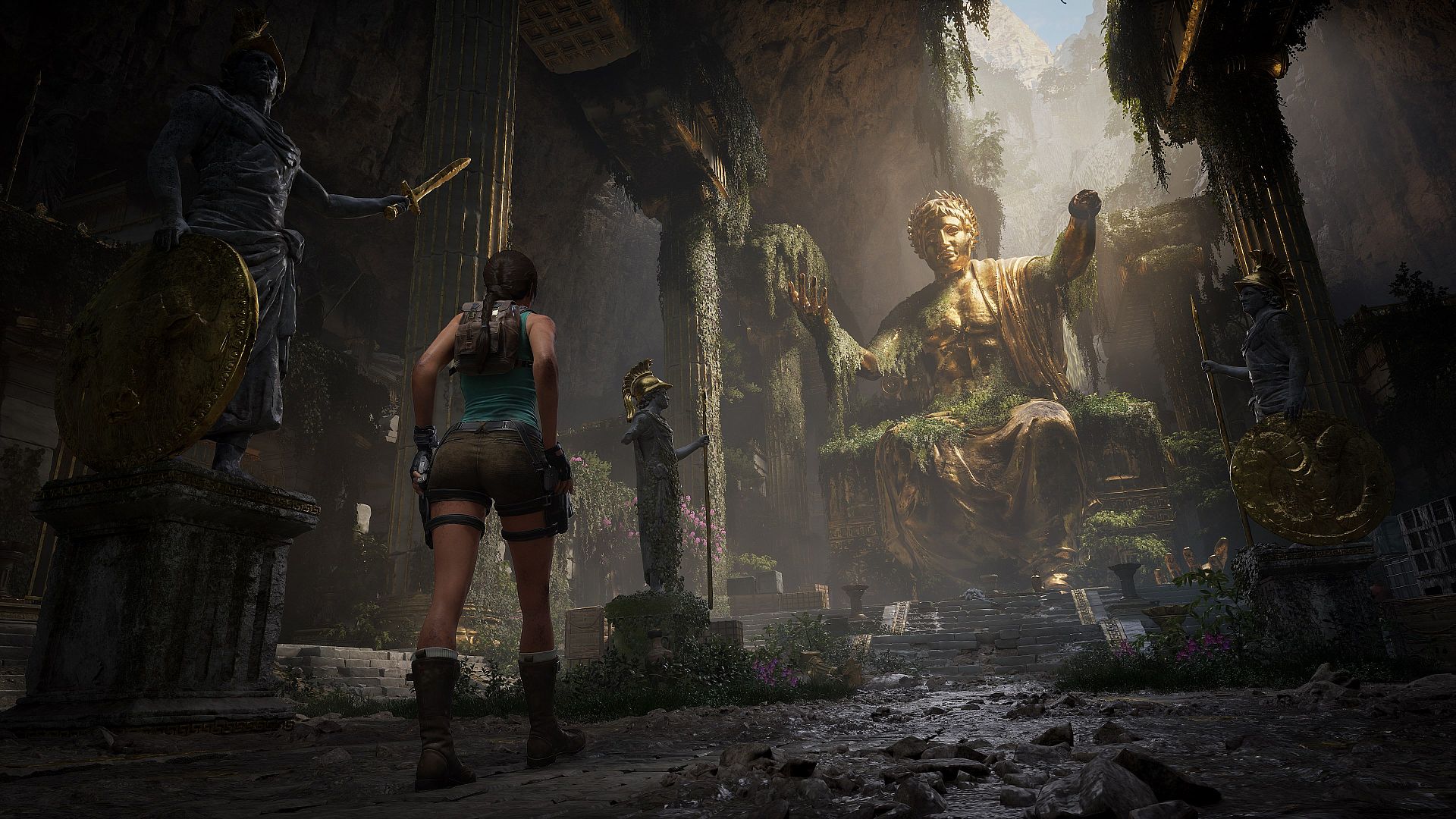
Cuatro regiones principales estructuran el viaje. La jungla peruana ofrece vegetación espesa y ascensiones verticales. Las ruinas griegas presentan arquitectura antigua con pasillos llenos de trampas. Los desiertos egipcios introducen espacios abiertos y retos de navegación sobre arena. Una isla mediterránea final incorpora elementos mitológicos vinculados a la búsqueda del Scion. Cada zona cuenta con estéticas y obstáculos propios que exigen adaptar las mismas mecánicas de movimiento y puzles.
El retroceso cobra importancia al conseguir objetos que abren pasajes antes bloqueados. Esto invita a registrar a fondo cada entorno antes de avanzar. El diseño del mapa conecta estas regiones mediante un hub central que se expande conforme progresa la historia.
¿Merece la pena jugarlo?
El juego está pensado para quienes buscan una exploración metódica combinada con algo de combate y resolución de puzles en un formato para un solo jugador. Su planteamiento recupera el énfasis original en el descubrimiento e incorpora sistemas de movimiento modernos junto a una calidad de renderizado actual. Quienes busquen multijugador o contenido por temporadas encontrarán solo la campaña. La información previa destaca el respeto a la atmósfera de 1996 mediante tecnología renovada, algo que puede atraer tanto a veteranos como a nuevos jugadores que prefieran aventuras centradas en la historia antes que acción frenética. Su llegada a Xbox Series X|S lo convierte en una opción accesible para jugadores de consola interesados en un estilo clásico de aventura adaptado al hardware actual.