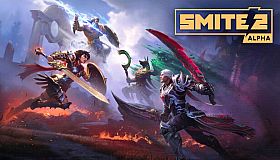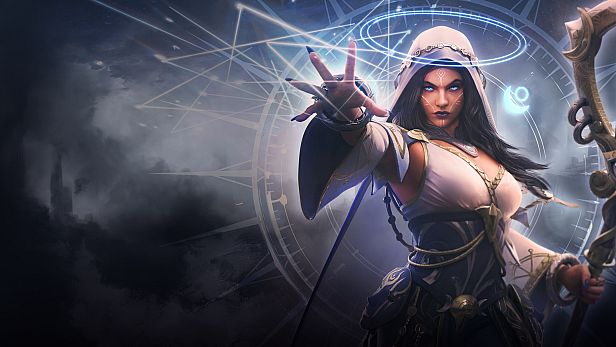



SMITE 2 is a third-person action MOBA that places players in direct control of mythological gods during team-based matches. Developed with Unreal Engine 5, the game emphasizes real-time combat where movement relies on standard controls rather than point-and-click systems. Matches revolve around selecting a god, coordinating with teammates, and pursuing objectives that lead to victory by eliminating the opposing team's Titan.
Gameplay
Core gameplay centers on god selection from a growing roster drawn from global mythologies. Each god features distinct abilities that scale with stats such as Strength and Intelligence, allowing flexible item builds that suit different playstyles. Players earn gold through minion kills, god eliminations, and objective contributions to purchase items that enhance damage, survivability, or utility. Experience points accumulate to level up abilities, unlocking stronger effects over the course of a match.
Team coordination plays a central role, with roles like lane farmers, junglers who clear camps for buffs, and supports who enable allies. Newer mechanics include additional stats that influence combat interactions, such as effects that modify damage taken or crowd control duration. Matches reward efficient farming, positioning, and timely objective control rather than pure mechanical skill alone.
The third-person camera keeps action immediate and visible, supporting both aggressive engagements and strategic retreats. Regular balance updates adjust god kits and item values to maintain variety across the roster.
Game Modes
SMITE 2 supports several distinct multiplayer formats that cater to different group sizes and preferences. Conquest serves as the primary competitive mode, featuring a three-lane map with a surrounding jungle filled with camps and major objectives. Teams of five work to destroy towers, Phoenixes, and ultimately the enemy Titan while managing resources and rotations.
Arena delivers faster-paced 5v5 encounters on an open battlefield. The focus shifts to reducing the opposing team's ticket count through god kills and minion pushes toward portals, emphasizing constant team fights over lane management.
Joust offers a 3v3 experience on a single-lane map with adjacent jungle elements. Teams push through defensive structures toward the Titan in a more contained setting that highlights skirmish tactics. Assault restricts god choice to random assignments in a 5v5 single-lane format, removing selection strategy in favor of adaptation during the match.
Duel provides a 1v1 option for direct confrontations. Additional options include versus AI matches for practice and custom lobbies for organized play. Ranked Conquest applies a draft system with bans for competitive progression.
Gods and Progression
The roster continues to expand through periodic additions, with each new god bringing unique ability sets and scaling options. Aspects provide alternate versions of existing gods that alter play patterns without changing core identity. These elements encourage experimentation as players unlock and master different deities over time.
Account progression ties into match rewards and unlocks, supporting long-term engagement through repeated play across modes. The system rewards consistent participation without gating core content behind paywalls.
Is It Worth Playing?
SMITE 2 suits players who enjoy team-oriented MOBA gameplay combined with direct third-person action. Its active development schedule delivers frequent updates that introduce new gods, refine mechanics, and adjust balance, keeping the experience fresh for those invested in the genre.
Those seeking quick matches may prefer Arena or Assault, while players drawn to deeper strategy and role specialization will find Conquest most rewarding. The free-to-play model with versus AI options lowers the barrier for newcomers to learn fundamentals before entering player-versus-player queues.
Overall, the game appeals to fans of mythological themes and competitive multiplayer who value ongoing content support and varied match lengths. It remains in open beta with regular patches, indicating continued refinement based on community feedback.