




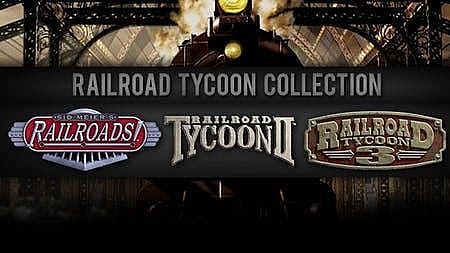

















Railroad Tycoon Collection brings together three classic entries in the railroad business simulation genre for PC players. The package centers on building profitable rail networks across historical maps, transporting goods and passengers while balancing costs and expansion. Core activities include track construction, locomotive purchases, route scheduling, and financial oversight in single-player campaigns and scenarios drawn from real-world railroading eras.
Gameplay
Players start by selecting a map and era, then lay tracks across varied terrain that includes rivers, mountains, and cities. Stations connect industries and population centers to generate revenue from cargo types such as coal, grain, and manufactured goods. Locomotives range from early steam engines to later diesel and electric models, each with distinct speed, capacity, and maintenance profiles. Scheduling trains requires attention to load balancing and delivery timing to maximize profits while avoiding congestion or derailments from poor planning.
Financial management forms the backbone of progress. Revenue funds track upgrades, new rolling stock, and station improvements, while expenses cover fuel, repairs, and competition from rival companies. Terrain affects construction costs and train performance, encouraging strategic placement of bridges, tunnels, and switches. Economic events and resource distribution influence demand, pushing players to adapt routes as markets shift.
Game Modes
The collection emphasizes scenario-based play across multiple titles. Scenarios recreate historical rail challenges with specific goals, time limits, and starting conditions. Campaign structures link scenarios into longer narratives with progressive objectives and cinematic elements in certain entries.
Additional options include free-form sandbox sessions where players build without strict financial or competitive pressure. One title adds multiplayer support for head-to-head corporate rivalry, allowing direct competition over routes and resources. Difficulty settings adjust AI aggression, economic volatility, and starting capital to suit different experience levels.
Historical Context and Progression
Each game in the collection spans different periods of rail development, from the 19th century industrial boom through mid-20th century modernization. Technology unlocks occur through research or auctions, introducing faster trains and improved infrastructure options. Maps cover regions in North America and Europe, with industries and cities placed according to period-appropriate economics.
Progression rewards efficient network design. Early focus on basic freight lines gives way to passenger services and long-haul routes as capital grows. Players refine operations by upgrading signals, adding sidings, and optimizing train consists to handle mixed loads effectively.
Is It Worth Playing?
The collection suits players interested in deliberate strategy and economic simulation rather than fast-paced action. Its single-player focus and scenario variety provide substantial replay value through different maps and starting conditions. Older titles retain appeal for those who enjoy managing detailed rail operations without modern graphical demands or ongoing seasonal content. Availability on PC platforms makes it accessible for fans of classic tycoon gameplay seeking a self-contained experience.


