




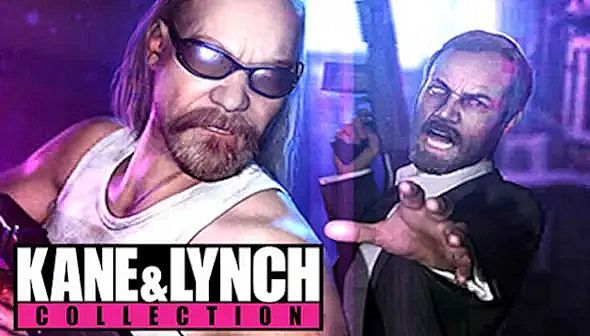









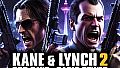
La Kane & Lynch Collection reúne dos shooters en tercera persona que narran las andanzas criminales de los mercenarios Kane y Lynch a través de campañas independientes. Ambos títulos se centran en una progresión lineal de la historia, marcada por atracos violentos y enfrentamientos, con un sistema de disparos basado en el uso de coberturas y órdenes al equipo. La recopilación está disponible en PC y ofrece las experiencias principales de cada juego sin funciones modernas adicionales ni actualizaciones de contenido.
Jugabilidad
El jugador controla a Kane en tercera persona durante la mayor parte de las secuencias, gestionando el movimiento, la puntería y los disparos, además de dar órdenes básicas a los compañeros controlados por la IA. El sistema de coberturas permite resguardarse tras distintos objetos, aunque su respuesta puede resultar imprecisa en los momentos de mayor intensidad. El combate se basa en armas convencionales con mecánicas de recarga y gestión limitada de munición en ambos juegos. El primero incorpora elementos de escuadra, donde los aliados proporcionan fuego de apoyo, mientras que la secuela apuesta por enfrentamientos más caóticos en entornos urbanos, con efectos visuales que distorsionan la pantalla durante los combates. Las campañas se desarrollan en capítulos ambientados en distintos escenarios, centrados en el enfrentamiento directo sin explorar opciones de personalización ni libertad de movimiento.
Modos de juego
Cada juego ofrece una campaña para un jugador como modo principal, que puede completarse en solitario con ayuda de la IA. El primer título incluye soporte para cooperativo local, permitiendo que un segundo jugador controle a Lynch durante la historia. Fragile Alliance es el modo multijugador centrado en atracos del juego original, donde los equipos intentan llevar a cabo robos antes de enfrentarse a la policía controlada por la IA y posibles traiciones entre los jugadores. La secuela añade un modo arcade con oleadas de enemigos en formato de supervivencia. El segundo juego también cuenta con varias variantes competitivas y cooperativas ligadas a escenarios de atracos, aunque con un número limitado de mapas y sin población activa de servidores en los últimos años.
Story and Setting
La colección presenta dos tramas independientes centradas en la inestable relación entre los protagonistas. La primera campaña sigue una fuga de prisión y los trabajos criminales posteriores, impulsados por motivaciones personales y contratos de mercenarios. La secuela continúa su historia en un entorno más crudo y realista, con mayor énfasis en la traición y la violencia creciente. Ambas narrativas avanzan mediante eventos guionizados y diálogos, sin ramificaciones ni decisiones por parte del jugador. Los escenarios incluyen zonas urbanas, instalaciones industriales y localizaciones internacionales que sirven de marco a las secuencias de acción.
Technical Aspects on PC
Los controles se adaptan al teclado y ratón, con opción de usar mando. Los gráficos corresponden a la época de lanzamiento, y el segundo juego incorpora efectos de postprocesado que afectan a la visibilidad durante los combates. En hardware actual el rendimiento suele ser fluido, sin necesidad de parches más allá de ajustes básicos de compatibilidad. No hay soporte nativo para resoluciones superiores ni mejoras gráficas avanzadas más allá de las incluidas en las versiones originales.
¿Merece la pena?
Esta recopilación está dirigida a jugadores interesados en shooters en tercera persona clásicos que priorizan la narración y la experimentación en cooperativo por encima de mecánicas pulidas o alta rejugabilidad. Las campañas de ambos juegos duran varias horas en dificultad normal y ofrecen una experiencia directa sin contenido de relleno. Las opiniones de los jugadores suelen destacar el tono característico y la dinámica entre personajes, aunque también mencionan controles anticuados y alguna inconsistencia técnica. Quienes busquen comunidades multijugador activas o actualizaciones continuas encontrarán pocas opciones, ya que los títulos no reciben soporte adicional. El pack permite acceder de forma sencilla a ambas historias para fans de los juegos de acción cruda que valoran su estilo particular por encima de los estándares actuales en precisión de disparos o diseño de niveles. El cooperativo local del primer juego añade valor de repetición para quienes quieran completar la campaña en pareja. En general, resulta más atractiva para quienes aceptan las decisiones de diseño propias de su época a cambio de la singularidad de sus protagonistas.


