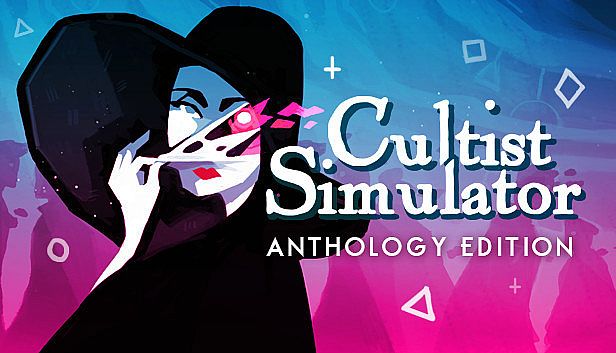









Cultist Simulator: Anthology Edition is an indie RPG simulation game built around card-driven mechanics in a 1920s setting of hidden gods and secret histories. Players take on the role of a seeker pursuing forbidden knowledge, balancing daily survival with occult ambitions that can lead to transcendence or ruin.
Gameplay
The core loop revolves around arranging cards into verb slots that trigger actions and produce new cards or outcomes. Cards represent everything from personal attributes like health, reason, and passion to tools, lore scraps, followers, and ritual ingredients. Combining them allows research into ancient texts, performance of rites to summon spirits, recruitment of believers who can be promoted to disciples, and management of resources such as funds and sanity.
Threats emerge naturally from the systems. The Suppression Bureau deploys hunters who investigate suspicious activity, while rival cults compete for the same secrets. Altered appetites from occult work may push the player toward morally questionable choices to sustain progress. The game features no formal tutorial, so mastery comes from repeated attempts and observation of how different card pairings alter results.
Progression ties into a legacy system where successful runs influence subsequent playthroughs. Players can glimpse the Mansus, a realm of higher powers, and pursue ascension through specific rites. The 1920s atmosphere incorporates bureaucratic elements alongside cosmic horror, with languages like Latin or Sanskrit aiding in decoding knowledge.
Game Modes
The Anthology Edition bundles the base experience with four DLC expansions, each introducing distinct legacies that reshape available mechanics, characters, locations, and endings. These function as variations on the central singleplayer experience rather than separate modes.
The Dancer legacy centers on an occult cabaret known as the Ecdysis Club, where themes of pleasure, pain, and skin feature in new rituals and story paths. The Priest legacy involves martyrdom in service to St Agnes, adding mechanics tied to faith and sacrifice. The Ghoul legacy emphasizes consuming the dead and creating art from memory, altering resource loops and narrative branches. The Exile legacy shifts focus to evasion across a map of 1920s Europe and North Africa while pursued by occult gangsters, replacing some cult-building elements with travel and pursuit mechanics.
Starting legacies such as Detective or Scholar further customize win conditions and available story threads. Different Principles like Heart, Grail, Forge, or Lantern guide which paths open during a run.
The World and Narrative
The setting draws from Lovecraftian traditions but grounds them in tangible 1920s details. Players explore dreams for rituals, craft magical tools, indoctrinate followers, and outmaneuver authorities. There is never a single fixed history; choices create branching outcomes that reward close reading of every card description.
Over 110,000 words of text support the narrative engine. Lore fragments feel earned through experimentation, and the world expands with each legacy. Rivals and hunters add tension, forcing constant adaptation of strategies to avoid detection or confrontation.
Is It Worth Playing?
Player reception on Steam stands at Mostly Positive across more than 14,000 reviews, with a calculated player score of 80 out of 100. Critics have noted its challenging nature and atmospheric depth, though the absence of guidance creates a steep entry point that leads to frequent early failures.
This title suits players who enjoy deliberate resource management, puzzle-like card combinations, and high replayability through varied legacies. Those drawn to narrative-driven simulations with occult themes will find substantial content in the bundled DLCs. The experience demands patience and experimentation but delivers consistent variety across runs for dedicated players.