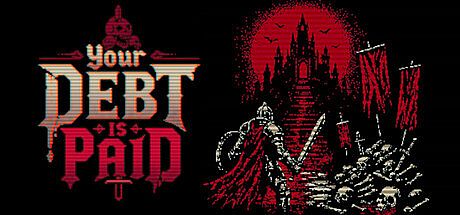


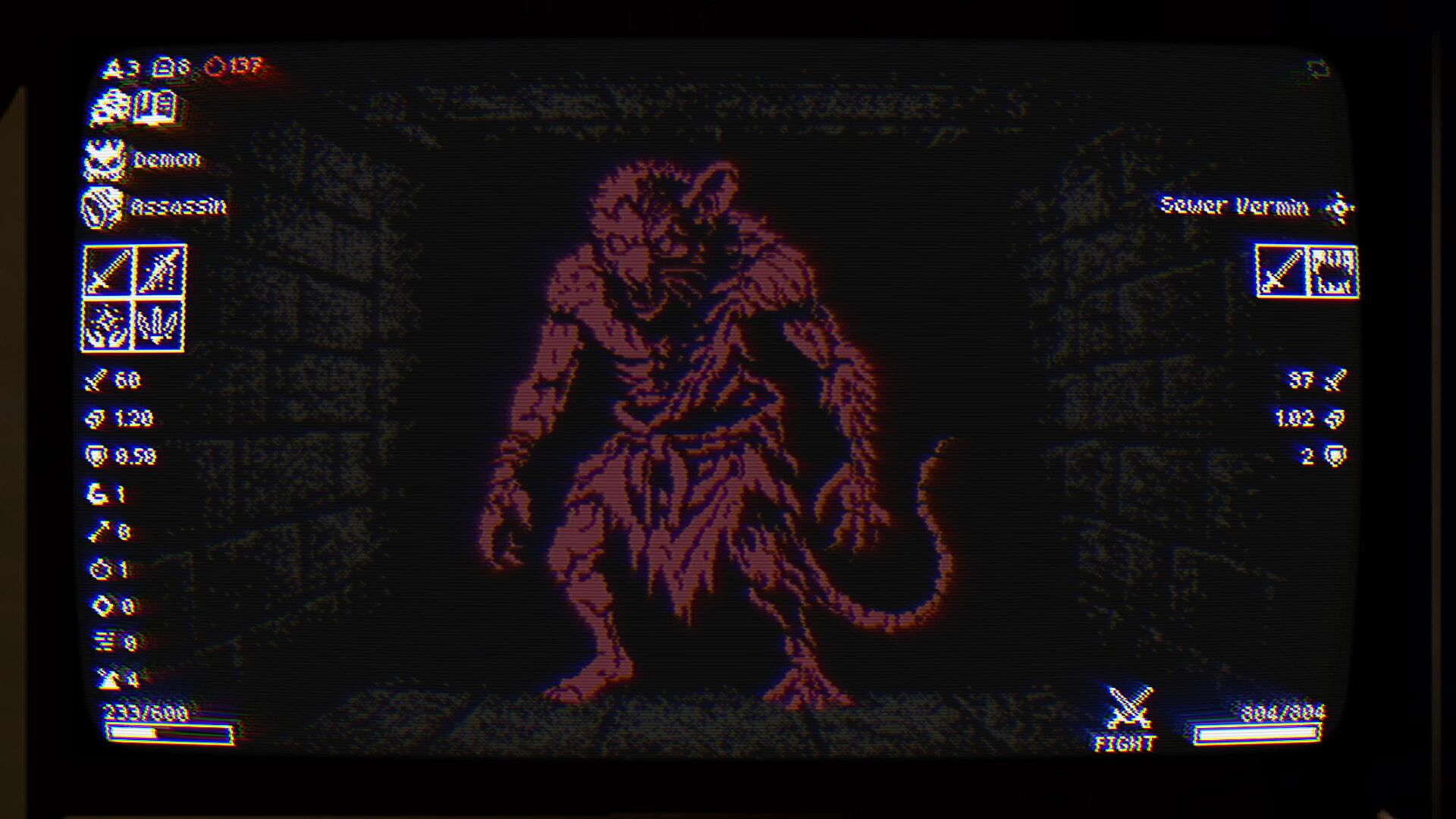
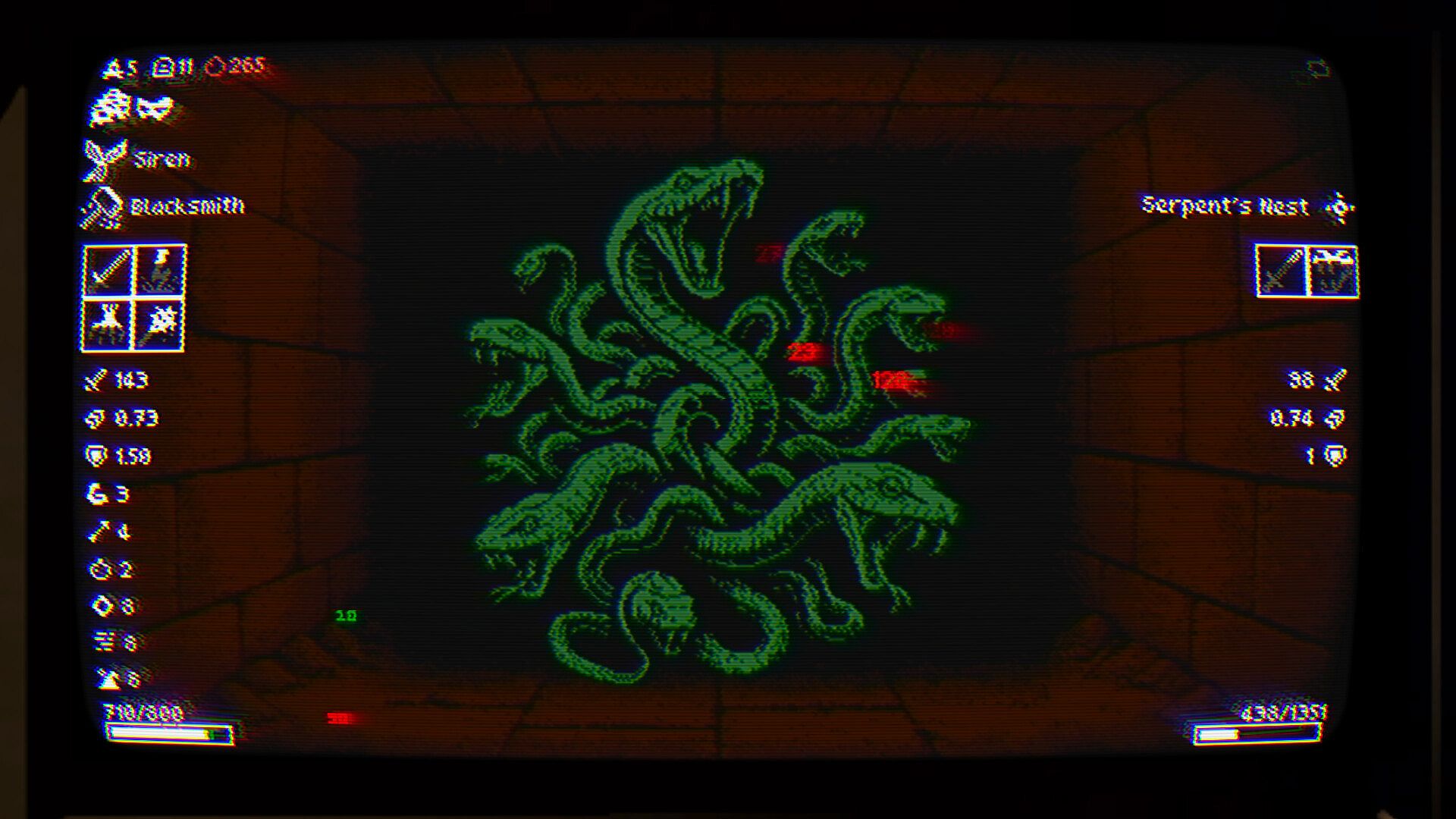
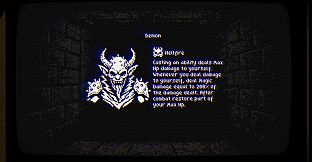
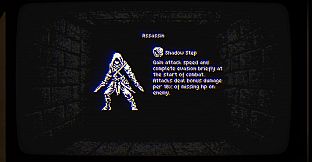
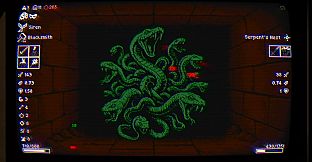
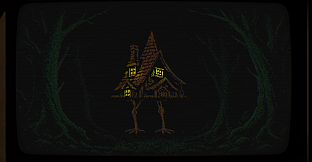
Your Debt Is Paid is an indie RPG that presents itself as a forgotten 1990s cartridge. Players enter a dark fantasy world where a mysterious captor demands payment in Blood to settle an ever-growing debt. Failure means the end of the run, while success allows continued expeditions into monster-filled dungeons. The game blends retro pixel art with CRT scanline effects and focuses on strategic decisions rather than direct combat control.
Gameplay
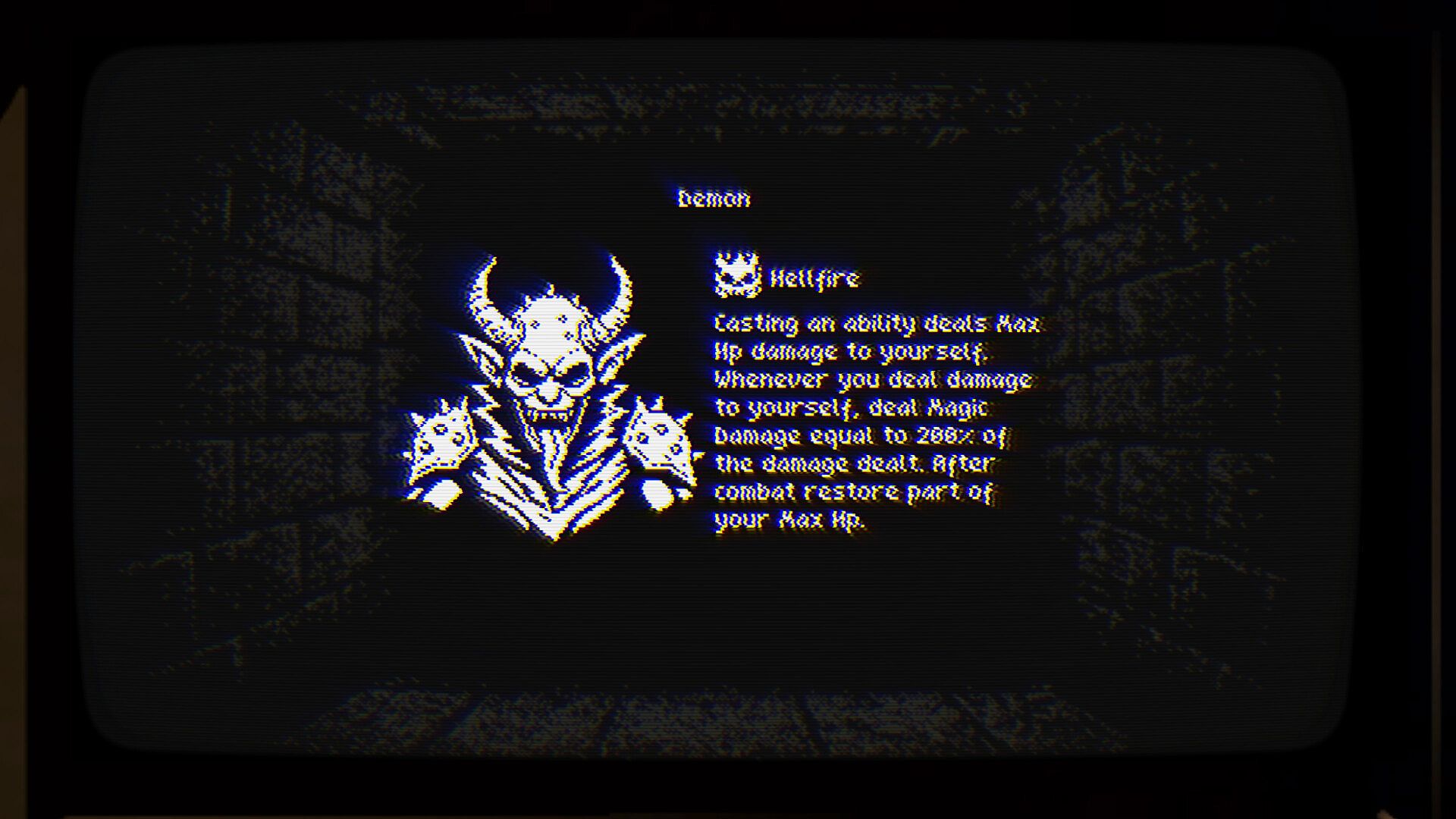
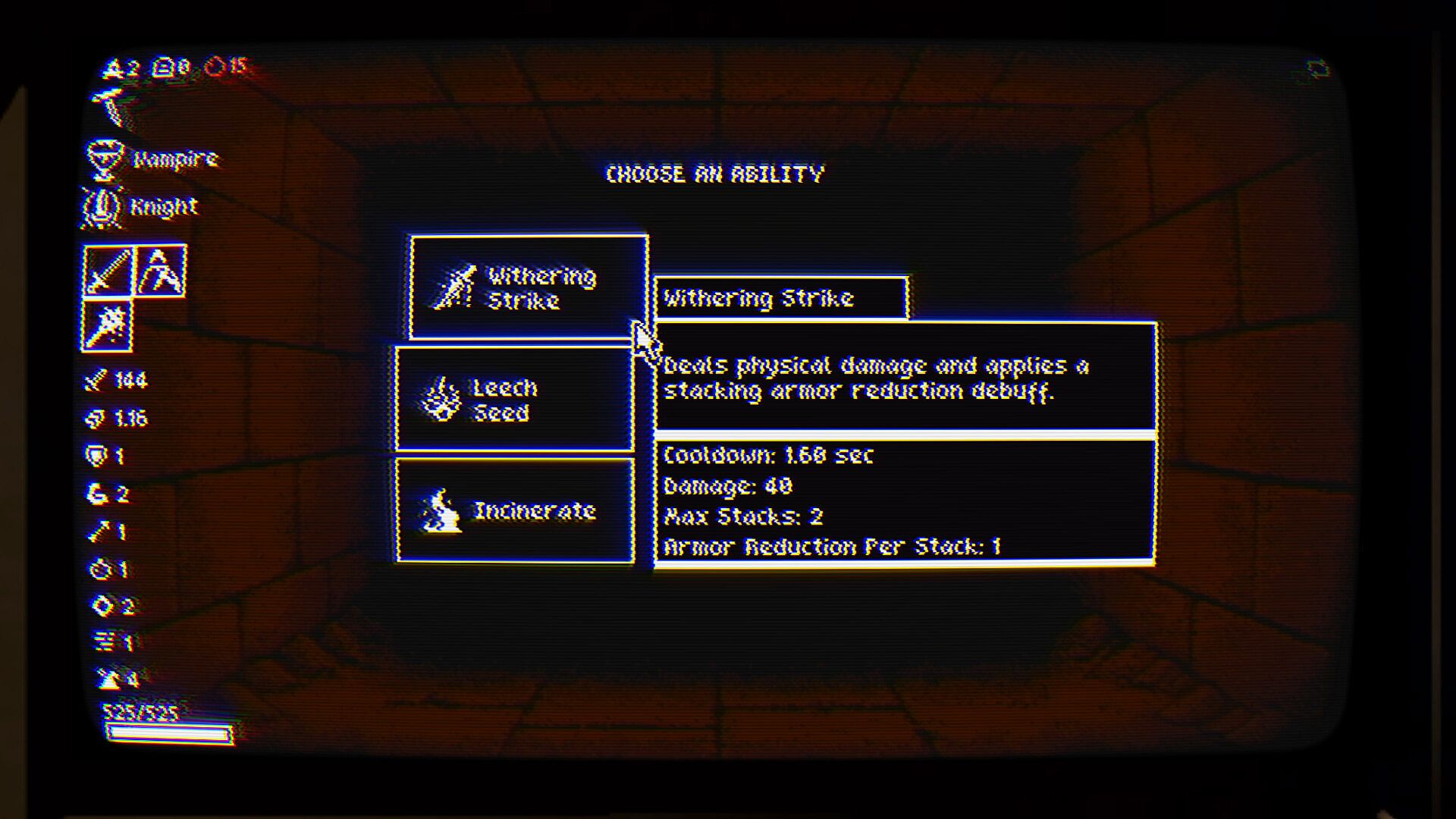
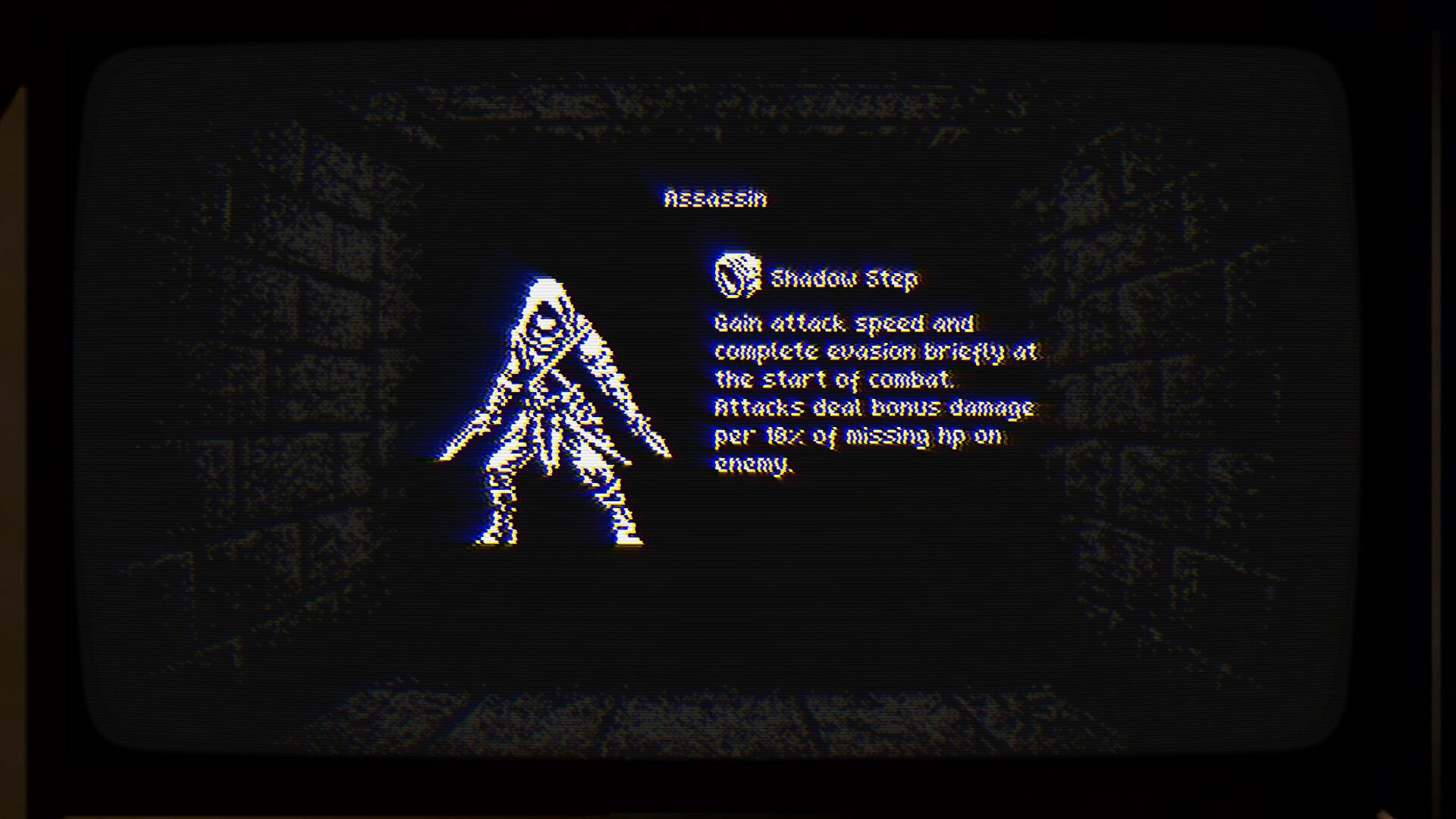
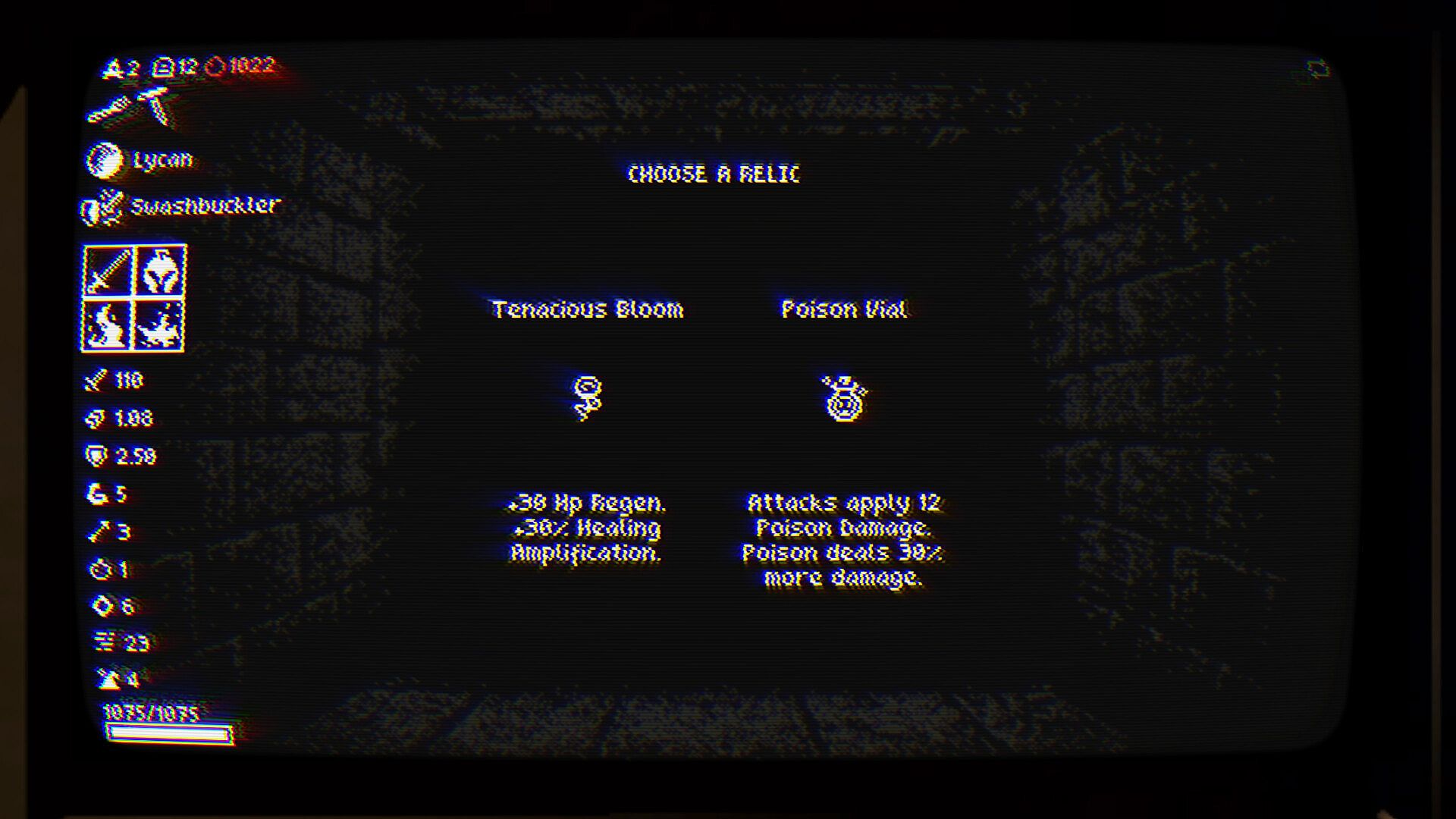
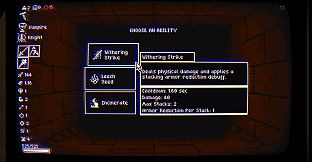
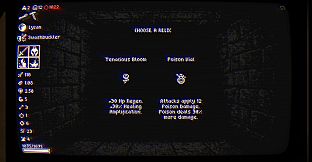
The core loop revolves around descending into dungeons to gather Blood by defeating enemies. This resource serves dual purposes: it can be spent immediately to strengthen the current build through abilities, relics, and enchantments, or reserved to reduce the mounting debt. Every choice carries risk, as pushing deeper increases both power and the debt owed upon return to camp. Battles resolve automatically once initiated, shifting attention to pre-fight planning and post-battle resource allocation. Heroes and Bloodlines selected at the start of each run determine available synergies, encouraging experimentation with spell-focused casters, close-range warriors, or hybrid approaches. Relics and enchantments further modify playstyles, often leading to powerful combinations that scale dramatically in later stages.
Game Modes
The primary experience consists of roguelike runs structured around repeated expeditions. Each attempt begins with a choice of Hero and Bloodline, followed by progression through procedurally varied realms populated by distinct monster types. Ascension Levels add optional challenges that modify enemy behavior or resource economy for greater rewards. There are no separate multiplayer or competitive modes; the structure emphasizes single-player progression through cumulative unlocks of new Heroes, Bloodlines, Realms, and Ascension Levels. Replay value stems from discovering fresh combinations across successive runs rather than fixed mission lists or seasonal events.
Build Variety and Progression
Players assemble game-breaking setups by layering abilities with relics and enchantments discovered during runs. Some builds emphasize sustained damage over many turns, while others focus on burst potential that clears threats in single exchanges. The auto-battle system lets these combinations play out without manual input, highlighting the importance of upfront decisions. Unlocks expand options steadily, with new realms introducing unique enemy behaviors and environmental factors that reward adaptation. The debt mechanic adds tension by forcing trade-offs between immediate power spikes and long-term survival across multiple attempts.
Visual Style and Accessibility
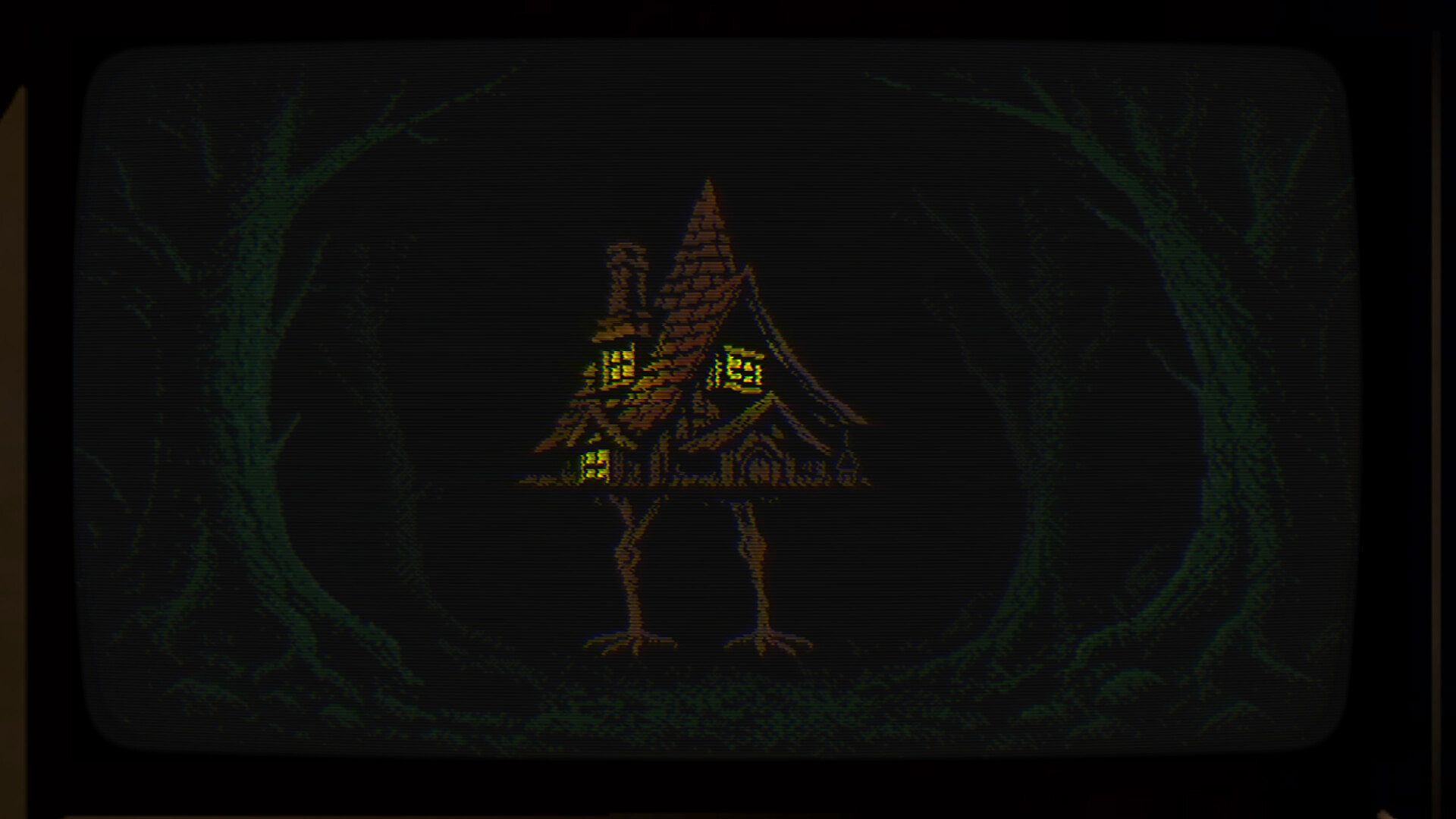
Retro visuals emulate a lost cartridge with deliberate pixel limitations and CRT distortion effects that enhance the eerie atmosphere. The dark fantasy tone permeates enemy designs and realm descriptions without relying on complex narratives. Controls remain straightforward because combat automation removes the need for real-time execution. Strategy centers on resource management and build planning, making the game approachable for newcomers while offering depth for those who explore every synergy.
Is It Worth Playing?
The game appeals to players who enjoy roguelike progression systems centered on build crafting and risk-reward decisions. Its auto-battler format reduces mechanical demands while preserving strategic layers through Blood allocation and debt repayment. Early feedback highlights strong art direction, impactful upgrades, and satisfying variety across different Hero and Bloodline combinations. With a full release scheduled for early 2027 on PC, the experience stands ready for those seeking a distinctive take on the genre that prioritizes thoughtful resource choices over twitch reflexes. Fans of incremental power growth and endless run experimentation will find the core loop engaging from the first expedition onward.