


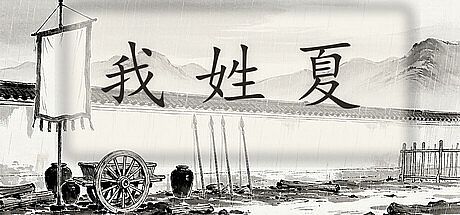



我姓夏 is a single-player historical narrative game that blends indie RPG and simulation elements into an interactive fiction experience. Players follow one ordinary Chinese family across sixteen generations, from the late Warring States period through to the Republic era, making decisions that shape survival, legacy, and continuity without any heroic protagonists or traditional stat systems.
Gameplay
The core loop centers on assuming the role of household head in each of the thirty-two chapters. Every generation encounters recurring pressures such as land management, taxation, military obligations, education, marriages, and funerals. Choices remain limited in number yet carry lasting consequences that alter family members and historical events, with outcomes documented plainly at the close of each chapter through a ledger of gains and losses.
Four invisible trackers monitor status, letters, martial skill, and bloodline across the centuries. These elements influence later generations without direct player intervention or grinding mechanics. Three major decision points stand out, each presenting stark alternatives tied to specific eras, such as whether to serve or withdraw during the Three Kingdoms period, pursue the sword or the brush in the Song dynasty, or prioritize loyalty or survival in the early Qing. No correct paths exist, only the cumulative results of the chosen route for this surname.
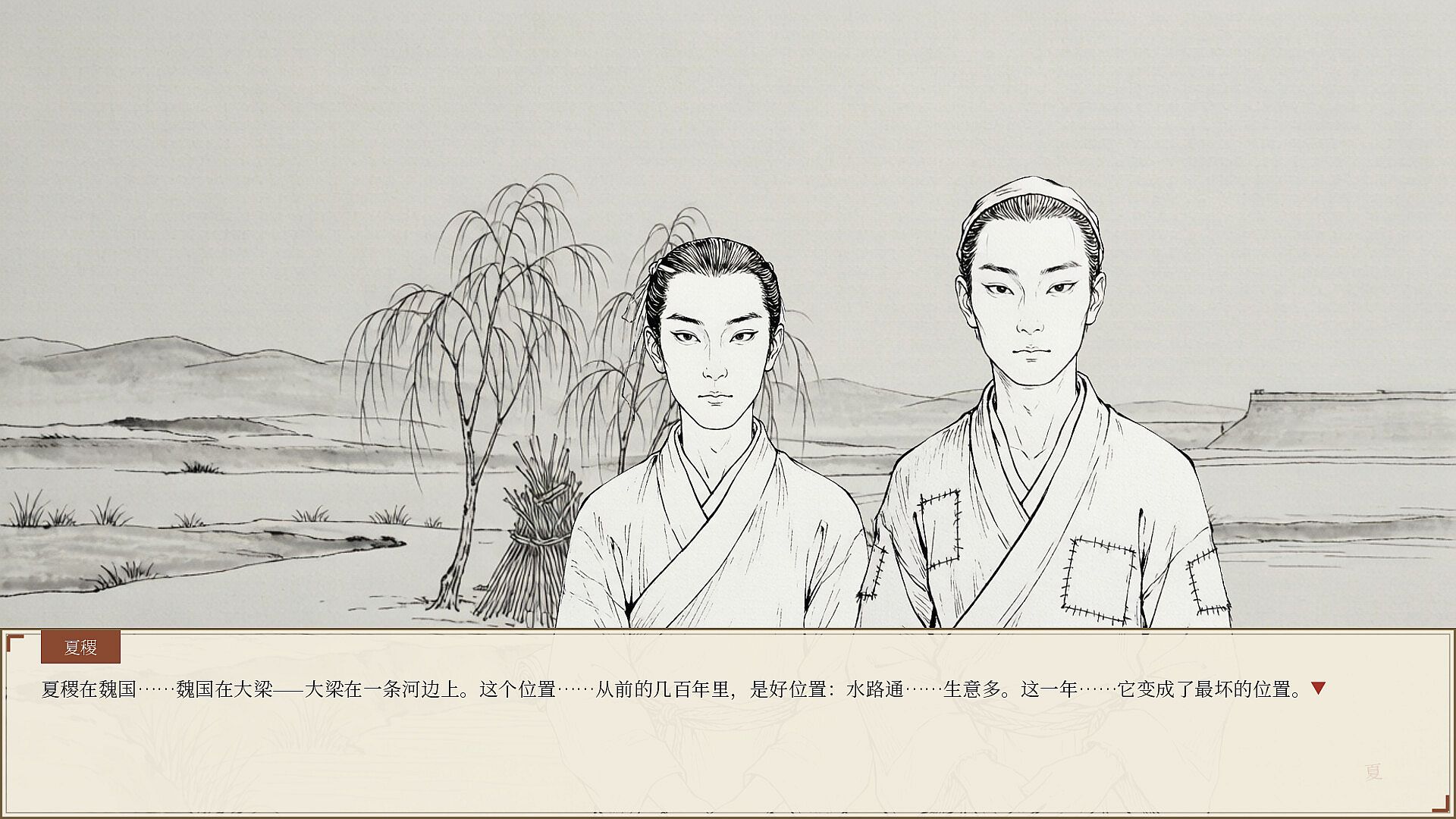
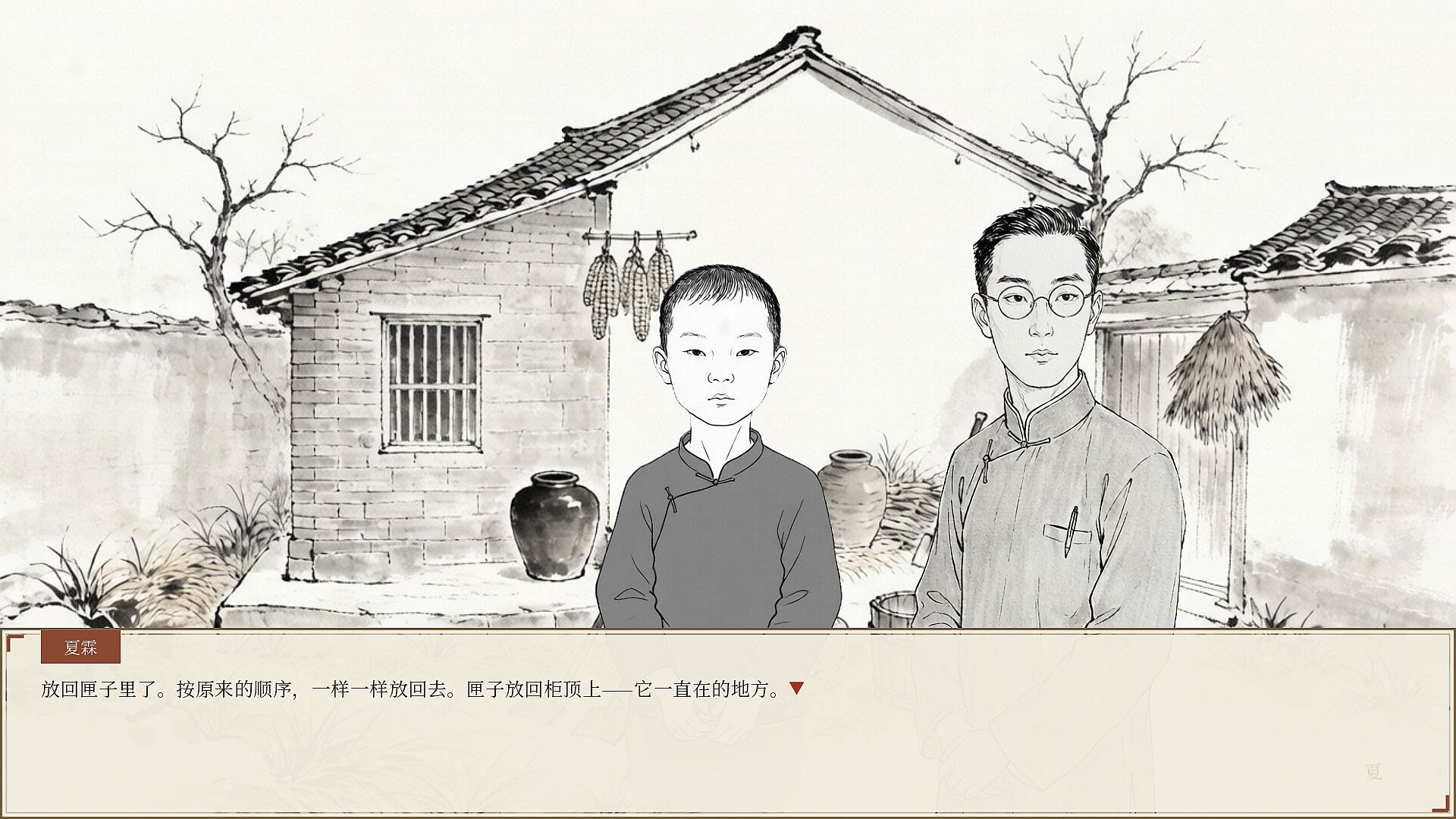
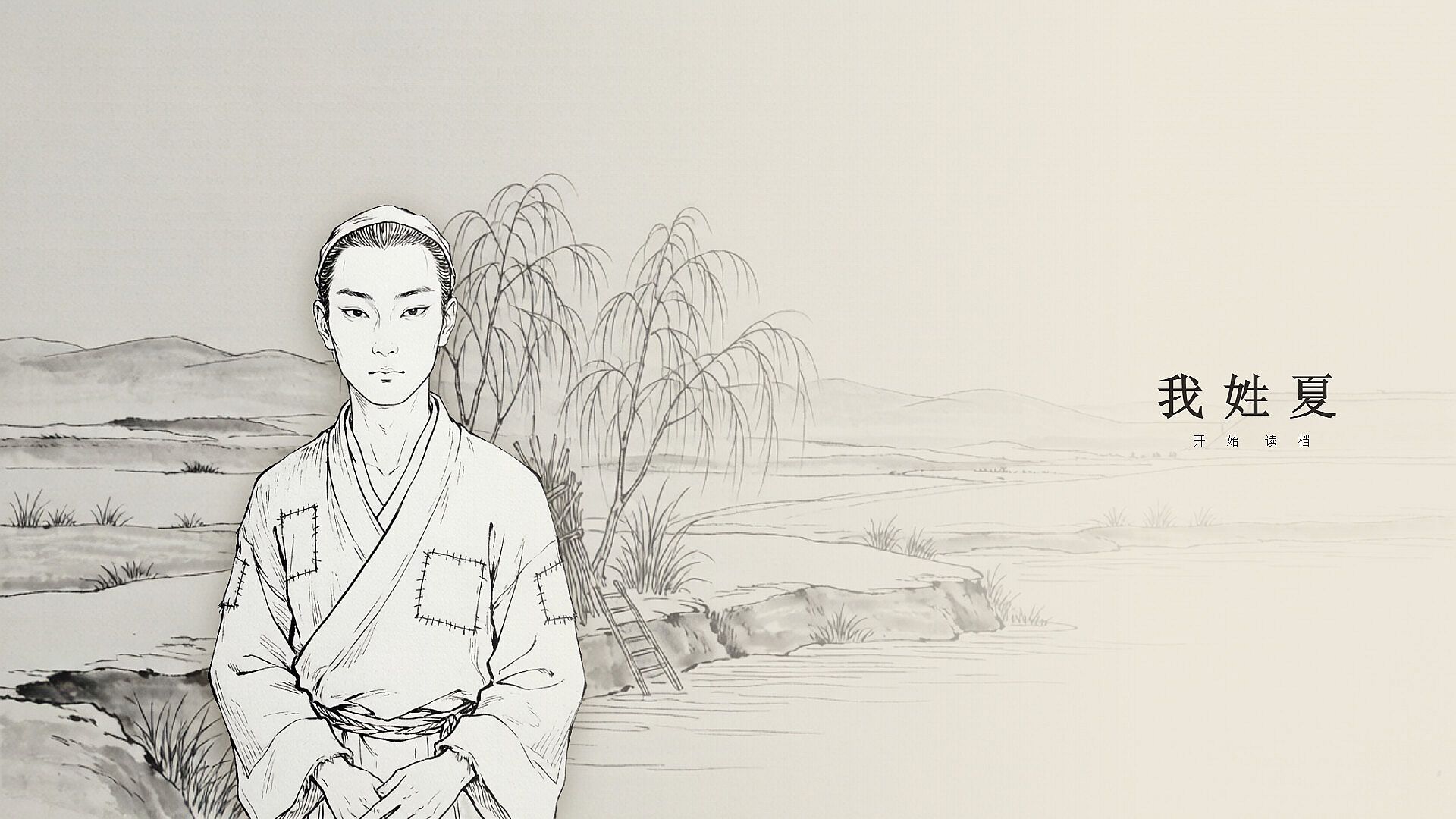
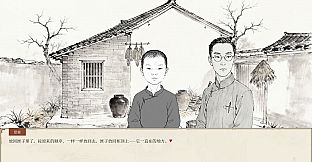
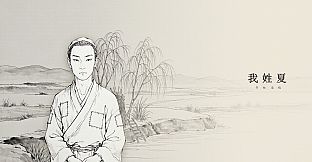
Visible artifacts of endurance appear in each dynasty, including hand-copied scriptures, inscribed wooden tablets, and lists of names. These objects illustrate continuity without explicit commentary. The full script exceeds 235,000 characters, supported by hand-drawn ink illustrations across forty dynasty-specific backdrops and twelve CG scenes. A first playthrough typically requires twelve to fifteen hours.
Game Modes
The experience operates exclusively as a single-player narrative journey. No multiplayer options, competitive modes, or cooperative features appear in the design. Progression follows a linear chapter structure with branching outcomes determined solely by player selections at key moments, all resolved within the same campaign save file.
Replay value stems from exploring alternative choices at the major crossroads and observing how different decisions ripple through subsequent generations. The structure encourages multiple runs to witness varied family trajectories while maintaining the same overarching historical framework.
Story and Historical Context
The narrative avoids battlefield depictions or graphic content, keeping wars off-screen and focusing instead on the people affected before, during, and after such events. Historical figures appear in supporting roles, with their dialogue and actions grounded in documented sources and logical consistency rather than dramatic invention. The story emphasizes ordinary lives across dynasties, highlighting how one family adapts without relying on slogans or overarching moral conclusions.
Each chapter concludes by returning focus to the next generation, underscoring themes of endurance and transmission. The final frame of any playthrough centers on a child, reinforcing the generational handoff as the central thread.
Is It Worth Playing?
This title suits players who appreciate deliberate, choice-driven narratives in the visual novel and simulation genres. Those drawn to historical depth without combat systems or affection meters will find the weight placed on everyday decisions aligns with their preferences. The absence of grinding and the emphasis on meaningful, recorded consequences distinguish it from lighter interactive stories.
Because the game remains unreleased with no player reviews or update history available, any assessment rests on the described structure and scope. Individuals who value extended single-player campaigns centered on legacy and quiet resilience may find it a strong match once it becomes available. Those seeking action, multiplayer elements, or faster-paced progression should look elsewhere.












