


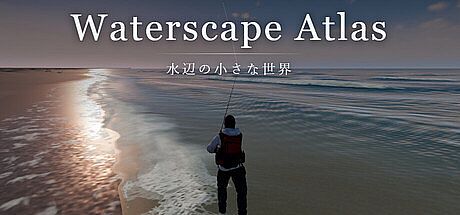


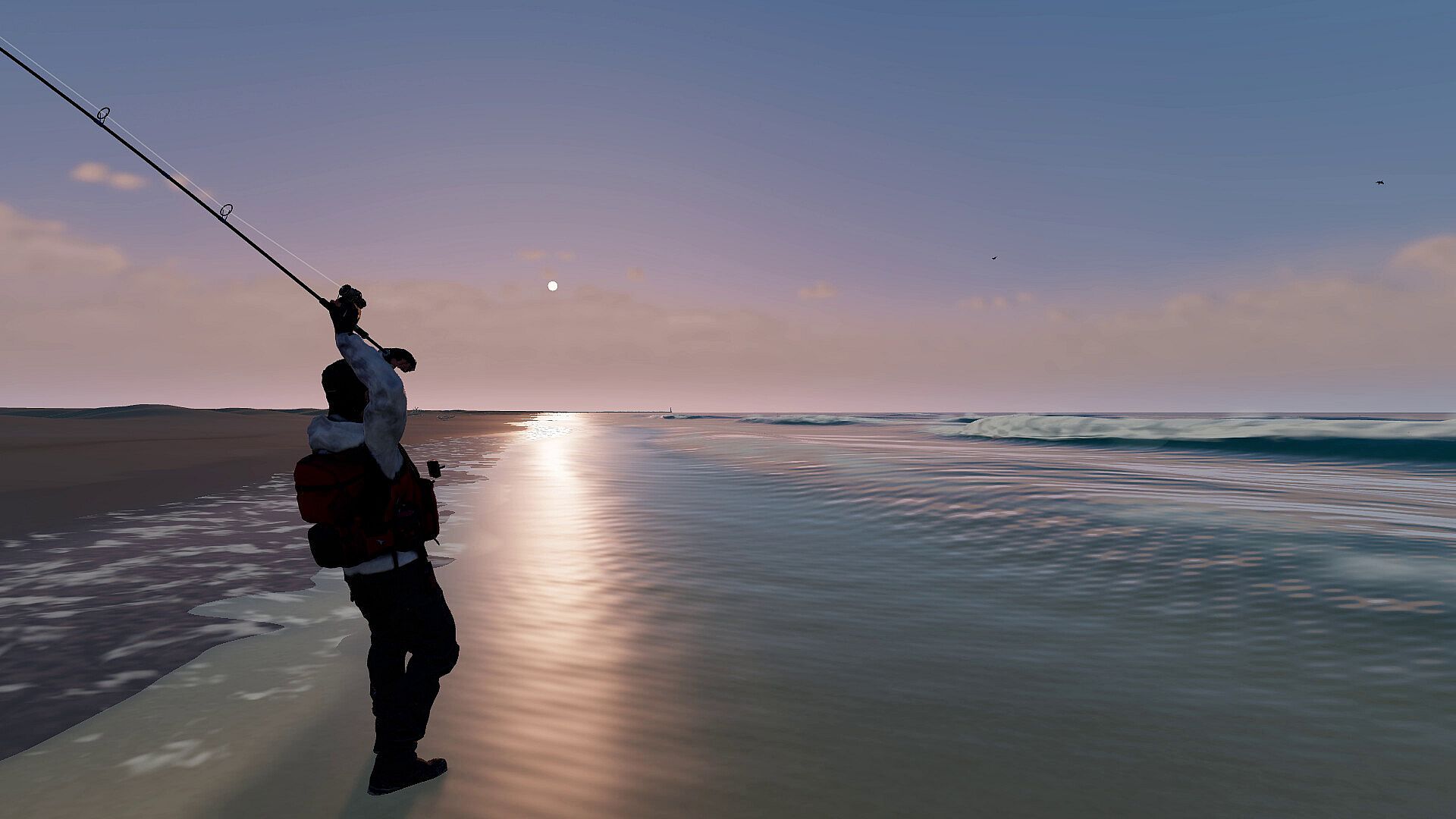
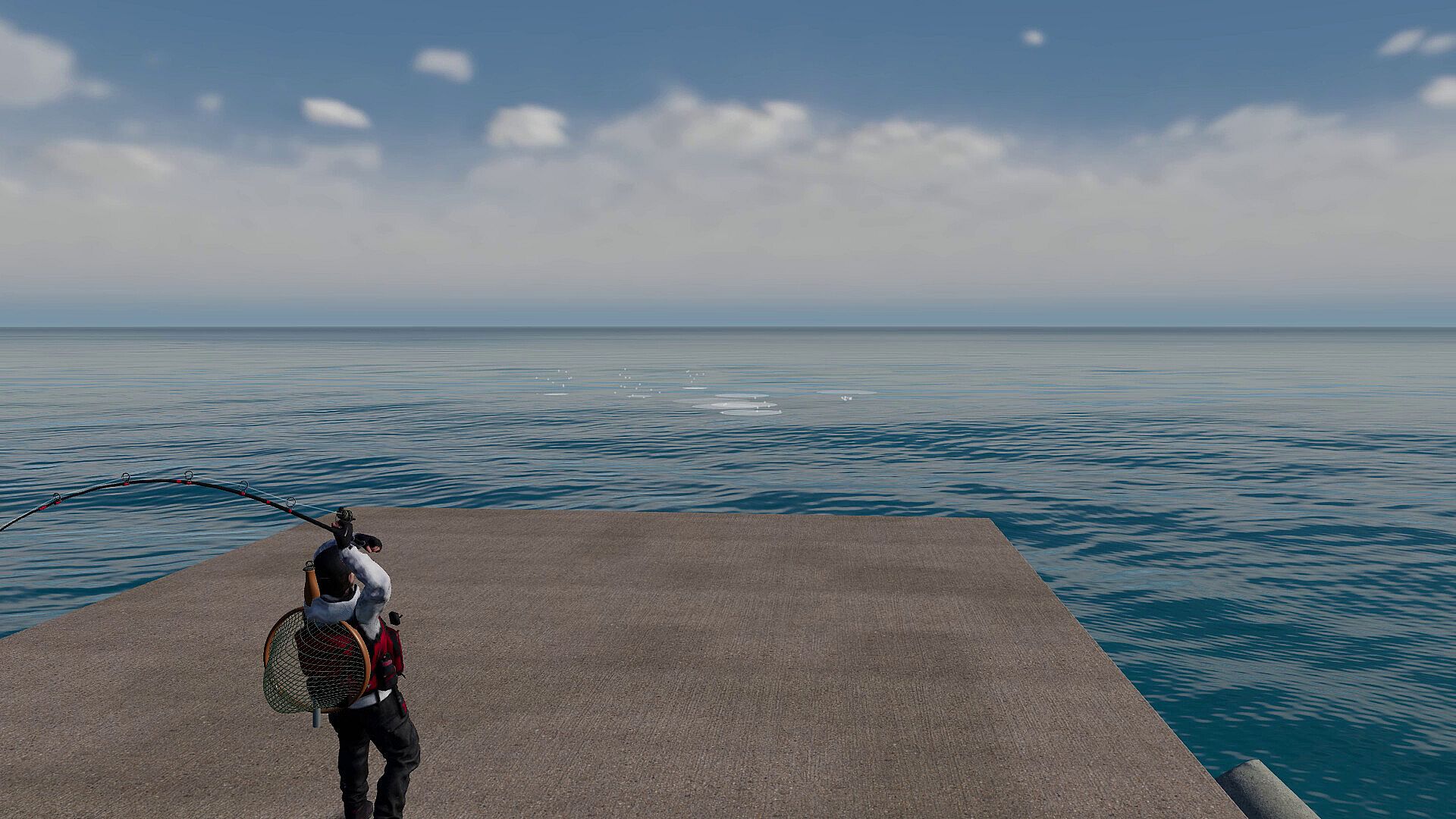
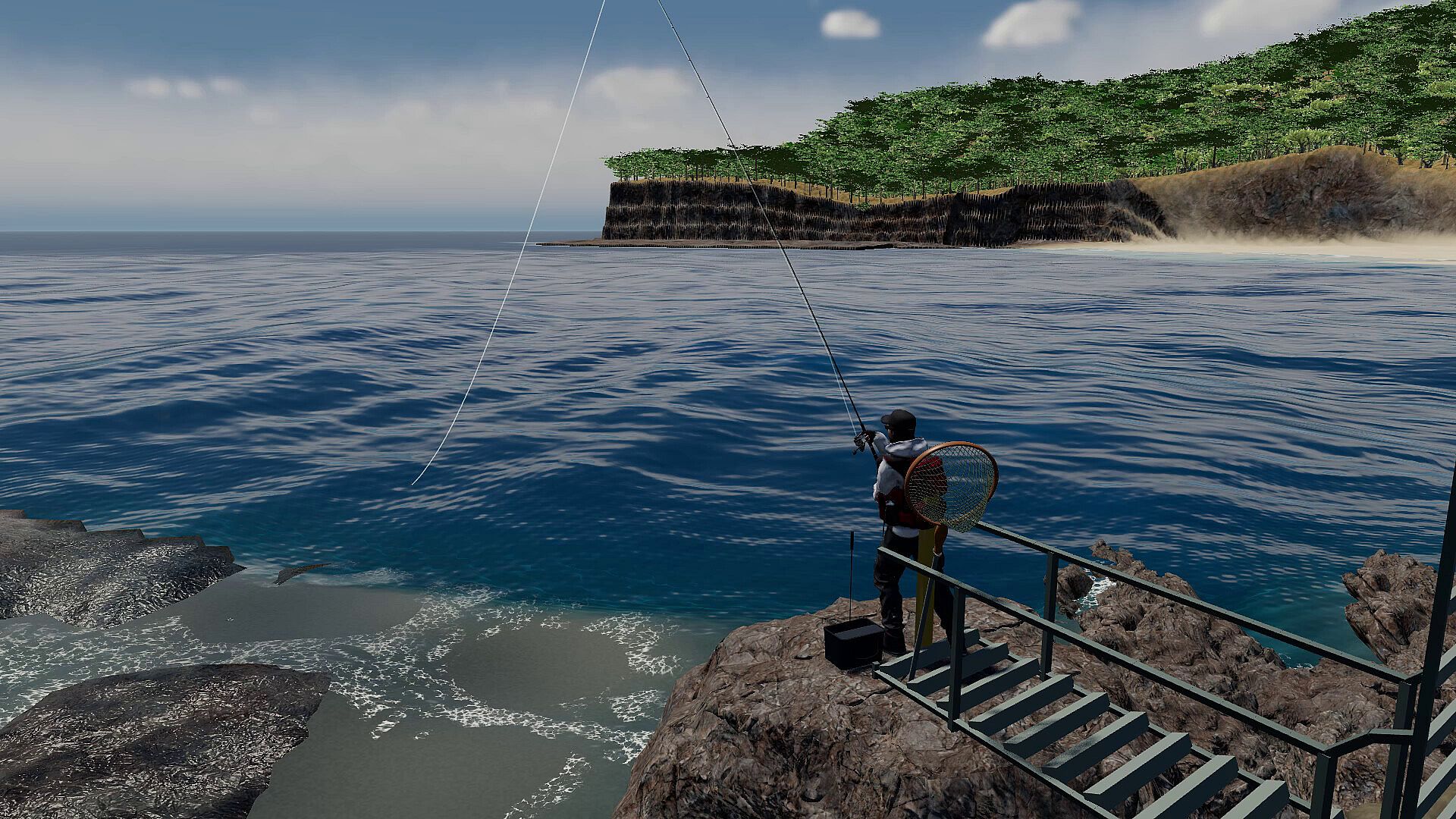
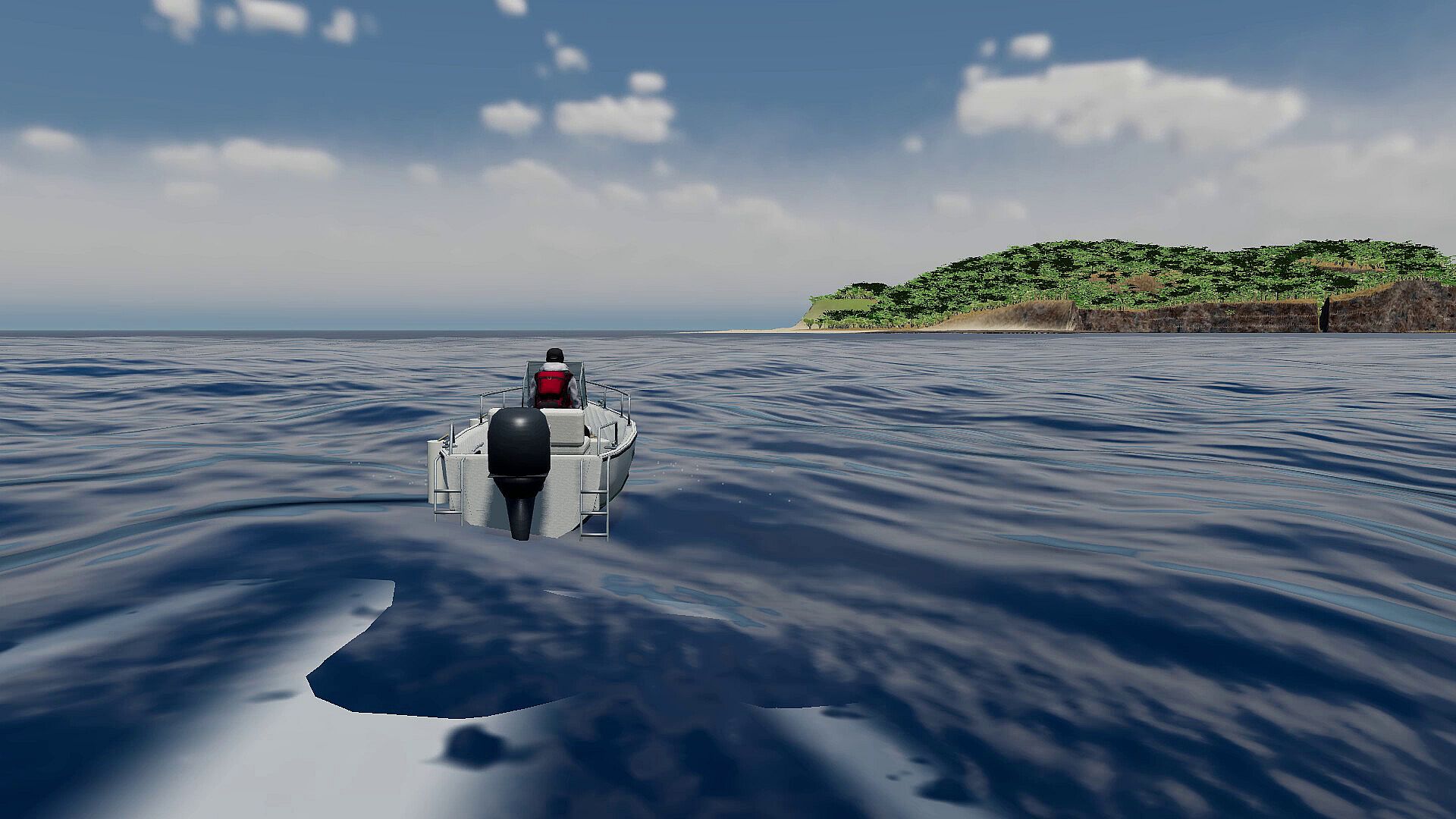
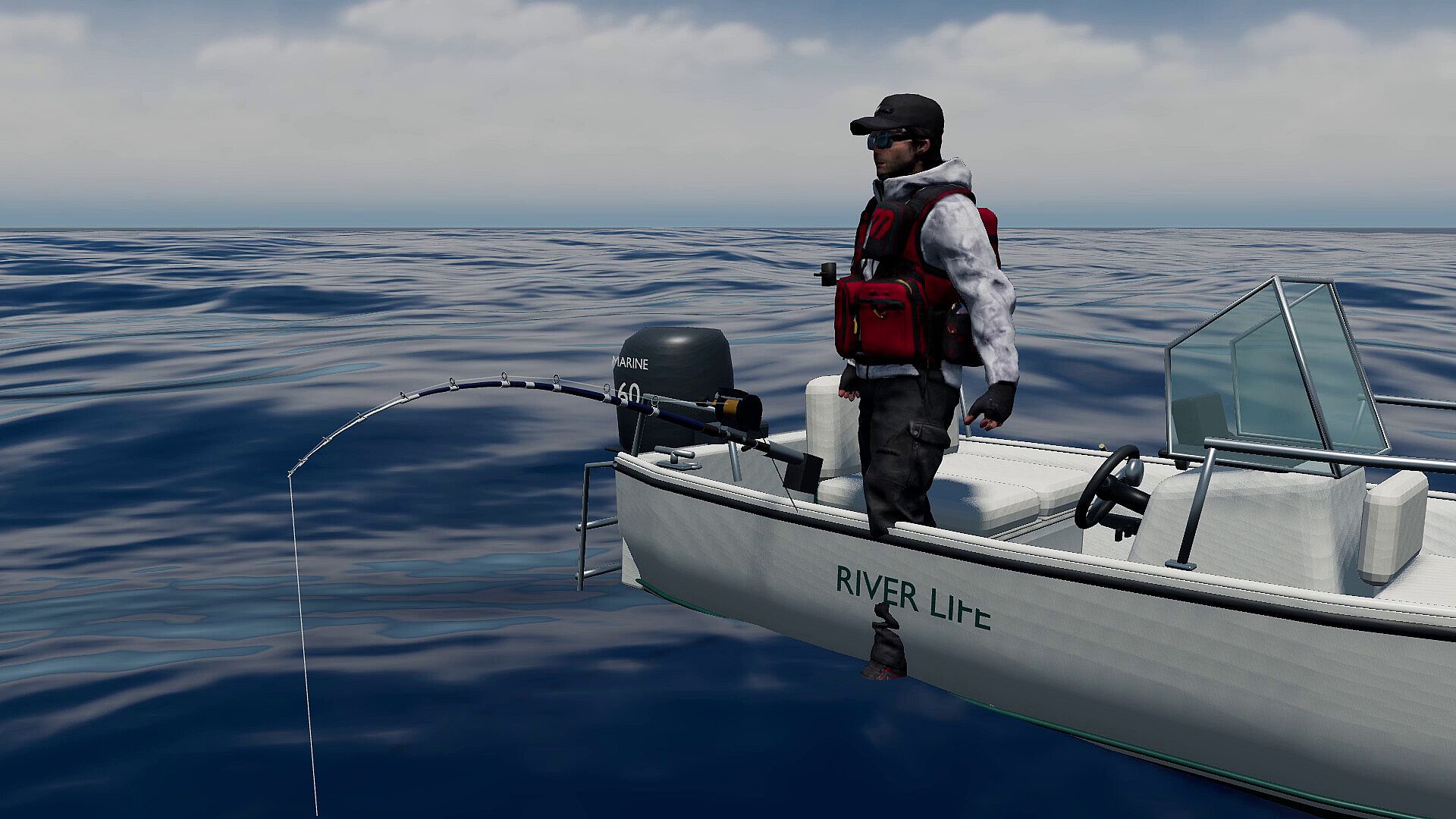
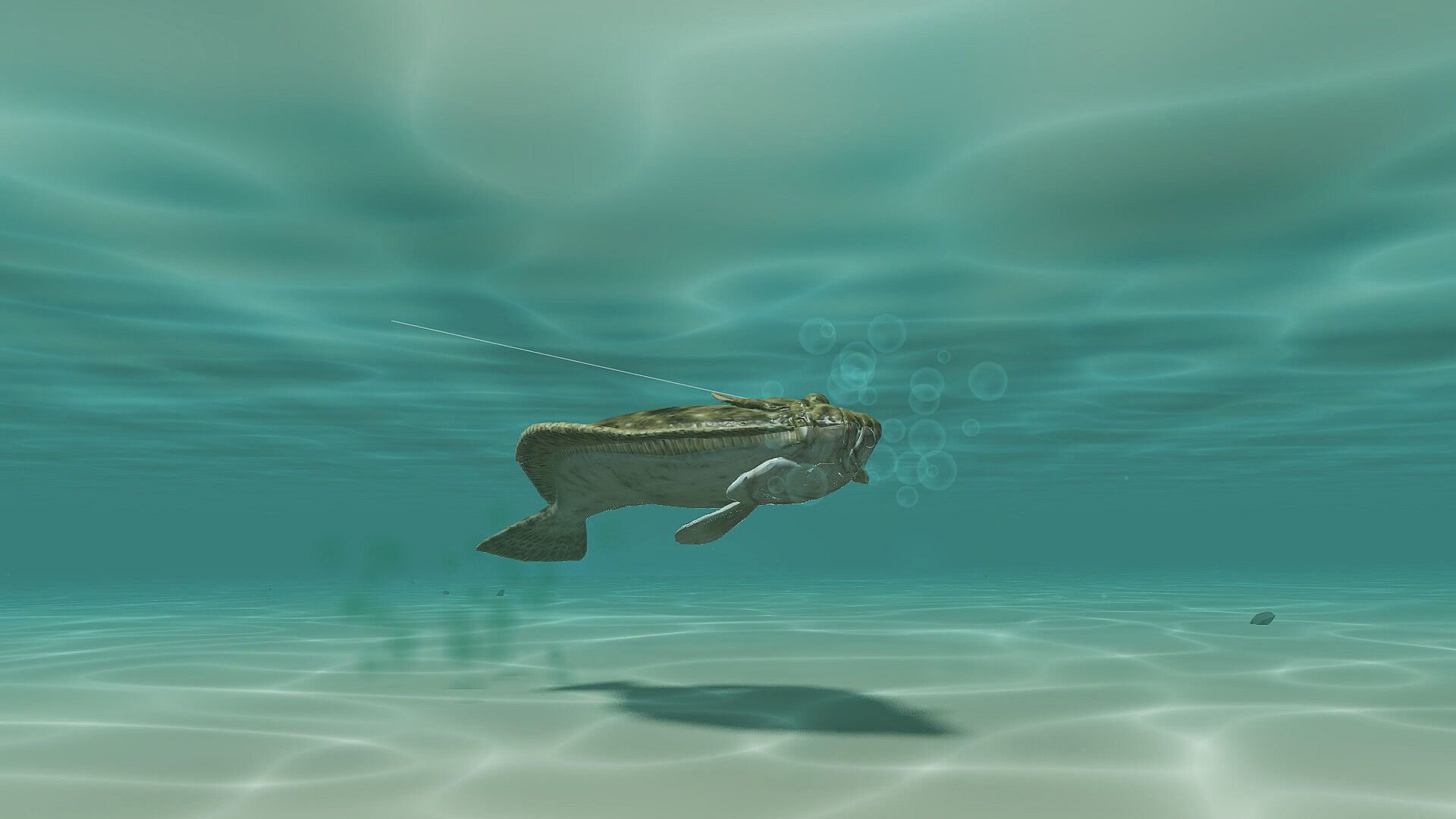
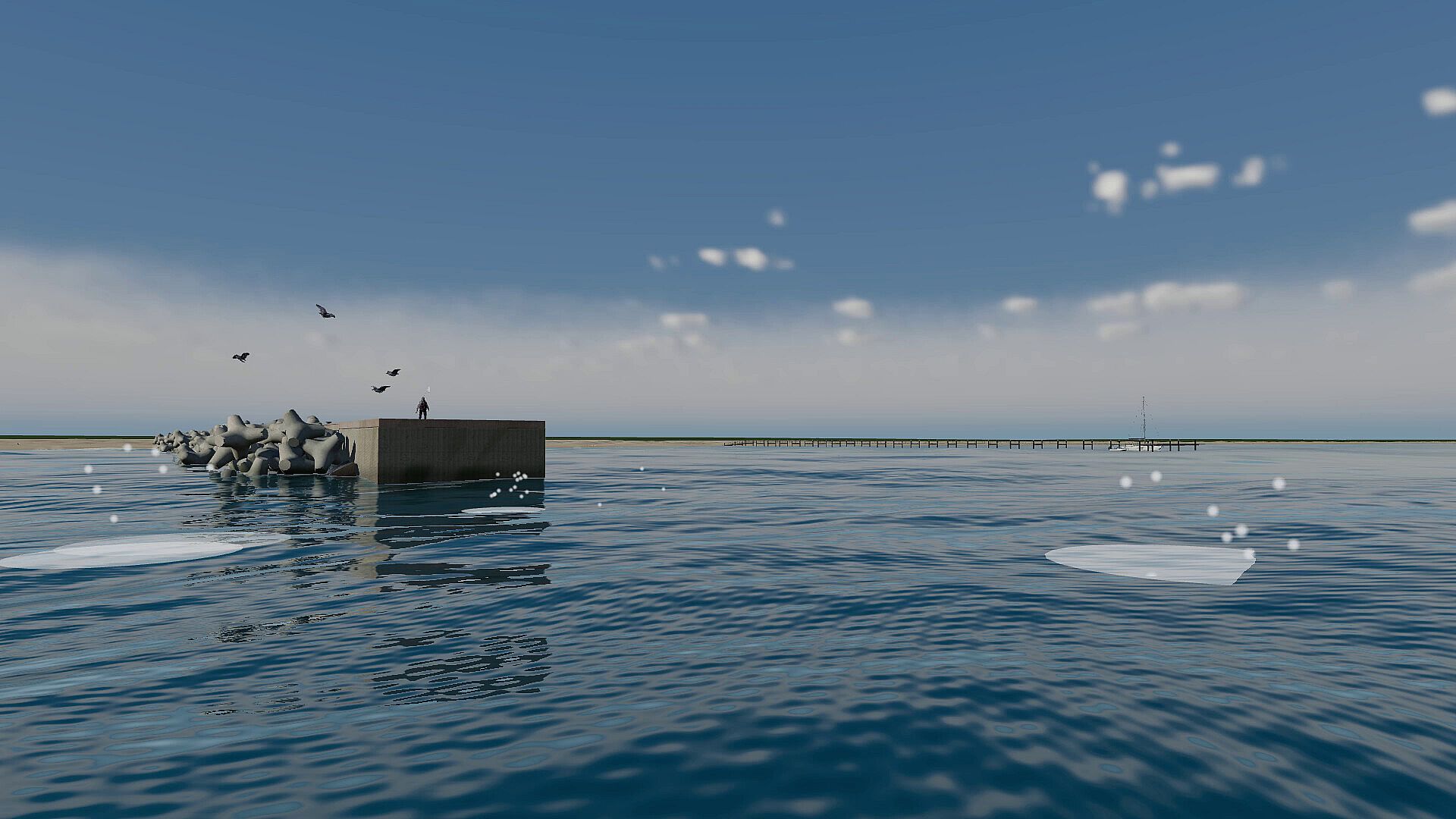
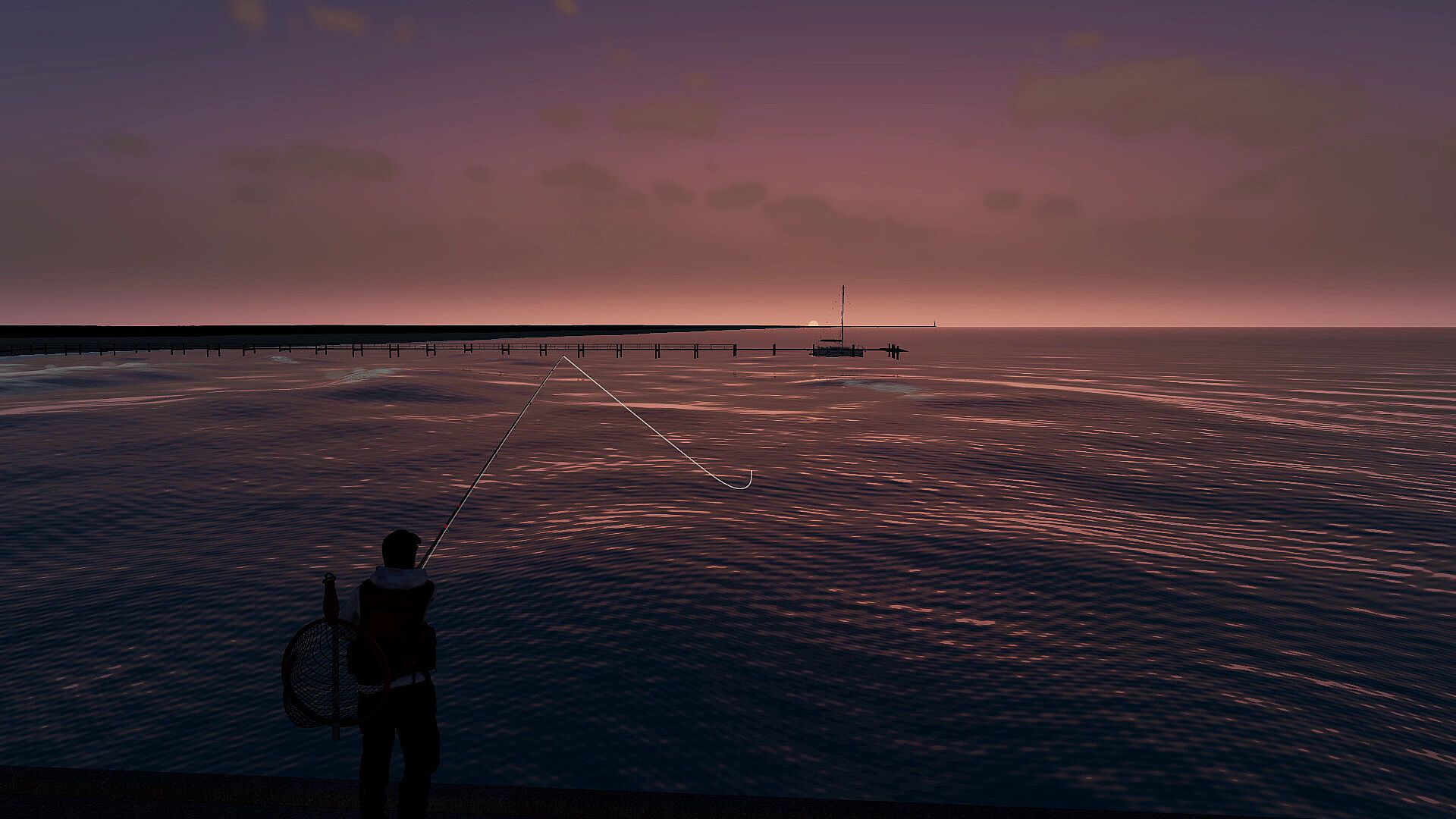
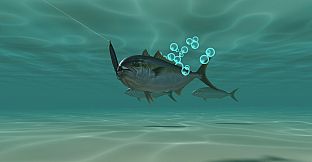
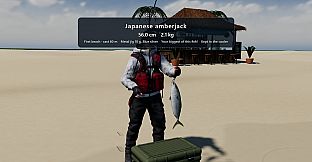
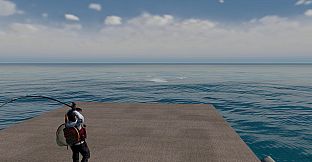
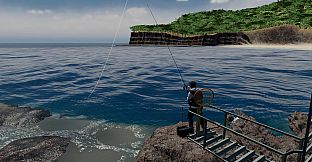
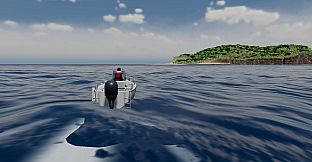
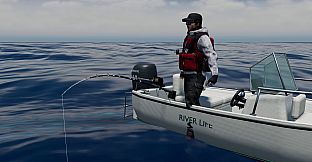
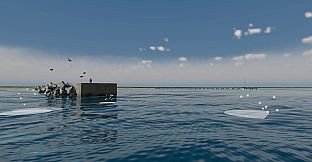
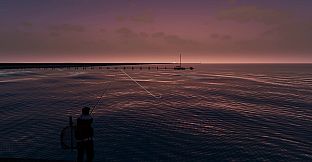
Waterscape Atlas is an indie casual simulation game built around realistic coastal fishing on PC. Players explore a real-scale stretch of coastline that includes ten kilometres of beach, shallow waters, and an island six kilometres offshore. Movement happens on foot, through wading, or by boat, with the option to switch between first-person and third-person views at any time. The focus stays on choosing locations, selecting tackle, and observing what fish respond to changes in depth, time of day, season, weather, and bait.
Gameplay
The core loop centres on patient observation and methodical preparation. More than forty distinct fishing methods appear across different environments. Beach fishing includes surf lures, light casting for whiting, long-distance surf casting with rod holders, ledgering, and live bait setups. Breakwaters and piers support sabiki rigs for horse mackerel and sardines, float and basket rigs, eging for squid and octopus, night fishing for hairtail, and light game techniques. Island rocks allow drifting-float fishing with chum, hole fishing, and rockfish approaches on the ledges. Two boats, a sailing yacht and a leisure boat, open offshore options such as deep drops with electric reels, offshore jigging, tai rubber, tenya, trolling, and casting for tuna. Inland, a forest pond and stream support lure fishing for bass and trout.
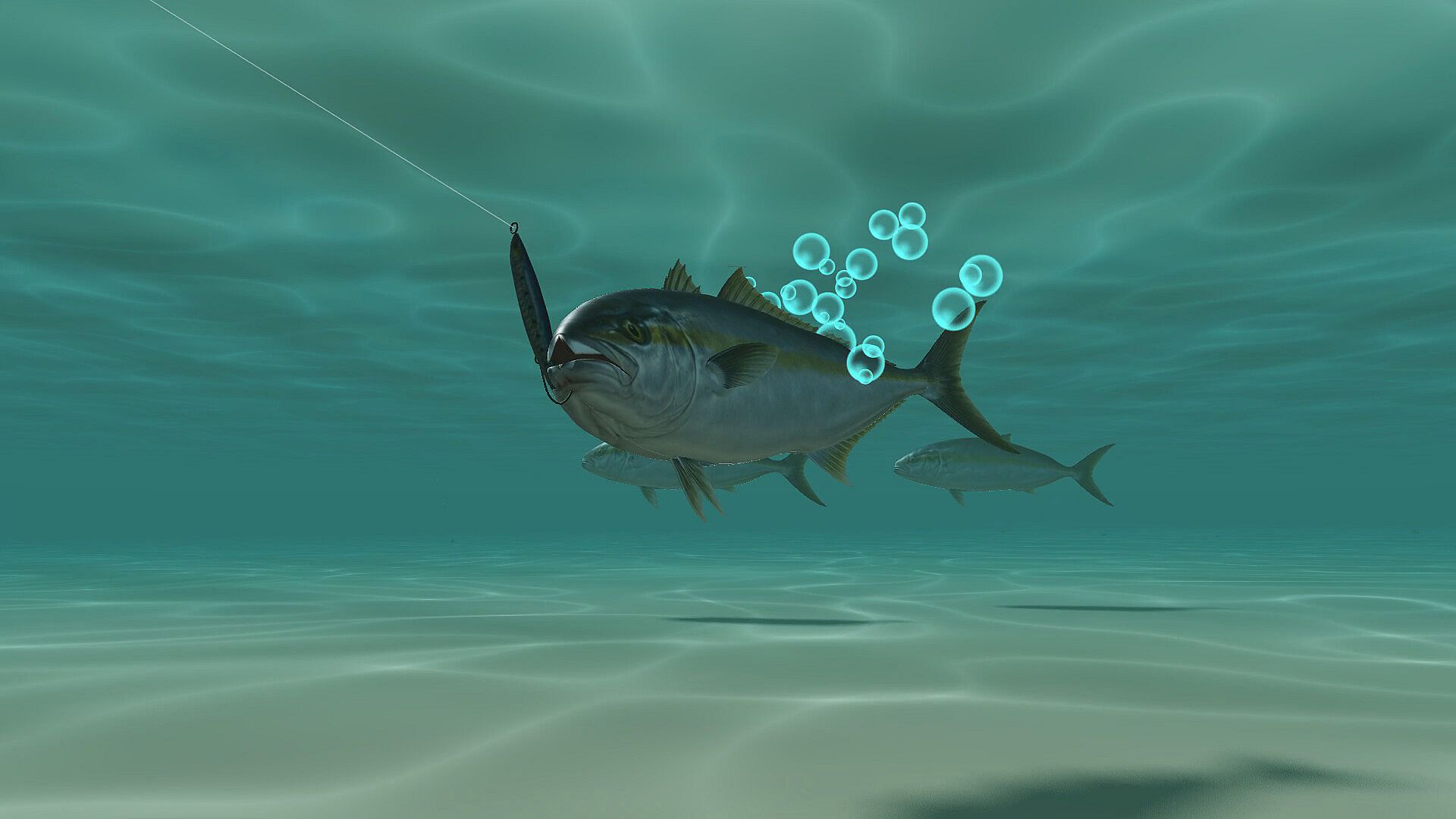
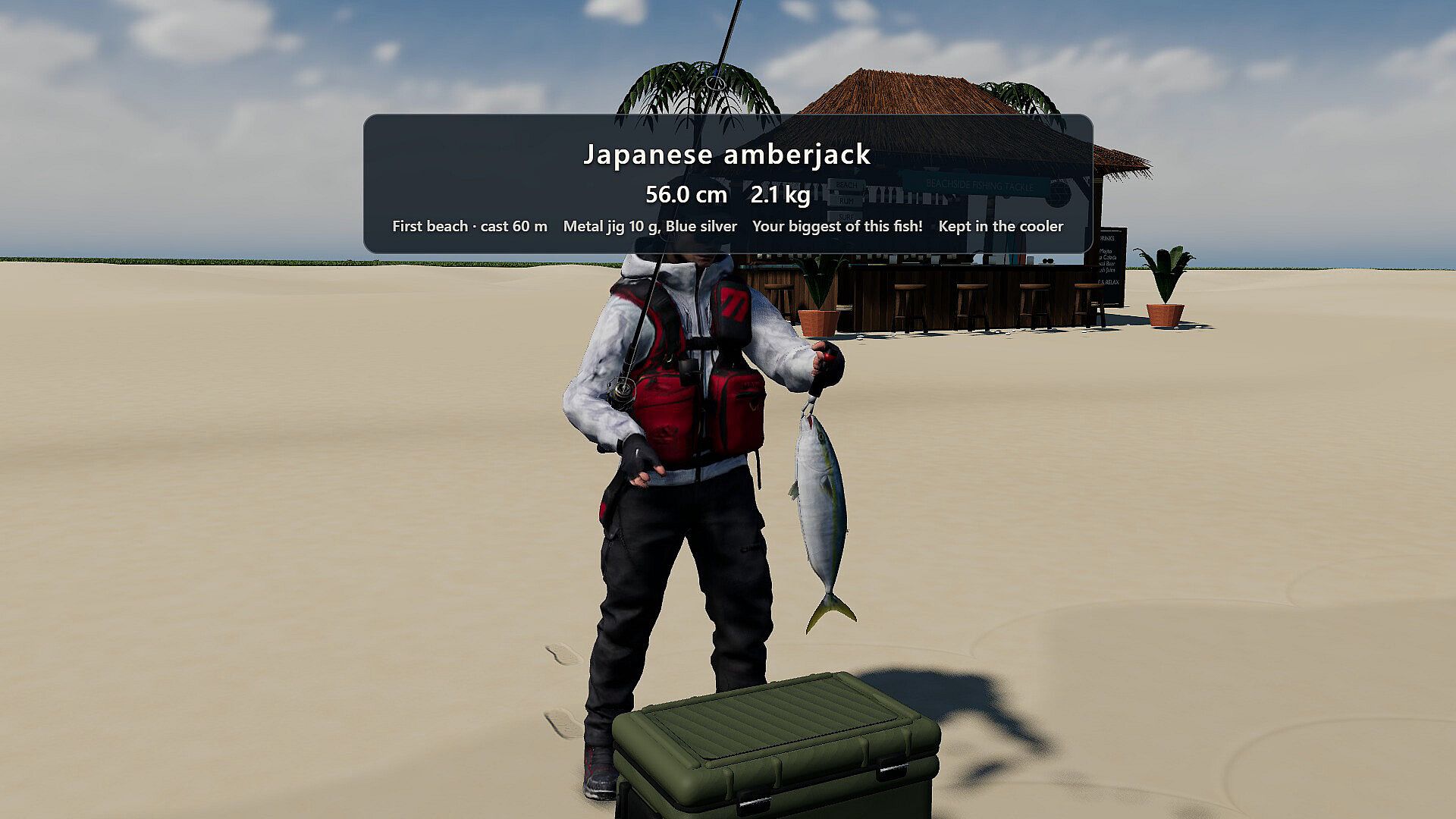
Over forty species appear depending on location, depth, season, weather, and presentation. Examples include Japanese whiting, flounder, sea bass, horse mackerel, amberjack, red sea bream, bluefin tuna, marlin, rosy seabass, squid, octopus, and largemouth bass. Visual cues such as feeding frenzies marked by gathering seagulls, or distant dolphin and shark activity, help players locate active fish. Catches are sold to a fishmonger, at morning auctions, or to fulfil restaurant orders. Proceeds fund new rods, reels, line, rigs, lures, bait, and coolers from tackle shops. Boat access comes through rented trips or purchased passes. A detailed catch journal records every fish with date, place, method, tackle, season, weather, and tide data. Players can commission fish prints or mounts for notable specimens. Travel occurs either by direct map selection or by walking and sailing the environment in real time. Seasons alter day length, wind, weather patterns, and fish activity, while players adjust day speed, bite frequency, and fight intensity to suit their preferences. Three graphics presets support different hardware levels, and eight languages are available. Controls work with mouse and keyboard or a controller.
Game Modes
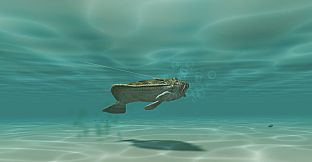
The main experience unfolds across the full-scale coastal world described above. A separate diorama mode offers five contained living waterscapes set inside glass tanks in quiet rooms. Water flows continuously, fish follow individual routes, and visiting animals appear and depart according to the time of day, season, and weather. Each diorama can be viewed from above or underwater, and players may step inside to cast a lure. The five dioramas are Stream · Four Seasons, a mountain stream with waterfall and pools containing char, yamame, ayu, and rainbow trout alongside visiting tanuki, fox, bear, and hawk; Surf Terrarium, a sandy shore with rolling waves, flatfish in the sand, and sanderlings; Stream Camp, an angler's camp by a mountain stream where foxes and tanuki approach grilled catches; Forest Lake, a quiet pine-forest lake with bass, brown trout, kokanee, and smelt visited by deer, osprey, swans, and mallards that can freeze in winter; and Palm Lagoon, overwater cottages on a coral reef with reef fish, a sea turtle, and a pair of dolphins.
Exploration and Progression
Progression comes through expanding tackle options and refining knowledge of how conditions affect catches. The catch journal serves as a personal reference that grows with every outing. Boat ownership or rental expands access to deeper grounds, while sales at different outlets provide varied income streams. Seasonal shifts and weather changes encourage repeated visits to the same spots under new circumstances. The dioramas function as self-contained observation spaces that evolve independently, offering a slower, contemplative contrast to active fishing sessions.
Is It Worth Playing?
Waterscape Atlas suits players who enjoy methodical, single-player simulation experiences centred on realistic fishing mechanics and environmental detail. The combination of a large-scale coastal map with precise technique choices and a set of evolving dioramas provides both active angling sessions and relaxed observation. Those seeking fast-paced action or multiplayer competition will find the deliberate pace and solo focus less appealing. The game rewards attention to conditions and equipment selection rather than reflexes or competition. With its upcoming release planned for March 2027 and a free browser demo already available for one diorama, interested players can assess the core atmosphere directly before committing.











