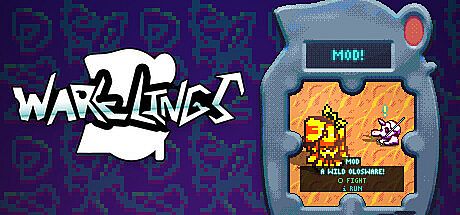


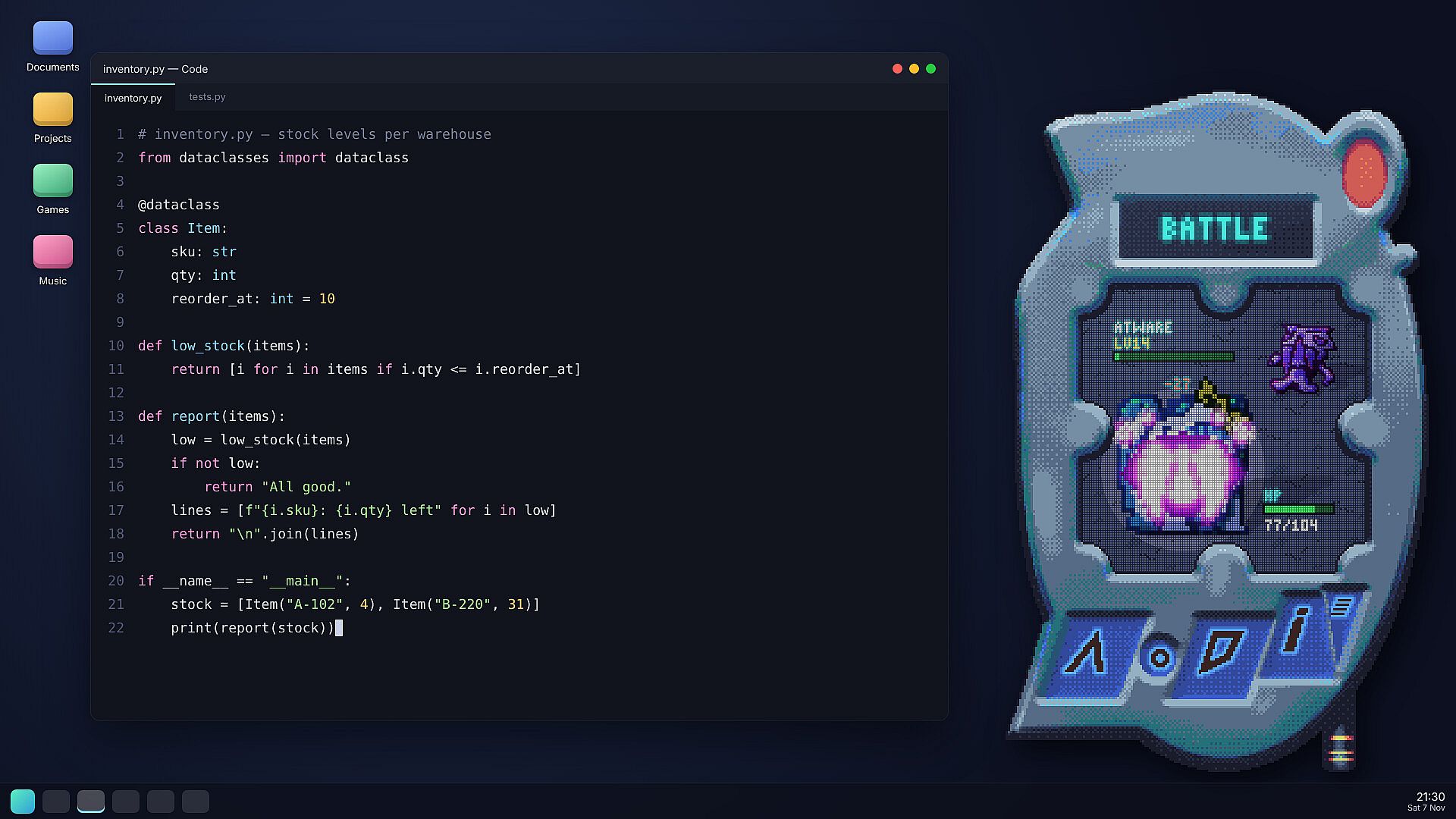
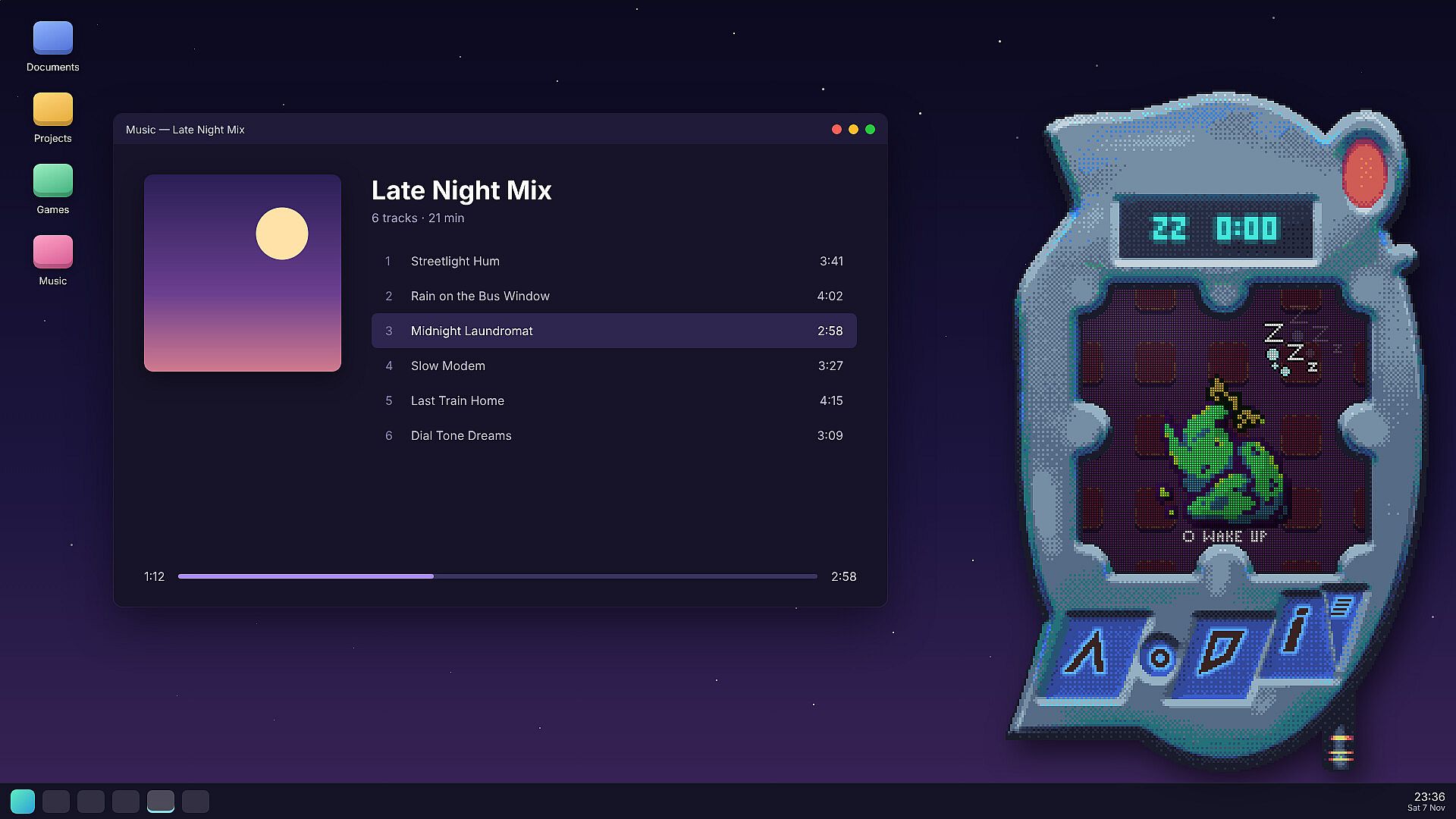
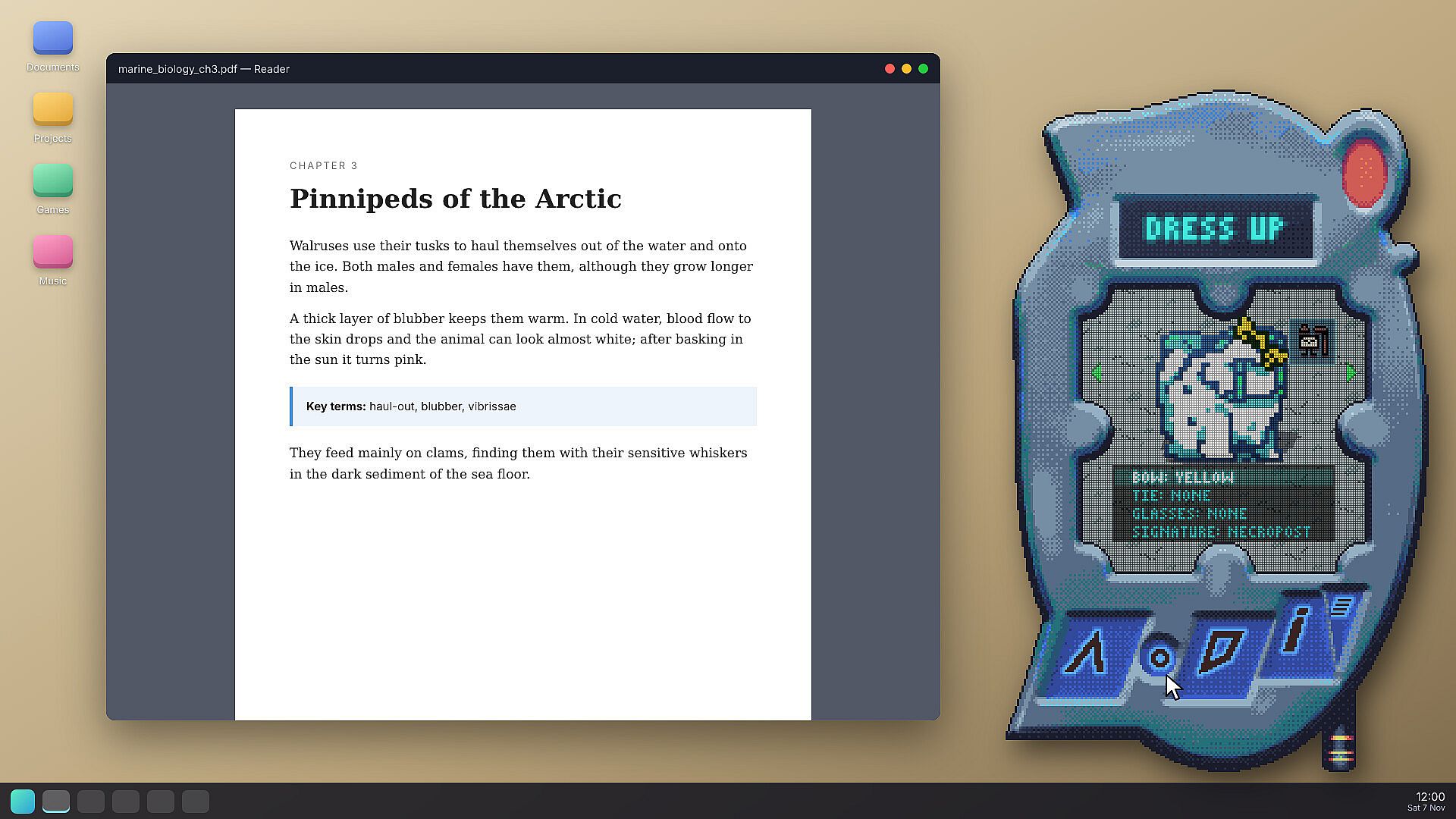
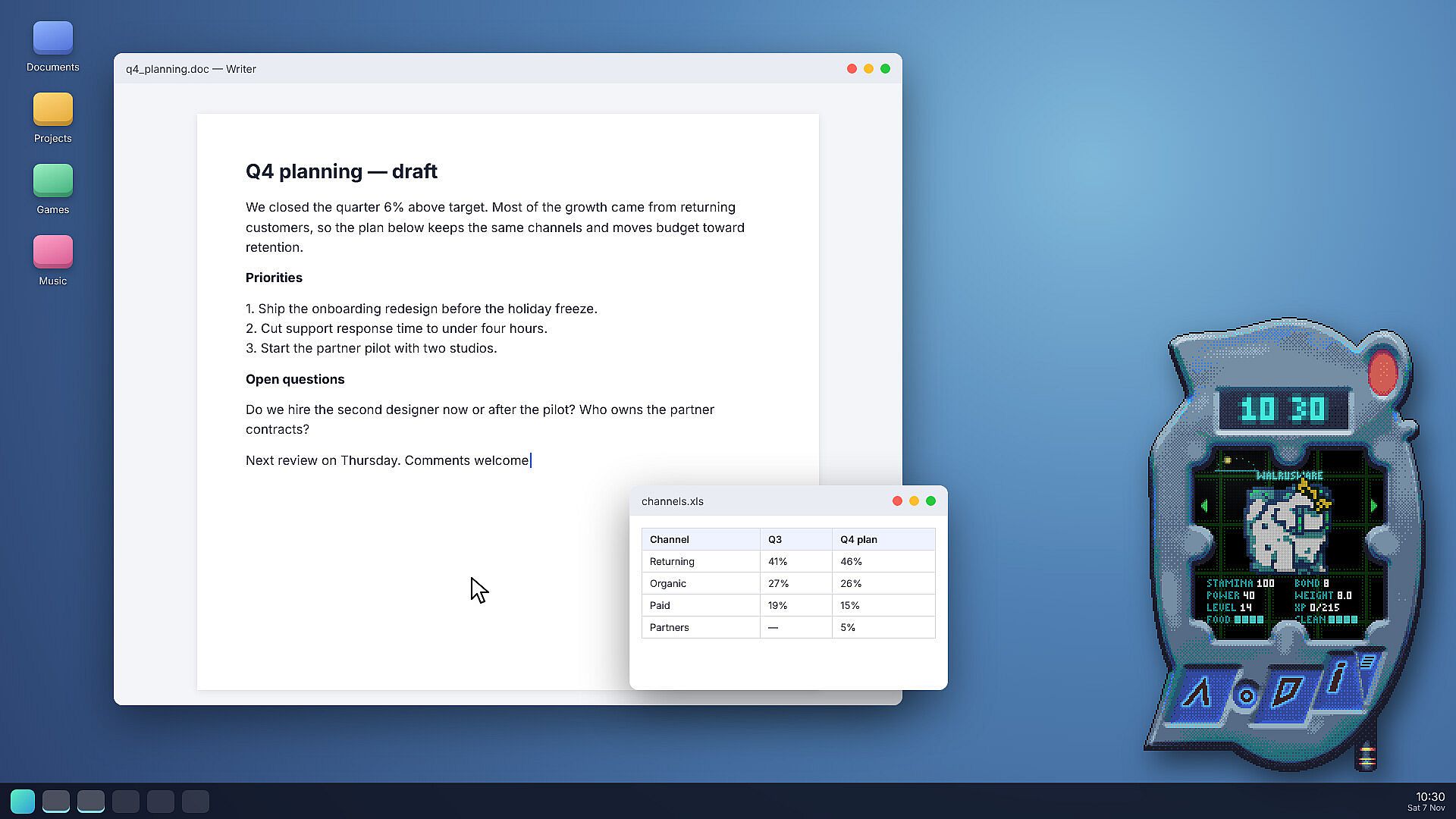
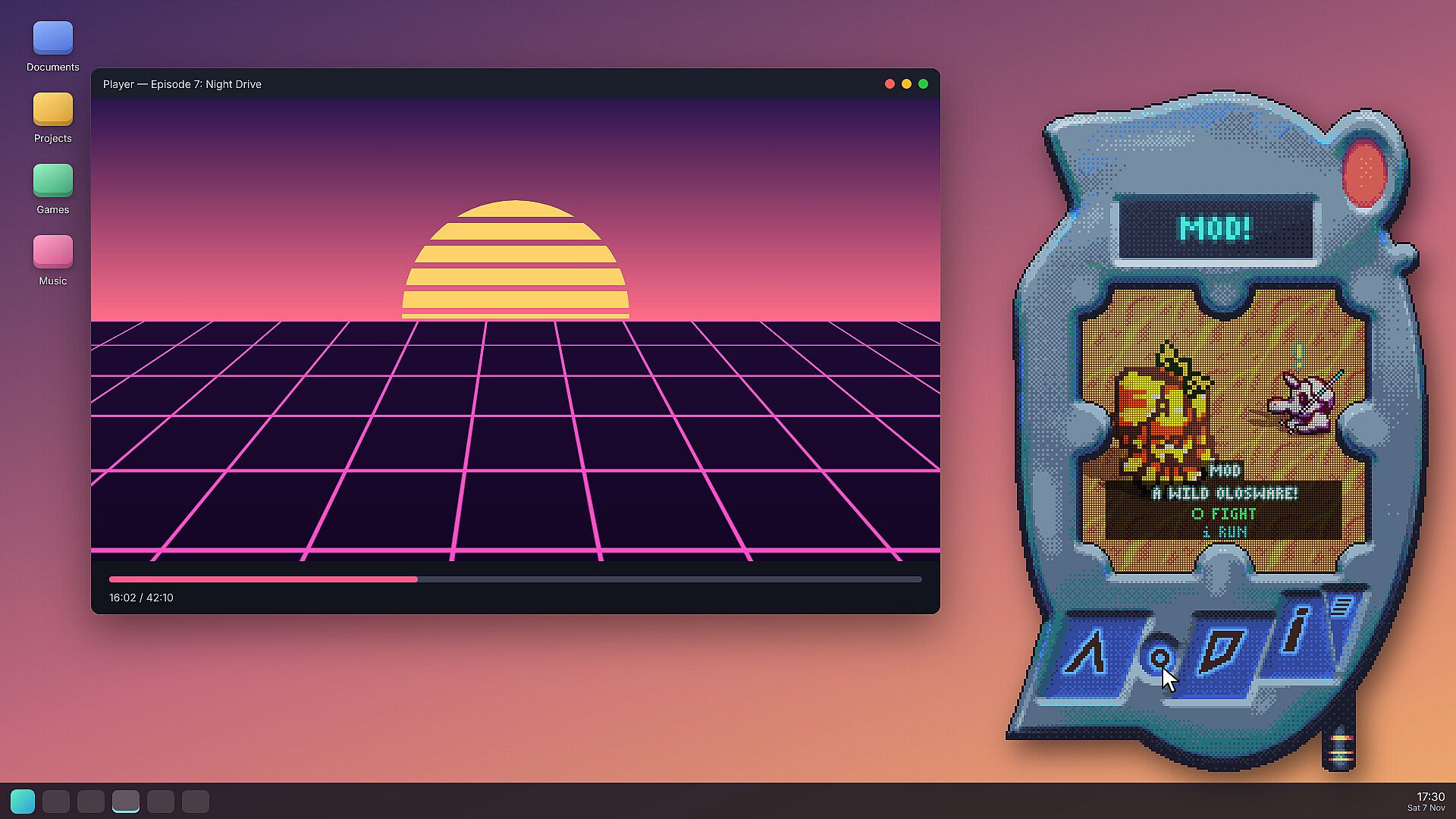
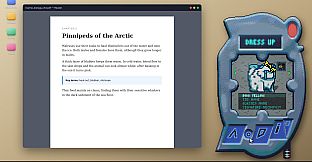
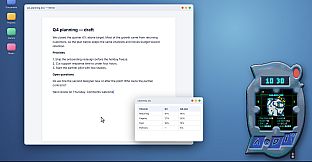
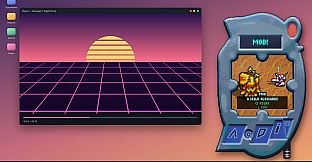
Warelings is an indie casual simulation game that places a virtual desktop pet directly on your PC screen. The title lets players install a small pixel-art gadget that floats above open windows, providing a constant companion during work, study, or streaming sessions. Inside the gadget lives a Ware, a creature assembled from the remnants of a long-vanished internet forum. The experience centers on raising this creature through short or extended periods of attention while the rest of the computer remains fully usable.
Gameplay
The core loop revolves around real-time needs that mirror basic pet care. Hunger, cleanliness, sleep, and bond levels change over time, and players respond with simple interactions that take only seconds between other tasks. The pet can also be left to manage itself for hours, making the game suitable for background use throughout the workday. Walks take the Ware through its own generated terrain where it encounters wild versions of similar creatures. Battles use a one-button turn-based system that rewards precise timing for strikes or blocks. Both walking and battling support automatic modes, so the gadget can continue progressing while minimized or left open in the corner.
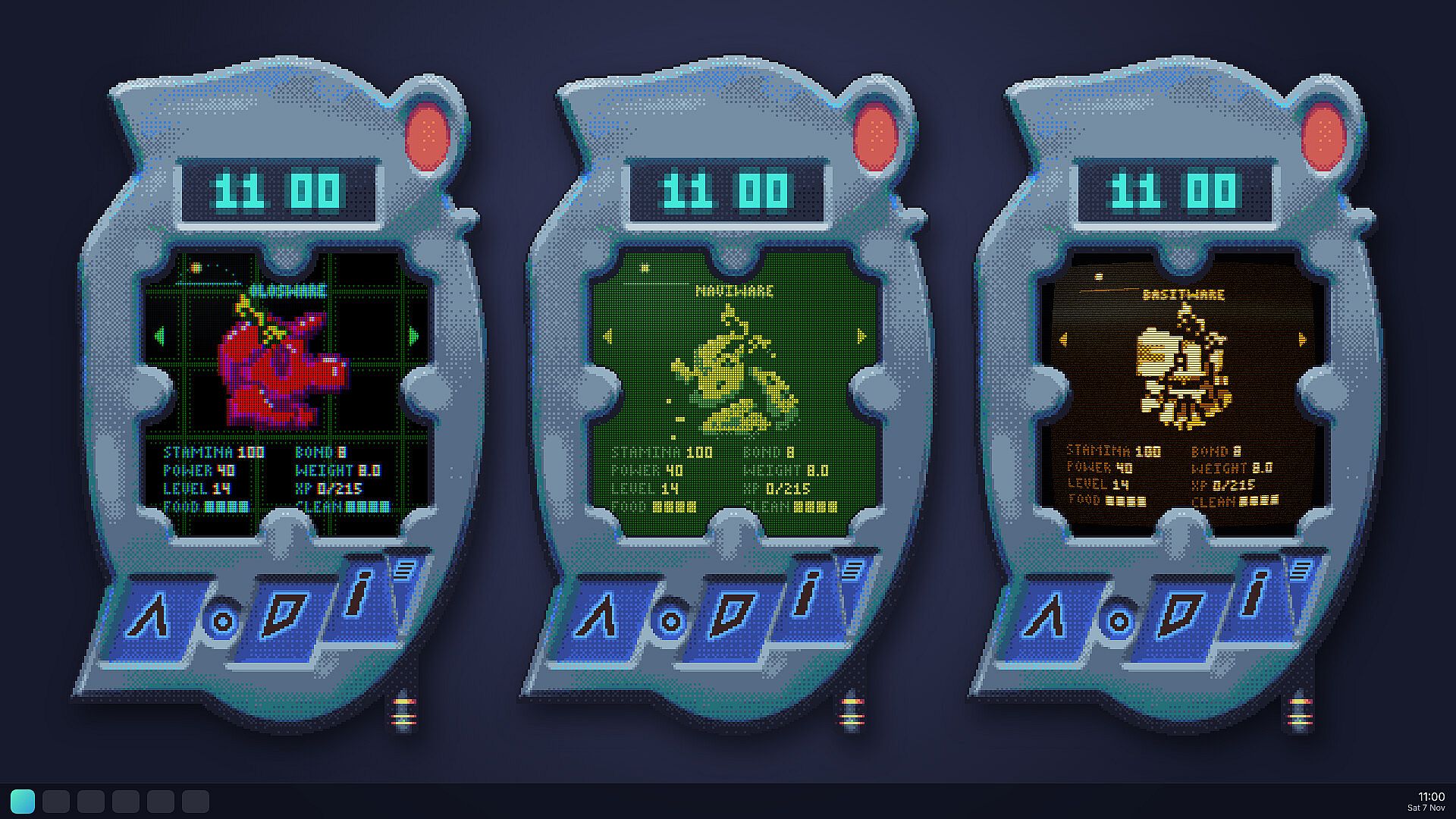
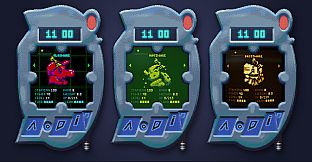
Visual presentation stays deliberately retro. Hand-drawn pixel art fills the small screen, accompanied by volumetric lighting and a day-night cycle that matches the host computer's clock. Eight screen filters and eight color palettes let players customize the look to evoke old LCDs, CRT monitors, or classic television sets. The entire application remains lightweight, running as a transparent window that passes mouse clicks through to the desktop underneath. Support for seven languages broadens accessibility without altering the core mechanics.
Game Modes
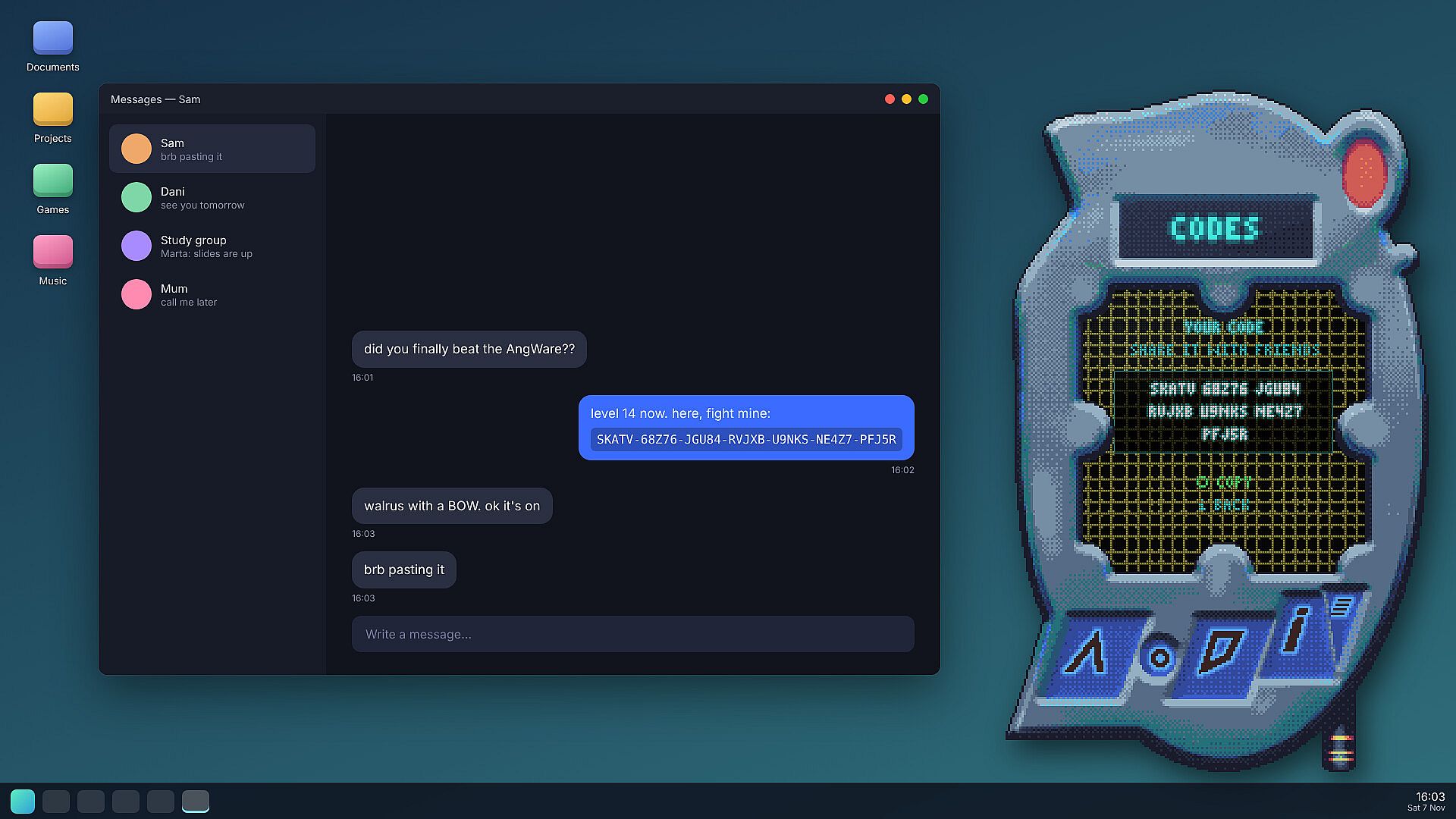
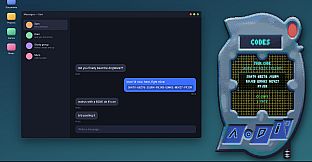
Activity breaks down into distinct but overlapping systems rather than separate selectable modes. Real-time care handles daily needs and relationship building. Exploration occurs through the walk system, which generates terrain and populates it with encounters. Combat appears both during walks and in direct challenges. Collection serves as an overarching goal, tracking progress across species and special variants. Friend interaction uses a compact 35-character code that encodes any Ware, allowing offline battles without servers or accounts. The code system turns collection into a social element where players can exchange creatures and compete for signatures.
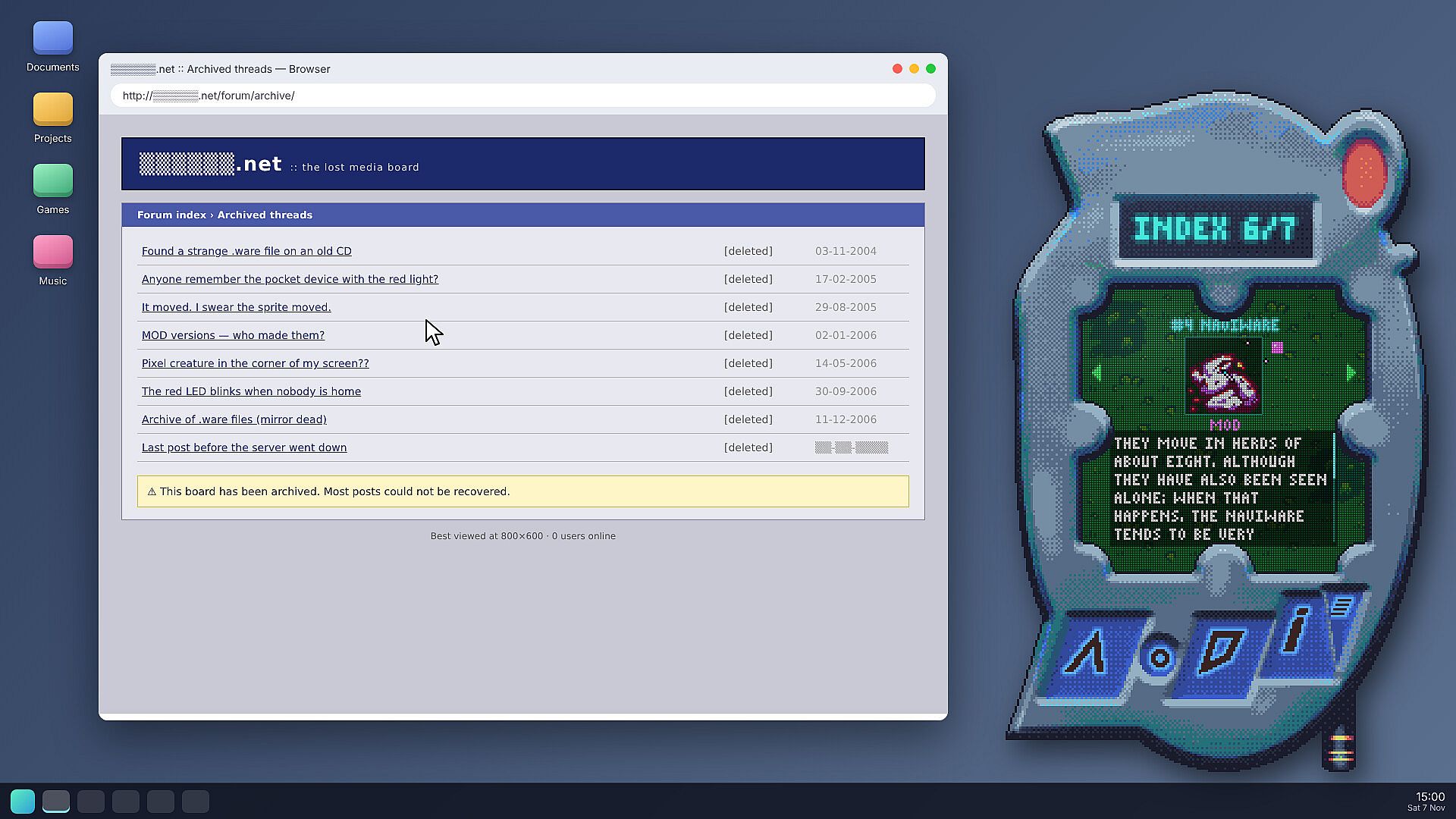
Progression remains open-ended with no level cap and no fixed endpoint. Early play quickly introduces the five main species plus one untamable pest. Signatures, nine in total, act as relics that modify how a Ware performs in battles and walks. Rare MOD variants appear with distinctive sparkles and audio cues. An in-game index records lore for each collected Ware, leaving one entry permanently hidden to encourage continued exploration.
Collection and Customization
Players work toward completing the index by encountering all species and their variants during walks. Ultra-rare MOD forms stand out visually and audibly, while signatures provide gameplay-altering effects once obtained. The nine signatures reference forum-era elements such as hit counters, webrings, and banhammers, each influencing combat or movement in unique ways. Because the gadget follows the system clock for its day-night cycle and runs with minimal resources, it integrates naturally into long-term desktop use without requiring dedicated play sessions.
Is It Worth Playing?
Warelings targets users who enjoy low-pressure virtual pet experiences that run alongside other activities. The combination of real-time needs, automatic progression options, and code-based sharing creates a relaxed loop focused on gradual collection rather than intense competition or narrative closure. Hand-crafted pixel art and multiple visual filters add personality without relying on procedural generation. Because the game has no ending and supports weeks of incremental play, it suits anyone looking for a persistent desktop companion that rewards consistent but flexible attention. Those who prefer high-action or story-driven titles may find the pace too gentle, while fans of idle and simulation genres will appreciate the lightweight resource use and offline friend battles. The upcoming December launch positions it as a niche addition to the casual simulation category on PC.