



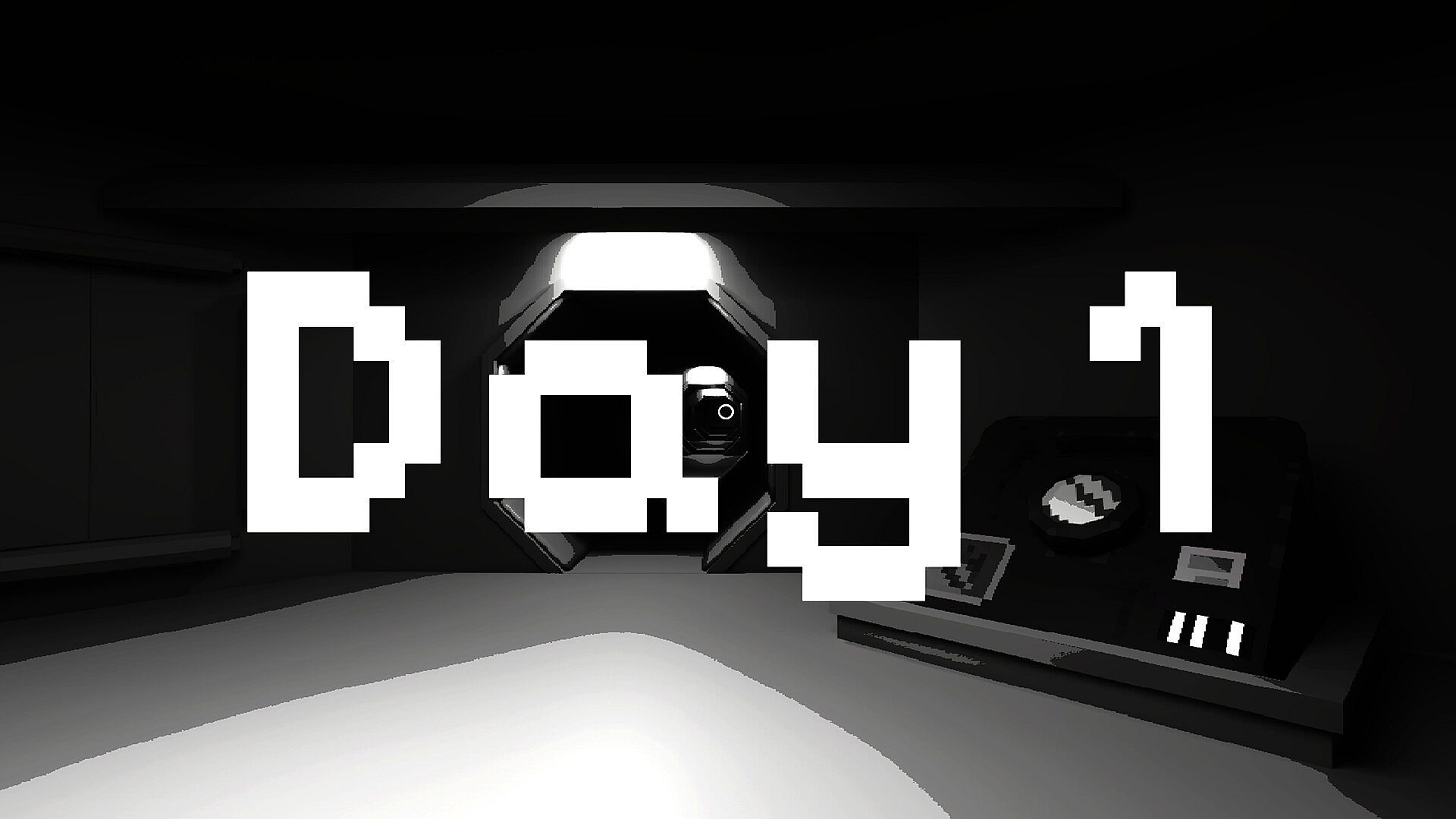
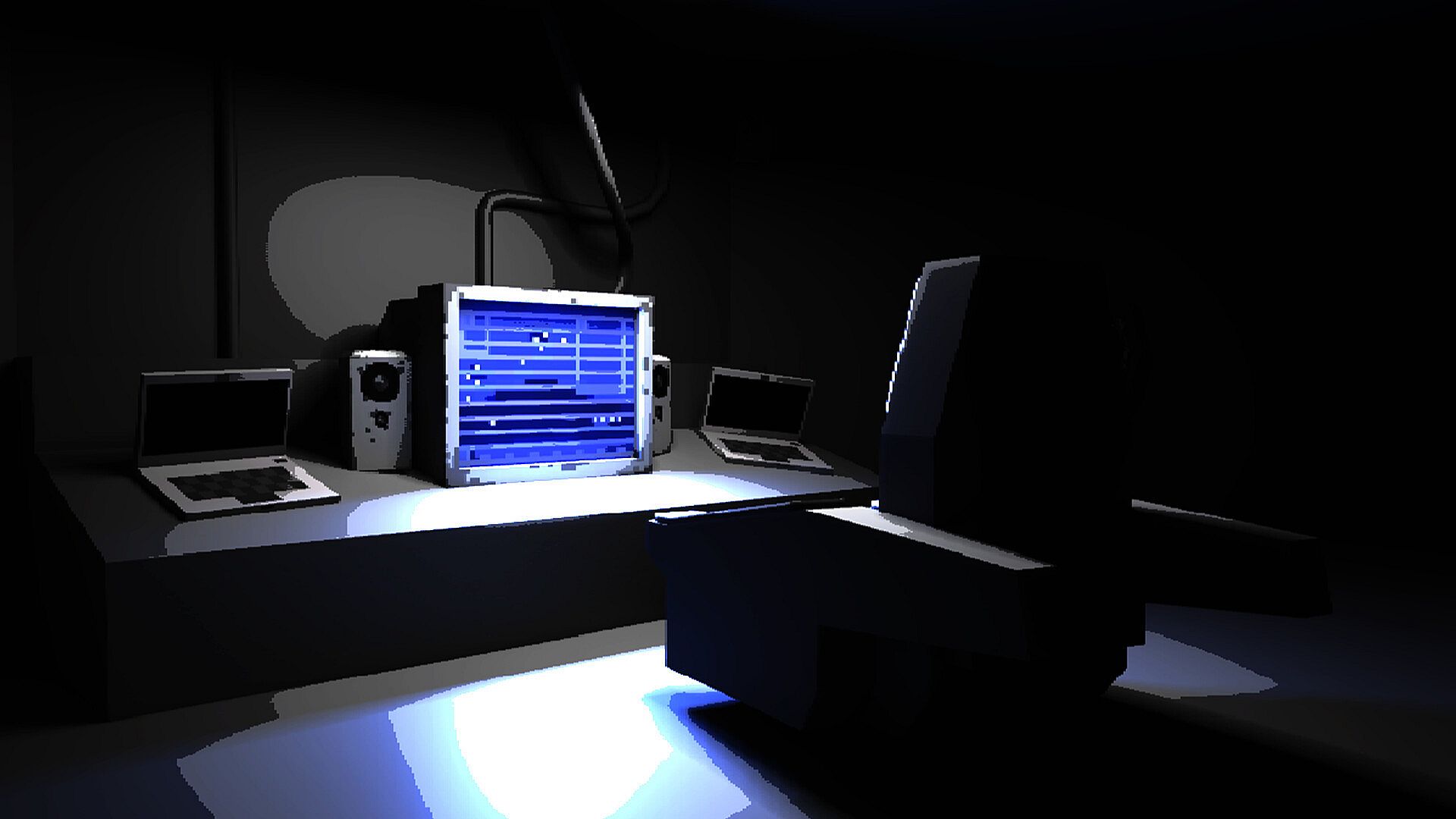
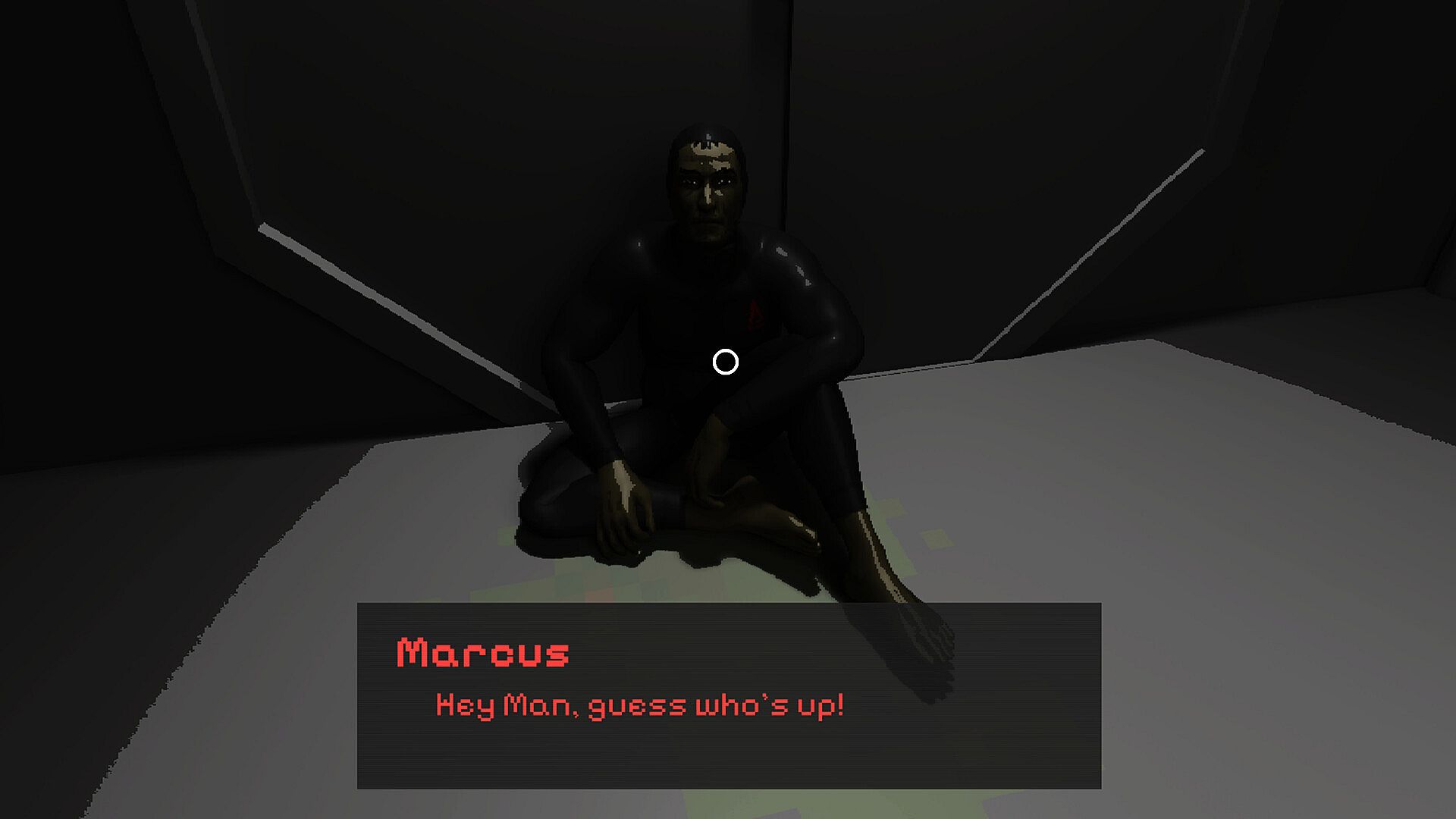
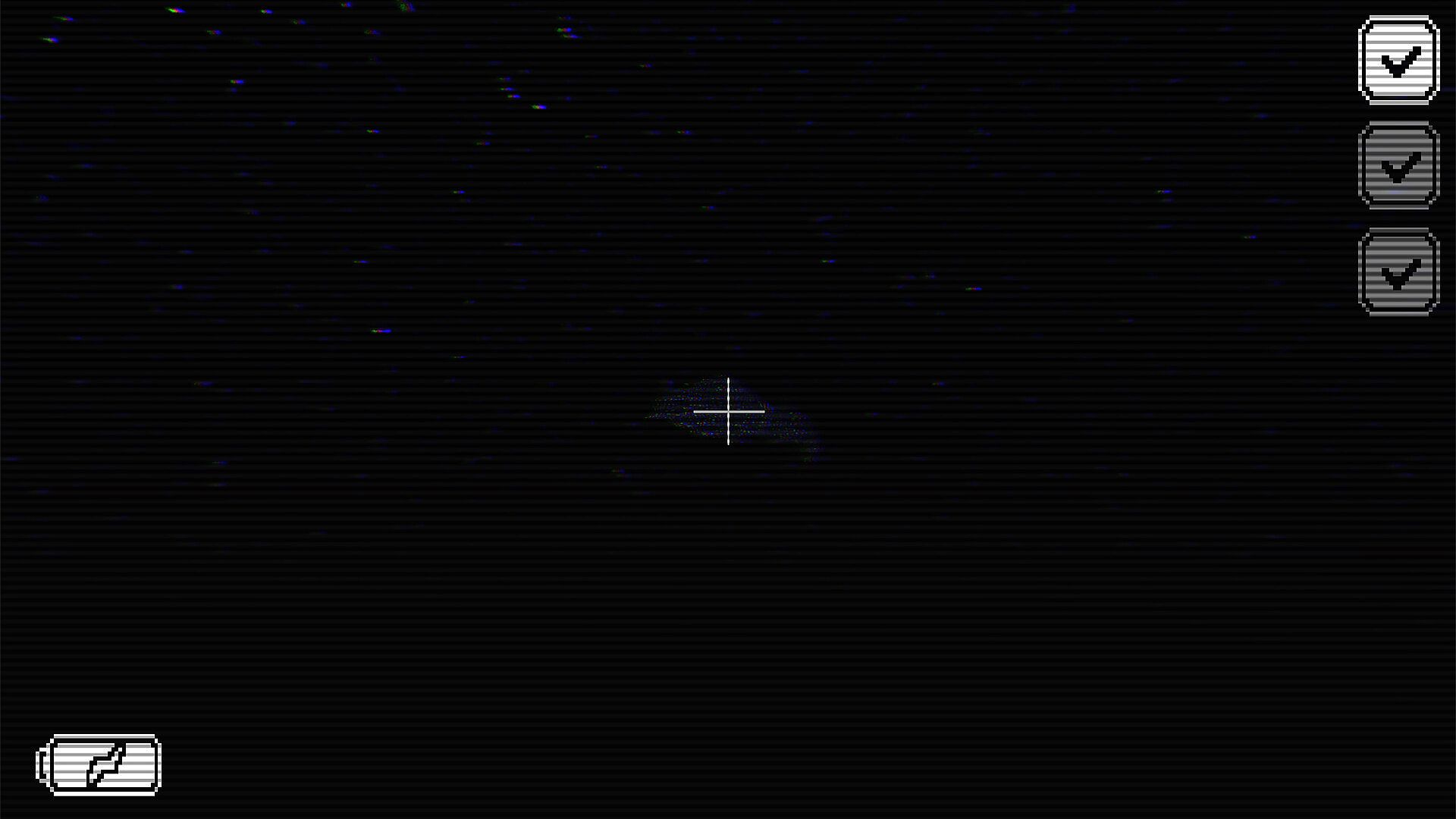






Waking Adrift is a free to play indie adventure game developed for PC that places players aboard the Nessie 14, the latest in a long line of vessels sent toward the farthest reaches of known space. The mission centers on investigating an anomaly detected by the Gilling Telescope, a region where no stars, moons, or planets register at all. Previous attempts with earlier ships ended in explosions, disappearances, or crews returning to Earth only to face ridicule, leaving this fourteenth effort as the current focus of corporate investment spanning decades and hundreds of billions in costs.
Gameplay
The core experience revolves around life aboard a confined spacecraft during an extended journey. Astronauts must manage the psychological effects of isolation and prolonged time in space, which the source material describes as twisting and hollowing minds until only nonsense remains. Players navigate the ship's halls while confronting the reality of a one-way mission that prioritizes reaching the edge of space over any immediate necessity for the crew. Environmental storytelling and narrative progression form the backbone, with the vessel itself serving as the primary setting where past failures and the current objective intersect.
Mechanics emphasize the tension between routine ship operations and the growing awareness of something unseen at the destination. The story highlights how crews on prior missions either vanished or returned changed, setting expectations for a solitary focus on survival and discovery within the ship's limited spaces. No external tools or additional systems receive mention beyond the fundamental task of advancing toward the anomaly.
Game Modes
Waking Adrift operates exclusively as a single-player adventure. The design centers on individual progression through the narrative without any documented multiplayer, cooperative, or competitive elements. All activity stays contained within the solo campaign aboard the Nessie 14, where the player experiences the mission's isolation firsthand.
No separate modes such as survival challenges, exploration sandboxes, or alternative scenarios appear in available information. The structure remains linear in its focus on the one-way journey and the anomaly at the edge of space.
Story and Setting
The narrative builds from the accumulated history of failed expeditions. The Nessie 14 represents the fourteenth attempt after two explosions during launch, eight complete losses of contact, and three aborted returns that drew public scorn. Corporate backers view the mission as essential despite the human cost, driven by the Gilling Telescope's detection of absolute emptiness beyond all previous observations.
Setting details remain grounded in the spacecraft interior and the psychological strain of extended confinement. The edge of space functions as the central mystery, a void that challenges long-held assumptions about the universe after millions of years of human exploration. Crew members appear altered by their time in transit, providing context for the mental and physical toll of the voyage.
Is It Worth Playing?
With the game listed as coming soon and no user reviews available yet, any assessment rests on the described premise alone. The single-player adventure format suits those drawn to narrative-driven experiences centered on space isolation and existential discovery. Players interested in stories about corporate-driven missions, psychological effects of confinement, and encounters with the unknown at the limits of known space may find the premise compelling once released.
Availability as a free to play title on PC lowers the barrier for trying the experience when it launches. Those seeking action-heavy gameplay or multiplayer interaction will likely find the confirmed focus on solo narrative progression less aligned with their preferences. The mature content descriptors indicate elements of violence and unsettling themes that fit the isolated, high-stakes setting.