




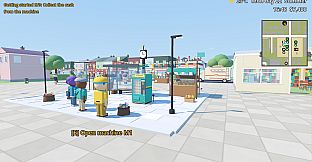
Vending Machine Simulator is a first-person business simulation game in the indie and casual genres for PC. Players start with limited resources in the town of Millbrook and build a network of vending machines across thirty sites in six districts.
Gameplay
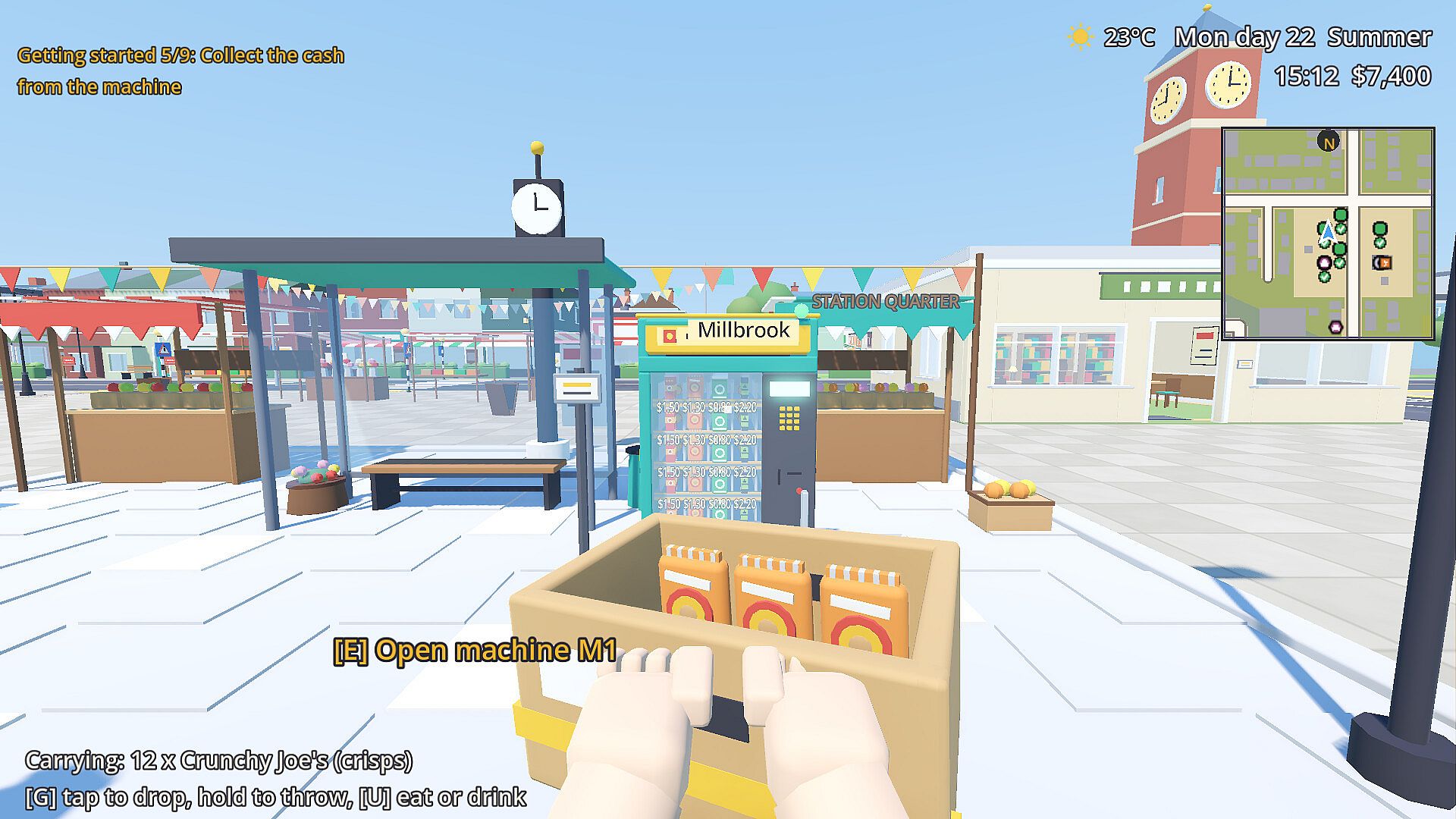
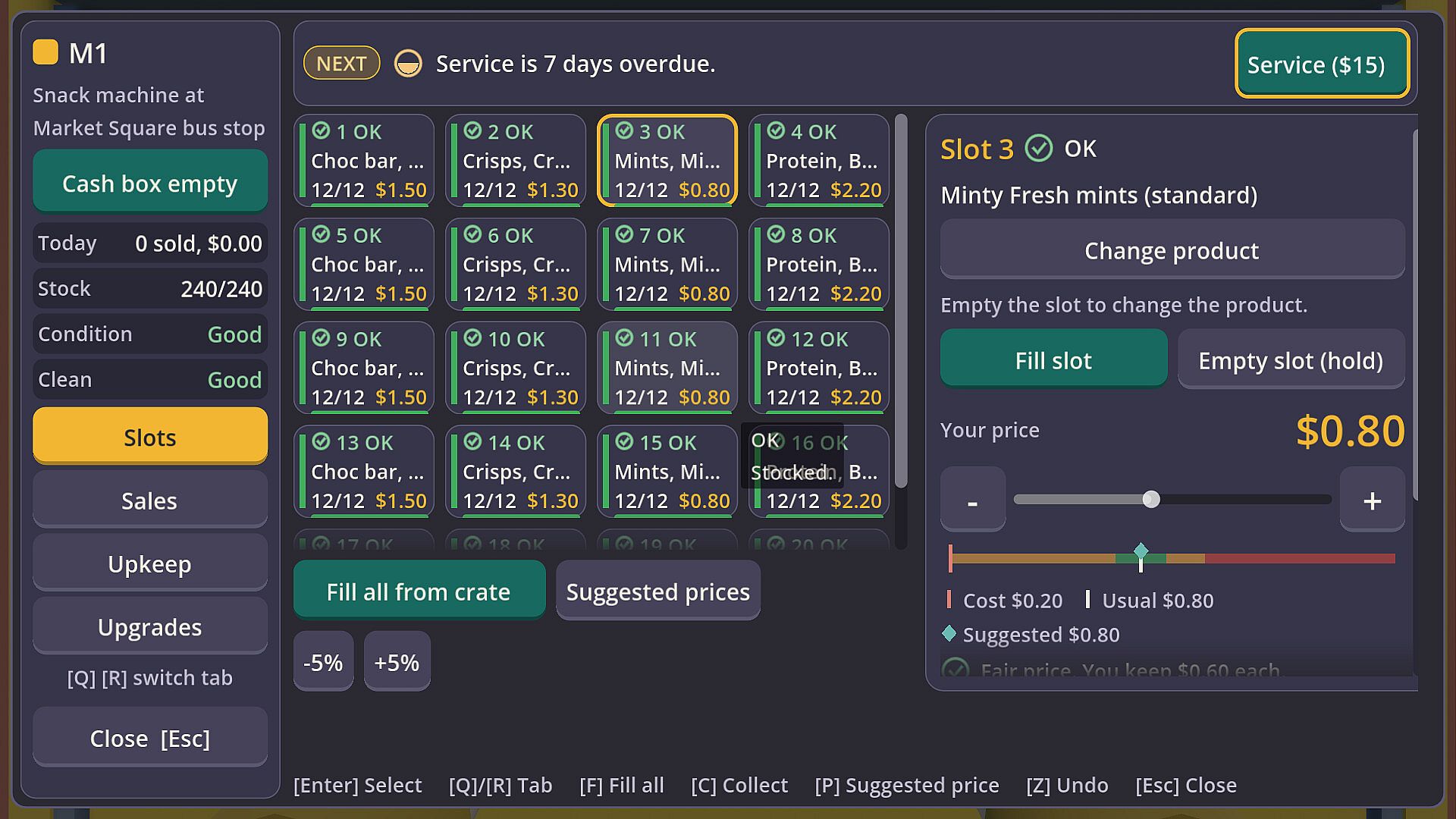
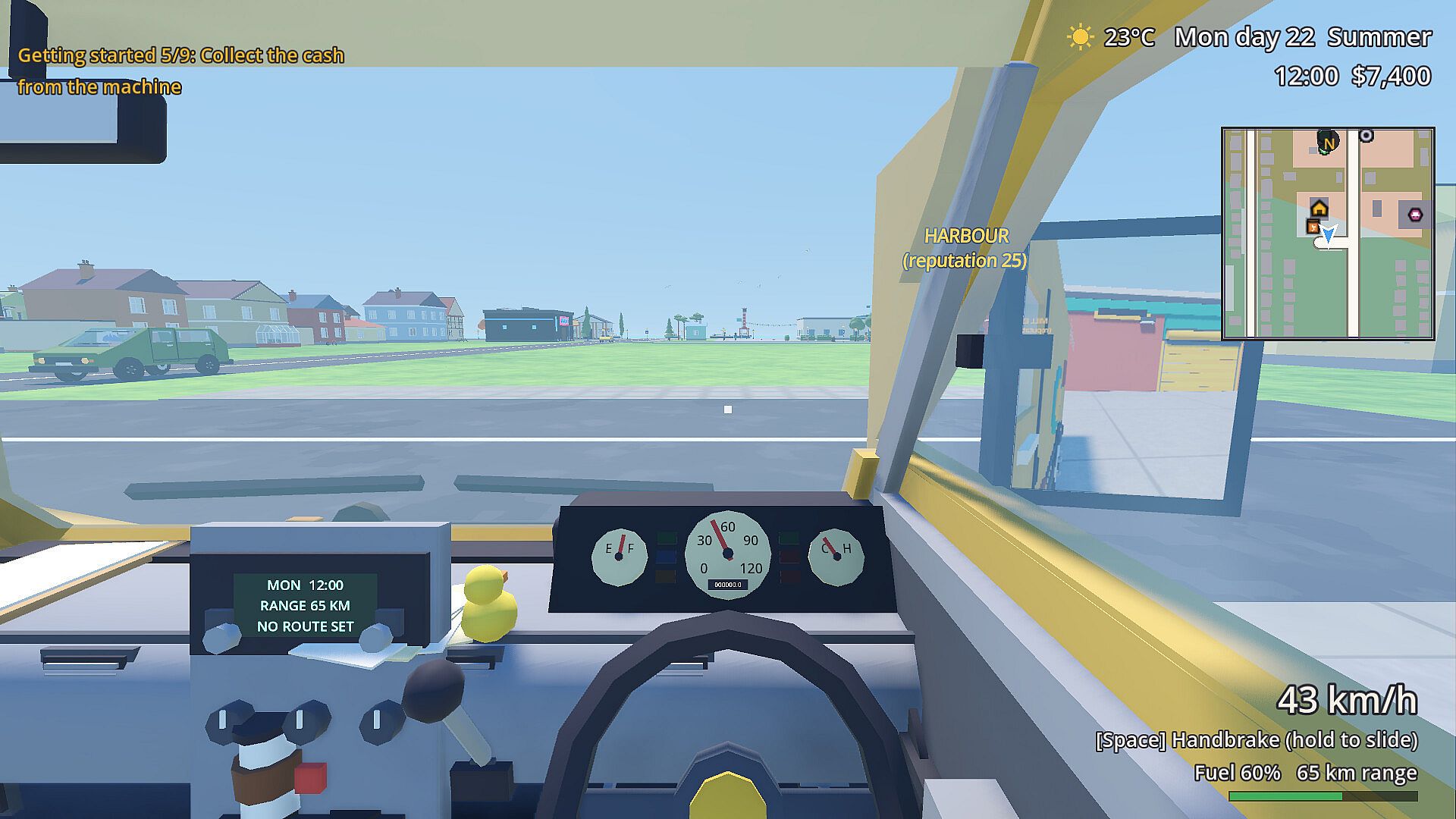
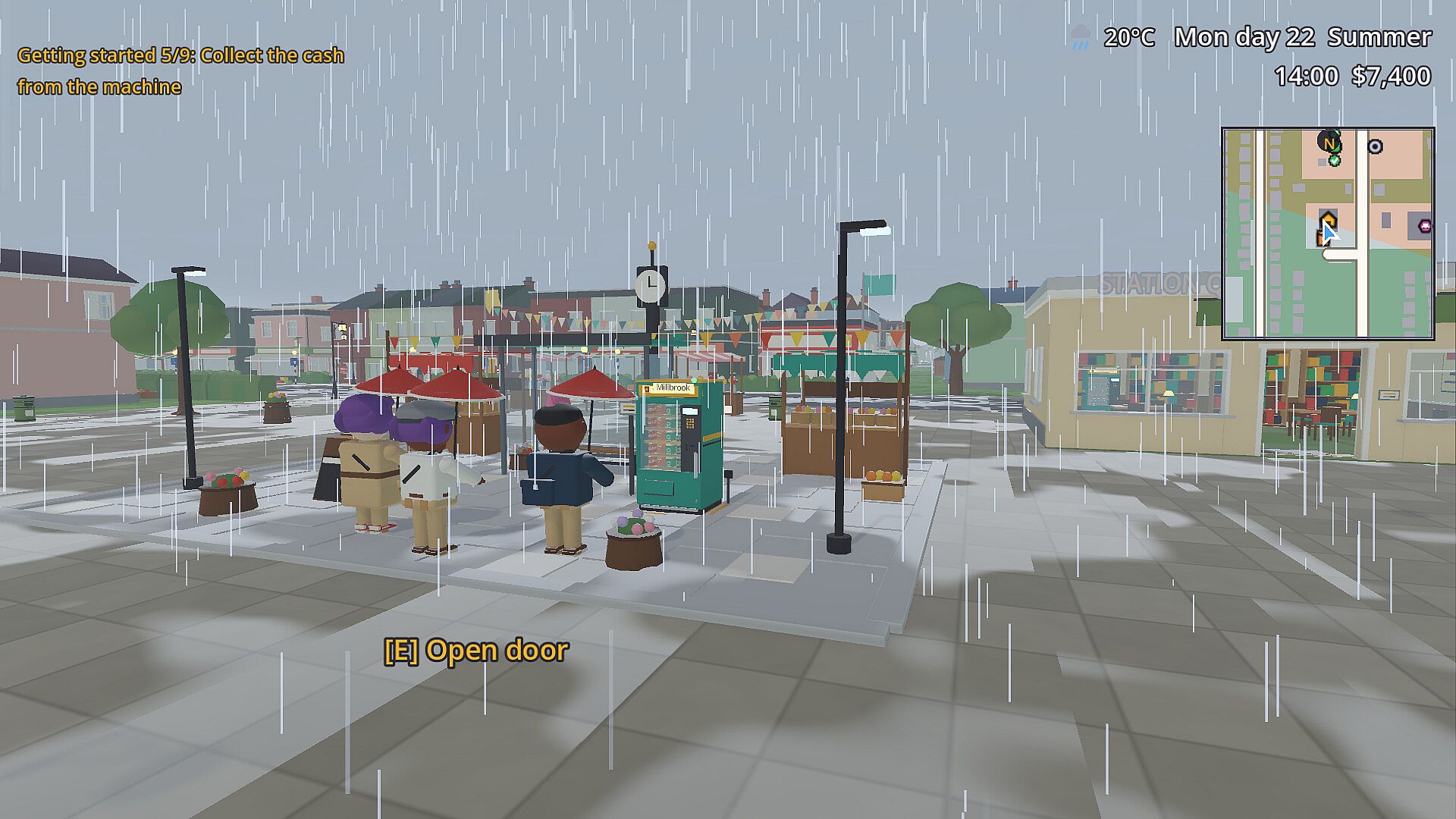
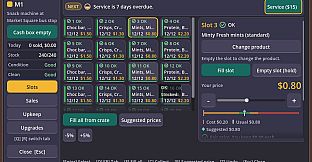
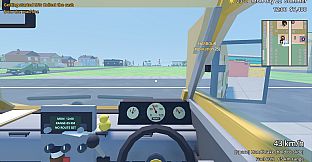
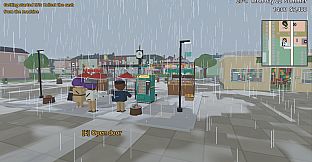
The core loop centers on managing profitability through hands-on tasks. Players walk streets, drive a van, carry crates, and open machine doors to restock forty-two products across six machine types including snacks, drinks, combo units, fresh food, hot drinks, and freezers. Each product slot allows individual pricing decisions.
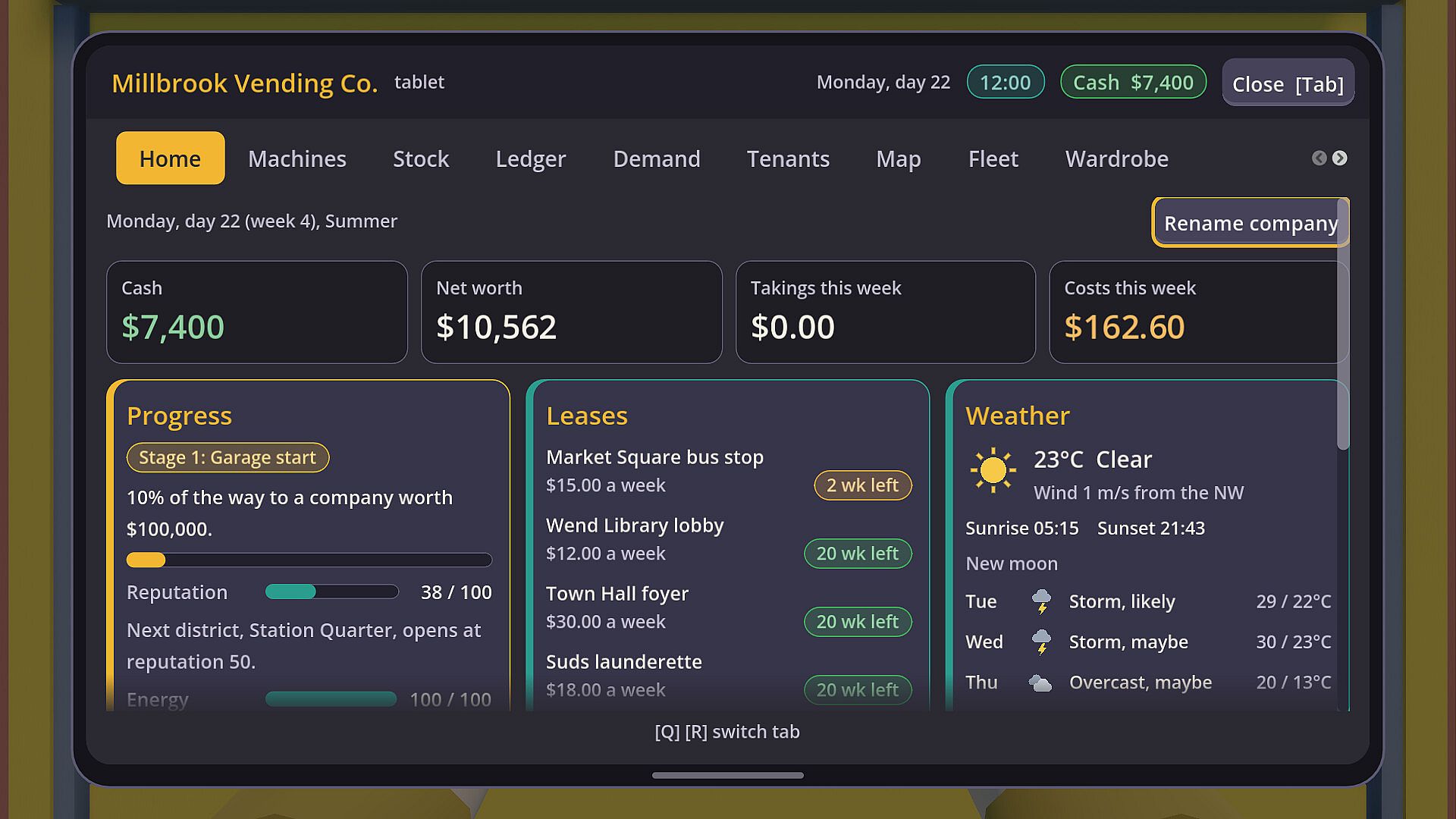
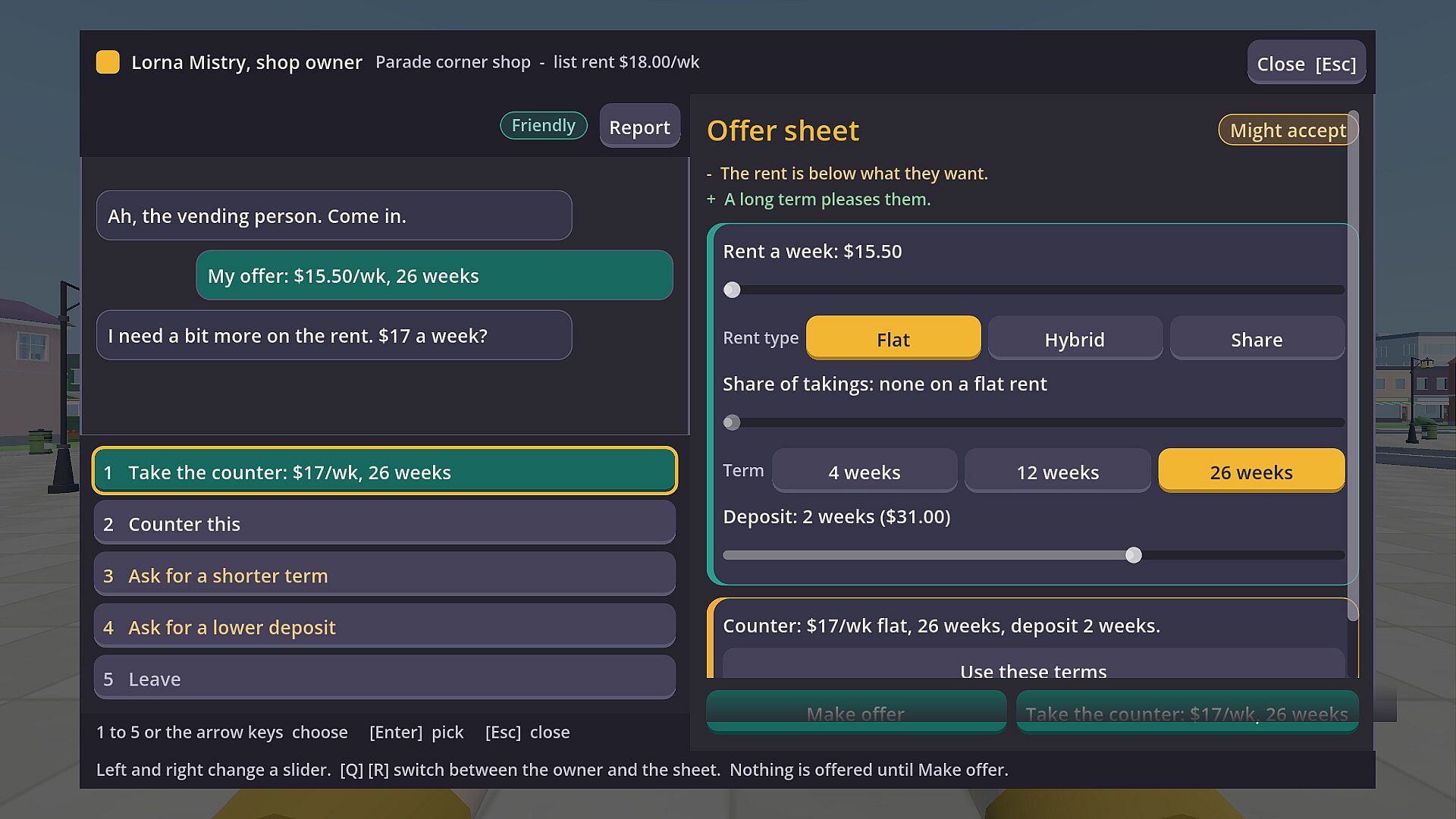
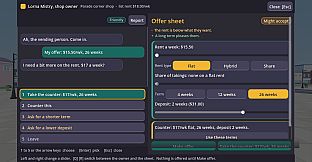
Expenses cover stock, fuel, repairs, power, rent, wages, insurance, and taxes. Machines suffer jams, faults, and dirt that reduce sales, with visible indicators for troubleshooting. Thirty sites feature unique owners, rents, and opening hours, requiring lease negotiations and timely renewals to maintain access.
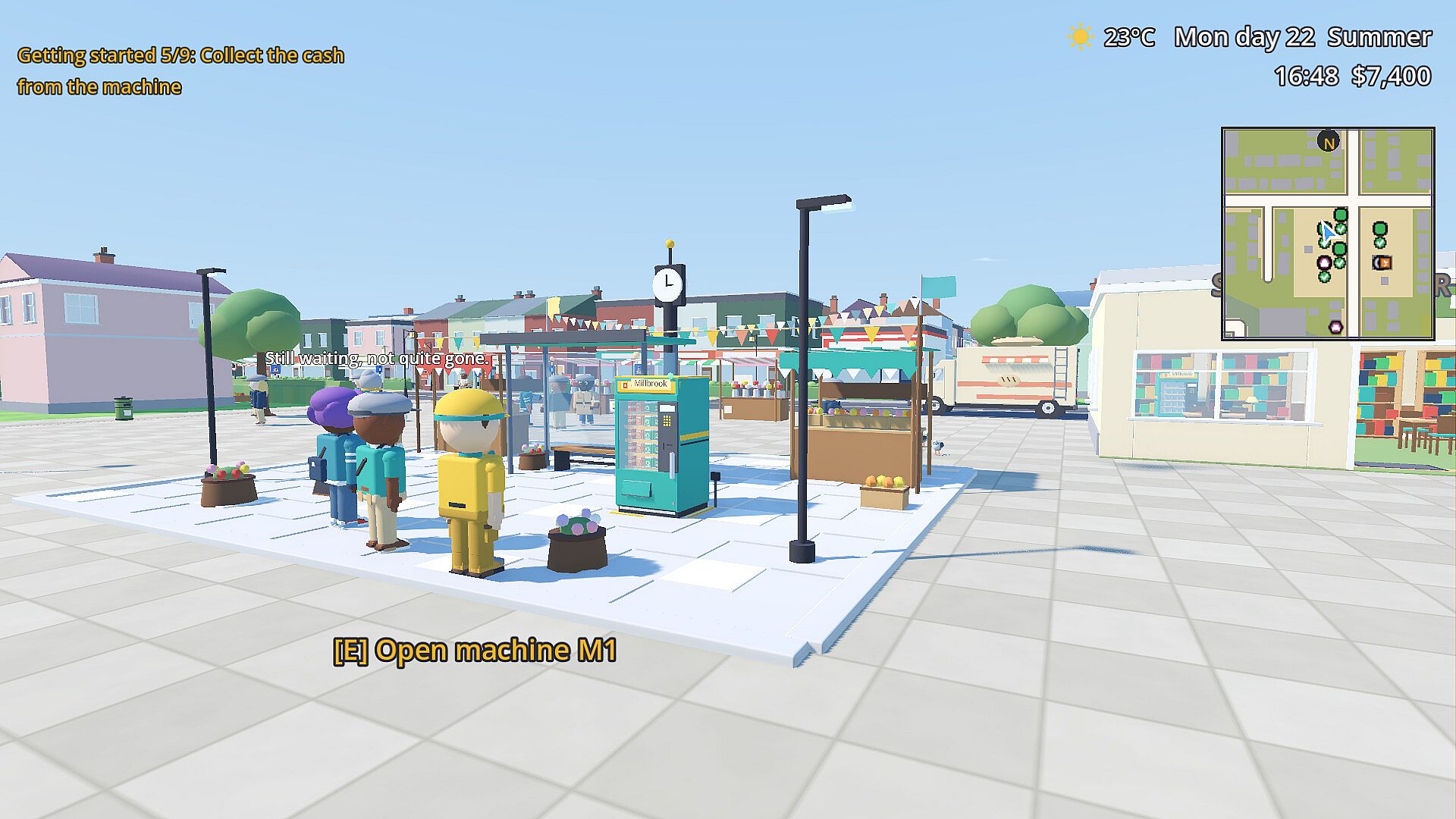
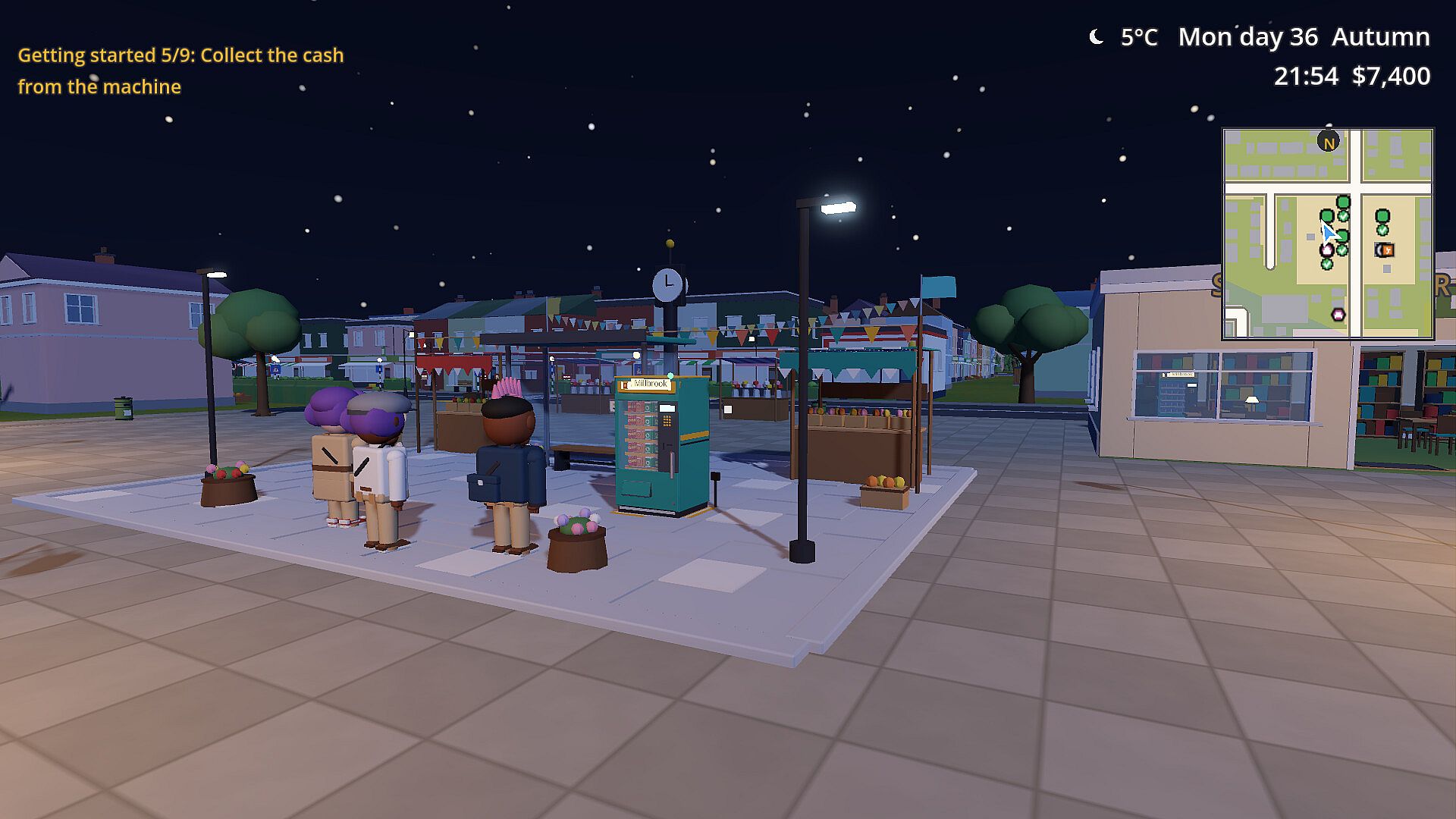
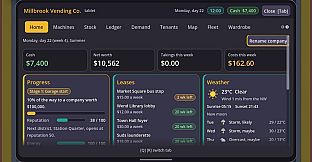
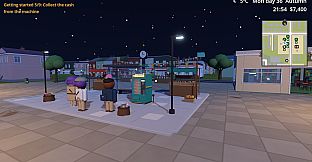
Weather, day-night cycles, four seasons, and forty-six events influence demand, such as increased cold drink sales during heat waves or hot drink sales in snow. Events range from market days and festivals to power cuts, health inspections, and supplier price changes. A rival operator holds prime locations and competes for sites.
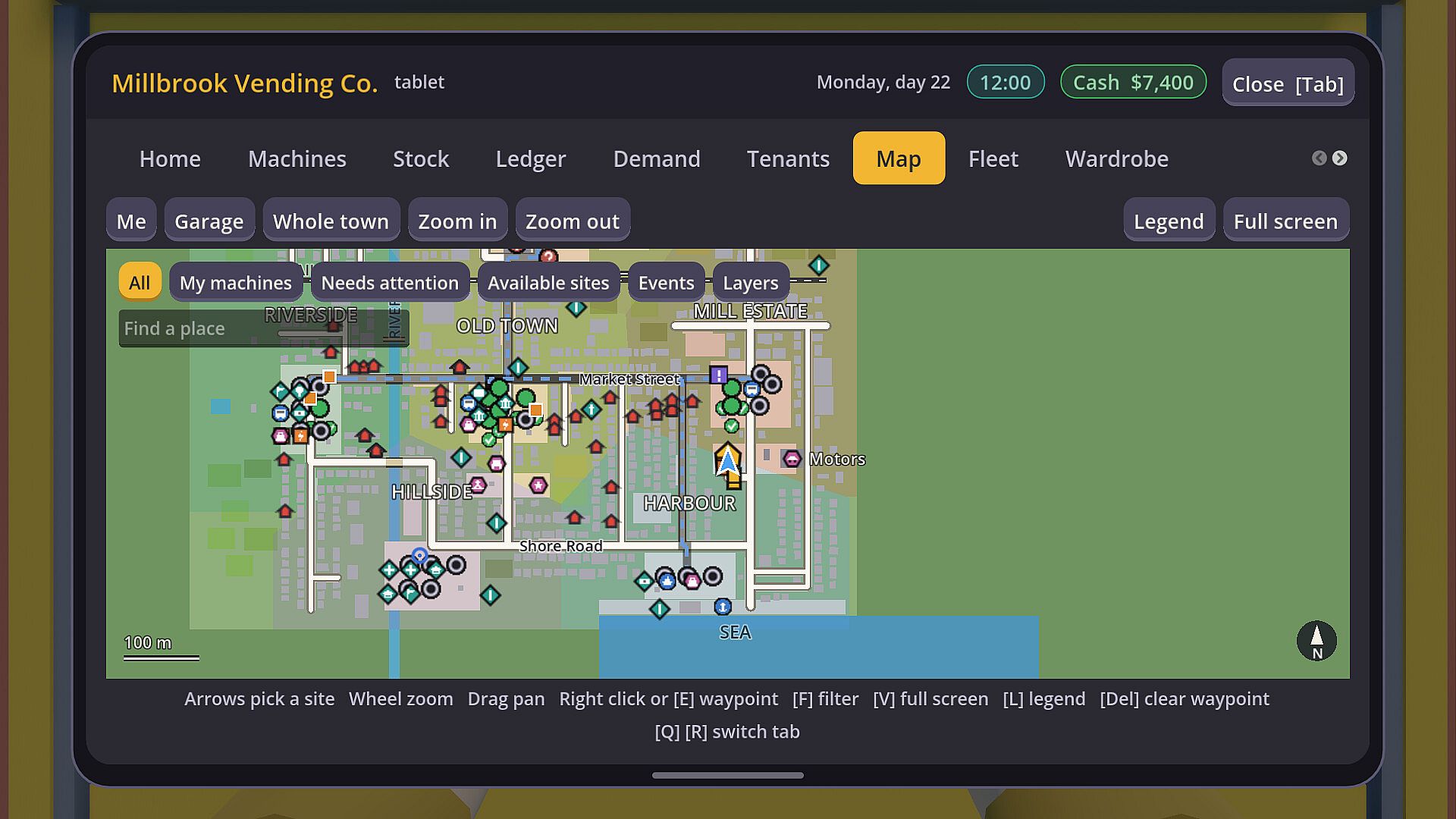
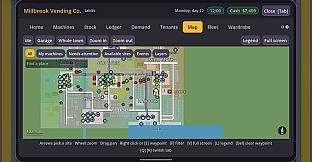
Progression follows four stages of company goals, beginning with the first twenty-five sales and advancing to a net worth of one hundred thousand dollars alongside a reputation above eighty. Districts unlock as reputation grows. A tablet provides map access, weather forecasts, accounts, staff management, and messages.
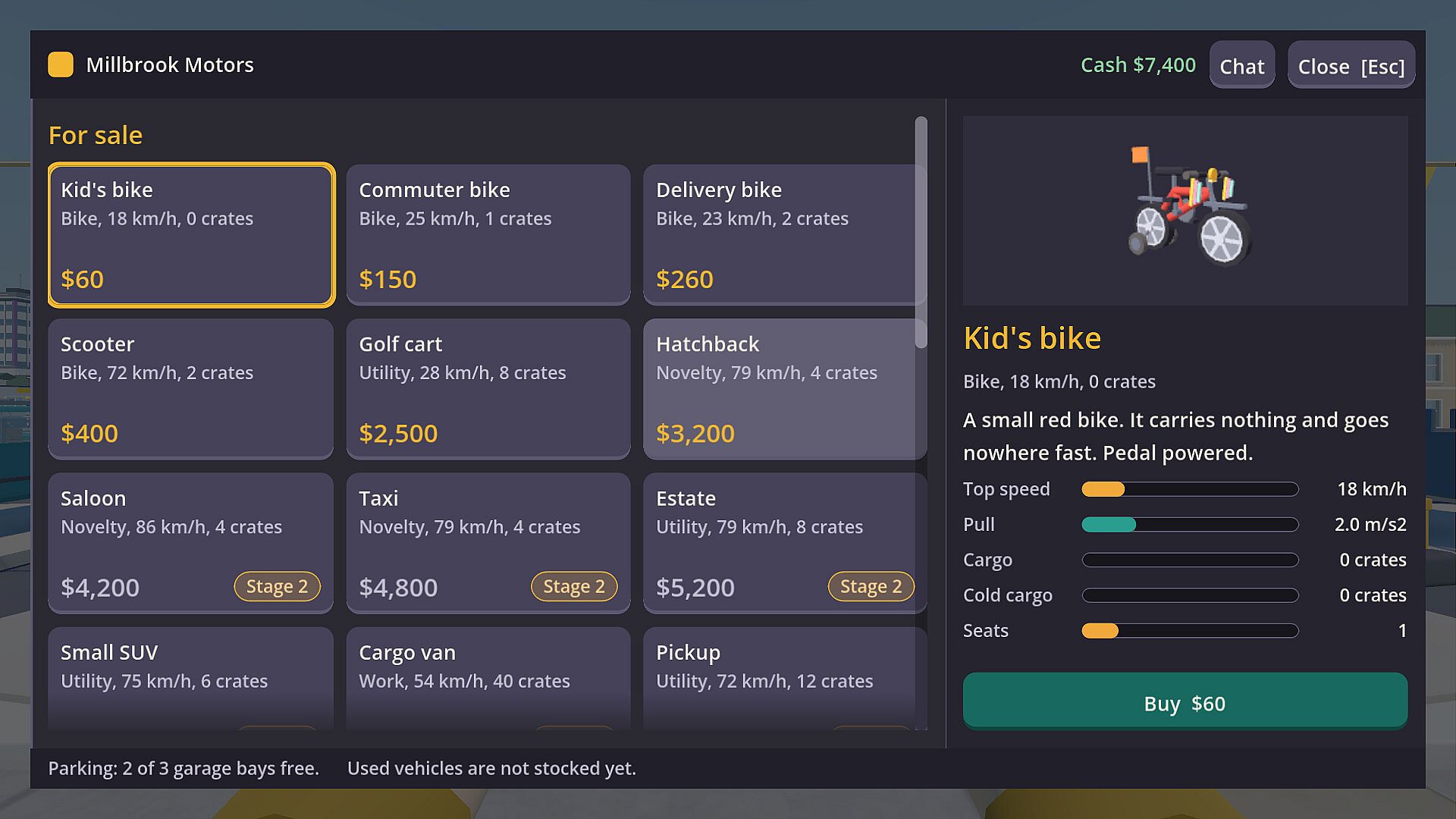
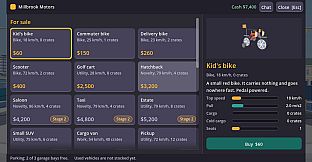
Additional systems include vehicle purchases from bikes to buses for route planning, fuel monitoring, and hiring drivers, restockers, cleaners, and technicians once the network expands. Home rental or purchase and clothing changes become available later, with company branding on vehicles and machines.
Game Modes
Single-player mode lets one person handle all aspects of the business. Co-operative play supports up to four players sharing one company, bank balance, and in-game clock. Participants divide tasks such as one driving while another restocks, or one repairing while another plans routes.
Co-op functions over LAN without requiring additional software or through Steam lobbies with invites and join options from friends lists. The host controls settings for side-business actions, with options for group confirmation, host-only, or anyone.
Business Expansion and Challenges
Renting out machine slots generates income from local makers, businesses, and national brands. Staff automation becomes essential for larger operations, while the tablet supports route planning and oversight. Reputation growth opens new districts and improves lease terms.
An optional side business activates from stage two, involving card reader tampering, data sales, cash laundering, and goods concealment. It includes cover and heat mechanics where increased activity raises detection risk, leading to fines, closures, or lost leases. The system uses cartoon-style interfaces and numbers with no depictions of harm, and the entire game can be completed without engaging it. In co-op, heat and penalties affect the shared company.
Accessibility and Options
Controls support rebindable keyboard keys and gamepad buttons with prompts for Xbox, PlayStation, and Nintendo layouts. Features include colourblind filters, adjustable text size, UI scale, high contrast, and reduced motion. No-fatigue and gentle-fatigue modes exist alongside a reader check without time limits and an option to make hold-to-do actions instant.
Late-night warnings, a minimap, and Steam Deck quality presets are available. The game runs in English on Windows. An optional local language model for town residents requires a separate download and compatible graphics card but remains off by default and does not alter core gameplay.
Is It Worth Playing?
This title suits players interested in detailed management simulations with physical interaction and gradual business growth. The emphasis on manual tasks like carrying crates and negotiating leases creates a grounded loop, while co-op enables shared responsibilities for groups. Accessibility options broaden appeal for varied play styles and hardware.
The optional side business adds strategic choice without forcing engagement, and progression through company stages provides clear milestones. With no player reviews available prior to release, the experience aligns with those seeking a focused indie simulation centered on vending operations, weather-driven demand, and network expansion rather than fast-paced action or combat.












