


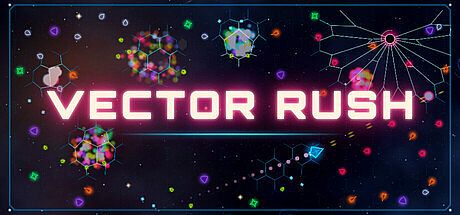


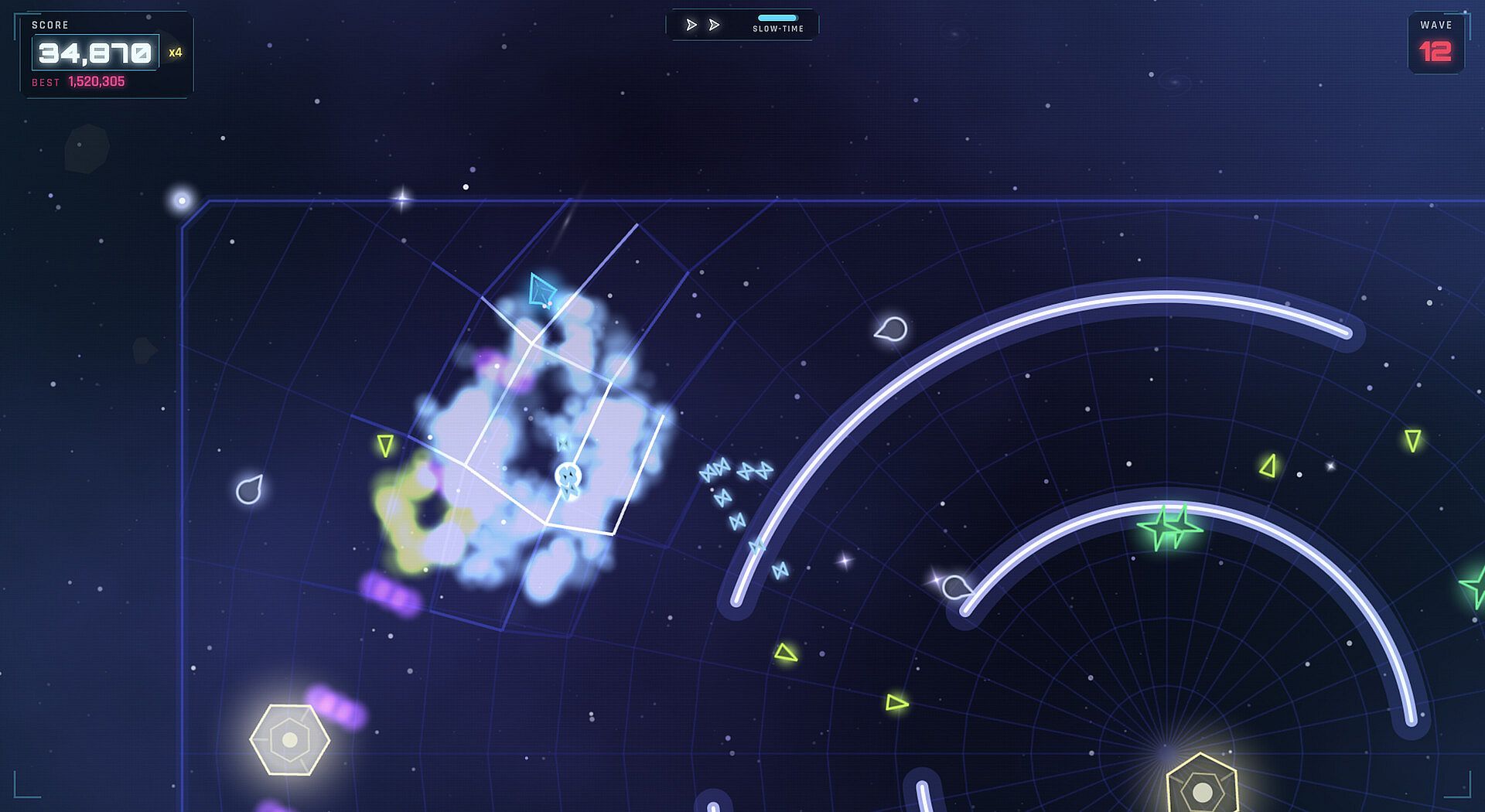
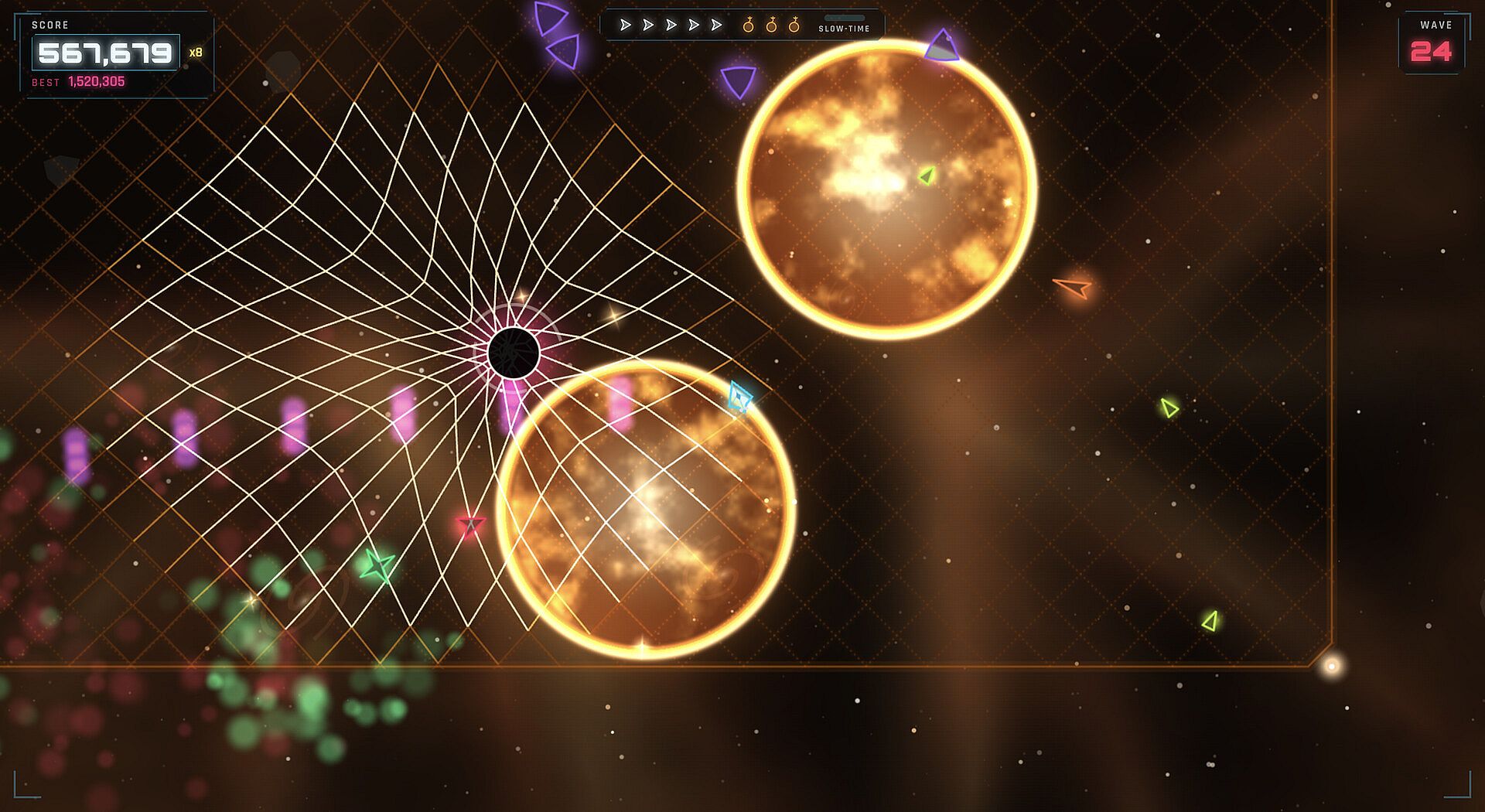
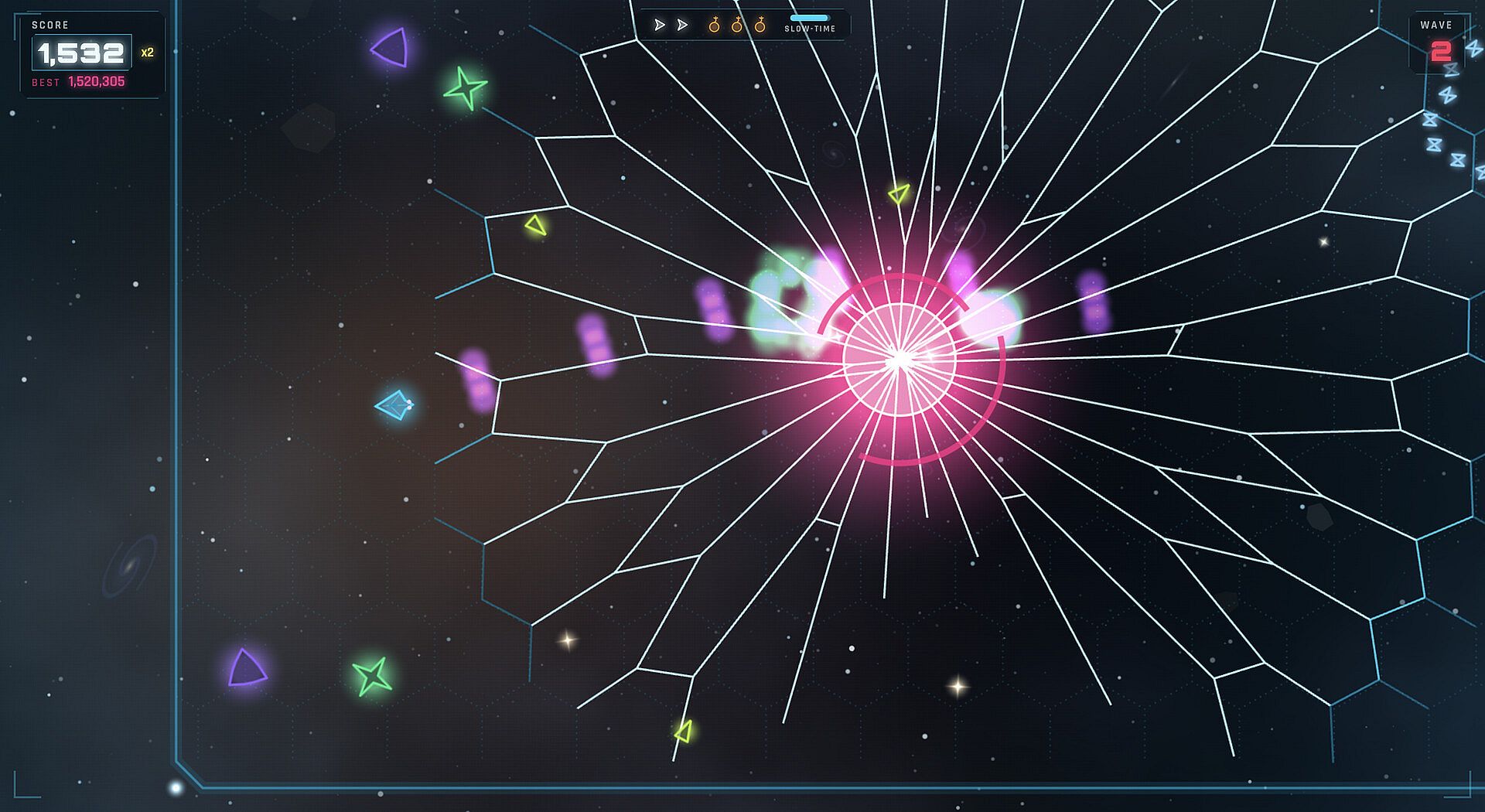
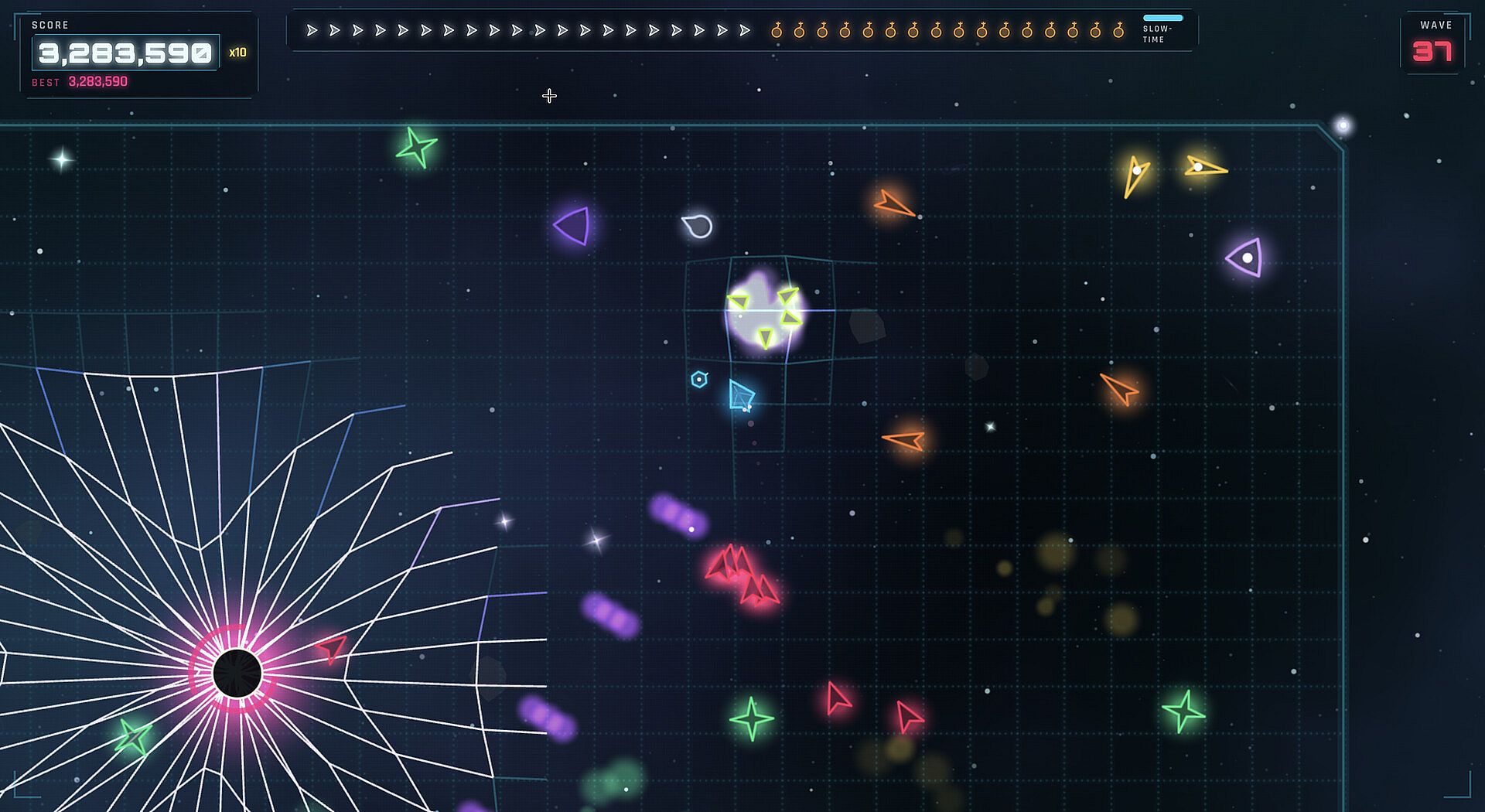
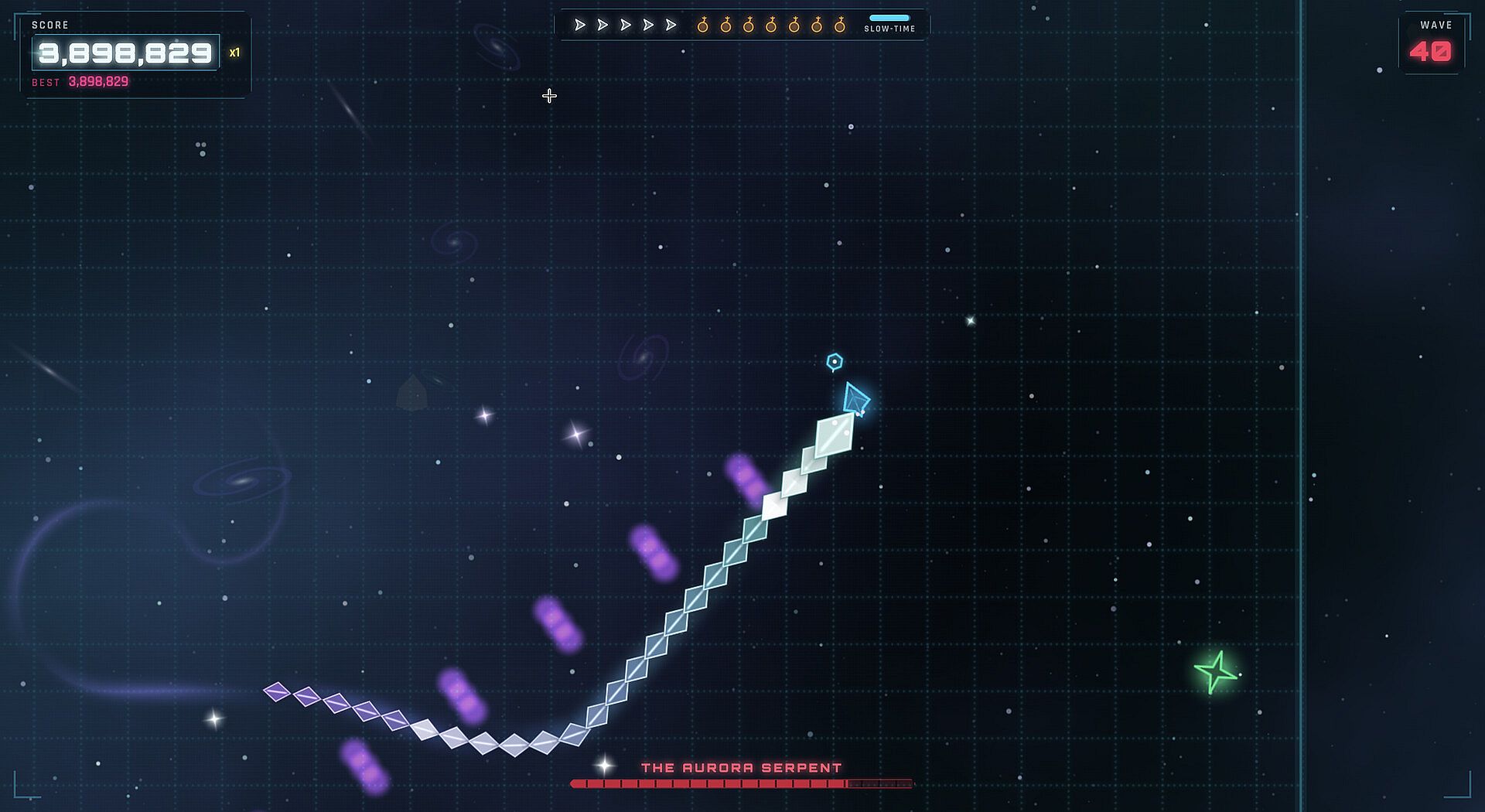
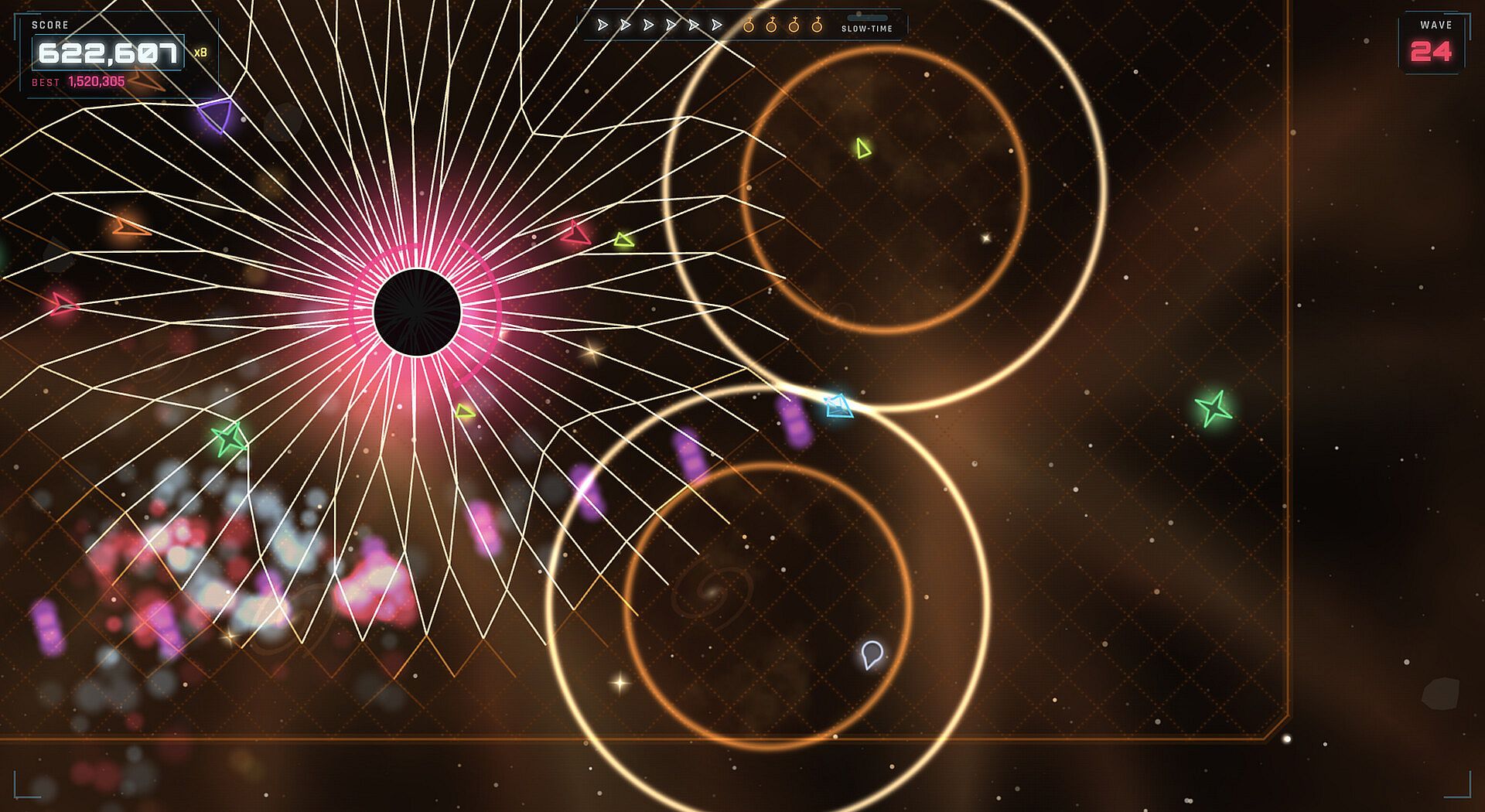
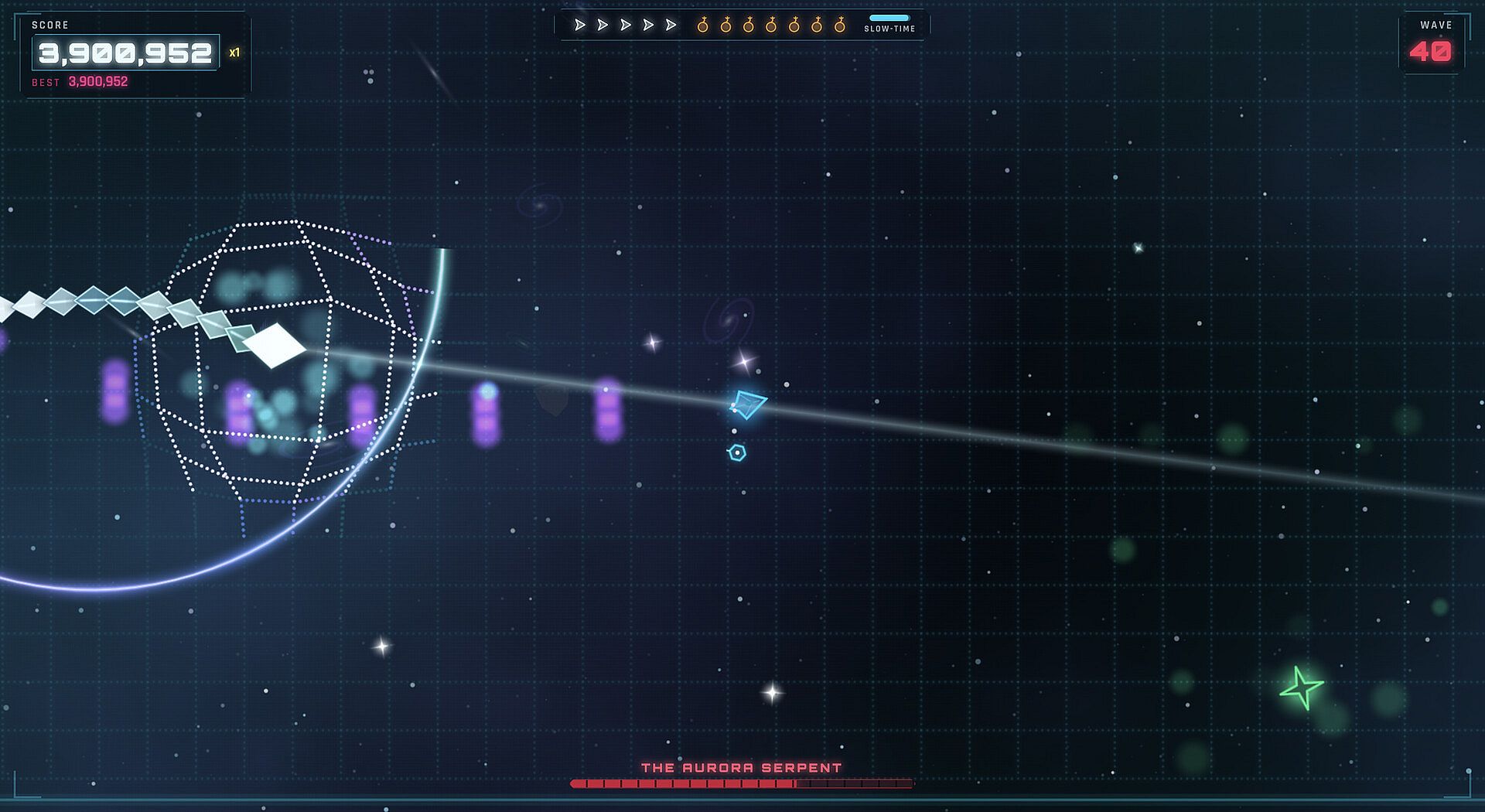
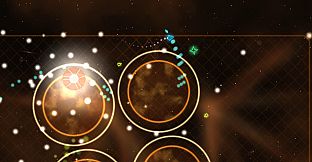
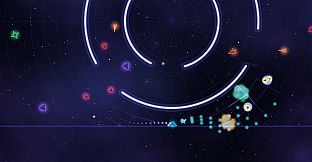
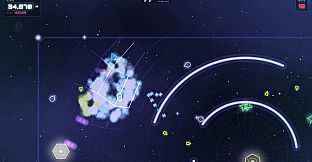
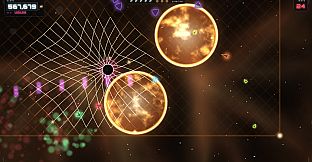
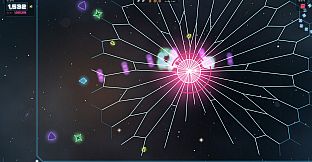
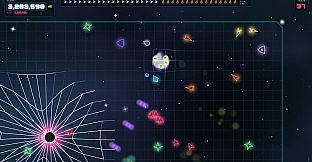
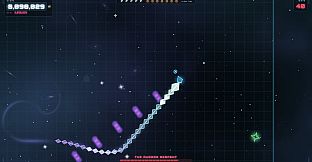
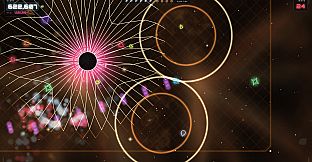
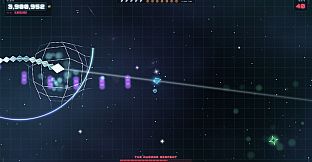
Vector Rush is an action indie game for PC that revives the feel of classic retro arcade shooters through neon visuals, geometric vector shapes, and energetic space-themed music. Players control one of four distinct ships while battling successive waves of enemies, navigating unique environmental hazards across four worlds, and confronting powerful bosses at the end of each run. The core loop centers on survival, ability management, and incremental upgrades that alter each attempt, creating varied experiences without relying on multiplayer elements or seasonal content.
Gameplay
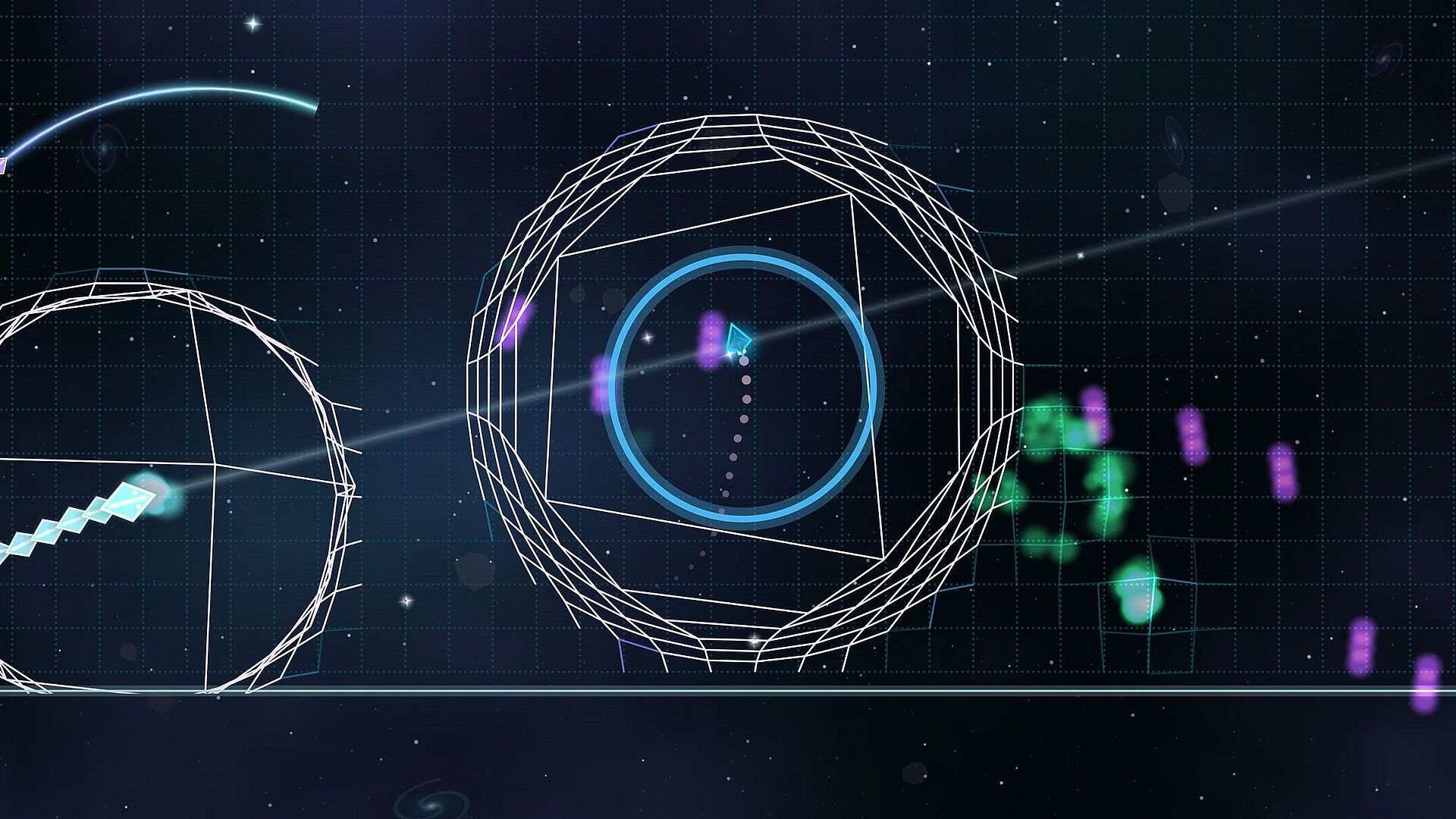
The action unfolds in a twin-stick shooter format where precise movement and timing determine success against swarms of foes. Each ship offers a specialized playstyle that influences how players approach combat and evasion. Vector serves as the balanced option, capable of slowing time during intense moments and deploying a bomb for crowd control. Talon emphasizes speed and aggression with a single life, allowing quick blinks to dodge threats and a Rail Lance that fires across the entire arena. Bulwark trades mobility for durability, generating a protective shield bubble while launching a wide Fortress Ring attack. Nomad focuses on support, deploying a stationary drone turret before unleashing a swarm of additional drones to overwhelm enemies.
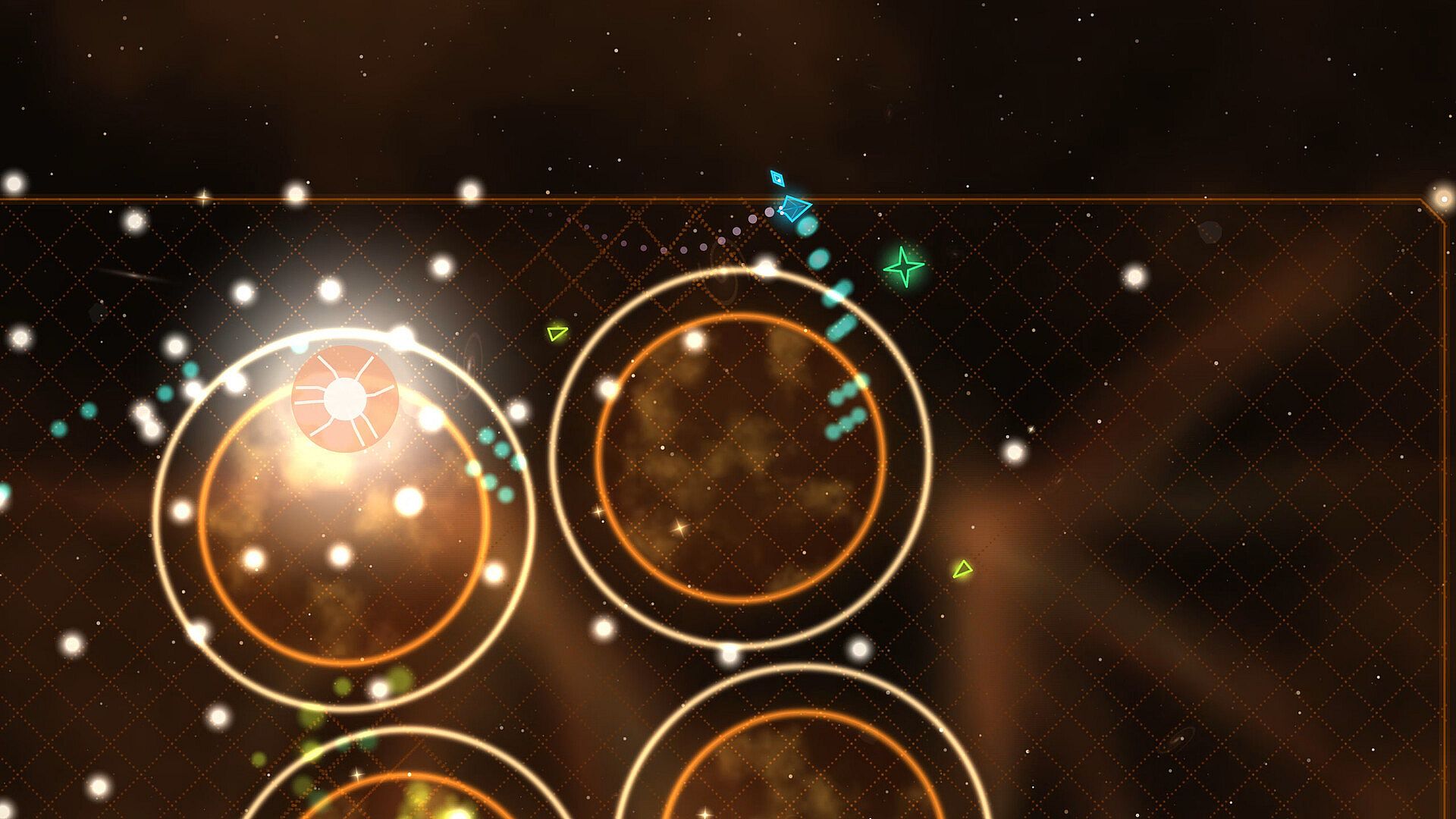
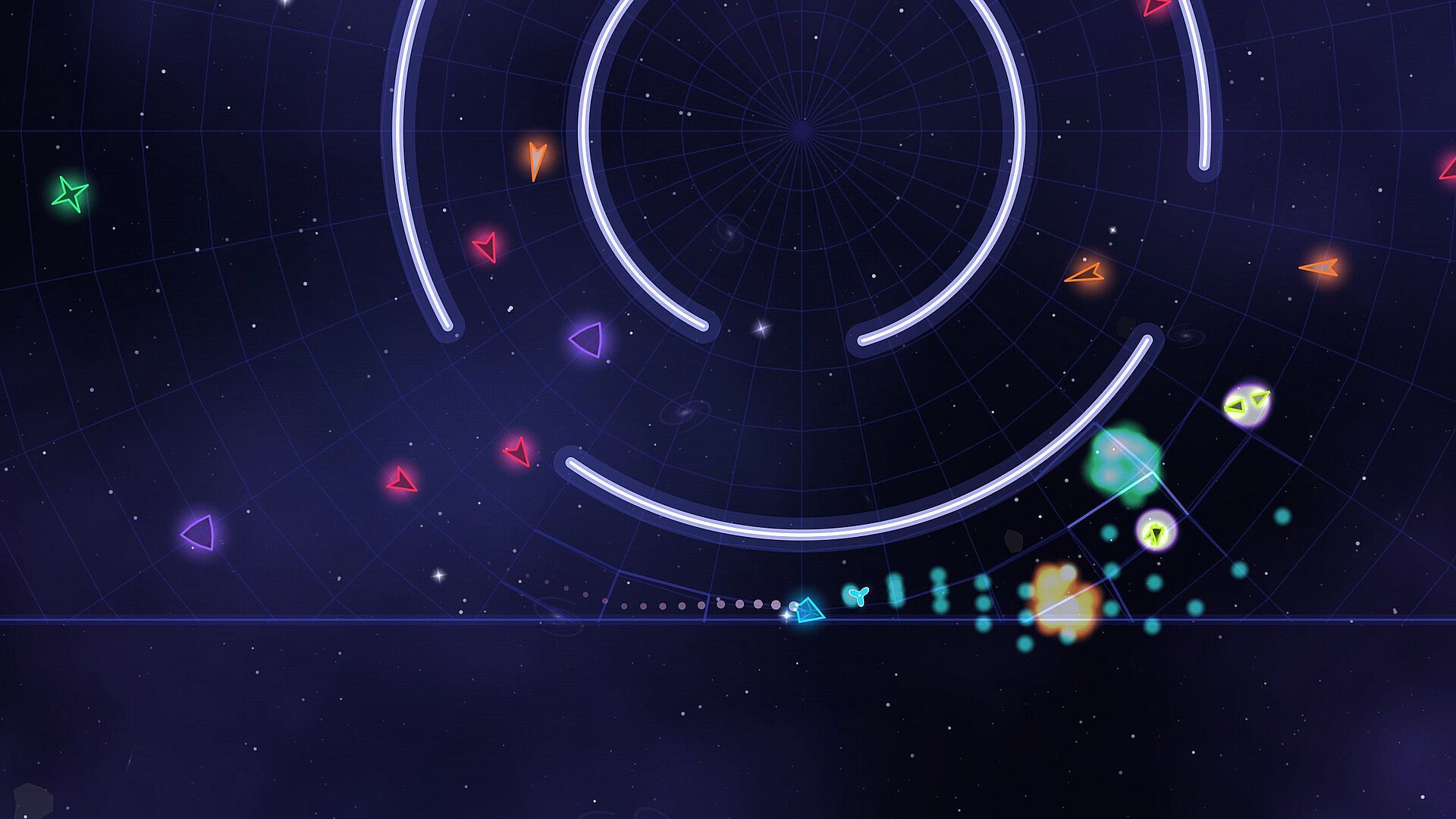
Progression through the four worlds introduces shifting mechanics that force adaptation. The Drift acts as the starting point with standard wave encounters. The Gyre adds rotating walls that require players to locate safe gaps amid the motion. The Forge features erupting ground hazards that players can exploit by luring enemies into blast zones. The Remnant scatters valuable treasure from fallen stars, though uncollected items explode after a short delay. Defeating a world's boss grants access to a choice of upgrades, such as weapon enhancements, additional combat drones, strengthened ship specials, or extra lives. These selections compound across runs, ensuring no two attempts play identically.
Game Modes
Vector Rush supports two primary ways to engage with its systems. The main campaign structures play around the four worlds and their bosses, with upgrades collected after each victory to build momentum toward completion. This mode rewards experimentation with ship selection and upgrade paths while testing mastery of the changing arena rules. Classic Mode strips away the worlds, bosses, and upgrade choices entirely, presenting endless waves of enemies in a pure test of survival and scoring. High scores become the sole focus here, appealing to players who prefer uninterrupted arcade-style challenges without progression layers.
Ship Selection and Strategy
Choosing the right ship sets the tone for an entire run and encourages repeated playthroughs to explore different approaches. Faster ships like Talon demand careful positioning to avoid one-hit failures, while sturdier options like Bulwark allow more aggressive positioning behind shields. Support-oriented Nomad shifts emphasis toward area denial and sustained pressure through drones. The upgrade system after bosses further customizes these strengths, letting players emphasize raw damage, defensive tools, or utility options based on personal preference and the challenges ahead.
Controls and Accessibility
Full gamepad support ensures responsive handling suited to couch play, with the developer emphasizing compatibility for handheld devices like the Steam Deck. The vector-based art style and upbeat soundtrack maintain a consistent retro arcade atmosphere across all encounters, keeping focus on mechanical execution rather than visual complexity.
Is It Worth Playing?
Vector Rush suits players who enjoy short, replayable sessions built around ship variety, environmental twists, and light roguelike progression in a single-player arcade framework. Those drawn to classic wave-based shooters will find the world-specific mechanics and boss encounters provide meaningful variety, while Classic Mode delivers straightforward high-score chasing. The emphasis on controller play and distinct ship abilities makes it accessible for quick sessions yet deep enough for mastery attempts. Without confirmed updates or community metrics available, its value rests on how well the described systems align with preferences for focused, skill-driven action rather than expansive campaigns or online features.












