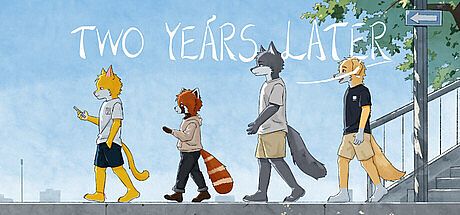




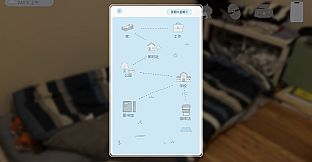
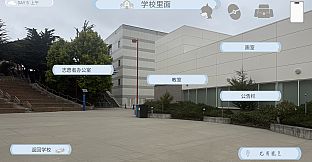
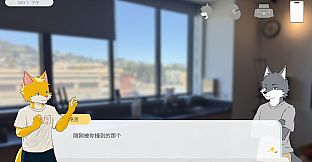


Two Years Later is a free to play story-driven campus life simulator for PC that places players in the role of a student navigating everyday decisions over multiple in-game days. The experience centers on ordinary routines rather than world-saving quests, with choices influencing personal relationships and narrative branches in a semi-open campus and city environment.
Gameplay
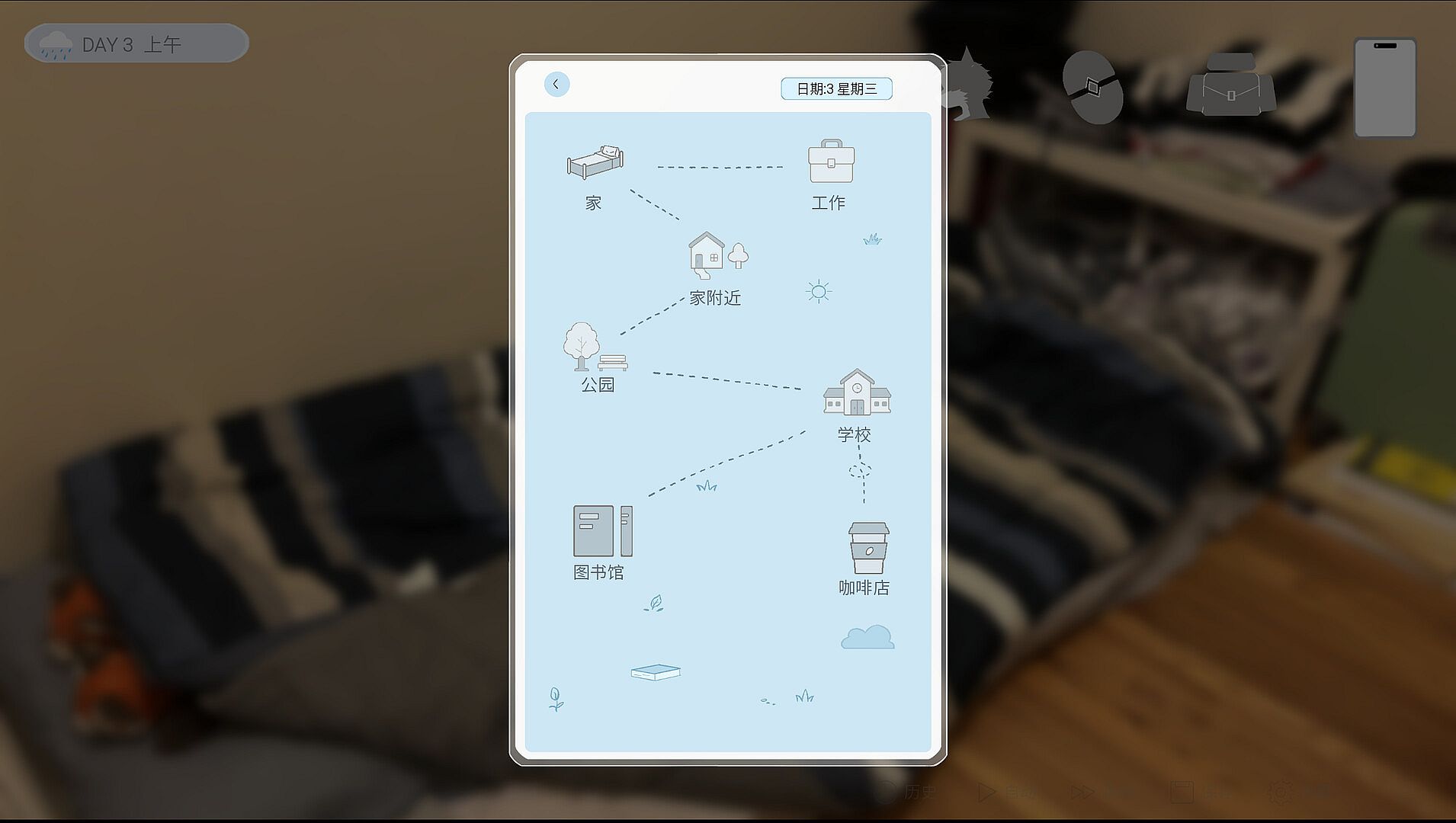
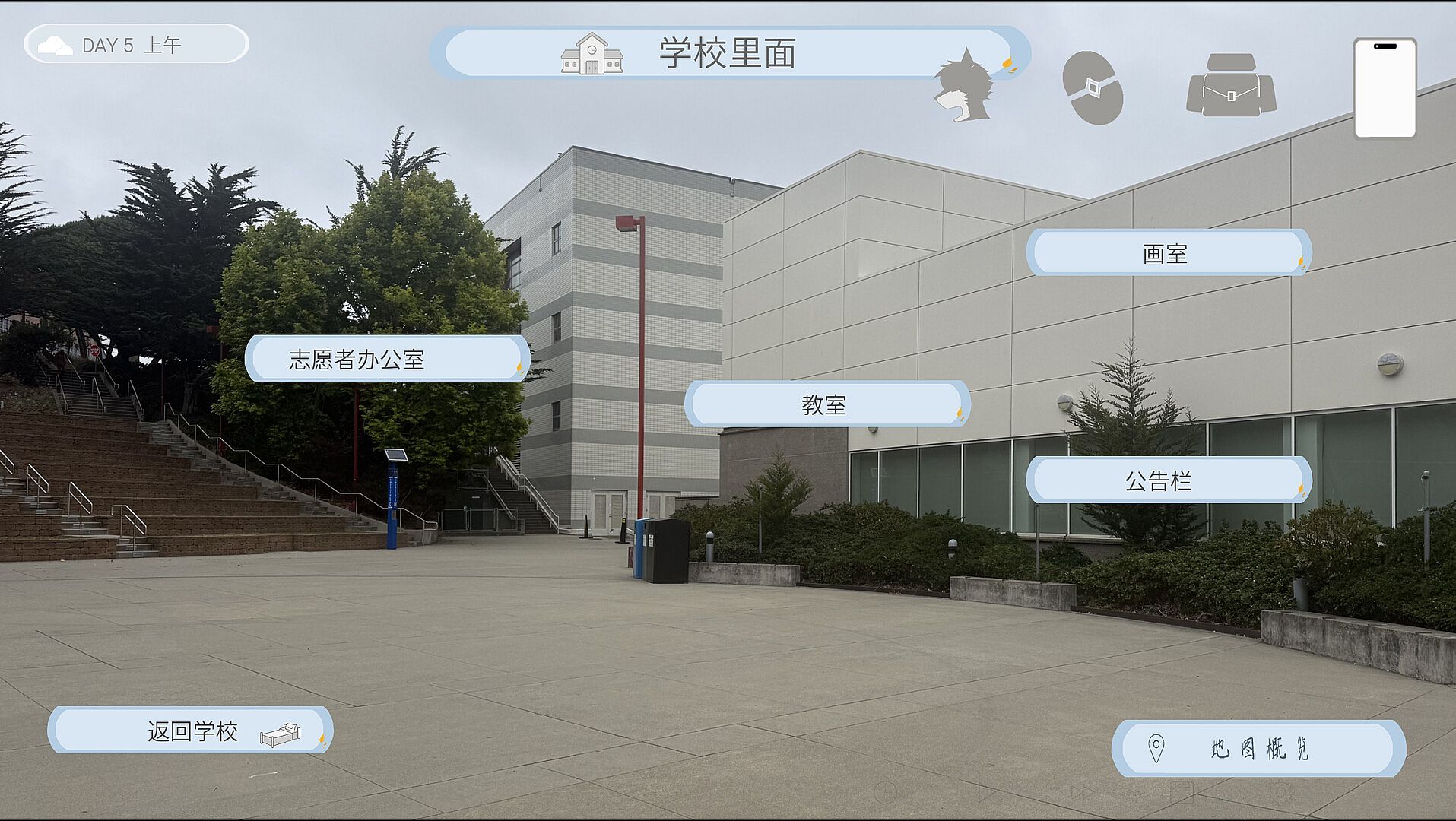
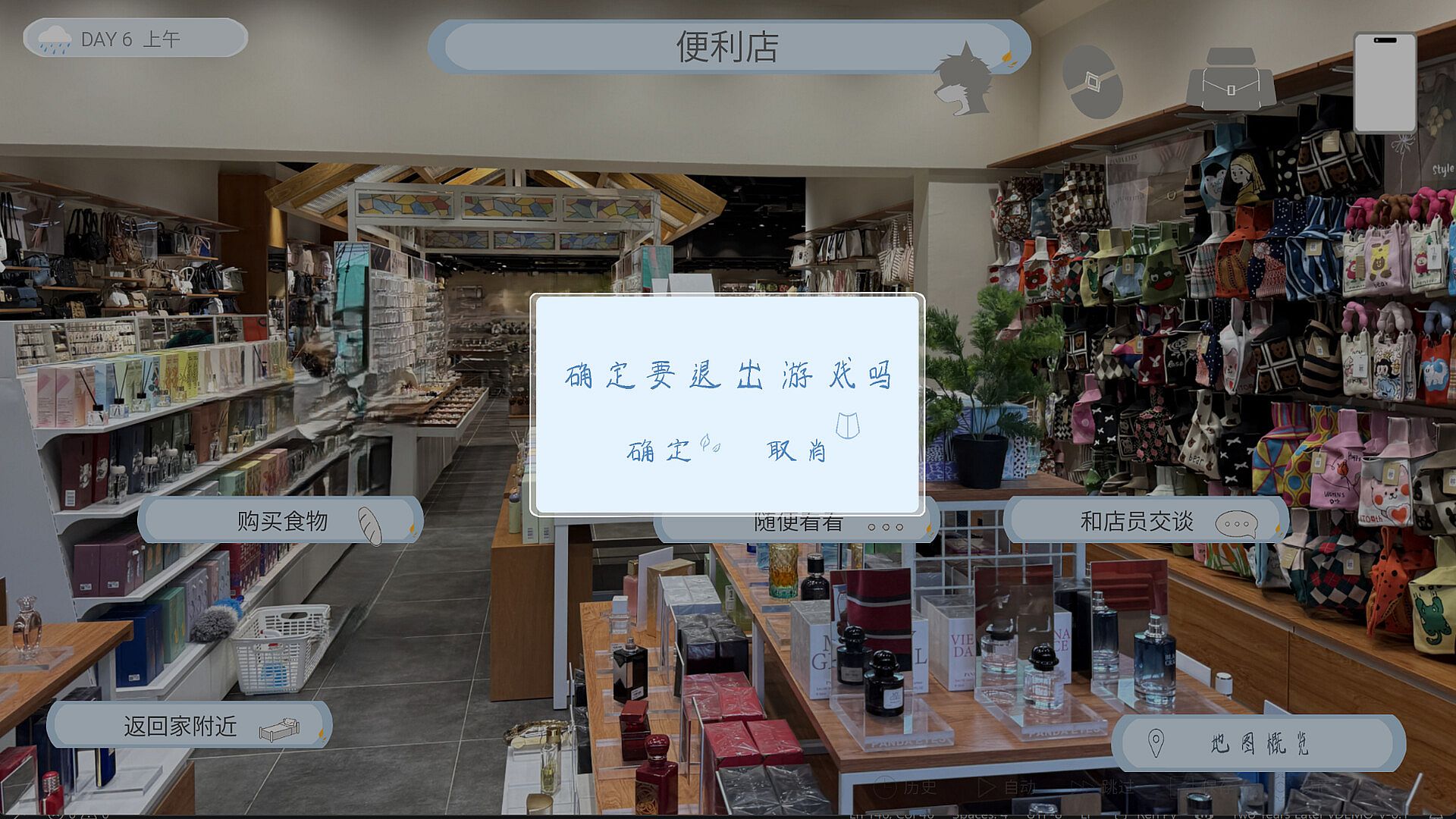
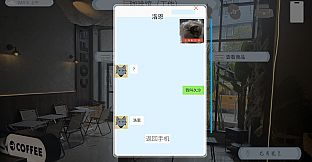
Players manage daily action points to attend classes, take on part-time work, meet friends, or explore the surrounding city. Resource tracking covers money, energy, hunger, mood, and backpack contents, requiring careful planning to sustain progress across sessions. An interactive phone system adds layers to communication and scheduling, while inventory management and an economy system tie into daily activities.
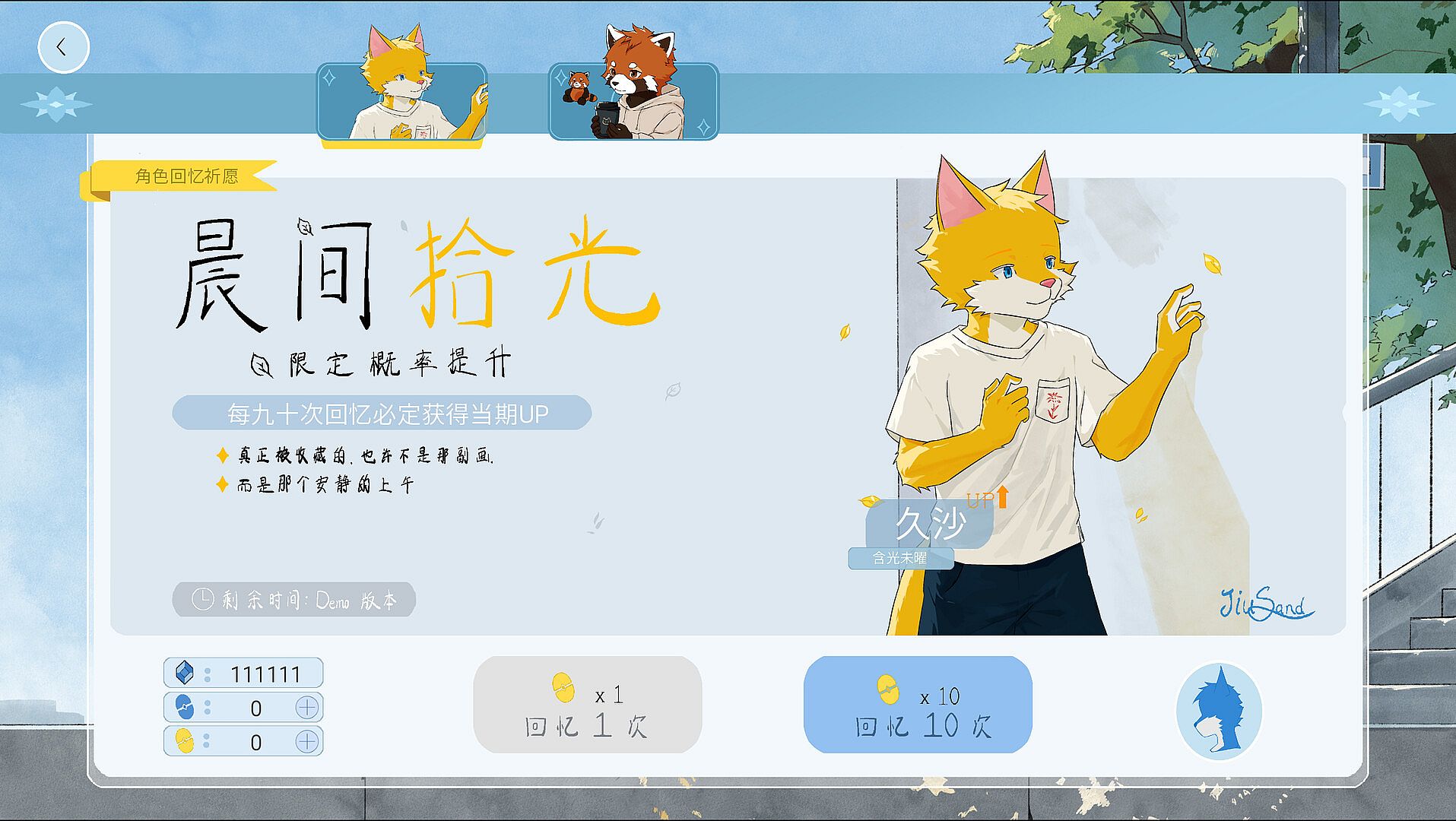
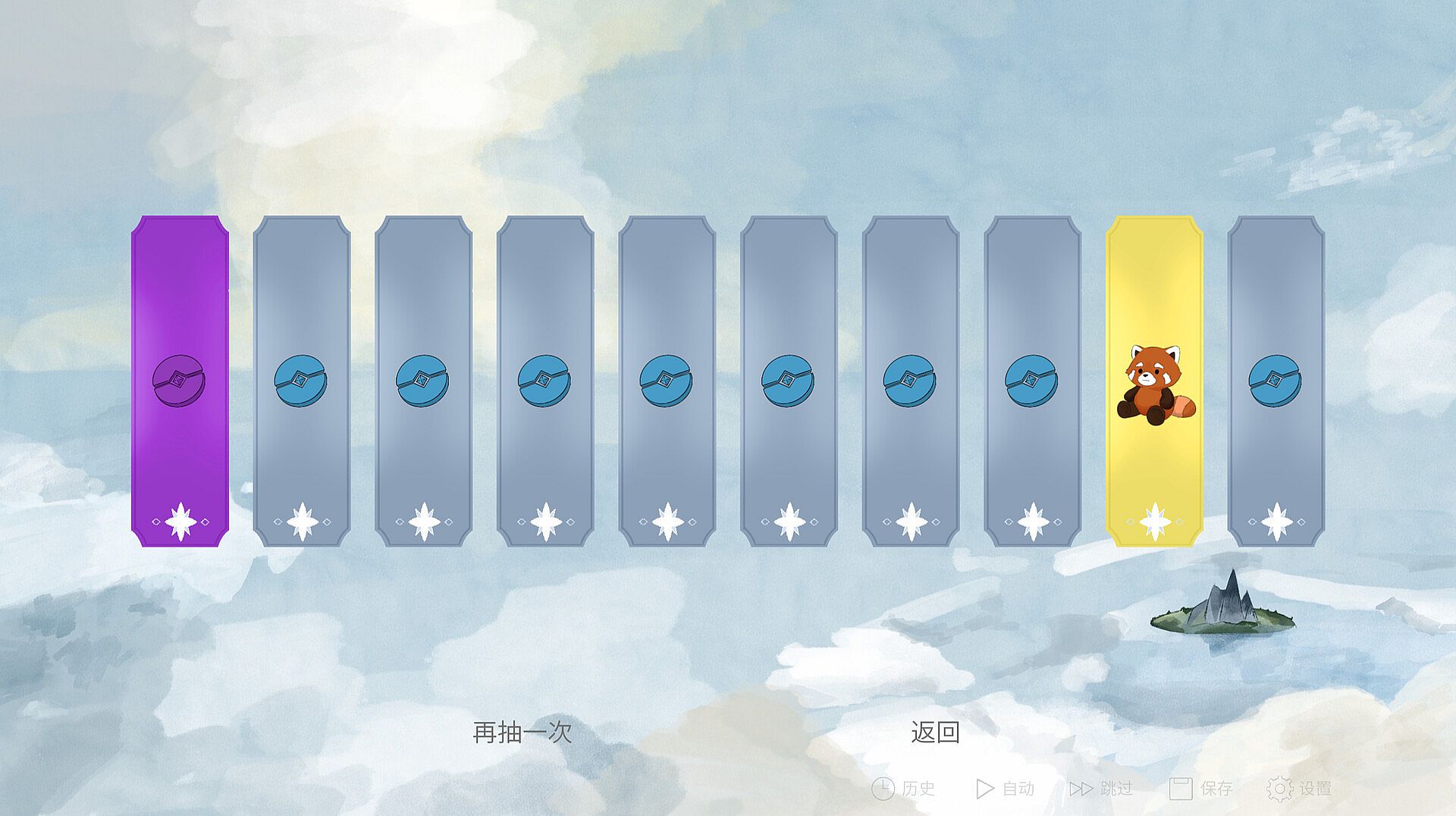
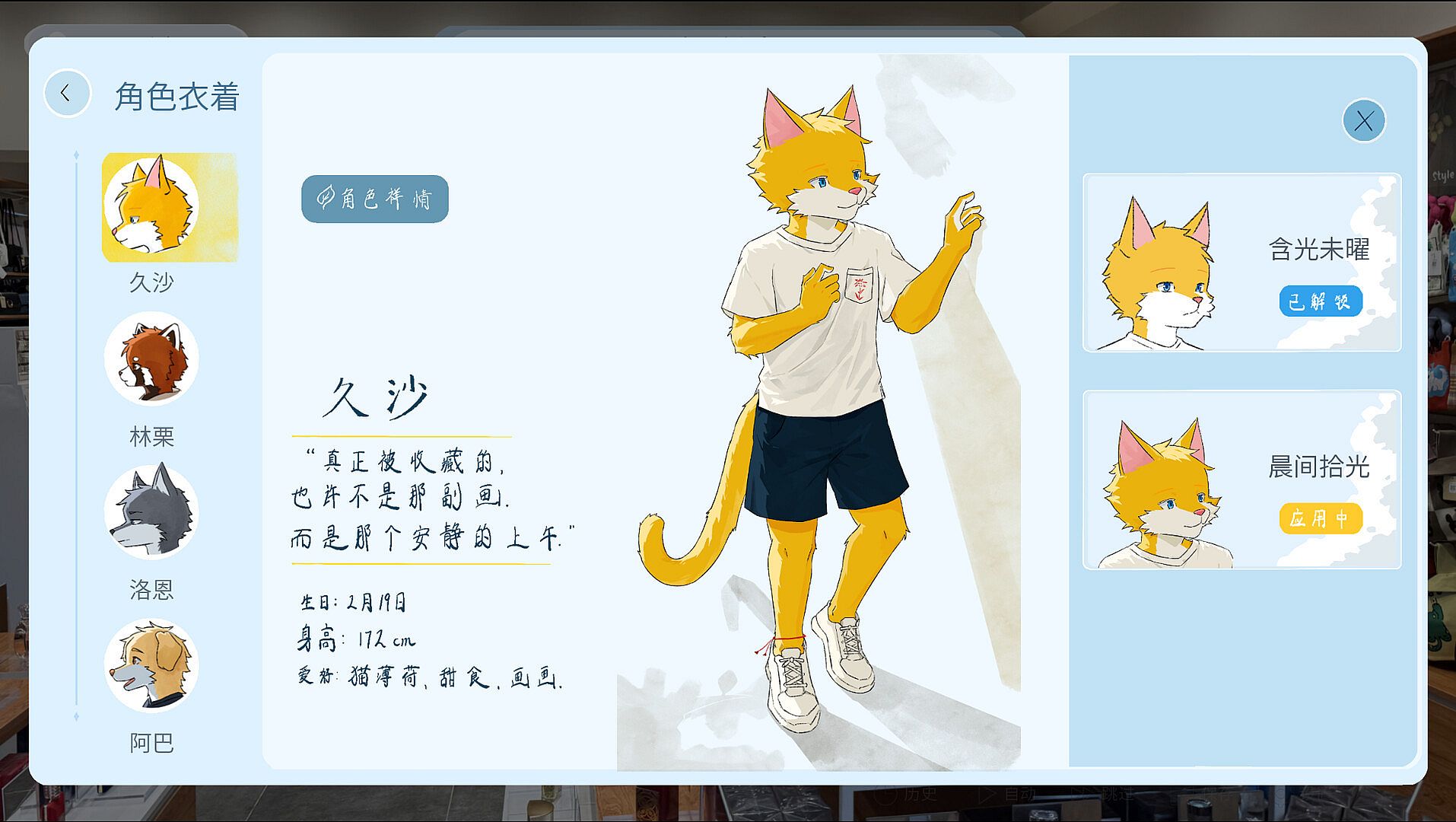
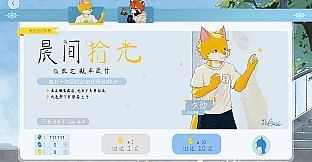
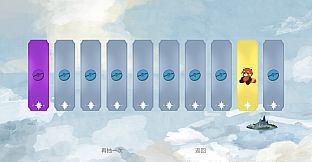
Dynamic events respond to factors like location, weather patterns, time of day, and prior decisions, creating varied outcomes on each playthrough. Random weather influences available options and event triggers, encouraging adaptation rather than fixed routines. Collectible outfits unlock through a free gacha system that remains entirely cosmetic and separate from story progression or economic balance.
The core loop rewards observation and experimentation, as hidden events surface only under specific conditions. Replay value comes from revisiting days to uncover alternate scenes and character interactions that were missed initially.
Game Modes
The game operates as a single-player experience focused on narrative exploration and life simulation. There are no separate competitive or cooperative modes, with all content delivered through the main story framework and its branching paths. Replay sessions serve as the primary way to access different events and endings, supported by the day-based structure that allows targeted returns to earlier points.
Story and Choices
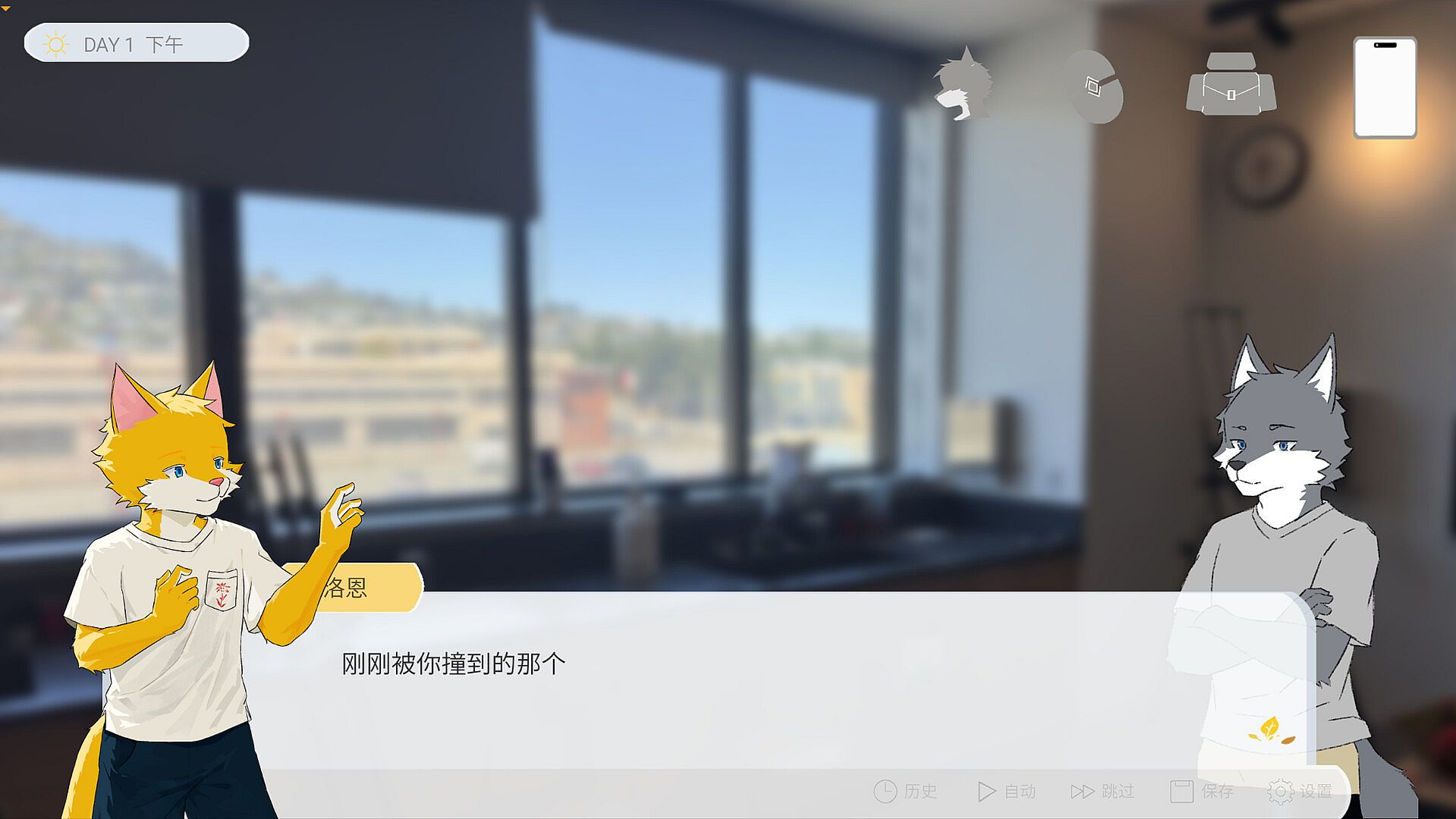
Narrative development unfolds through personal interactions and routine decisions rather than large-scale conflicts. Relationships evolve based on time spent with characters and responses given during conversations, leading to distinct moments that reflect the player's approach. The setting emphasizes campus life and city wandering, where small actions accumulate into meaningful changes for both the protagonist and supporting cast.
Achievements track progress across various activities and discoveries, providing additional goals without altering core mechanics. The overall structure supports multiple runs, each shaped by how resources are allocated and which locations receive priority on given days.
Is It Worth Playing?
Two Years Later suits players interested in choice-driven life simulators and visual novel elements with light resource management. Its free to play model removes financial barriers, and the cosmetic gacha system avoids any pay-to-win elements or impacts on routes. Since the title has not yet launched, player reception data remains unavailable, but the described systems emphasize replayability through dynamic events and hidden content.
Those who enjoy managing schedules, discovering conditional scenes, and shaping stories through everyday decisions will find the most alignment with its design. The upcoming release on PC positions it as an accessible entry for fans of campus-based narratives that prioritize personal agency over action or combat.