

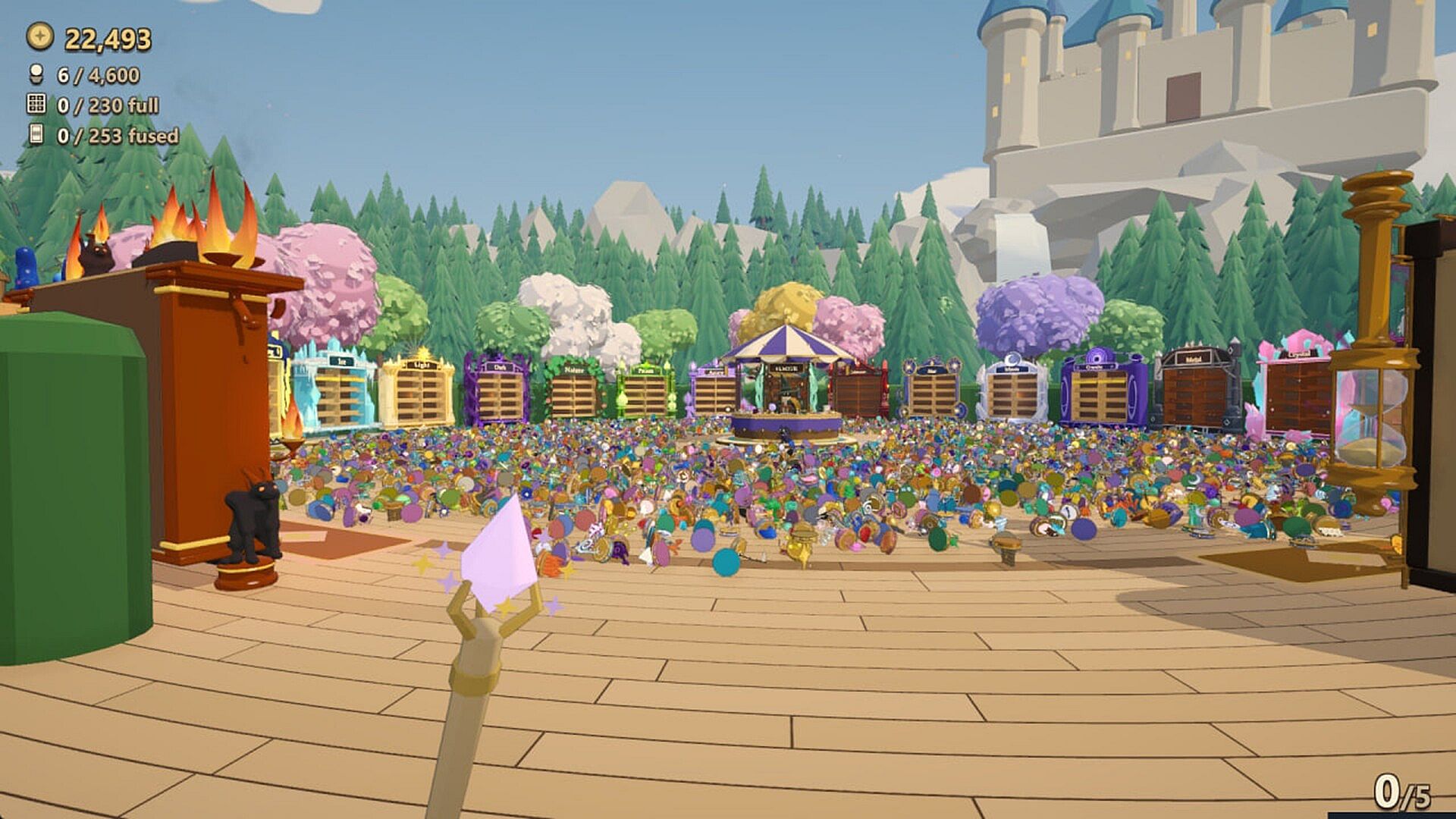
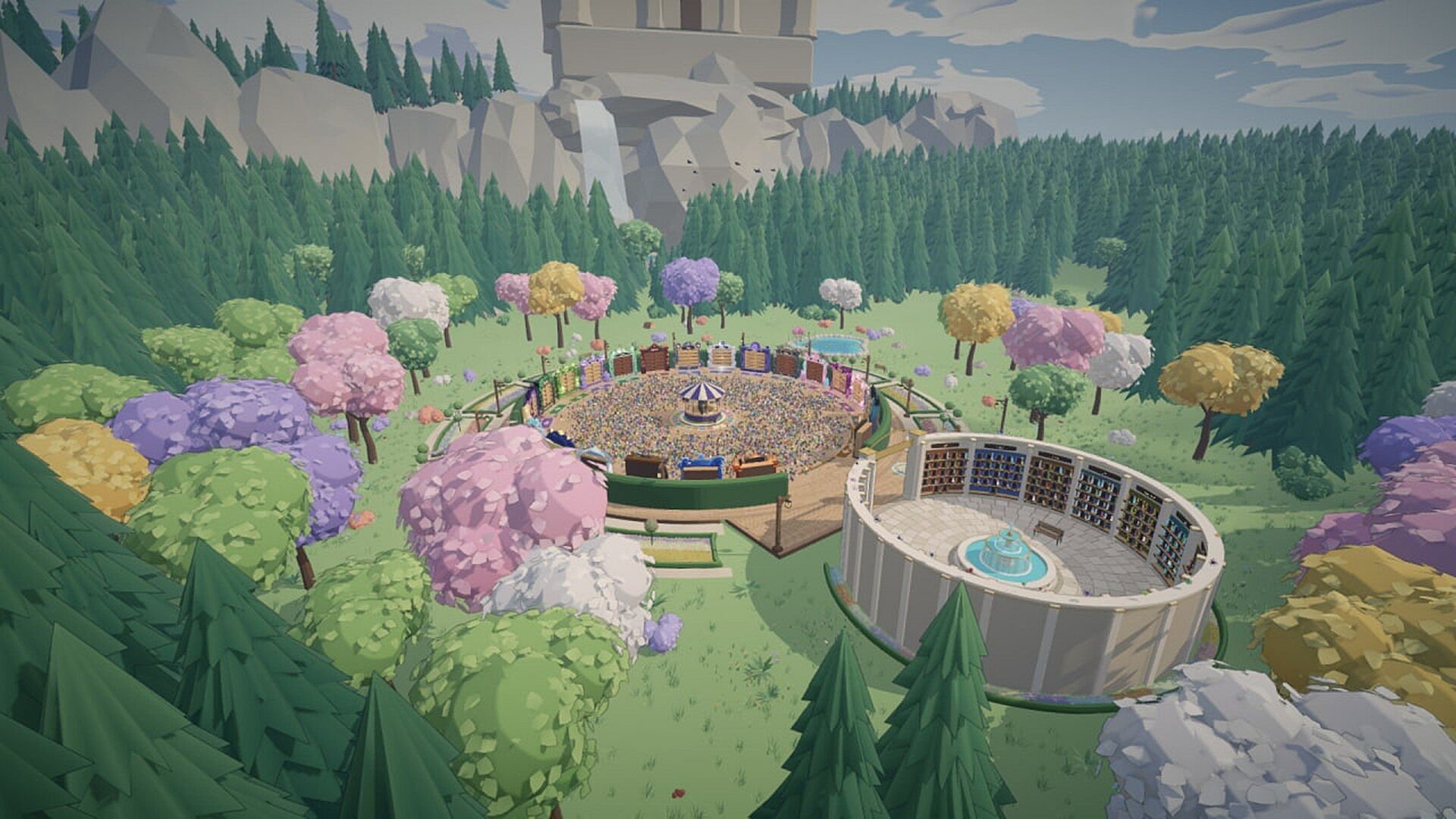
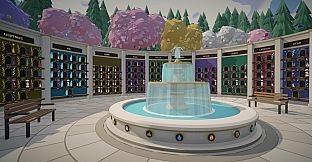
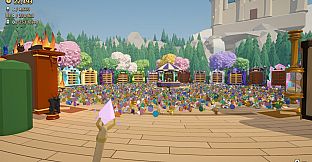
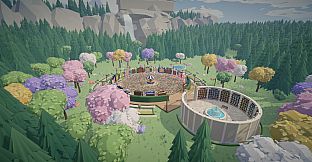
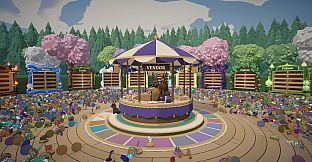
Tidy Up the Magic Mess is a single-player simulation game built around the satisfying process of organizing spells in a magical library. Players step into a quiet space where the main activity involves collecting scattered spells and returning them to their proper shelves, gradually illuminating the environment as order is restored. The experience emphasizes a relaxed pace with no timers or pressure, allowing time to explore the details of each item and the growing collection.
Gameplay
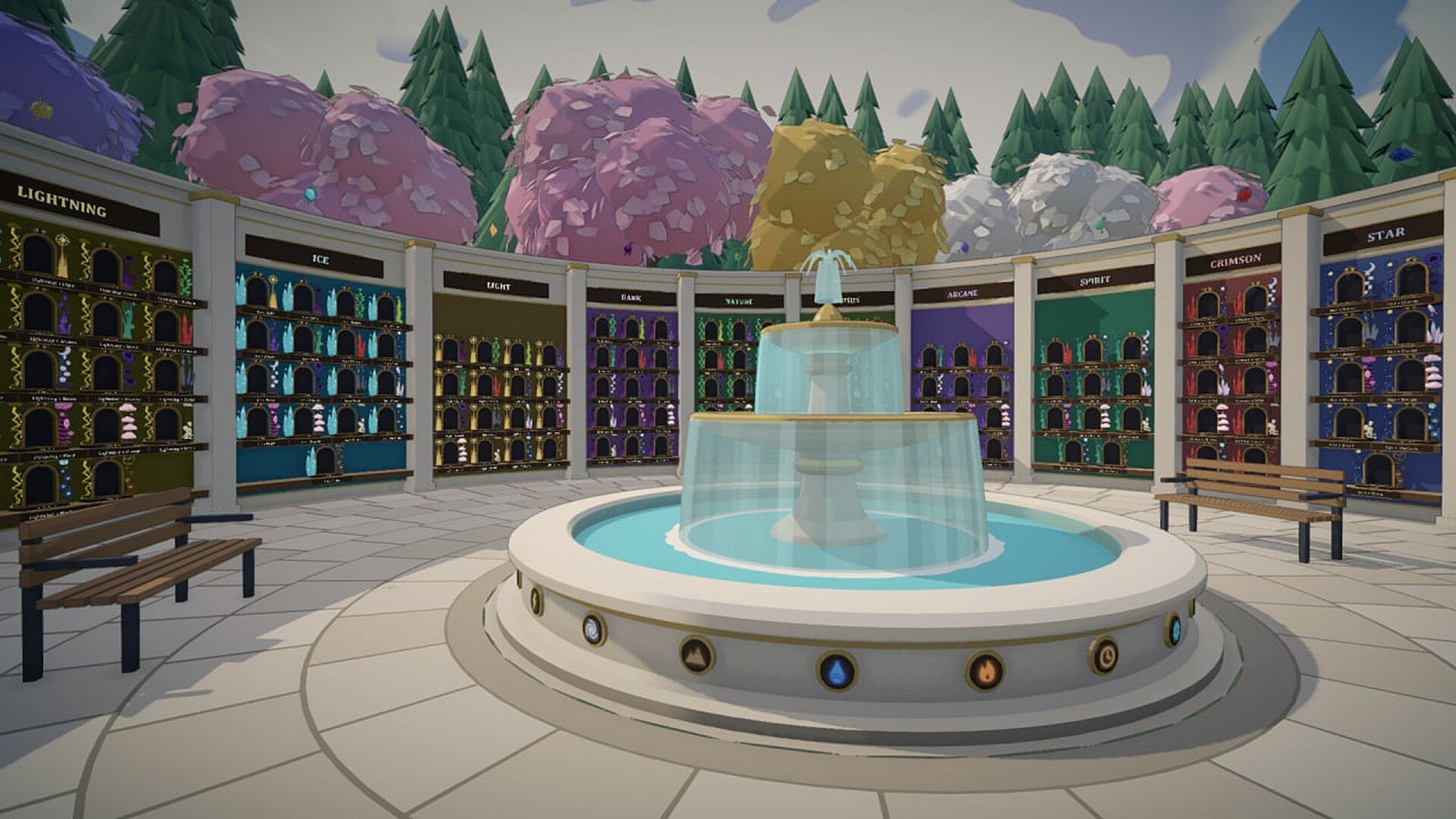
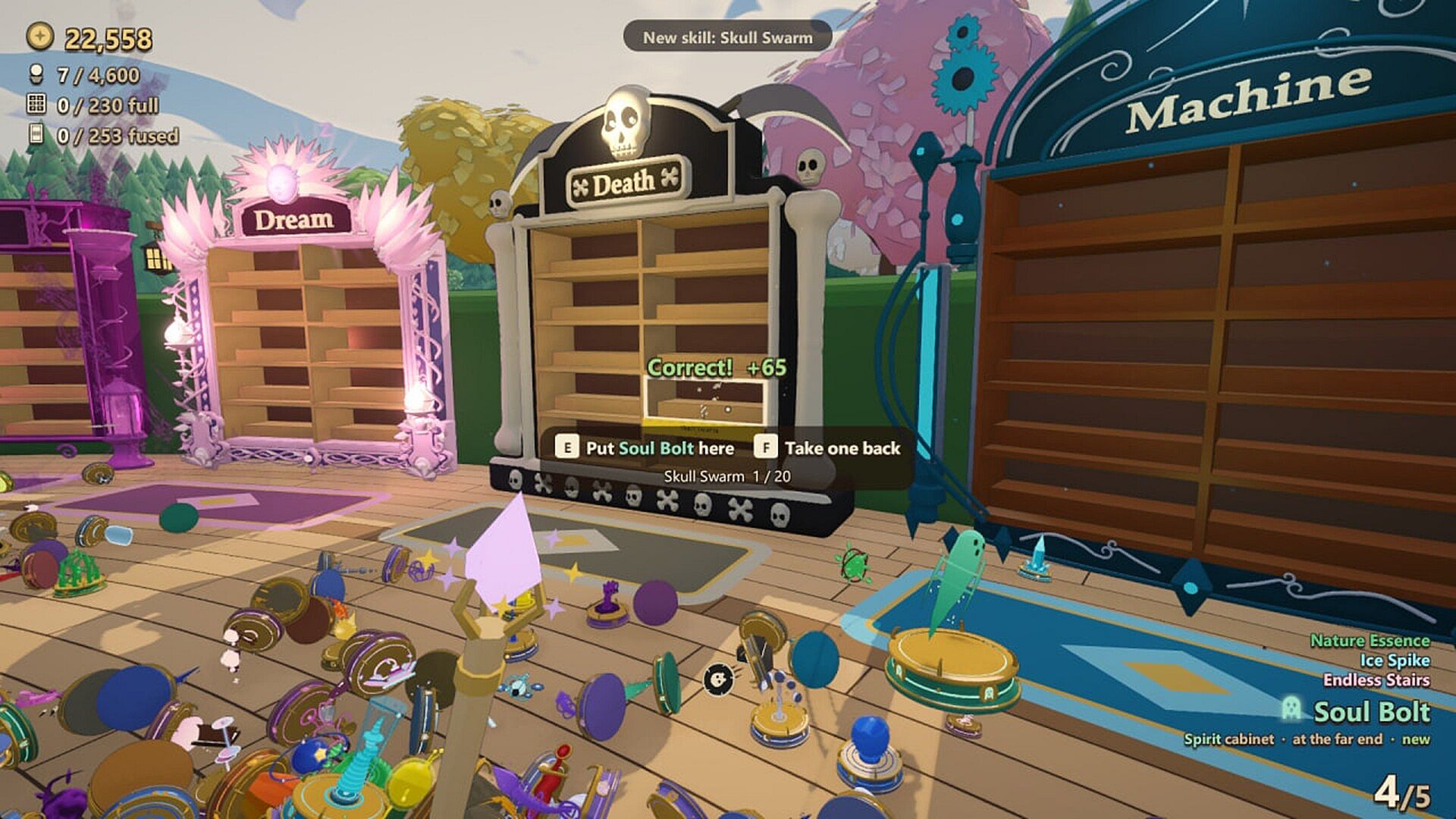
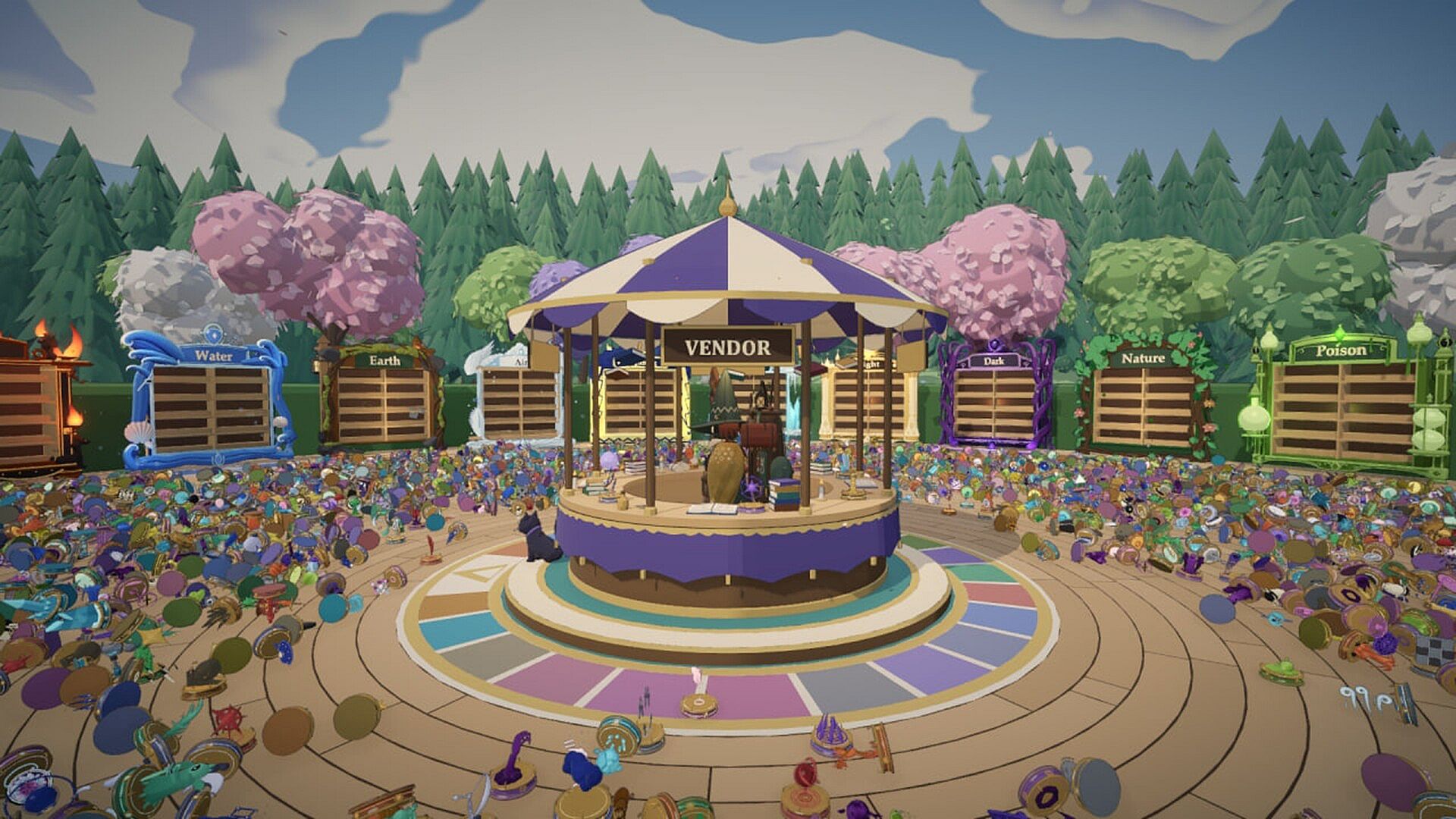
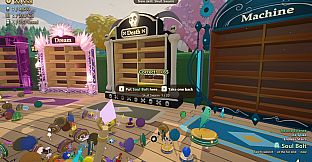
The core loop centers on locating individual spells and placing them in the correct element-based cabinets. There are 230 spells distributed across 23 elements such as Fire, Ice, Dream, and Death. Each spell has a distinct visual design that reflects its function, so a Fireball appears as a literal ball of flame while a Rewind spell takes the form of a clock turning backward. This visual matching helps players identify and sort items without additional guidance.
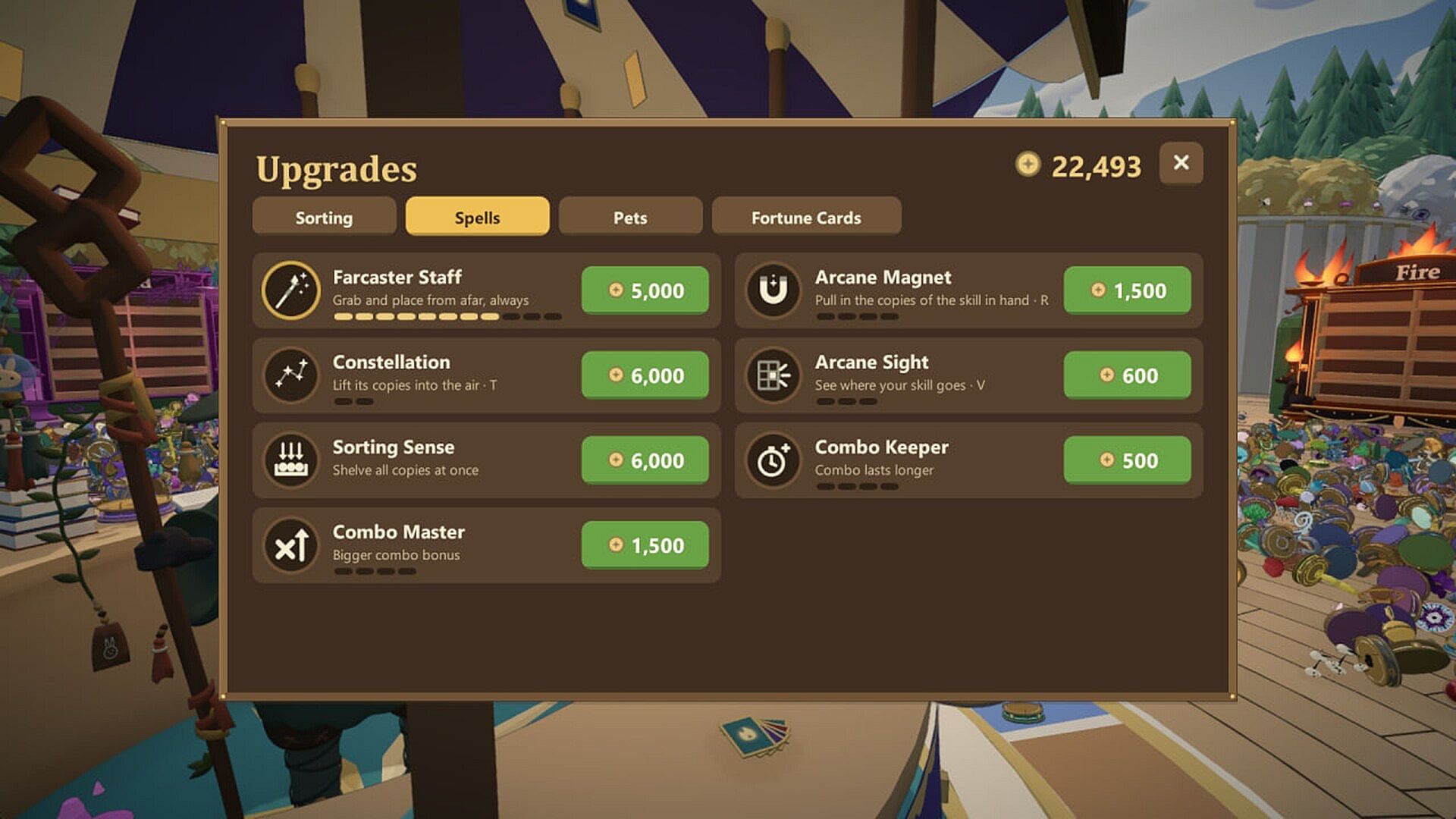
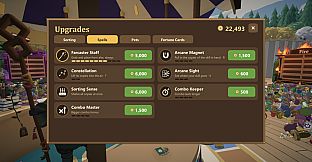
Progress comes from filling shelves, which causes the library to glow brighter with each completed section. Players earn gold through their efforts, which can then be spent to unlock new magical tools. These include the ability to summon spells directly to the hands, illuminate specific shelves for easier navigation, and call wisps that assist with collection tasks. The system supports a steady sense of advancement as more spells become accessible and the workspace grows more organized.
Another layer involves combining essences at a dedicated altar. This process reveals 253 fused spells that blend two elements into new forms. The fusion mechanic adds depth to the collection by encouraging players to experiment with pairings once base spells are in place. All activities unfold at the player's chosen speed in a single-player environment focused entirely on personal organization and discovery.
Game Modes
The game operates as a single-player simulation with no separate competitive or multiplayer modes confirmed. The entire experience revolves around the central organizing activity across the magical library setting. Players move through the space at their own rhythm, focusing on spell placement, shelf completion, and optional essence combinations without external objectives or time constraints.
This structure keeps the focus on the tactile process of tidying and the visual rewards of a progressively brighter, more complete collection. The absence of additional modes aligns with the game's emphasis on unhurried exploration and personal satisfaction from incremental progress.
Progression and Features
Advancement ties directly to the number of spells shelved and the gold accumulated for upgrades. Unlocking summons, shelf lighting, and wisp helpers streamlines later stages while preserving the core hands-on feel. The fusion system at the altar provides an additional goal for players who enjoy experimenting with element pairings to unlock the full set of 253 combined spells.
Visual feedback plays a key role, with the library's lighting improving as cabinets fill. This creates a clear sense of accomplishment tied to the physical arrangement of items rather than abstract scores or levels. The design supports repeated visits to refine placement or pursue remaining fusions without any rush to finish.
Is It Worth Playing?
Tidy Up the Magic Mess suits players who enjoy simulation games centered on organization and collection. The verified mechanics of spell sorting, visual matching, essence fusion, and gold-based upgrades deliver a consistent loop of placement and incremental rewards. With its single-player focus and emphasis on taking time as needed, the game appeals to those seeking a calm, methodical experience rather than action or competition.
Since the title is listed as coming soon with no user reviews available yet, any decision to play rests on interest in the described systems. The combination of 230 base spells across 23 elements and the potential for 253 fusions offers substantial content for completionists who value thorough shelving and experimentation. Those drawn to relaxing PC simulation titles with clear visual progression will find the core loop matches the provided details closely.