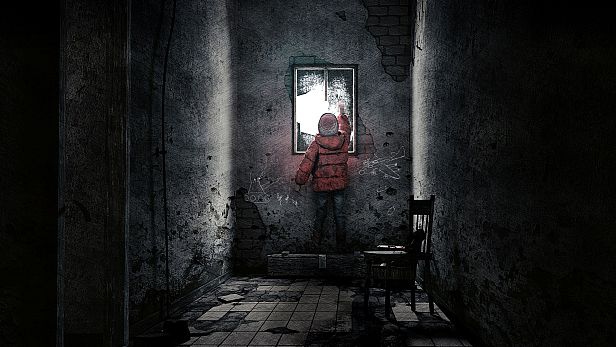


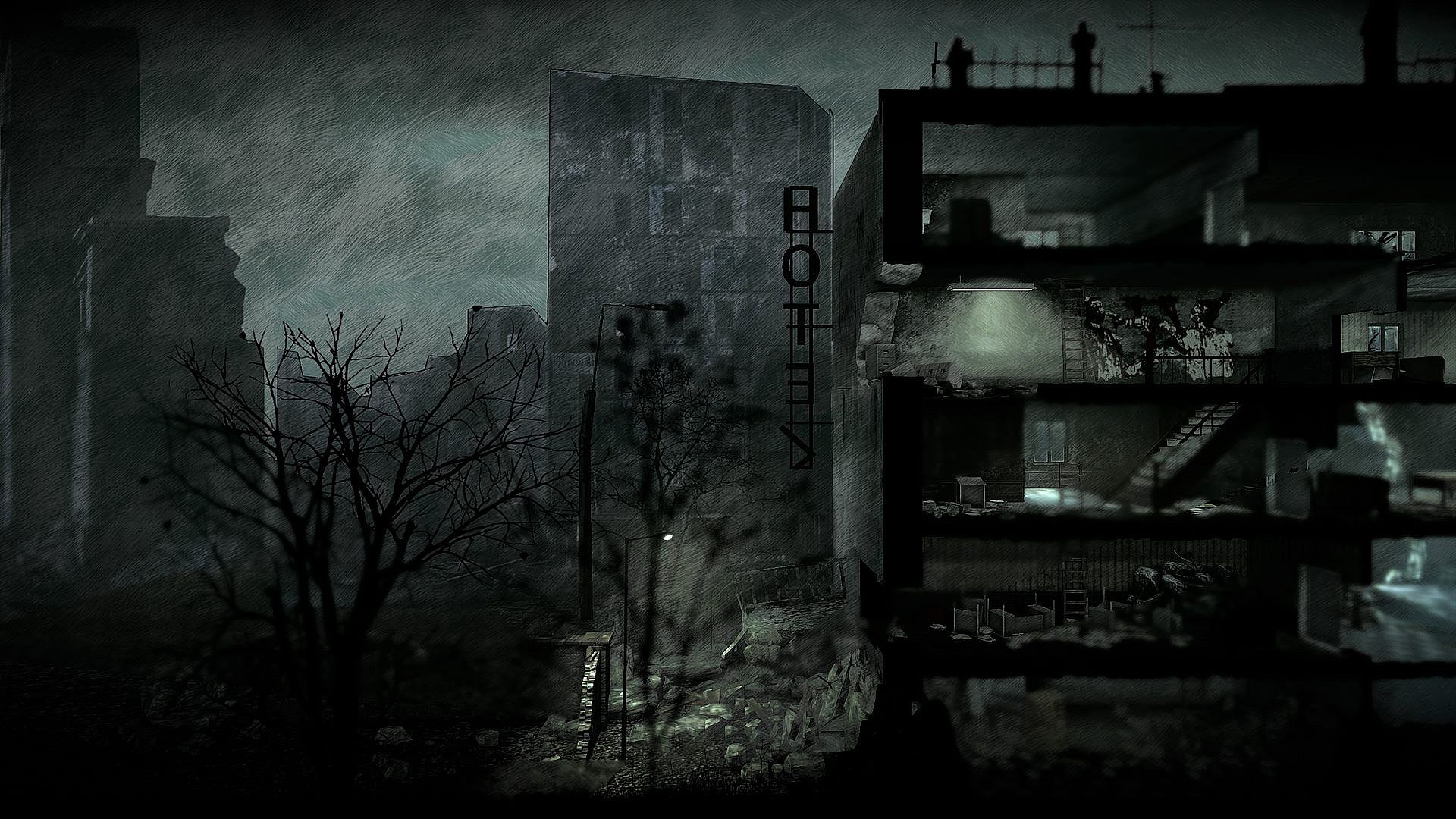
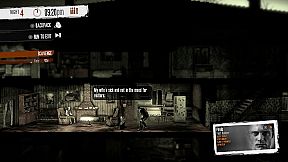

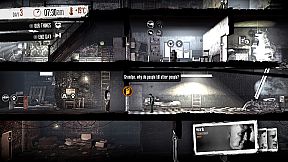
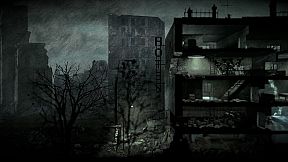
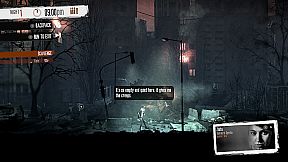
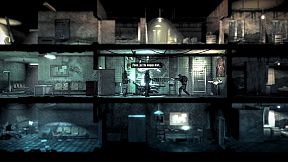
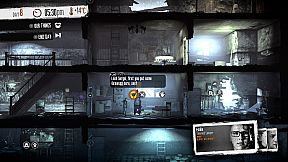
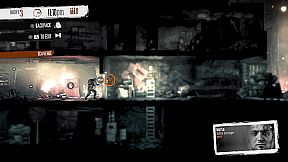
This War of Mine: The Little Ones is a single-player survival simulation set during a prolonged urban conflict. Players manage a small group of civilians who must secure food, water, and safety while living in a damaged house amid constant threats from shelling, shortages, and hostile encounters. The addition of child survivors introduces new layers of care and emotional management that shape every decision.
Gameplay
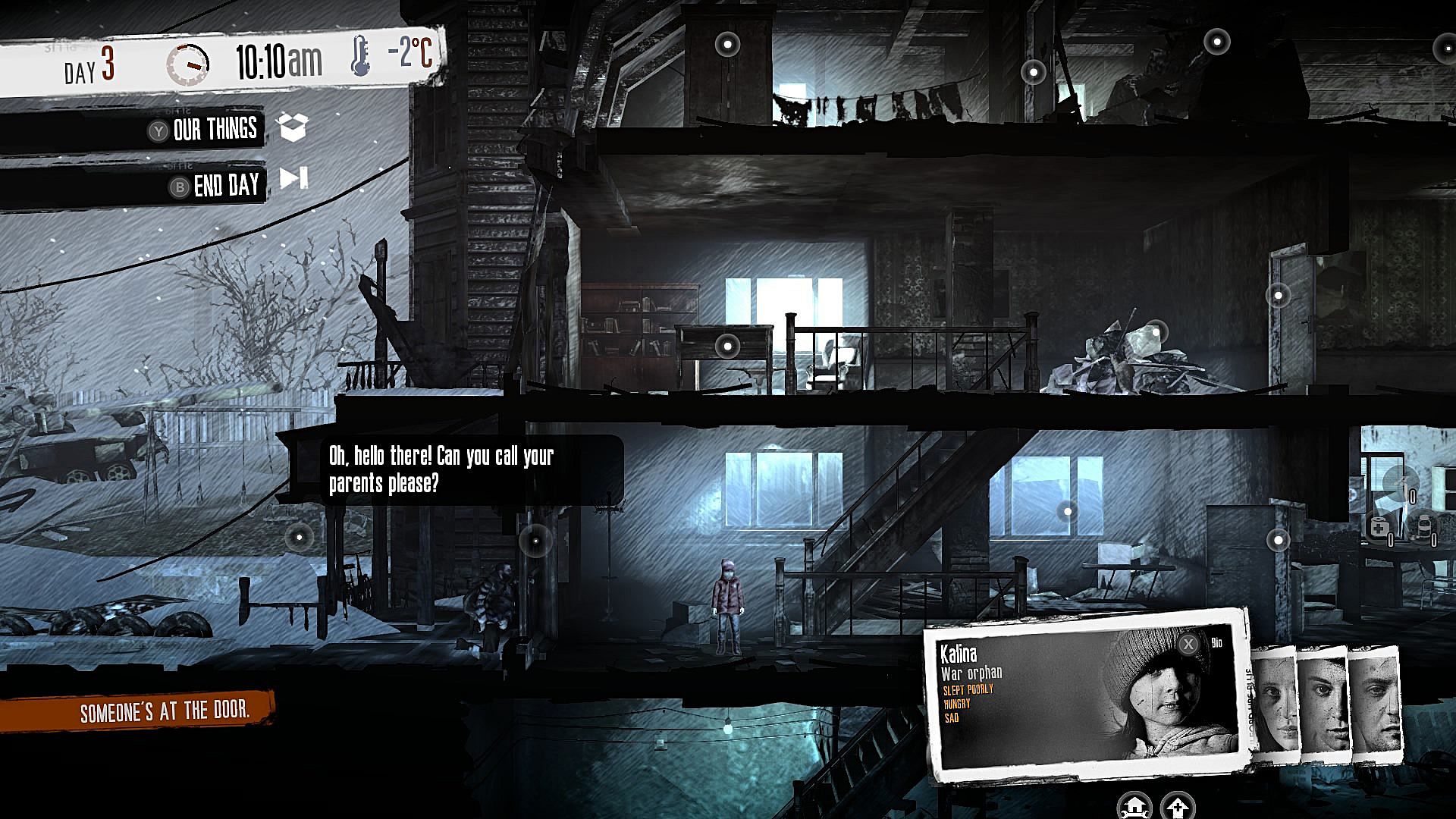
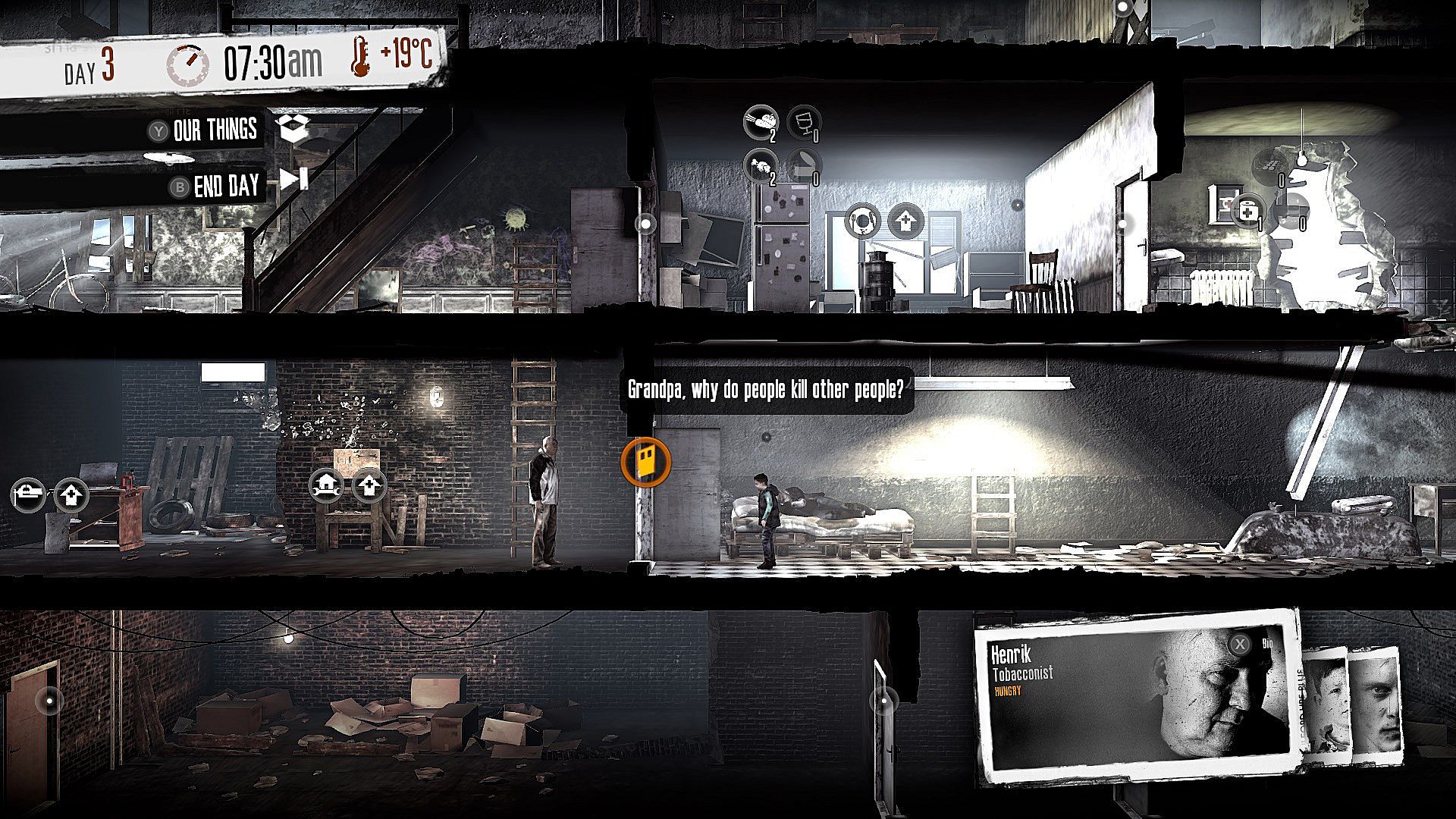
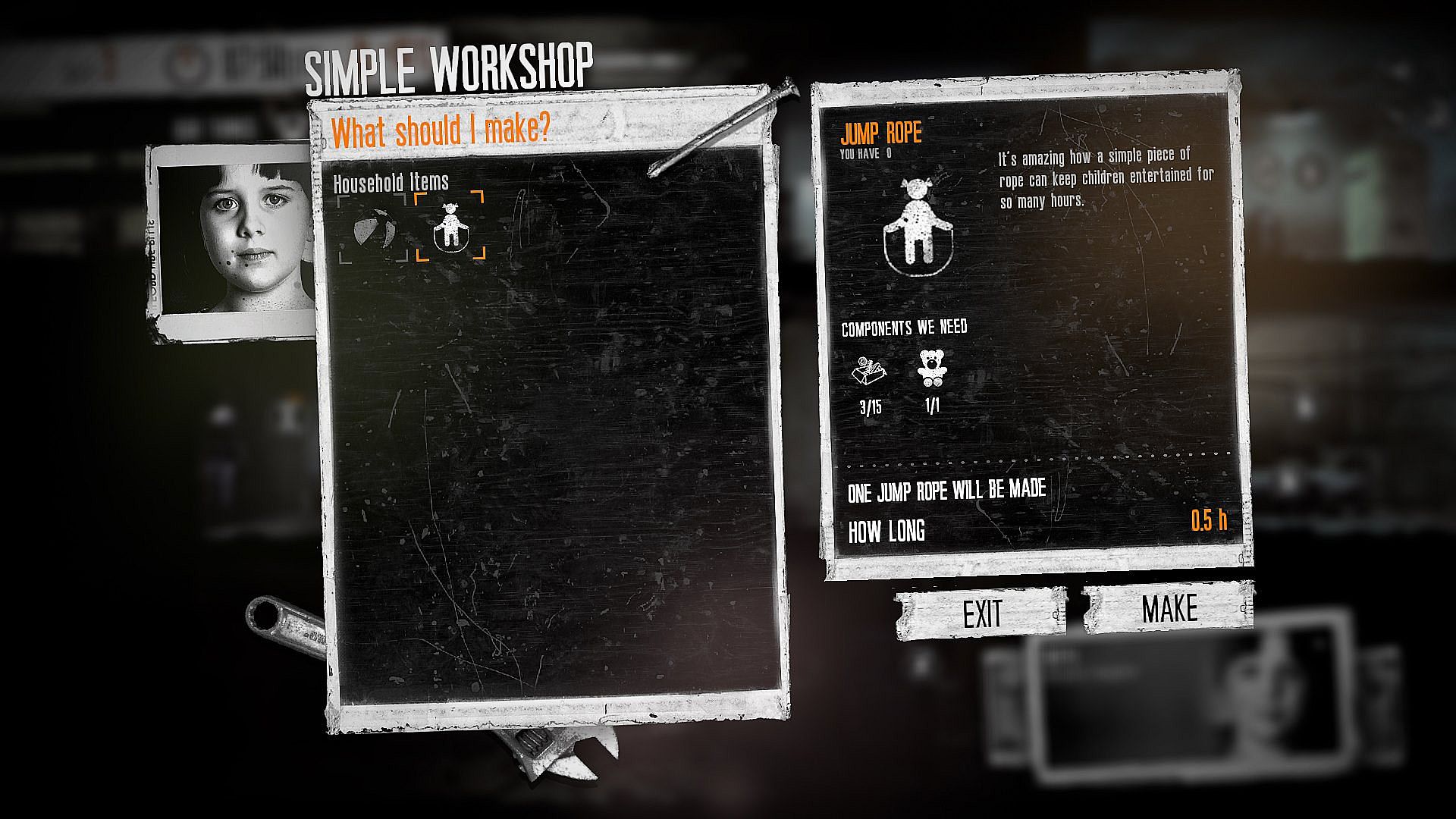
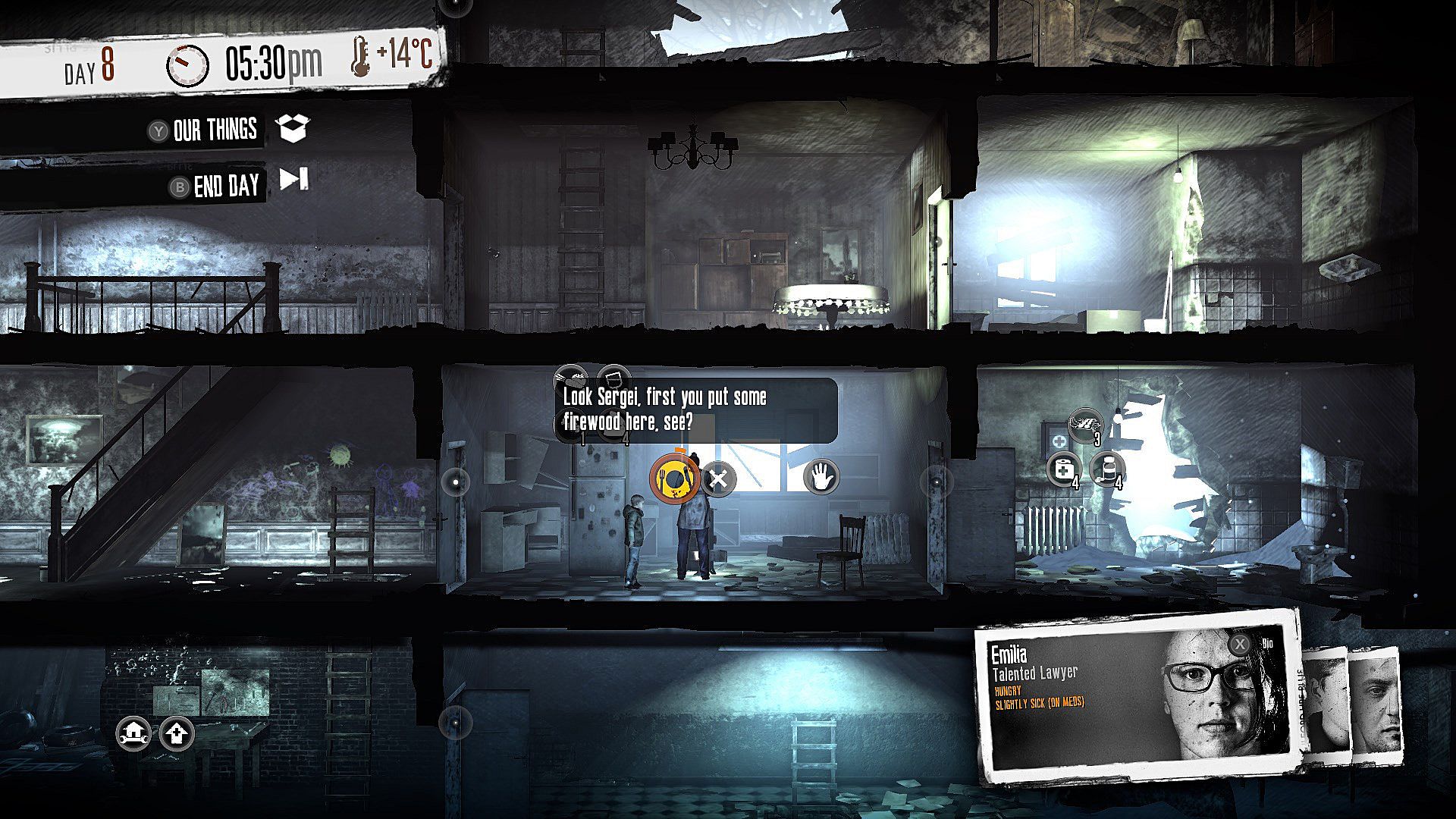
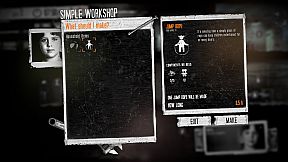
Daytime hours focus on shelter upkeep and preparation. Survivors can be assigned tasks such as cooking meals, reinforcing walls, or working at upgraded workbenches to produce tools and supplies. Resources gathered earlier determine what can be crafted, ranging from basic beds and stoves to weapons and medical items. Children require specific attention during these periods, including teaching them practical skills like collecting water or tending to the injured, which helps the entire group function more effectively.
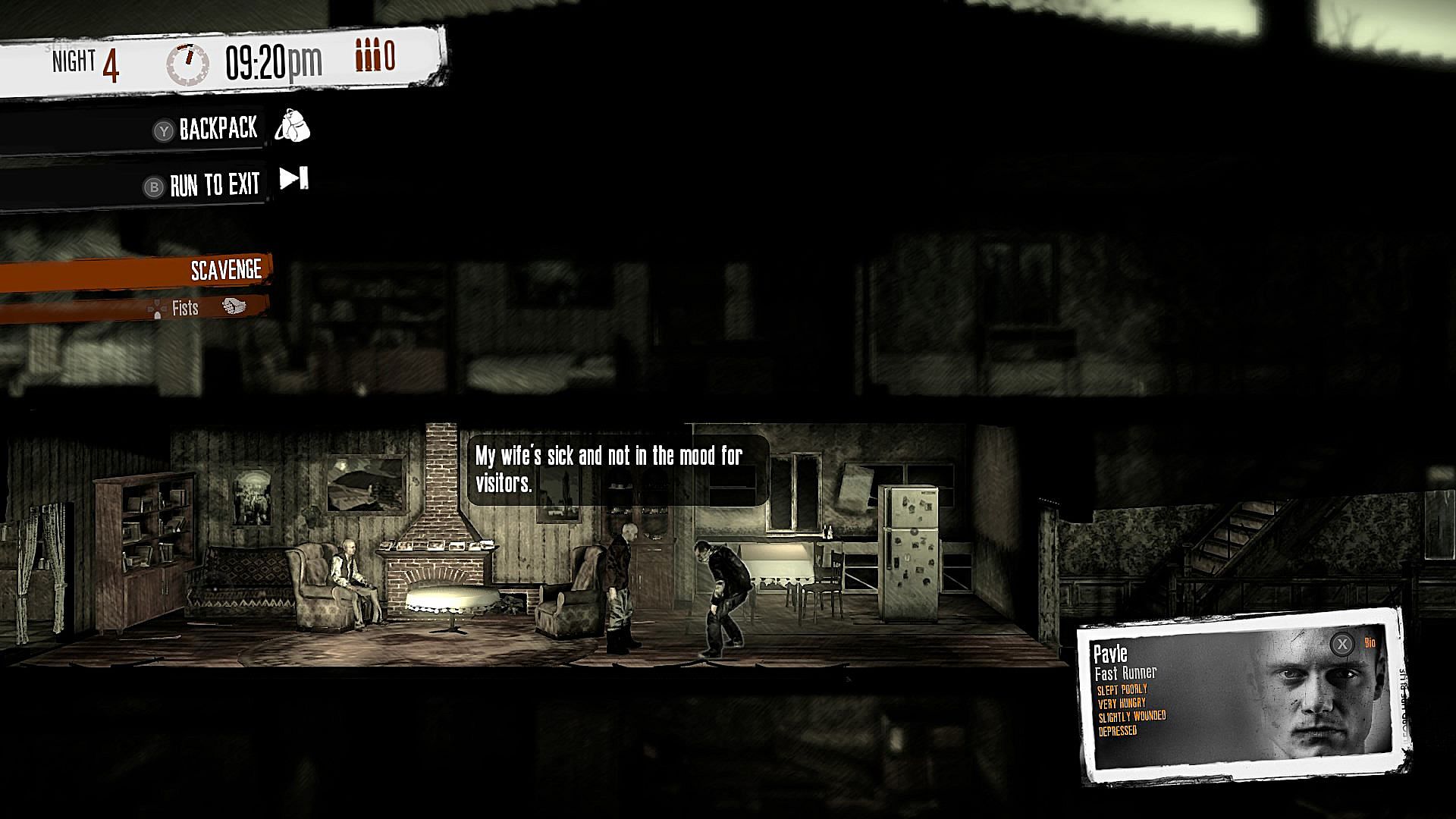
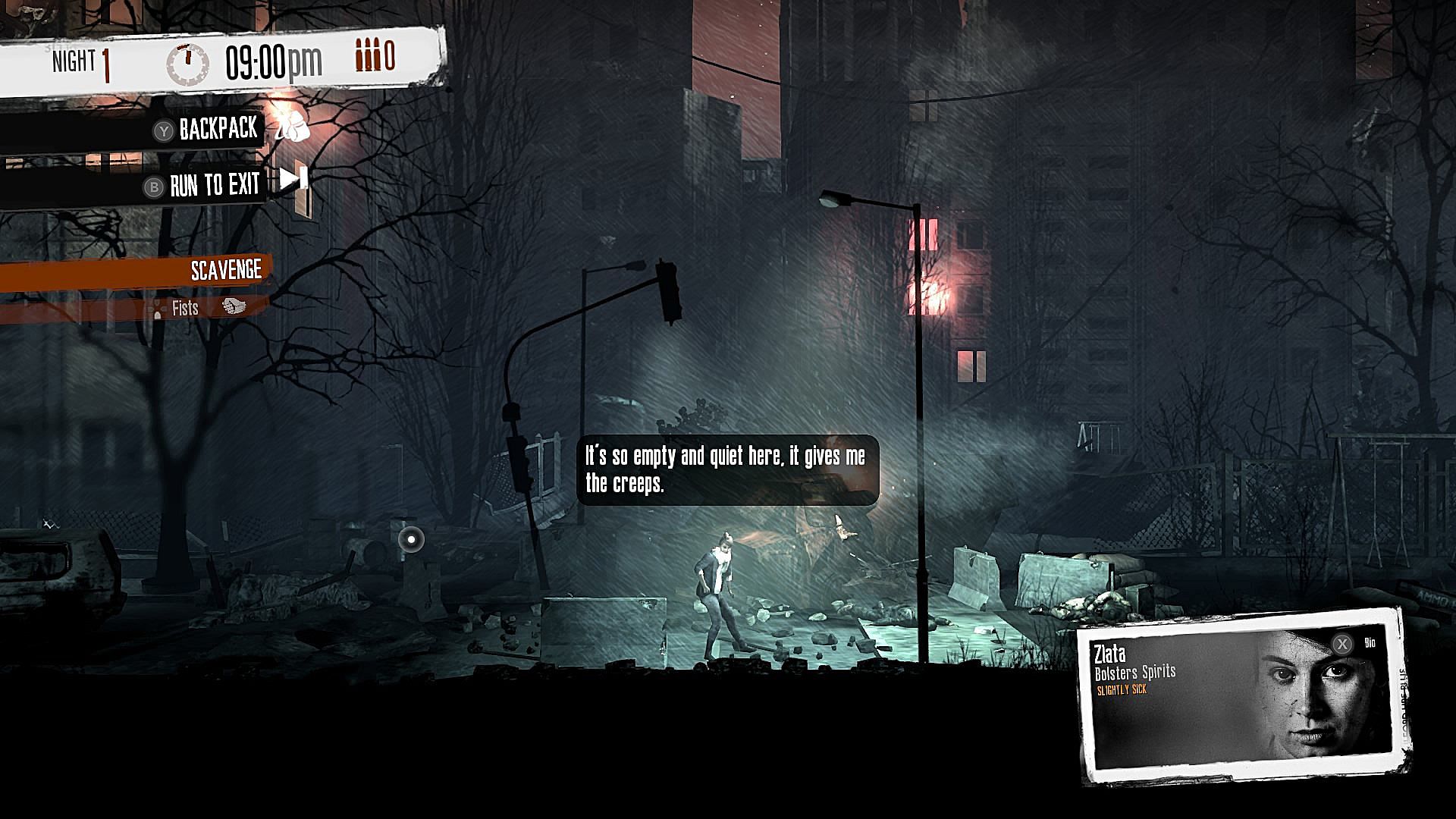
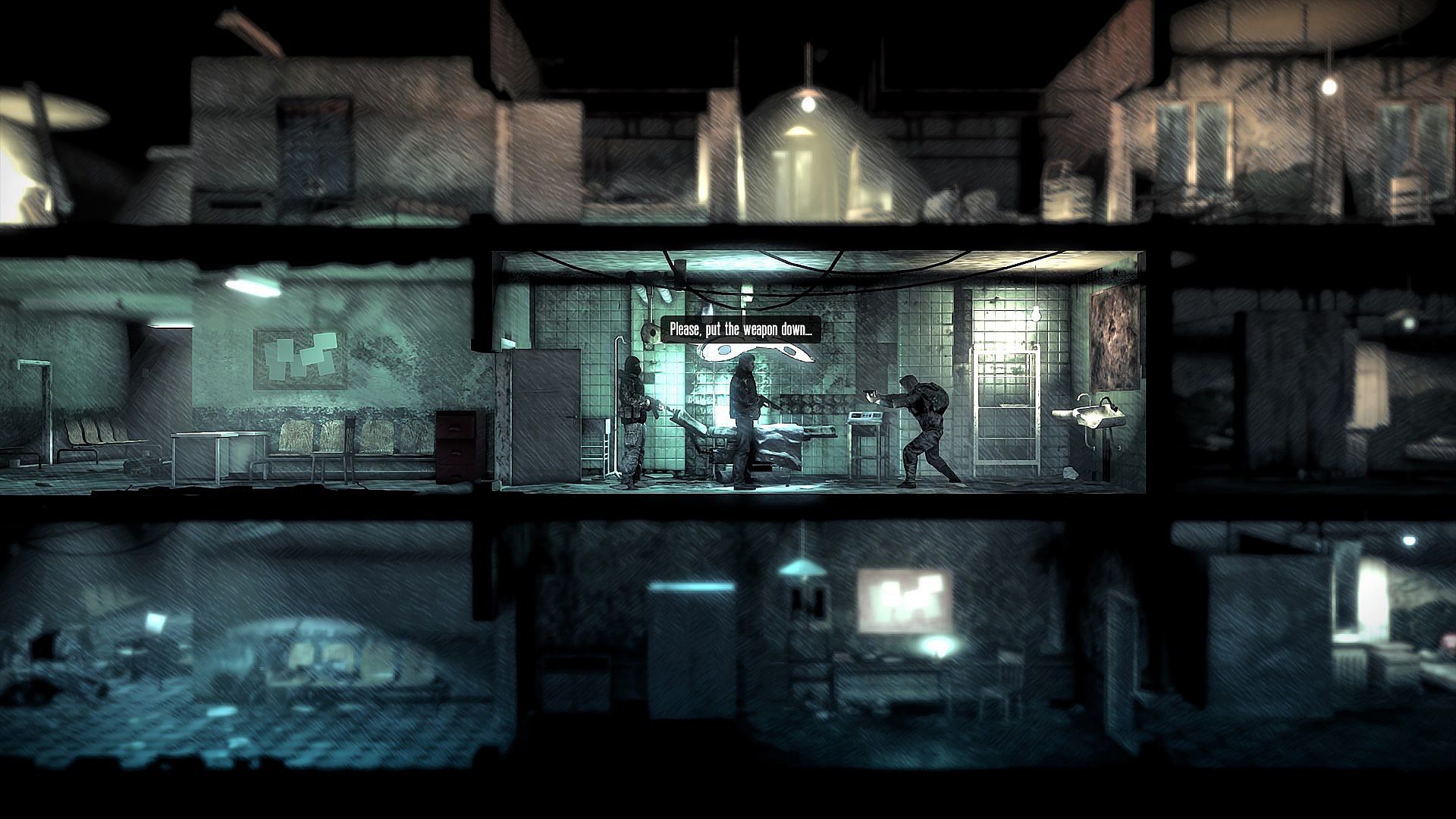
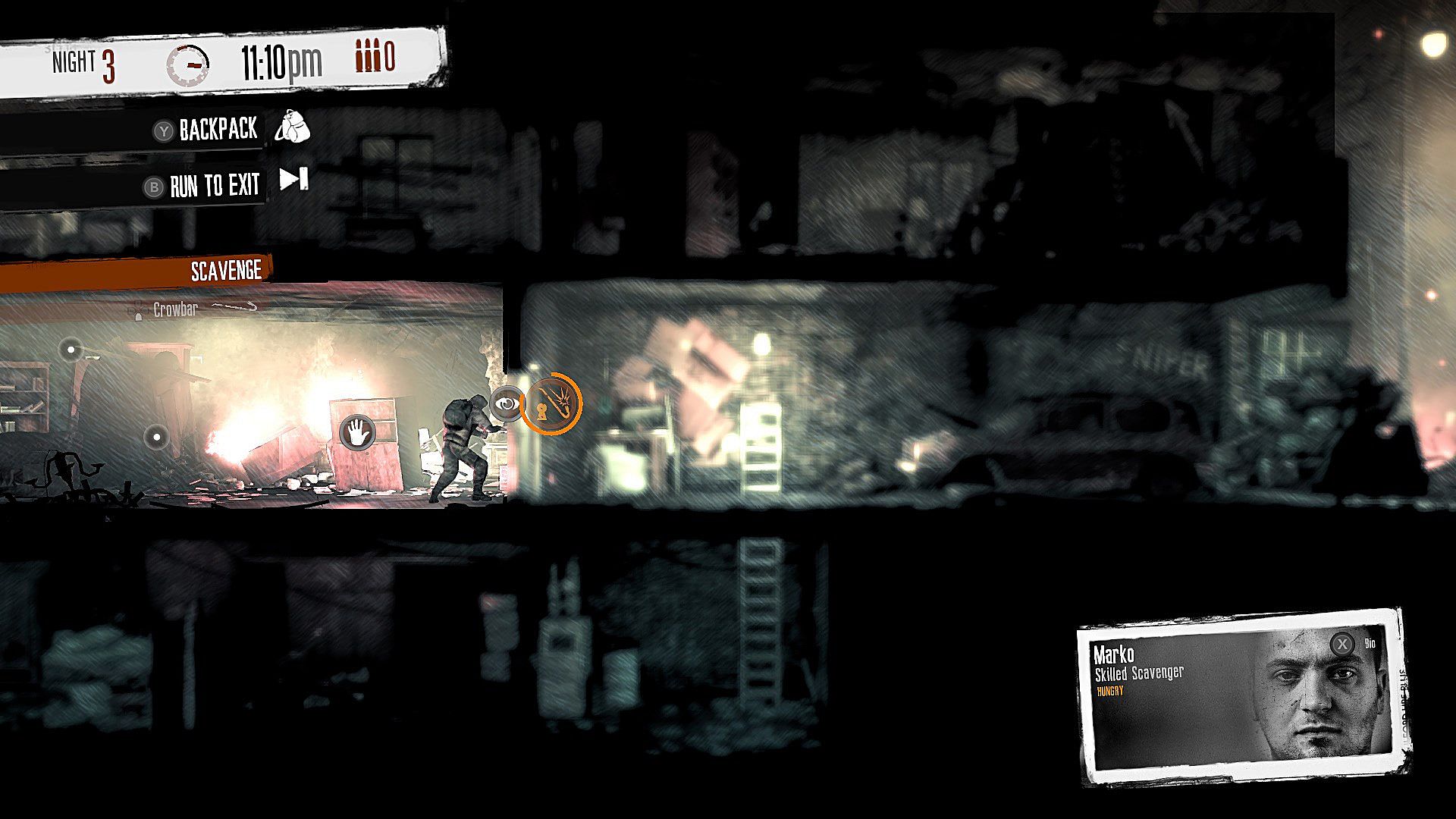
At night the focus shifts to scavenging runs. One adult leaves the shelter to explore nearby buildings, searching rooms for useful materials while avoiding or confronting dangers inside. Combat occurs in short, high-stakes encounters where choices about engagement carry immediate risks and longer-term consequences. Returning safely with supplies allows the group to endure another day, but every outing can alter the survivors' physical and mental state.
Children remain at the shelter during these expeditions and cannot participate in scavenging. Instead they respond to the environment by playing with crafted toys or showing signs of distress that demand time and attention from adults. Maintaining their well-being affects overall group morale and opens additional crafting options tied to their needs.
Game Modes
The game offers randomized scenarios that alter starting conditions, survivor skills, and the severity of the conflict over time. Pre-defined scenarios provide structured stories with fixed characters and events. A separate creation tool lets players build custom scenarios by selecting survivors, adjusting starting resources, and setting environmental parameters before beginning a new run.
Each mode emphasizes replayability through different combinations of characters and challenges. Random elements ensure that no two playthroughs follow the exact same sequence of events, while the custom option supports targeted experiments with specific survivor groups or difficulty settings.
Caring for Child Survivors
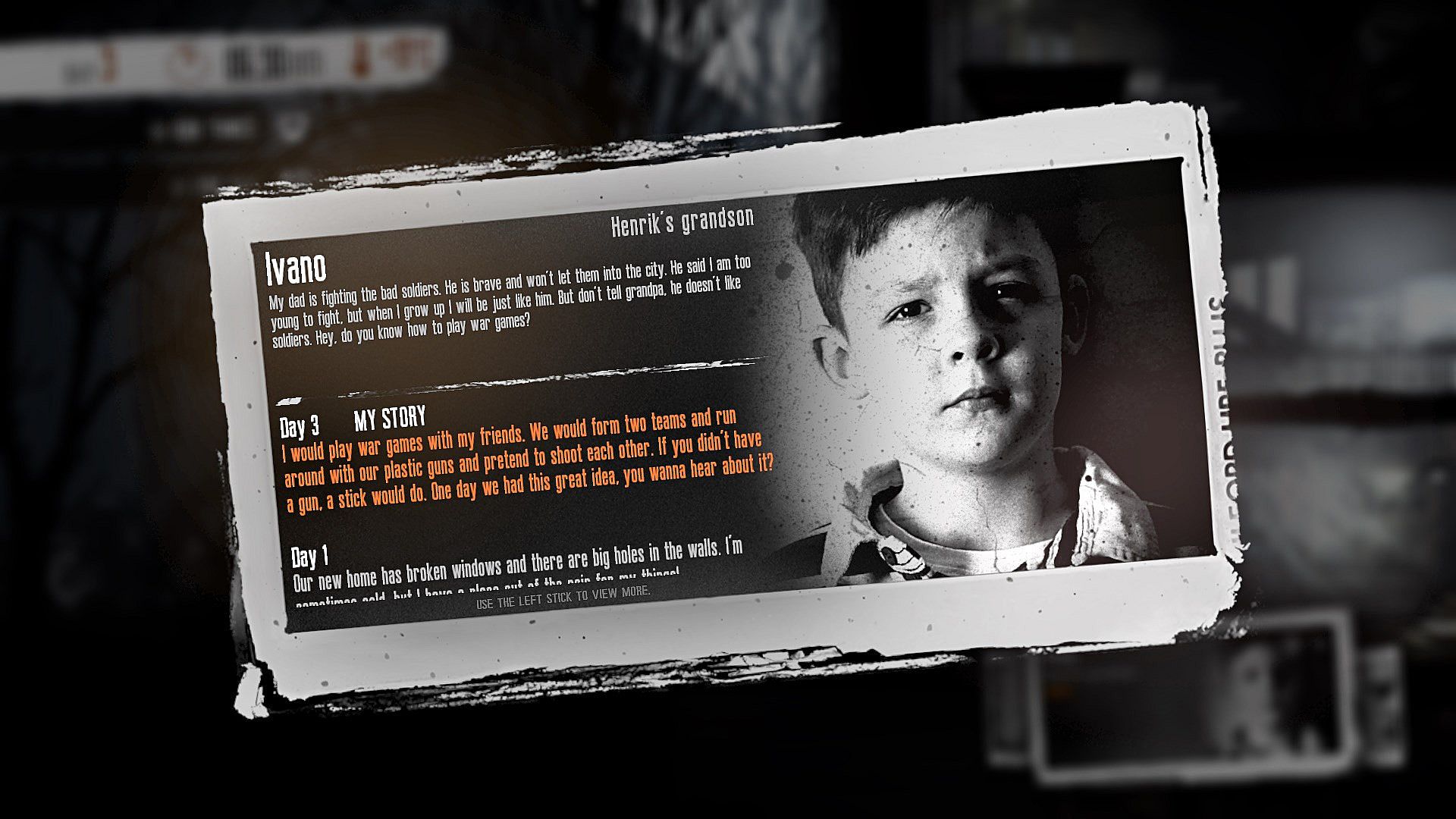
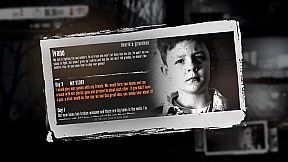
Children arrive either with adult relatives or on their own and immediately change the daily routine. They need regular interaction, education in basic survival tasks, and items such as toys to stay engaged. Neglect leads to visible changes in behavior that can spread tension through the shelter. Successful care, however, allows children to contribute small but meaningful help once taught, creating a sense of progress amid the hardship.
These mechanics integrate directly with the core loop rather than functioning as optional side content. Decisions about resource allocation now weigh the immediate survival needs of adults against the long-term stability that comes from supporting the youngest members of the group.
Is It Worth Playing?
This War of Mine: The Little Ones delivers a focused, deliberate survival experience built around resource scarcity and moral trade-offs. The addition of children heightens the emotional weight of every choice without altering the fundamental day-and-night structure. Players who enjoy managing interconnected systems and accepting that not every run ends in success will find consistent depth across multiple scenarios.
The game remains available on Xbox One and Xbox Series consoles with no ongoing seasonal content or live-service elements. Its strength lies in repeated playthroughs that explore different survivor combinations and custom setups rather than in extended campaigns. Those seeking a grounded, civilian-focused take on wartime survival will likely appreciate the deliberate pacing and the lasting impact of small decisions made over the course of a single run.