




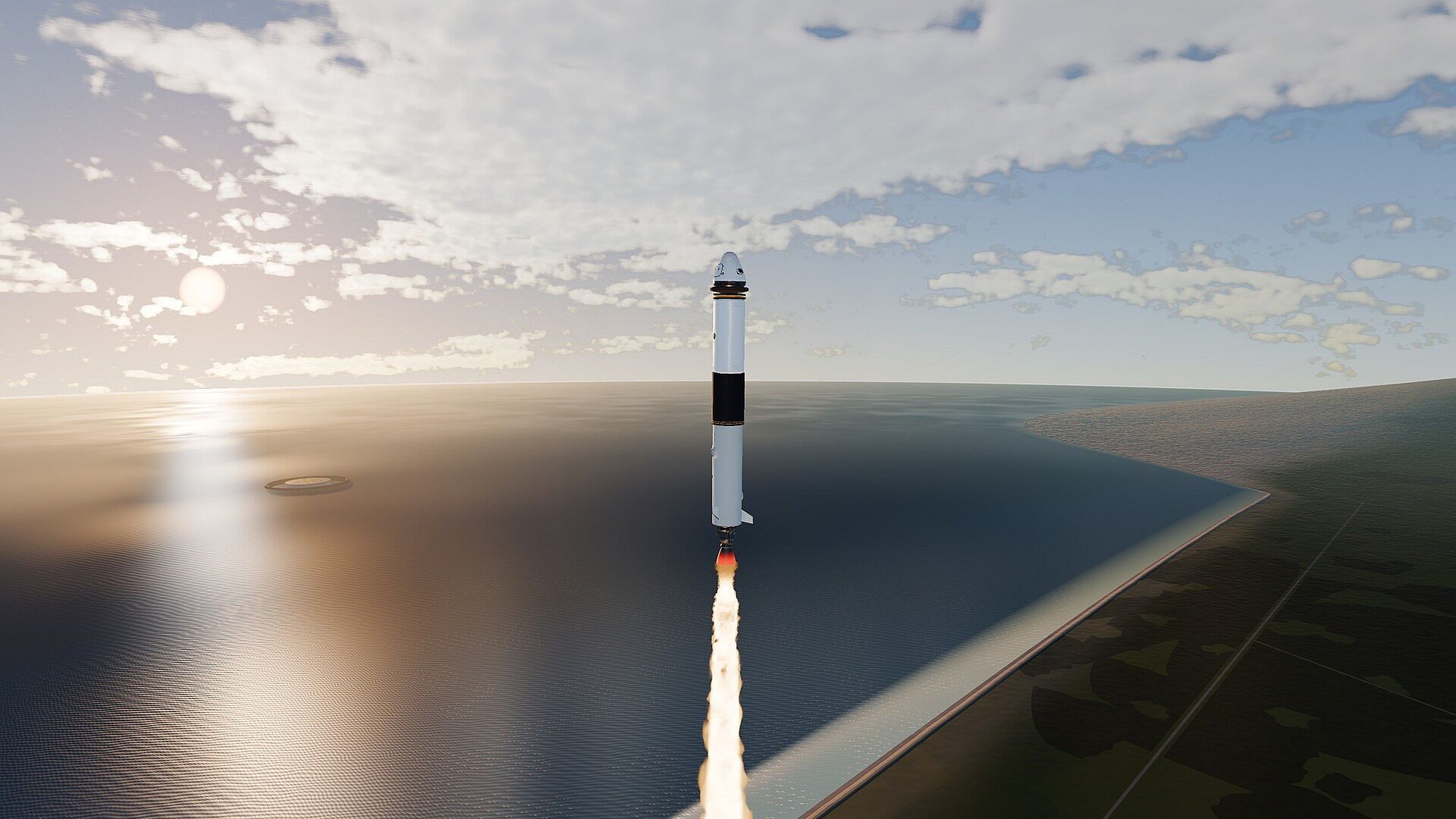
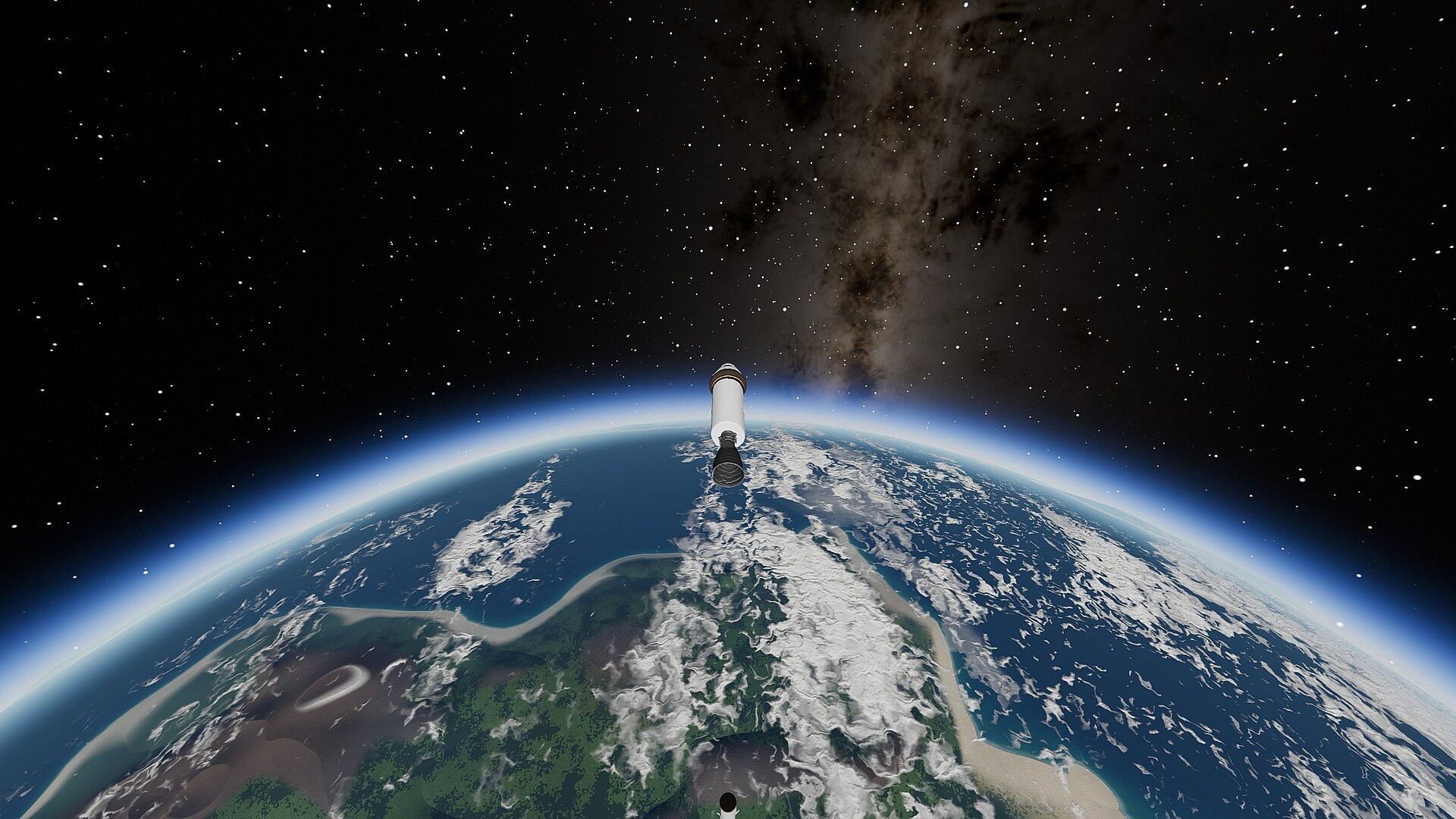
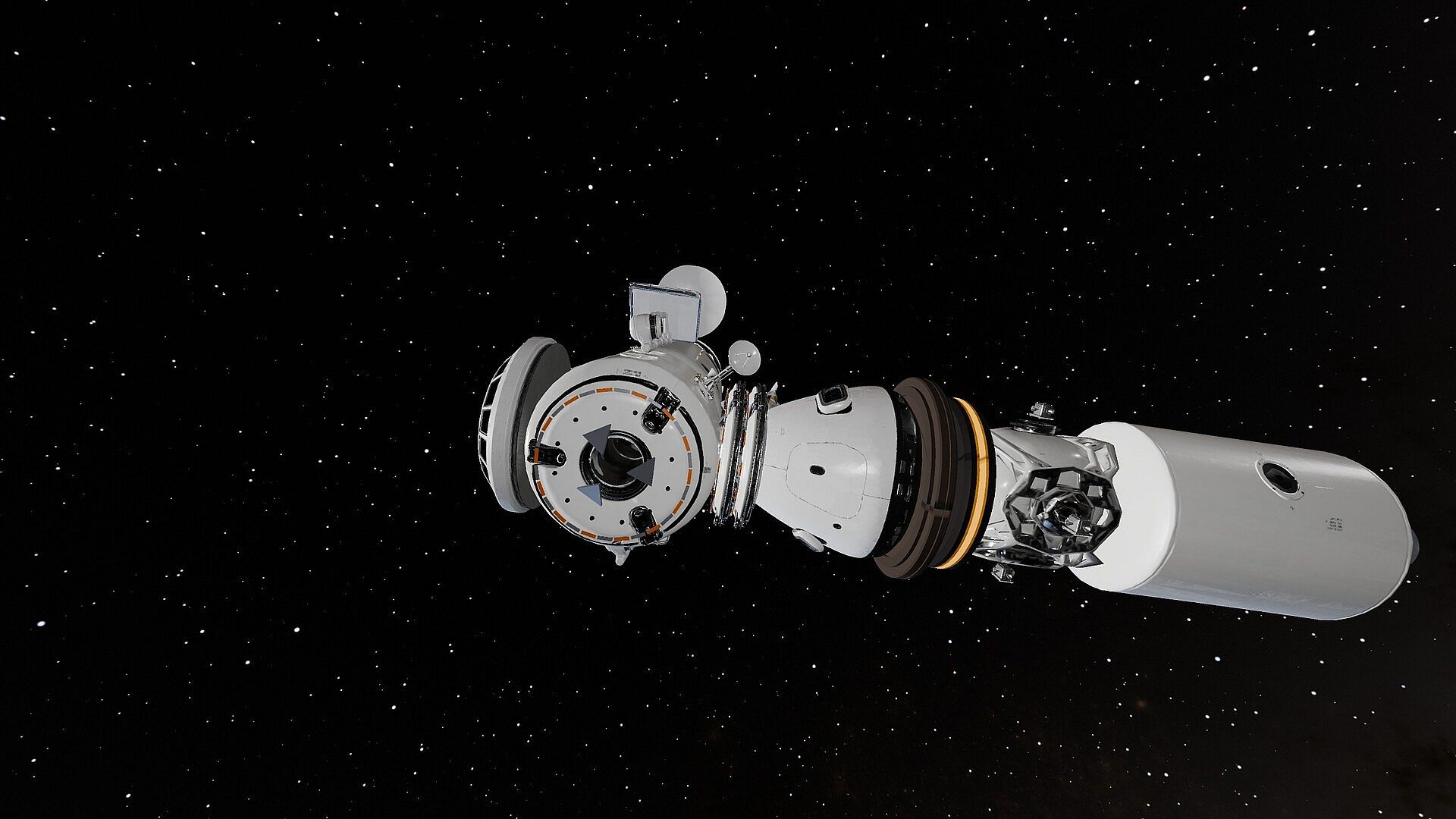
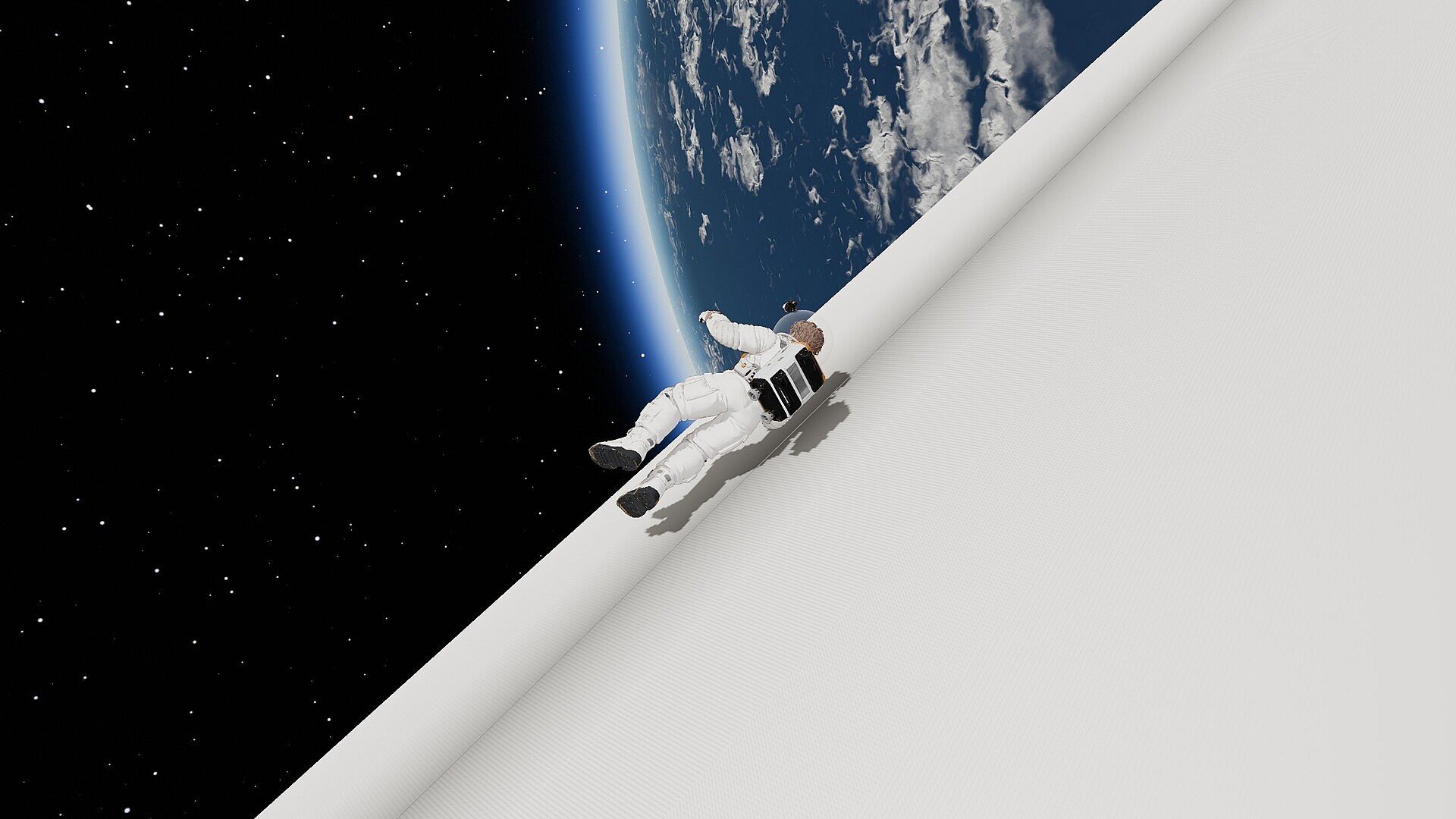
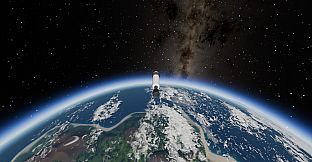
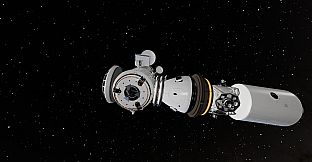

The Taikon Company is an indie spaceflight simulation game for PC that places players in charge of a small but ambitious space program. Set in a realistic environment with authentic orbital mechanics, the title lets users design, launch, and operate spacecraft across multiple historical and futuristic eras while managing the challenges of real physics like fuel consumption, atmospheric drag, and reentry heating.
Gameplay
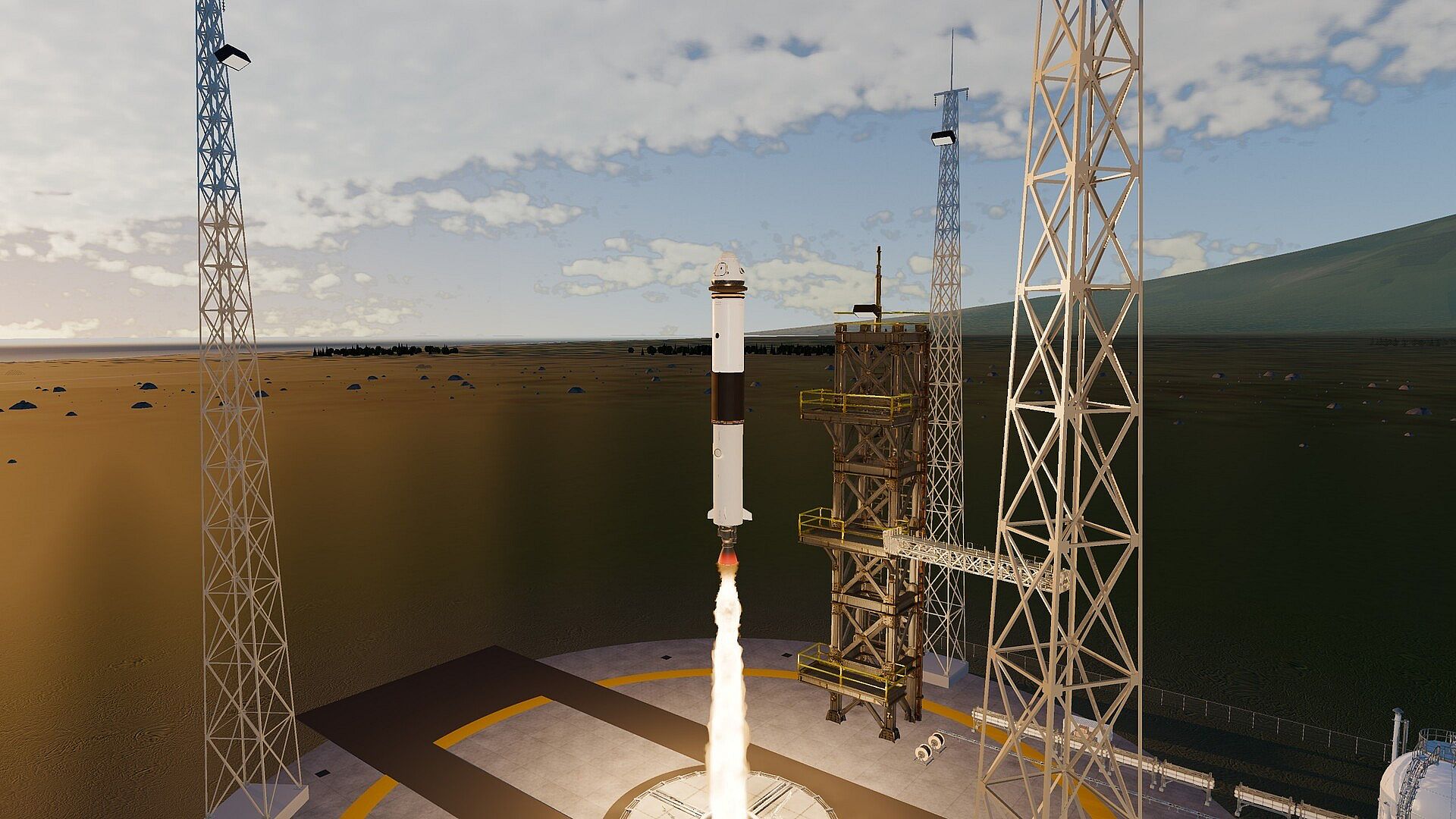
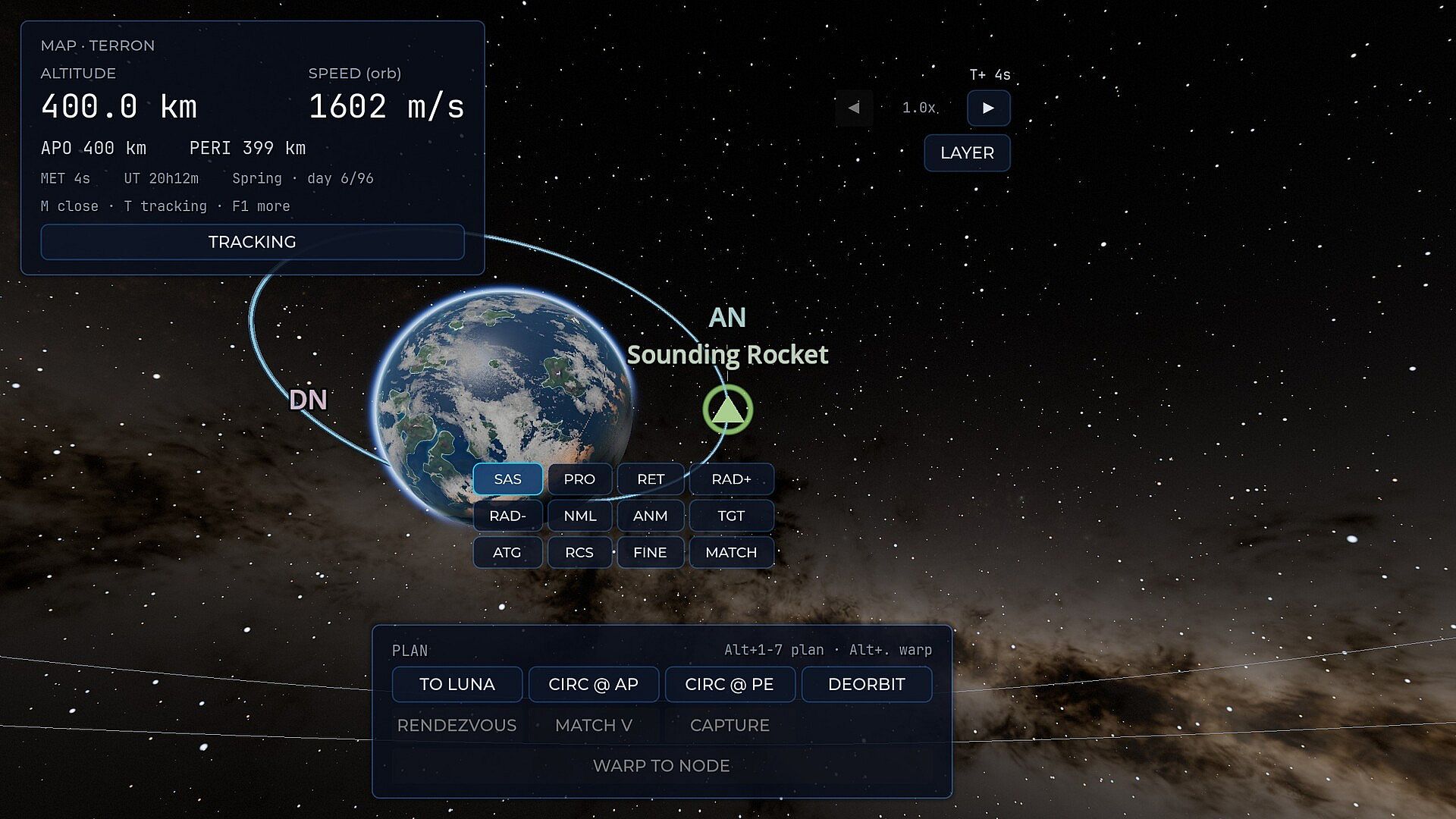
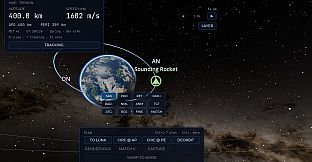
Core gameplay revolves around spacecraft construction and mission execution using real-scale components. Players assemble rockets from tanks, engines, decouplers, fins, capsules, and scientific instruments before launching from a functional pad complete with hold-down arms and a service tower. Orbital mechanics govern every flight, requiring careful staging and burn timing to achieve stable orbits or interplanetary trajectories.
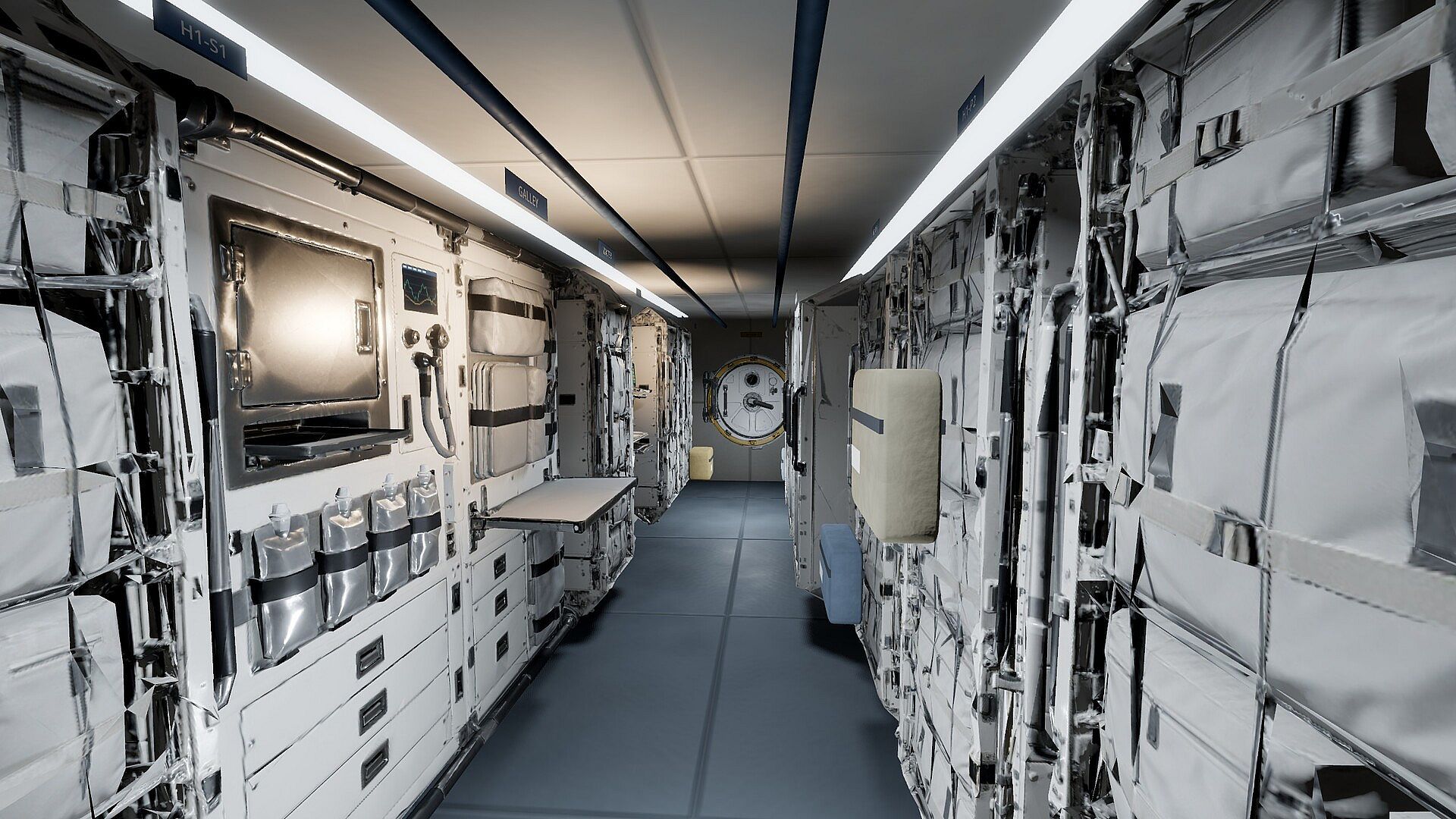
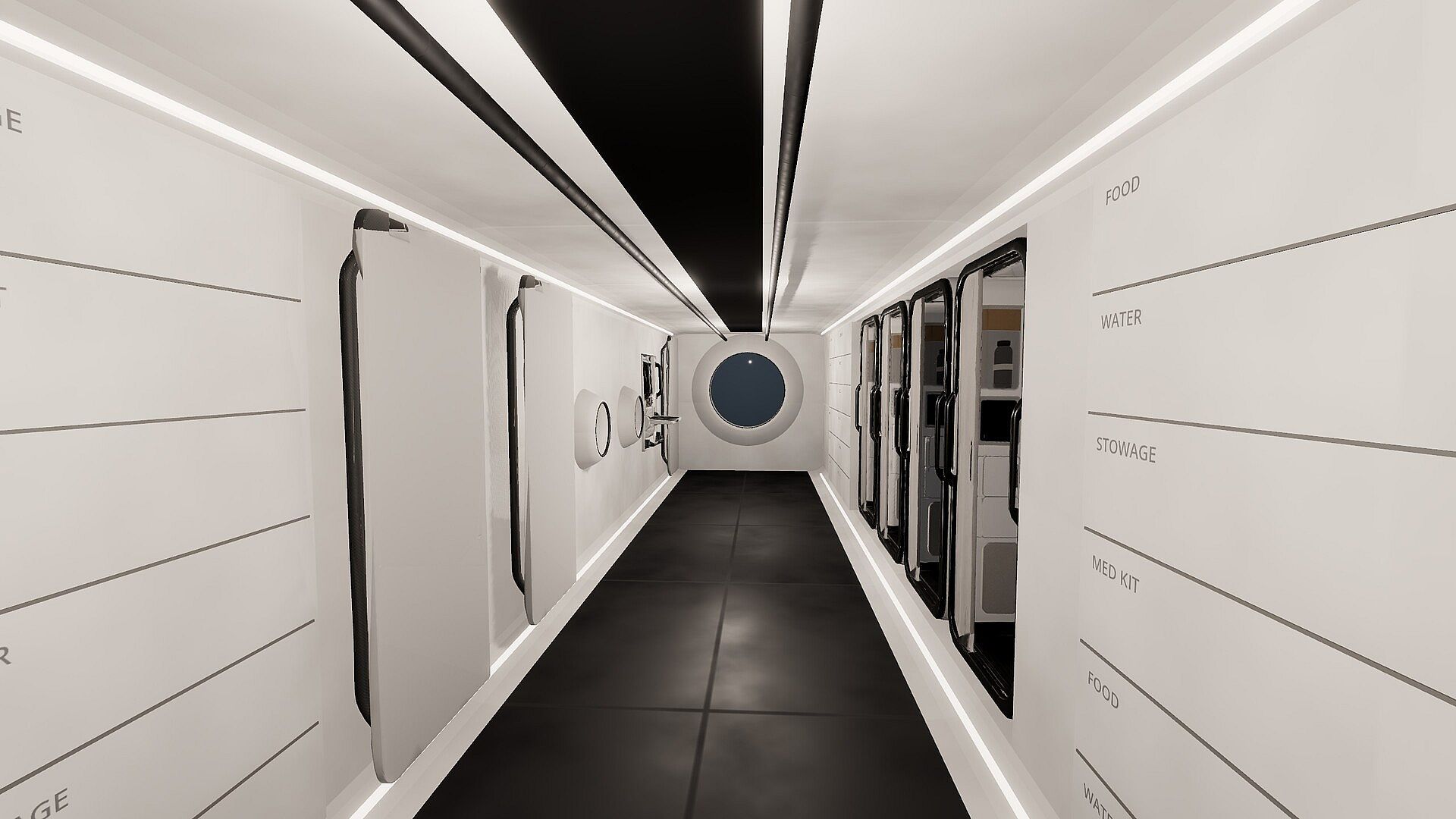
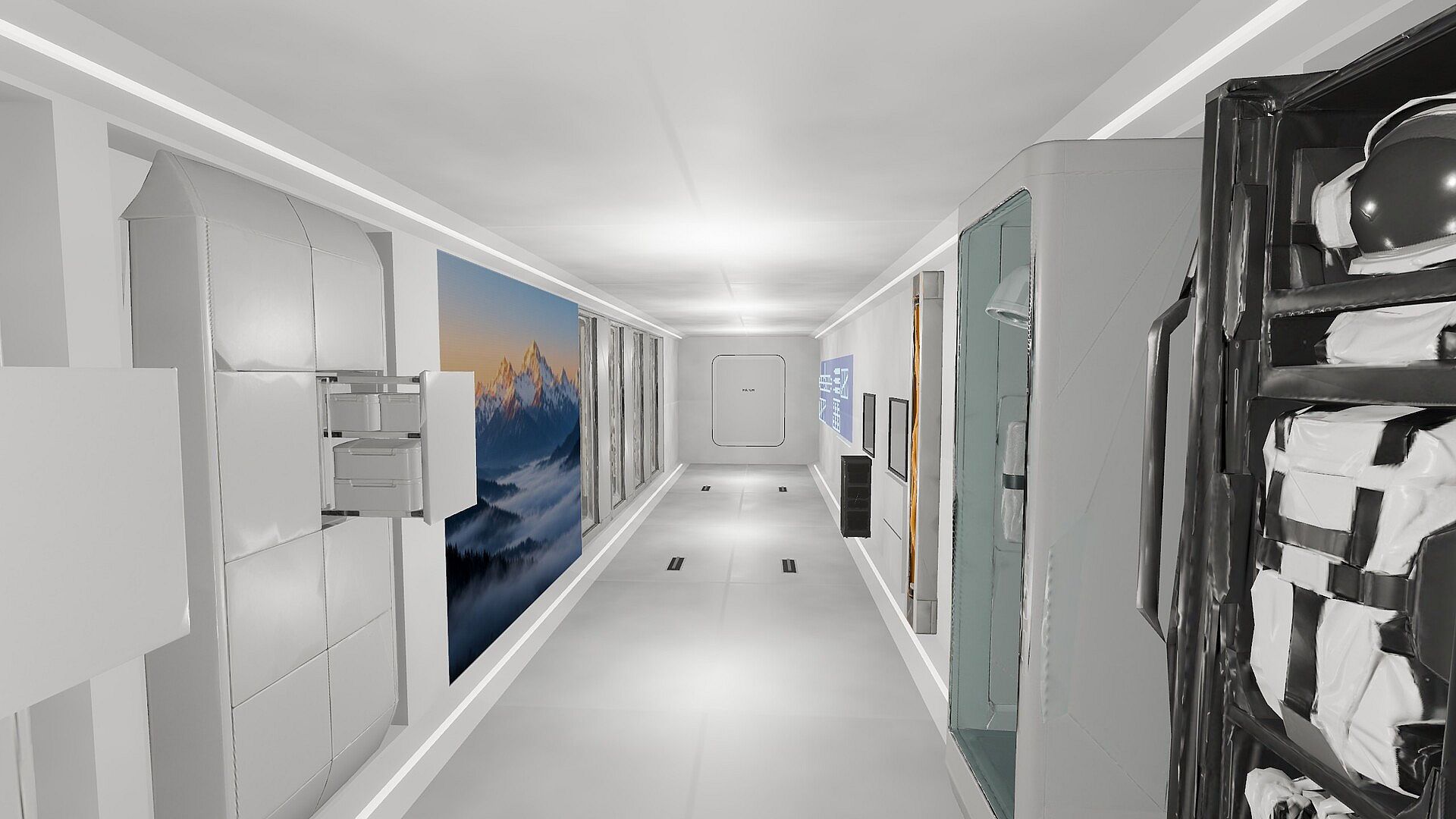
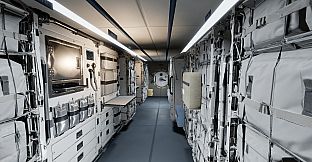
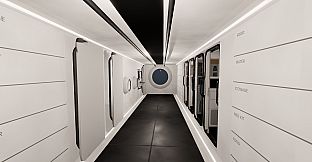
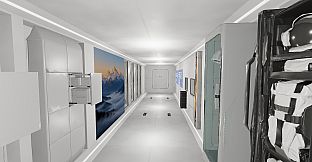
Interior views add depth, with distinct cabin designs for each era that players can explore. Weather systems and volumetric clouds affect launches, while ray-traced shadows enhance visuals on supported hardware. Reentry heating impacts individual parts, demanding protective design choices during assembly.
Progression involves incremental improvements through successful flights, sample collection on the Moon, and station operations. The simulation emphasizes honest physics over simplified arcade controls, rewarding precise planning or careful manual intervention.
Game Modes
Two primary approaches shape how missions unfold. Hands-on play lets users manually bolt together every stage, execute each burn, and handle docking sequences themselves for full control over the outcome. This style suits those who enjoy direct piloting and troubleshooting in real time.
Hands-off options activate an autopilot that manages ascent to orbit, lunar transfers, and docking while the player observes or focuses on higher-level decisions. Both styles support the same core activities, including crew transfers, interior exploration, and extravehicular activities, allowing flexibility based on preference or experience level.
Exploration elements integrate naturally into either approach, with opportunities for flag planting, sample gathering, and module traversal inside stations. The sandbox nature encourages repeated attempts at increasingly complex objectives without rigid mission structures.
Current State and Development
The game remains in an early alpha phase, available initially on Mac with a Windows version planned for later builds. Developers have outlined frequent updates driven by player feedback, addressing clipping issues, camera behavior, and unexpected physics outcomes. Current features include working launch infrastructure, accurate orbital mapping, and spacecraft interiors across space race, commercial, and near-future aesthetics.
Future plans focus on reducing manual busywork through automated mission planning while expanding options for satellite networks, larger orbital facilities, and deployable components. The alpha prioritizes transparency about its unfinished state, inviting input to refine mechanics over time.
Is It Worth Playing?
This title appeals most to players interested in realistic space simulation who value early involvement in development. Its honest presentation of physics and assembly mechanics delivers a grounded experience distinct from more arcade-oriented titles, though the raw alpha state means occasional inconsistencies and a Mac-only requirement for now.
Those comfortable with iterative testing and providing feedback will find the most value in the current build. The combination of era-specific visuals, walkable interiors, and flexible control options creates a focused sandbox for space enthusiasts seeking depth over polish at this stage.












