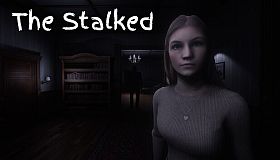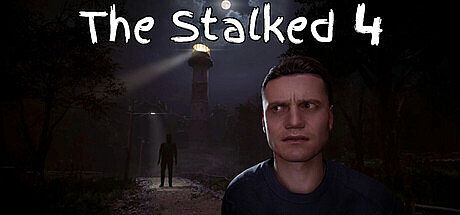


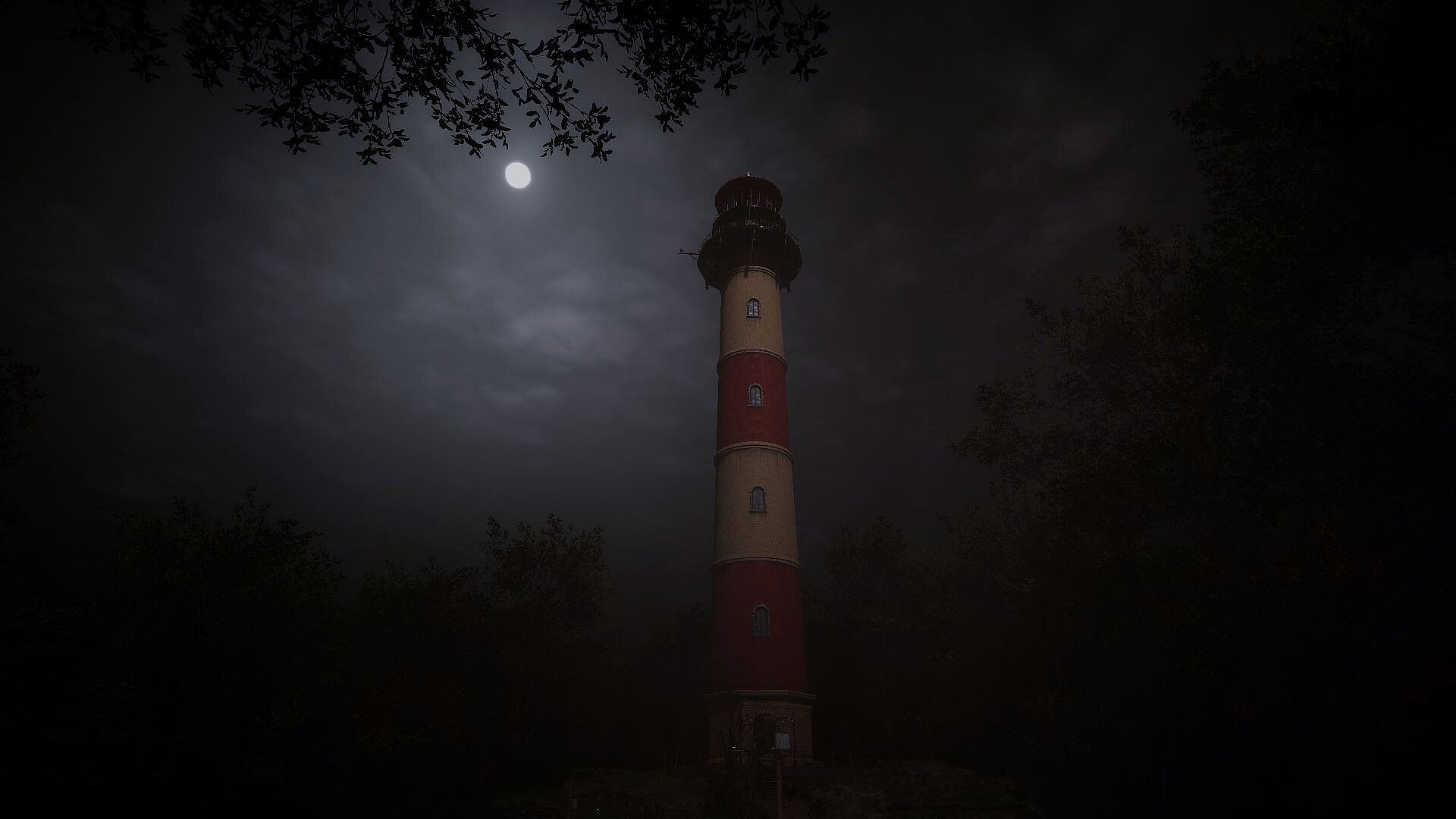
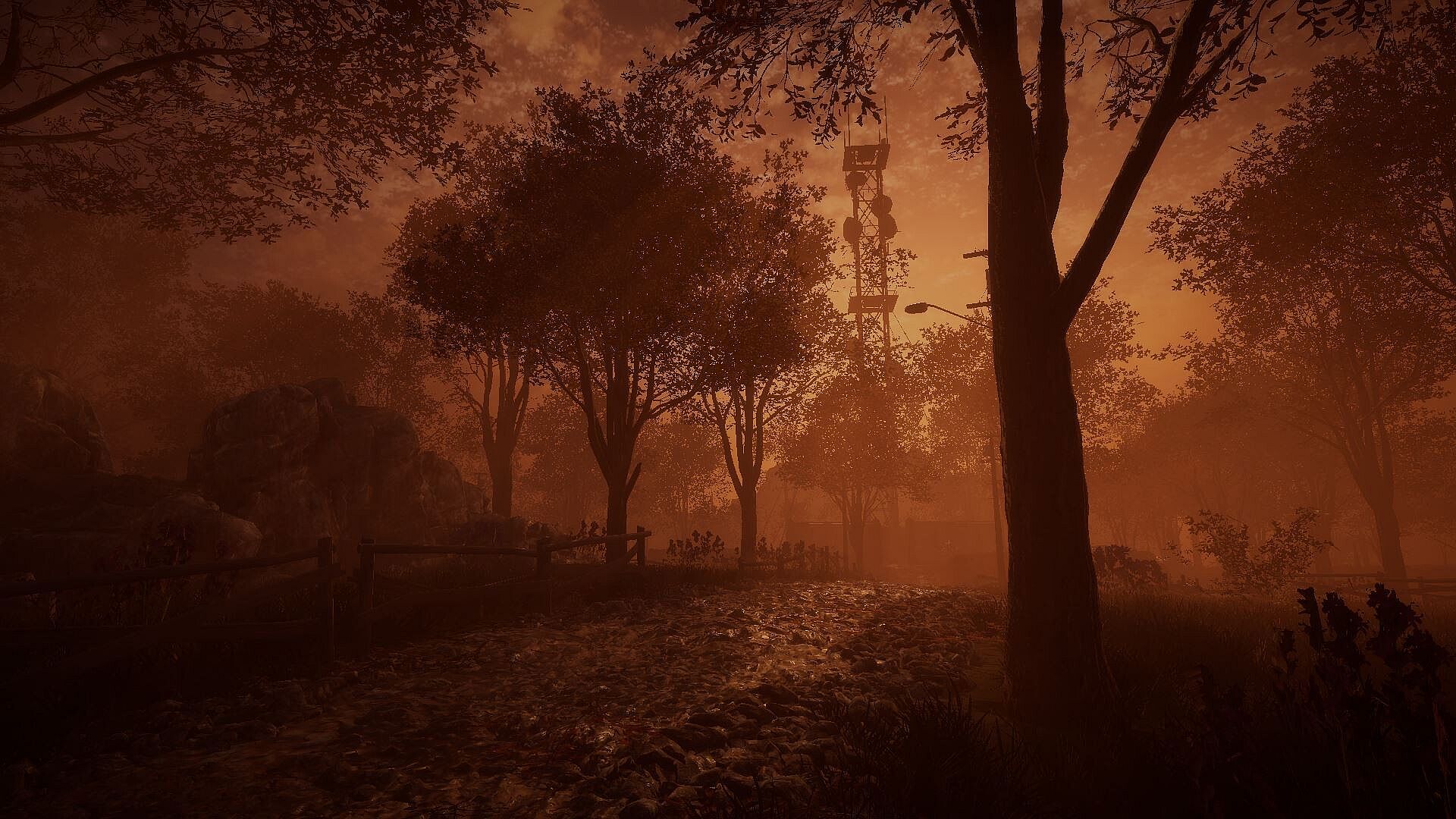
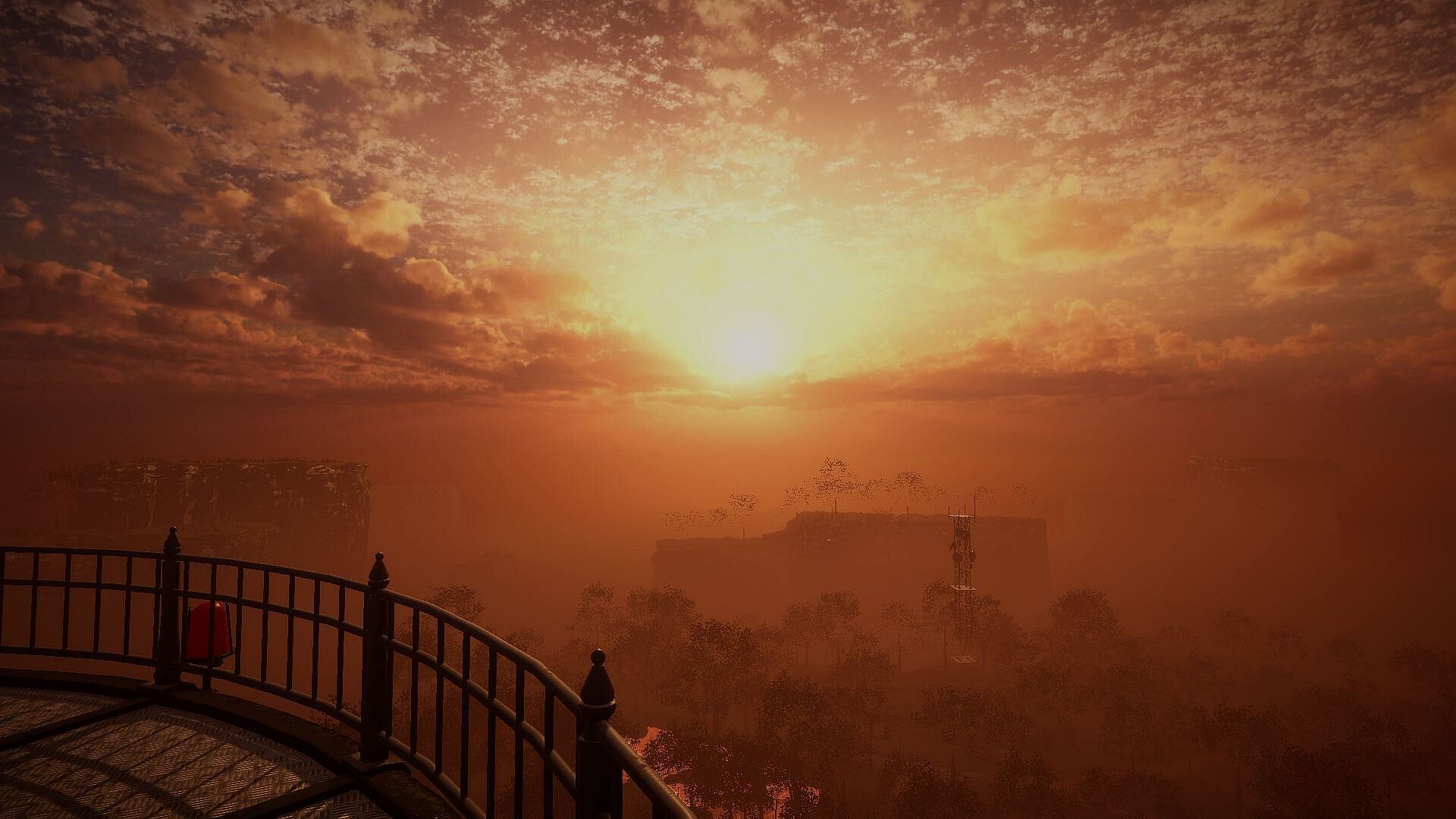
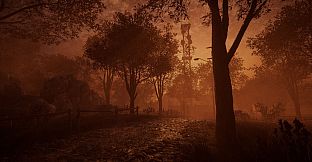
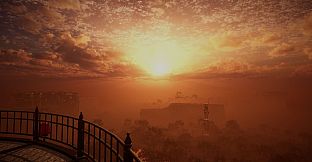
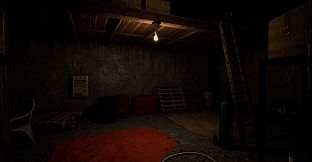
The Stalked 4 is a linear psychological horror adventure game set on PC. Players follow George, a 27-year-old man who takes a lighthouse keeper position after losing his previous job, only to face growing unease in an isolated environment where everyday sounds and sights begin to erode his sense of reality.
Gameplay
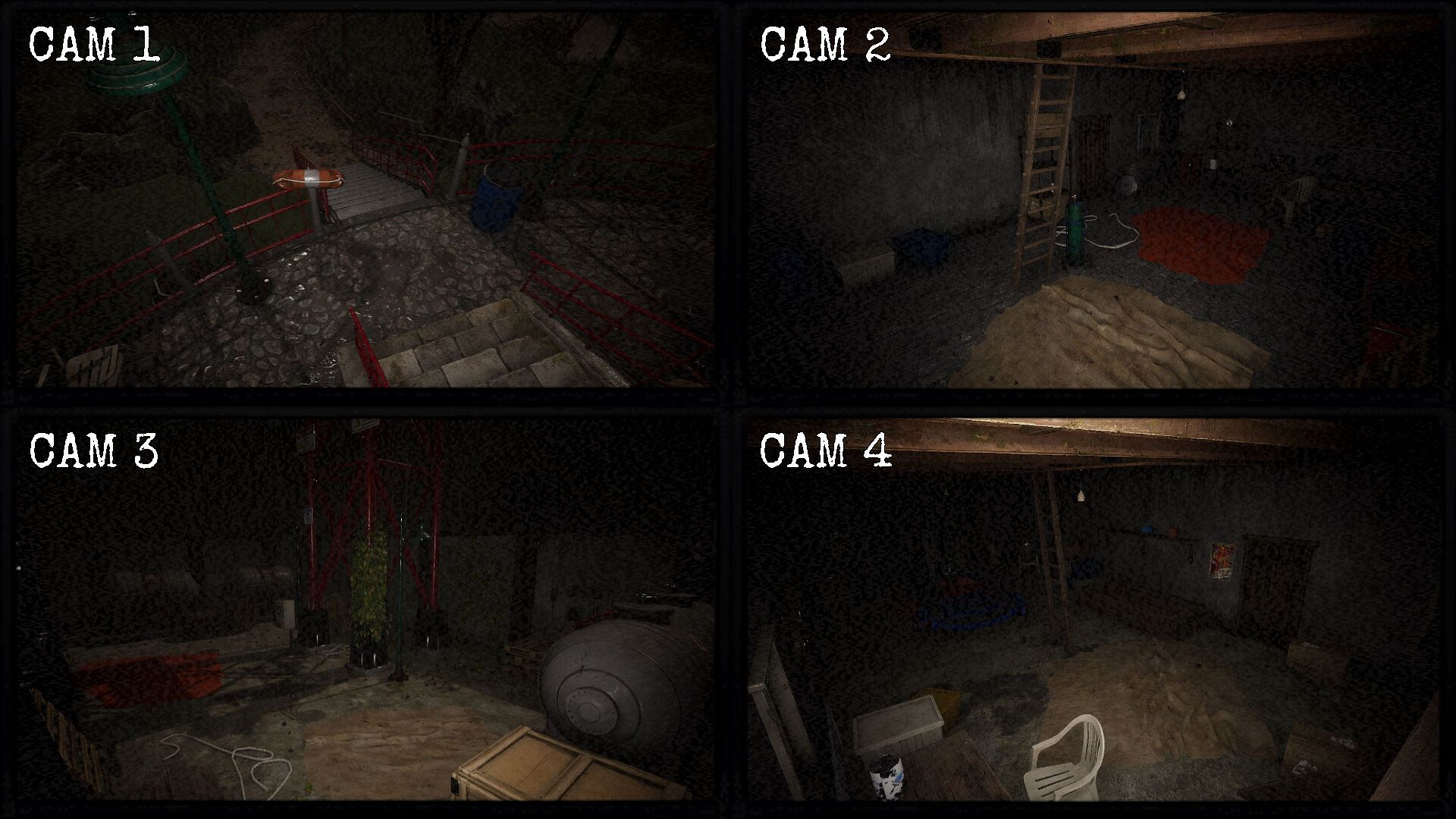
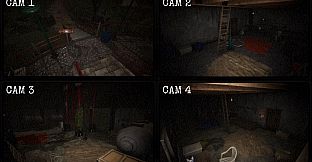
The core loop centers on routine tasks that gradually shift from mundane to unsettling. George maintains the lighthouse by logging weather conditions and completing daily radio calls while monitoring the surrounding island through security cameras. These duties place players in direct contact with the environment, encouraging careful observation of every detail as normal elements start to feel off.
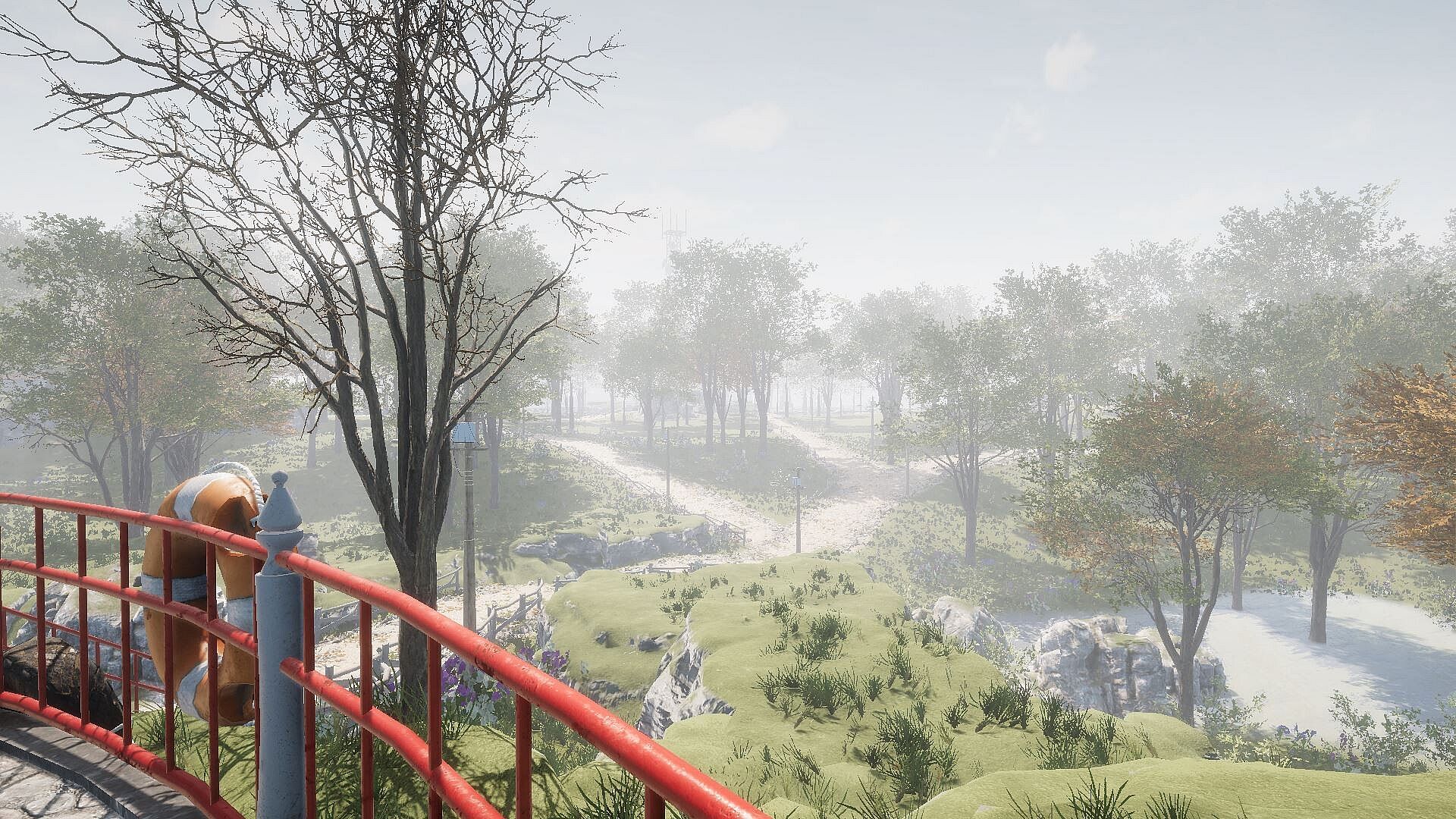
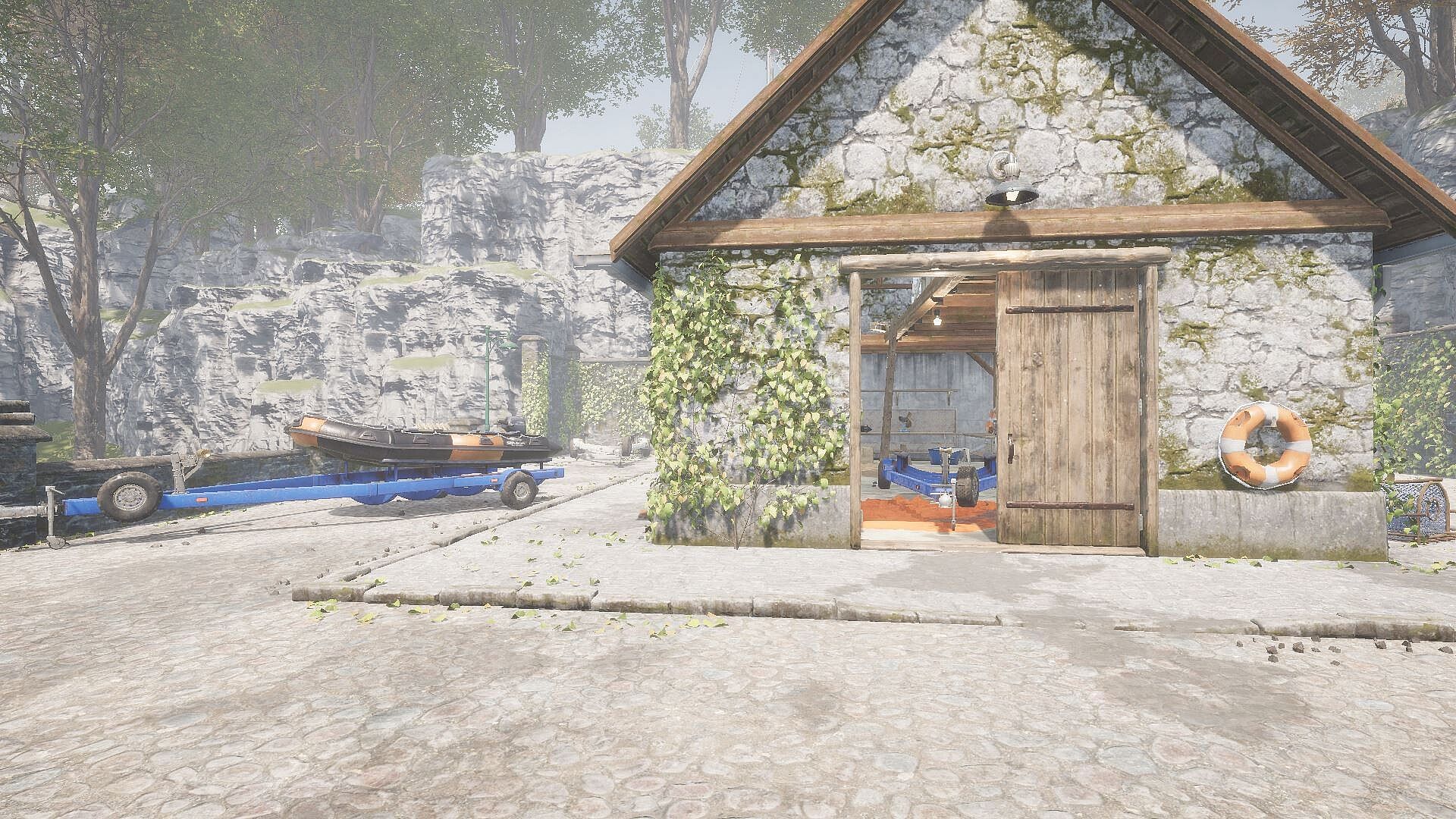
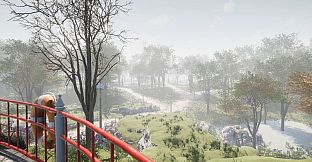
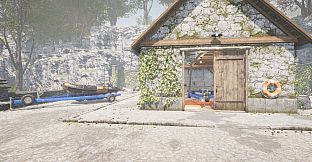
Exploration takes players through multiple locations, beginning with a familiar apartment setting before moving to the remote lighthouse island. Each area builds tension through its design, with players navigating spaces that feel increasingly hostile. Interactions with NPCs provide brief moments of connection to the outside world, offering context for George's situation without breaking the solitary focus.
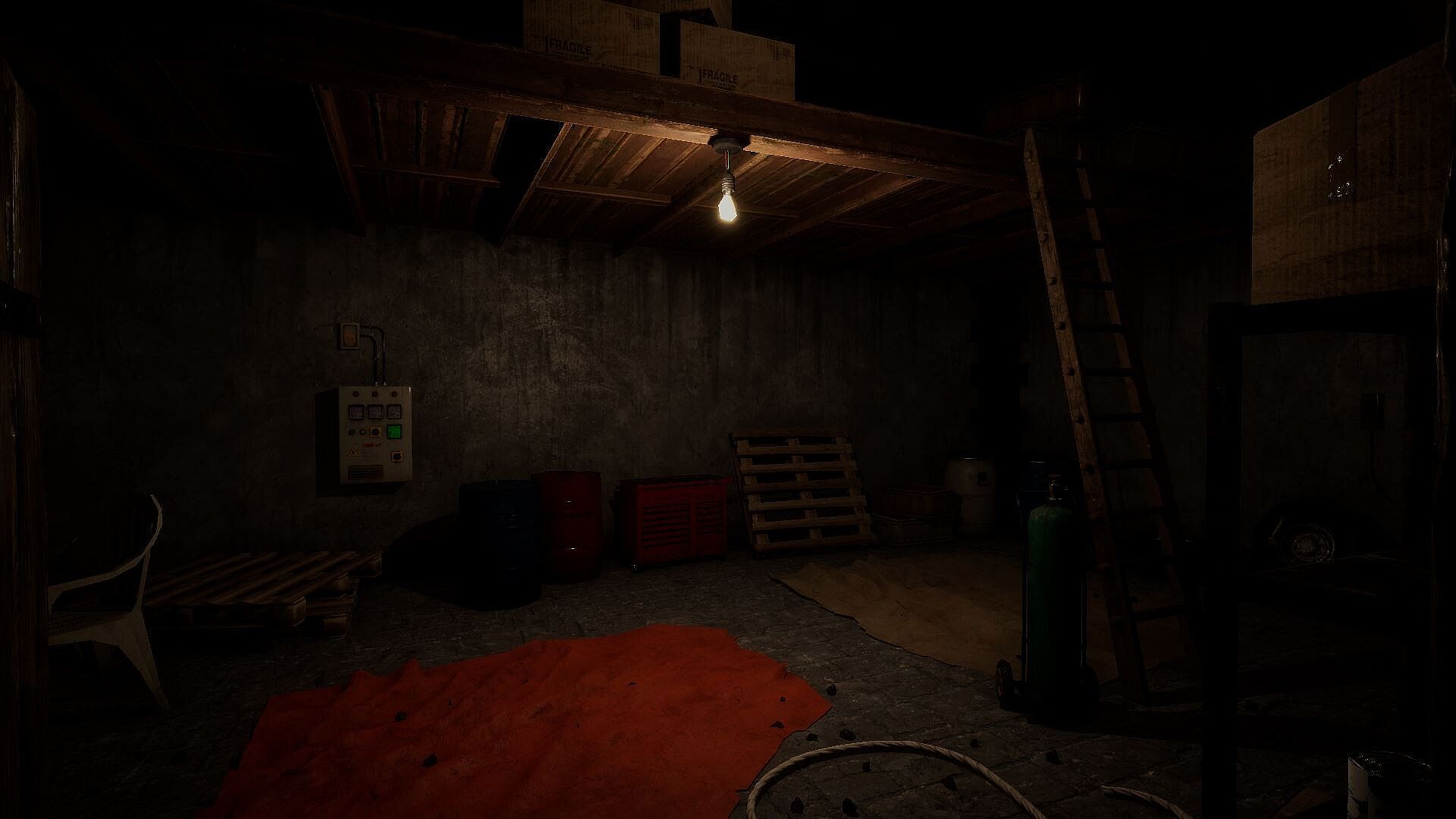
Power outages introduce sudden changes to visibility and safety, forcing players to adapt their approach to monitoring and movement. The experience emphasizes psychological pressure, where the line between imagined threats and real ones blurs over the short play session.
Game Modes
The Stalked 4 offers a single linear story experience with no branching paths or alternate modes. Players progress through a fixed sequence of events focused entirely on George's time at the lighthouse, completing objectives in order while uncovering the narrative layers of paranoia and isolation.
This structure keeps the focus narrow, delivering a complete tale in roughly one hour without side content or replay variations beyond personal interpretation of events.
Story and Atmosphere
George arrives at the lighthouse seeking stability after unemployment, initially enjoying the quiet routine with nature. Over time, strange noises and subtle disturbances erode that peace, leading to questions about whether the threats exist externally or stem from his own mind. The narrative unfolds through environmental storytelling and direct encounters, highlighting the descent into fear without relying on overt explanations.
The atmosphere relies on isolation, with daylight hours offering little relief from the sense of being watched. Sound design and visual cues heighten the paranoia, making even routine lighthouse duties feel precarious as the power situation deteriorates.
Is It Worth Playing?
This title suits players who enjoy short, focused psychological horror experiences centered on atmosphere and mental tension rather than action or complex systems. The one-hour length makes it accessible for those seeking a complete story without a large time commitment, and the emphasis on routine tasks turning sinister provides a distinct hook within the genre.
Reception for similar entries in the series highlights strong unease and effective use of limited scope, suggesting the game appeals most to fans of indie horror that prioritizes immersion over length or variety. Those sensitive to stalking themes, intense fear, or flashing lights should approach with caution due to the content warnings. Overall, it delivers a targeted experience for the right audience without unnecessary padding.