

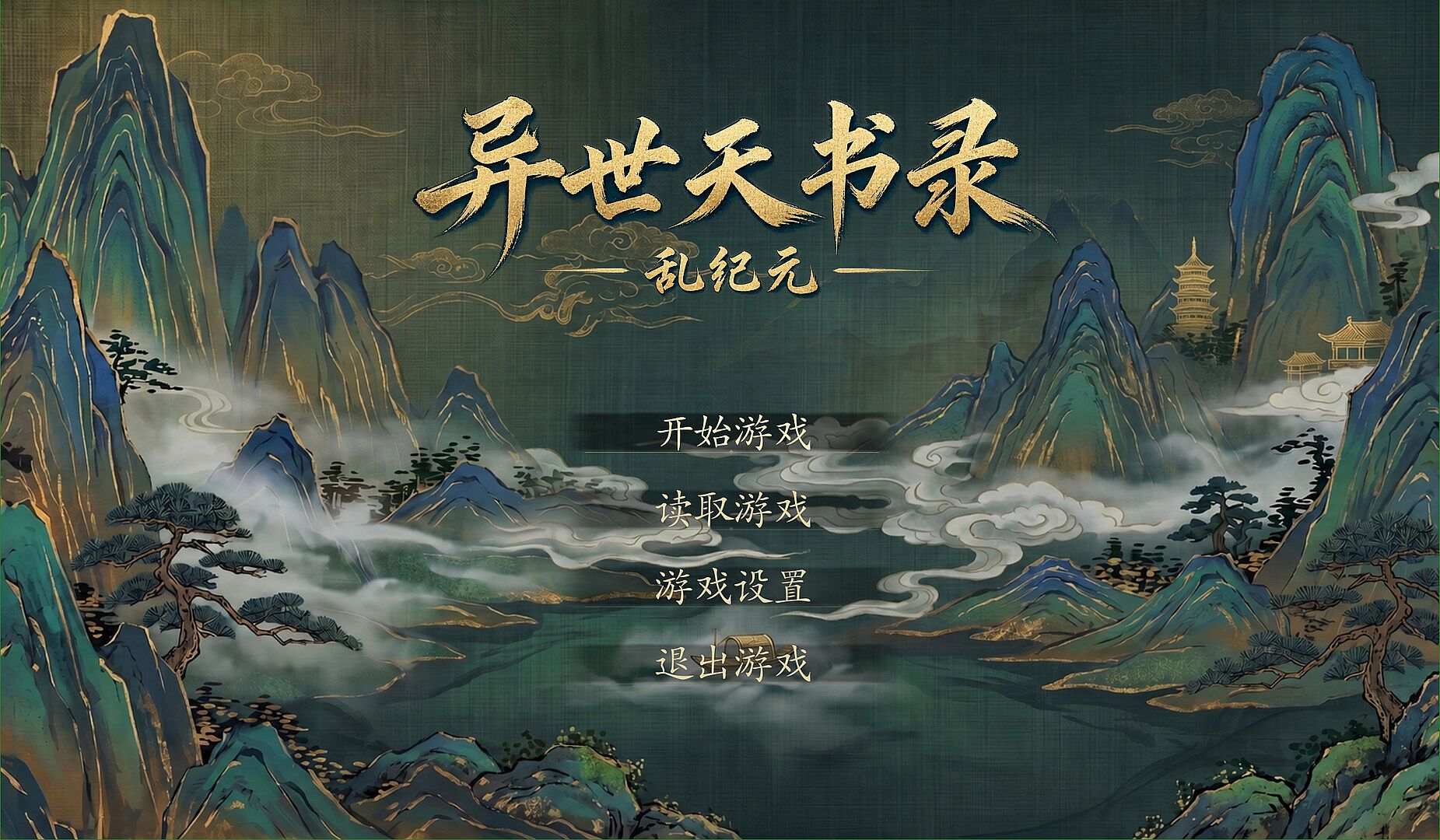
The Otherworld Book of Destiny: Chaos Era is a single-player RPG with deep simulation elements set in an open-world jianghu during the Age of Turmoil. Players begin as an unknown figure carrying the Heavenly Tome across the Five Realms, where historical generals, mythic heroes, and legendary figures pursue their own destinies. The experience centers on personal progression through trade, exploration, combat, and career choices rather than following a fixed narrative path.
Gameplay
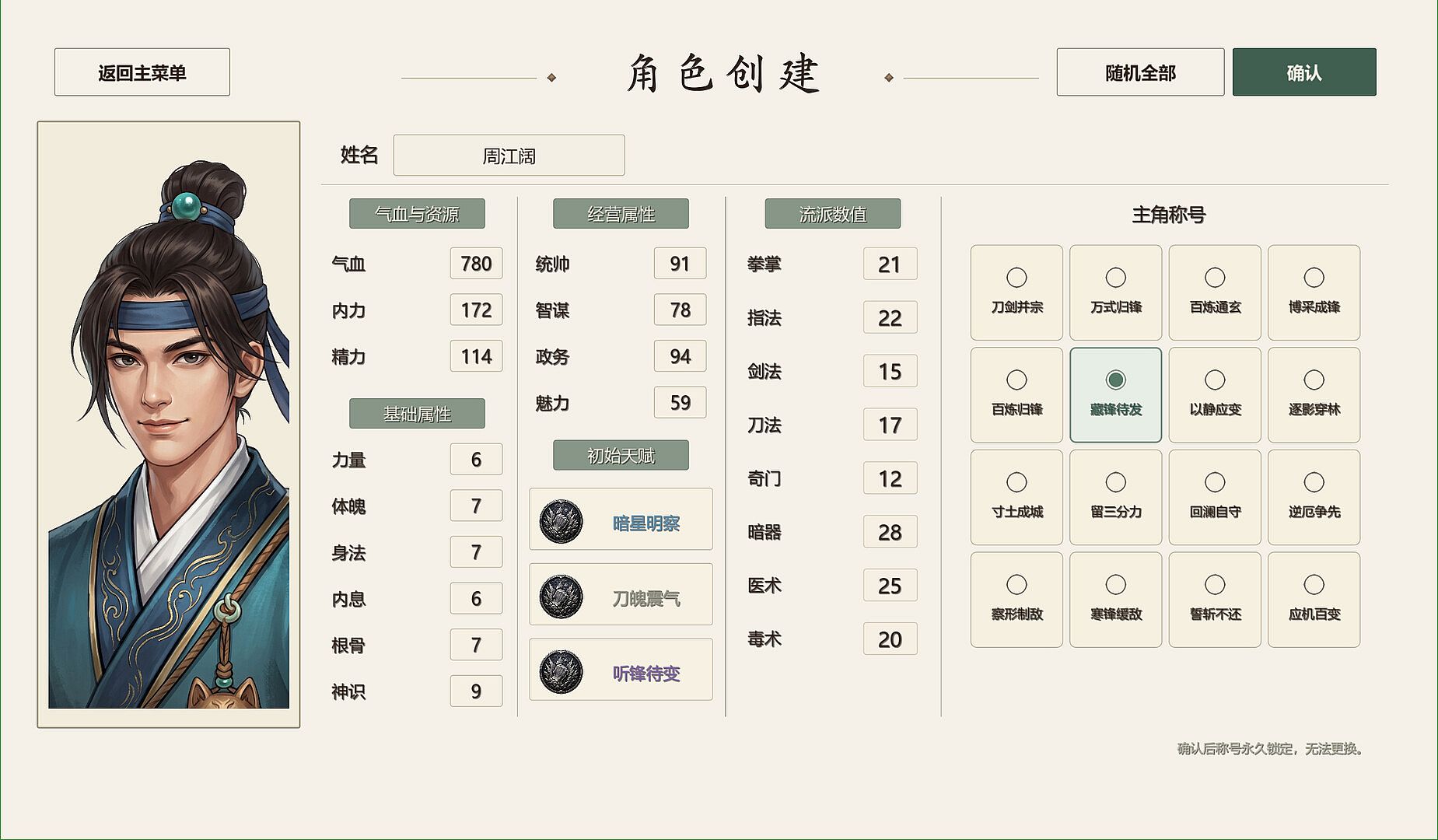
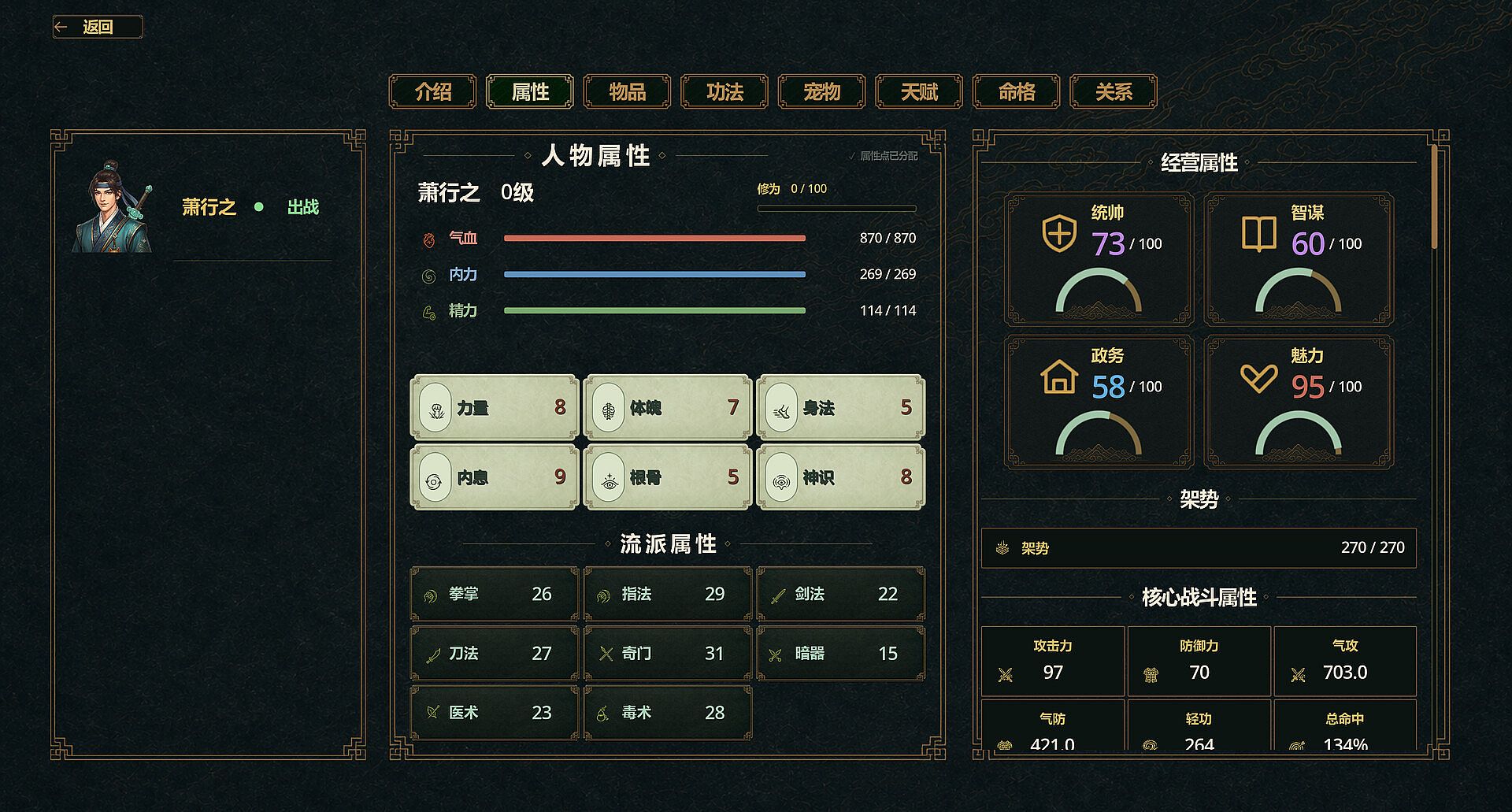
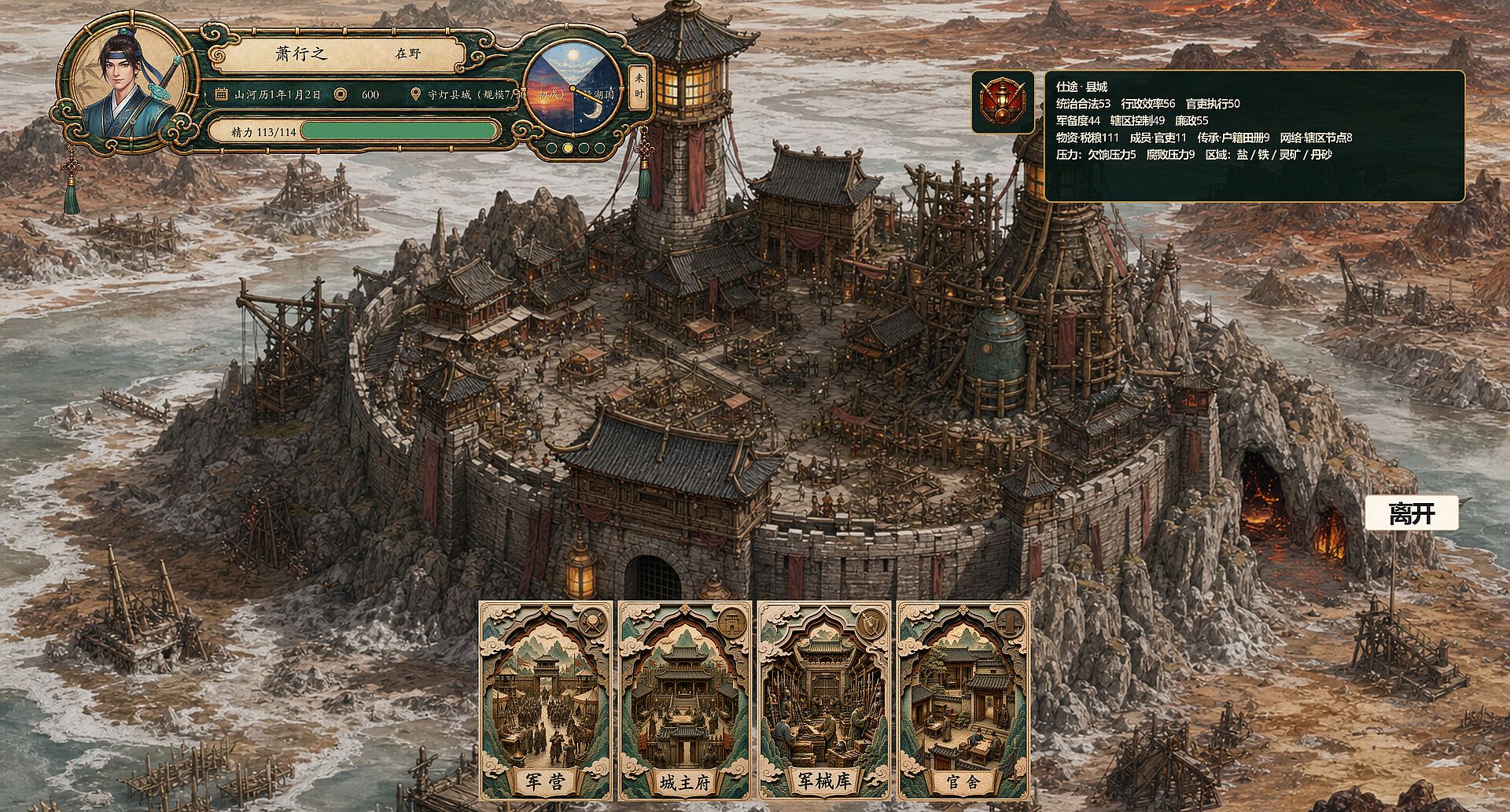
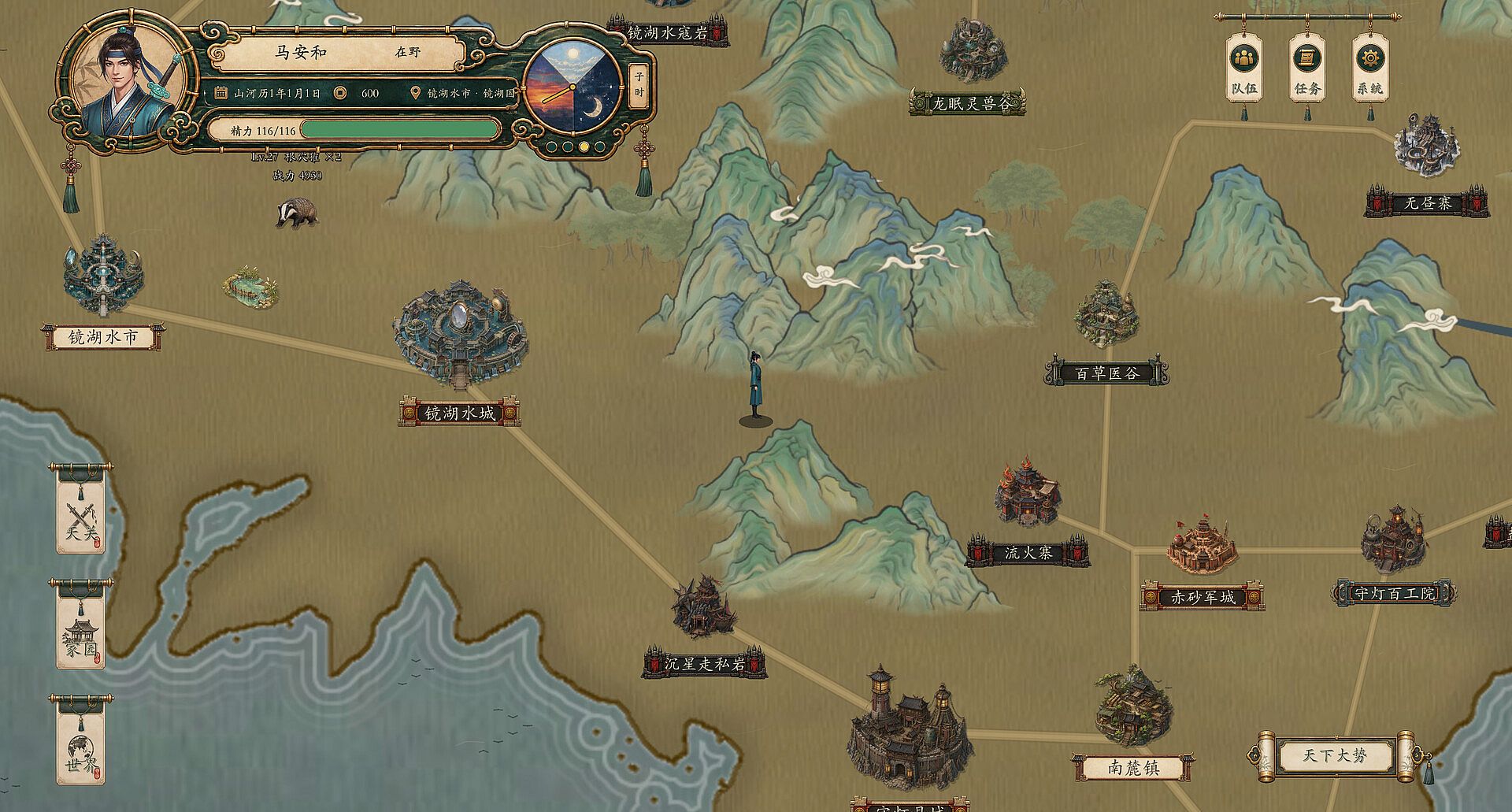
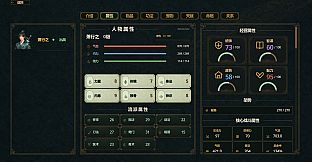
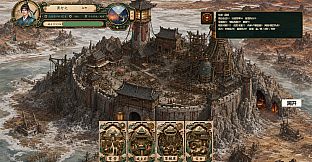
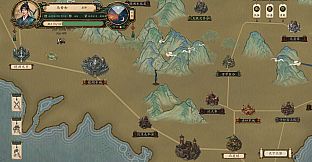
Core gameplay revolves around traveling a map of mountains, rivers, towns, roads, wilderness sites, and fortified passes. Time, resources, and risk factor into every decision about where to linger or move on. Character creation lets players select a name, origins, aspirations, and attribute trade-offs that influence early options without locking in an ending. The Heavenly Tome Homestead serves as a persistent base for organizing supplies, managing production, recovering, training spirit beasts, and preparing companions before heading back into the world.
Combat plays out on a continuous action timeline where movement, terrain, facing, distance, and target choice determine each action's effectiveness. Inner force, spirit power, and rage add layers of timing decisions, encouraging players to combine techniques with equipment and party coordination for openings, strikes, retreats, or counters. Victories often yield loot such as gear, manuals, and materials that feed into further builds.
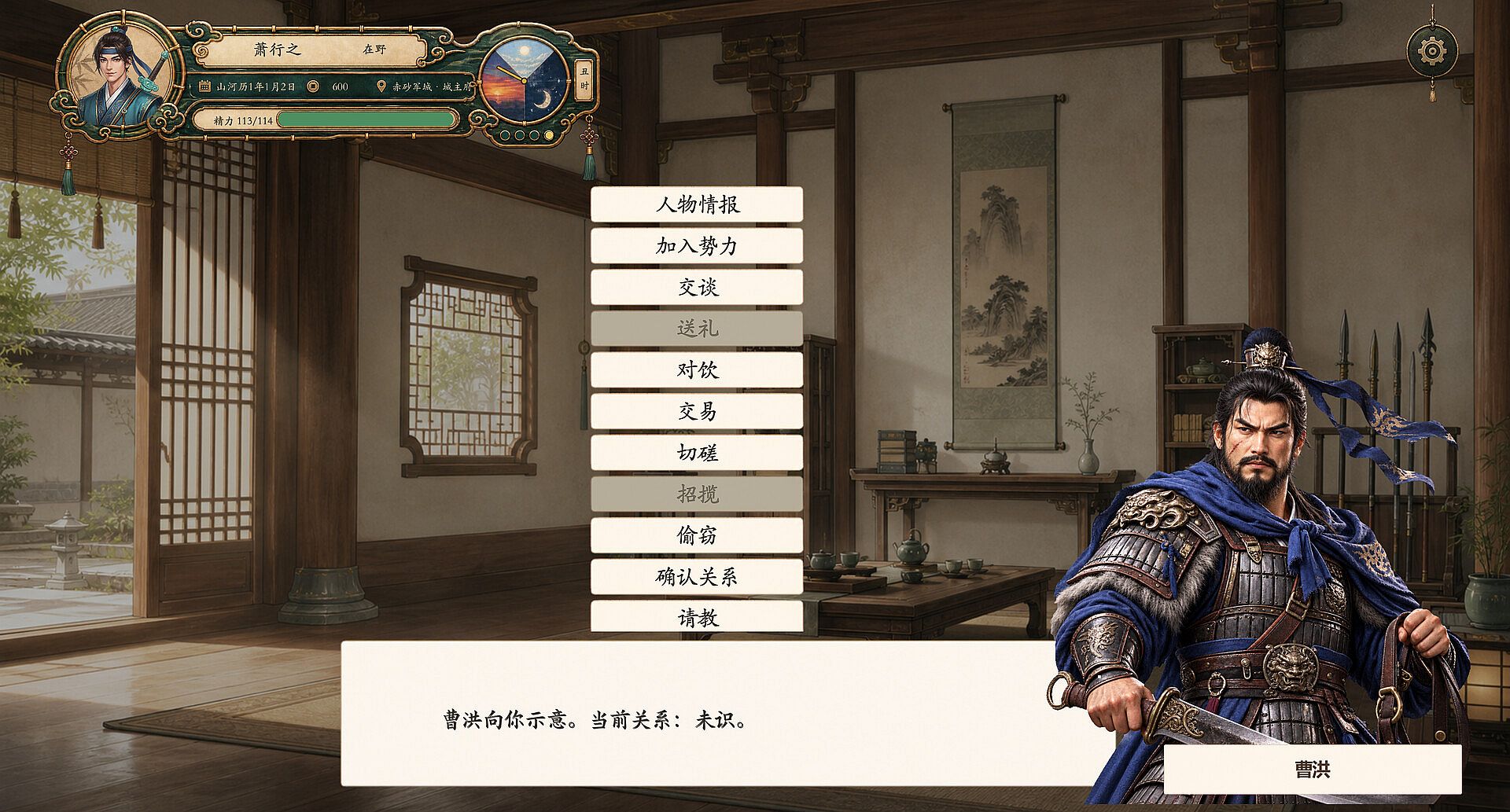
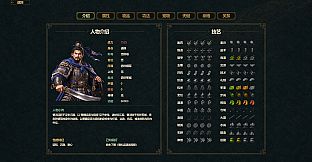
Spirit beasts appear in the wild and ruins for capture and training. They accompany journeys, work at the homestead, or join battles. Nearly 10,000 martial arts manuals cover internal arts, lightness skills, secret techniques, and external styles. These combine with attributes, equipment, and group tactics to support varied playstyles. Social systems track relationships, reputation, and consequences from actions like theft, which offers quick gains but invites pursuit and shifts in standing.
Game Modes
The game emphasizes flexible playstyles over distinct named modes. Trade routes form through monitoring supply, demand, and prices across realms to build capital. Spirit beast capture and training integrate into journeys and homestead management. Loot hunting involves repeated challenges against passes, perilous zones, and foes for resources and new options. Build crafting draws from the extensive manual library alongside equipment and coordinated attacks.
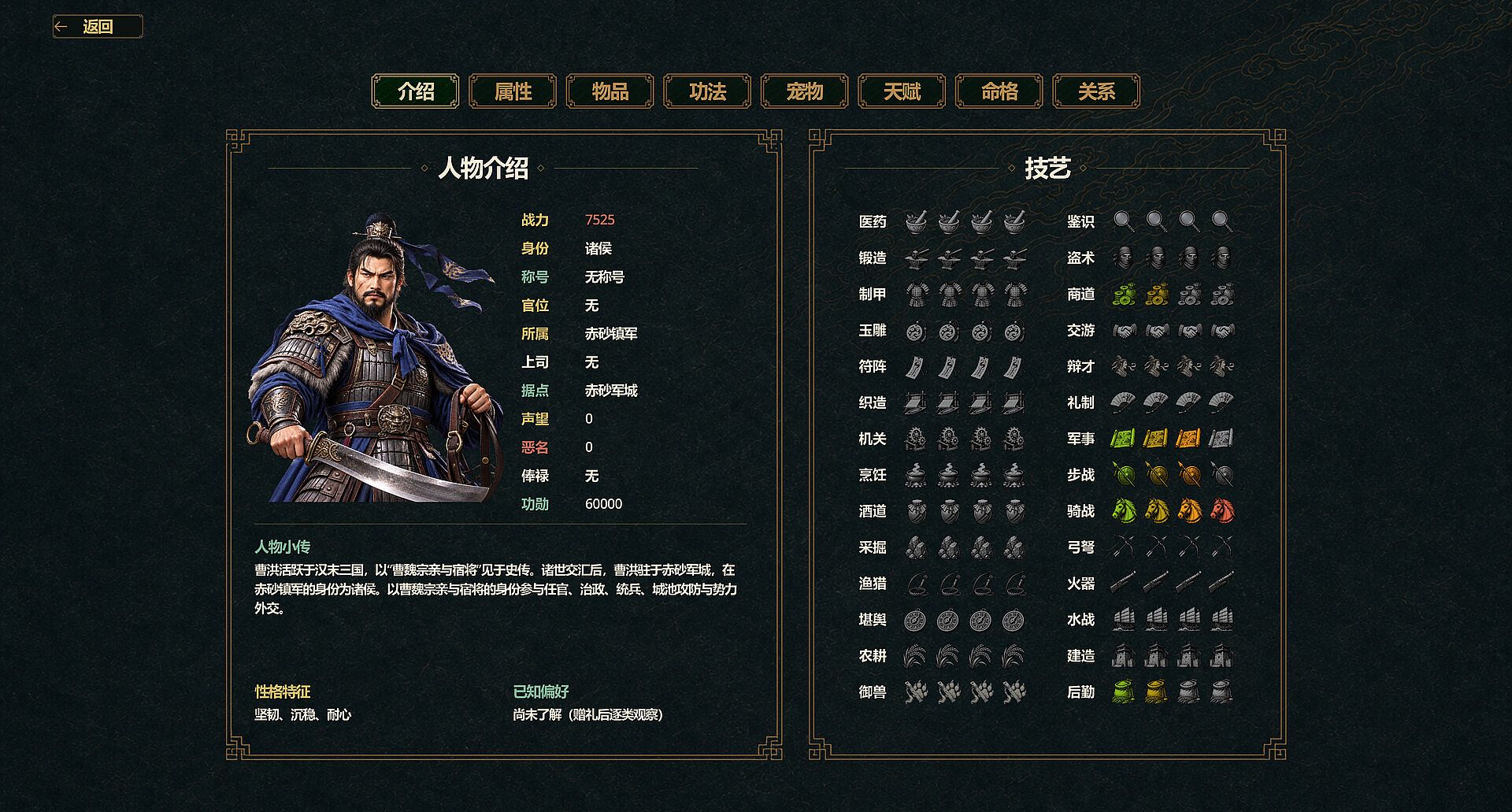
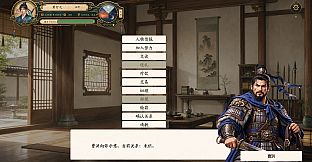
Six simulated career paths provide structured progression: government service, sect life, caravan escort, commerce, craftsmanship, and beast-taming. Each grants unique status, resources, quests, and advancement opportunities. Theft functions as an additional risky approach that interacts with reputation and relationships. Players divide limited time across these systems while recruiting companions and handling quests or cases that arise from their choices.
Exploration and Progression
Travel connects locations gradually, allowing players to weigh stays for trade, visits, or further exploration against pushing onward. The homestead evolves from a simple storage area into a functional hub for production and recovery. Career advancement involves earning merit, evaluations, and rank increases that unlock organizational resources alongside greater responsibilities. Reputation and ties influence access to places and people, while personal skills and resources determine overall readiness for challenges.
Build experimentation grows through repeated exploration and loot study. No single optimal path exists; decisions accumulate into a personal jianghu shaped by trade-offs in attributes, careers, relationships, and risks taken.
Is It Worth Playing?
The title remains in active development with a planned release in December 2026. Playable elements such as character creation, map travel, homestead management, pass exploration, combat, and basic loot systems continue to receive refinement. Content including the full manual library, trade economy, spirit beast features, and social risks will see further adjustments based on ongoing work.
This single-player experience suits those interested in simulation-driven RPGs that blend economic management, creature handling, martial arts customization, and career simulation within a xianxia-inspired setting. Players who enjoy weighing risks across multiple systems and seeing choices compound over time will find the most engagement here. Those seeking immediate multiplayer features or fully polished content should monitor updates closer to launch, as the current focus stays on iterative refinement of core systems.