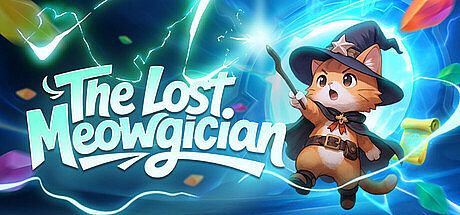





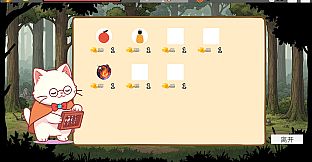
The Lost Meowgician is an indie casual game on PC that fuses match-3 puzzle mechanics with tower defense strategy inside a roguelite structure. Players control a magical cat navigating a dimensional rift after an accident at the Magic Academy, with the goal of locating a lost companion and returning home. The experience centers on single-player runs where match-3 actions directly fuel defensive spells against advancing enemies.
Gameplay
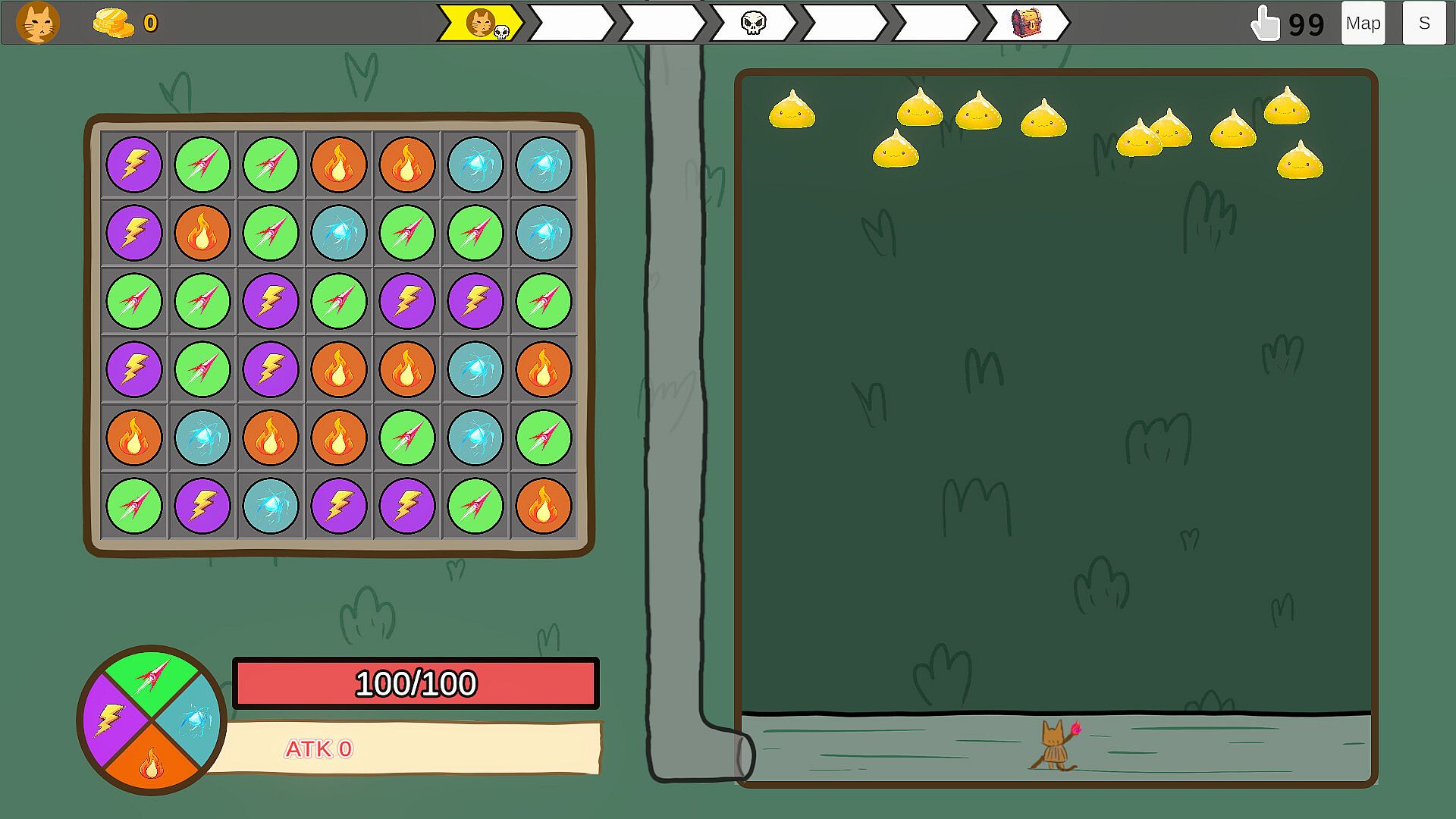
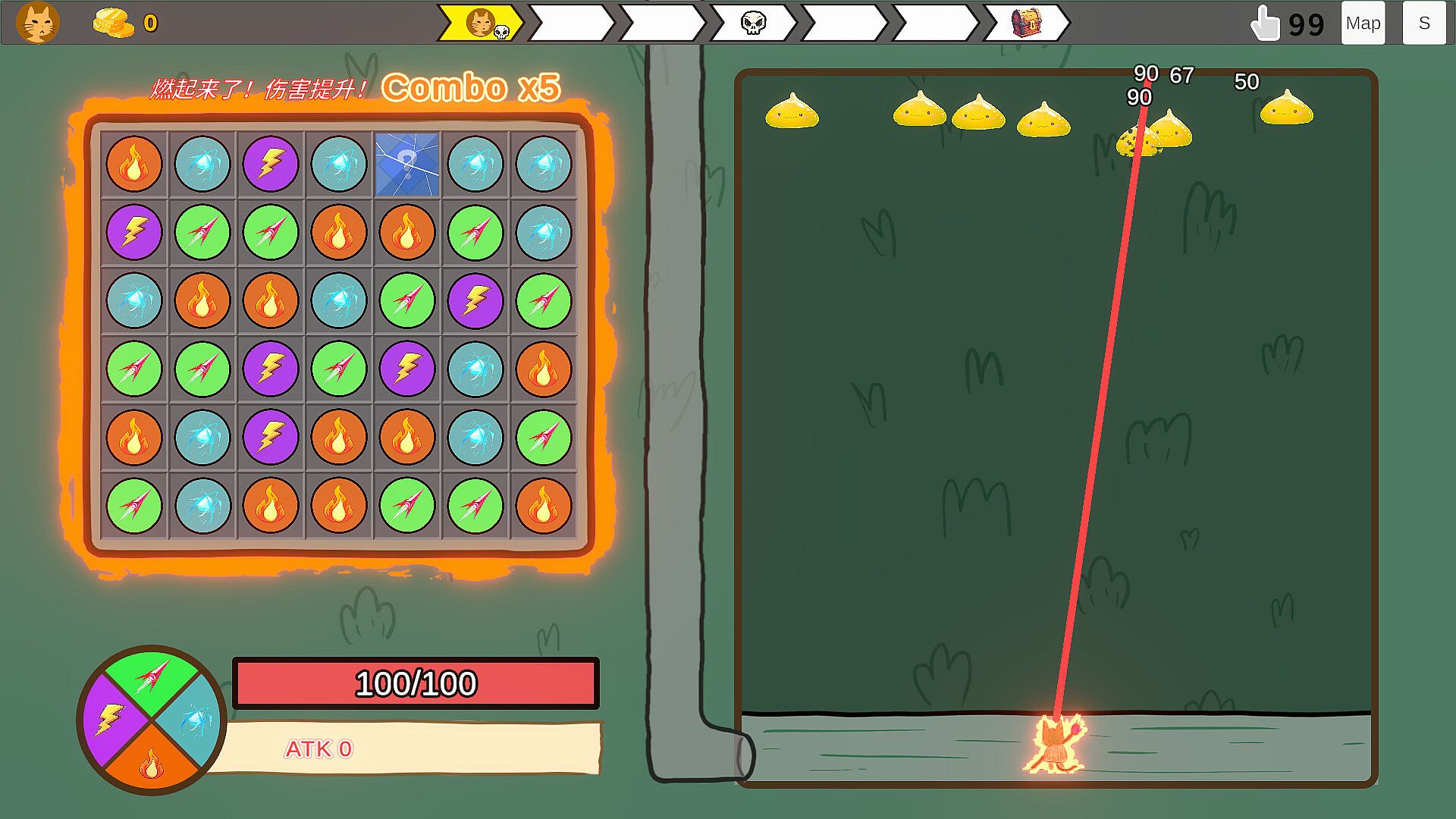
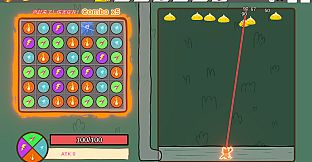
The core loop splits the battlefield into two zones. On the left, players swap tiles on a match-3 board to create combinations of three, four, or five identical elements. These matches load spells into an action queue rather than simply awarding points. On the right, the tower defense zone activates once matching concludes, with queued spells firing automatically in sequence to damage or control enemies moving along a path.
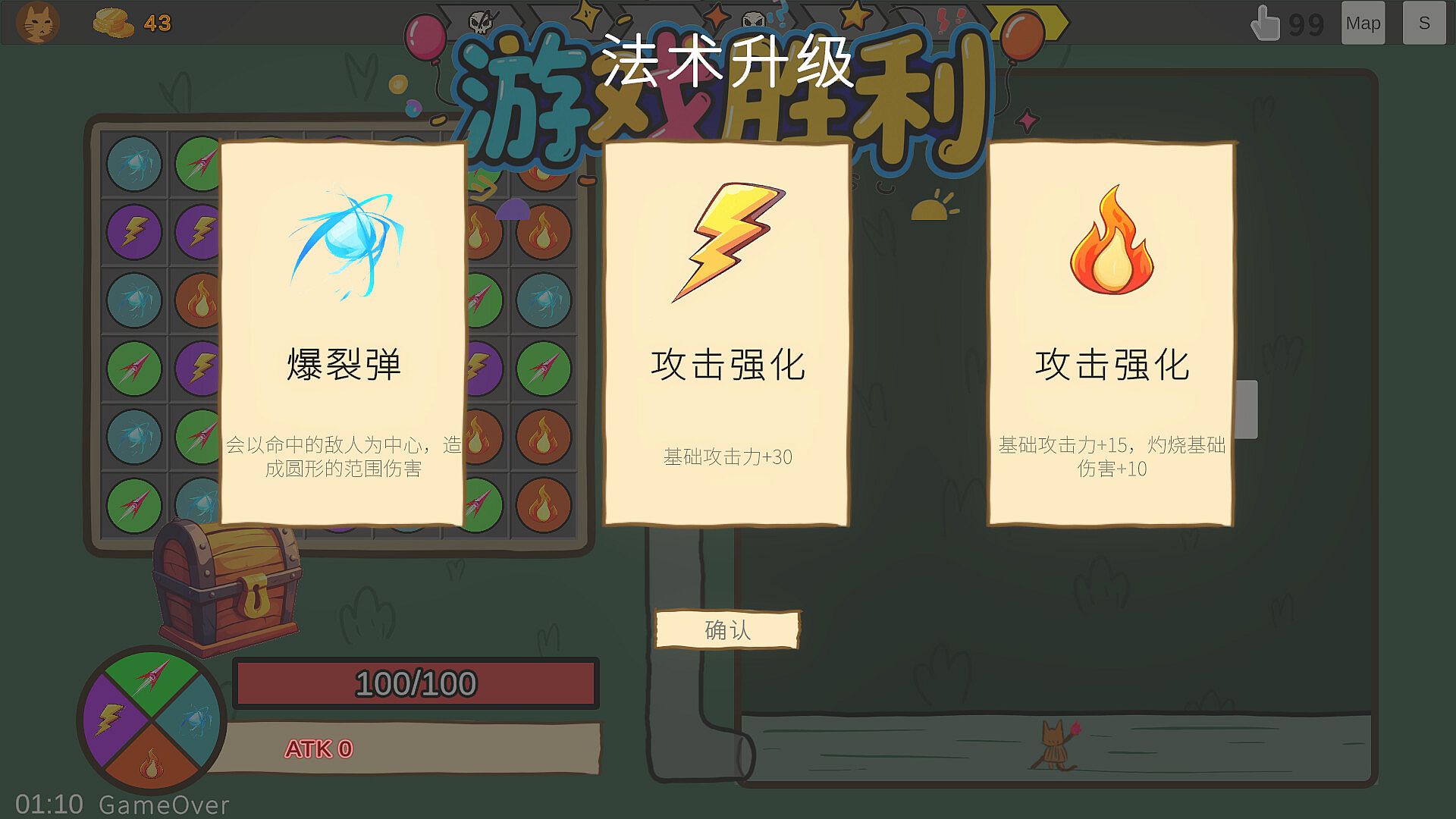
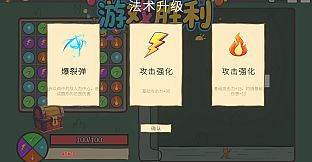
Spells offer varied effects and upgrade paths that support different approaches, such as focused single-target damage or area-clearing attacks. Treasures collected during runs introduce additional modifiers that can shift an entire strategy when combined with specific spells. The hand-drawn art style presents the cat protagonist and surrounding world in a relaxed, doodle-like aesthetic that contrasts with the tactical decisions required each turn.
Game Modes
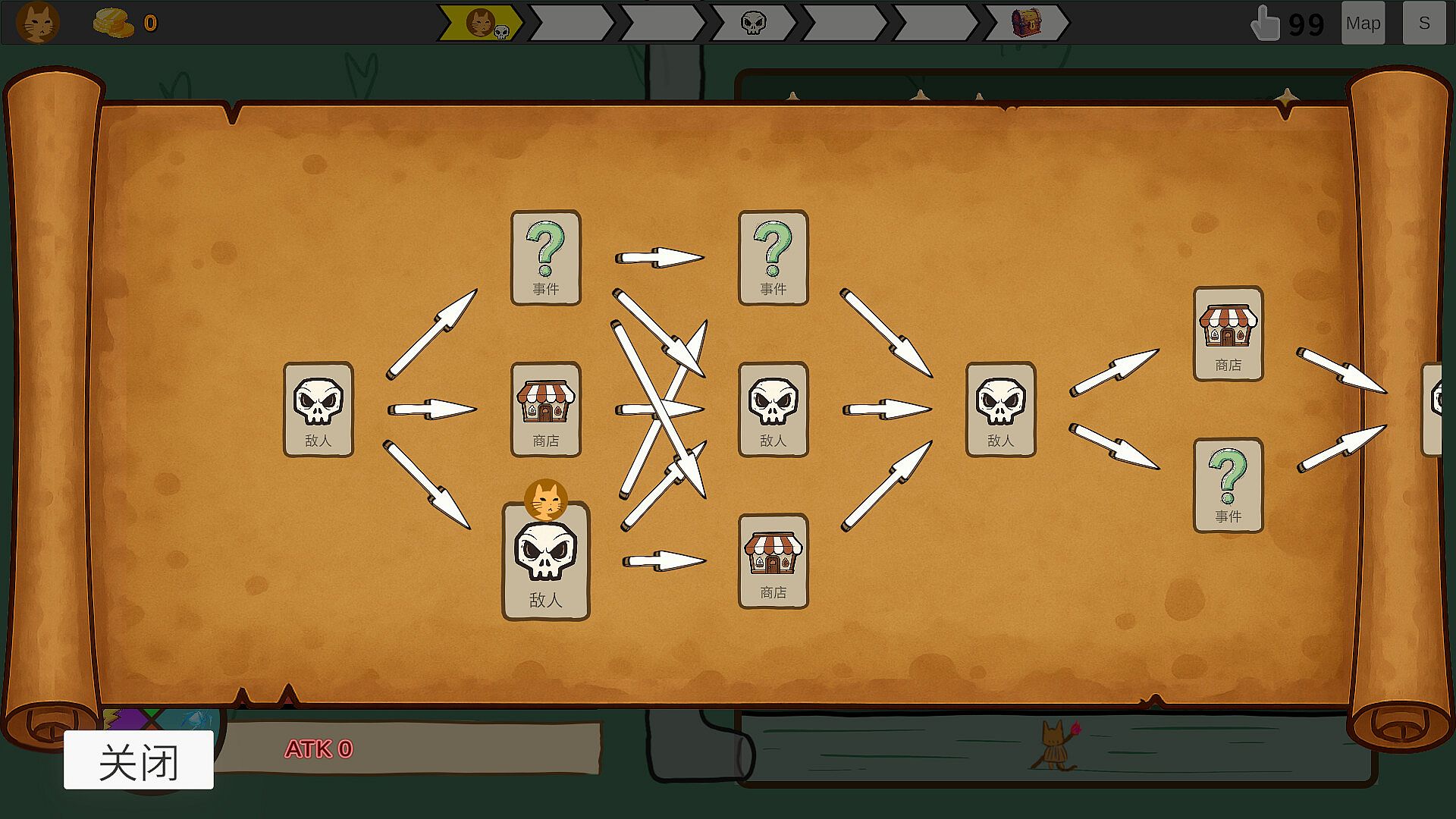
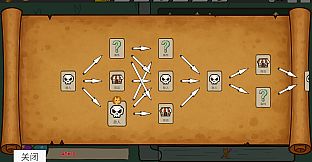
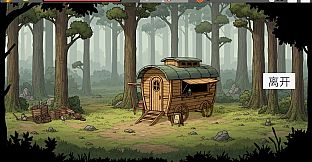
The game operates entirely in single-player format. Each session follows a roguelite structure of randomized maps divided into combat encounters, random events, and shops. Before entering a new floor, players allocate resources to reorder the sequence of rooms, which influences whether the run prioritizes early power-ups or higher-risk rewards from elite enemies.
Meta-progression carries forward across runs by unlocking additional spells, treasures, and events that expand available options in future attempts. This system ensures repeated playthroughs introduce new combinations without altering the fundamental single-player focus.
Strategic Build Crafting
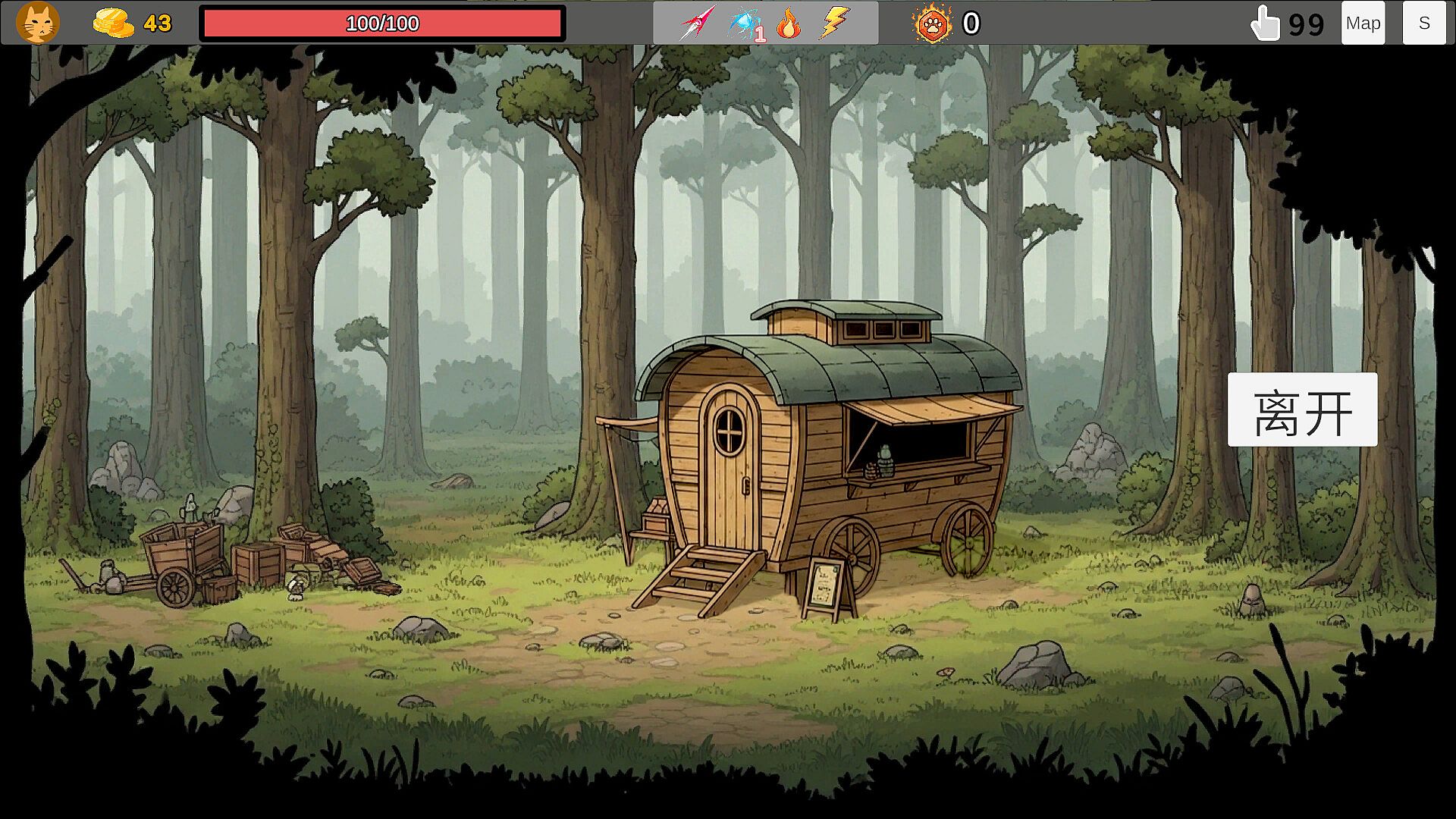
Success depends on selecting and upgrading spells alongside treasures to form effective synergies. Choices range from control-oriented setups that slow or disable groups of enemies to summon-based builds that add extra units to the defense line. The shop and event rooms provide opportunities to refine these builds mid-run, while the ability to refresh shop stock through certain treasures adds another layer of decision-making.
Randomized enemy compositions and map layouts keep each floor unpredictable, requiring adaptation even with a strong starting set of abilities. End-of-run summaries display performance statistics that help track progress toward unlocking permanent content.
Is It Worth Playing?
The game suits players who enjoy deliberate puzzle and strategy combinations in a single-player roguelite package. Its demo remains available with multiple updates that have added new treasures, random events, a prologue sequence, and quality-of-life features such as improved shop visuals and an end-of-run summary screen. Those interested in match-3 mechanics feeding directly into tower defense outcomes, along with route-planning and build experimentation, will find the systems align closely with the described gameplay. The absence of multiplayer elements keeps the focus on personal strategy and repeated runs for meta-unlocks.