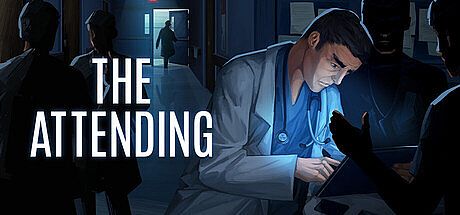


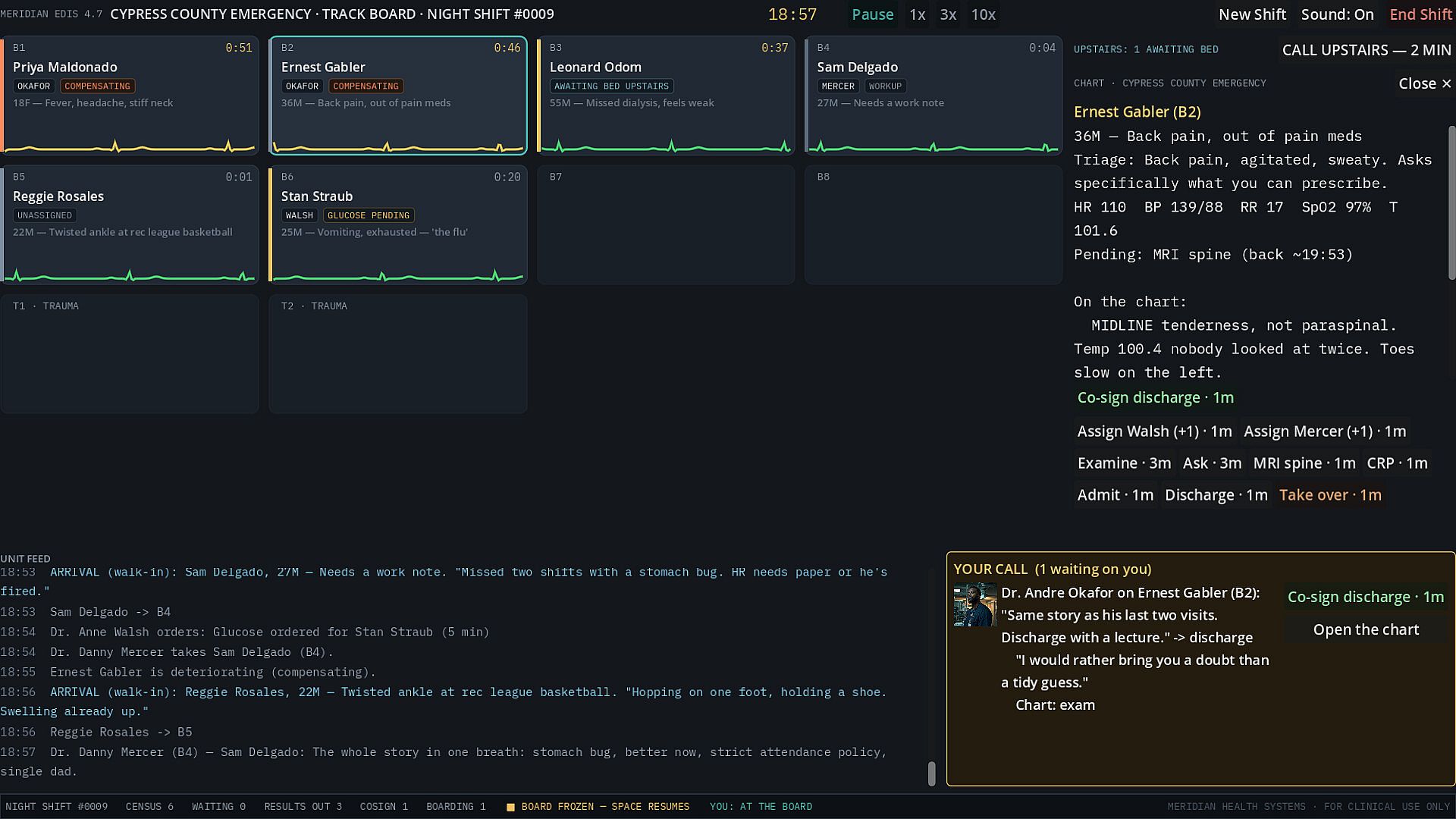
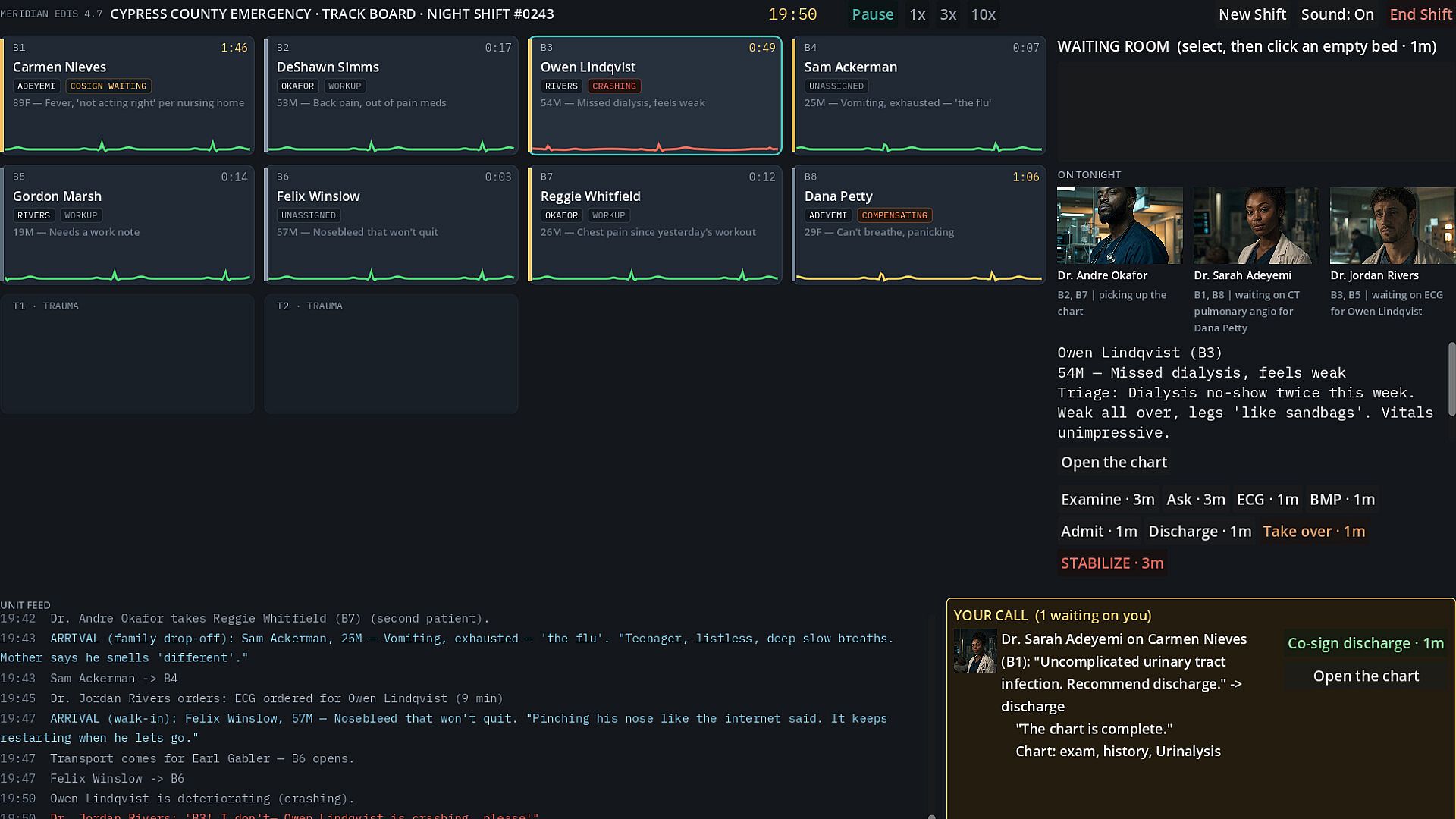
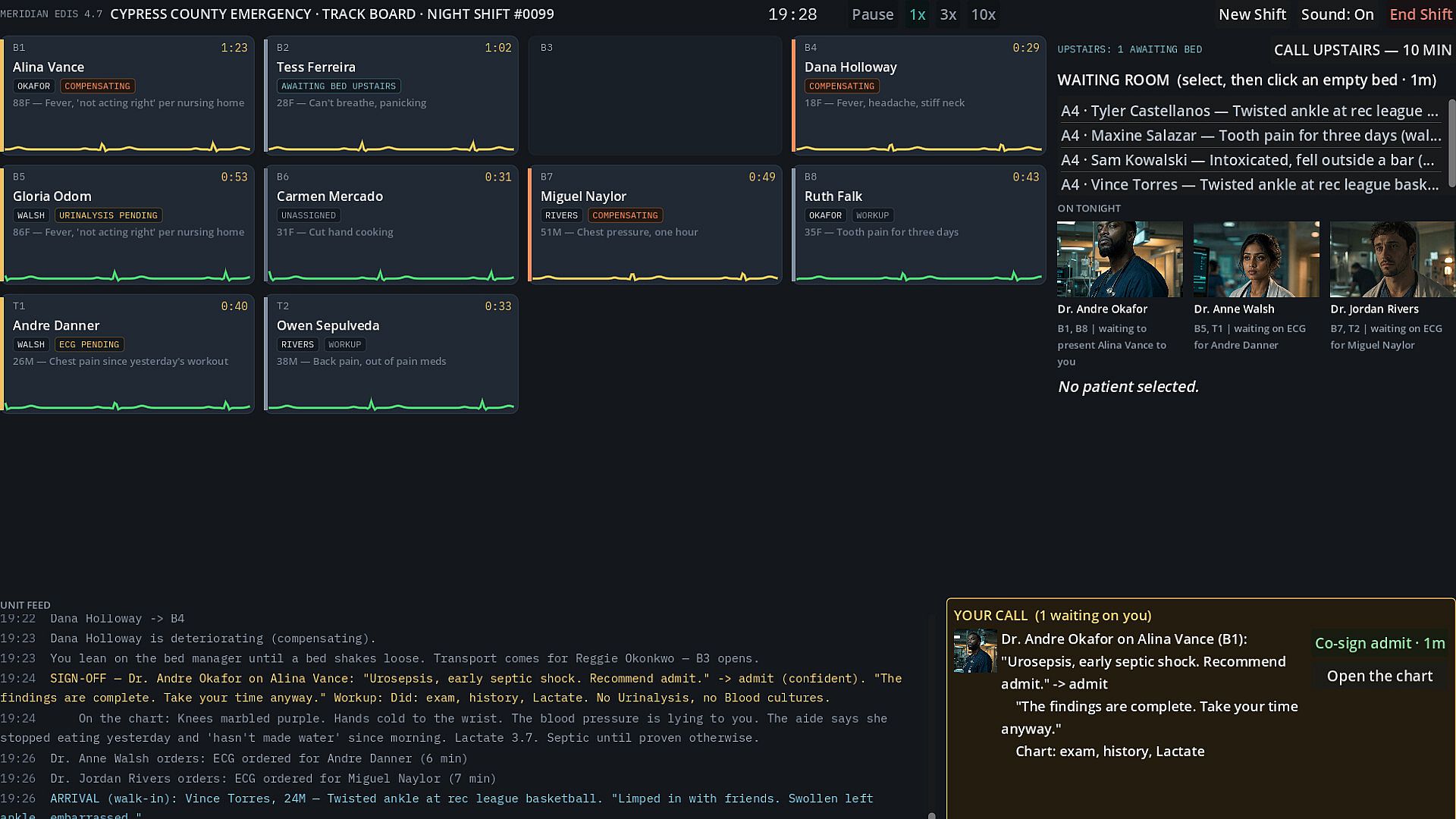
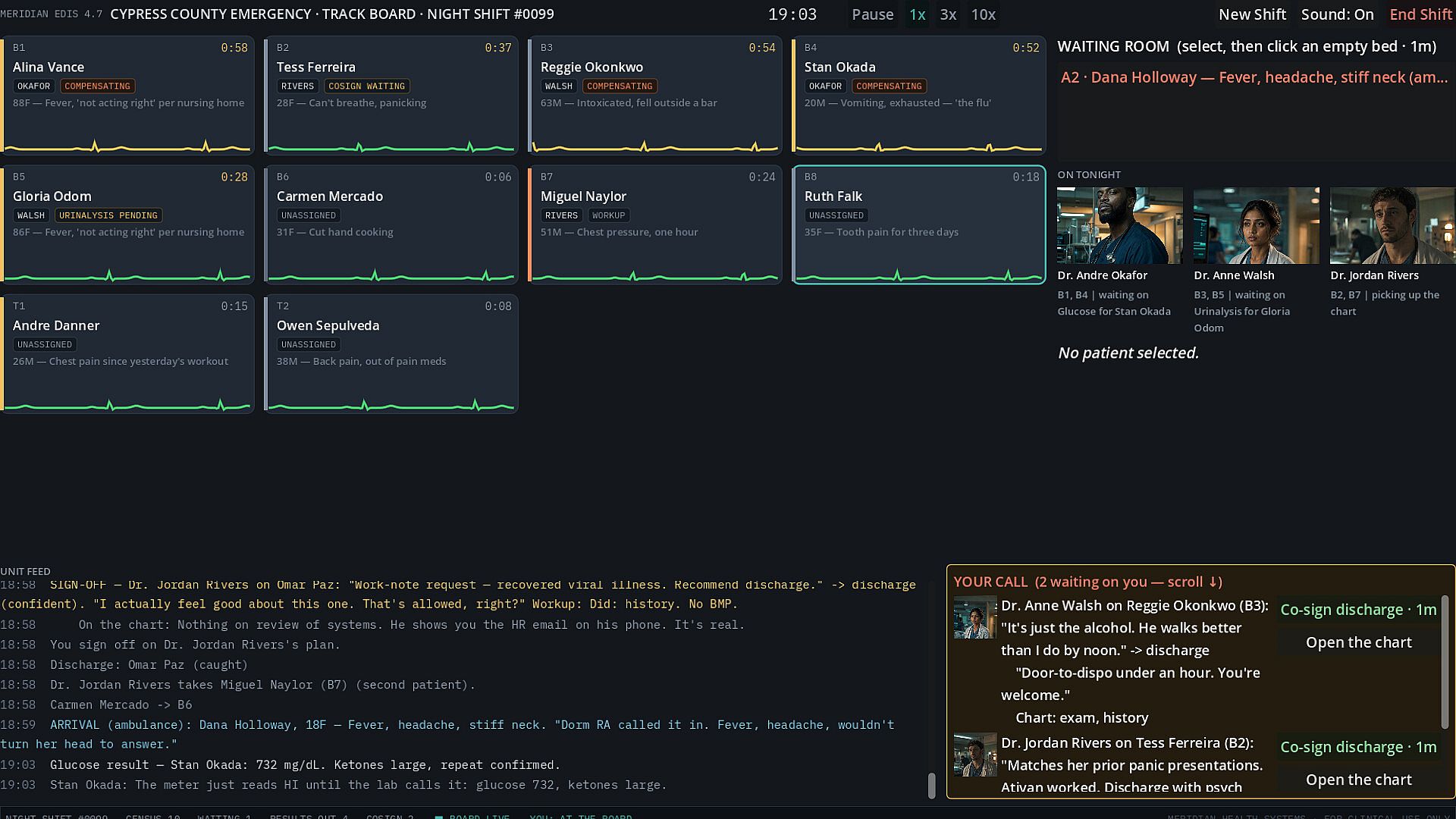
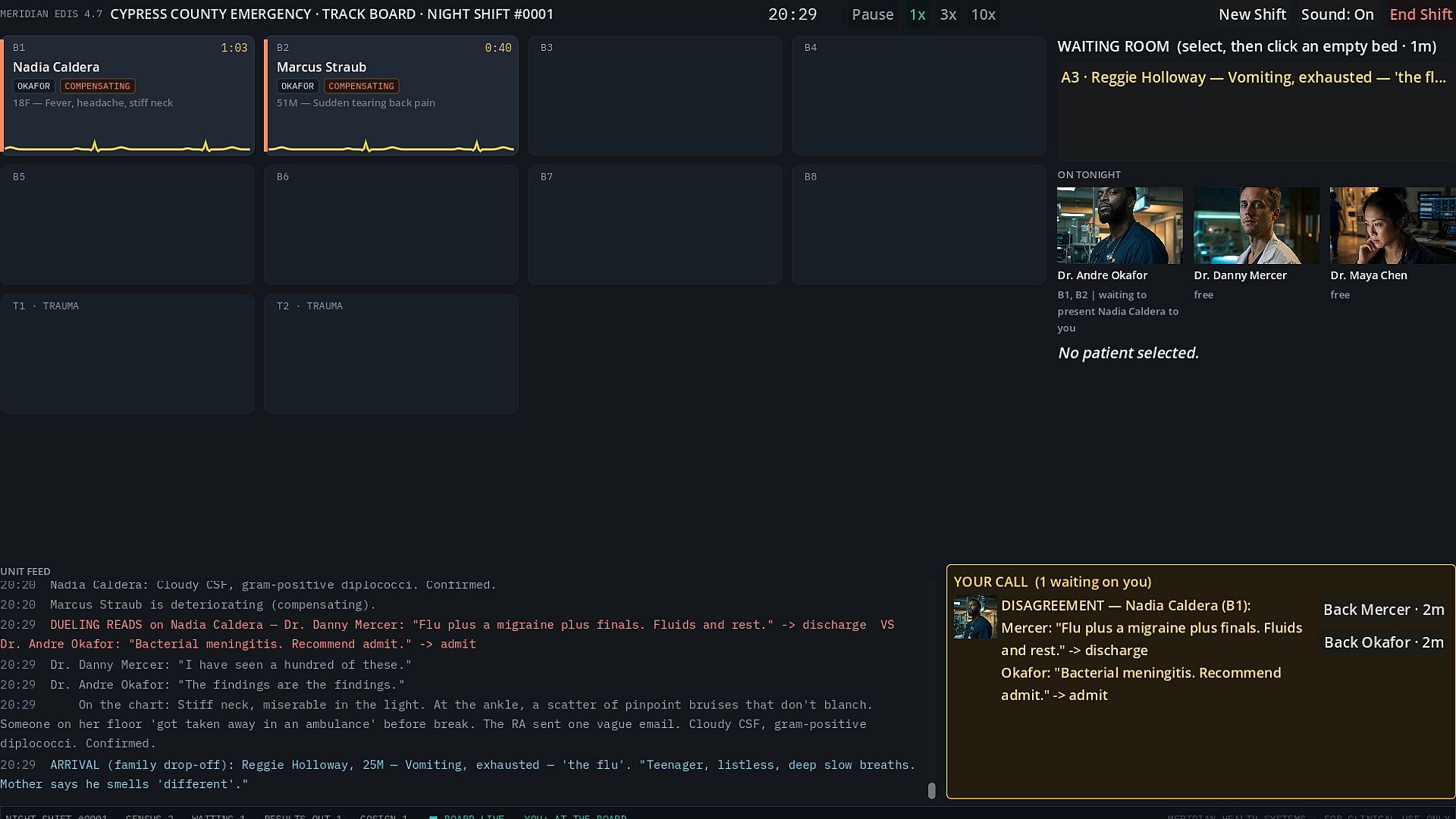
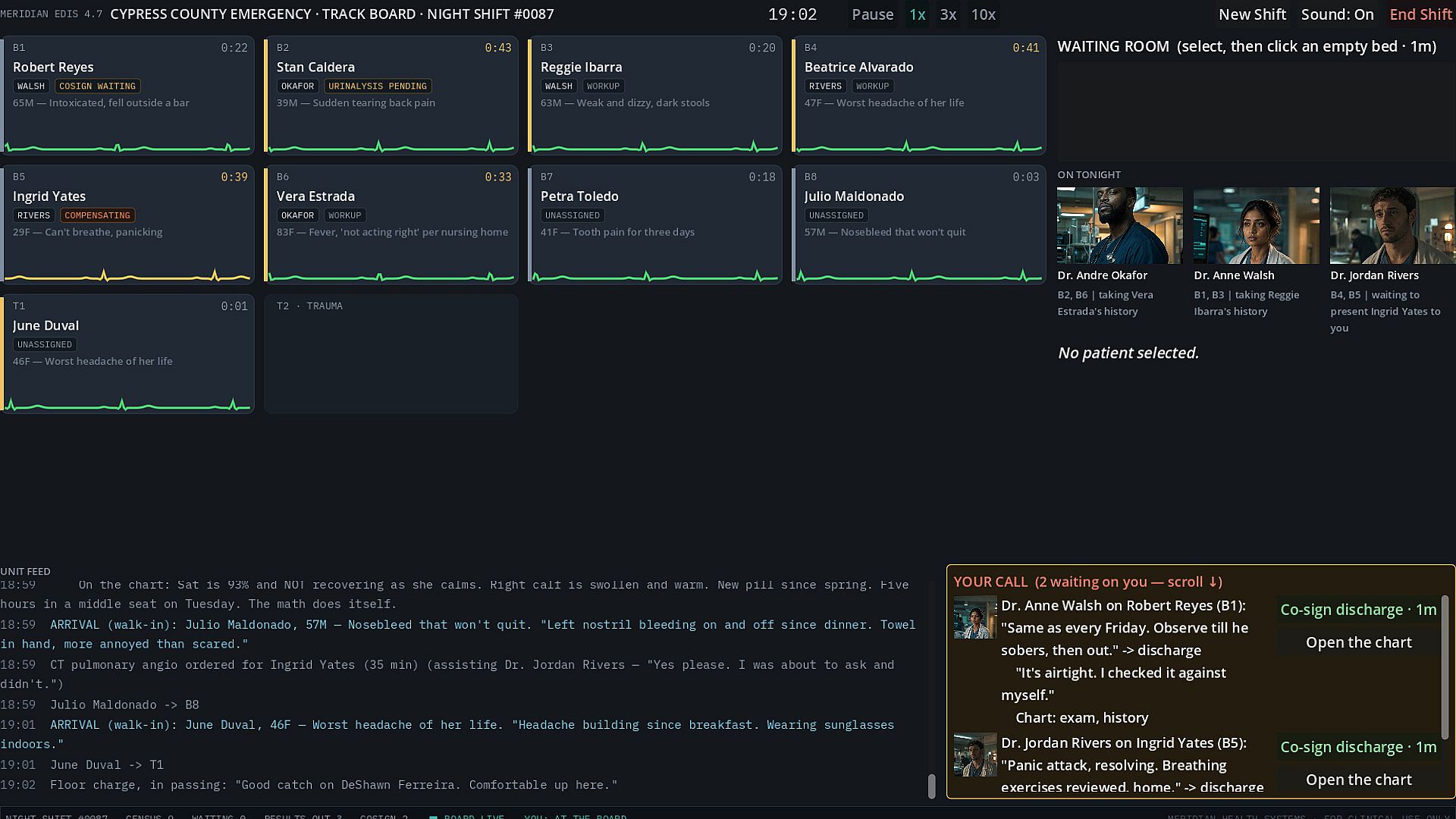
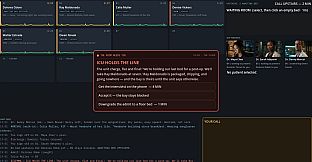
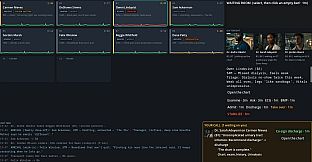
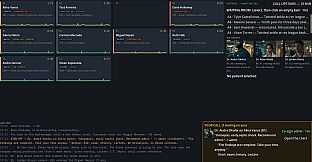
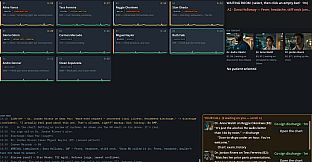
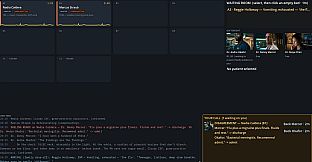
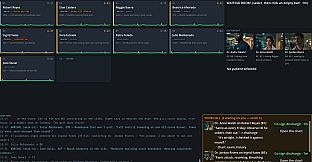
The Attending is a strategy simulation game set in an emergency department where players manage patient flow, staff assignments, and critical decisions over the course of a single night shift. Rather than constructing facilities or expanding infrastructure, the focus stays on overseeing the board: routing cases to available beds, directing doctors through their workups, and authorizing discharges or admissions based on the information presented. Doctors operate with individual styles that influence speed, thoroughness, and willingness to flag uncertainties, which means every chart requires careful review before approval.
Gameplay
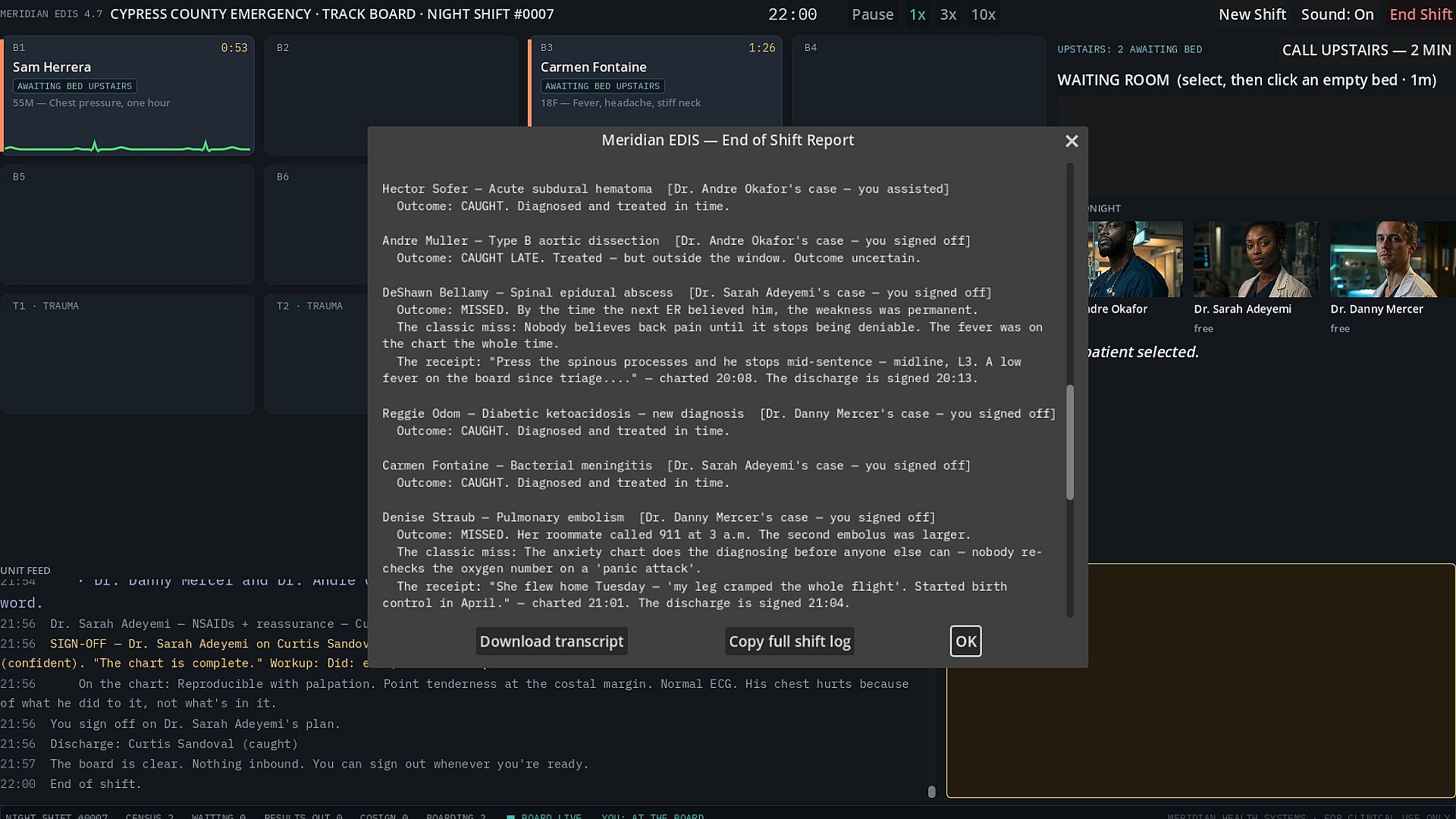
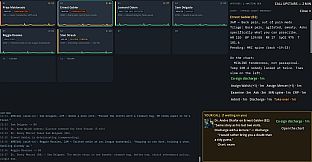
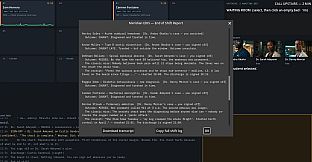
Core play revolves around reading charts that detail what each doctor examined, what findings emerged, and what areas received no attention at all. Signing off on a discharge locks in that assessment, while the later debrief reconstructs the exact sequence of events to highlight any errors in timing or judgment. Interventions carry ongoing consequences because repeated takeovers erode or build trust with the roster, affecting how readily staff remain available when the board grows crowded.
Patients arrive with overlapping symptoms that demand differentiation through targeted workups. Two individuals may present identical complaints yet require entirely separate paths once tests begin, and the simulation advances in real time for unstable cases. A deterministic setup ensures each patient's underlying condition exists from the start, so deterioration follows fixed rules rather than random scripting. Supervision centers on spotting thin charts, verifying key details, and accepting responsibility for outcomes.
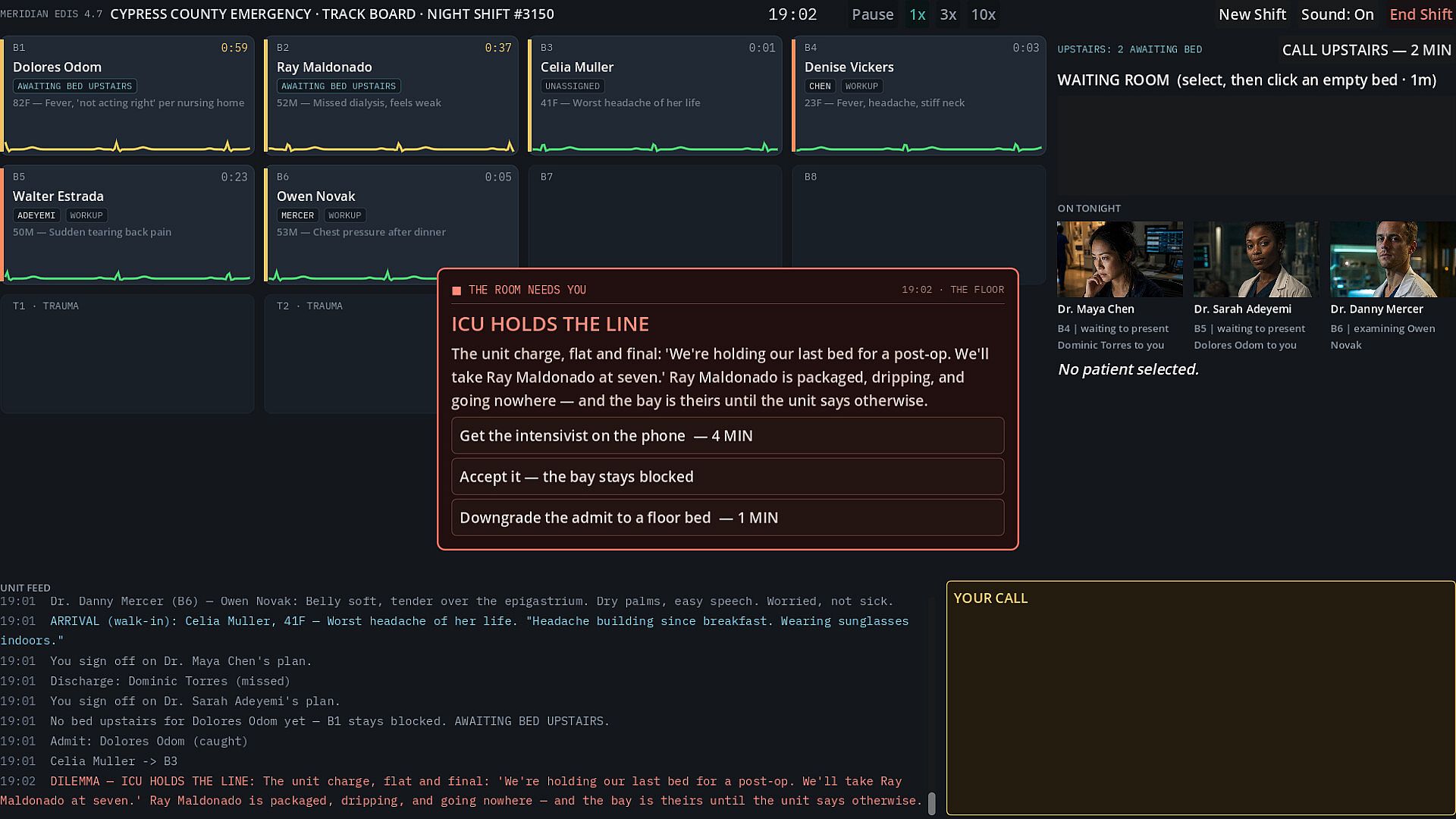
Additional layers include pressure from the hospital upstairs, where admitted patients occupy beds until space opens on the floors above. Contacting the bed manager trades time away from active cases. Staff members carry persistent traits, grudges, and limits that can trigger arguments or walkouts during the shift. These moments interrupt workflow and force choices between resolving interpersonal issues or maintaining patient throughput.
Game Modes
The experience centers on individual generated shifts that combine varying case mixes, arrival patterns, and crew compositions. Each night stands alone as a complete session, with no carryover between plays. Procedural elements ensure fresh combinations of patients and staff dynamics, while the underlying patient truths remain fixed once the shift begins. This structure supports repeated attempts to refine sign-off decisions and trust management without requiring progression through linked scenarios.
Players handle the full board in one continuous stretch, balancing incoming waves against existing cases and staff availability. The deterministic nature means outcomes depend on accurate reading of charts and timely interventions rather than variable luck. No separate competitive or cooperative variants exist; the emphasis stays on solo oversight of the department's flow and the human elements that complicate it.
Staff Dynamics and Decision Pressure
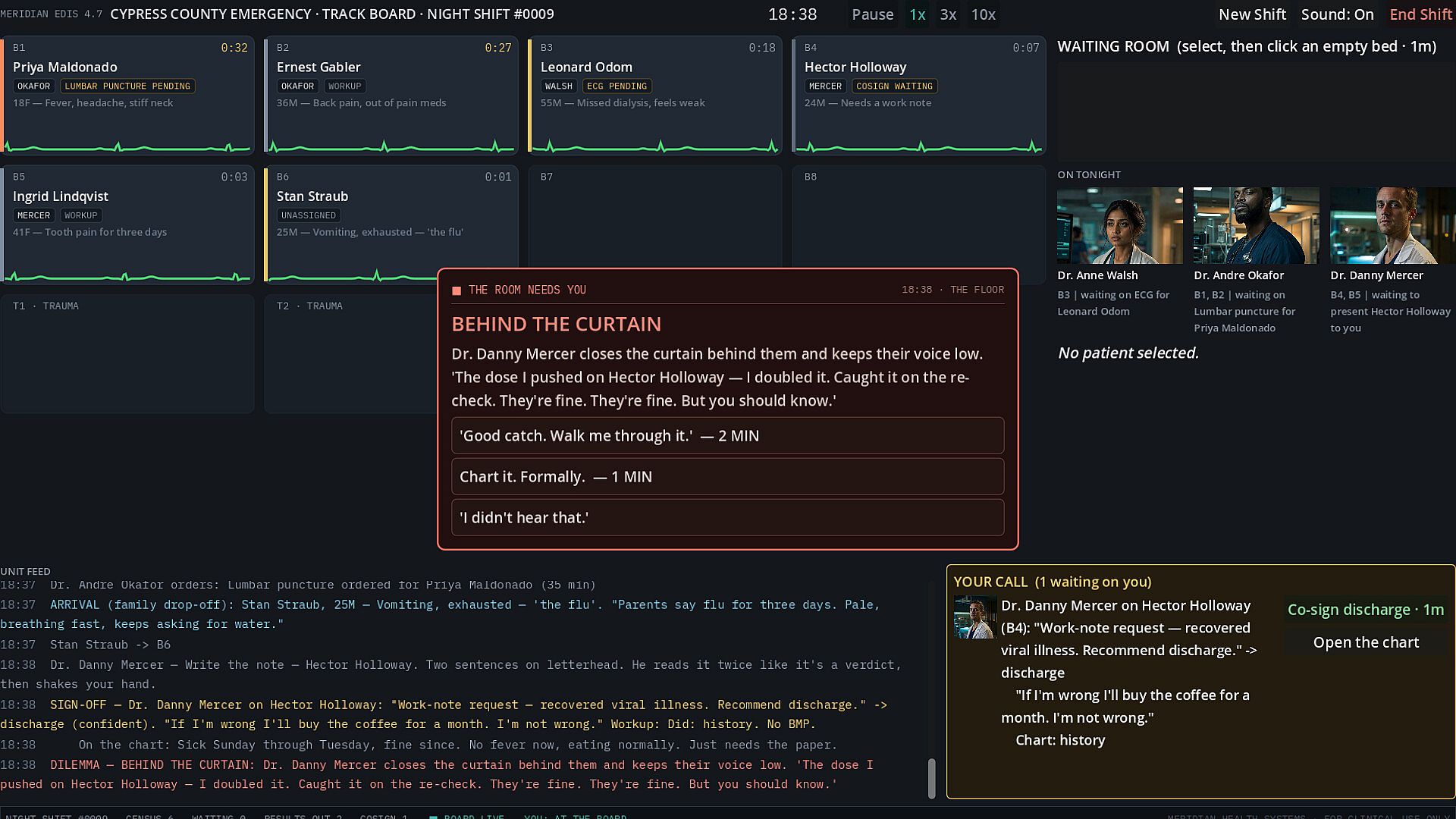
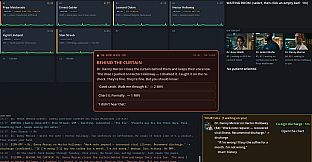
Named doctors bring distinct approaches that shape how cases progress. A fast worker might clear volume quickly but overlook subtleties, while a more cautious one surfaces doubts that require follow-up. Trust built or spent through direct interventions influences future willingness to stay engaged when multiple critical cases compete for attention. These relationships persist across the night and can escalate into authored dilemmas such as confessions, family confrontations, or filming incidents that consume minutes and erode focus.
Bed allocation and order signing form the constant loop. Every action carries visible downstream effects in the debrief, which logs the precise minute a finding appeared versus when a discharge was approved. This feedback loop trains players to weigh incomplete information against the risk of holding a bed or sending a patient upstairs prematurely.
Is It Worth Playing?
The Attending suits players who enjoy management simulations built around information verification, resource allocation under time pressure, and the consequences of interpersonal decisions. Its deterministic structure and emphasis on reading charts reward methodical review rather than rapid clicking or broad strategy trees. Those drawn to procedural variety within a contained single-shift format will find the generated nights provide consistent replay value through changing case loads and staff interactions. The absence of construction elements keeps attention tightly on oversight and judgment calls, which may appeal to fans of focused simulation experiences over expansive building games. Overall, the title delivers a precise take on emergency department supervision that prioritizes accuracy and accountability in its core loop.