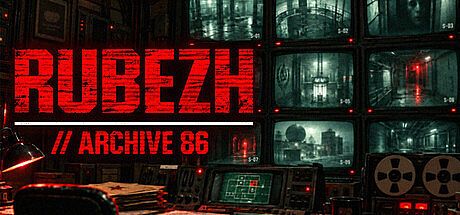


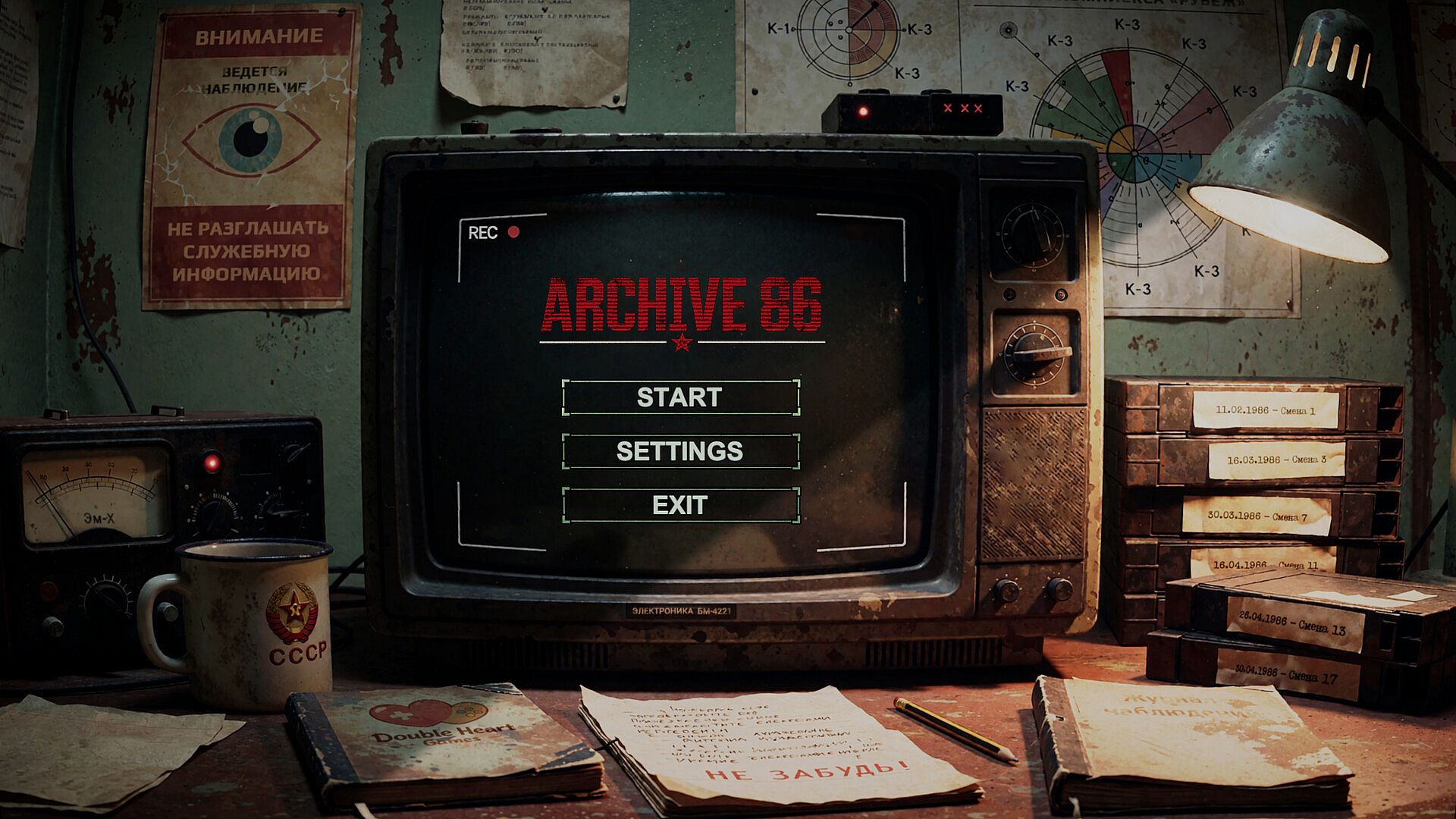
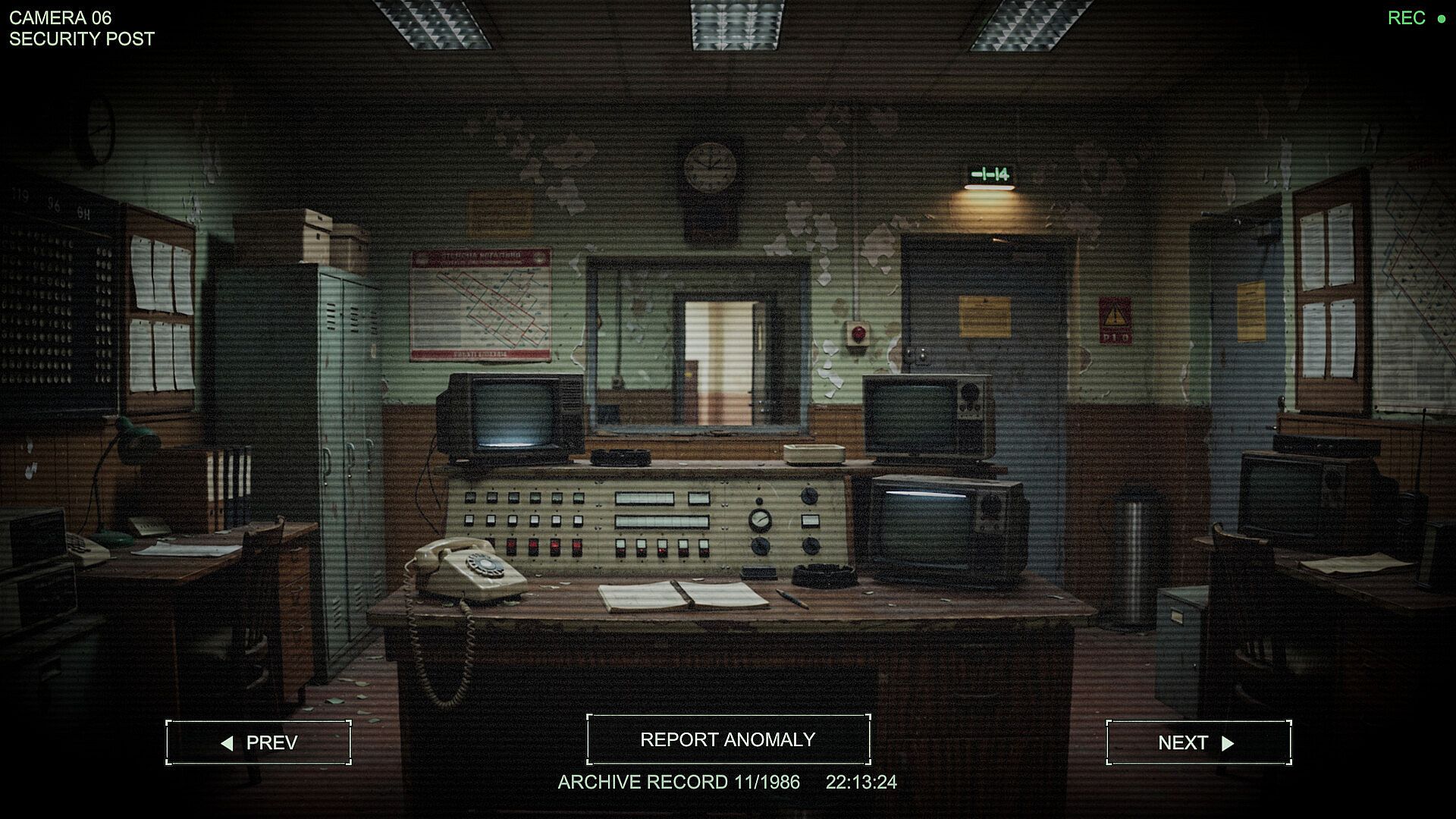
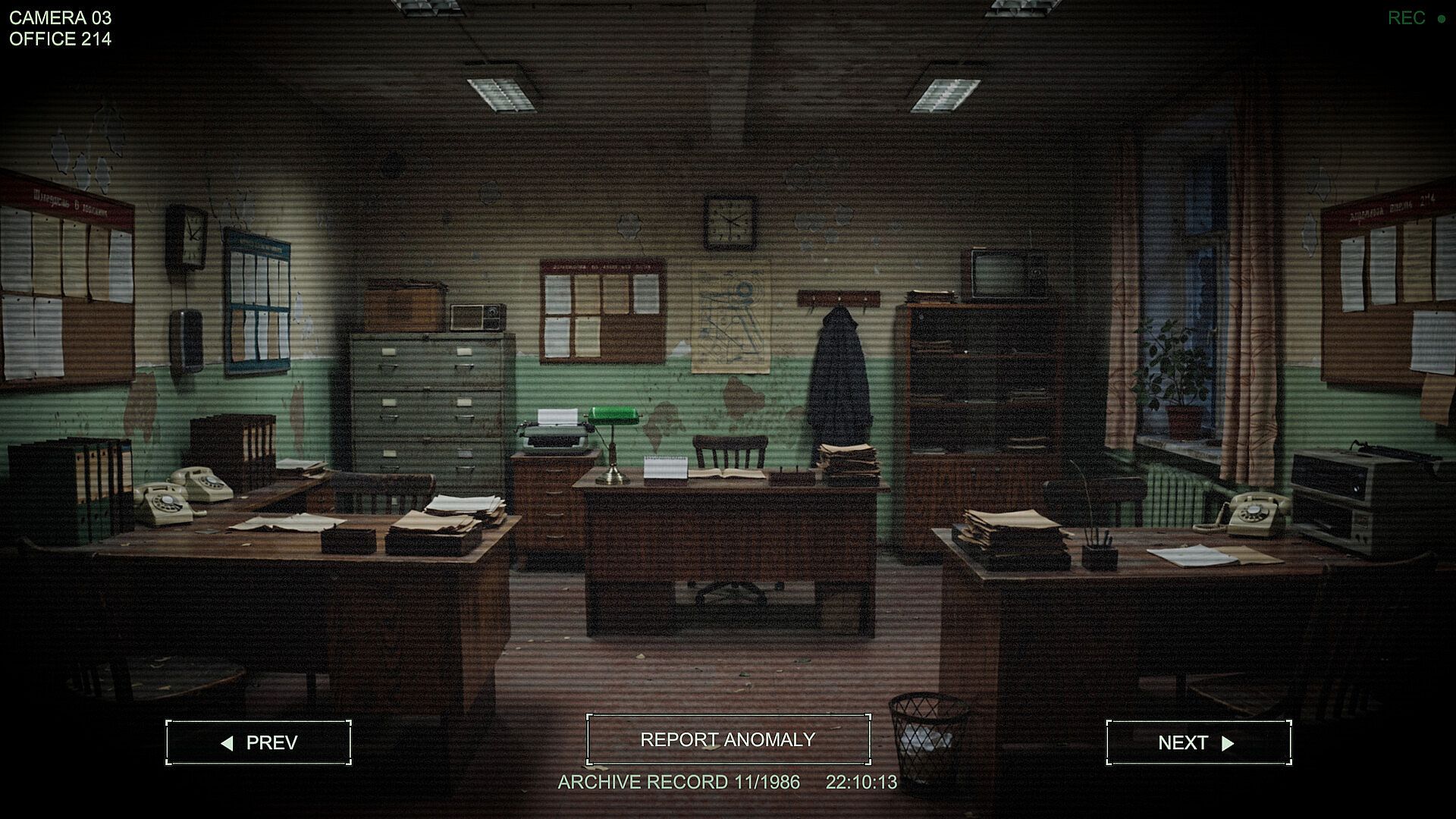
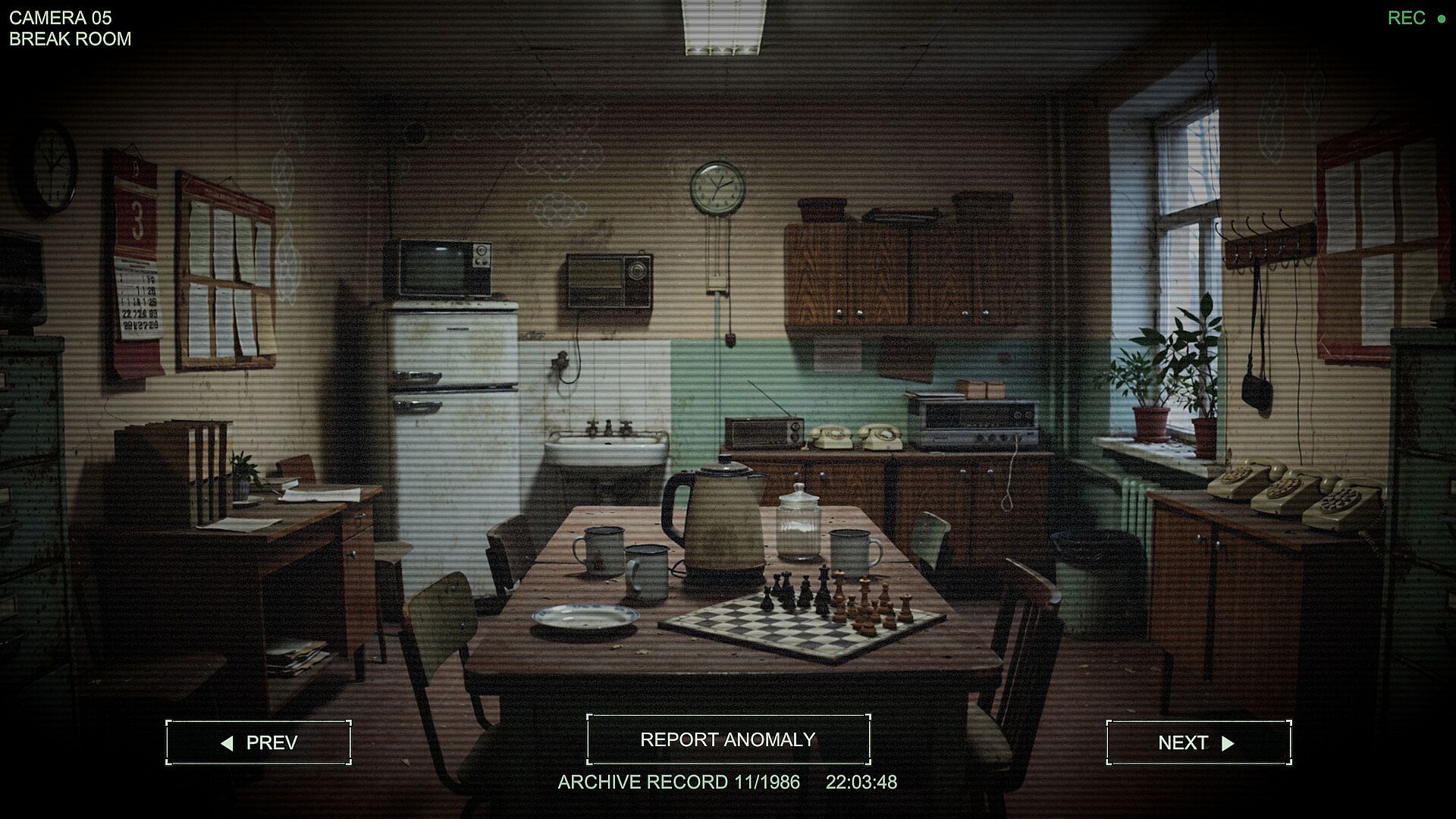
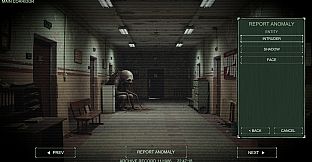
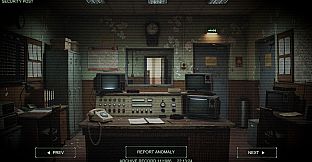
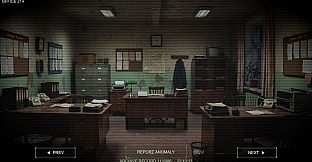
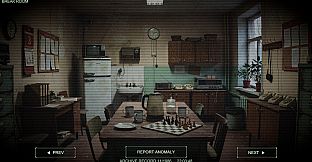
RUBEZH // Archive 86 is a first-person observation horror game set in a classified Soviet scientific complex during 1986. Players take on the role of a monitor operator tasked with watching surveillance feeds, memorizing normal room states, and identifying any changes that occur across multiple sectors.
Gameplay
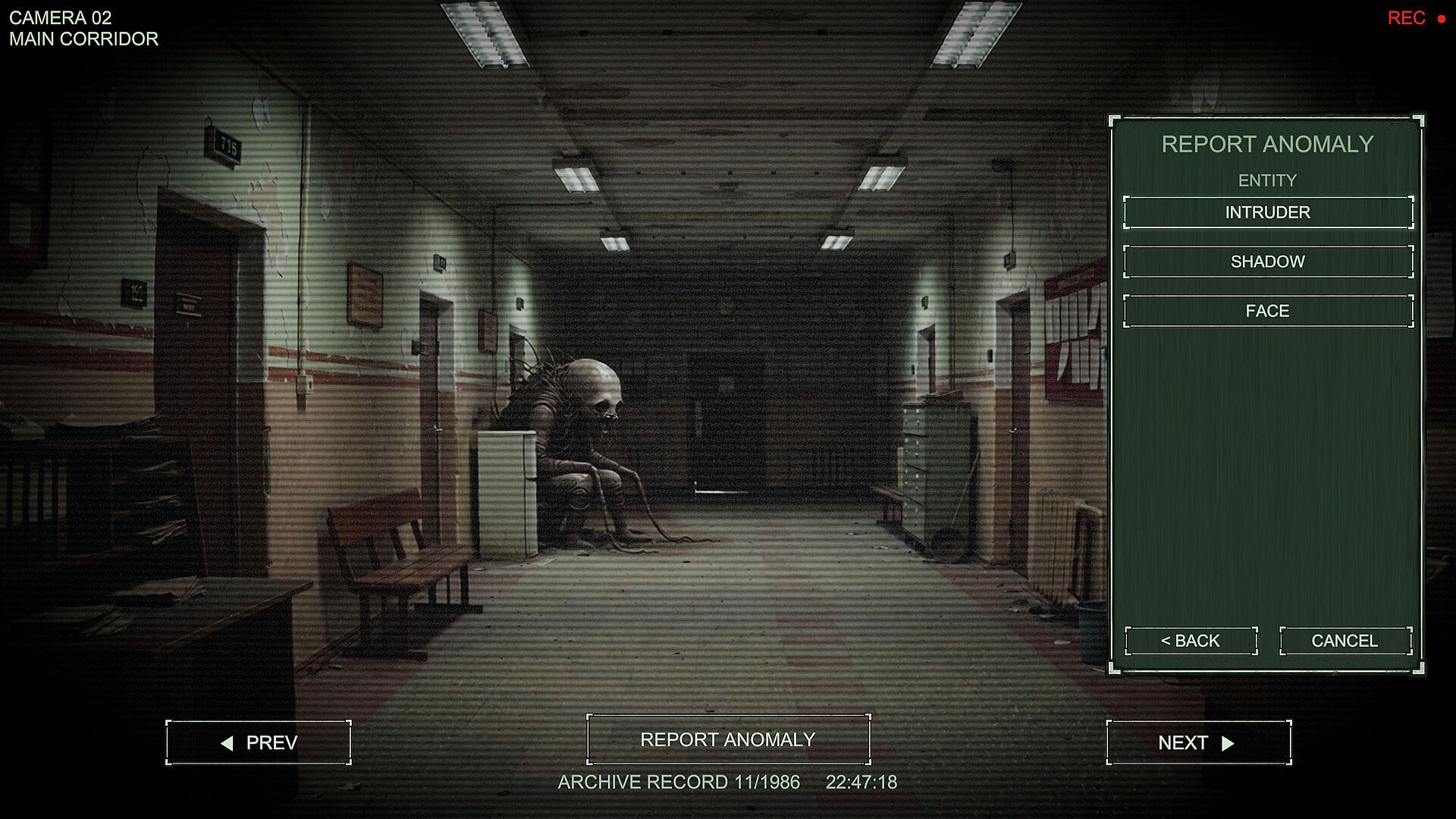
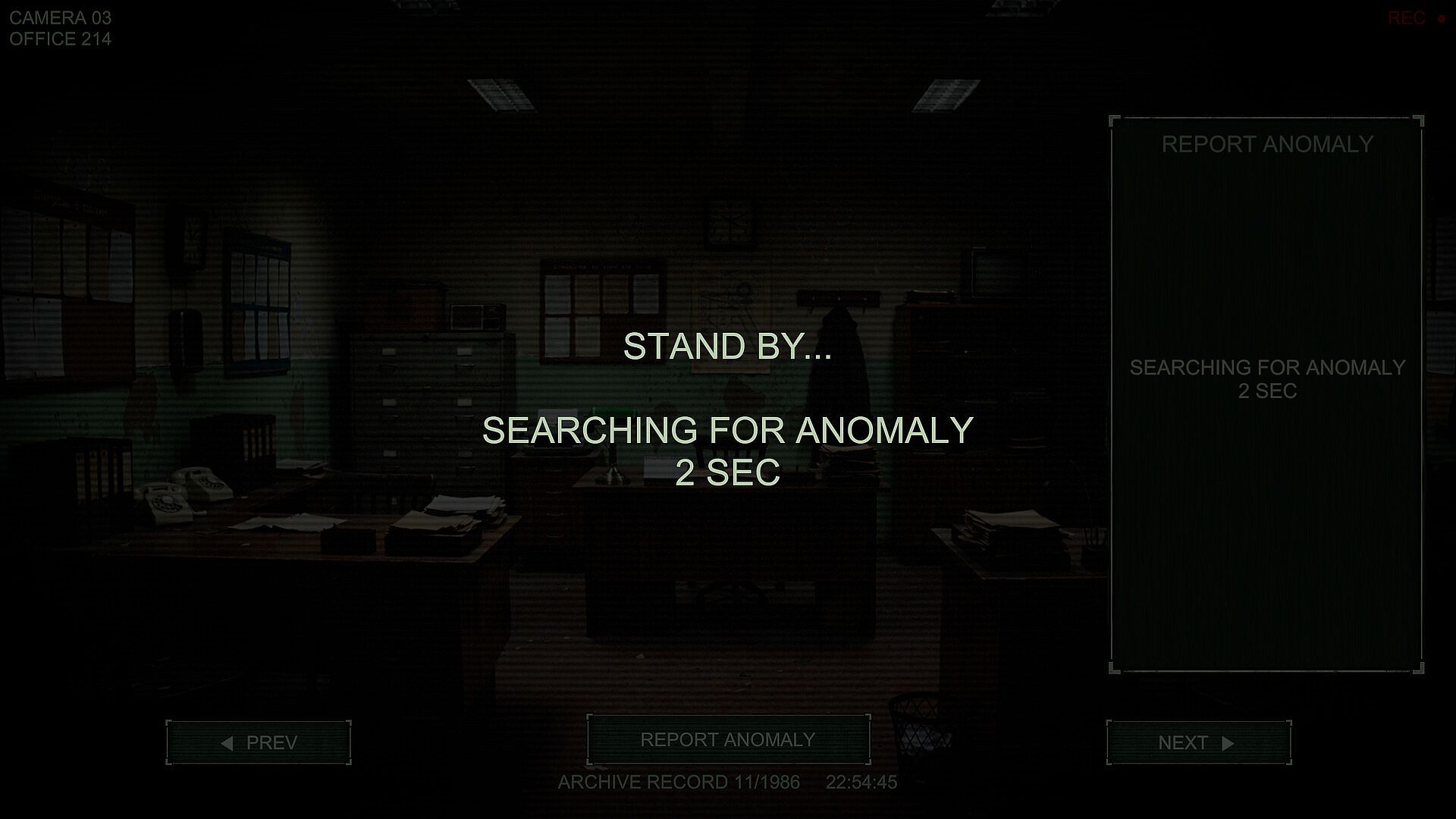
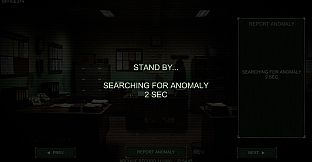
The core loop centers on continuous observation of 7 to 8 camera feeds during each eight-hour in-game shift. Rooms contain expected layouts of furniture, lighting, and equipment, and players must spot deviations such as missing objects, rearranged items, malfunctioning lights, unusual stains, distorted video signals, or unexpected figures. Anomalies vary in visibility, with some standing out immediately while others require careful comparison against memory of prior states. Reporting involves selecting the relevant feed and assigning one of six categories: LIGHT, OBJECT, ENVIRONMENT, CAMERA, ENTITY, or UNKNOWN. Unresolved anomalies accumulate over time, and exceeding a threshold ends the shift prematurely. Entities pose an additional threat, as prolonged presence on any feed triggers immediate consequences. The presentation emphasizes analog degradation through VHS-style artifacts, CRT monitor effects, and Soviet-era industrial aesthetics, reinforcing the isolated monitoring station atmosphere without any direct character movement or combat systems.
Game Modes
The game operates entirely in a single-player observation format built around sequential shifts. Each shift requires managing anomaly counts across different facility zones, including administrative offices, research laboratories, containment sectors, underground infrastructure, and deeper restricted areas. Progress involves clearing or controlling anomalies within the time limit while preventing entity-related failures. No separate competitive, cooperative, or alternative modes exist beyond these core monitoring sessions, which scale in complexity as players access new sections of the RUBEZH complex.
Atmosphere and Presentation
Visual and audio design draws directly from degraded surveillance footage and period-appropriate Soviet industrial elements. Camera feeds show consistent analog imperfections that can mask or highlight anomalies, forcing players to distinguish genuine changes from technical glitches. The absence of weapons or free exploration keeps focus strictly on passive monitoring and decision-making under pressure. Memory plays a central role, as some anomalies test recall of exact object positions or orientations from earlier observations.
Is It Worth Playing?
RUBEZH // Archive 86 suits players who prefer deliberate, tension-building horror experiences centered on attention to detail rather than action or exploration. The single-player shift structure delivers a focused loop of observation, categorization, and risk management without extraneous mechanics. With the game still listed as upcoming on its primary platform and no player reviews available yet, potential buyers should consider their interest in slow-paced anomaly detection titles. Those drawn to atmospheric surveillance concepts and memory-based challenges will find the described systems align closely with that niche. Availability remains limited to PC once released, with confirmed support for single-player sessions and basic features such as achievements and cloud saves.