




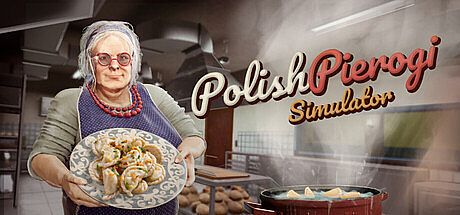


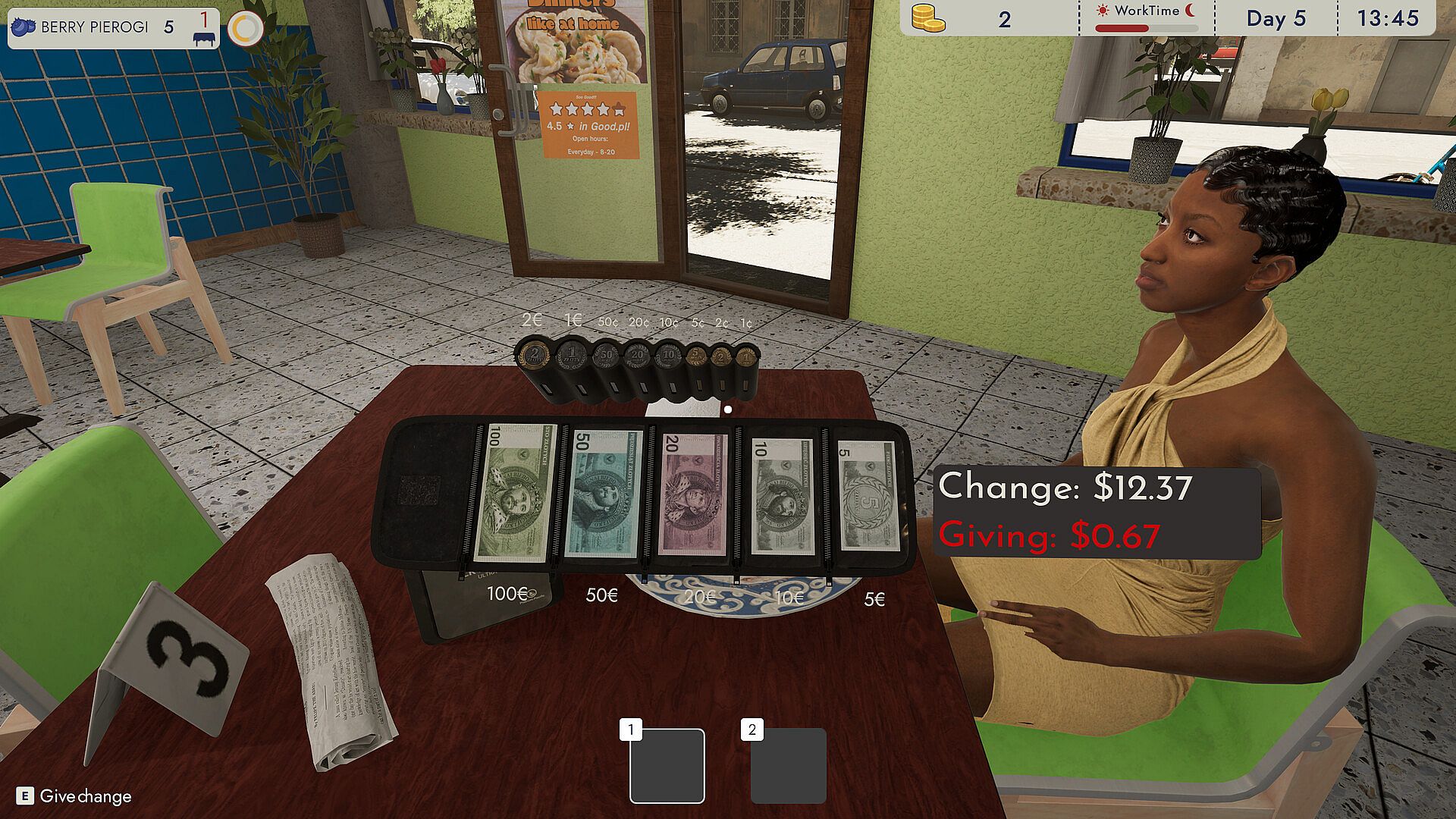
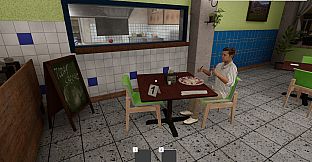
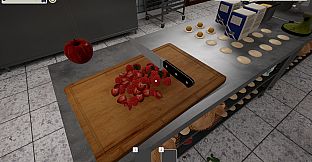
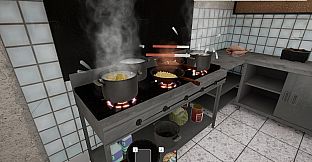
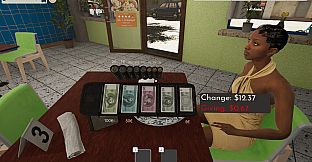
Polish Pierogi is a casual simulation game in which players manage a small restaurant dedicated to preparing and serving traditional Polish dumplings. The experience centers on kitchen operations, customer service, and gradual business growth through equipment improvements. Developed as an indie title for PC, it appeals to those interested in relaxed management gameplay without combat or complex narratives.
Gameplay
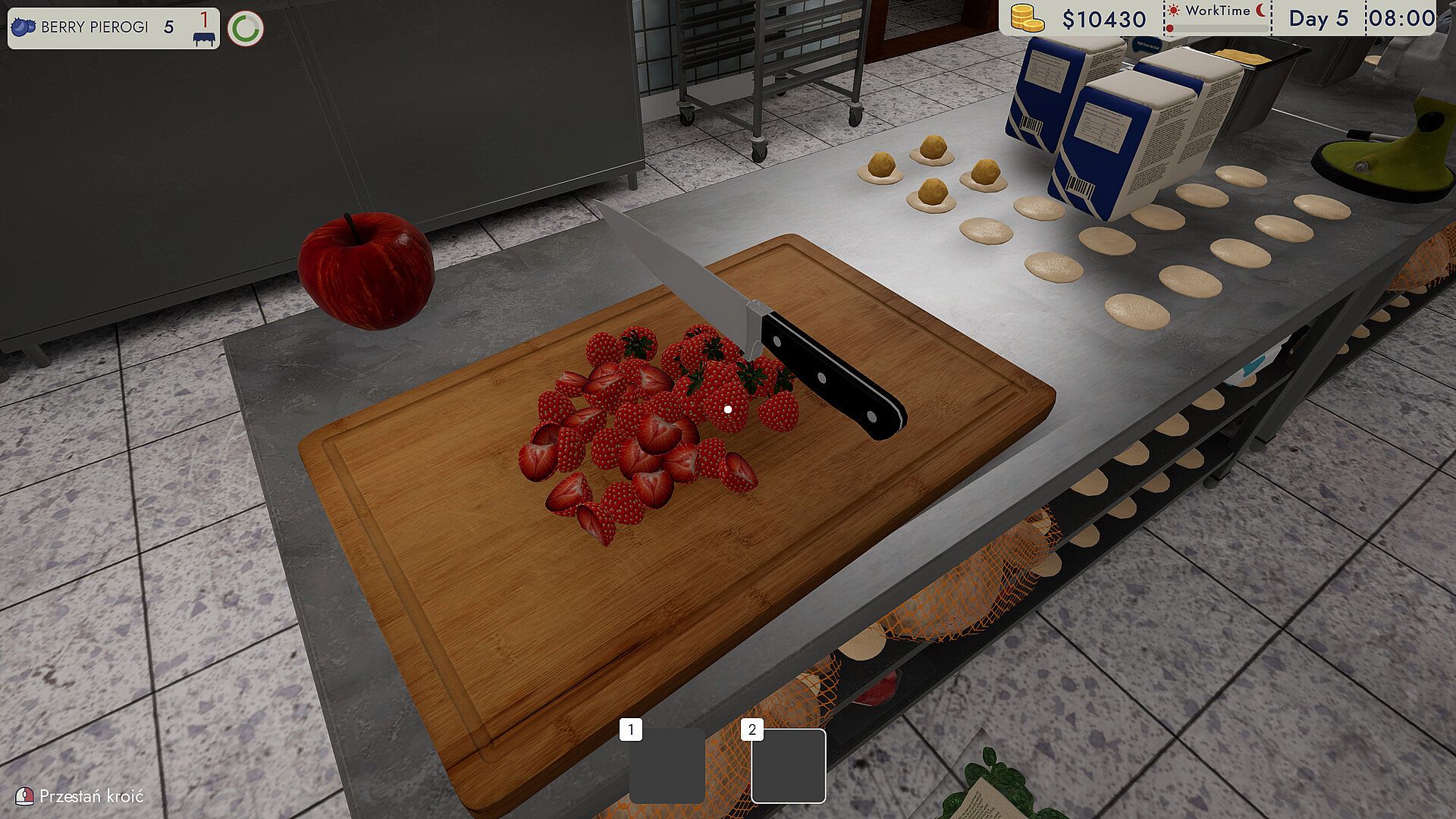
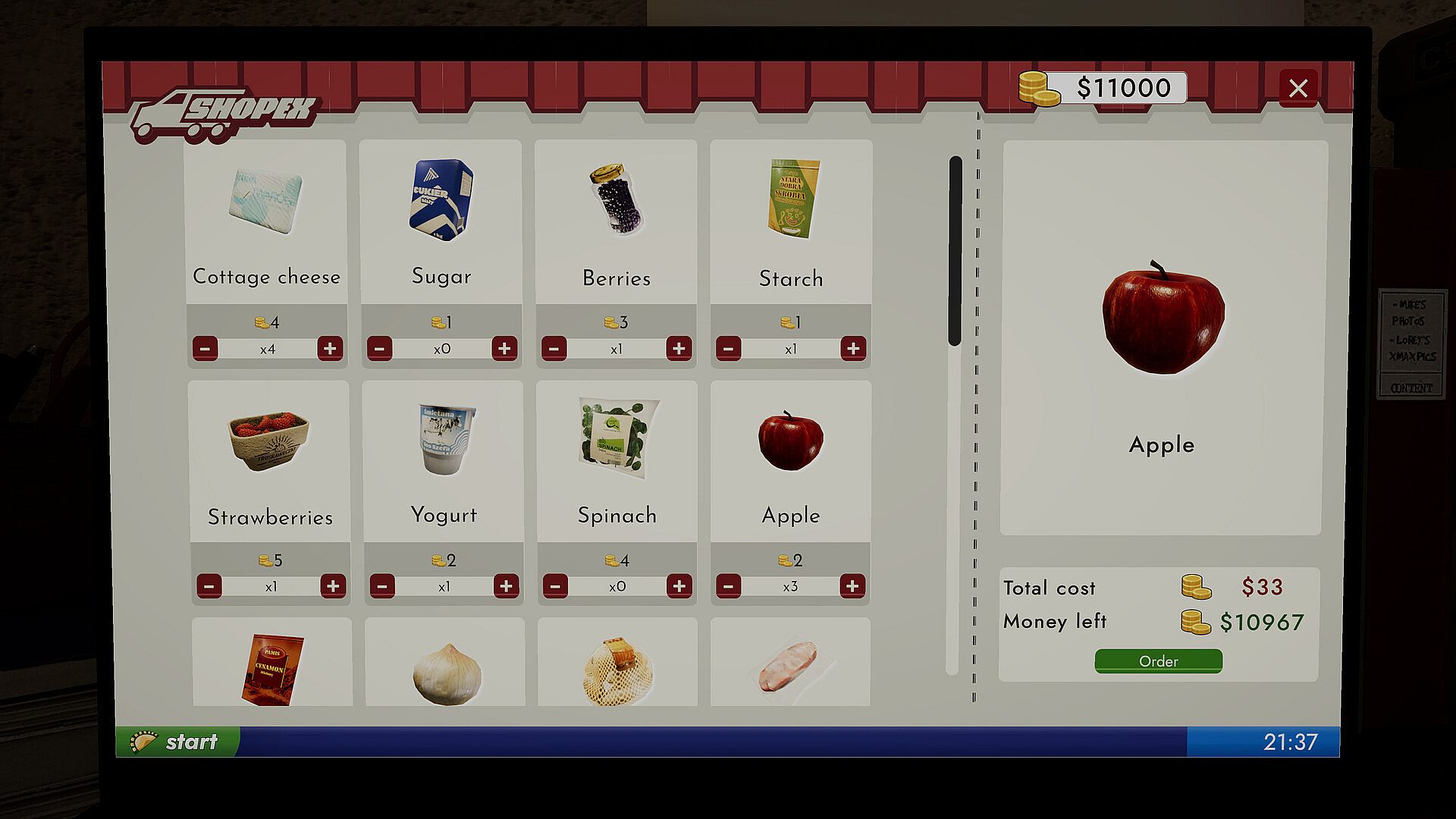
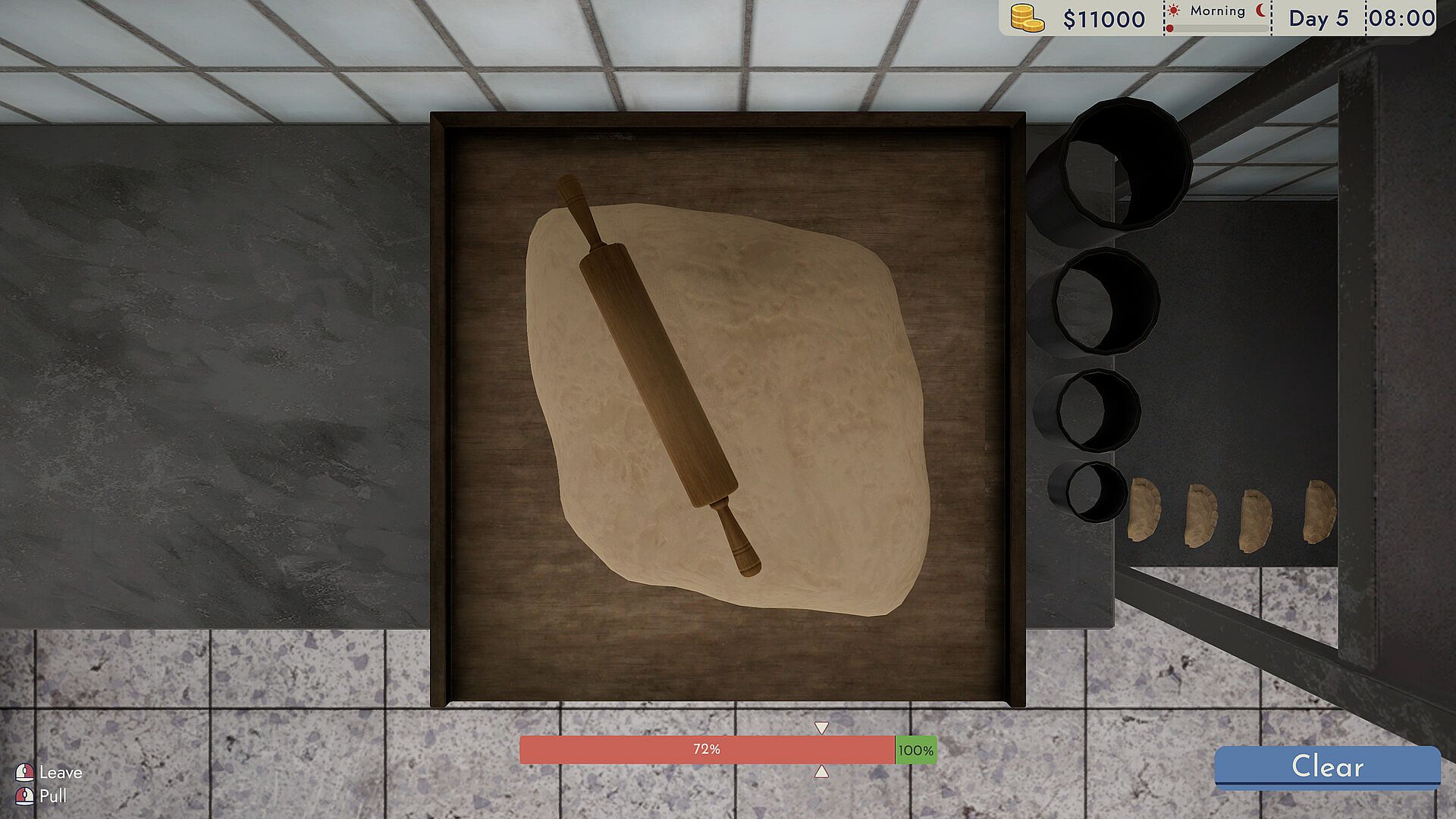
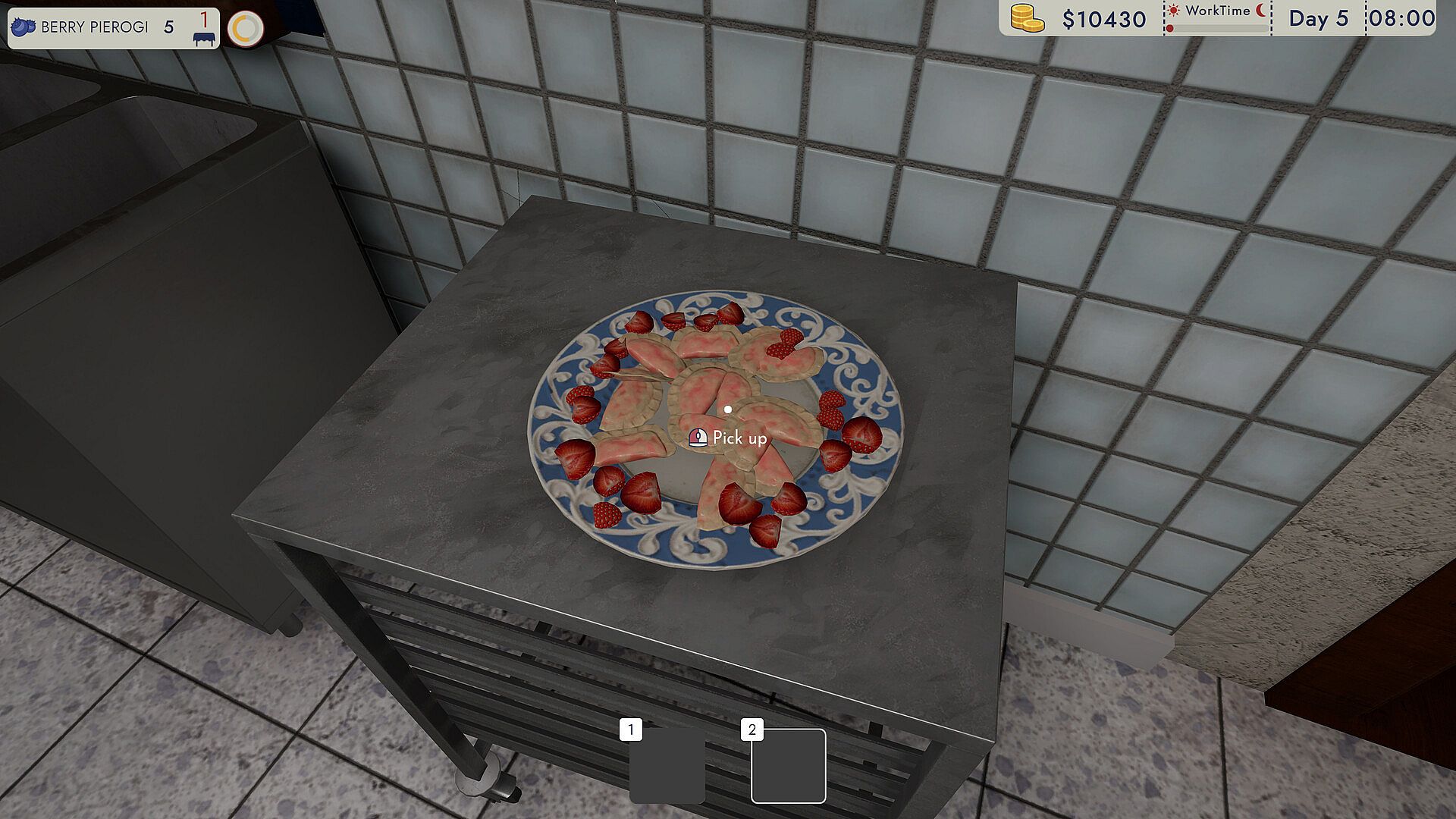
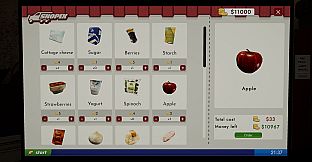
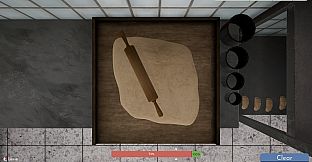
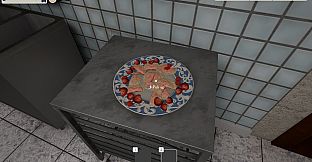
The core loop involves preparing pierogi from scratch according to incoming orders. Players handle each stage of production, from dough preparation and filling selection to assembly and cooking. Orders must be completed before customers grow impatient, which requires attention to timing and organization in the kitchen space. As service continues, the pace quickens with more simultaneous requests, testing the ability to prioritize tasks efficiently.
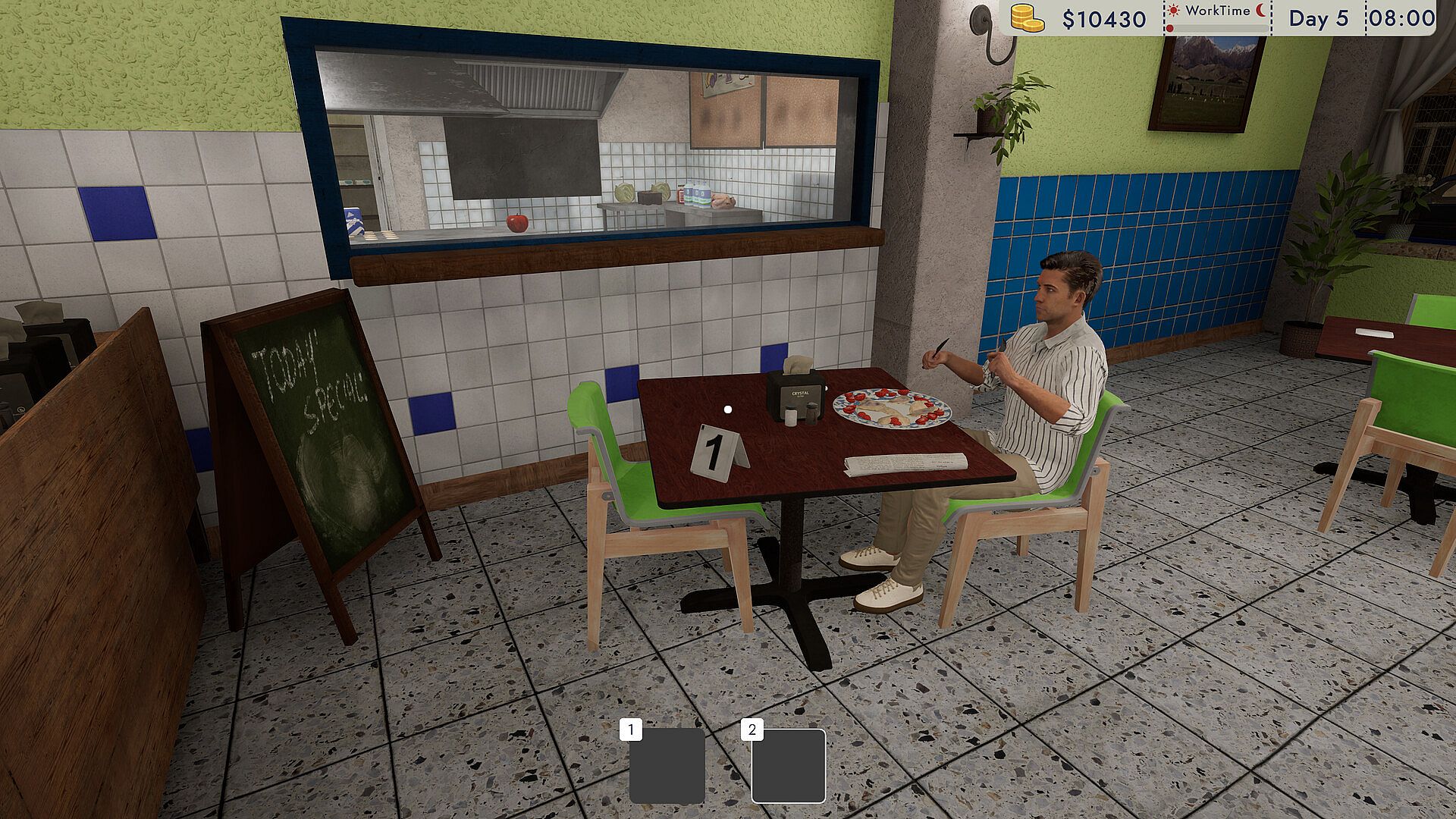
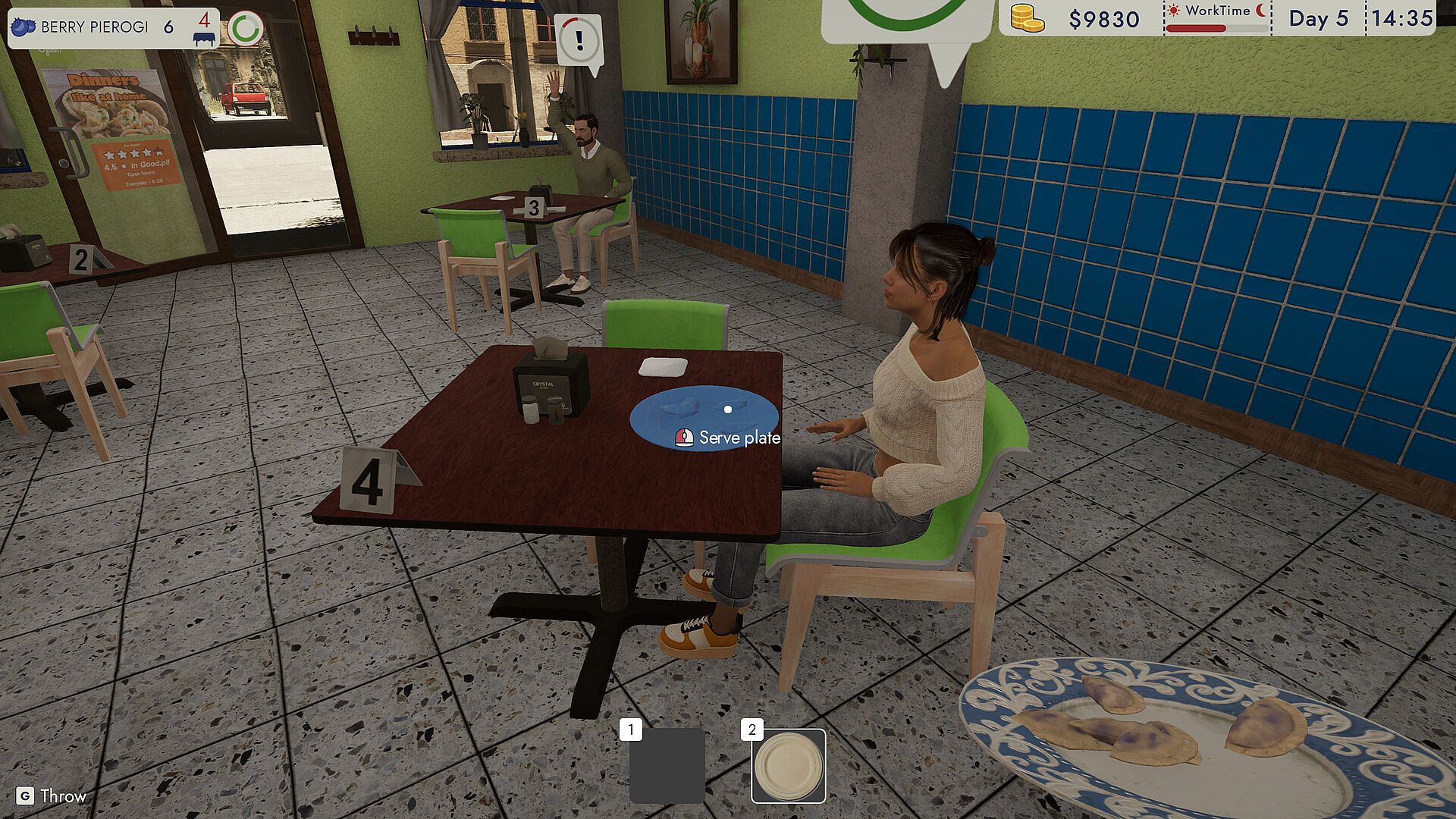
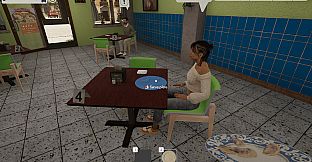
Customer interactions form another key element. Serving guests promptly and accurately keeps satisfaction high, which in turn supports steady revenue for further development. The simulation rewards consistent performance by allowing earnings to fund kitchen upgrades. These improvements streamline processes such as faster preparation or better equipment durability, reducing the chance of errors during peak hours. The overall flow starts modest and builds toward handling larger volumes while maintaining quality.
Game Modes
The game presents a single continuous campaign focused on restaurant expansion. Players begin with basic setups and progress through increasingly demanding shifts as foot traffic rises. There are no separate competitive or cooperative modes described; the emphasis remains on personal skill development in managing the full operation solo. Progression ties directly to upgrade choices and the ability to sustain high-volume service without major setbacks.
Core Mechanics and Progression
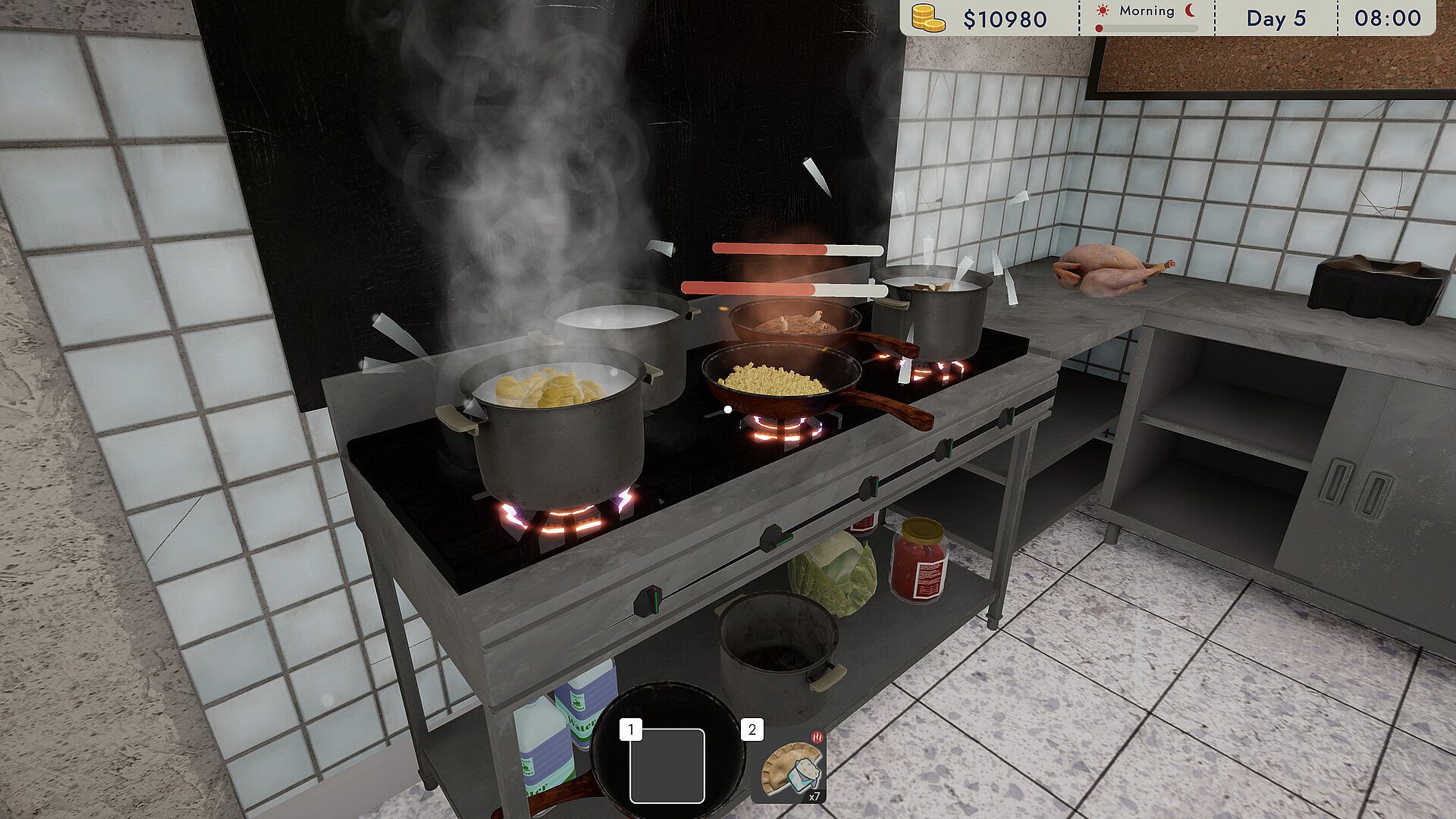
Step-by-step preparation forms the foundation, with each pierogi requiring precise execution to meet order specifications. Players must balance multiple stations, such as dough rolling, filling stations, and cooking areas, while monitoring customer tables. Upgrades target specific bottlenecks, like quicker boiling times or expanded counter space, which compound over time to support busier periods. The simulation tracks overall success through sustained customer happiness and accumulated funds, encouraging repeated play sessions to refine techniques and optimize layouts.
Organization proves essential once the restaurant fills up. Players learn to sequence actions logically, such as prepping ingredients in advance or grouping similar orders. This creates a satisfying rhythm where early shifts feel manageable and later ones demand quick thinking. The casual nature keeps pressure light, allowing focus on steady improvement rather than high-stakes failure states.
Is It Worth Playing?
Polish Pierogi suits players who enjoy casual simulation titles centered on food preparation and small business management. The straightforward systems make it accessible for short sessions while offering enough depth through upgrades and busy-shift challenges to encourage longer play. Those drawn to relaxing yet engaging loops around cooking and service will find the premise appealing, particularly if they appreciate Polish culinary themes. The game remains in active development as an indie project, with its current state centered on the core restaurant experience outlined in its description. If kitchen management and incremental progress appeal, it provides a focused alternative to more intense simulation games.











