


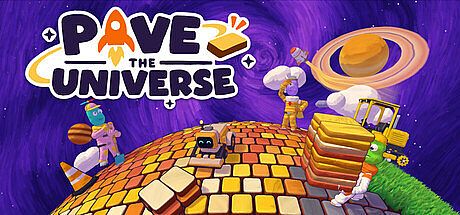


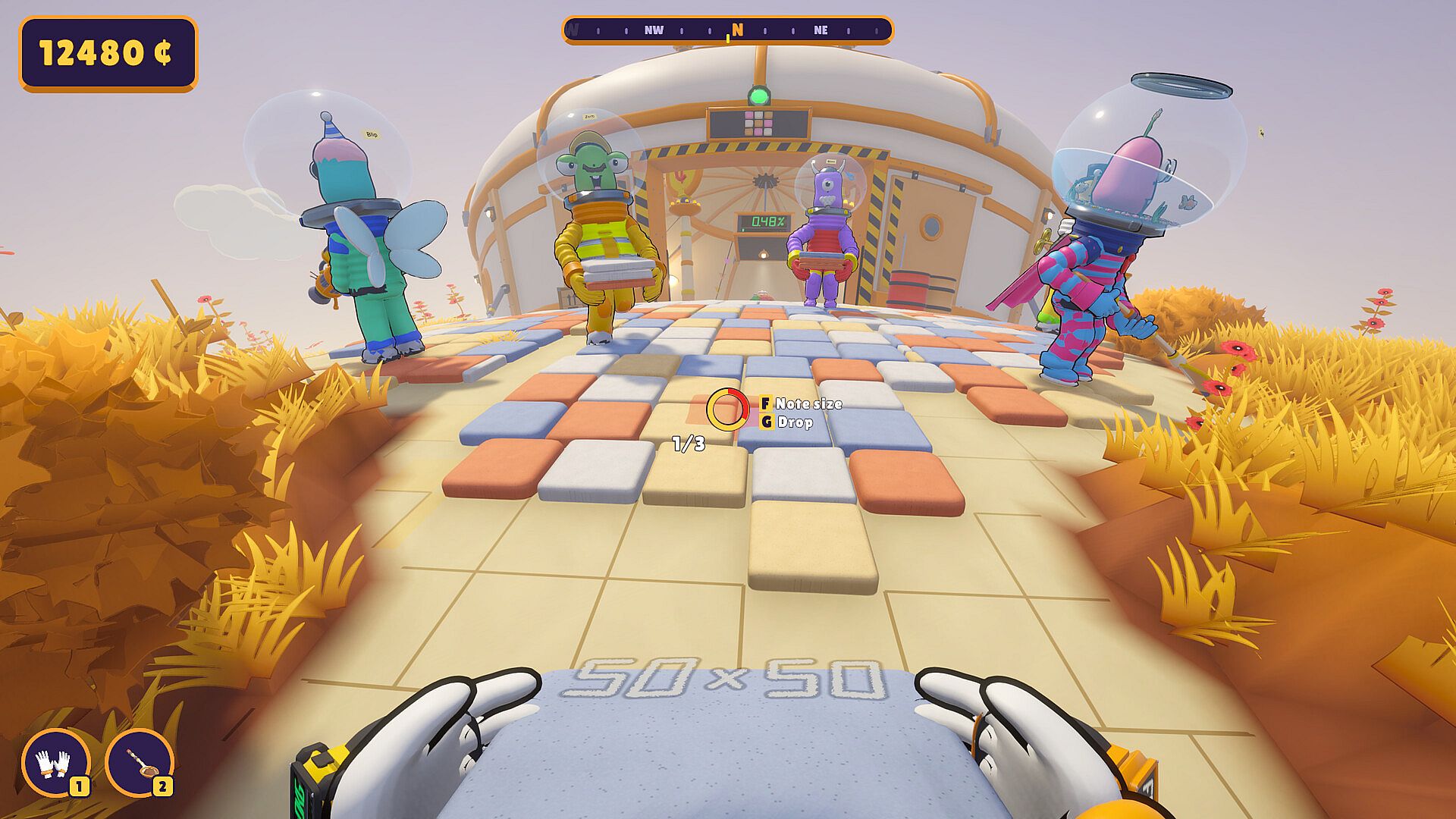
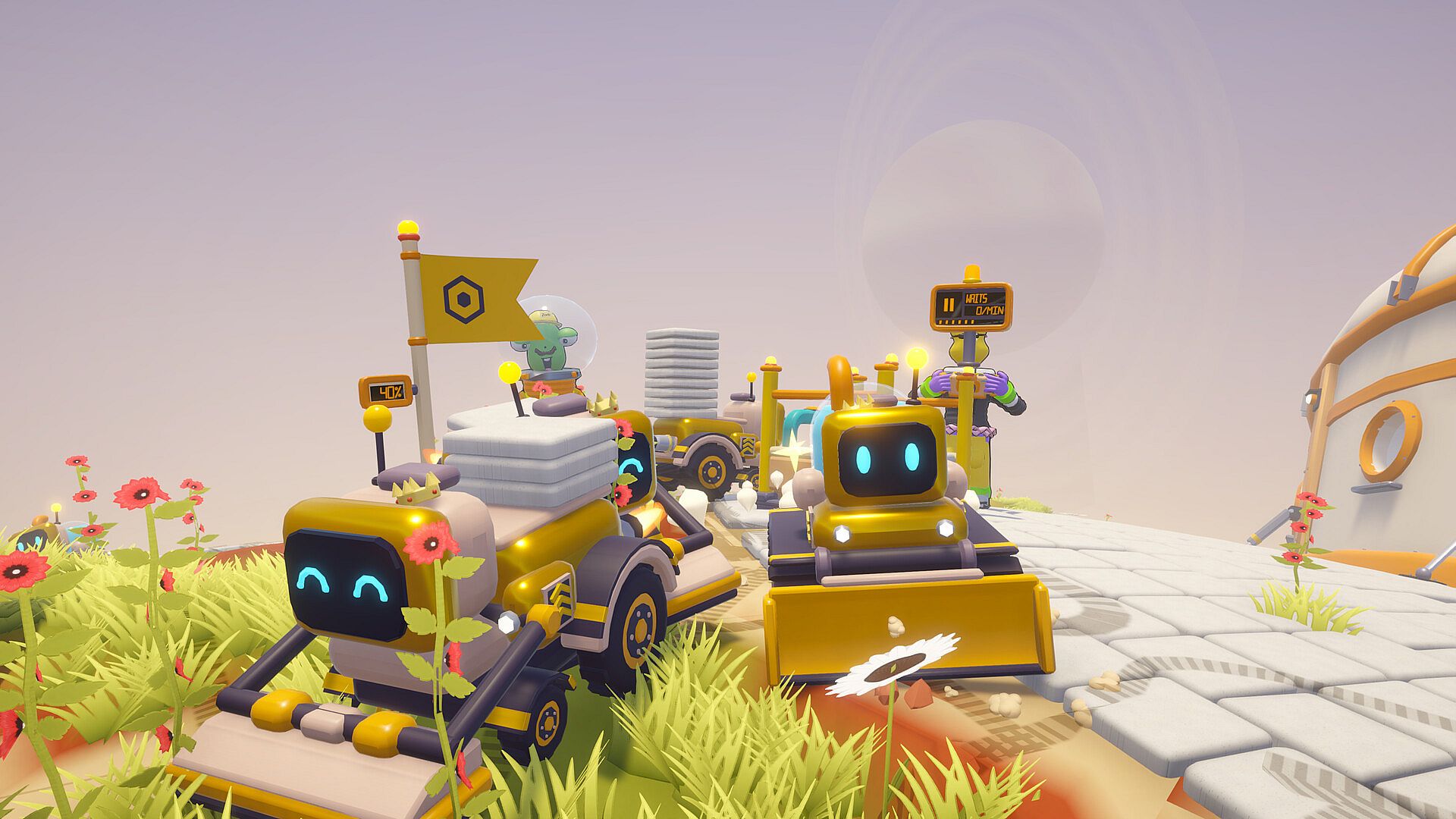
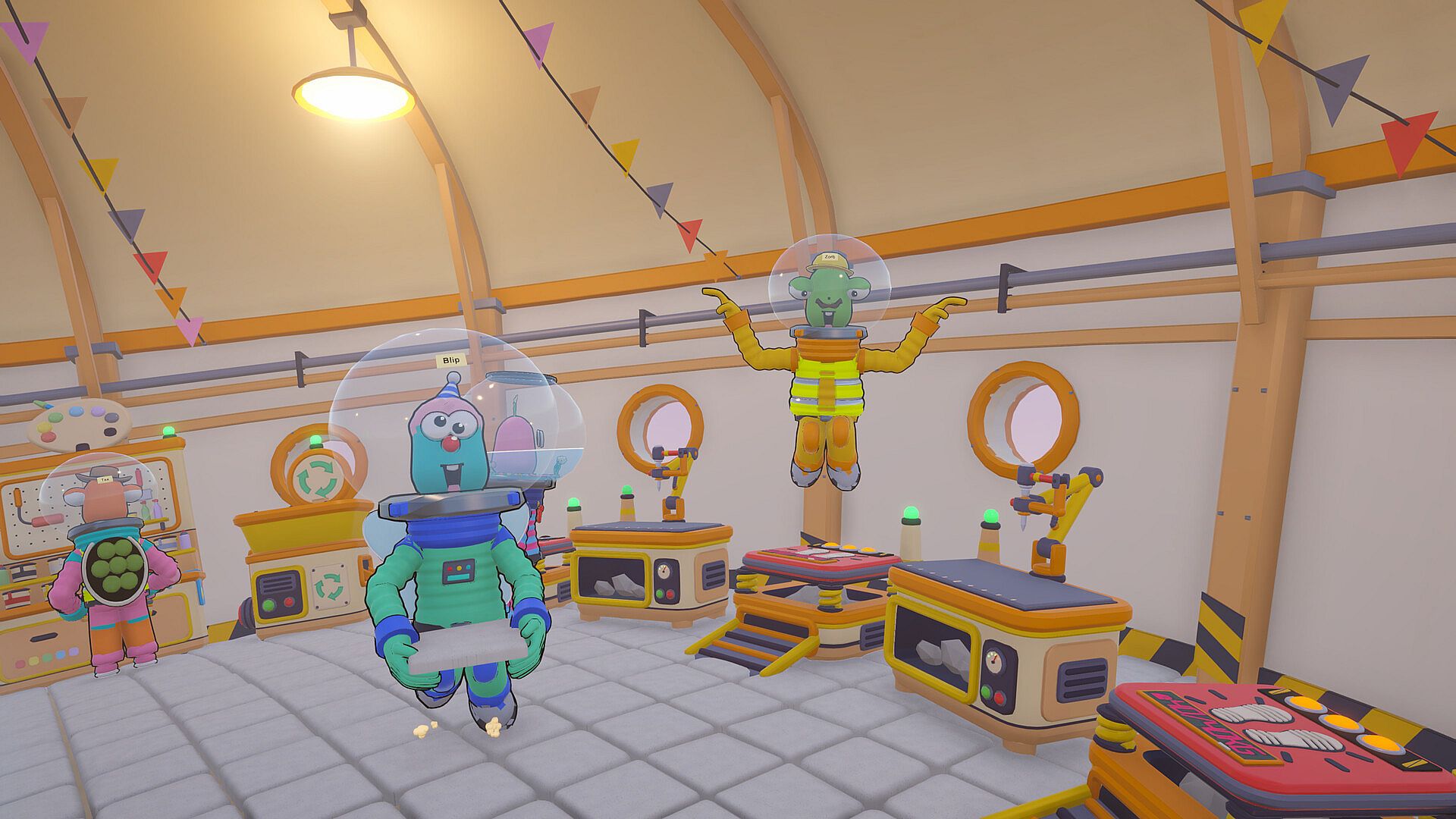
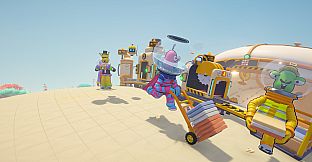
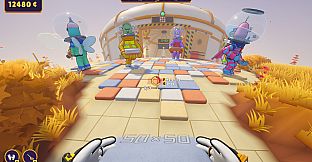
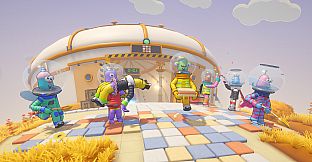
Pave The Universe is an indie simulation game set on PC where players take on the role of goofy aliens tasked with paving an entire untouched planet. The core experience revolves around transforming wild terrain into orderly pavement through a progression of tools, machines, and automated systems. Starting with basic hand tools and limited resources, the process builds toward large-scale operations that cover the surface one square at a time.
Gameplay
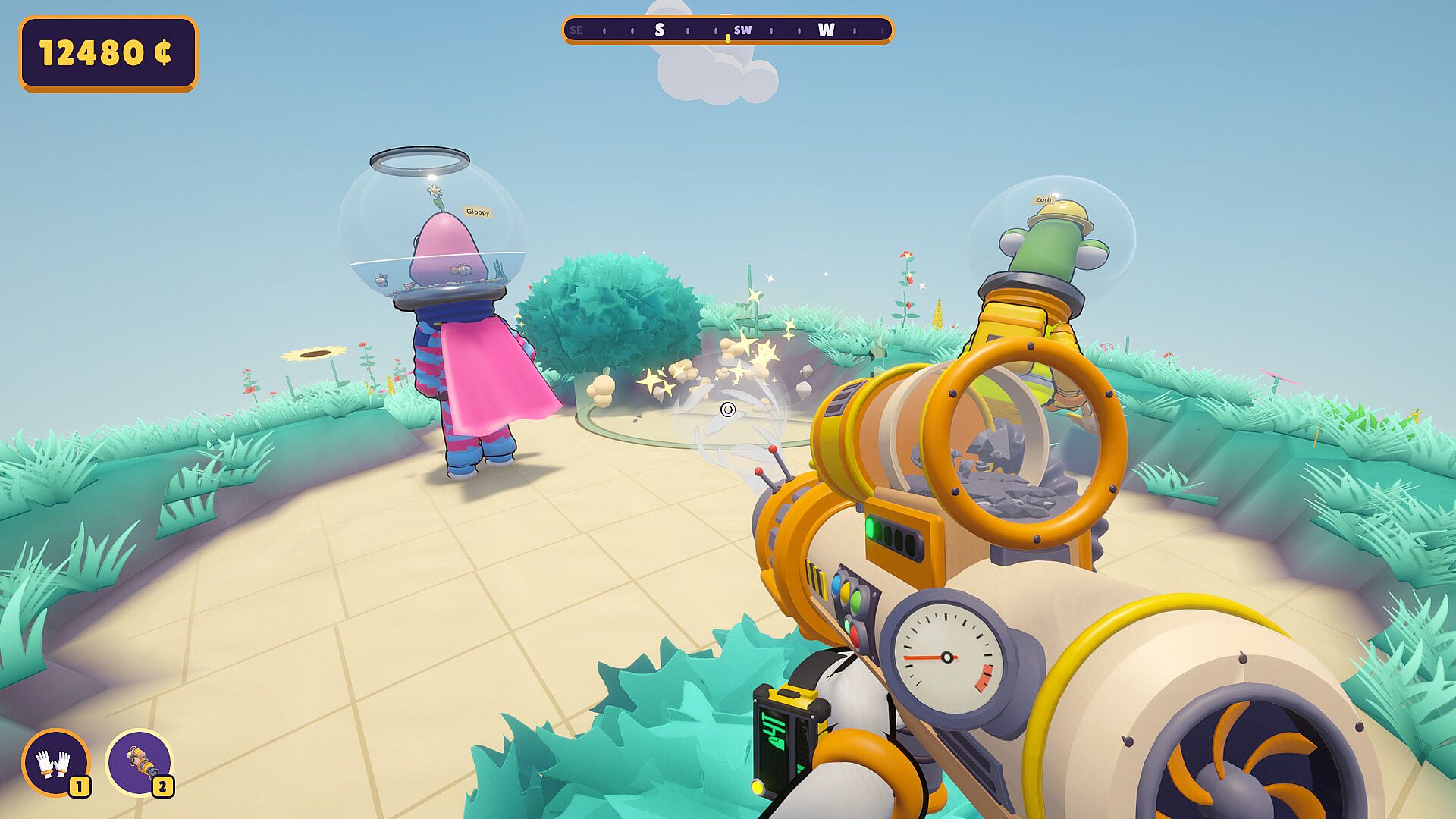
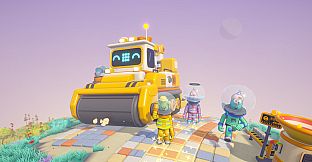
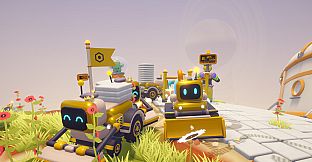
The gameplay centers on a hands-on construction loop that emphasizes preparation and incremental upgrades. Players begin by scooping earth with a spoon before advancing to shovels and powerful earth vacuums. Terrain must be flattened first because pavers require a level surface, and this leads to the use of bulldozers for efficient clearing of hills and bumps. Rock is poured into molds and pressed to create the initial pavers, after which gaps are measured and custom cuts are made to ensure a precise fit across the landscape.
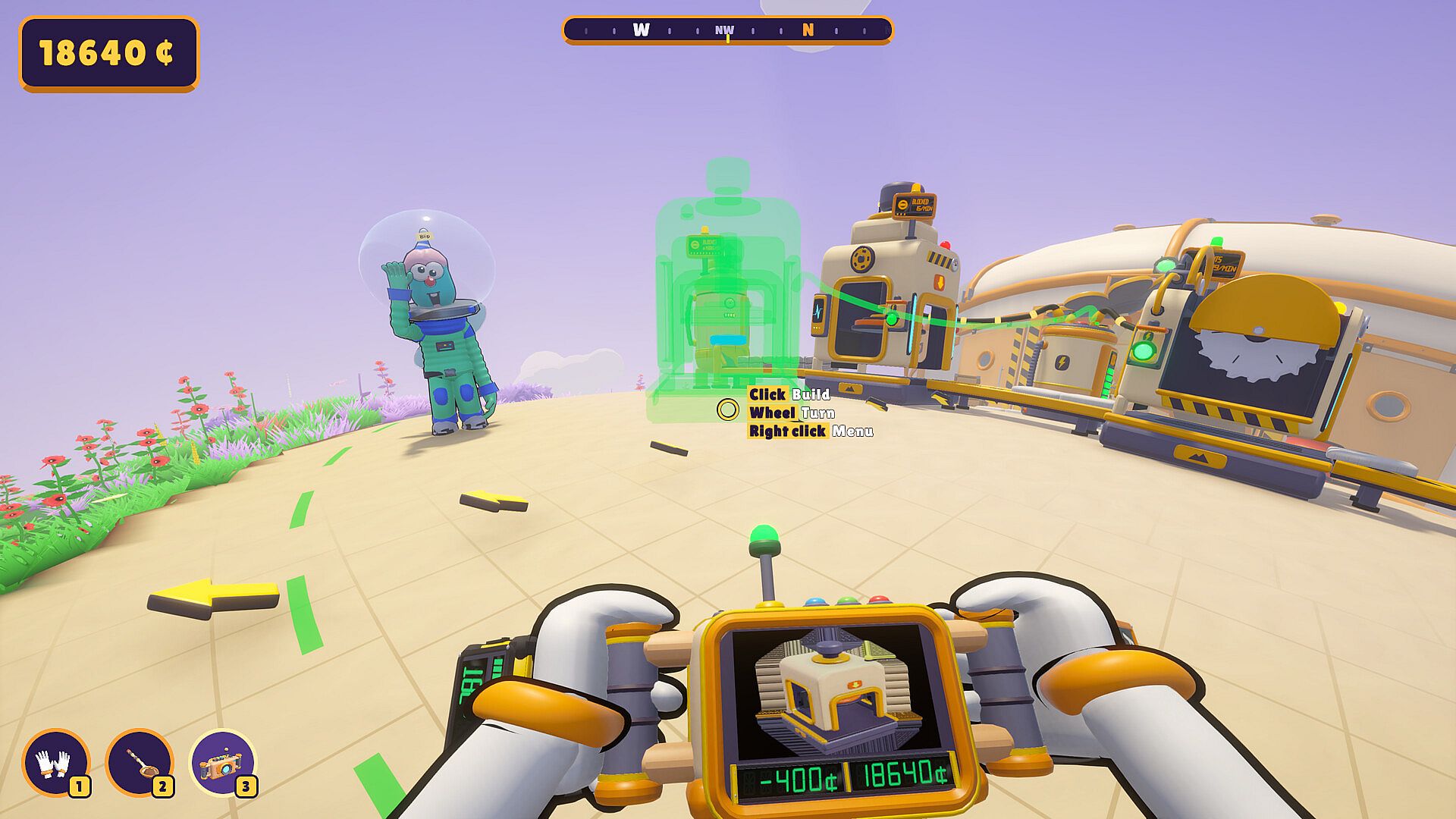
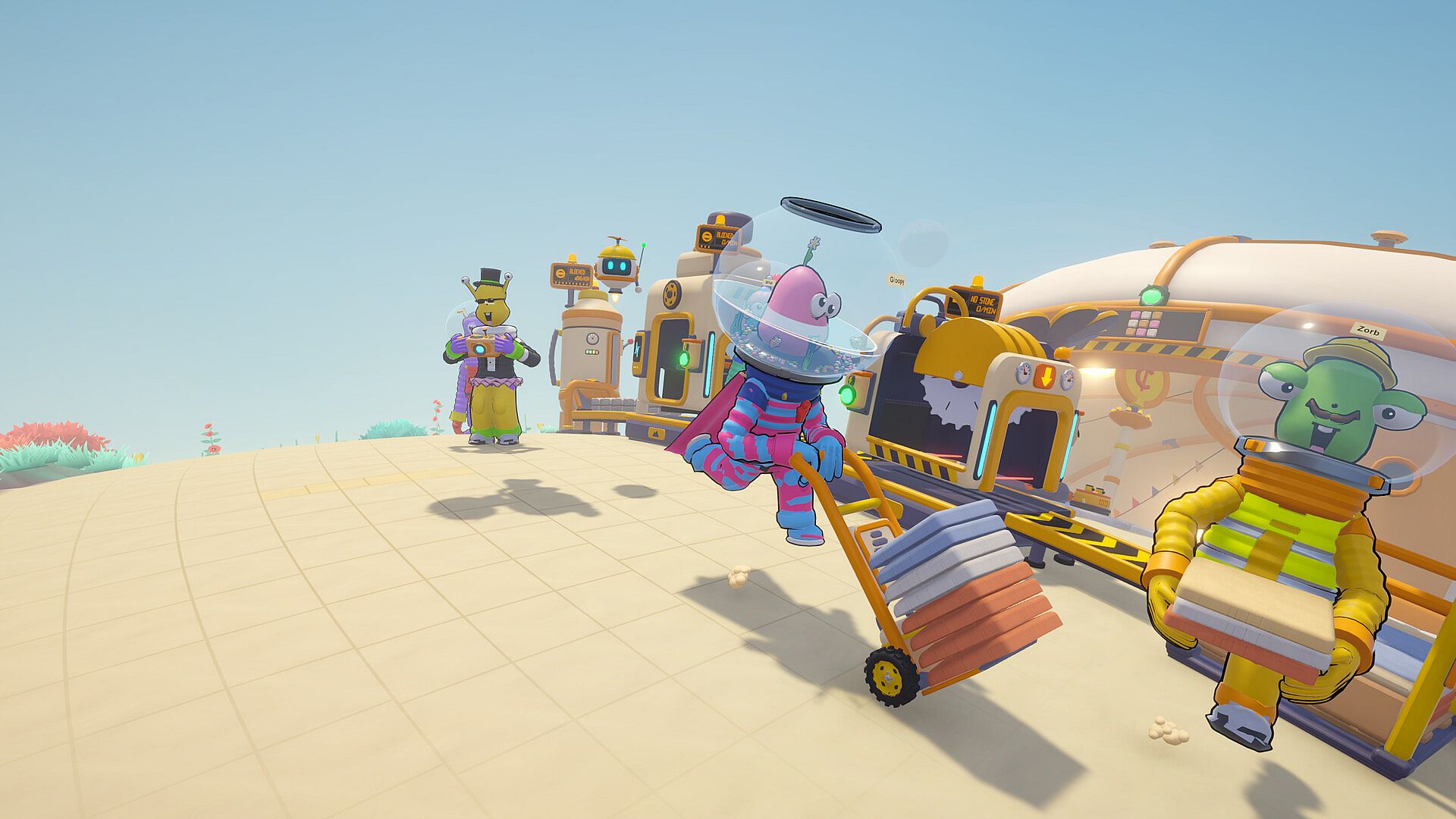
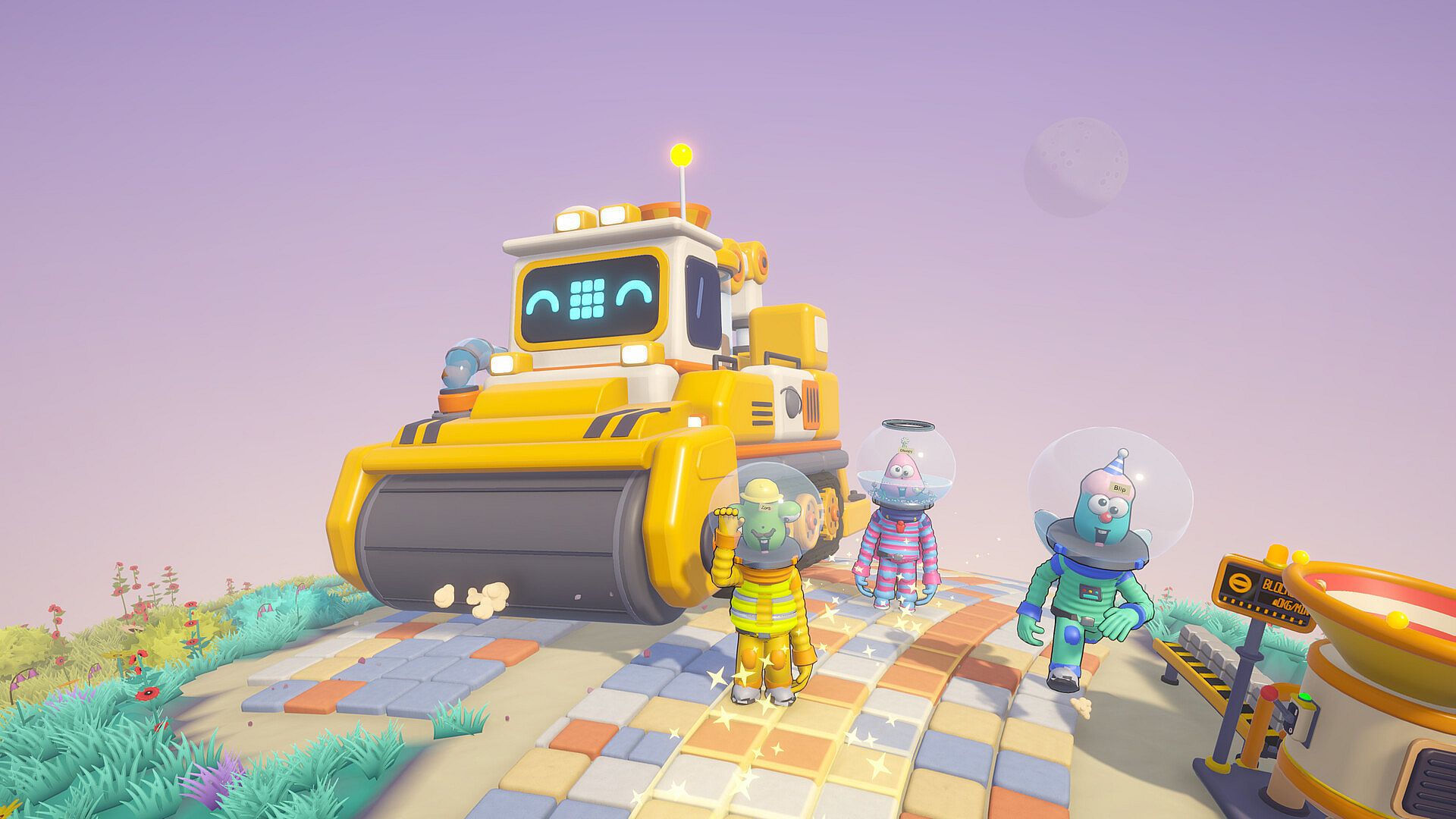
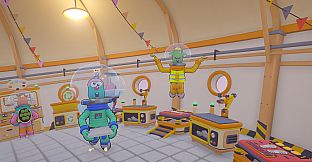
Production expands through player-placed facilities that include drills, silos, conveyor belts, presses, and auto-cutters. These machines run on solar panels and batteries, with cables connecting automatically once positioned. The resulting pavers move along the line onto pallets for distribution. Later stages introduce robots for leveling, cutting, and paving tasks within flagged sectors, supported by drones that handle resupply. The endgame features a massive paving crawler known as P.A.U.L. that consumes ground ahead and lays pavement behind it in a continuous operation. Customization extends to alien appearances with interchangeable heads, eyes, antennas, hats, a fishbowl helmet containing swimming fish, outfits, and full color options. Pavers themselves can be painted to create custom patterns on the finished surface.
Game Modes
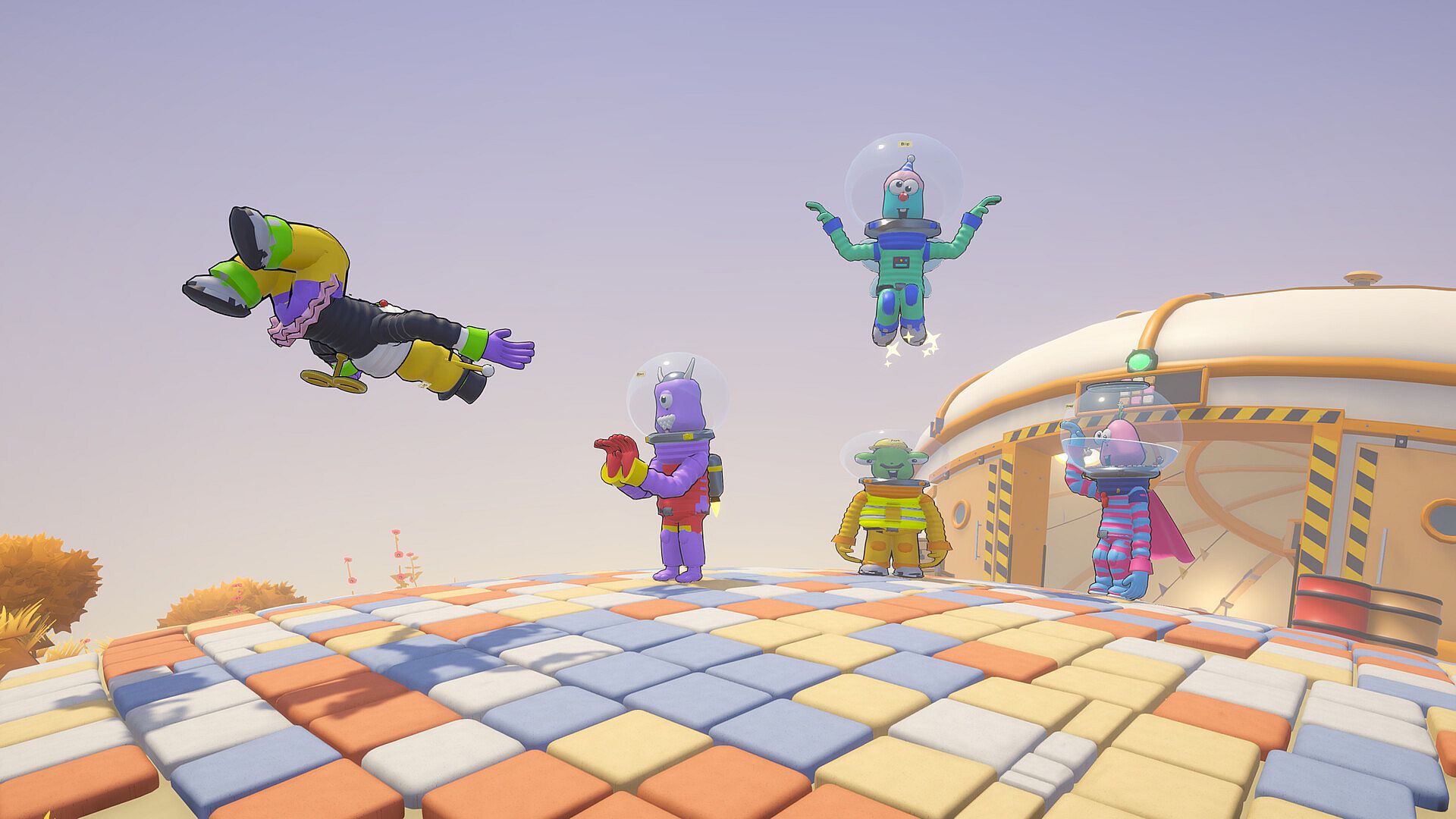
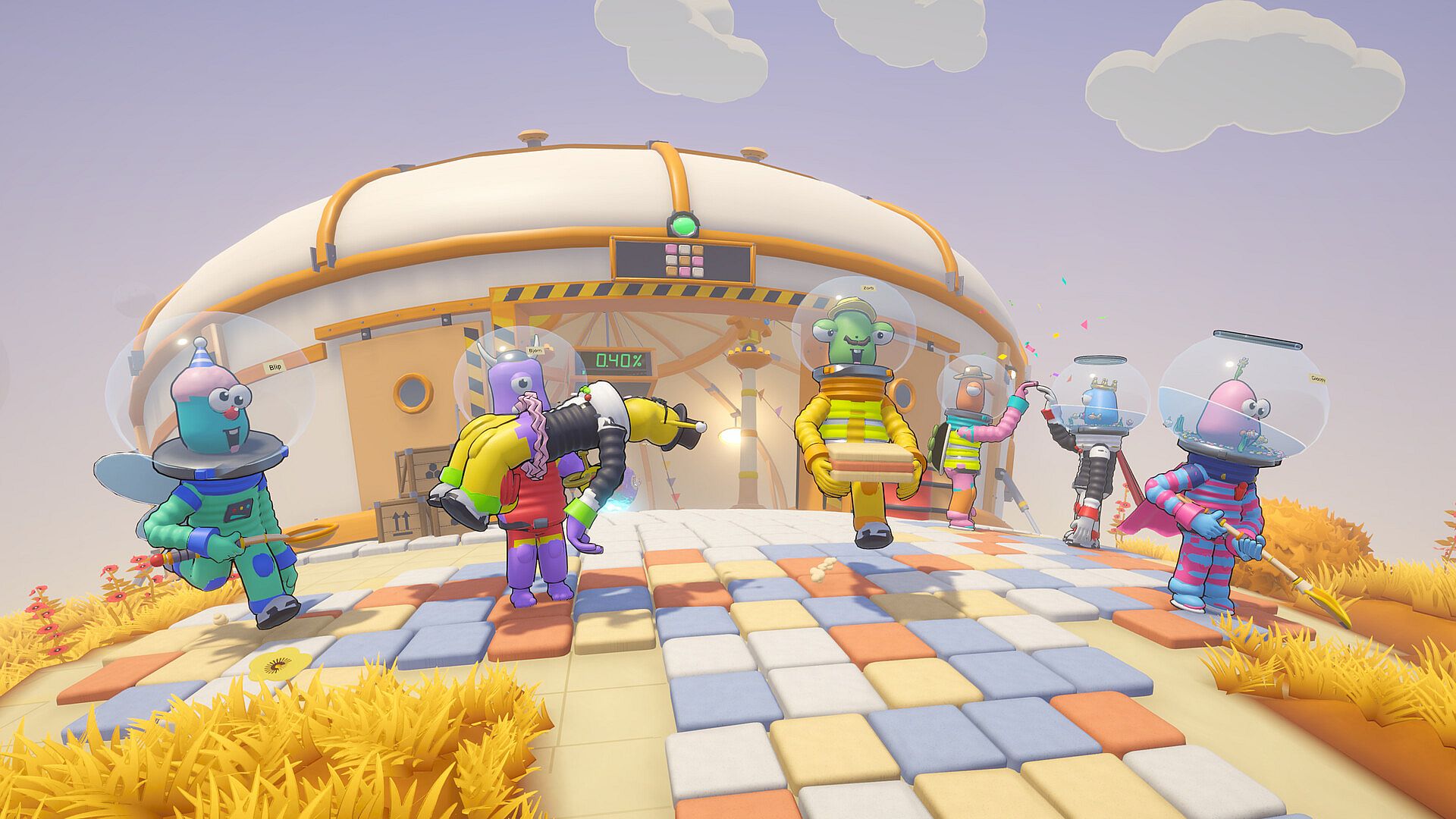
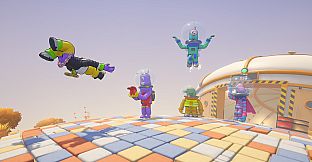
The primary supported format is online co-op that accommodates up to eight players. Participants work together on the shared planet, using physics-based interactions such as shoving teammates, carrying them, throwing them across paved areas, bouncing on heads, and exchanging high-fives. These elements add a layer of playful coordination during the paving process. No additional named modes appear in the available details, so the experience focuses on collaborative progression through the tool upgrades, factory building, and sector automation described above.
Progression and Systems
Advancement follows a clear path from manual labor to automated infrastructure. Early efforts rely on direct player action with simple implements, while mid-game shifts toward designing efficient production lines that generate pavers at scale. Sector flags allow teams to delegate work to specialized robots while drones maintain material flow. The final crawler represents the pinnacle of this system, handling vast areas with minimal oversight. Every paver placed remains permanent, allowing progress to be observed from orbit as the green surface gradually disappears beneath the new pavement.
Is It Worth Playing?
This simulation appeals to players who enjoy methodical building, creative customization, and cooperative tasks without strict time pressure or combat. The combination of tool progression, factory design, and light physics interactions in co-op creates a satisfying loop for those who like watching their efforts scale up visibly across a planet. Availability on PC supports both solo experimentation with the systems and group sessions where friends can assist or engage in the playful physical elements. The focus on steady advancement from basic tools to large machinery makes it suitable for relaxed sessions or longer collaborative projects. If the described mechanics align with an interest in simulation and construction themes, the game offers a distinctive take on planetary transformation that rewards attention to detail and teamwork.











