



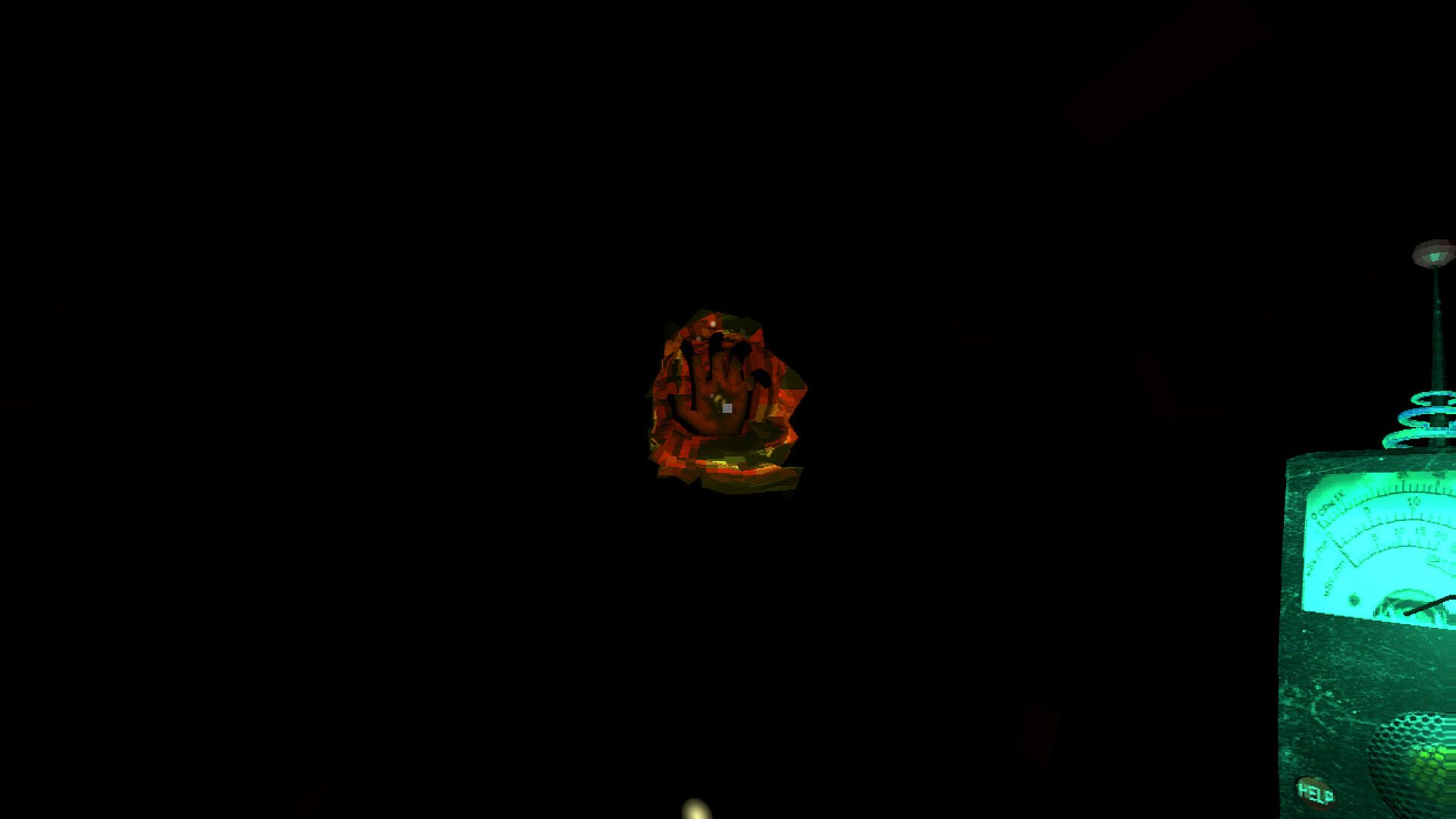
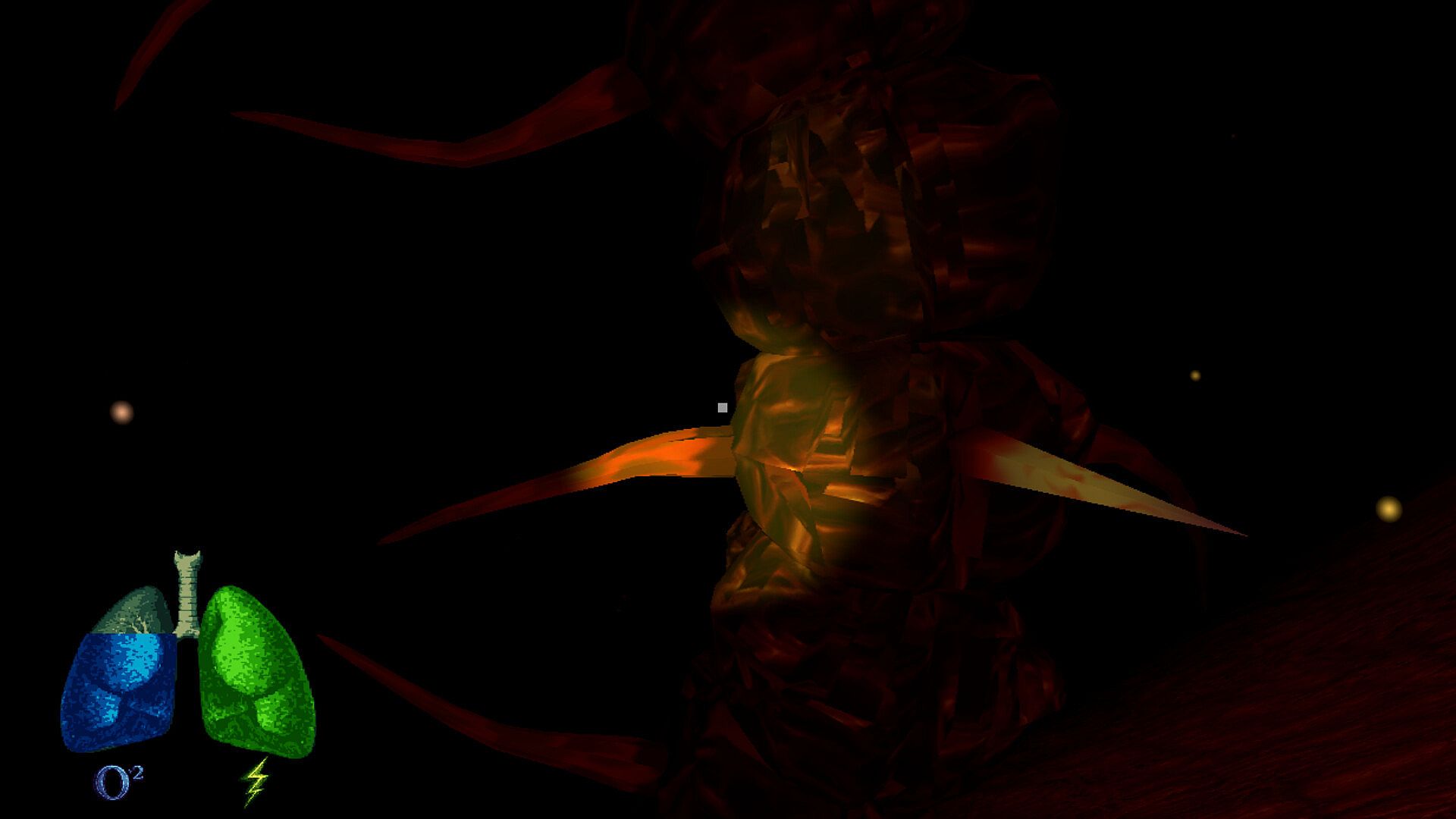
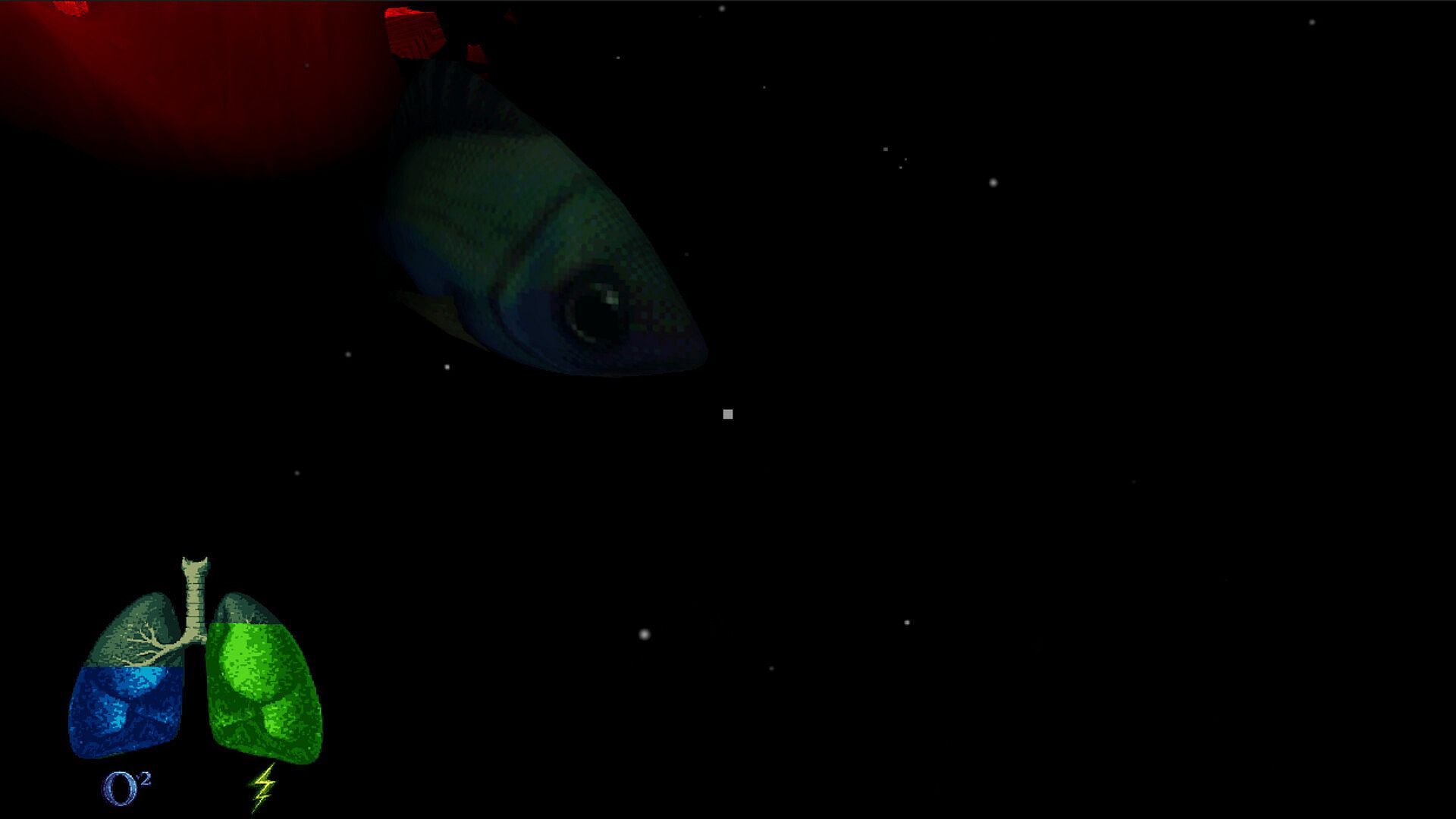
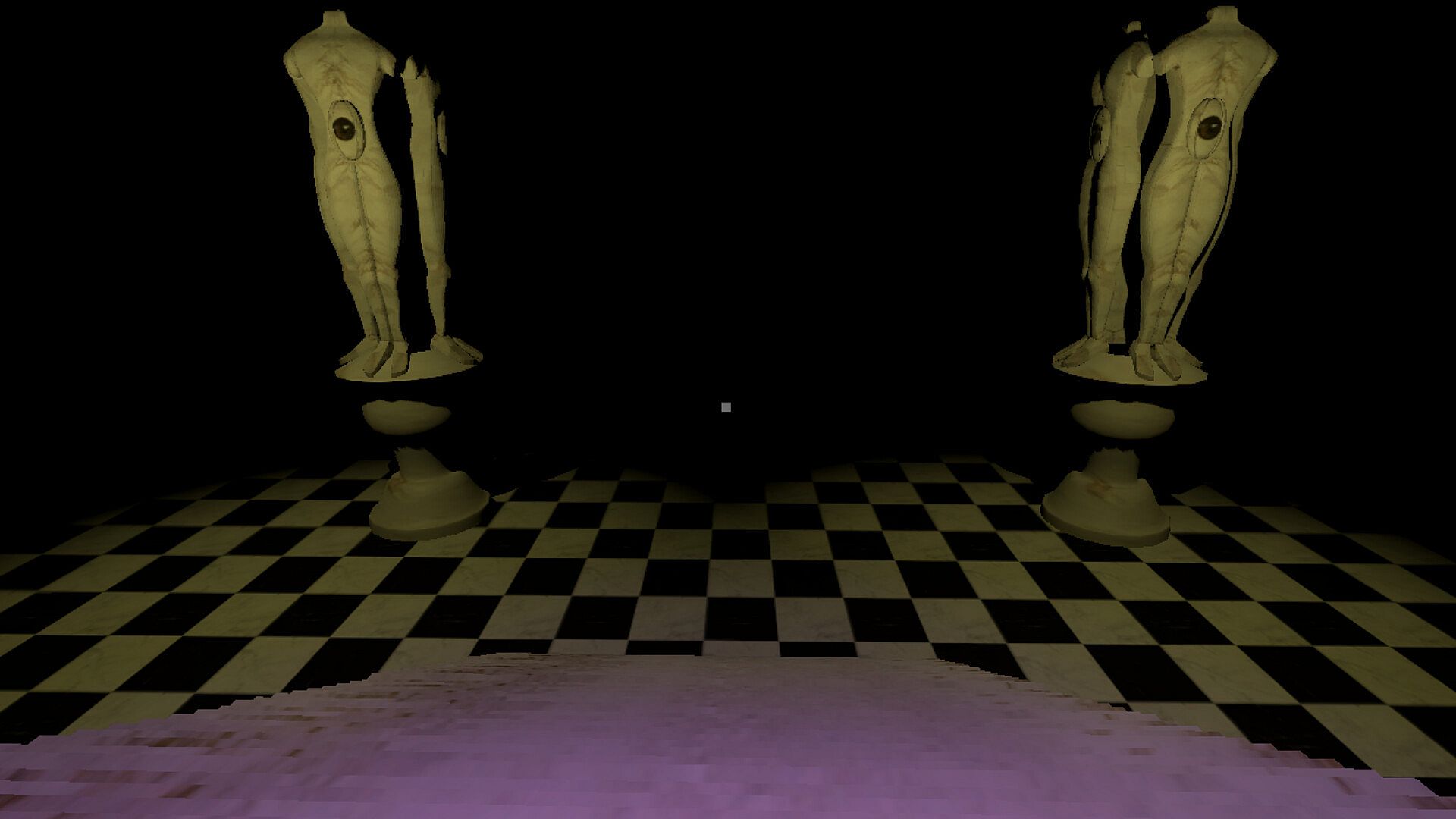
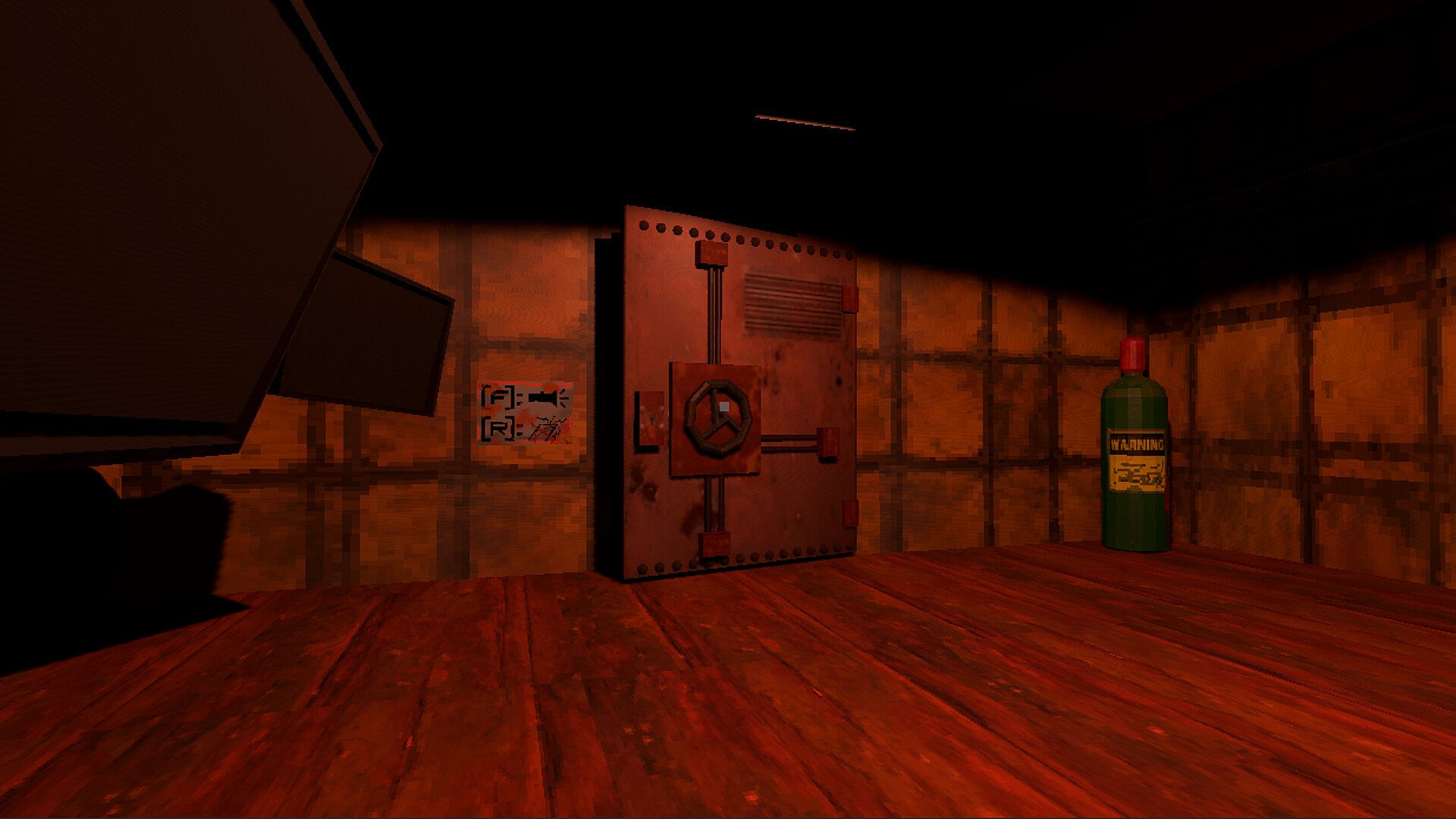

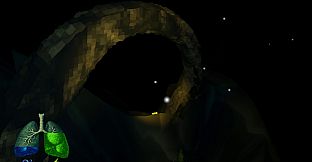

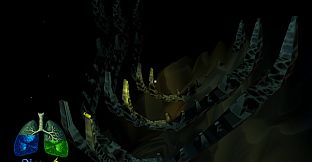
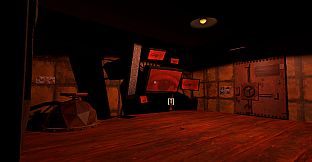
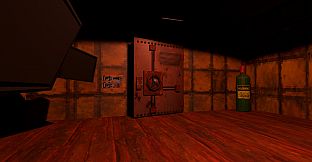
Nurek (1982) es una aventura de terror para un solo jugador ambientada en los años ochenta, donde encarnas a un buceador secuestrado y obligado a buscar artefactos antiguos en las profundidades del mar. Desarrollada como título indie con toques de aventura y juego casual, se centra en generar tensión mediante espacios submarinos claustrofóbicos y recursos limitados, prescindiendo de combates o acción directa.
Gameplay
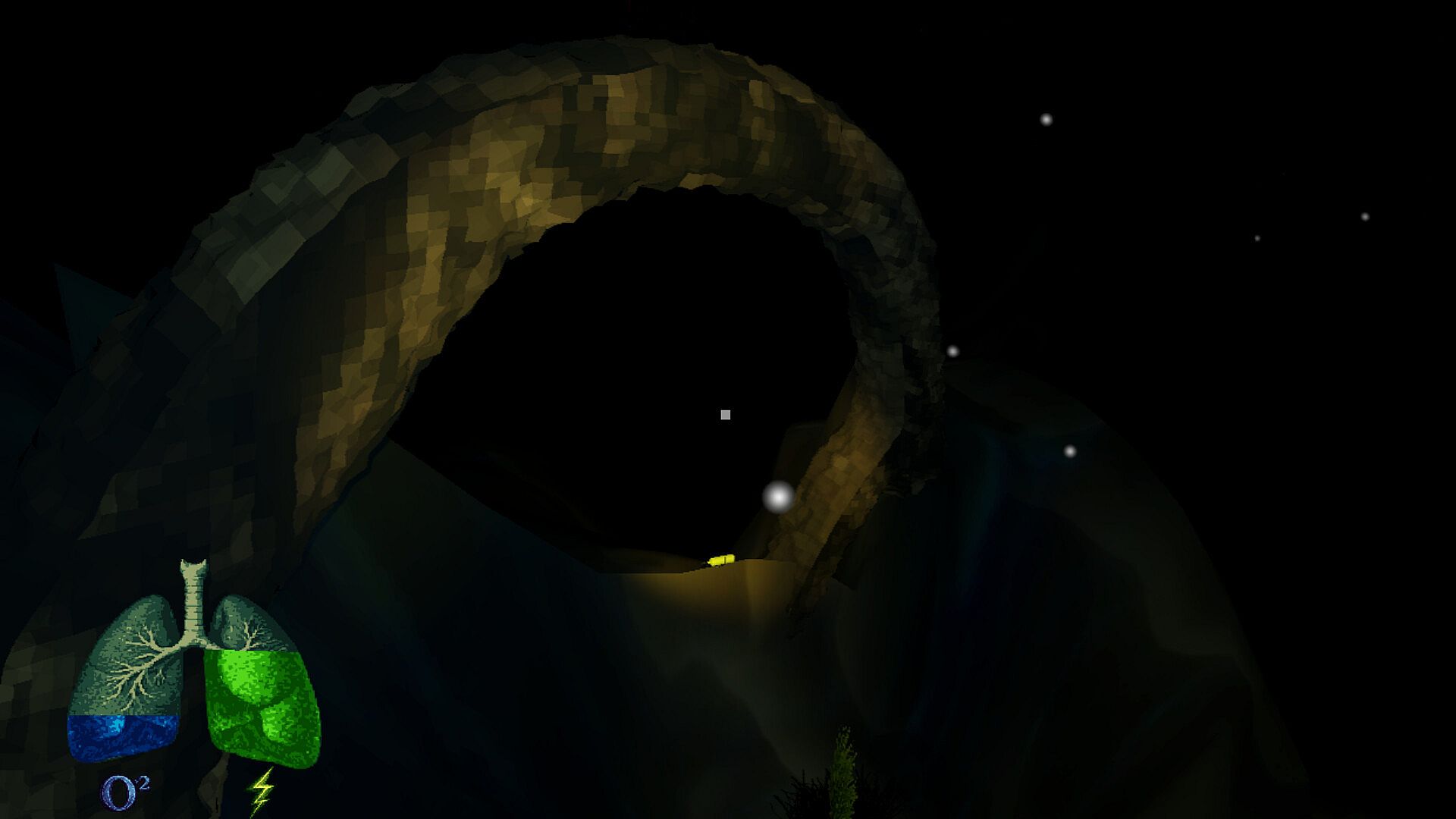
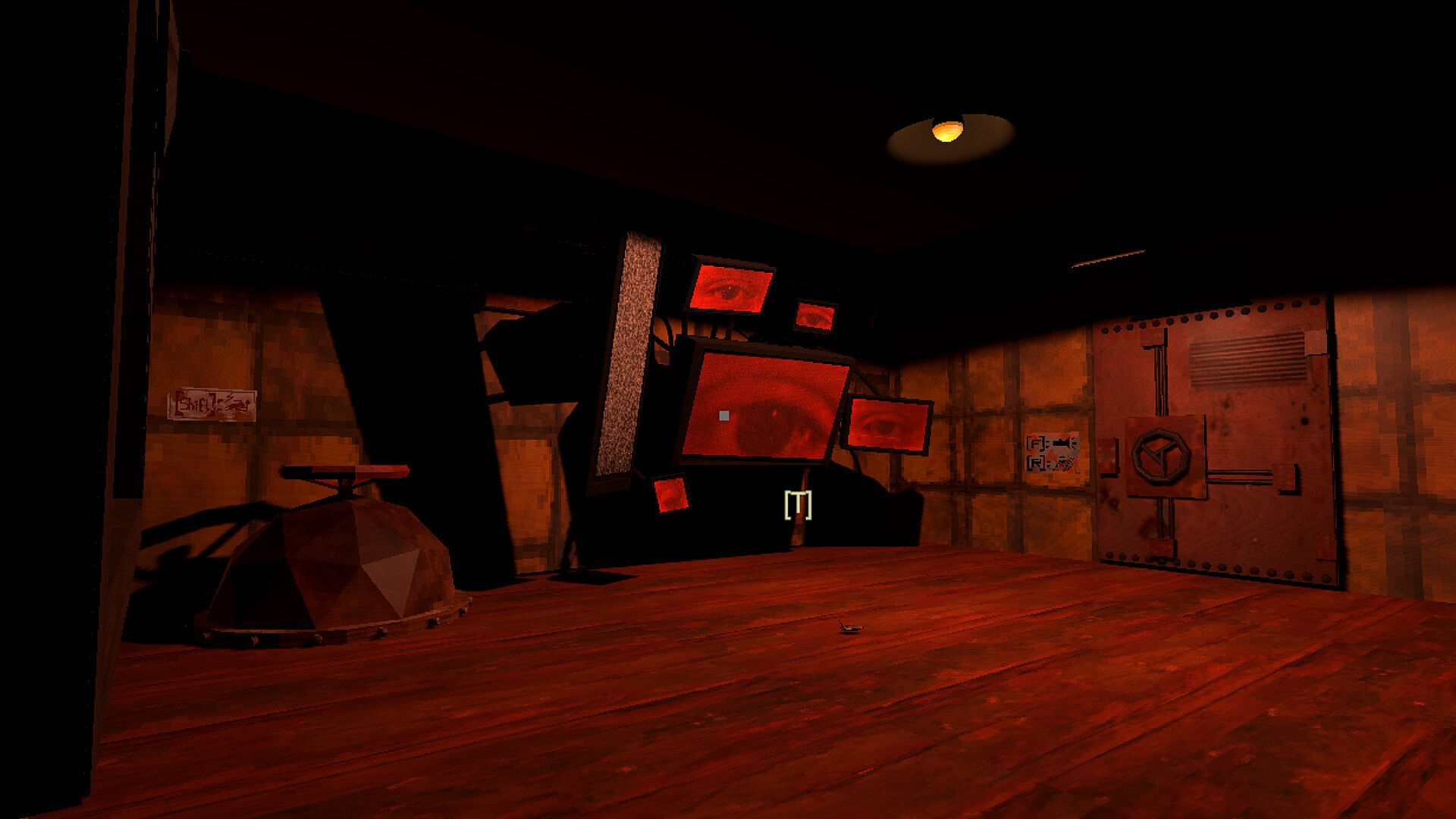
La mecánica principal gira en torno a la exploración y la supervivencia en condiciones extremas bajo el agua. Tras despertar en cautiverio, recibes órdenes a través de un enlace con la organización que dirige la misión. Desde ahí accedes por una escotilla a sistemas de cuevas situados a cientos de metros de profundidad, donde tu equipo se reduce a un traje de buzo, una linterna y reservas de oxígeno que hay que administrar con cuidado.
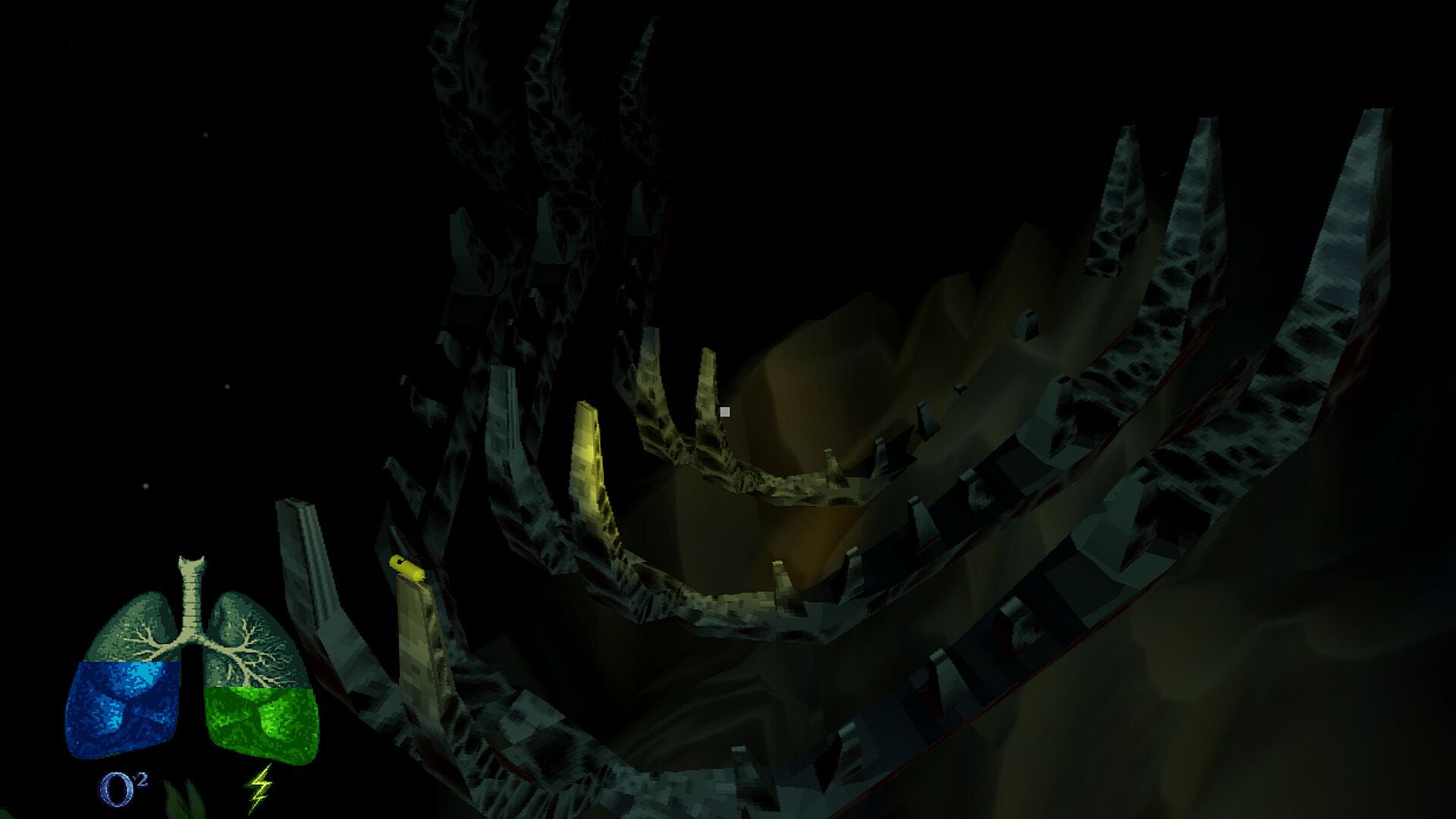
Para encontrar los objetos vinculados a las estatuas antiguas, deberás moverte por pasajes estrechos. Al no contar con un detector de señales electromagnéticas al principio, el énfasis recae en la observación y el avance metódico. La falta de vida marina por la presión elimina distracciones, dejando la soledad y lo desconocido como principales amenazas. El tono de terror surge de anomalías ambientales y del peso psicológico del entorno, sin necesidad de enemigos directos.
Game Modes
Nurek (1982) es una experiencia exclusivamente individual. No incluye multijugador, cooperativo ni modos competitivos. La estructura sigue un relato lineal guiado por las instrucciones de la organización, y el progreso depende de recoger artefactos y despejar zonas en las cuevas. Este enfoque mantiene la atención en la inmersión personal y el desarrollo de la historia, sin ramificaciones ni interacción con otros jugadores.
Setting and Narrative
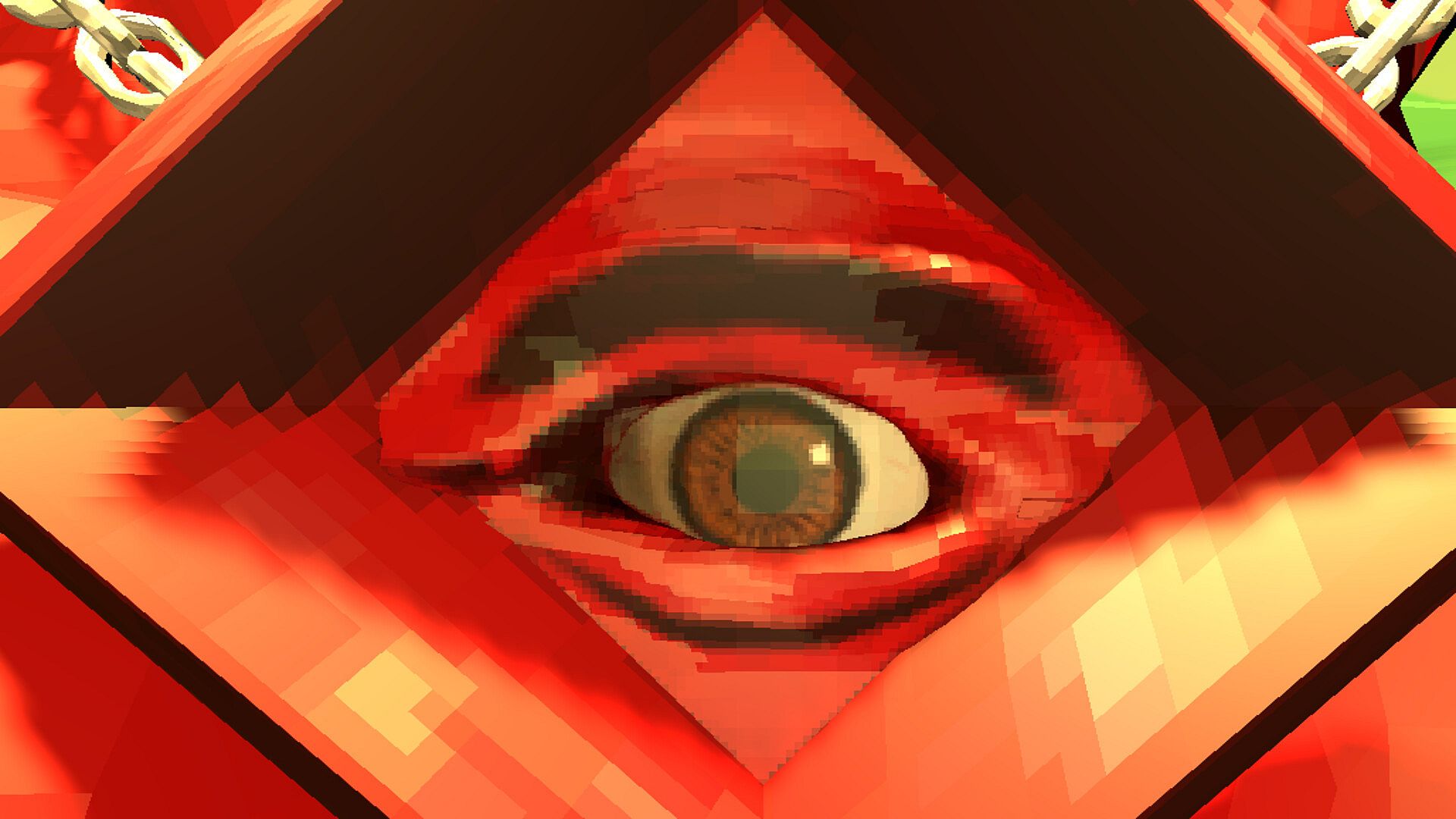
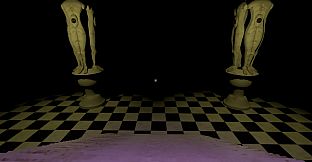
La trama transcurre en los años ochenta bajo un régimen comunista obsesionado con el control de recursos, incluidas las zonas marinas. Una empresa privada vinculada al departamento de Bienestar Planetario descubre seis estatuas humanoides doradas en posturas extrañas cerca de una red de cuevas submarinas. Una de ellas destaca especialmente, lo que desencadena la intervención gubernamental y el inicio de la Operación Nurek. Expediciones anteriores han fracasado, dejando personal desaparecido y alteraciones ambientales sin explicación. Tu misión continúa esa labor: recuperar los artefactos que completen las estatuas. La comunicación se limita a la agencia, reforzando la sensación de aislamiento durante el descenso.
Atmosphere and Key Features
Las secciones de cuevas claustrofóbicas constituyen el núcleo de la experiencia y exigen avanzar con equipamiento mínimo. La linterna es la única fuente de luz frente a la oscuridad que oculta posibles peligros, mientras que los niveles de oxígeno generan una urgencia constante. La historia insinúa fuerzas mayores en juego, como desapariciones relacionadas con la operación, pero mantiene los detalles escasos para preservar la tensión. Elementos como el traje de buzo y el dispositivo de comunicación se integran en la mecánica de supervivencia, aportando un realismo acorde a la tecnología de los años ochenta sin comodidades modernas.
Is It Worth Playing?
Con lanzamiento previsto para agosto de 2026 y sin reseñas disponibles todavía, Nurek (1982) atrae sobre todo a quienes buscan aventuras de terror atmosféricas para un solo jugador centradas en la exploración y el aislamiento. Quienes disfrutan de entornos reducidos, gestión de recursos y una trama ligada a intrigas históricas y gubernamentales encontrarán que las mecánicas descritas encajan con sus preferencias. Su escala indie y el énfasis en la tensión en lugar del espectáculo lo hacen ideal para sesiones cortas de fans del género, en lugar de quienes buscan mundos abiertos extensos o componentes multijugador. Su disponibilidad en PC a través de plataformas digitales habituales lo convierte en una opción accesible para quienes siguen los próximos lanzamientos de terror dentro de la categoría de aventura.