





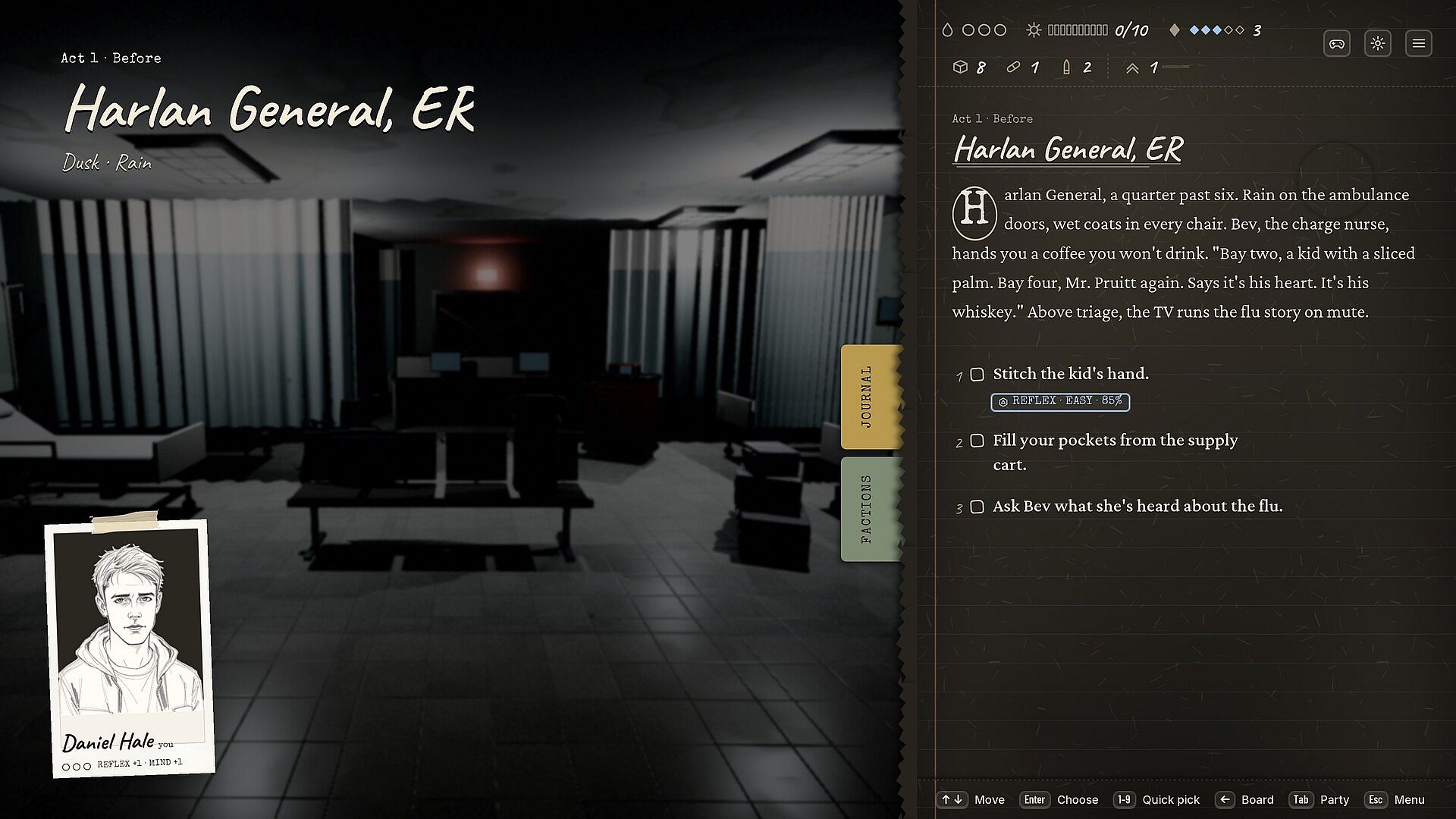




Nobody Special is an indie narrative RPG adventure set during the early days of an outbreak in Harlan City. Players take on the role of an ordinary survivor whose background shapes every aspect of the experience, from initial encounters to long-term outcomes in a story focused on survival and personal connections rather than heroic feats.
Gameplay
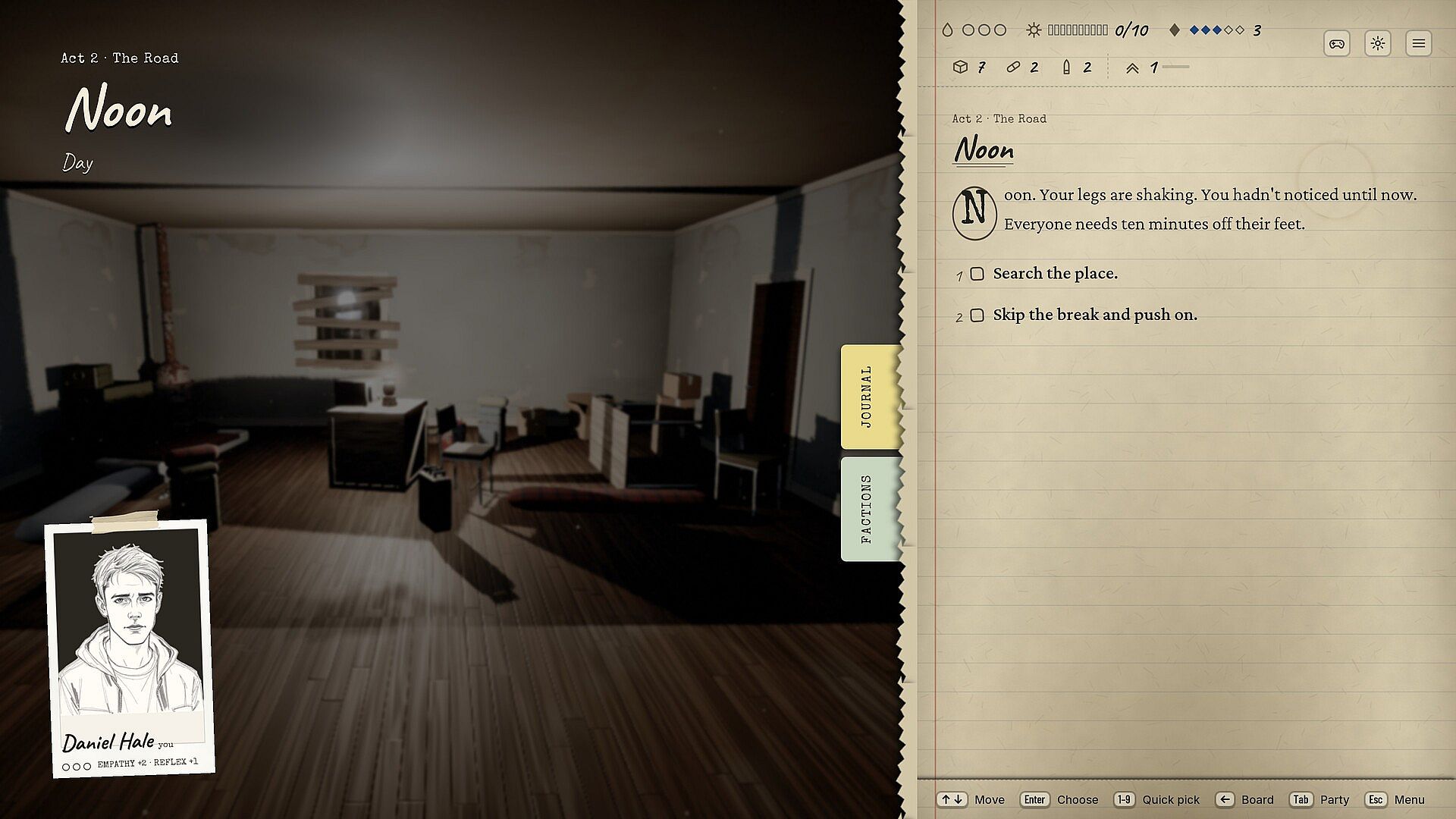
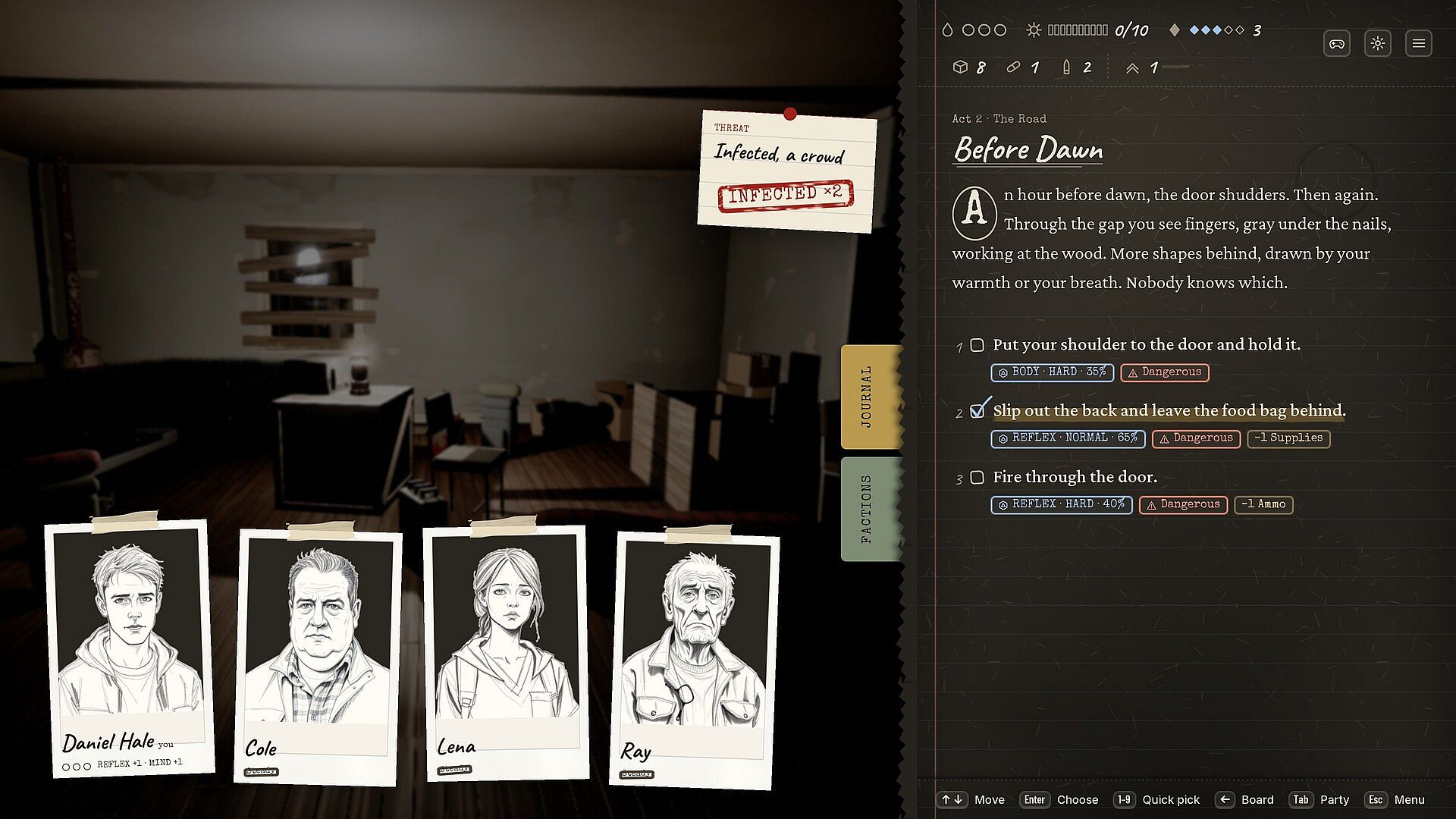
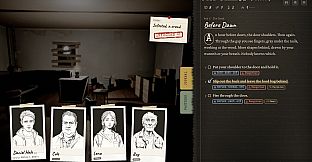
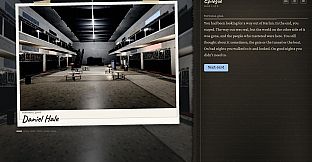
The core loop revolves around short narrated scenes paired with staged 3D visuals. Each run unfolds across four acts spanning two to three days, with frequent decisions that influence companion relationships, resource management, and story branches. Character creation draws from eight professions such as Doctor, Police Officer, Ex-convict, and Teacher. Each profession provides a unique opening, a passive skill, and a once-per-act ability. Additional layers include four age groups, four family situations, four city districts, and traits like Brave or Cautious, Compassionate or Selfish, Resourceful, and Hot-headed. A personal goal tied to family or escape further personalizes the path.
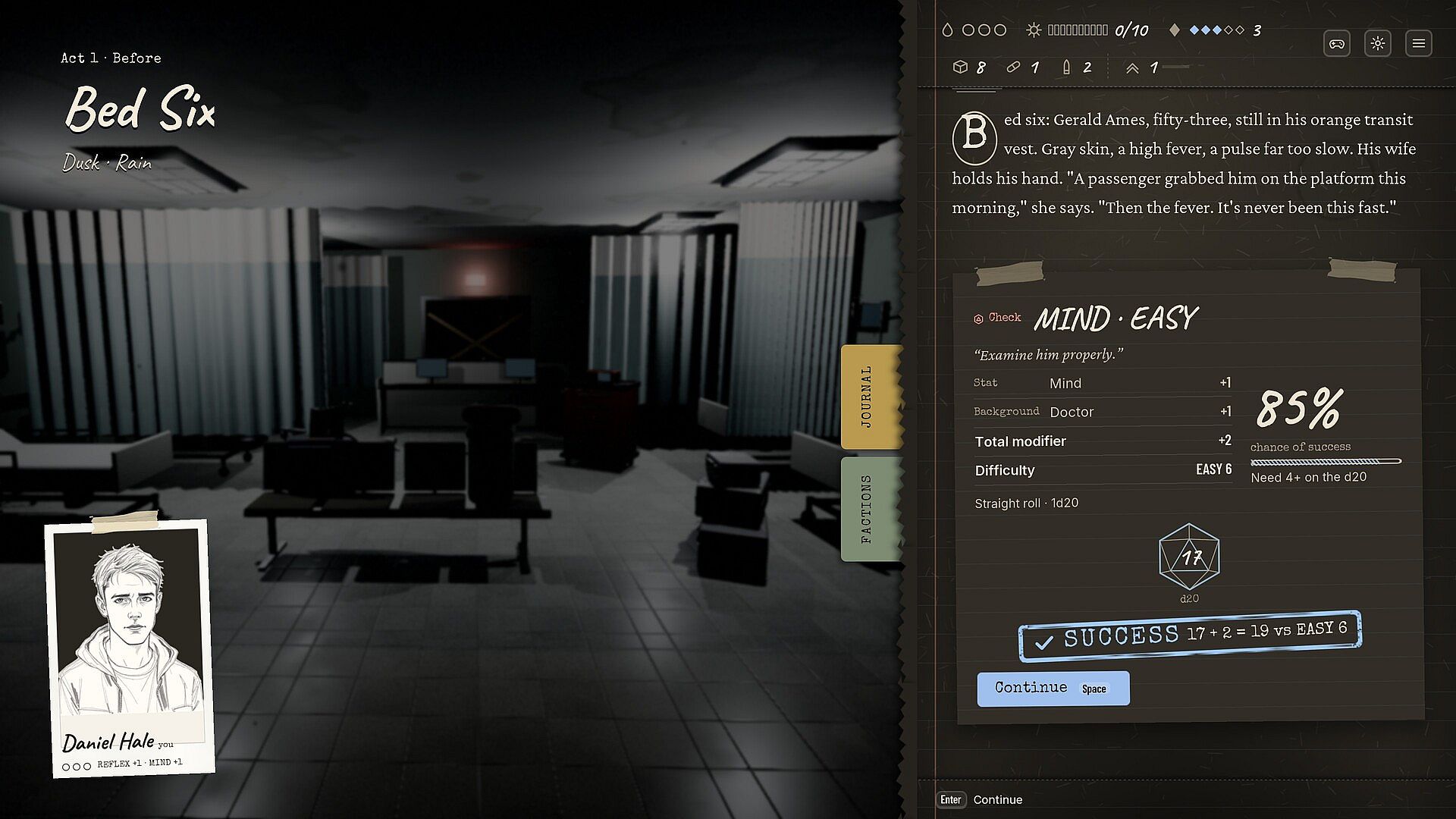
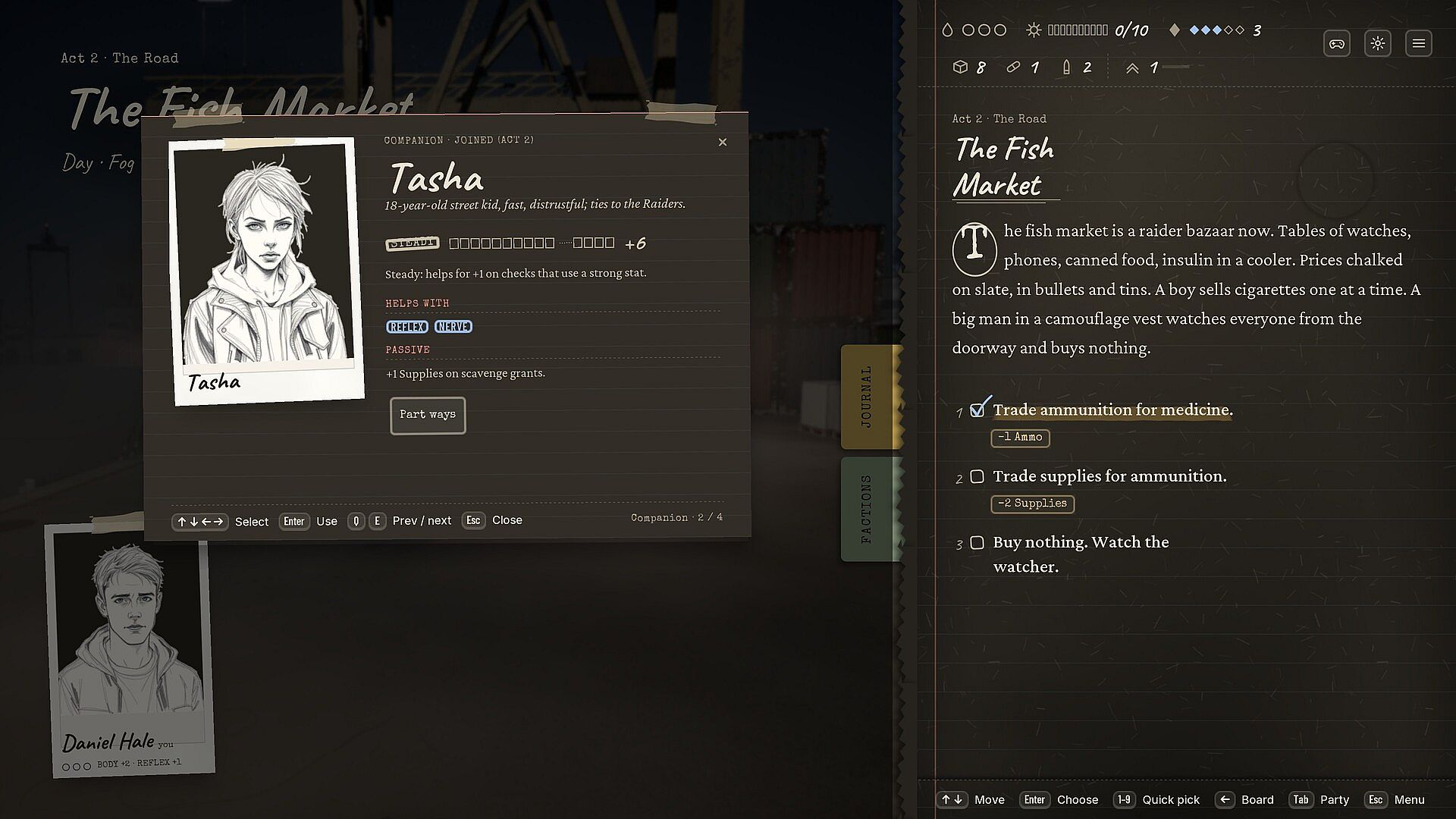
Survival mechanics emphasize transparency and consequences. Every skill check uses a visible d20 roll against a clear target number, displaying all modifiers and success odds upfront. Resources like Resolve allow rerolls on failures, while Ammo and Medicine address combat or infection risks. Instead of hit points, wounds reduce effectiveness, infection progresses over time, and limited Supplies, Medicine, and Ammo track the impact of choices. Death occurs naturally as one possible end to a run. Twelve companions appear across playthroughs, with six to eight encountered per session. These characters retain memory of actions, offer dialogue and roll assistance, and may depart if strained. Four factions-the Army, Raiders of the docks, a civilian shelter at Northgate Mall, and the Church of the Last Light-compete for control, and nightly shelter choices affect the final day.
Game Modes
Nobody Special operates as a single-player experience built around replayable short sessions. An optional Story assist mode provides a gentler difficulty curve that can be toggled at any time without disabling achievements. The design supports multiple runs through varied professions, companion selections, and background choices that alter openings, available people, and narrative paths. No separate competitive or multiplayer modes exist; the focus remains on individual narrative exploration and survival decisions.
Story and Replayability
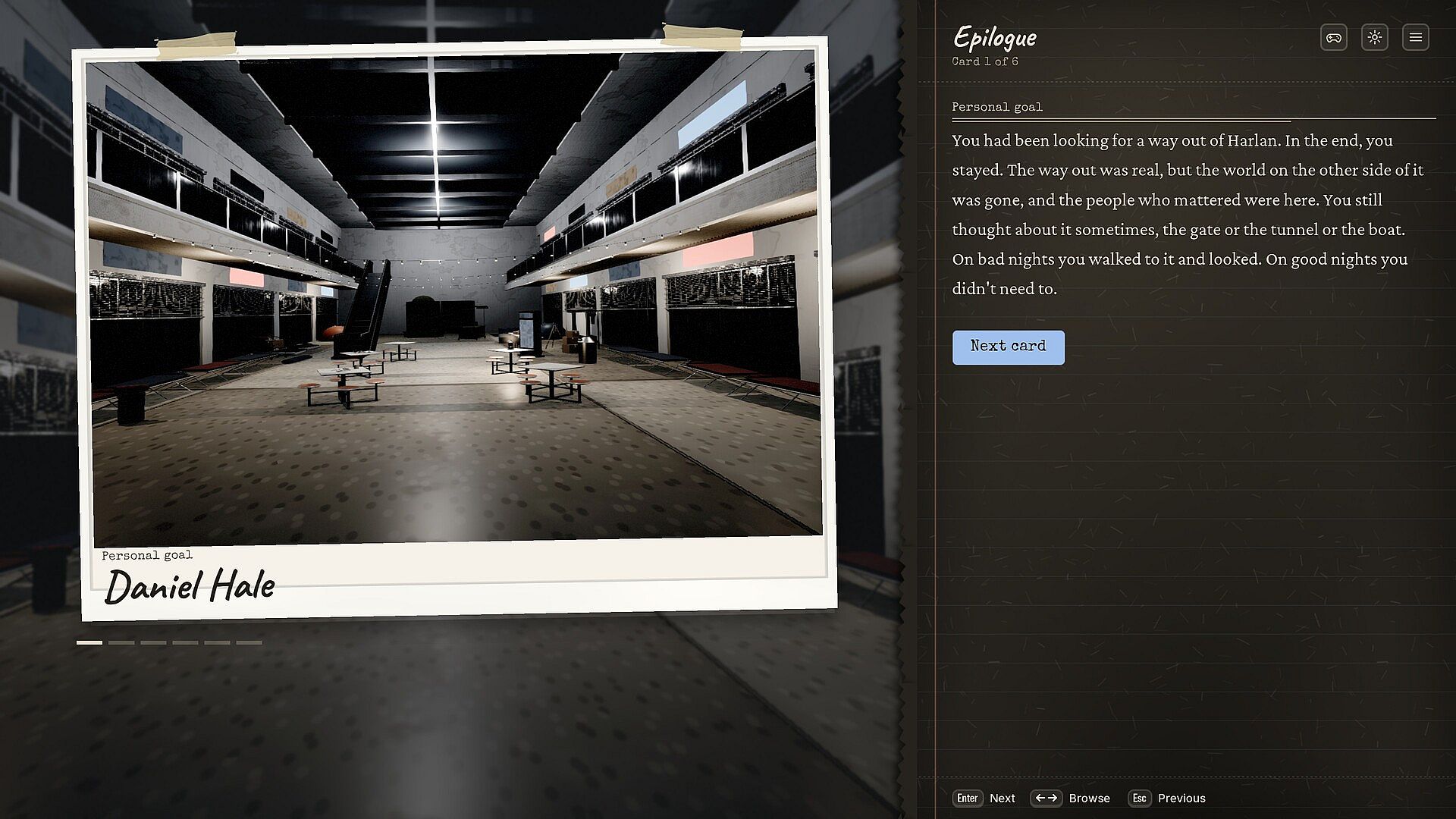
Every scene, choice, and ending receives hand-written attention to reflect ordinary lives under pressure. Eight endings appear with variants, followed by epilogue cards detailing the fates of touched characters and locations. Runs last one to two hours, encouraging repeated play to uncover different companions, profession-specific content, and branching outcomes. Choices leave traces that resurface later, reinforcing the weight of decisions in a contained city setting over a brief timeline.
Accessibility and Presentation
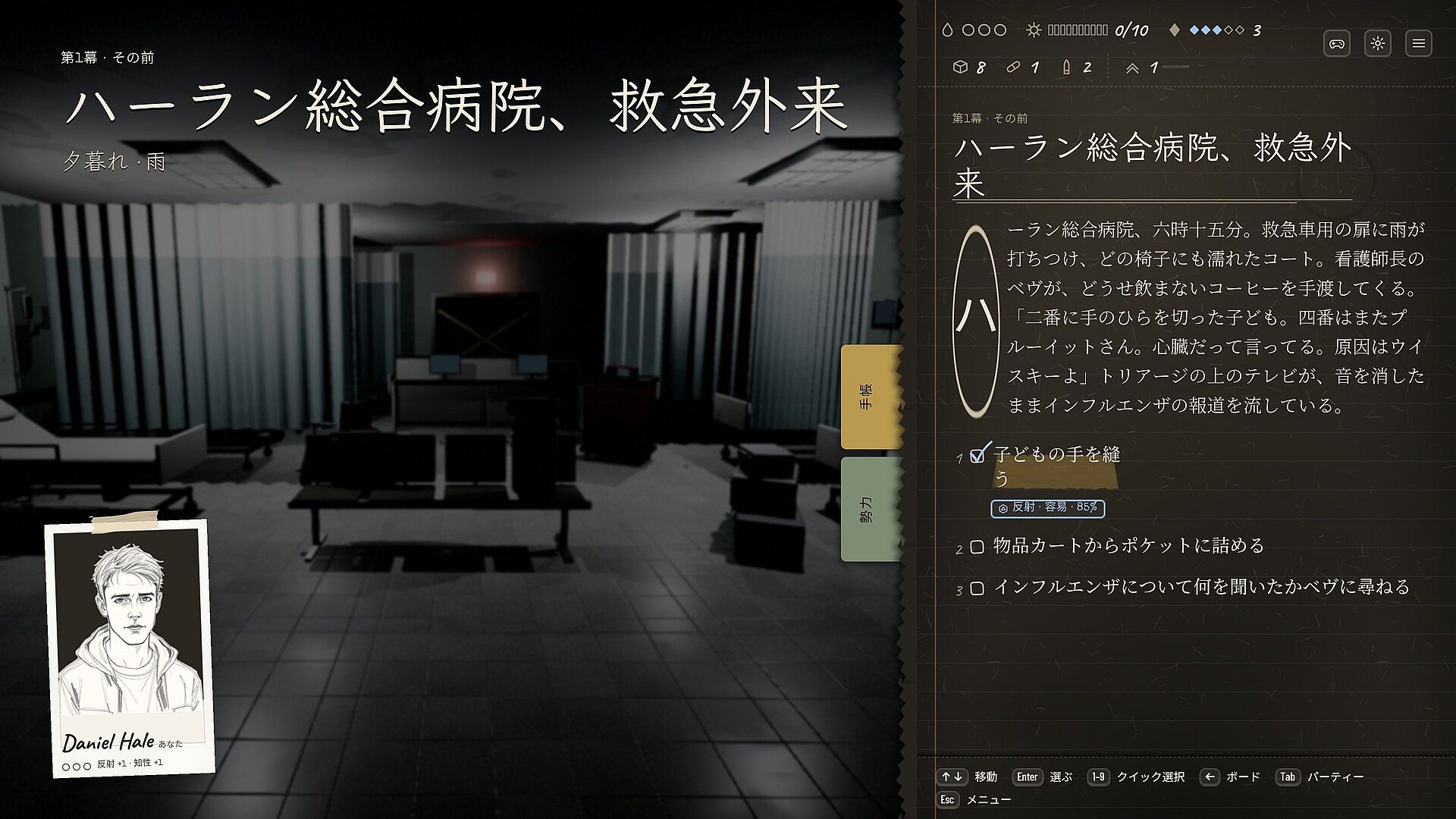
A weary, warm narrator delivers full voice work in English, French, Spanish, Italian, Brazilian Portuguese, Japanese, and Simplified Chinese. Accessibility options include text scaling up to 130 percent, a dyslexia-friendly font, colorblind modes, high contrast, reduced effects, adjustable text speed and dice animation, and hold-to-confirm for major choices. Full controller support with remapping rounds out the features, alongside mature themes of violence, blood, death, and loss presented without gratuitous graphics.
Is It Worth Playing?
Nobody Special targets players who value choice-driven narrative survival in an indie RPG format. Its transparent dice system, background-dependent storytelling, and emphasis on ordinary survivors distinguish it from more action-oriented or heroic titles. With a planned release in December 2026 and no player reviews available yet, interest depends on preference for short, replayable sessions focused on personal stakes, companion dynamics, and faction influences rather than extended campaigns or combat depth. Those drawn to hand-crafted stories about resilience amid crisis will find the described systems align closely with that appeal.











