


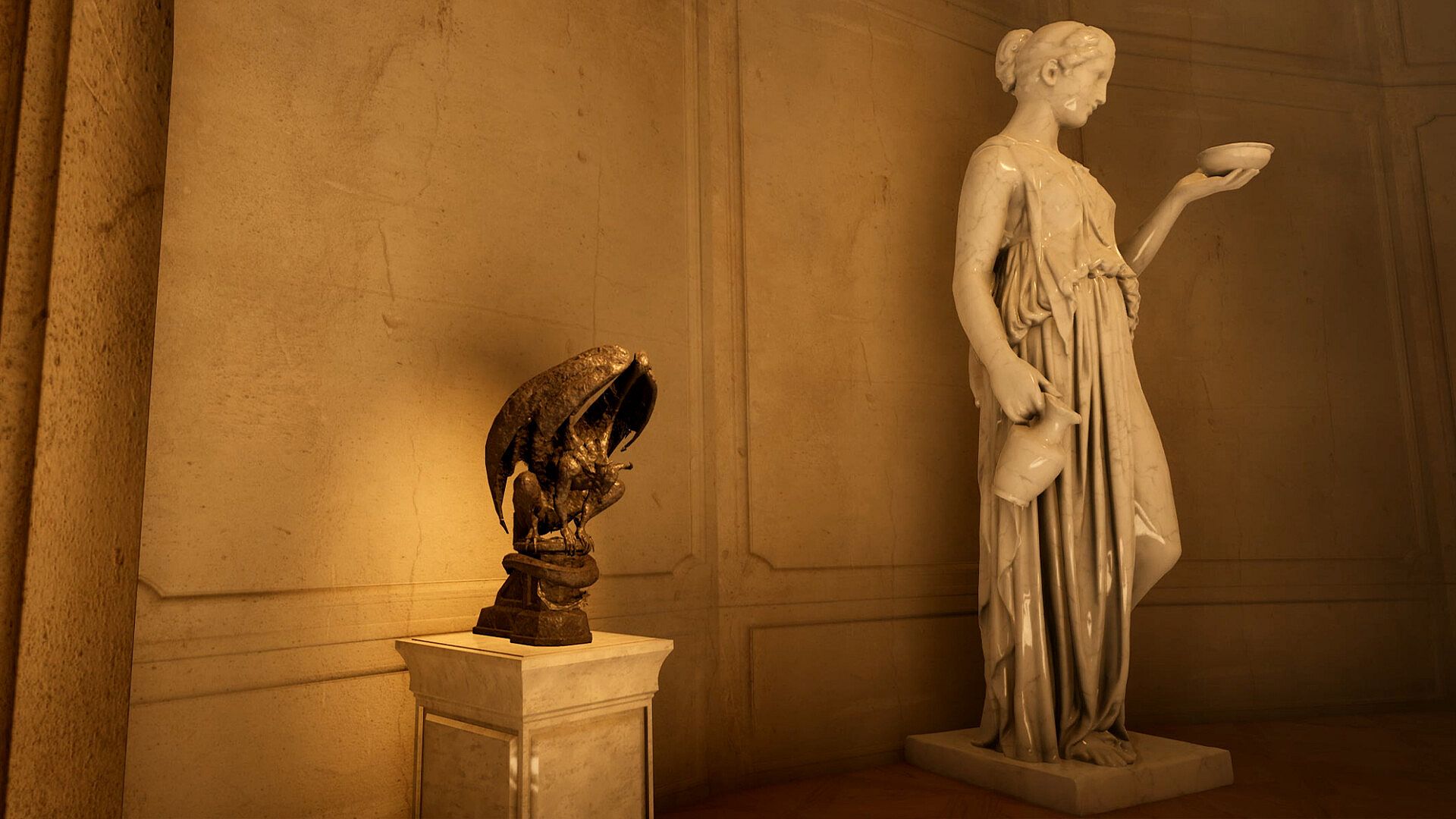
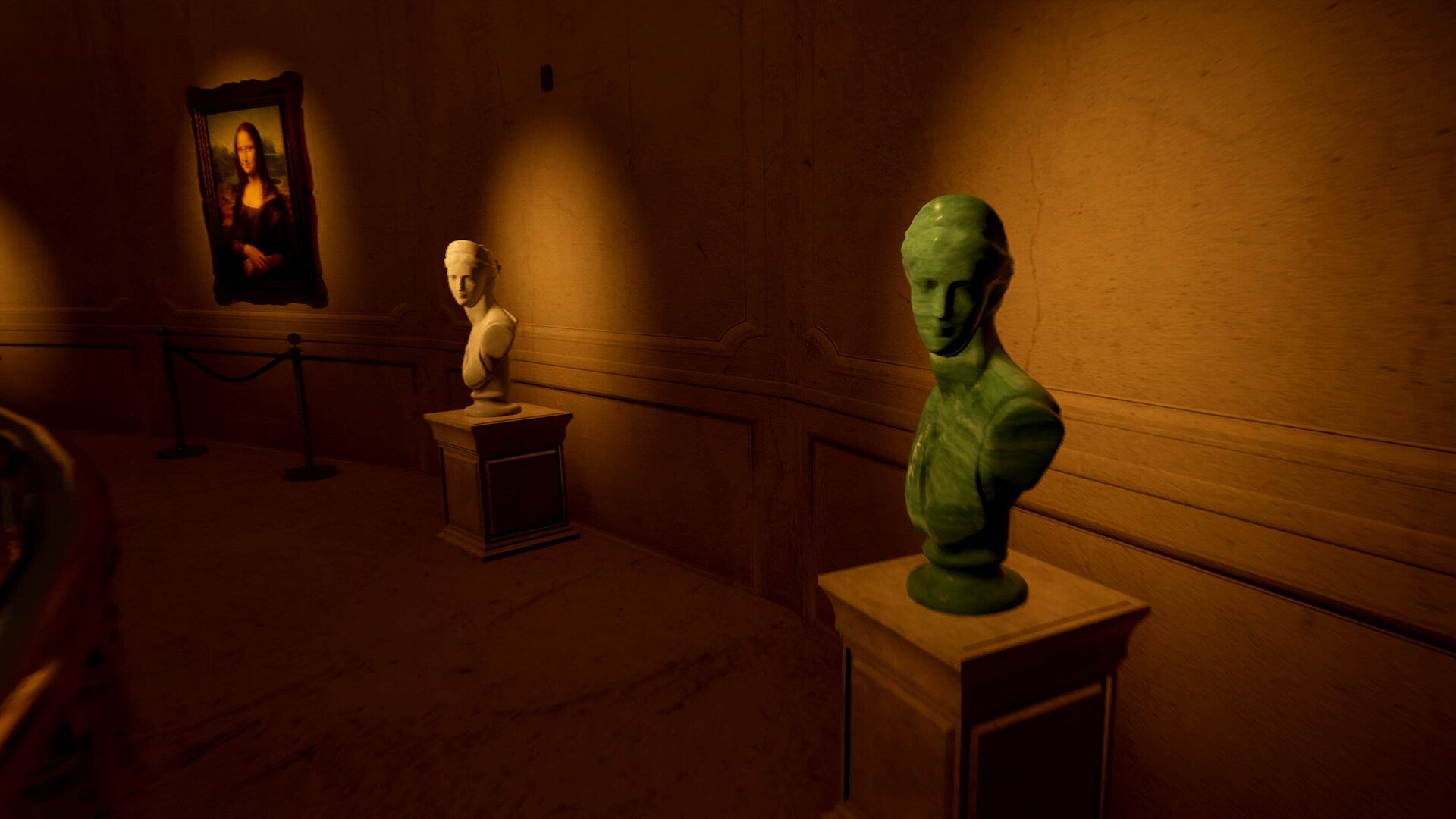

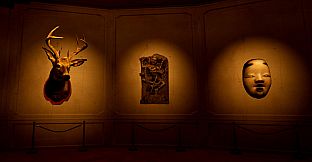

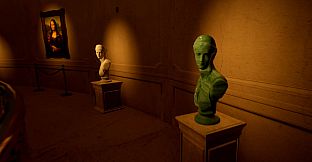
Museum 8 is an indie casual simulation game for PC that drops players into a quiet, looping museum where observation and memory become the only tools for progress. The experience centers on a single corridor that leads forward without any option to turn back, delivering a compact session that lasts between fifteen and sixty minutes depending on how carefully each hall is examined.
Gameplay
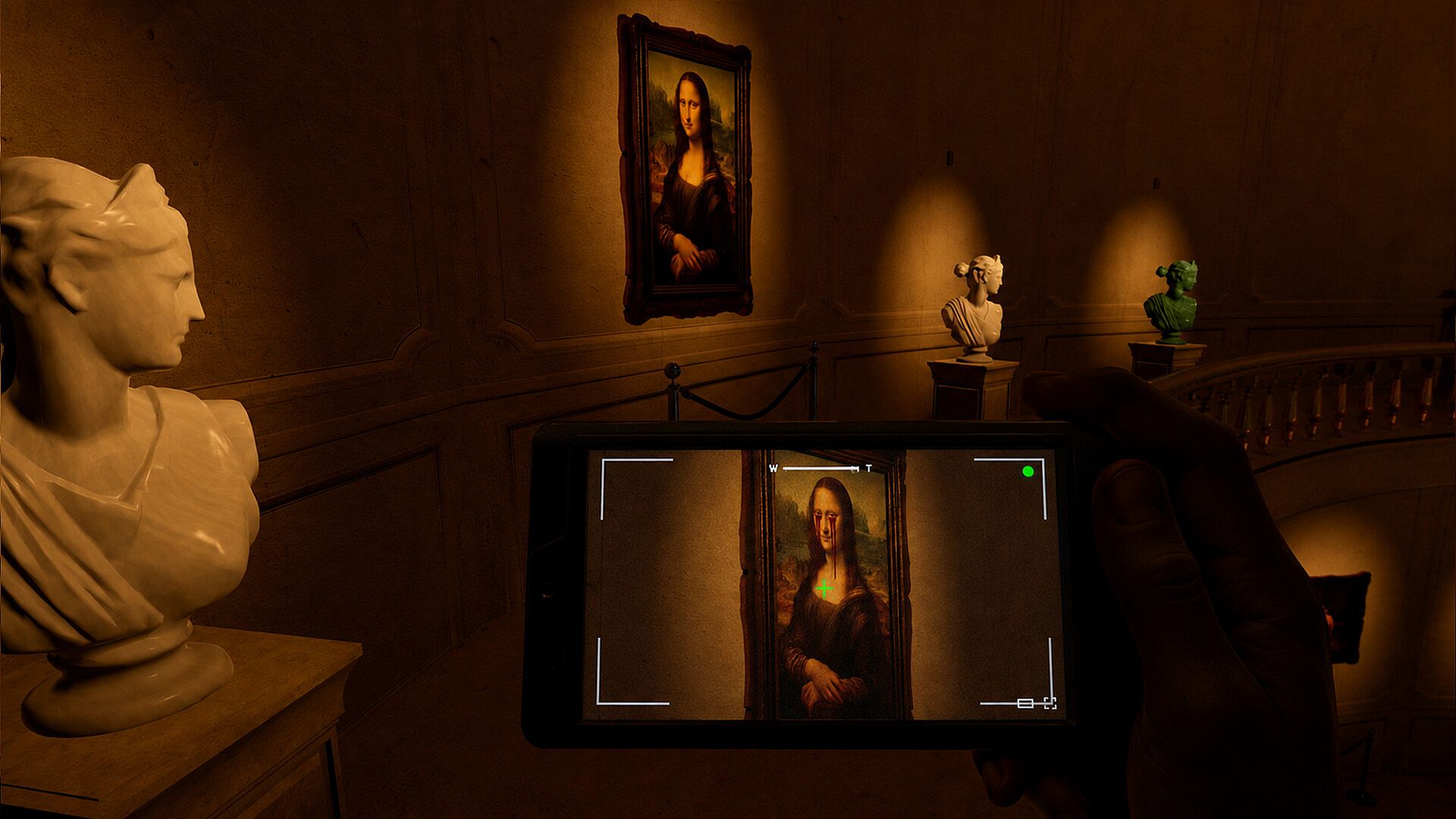
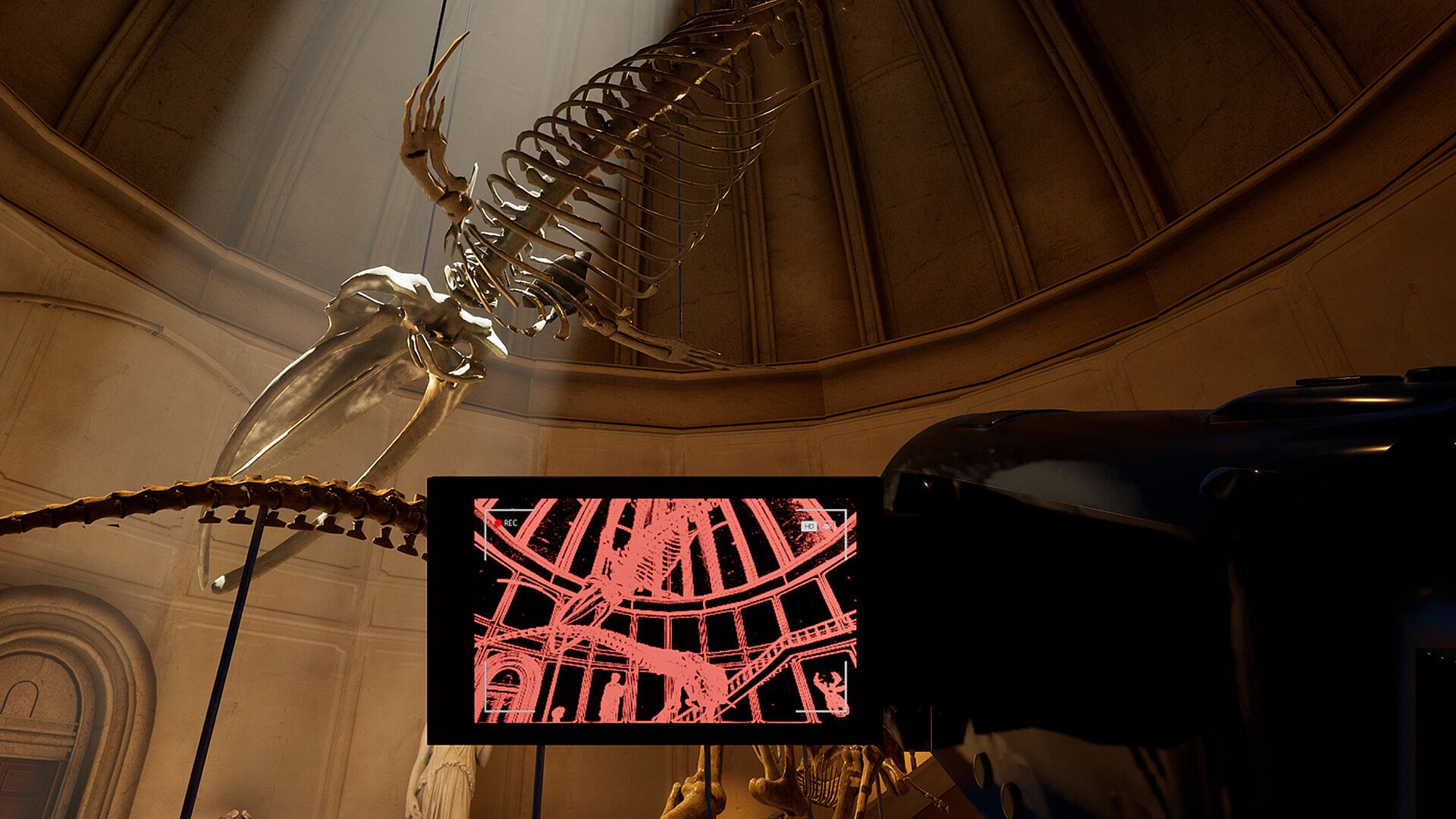
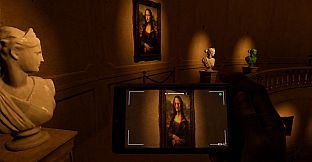
Players move through a one-way corridor that always deposits them in the same hall at the end. The space begins identical to the previous visit, with matching shapes, lighting, and silence. Subtle shifts sometimes appear in the arrangement or details, requiring close attention to spot what has changed. A camera serves as the main instrument for inspection. Raising it frames the hall in a different way, revealing or hiding elements that disappear once the viewfinder is lowered. The device does not provide direct instructions on which door to select. It simply offers a fresh perspective on the current space.
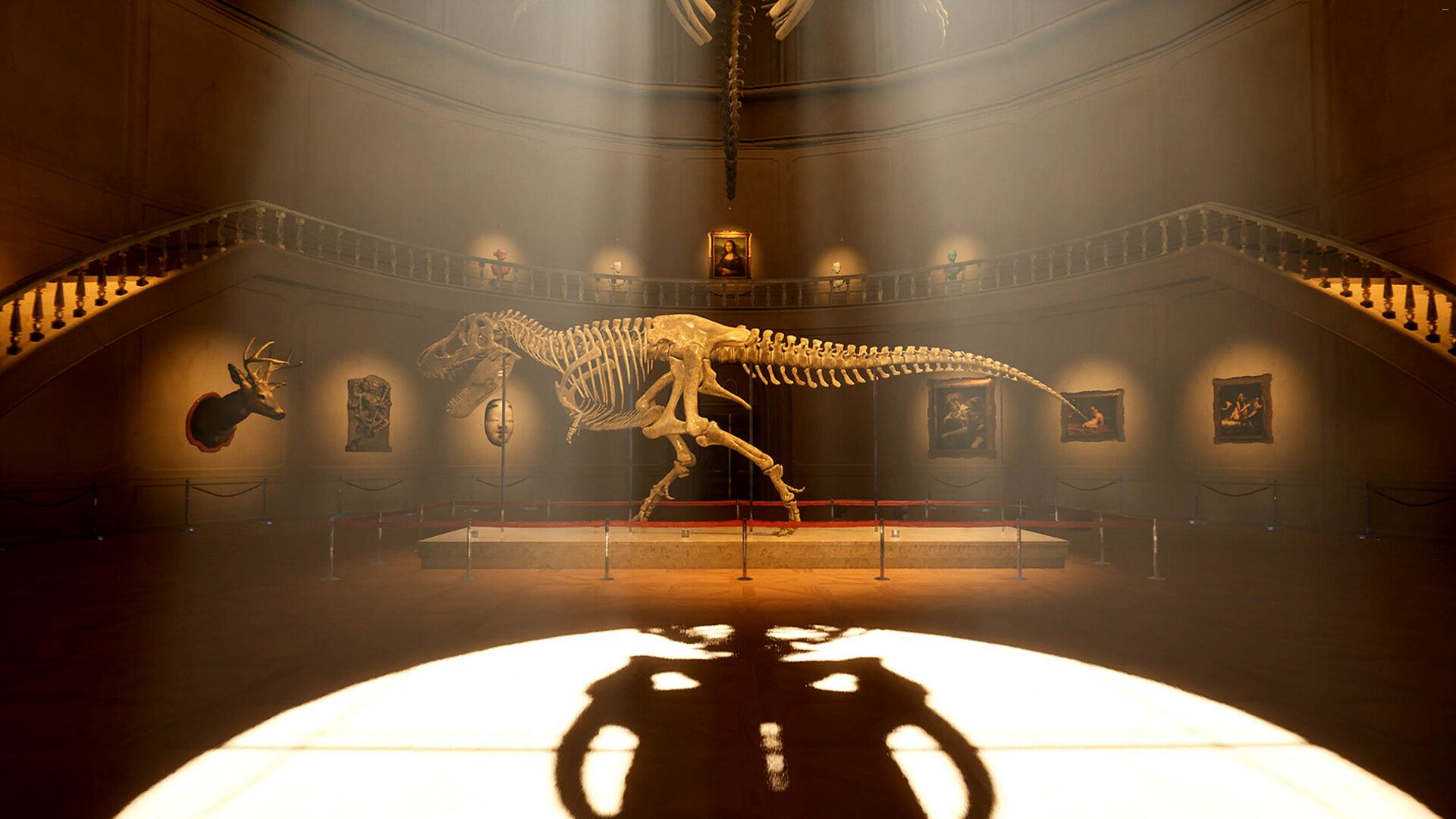
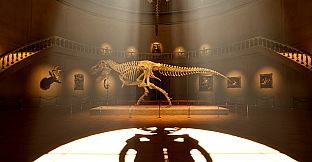
At the far end of each hall stand two doors. Only one leads onward. The correct choice depends entirely on what the player recalls from earlier visits and what the camera view confirms or contradicts. Stepping through the wrong door ends the attempt, with no chance to retry that section. The loop repeats with the same forward-only structure, building tension through repetition and the constant need to compare the present hall against stored memories of previous ones. Nothing is highlighted or explained in advance. Success rests on personal recollection of the architecture and any deviations noticed along the way.
Game Modes
Museum 8 presents a single continuous experience without separate modes or branching campaigns. The entire game unfolds as one unbroken sequence of halls and choices, where each arrival at the repeated space tests the same core skills of observation and recall. There are no additional variants, difficulty settings, or alternate paths that alter the fundamental loop. Every playthrough follows the identical forward progression, with variations arising only from the random or conditional anomalies that appear in the halls. This focused structure keeps the session self-contained and emphasizes precision over variety in format.
The Museum Environment
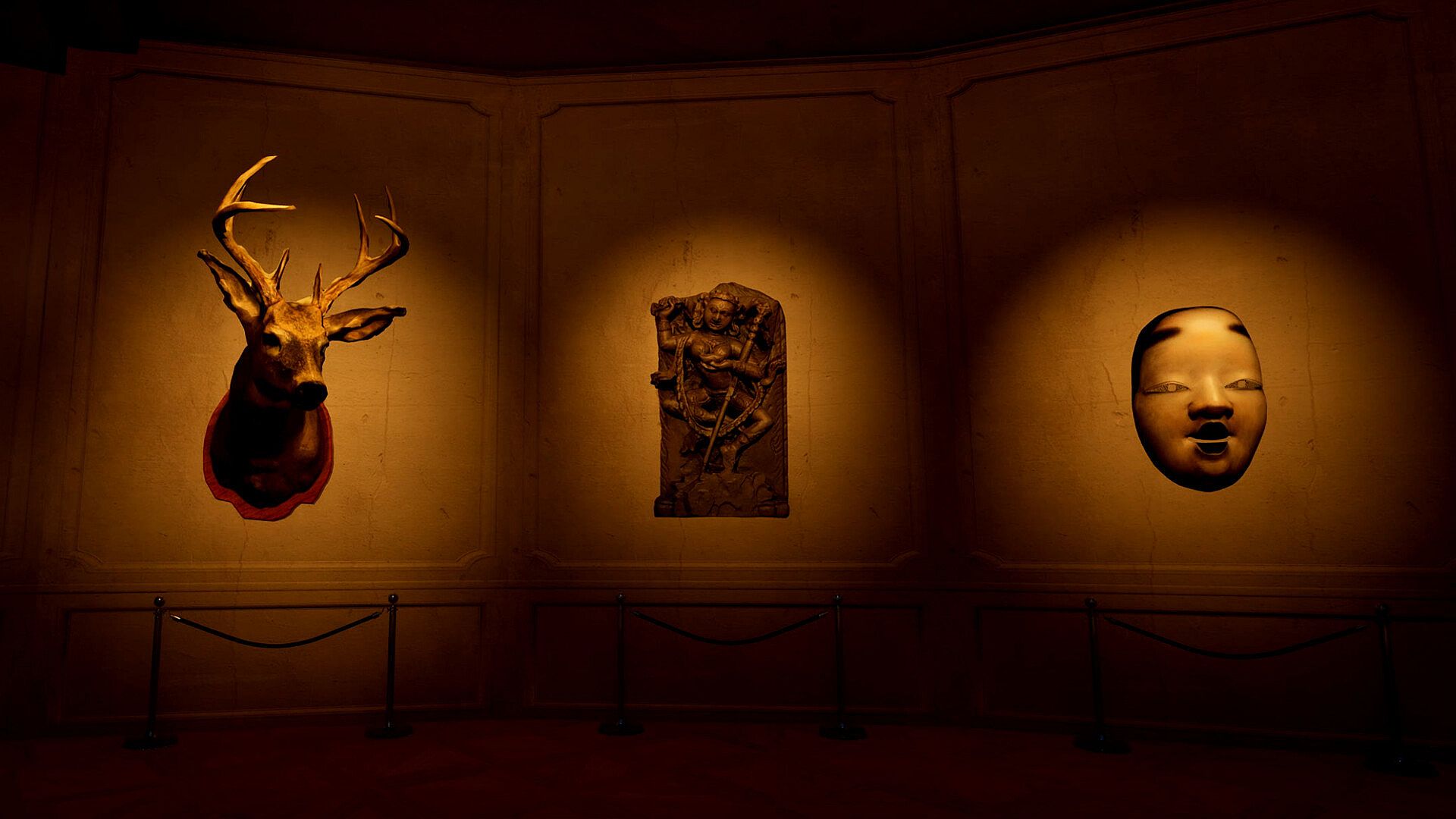
The setting consists of repeating architectural elements that create a sense of quiet disorientation. Corridors and halls maintain consistent proportions and lighting, yet small inconsistencies emerge across visits. These changes range from altered object placements to shifts in shadows or empty spaces. The camera viewfinder becomes essential for confirming whether a detail belongs to the baseline memory or represents a new anomaly. The environment never provides external cues or maps. Players must rely solely on what they have seen and remembered from prior arrivals in the same space. This design reinforces the simulation aspect of tracking subtle environmental details over time.
Is It Worth Playing?
Museum 8 suits players who enjoy short, focused single-player experiences built around careful observation and memory challenges. The gameplay loop rewards patience and attention to detail rather than speed or reflexes. Its compact length makes it easy to complete in one sitting or across a few short sessions. Those who appreciate indie simulation titles that strip away guidance in favor of personal interpretation will find the mechanics engaging. The absence of multiple modes or extended content means the value lies in the precision of each decision rather than replay variety. If the idea of navigating repeating spaces through remembered details appeals, the game delivers a straightforward test of those skills without unnecessary additions.