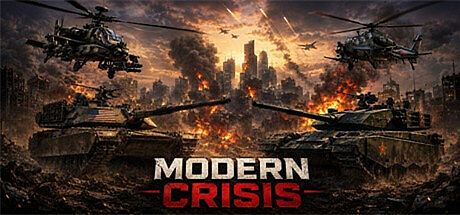


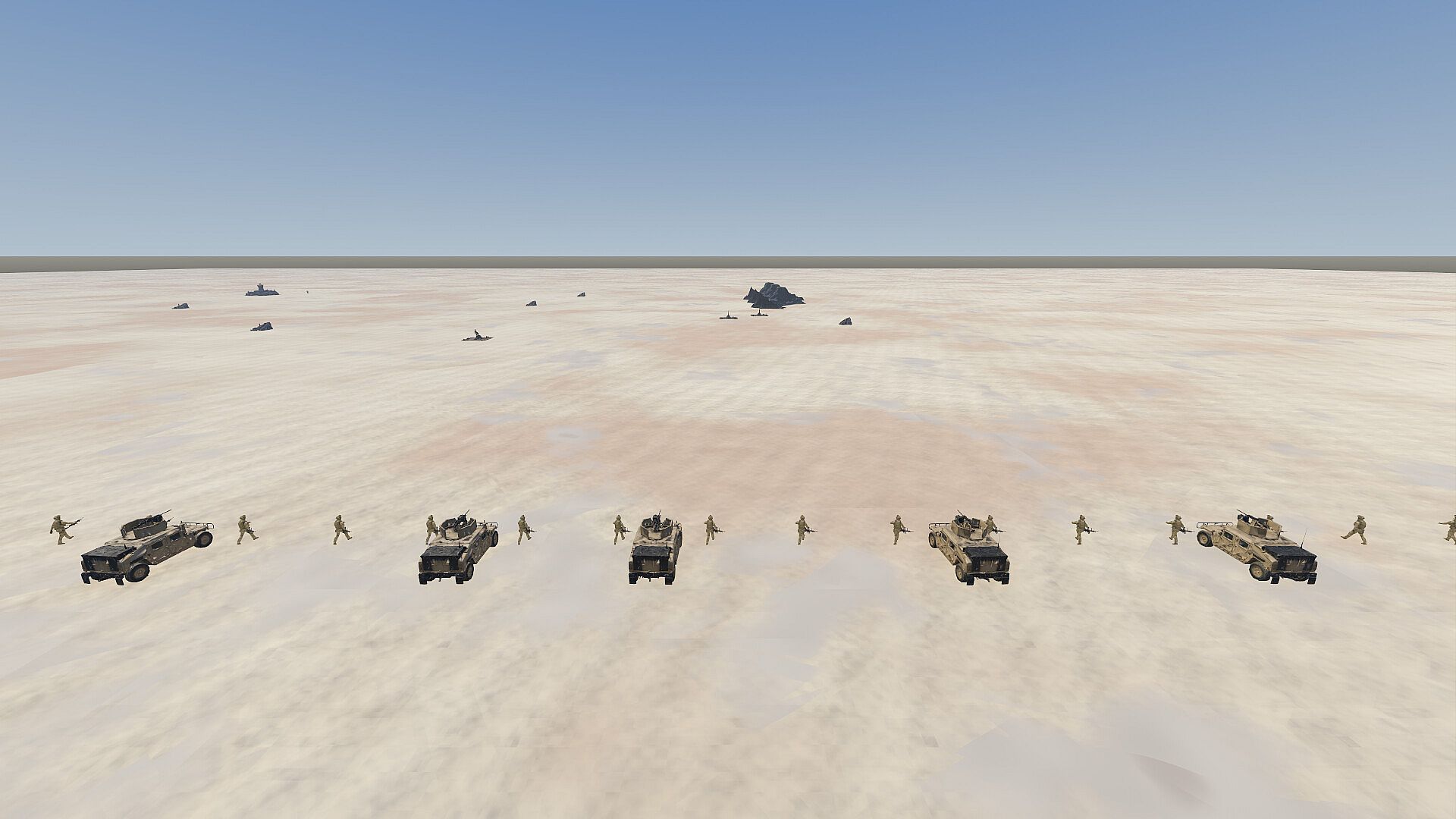
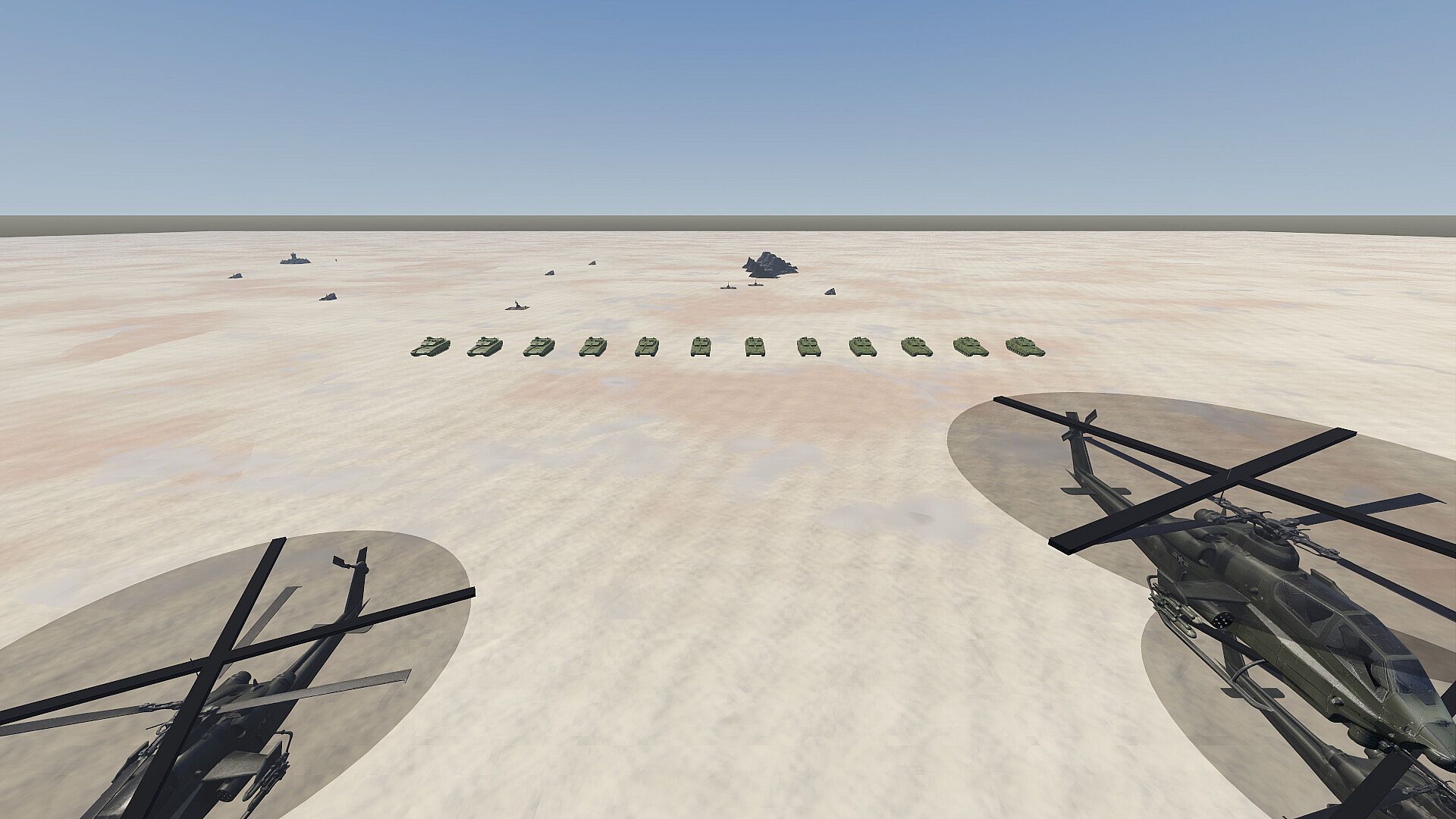
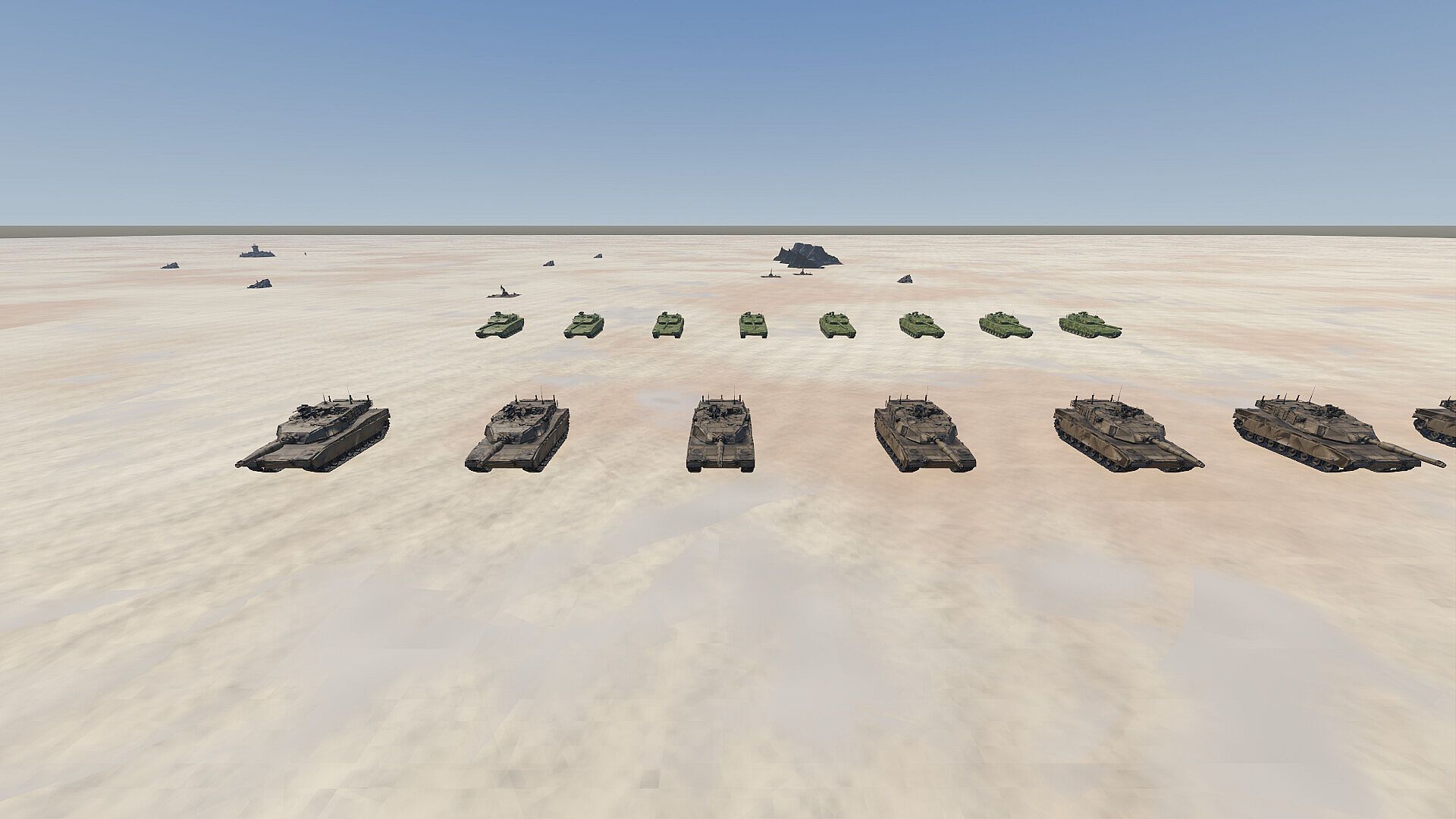
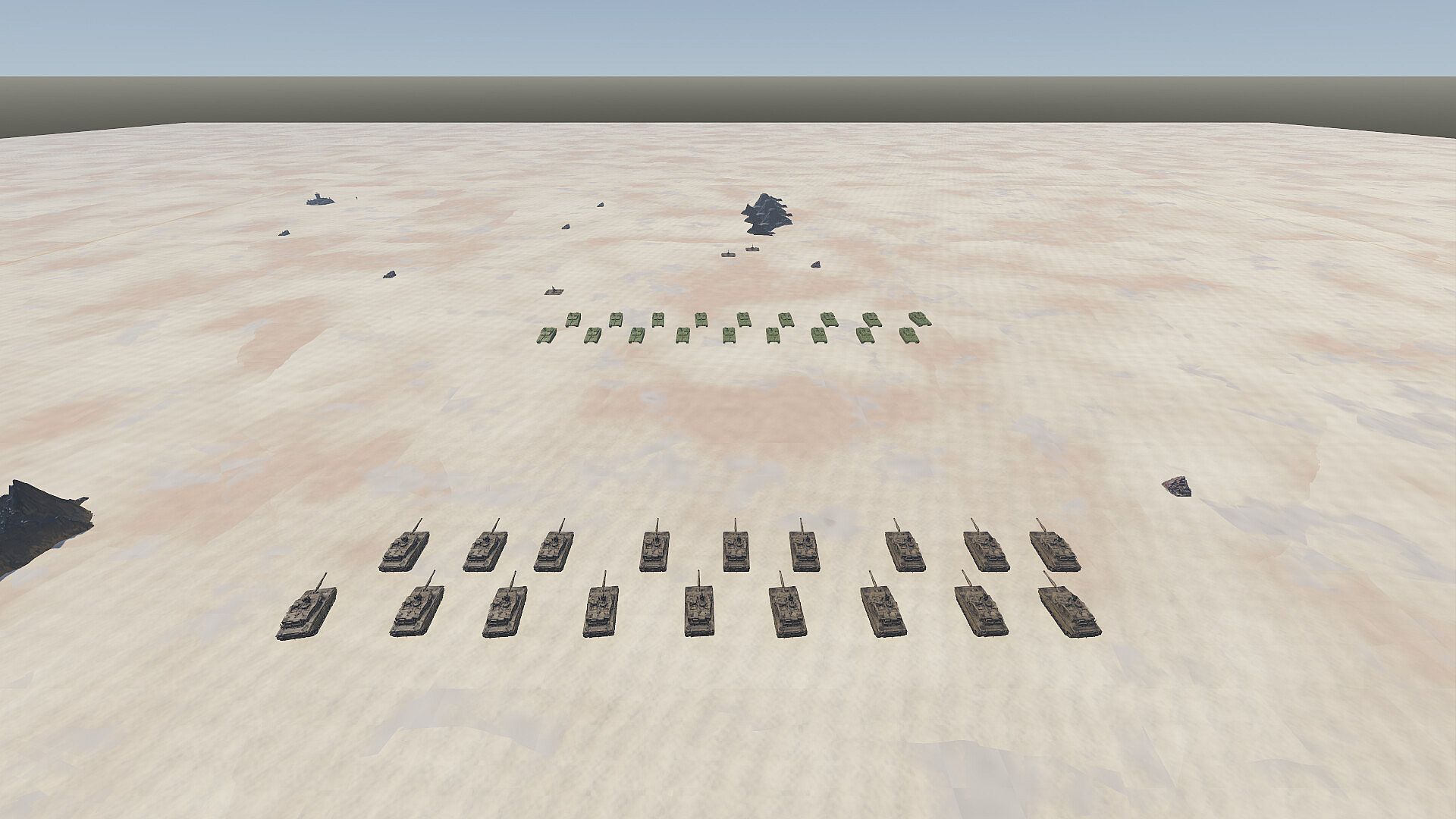
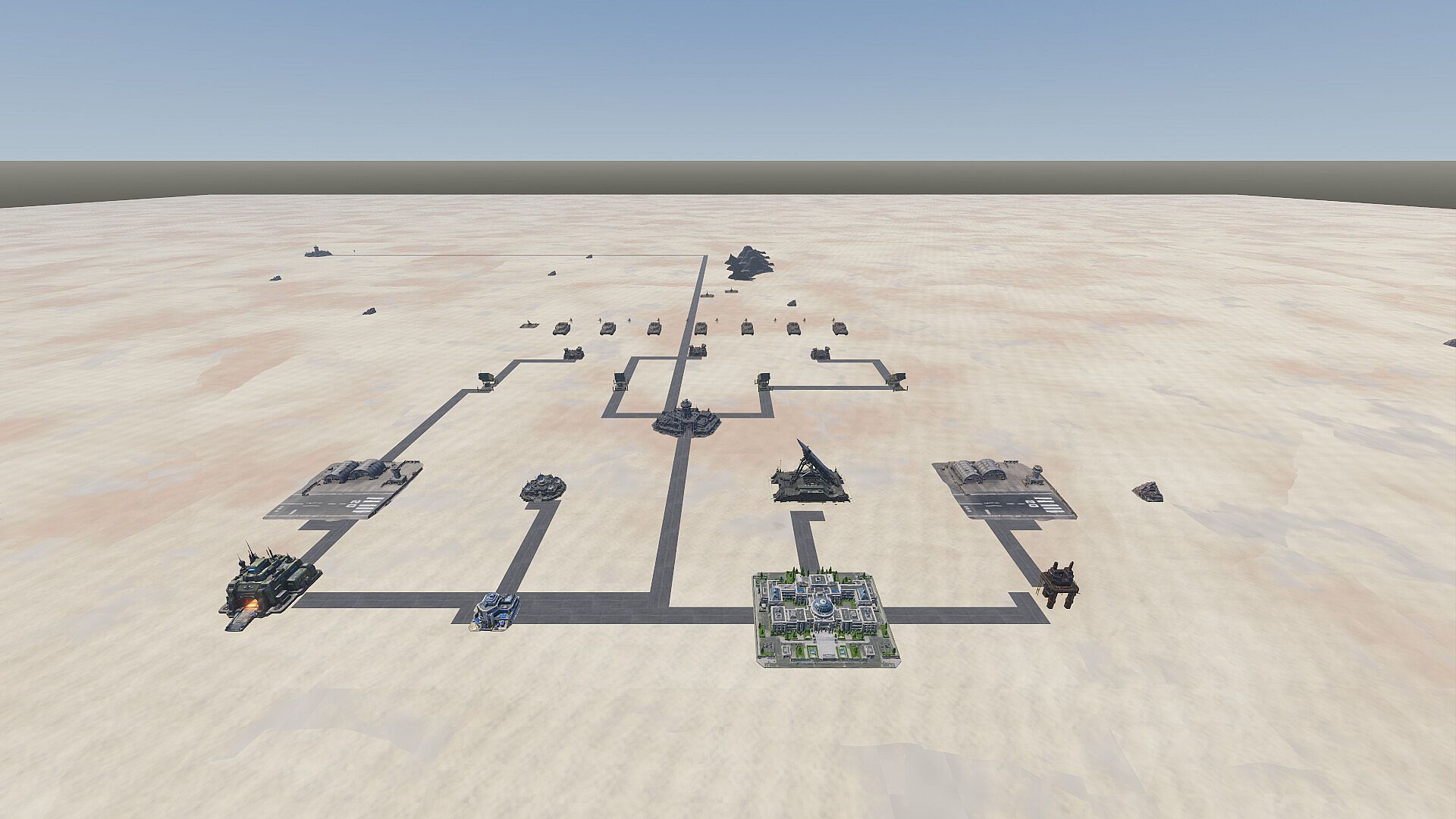
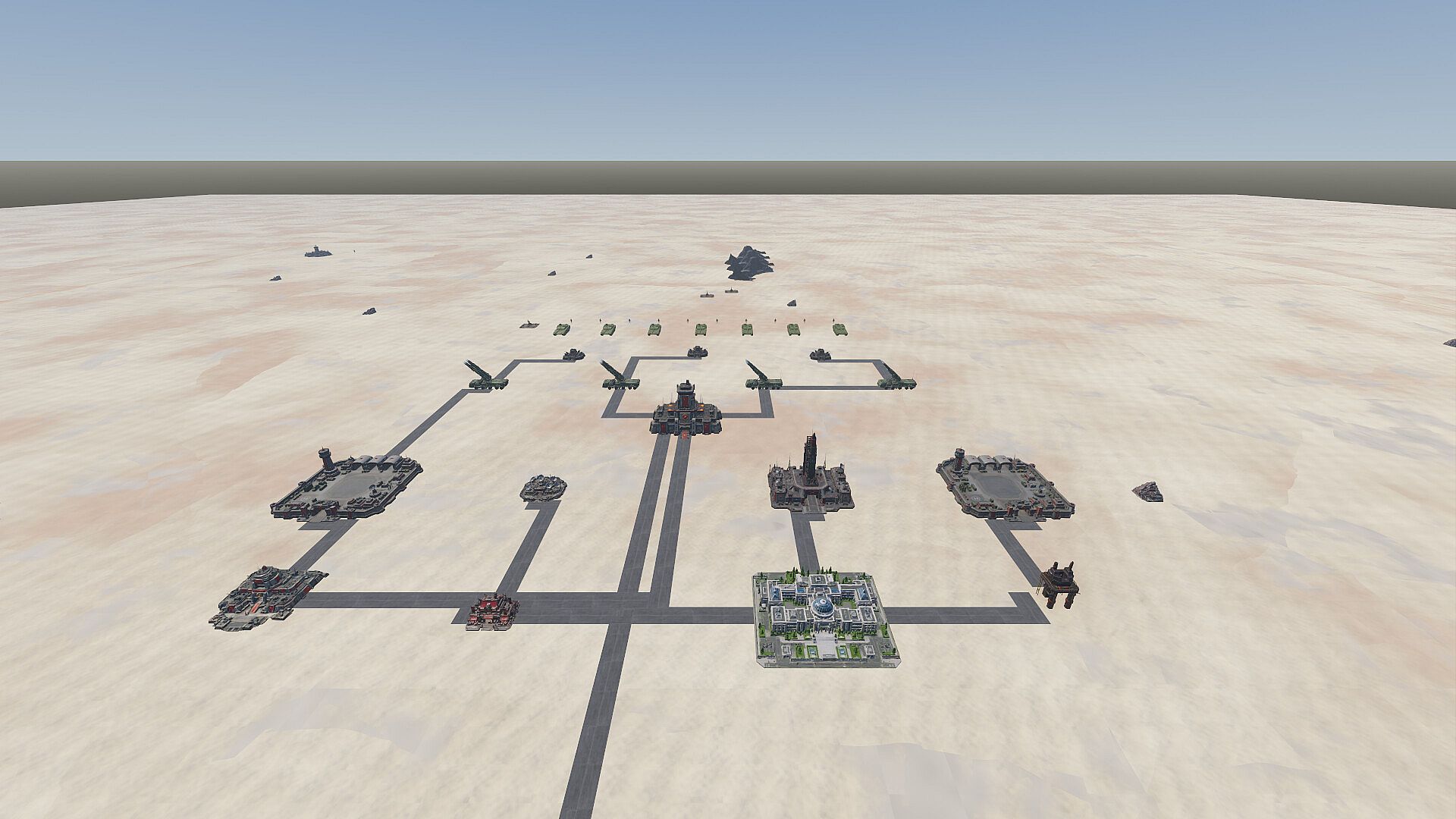
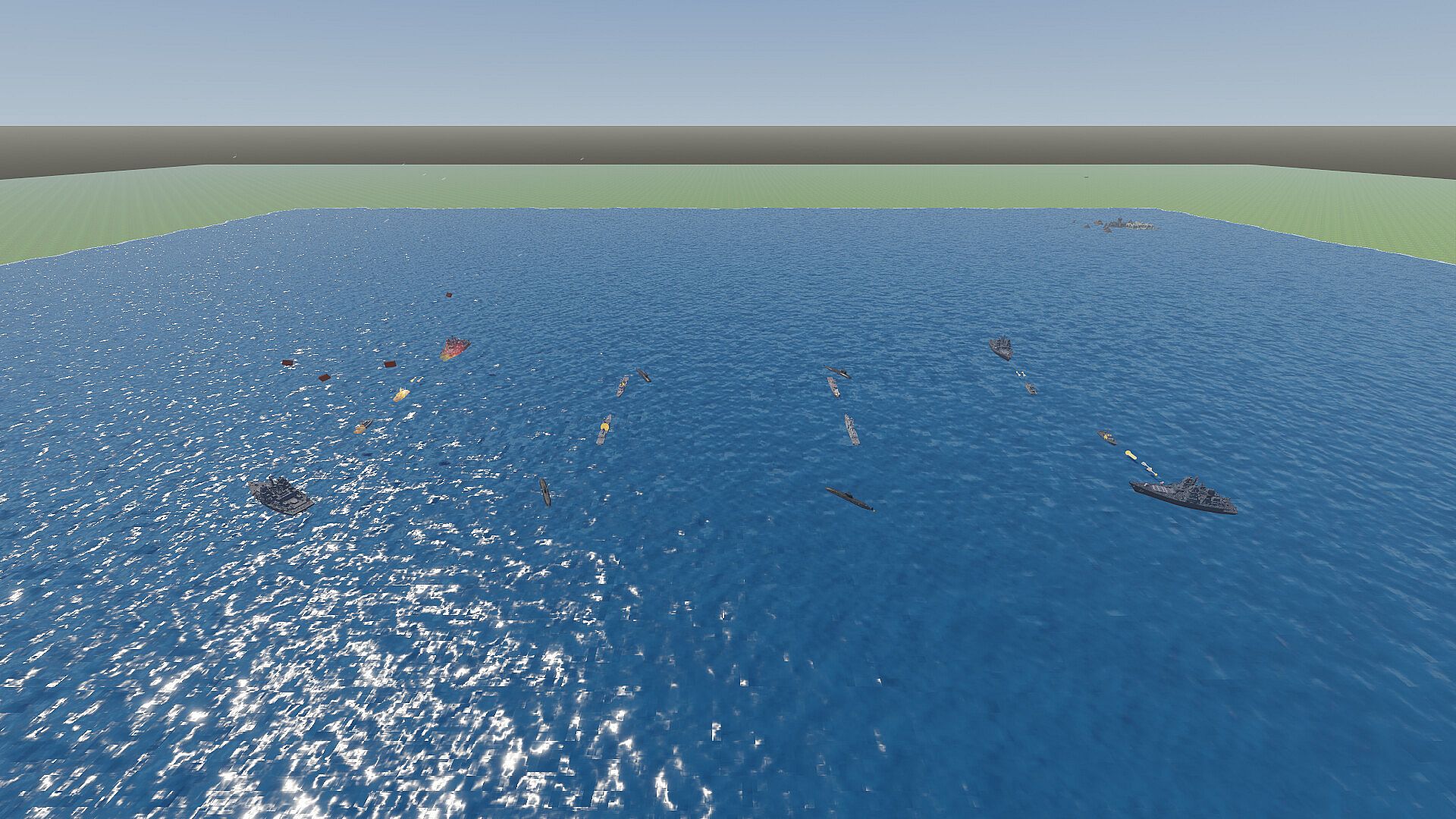
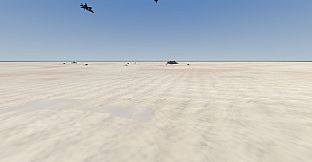
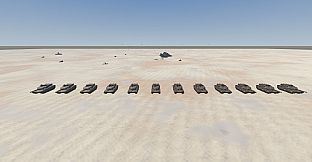
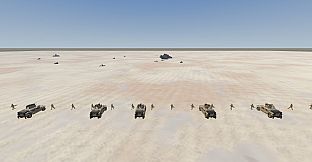
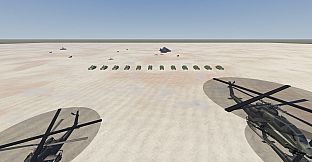
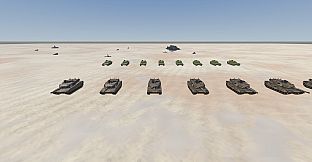
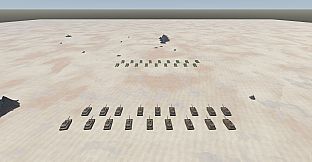
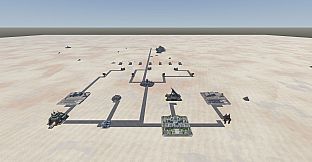
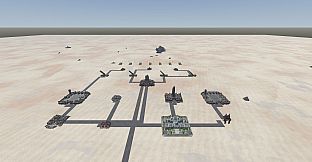
Modern Crisis is a real-time strategy game focused on modern warfare and base-building gameplay. Players manage resources, construct bases, and command armies across land, air, and sea in matches that emphasize economic decisions as much as military tactics.
Gameplay
The core loop centers on raising a headquarters and deploying engineers to gather four distinct resources: money, iron, oil, and research. Workers assigned to one task cannot contribute elsewhere, which forces careful allocation between economic growth and military expansion. This system makes every decision about production and expansion carry direct consequences for the outcome of a match.
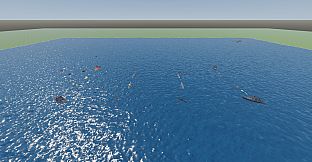
Combat spans multiple domains with clear counters between unit types. Infantry such as Stinger Teams can engage aircraft, while helicopters prove effective against ground targets but remain vulnerable to jets. Submarines target other submarines and capital ships, and cargo vessels enable amphibious landings to deploy entire armies on enemy coasts. Players must assemble balanced forces or risk losing to specialized counters.
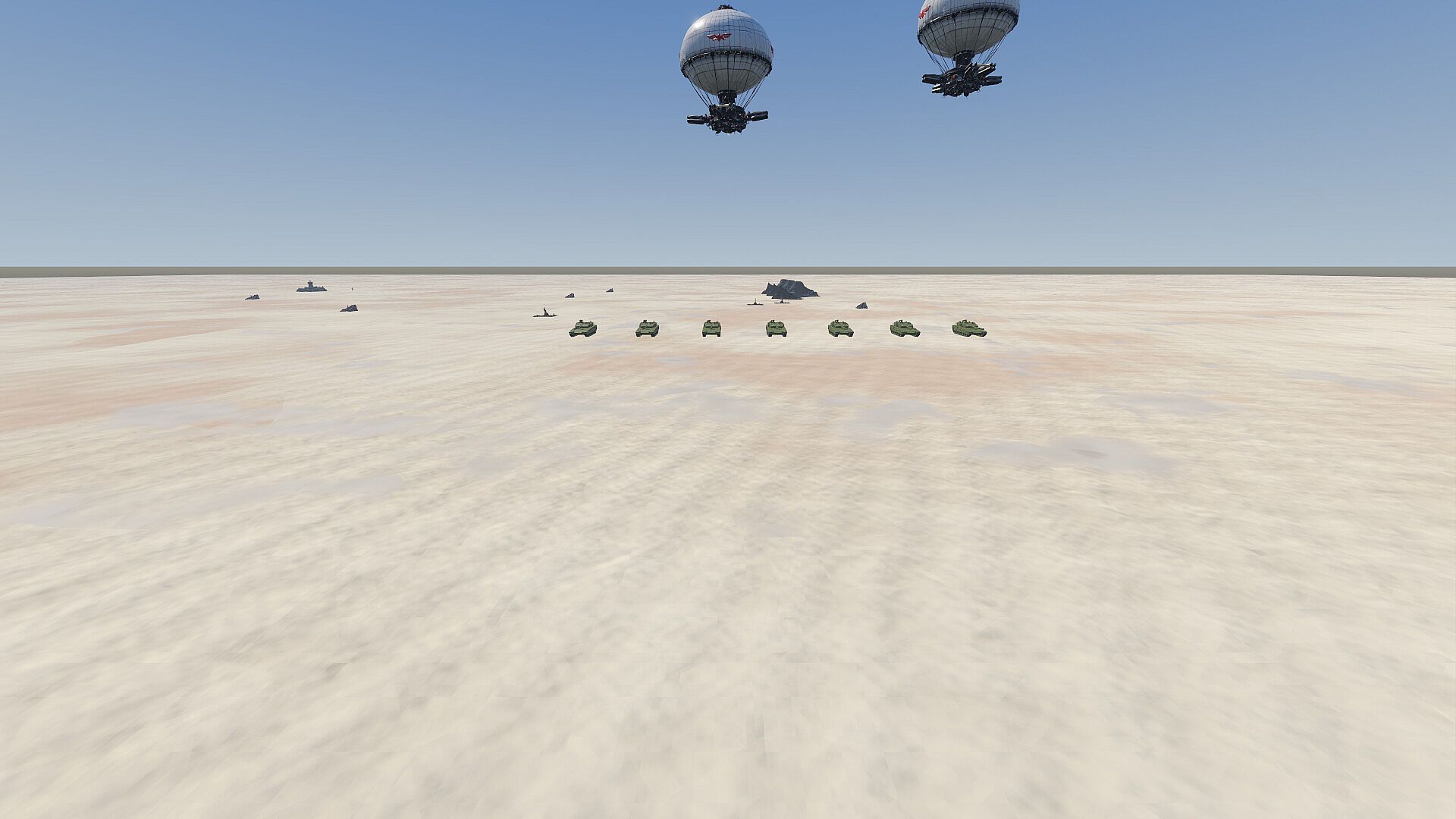
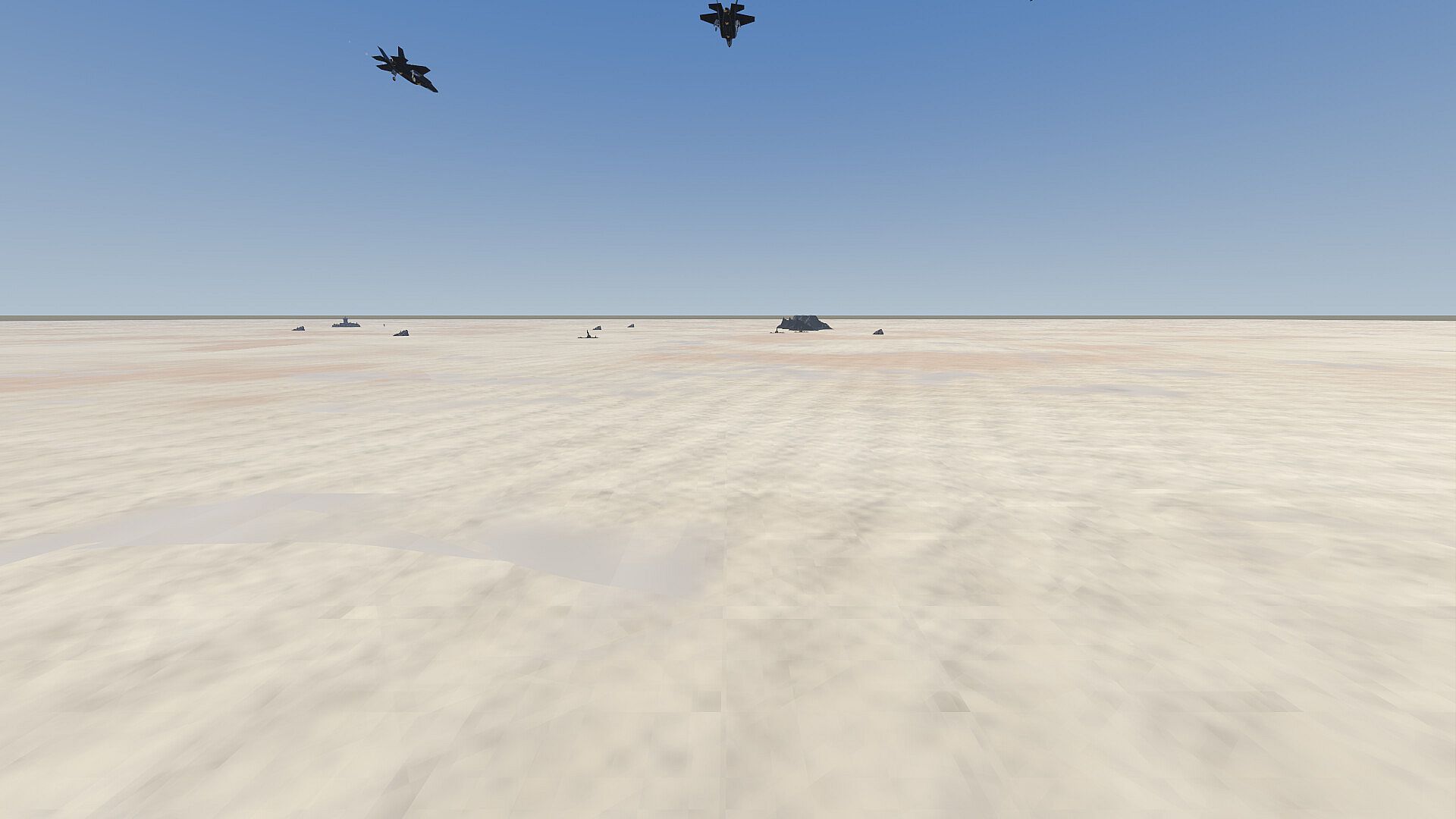
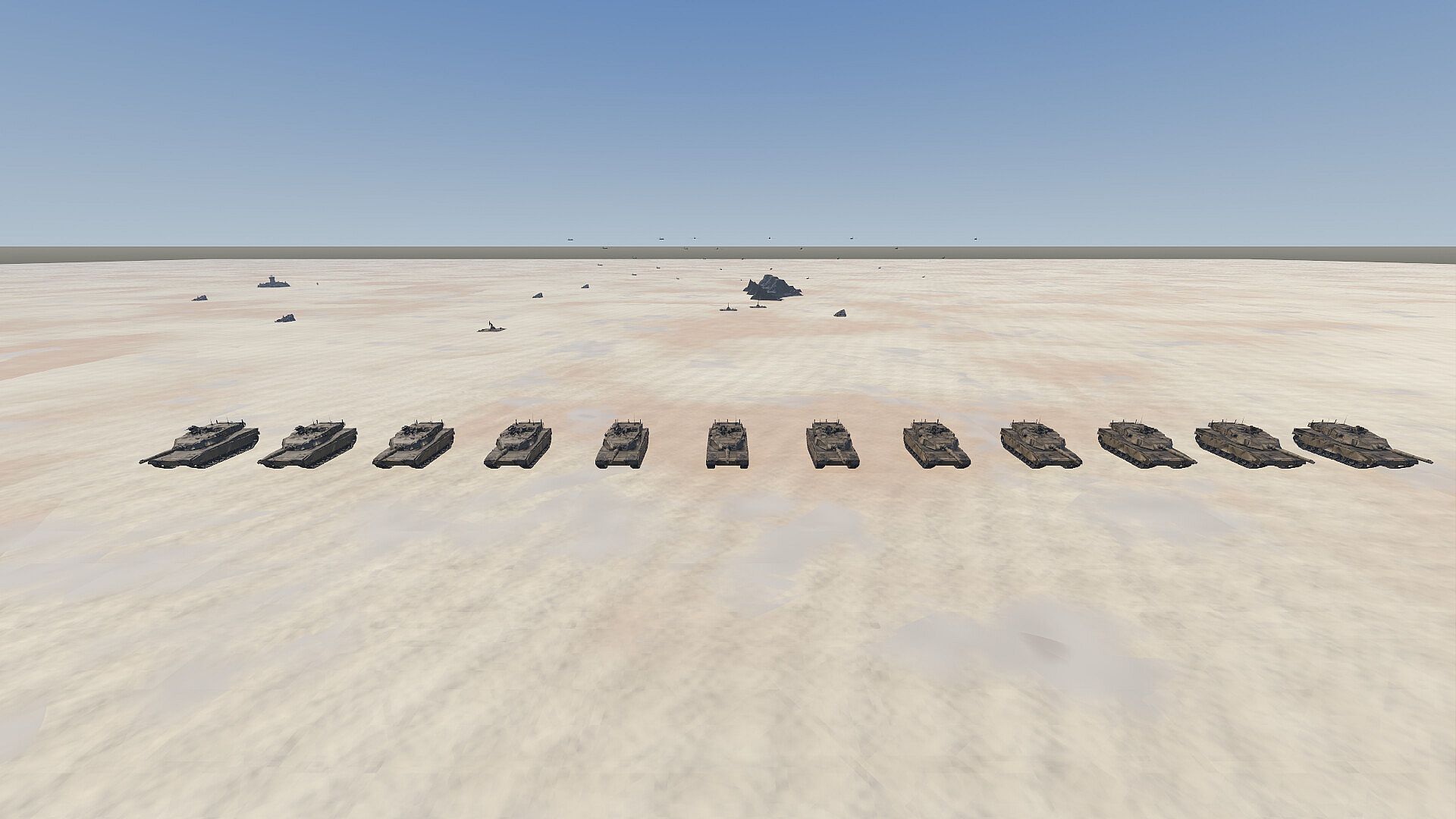
Each faction follows a distinct doctrine. The USA fields expensive, durable, and high-tech units including Abrams tanks, F-35 stealth fighters, F-15 Strike Eagles, F-22 Raptors, and A-10 airstrikes. China relies on cheaper, faster units that emphasize numbers, such as suicide drone swarms, ballistic missiles, siege attack balloons, and a navy built around quantity. A third faction, Russia, remains in development.
National superpowers add another layer. These abilities charge over time and can be activated for effects like reinforcement waves, drone swarms, missile strikes, or lasting economic advantages that shift the momentum of a battle.
Game Modes
Skirmish allows battles against up to three AI opponents on maps that support as many as eight armies total. Four difficulty settings range from straightforward to highly challenging. Survival places the player and one allied AI in defense of a single base against waves of attackers, with resource supply drops available to help last thirty minutes for victory.
Additional options modify standard matches. No Rush introduces a peace timer before combat begins, while More Resources accelerates economy and unit production for larger-scale engagements. Skirmish campaigns support save and load functionality so players can resume progress later.
Multiplayer uses deterministic lockstep networking. Players can host matches and invite others directly for head-to-head play or cooperative matches against AI opponents. A built-in map editor lets users paint terrain that blocks movement, create bodies of water requiring naval forces, position resource fields, add props, and set starting bases per player before exporting maps for others to use.
Factions and Combat Systems
Asymmetric faction design shapes long-term strategy. USA units prioritize quality and resilience at higher cost, suiting players who prefer methodical advances and technological edges. China supports aggressive, swarm-based approaches that reward rapid production and numerical superiority. Unit interactions across domains require adaptation, as no single composition dominates every situation.
Superpower mechanics reward timing and positioning. Activating an ability at the right moment can break a stalemate or defend against an overwhelming push. These tools integrate with the resource economy, since permanent economic bonuses from certain powers can compound advantages over extended matches.
Is It Worth Playing?
Modern Crisis targets fans of classic base-building real-time strategy who value resource management and combined-arms combat in a modern setting. The game remains in active development as an Early Access title, with two factions fully playable alongside skirmish, survival, and multiplayer options. A map editor and save functionality further support repeated play sessions.
Players seeking deep economic trade-offs and domain-specific unit counters will find the systems rewarding. Those who prefer polished single-player campaigns or finished balance may prefer to wait for further updates. The current foundation delivers functional matches with clear progression toward additional content and refinements.