




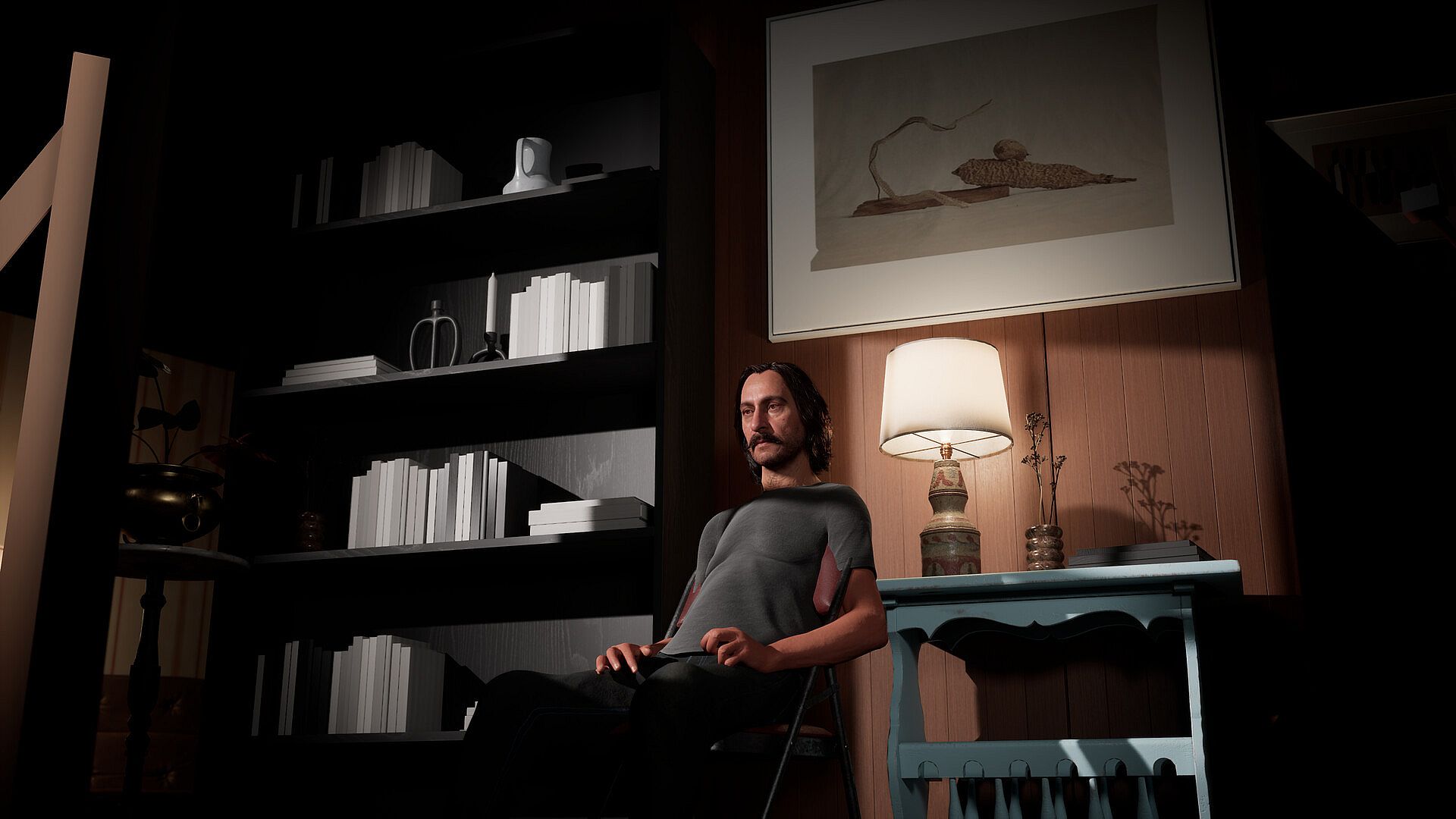
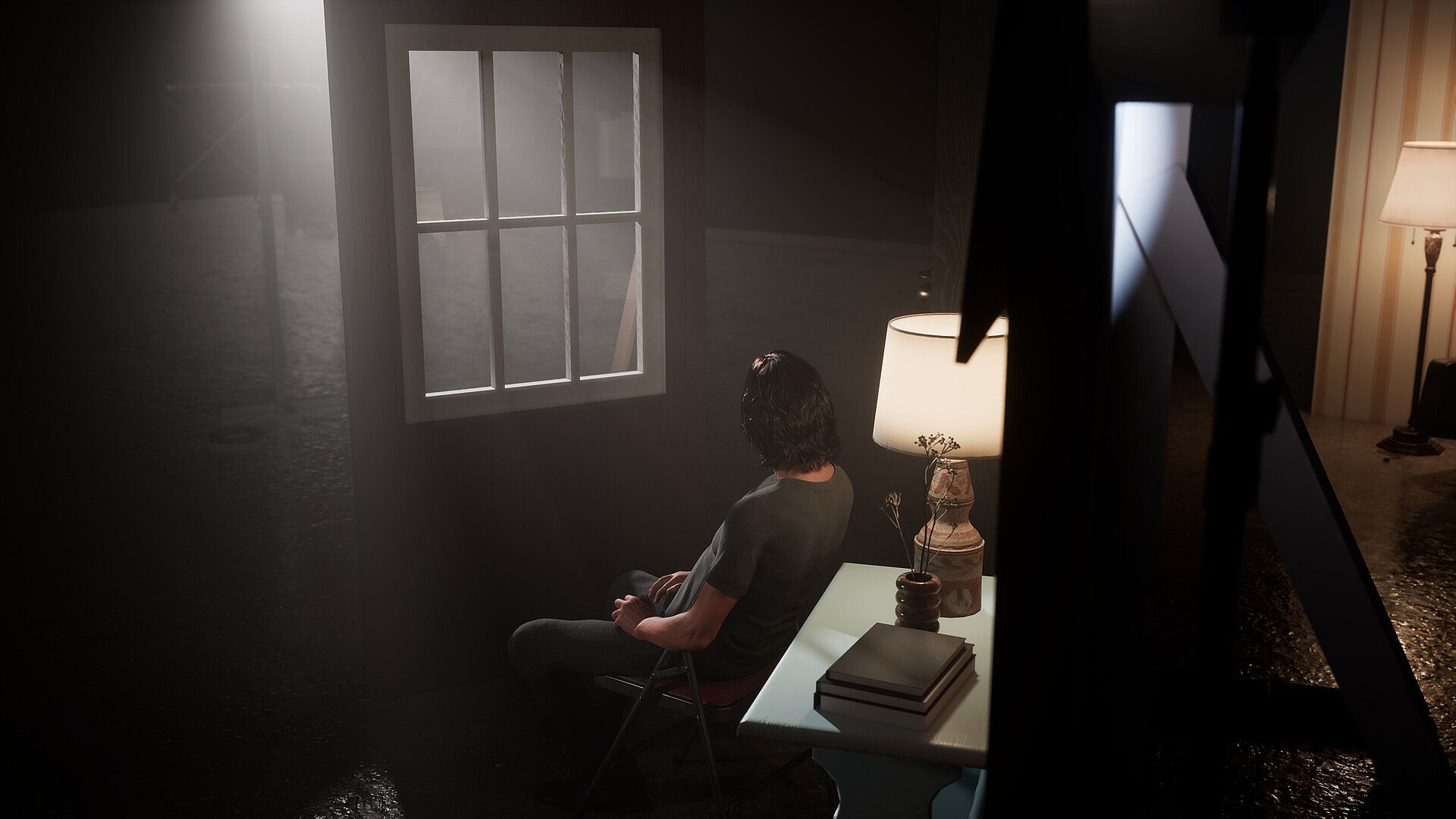
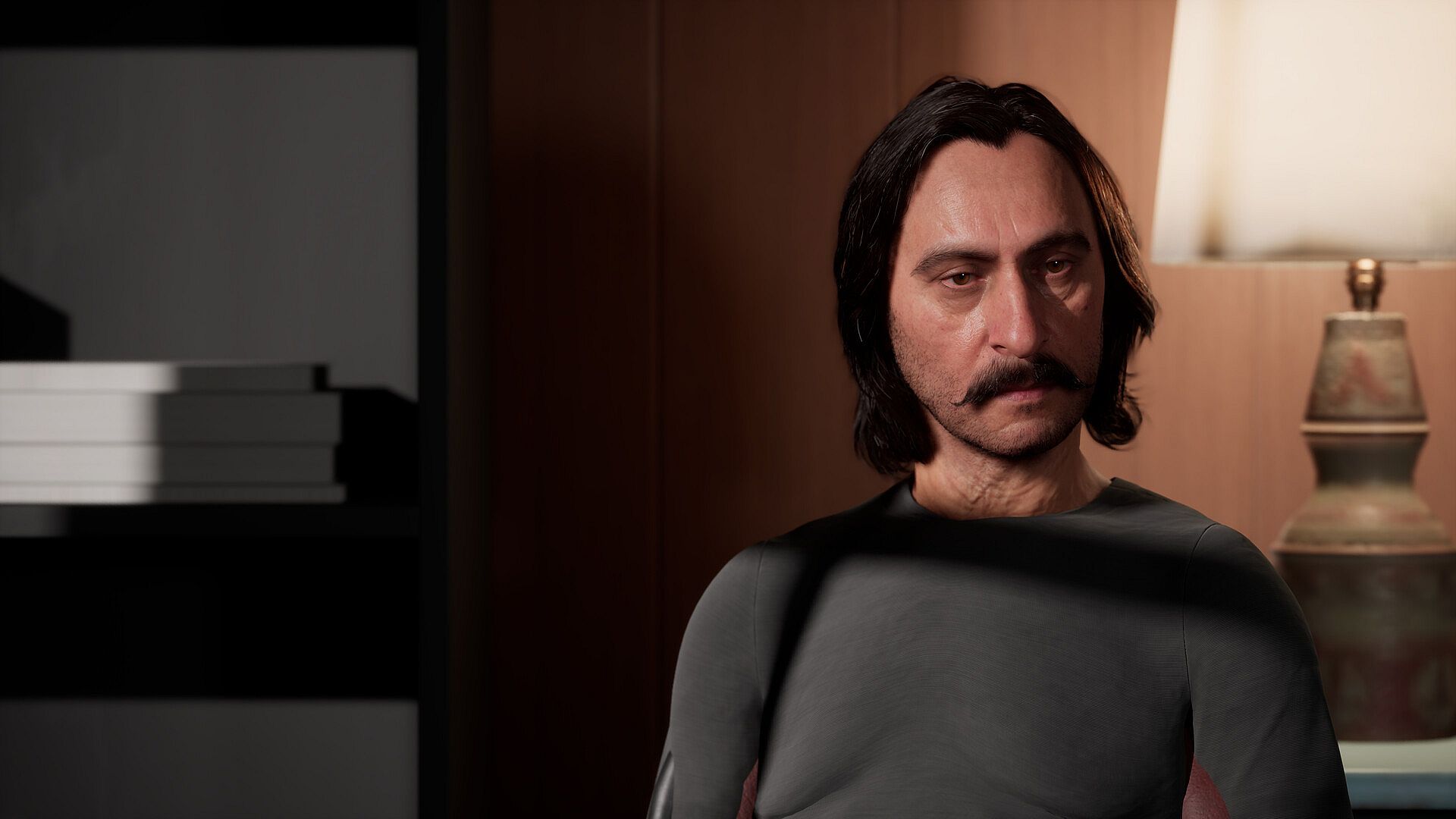
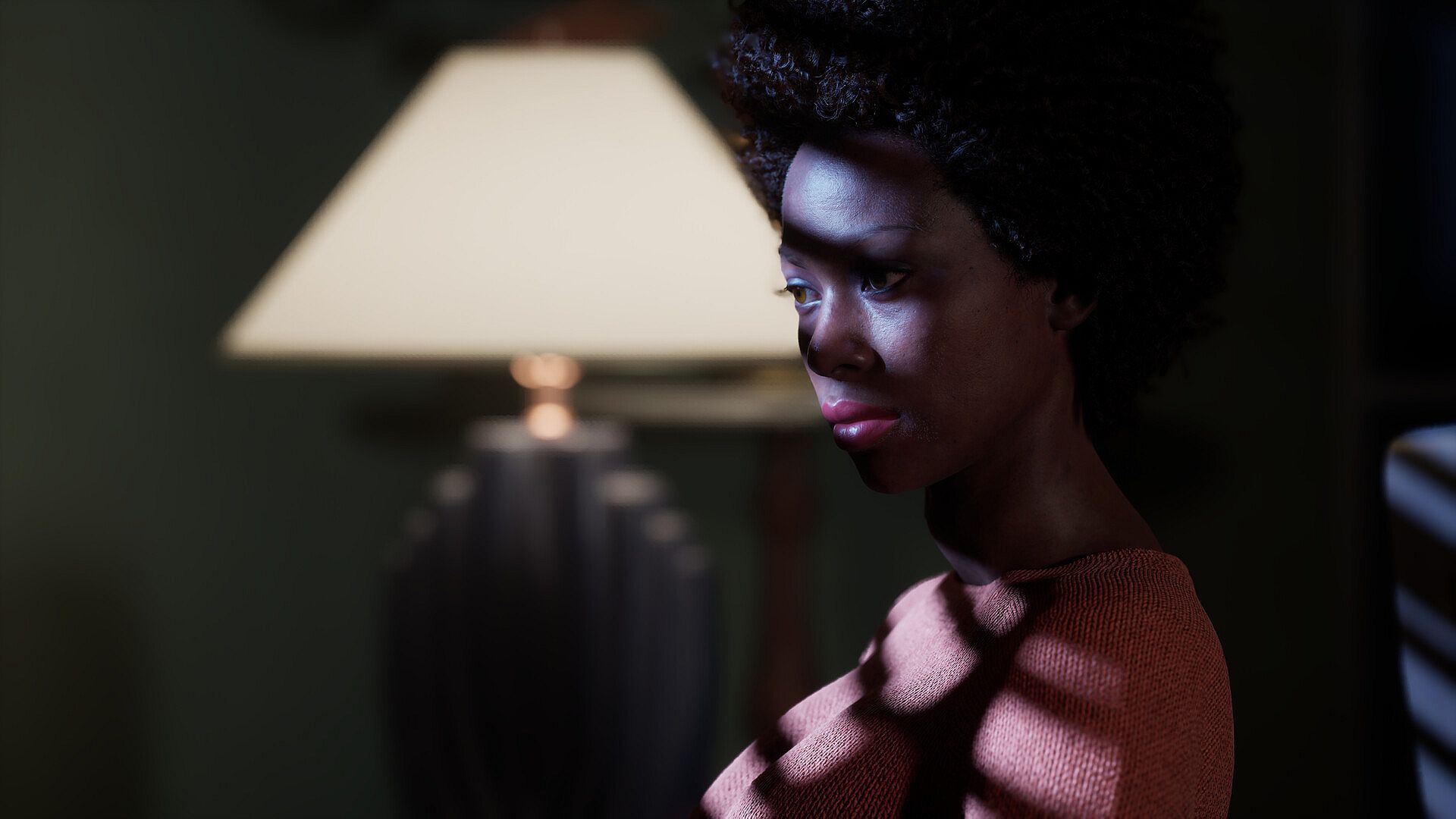
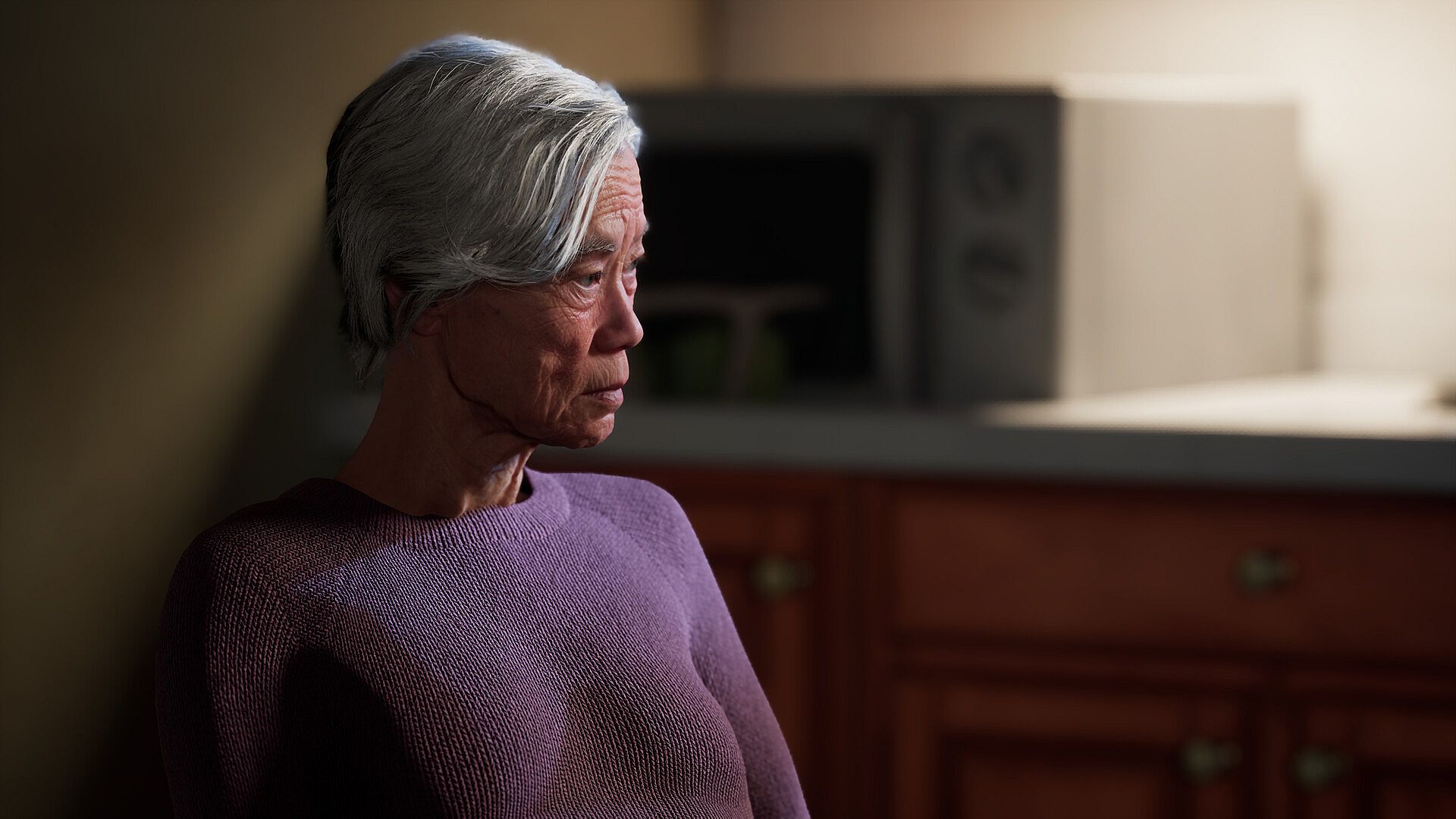

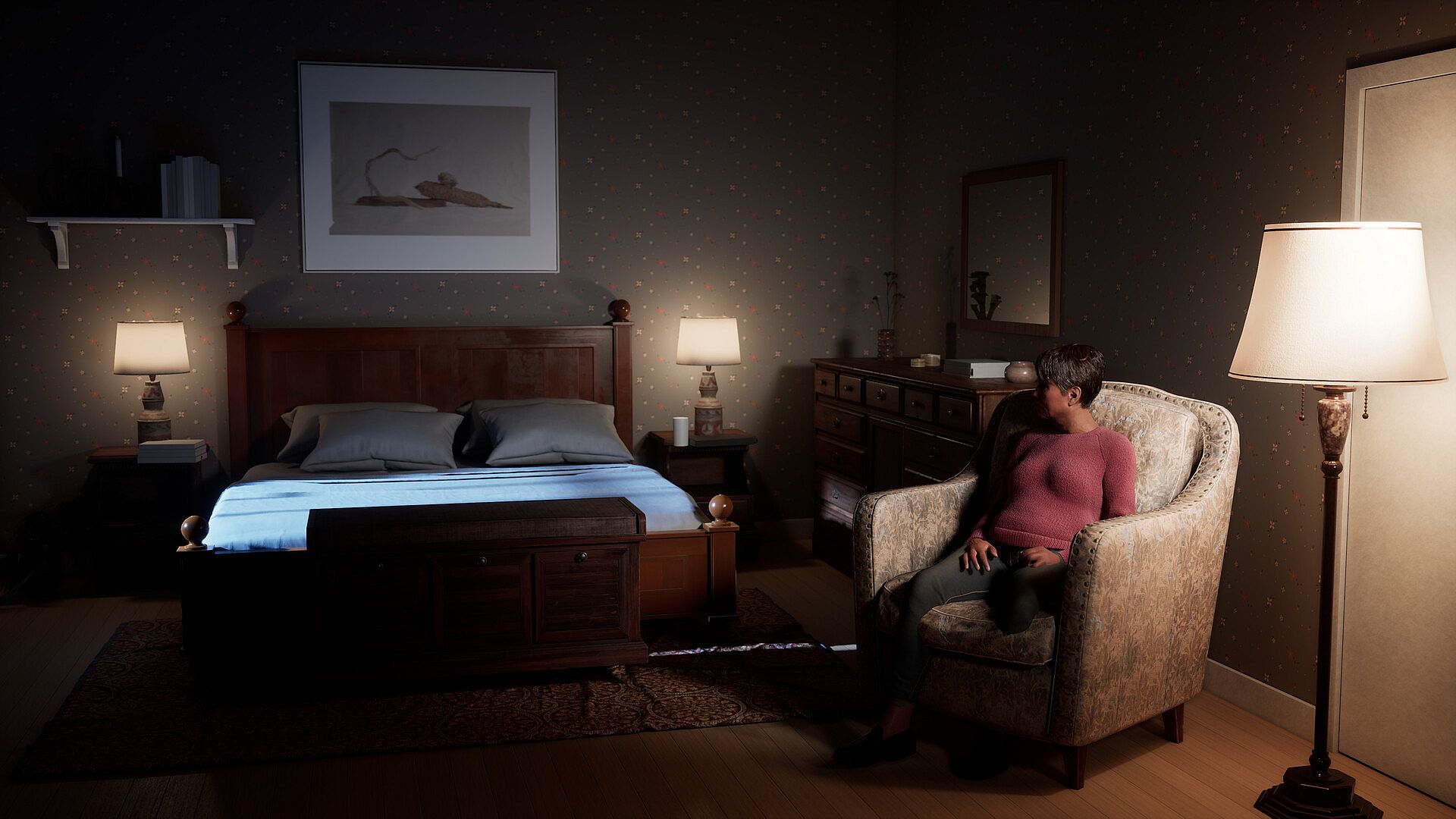
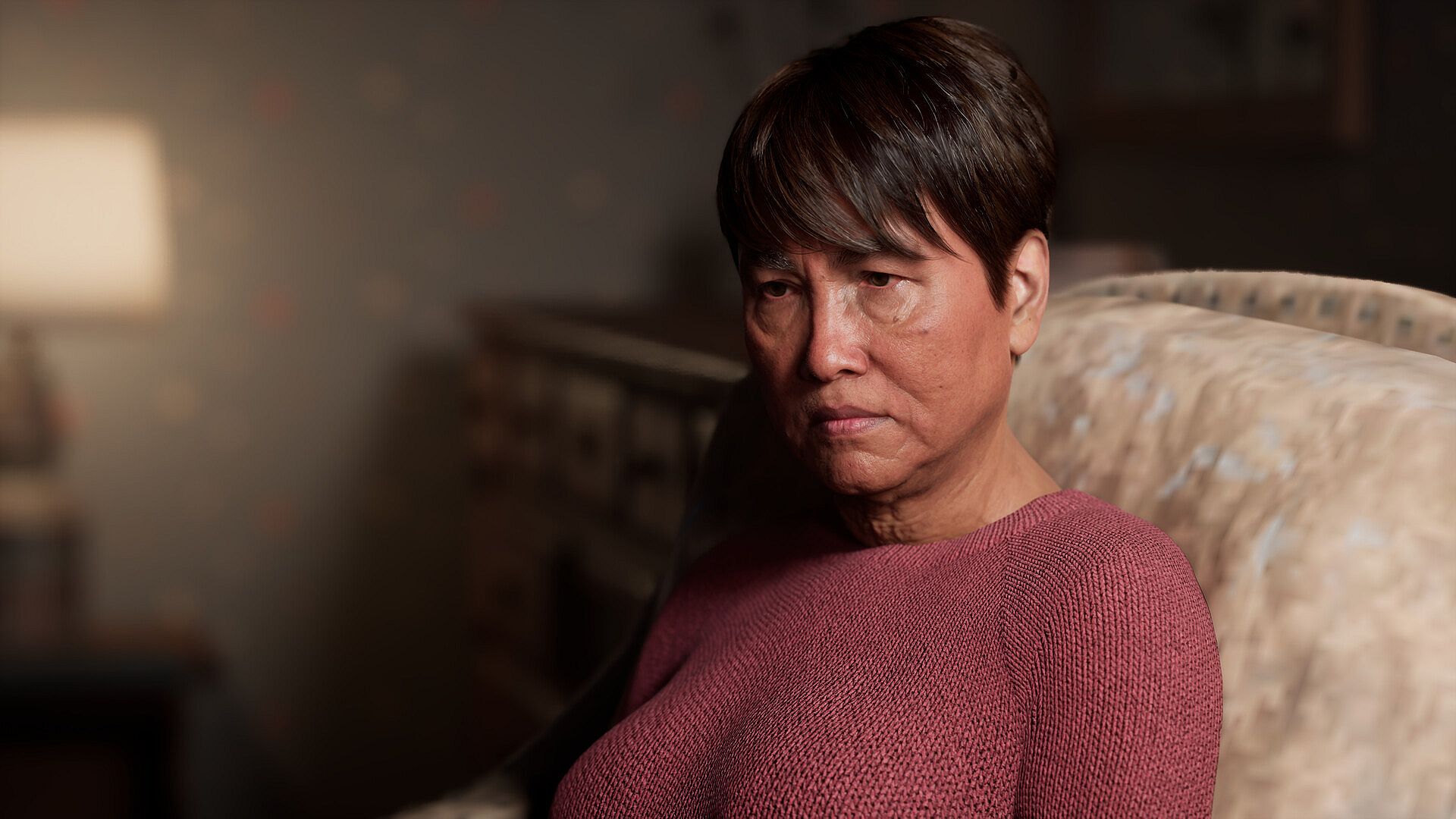
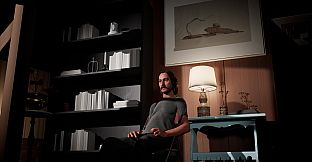
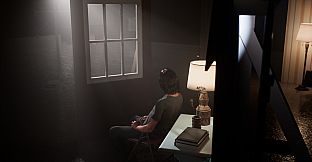



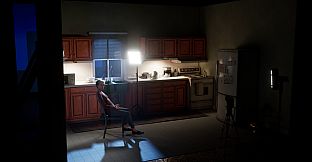
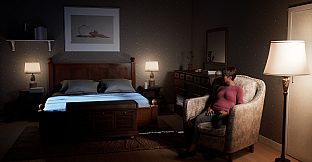

Midnight Set: Film Lighting Simulator is an indie simulation game for PC that places players inside a virtual sound stage to practice cinematography and practical lighting techniques. The experience centers on building sets, positioning real-world grip equipment, metering light values, and capturing shots that receive detailed feedback on technical execution.
Gameplay
Players work with physical light properties measured in lux, Kelvin, beam angle, and dimming values that follow accurate distance falloff. An incident light meter tracks key, fill, and bounce readings in stops, while automated checks validate setups against real photometric calculations. Grip tools include flags, cutters, solids, bounce boards, softboxes, diffusion, and gels mounted on C-stands and gobo arms. Changes to any element update immediately in the meter readings and final image grade.
Set construction uses stock-sized walls, flats, doors, windows, and platforms. Users mix paint colors to control reflectance, apply textures such as wallpaper or brick, and add aging details like cracks or water stains. A full room can be placed at once or assembled piece by piece. The virtual sun matches real-world position, brightness, and shadow movement for any chosen location, date, and time, allowing daylight to enter through set windows.
The camera system replicates professional controls with T-stop, ISO, shutter angle, and white balance settings. Lens choice determines focus and depth of field. On-screen tools provide frame lines, false color, focus peaking, zebras, waveform, and histogram displays. Different camera bodies offer distinct menu layouts and handling characteristics.
Game Modes
The core activity involves completing assignments that specify shot type, mood, and constraints such as fixture limits. After rolling and cutting a take, the frame receives scores across six categories: composition, exposure, lighting, focus, efficiency, and brief match. Results include stars, a pass or fail outcome, and targeted tips explaining the craft principles behind any deductions. Every identical frame produces the same score. Completed takes can be played back for review, and the stage state saves automatically between sessions.
Technical Requirements and Features
Full lighting and exposure grading relies on hardware ray tracing support. DirectX 12 compatible cards without ray tracing still allow the game to run and support all other functions, though grading is unavailable. Real-unit light simulation and meter accuracy remain consistent regardless of graphics hardware.
Is It Worth Playing?
This simulation suits individuals interested in learning or refining on-set lighting skills in a controlled environment before working with live crews and equipment. The emphasis on measurable, physics-based results and immediate feedback makes it a practical training tool for aspiring cinematographers, gaffers, or students of film craft. Those seeking creative set-building combined with technical precision will find the systems align closely with professional workflows. Availability on PC provides straightforward access for anyone with compatible hardware.











