




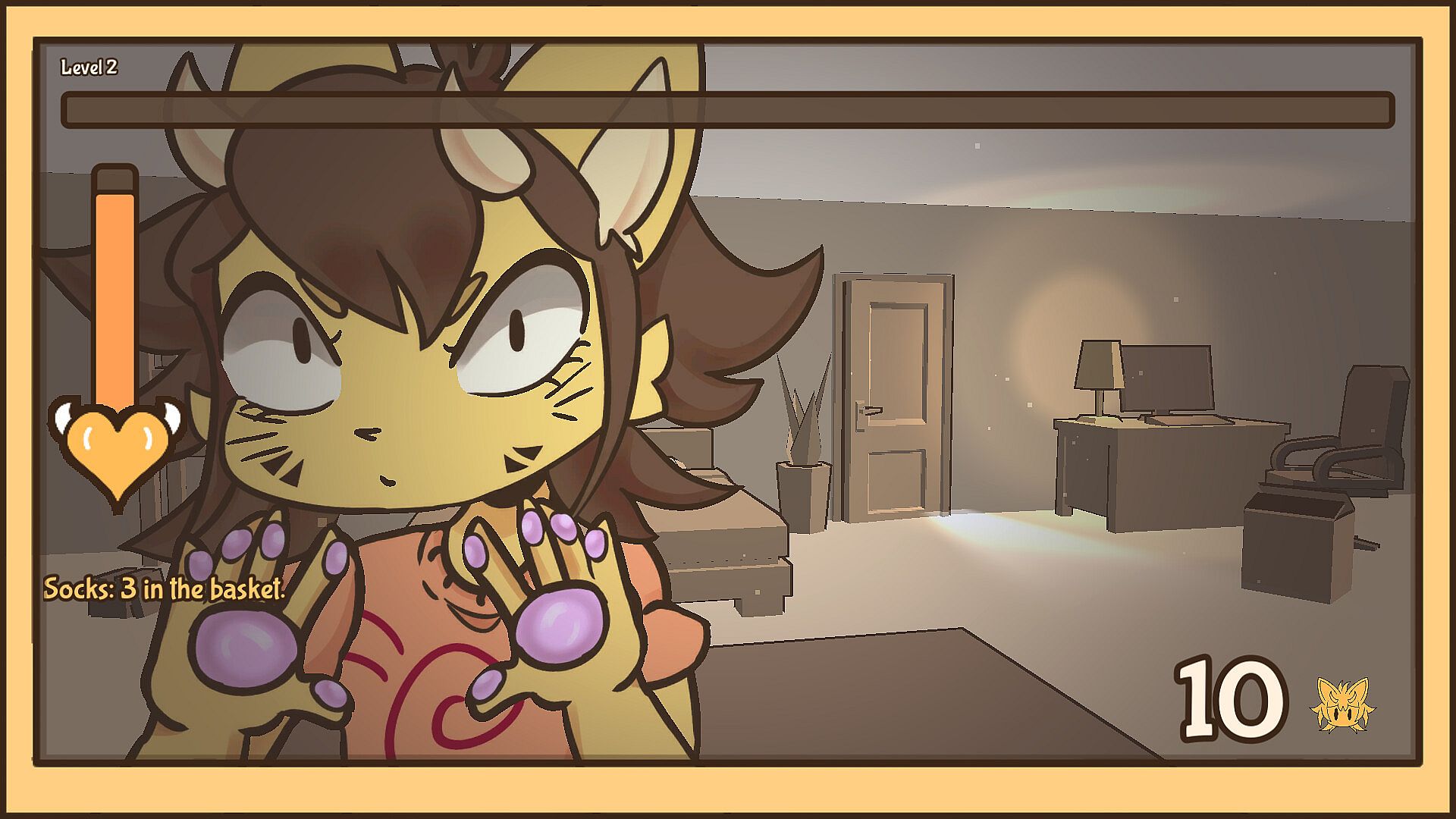










Maple's Secret is an indie casual simulation clicker game built around a tense rhythm mechanic on PC. Players manage careful, timed interactions with a character named Maple while avoiding interruptions from household visitors. The experience centers on a single contained scenario that rewards patience and precise timing over rapid inputs.
Gameplay
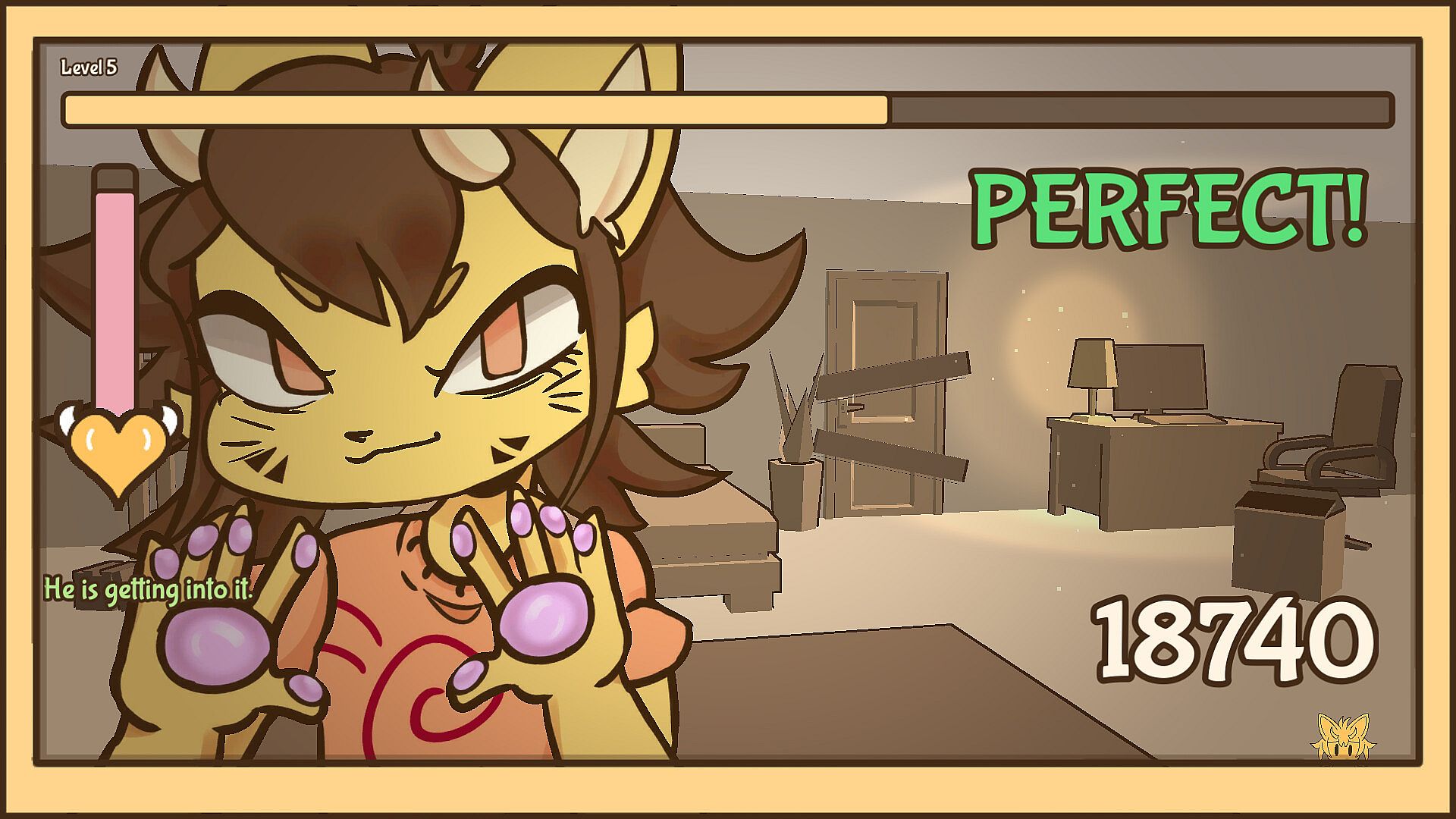
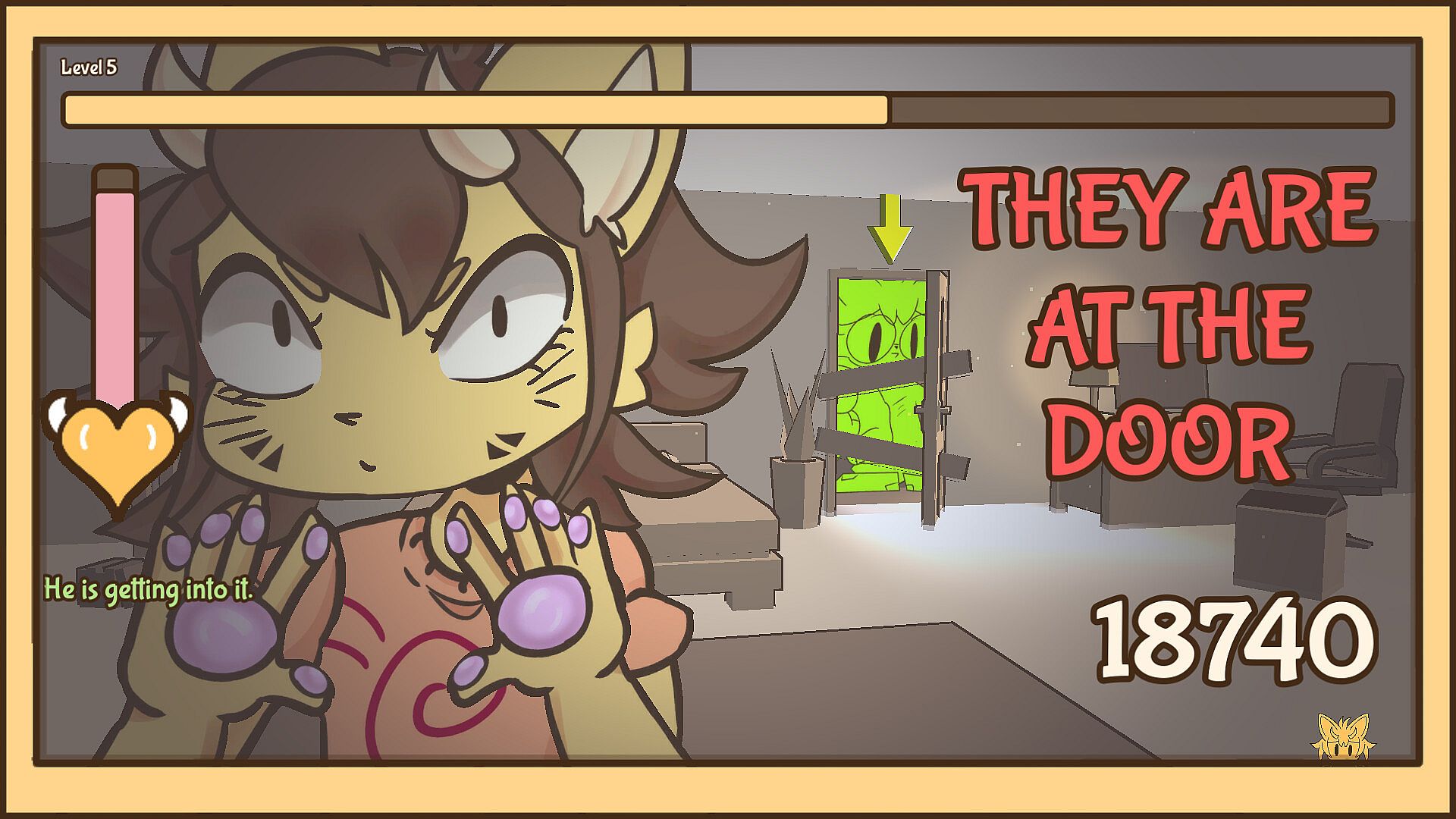
The core loop involves maintaining a steady pace when interacting with Maple. Too quick a rhythm disrupts his response, while delays cause him to lose engagement. Success comes from matching his natural tempo, which builds progress through consistent, measured actions. Interruptions arrive via the door, requiring players to stop immediately upon hearing movement to avoid detection. The door itself becomes an active element, with players able to reinforce it using available items to buy extra time.
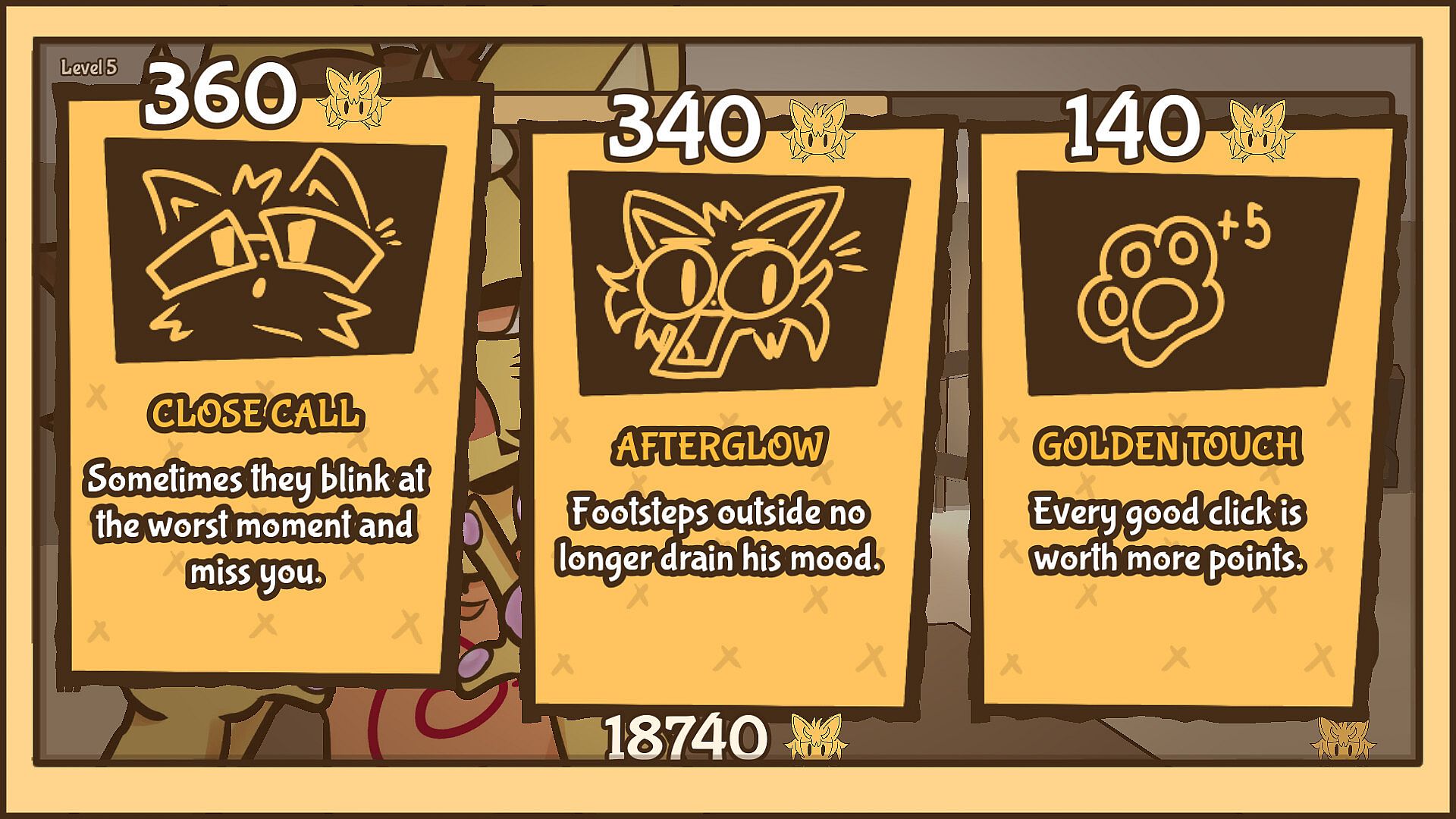
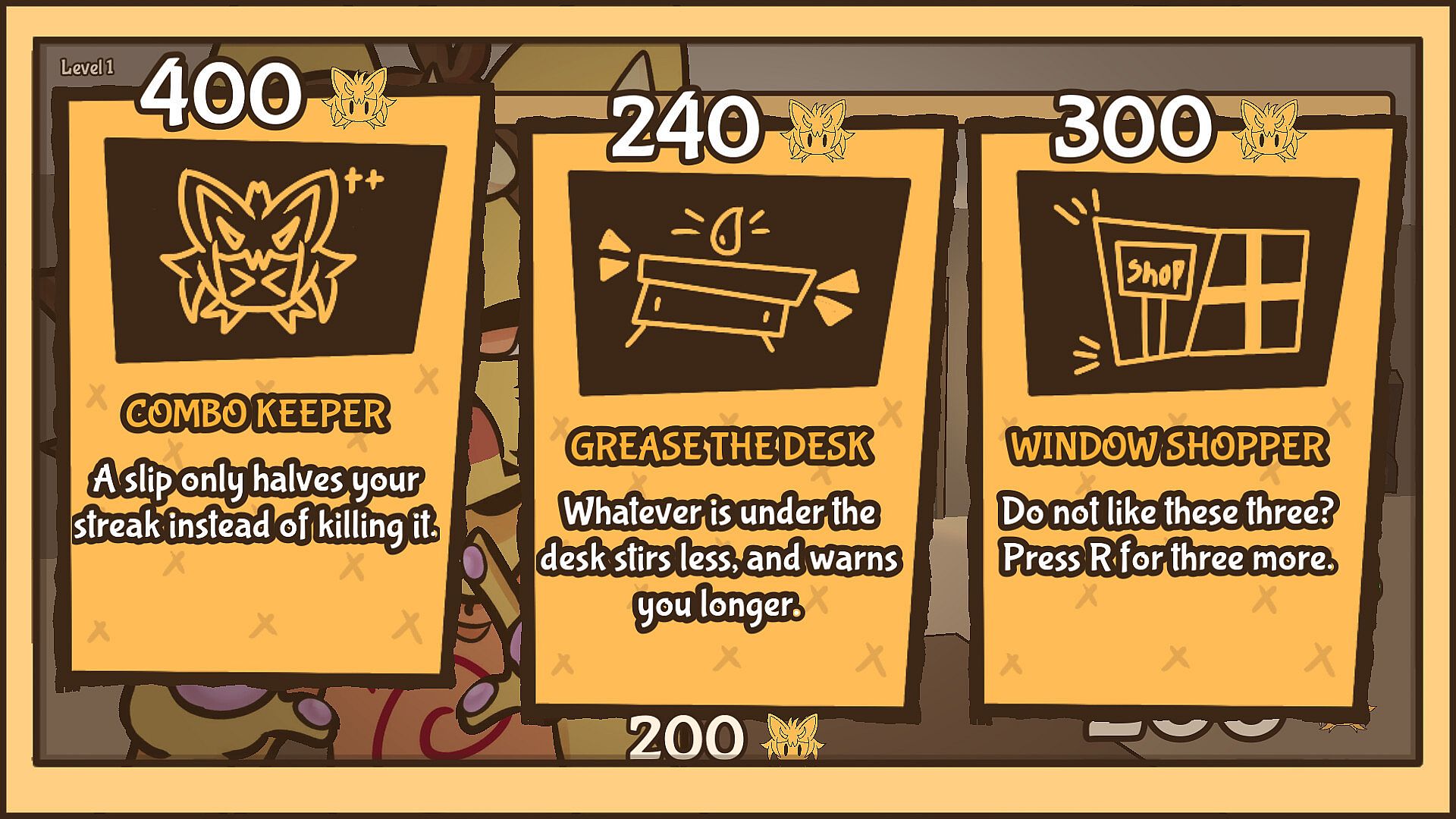
Progression ties directly to these interactions. Each successful sequence advances the night, unlocking choices that alter future attempts. Upgrades appear as selections from small sets of options, allowing customization of hand responses, door behavior, or scoring multipliers. Some choices automate certain reactions, while others extend safe windows or increase rewards from continued play. The system encourages experimentation across multiple runs because new options appear as the night deepens.
Sound design supports the tension. The adaptive track shifts with the current level and intensifies when the door begins to open, providing audio cues that help time reactions without constant visual monitoring. Two distinct failure states exist: detection by an arriving visitor or Maple losing interest entirely. Both outcomes end the session and feed into post-run scoring that tracks peak level, flawless sequences, longest streak, and total points for comparison against prior attempts.
Game Modes
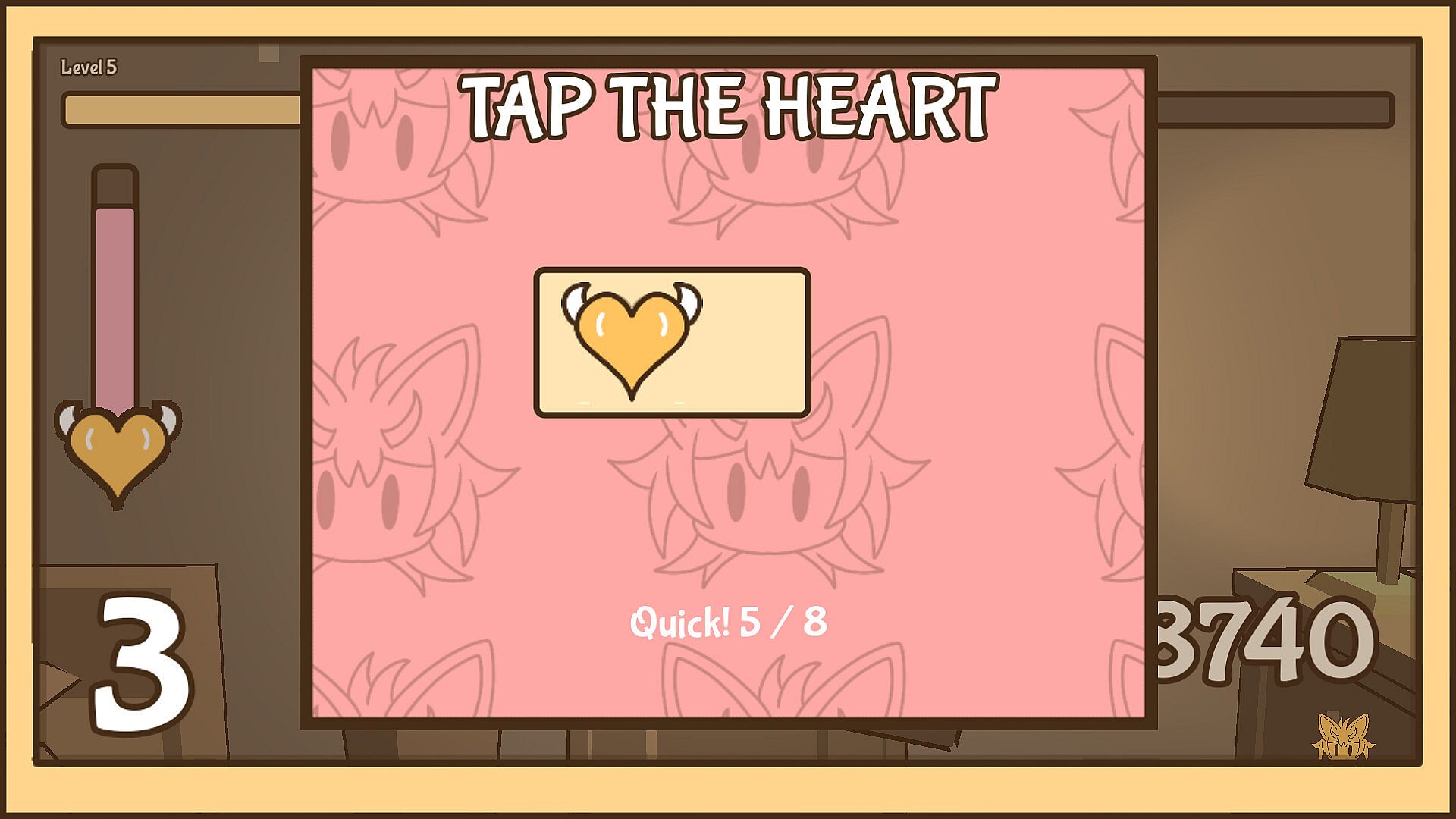
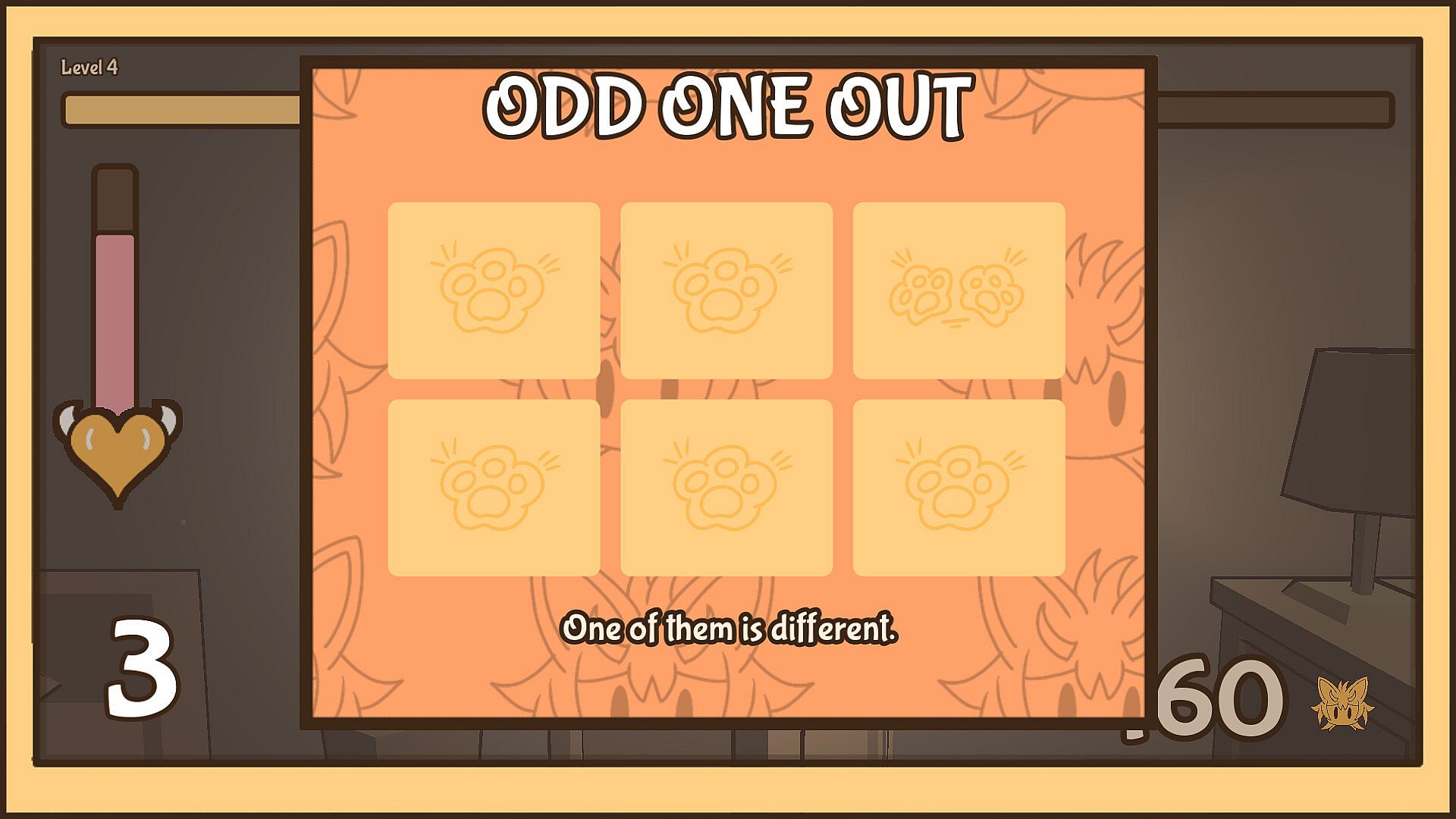
The game features one primary mode centered on surviving a single extended night. Players aim to sustain the rhythm for as long as possible while managing interruptions. Within this structure, short minigames resolve encounters at the door, offering ways to talk through or deflect visitors without ending the session. These interludes integrate directly into the main flow rather than serving as separate activities.
No additional standalone modes exist. All elements, including the upgrade selections and scoring, operate inside the night-long session. Replays focus on improving personal records through different upgrade paths and better timing consistency.
Key Mechanics and Systems
Upgrade selection uses a card system that presents three options per level, with one kept for the remainder of the run. Early choices focus on basic improvements such as automatic hand withdrawal or extra door reinforcements. Later selections unlock more advanced effects once deeper progress is reached. Rerolls allow players to skip unwanted sets and draw fresh options.
The rhythm element demands attention to Maple's feedback rather than button mashing. Visual and audio responses indicate when the pace feels right, rewarding players who settle into a sustainable pattern. Overperformance triggers secondary effects under the desk that add further risk and reward layers to extended sessions.
Is It Worth Playing?
Maple's Secret targets players who enjoy short, focused sessions built on timing precision and light risk management. The contained scope suits those seeking a single-sitting experience with replay value through upgrade variety and personal best chasing. Because the title remains unreleased, current interest centers on the detailed description of its rhythm and interruption systems. Individuals drawn to casual simulation titles with suggestive themes and straightforward mechanics may find the approach appealing once it becomes available. Those preferring longer campaigns or multiplayer elements will likely look elsewhere. The emphasis on deliberate pacing over frantic action sets clear expectations for the intended audience.