


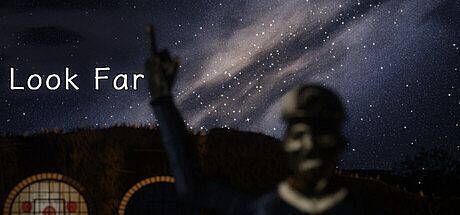


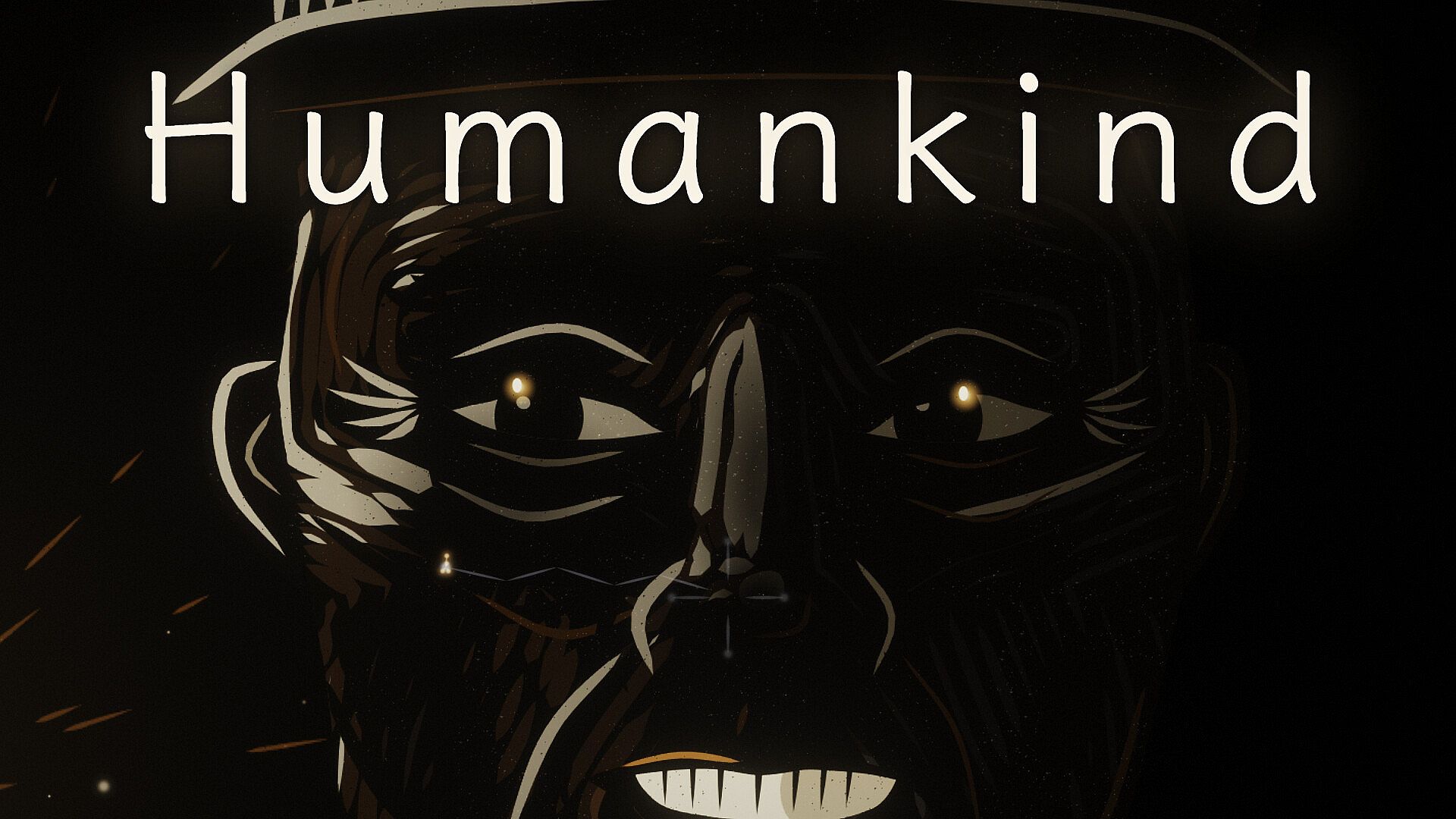
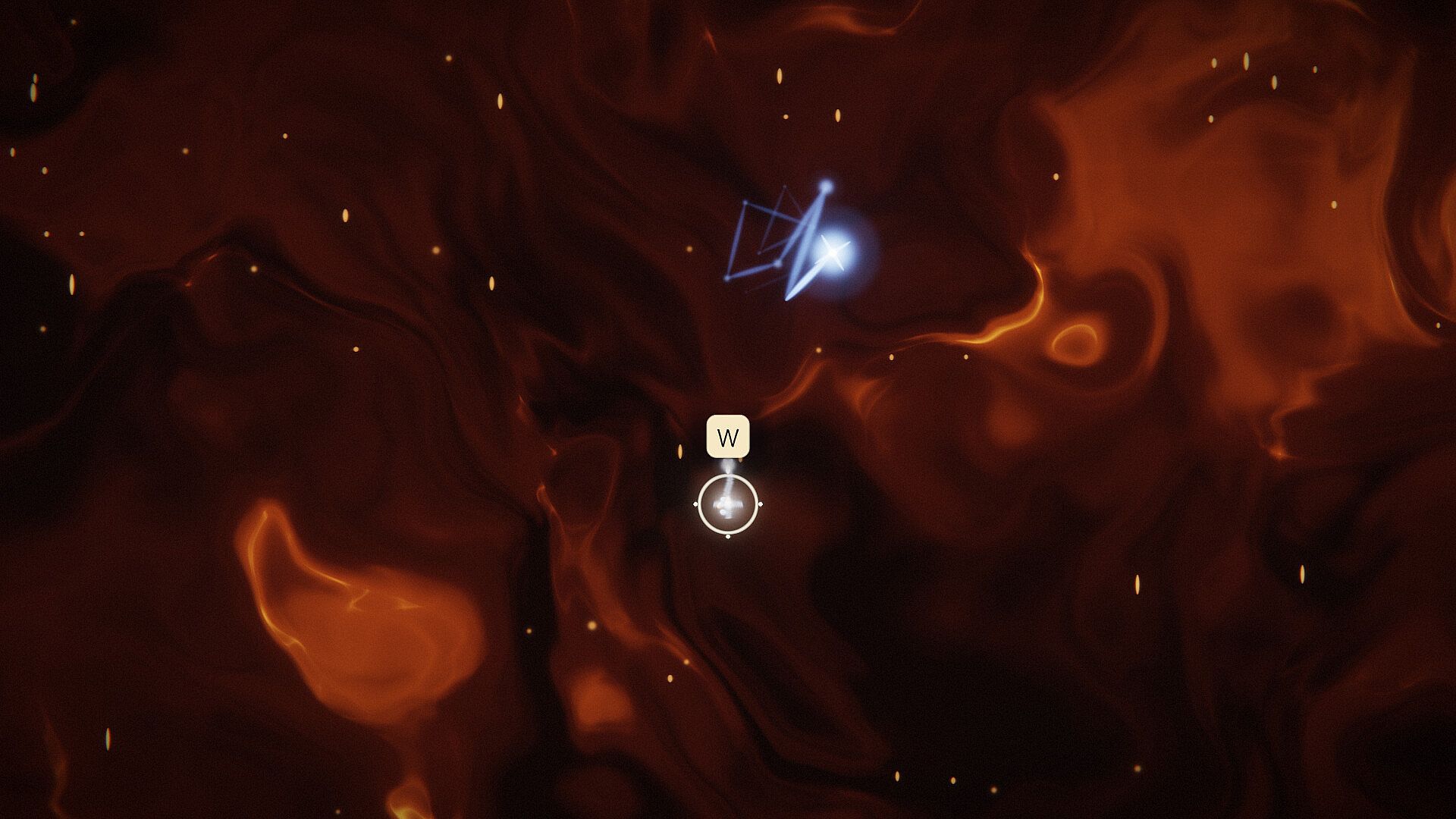
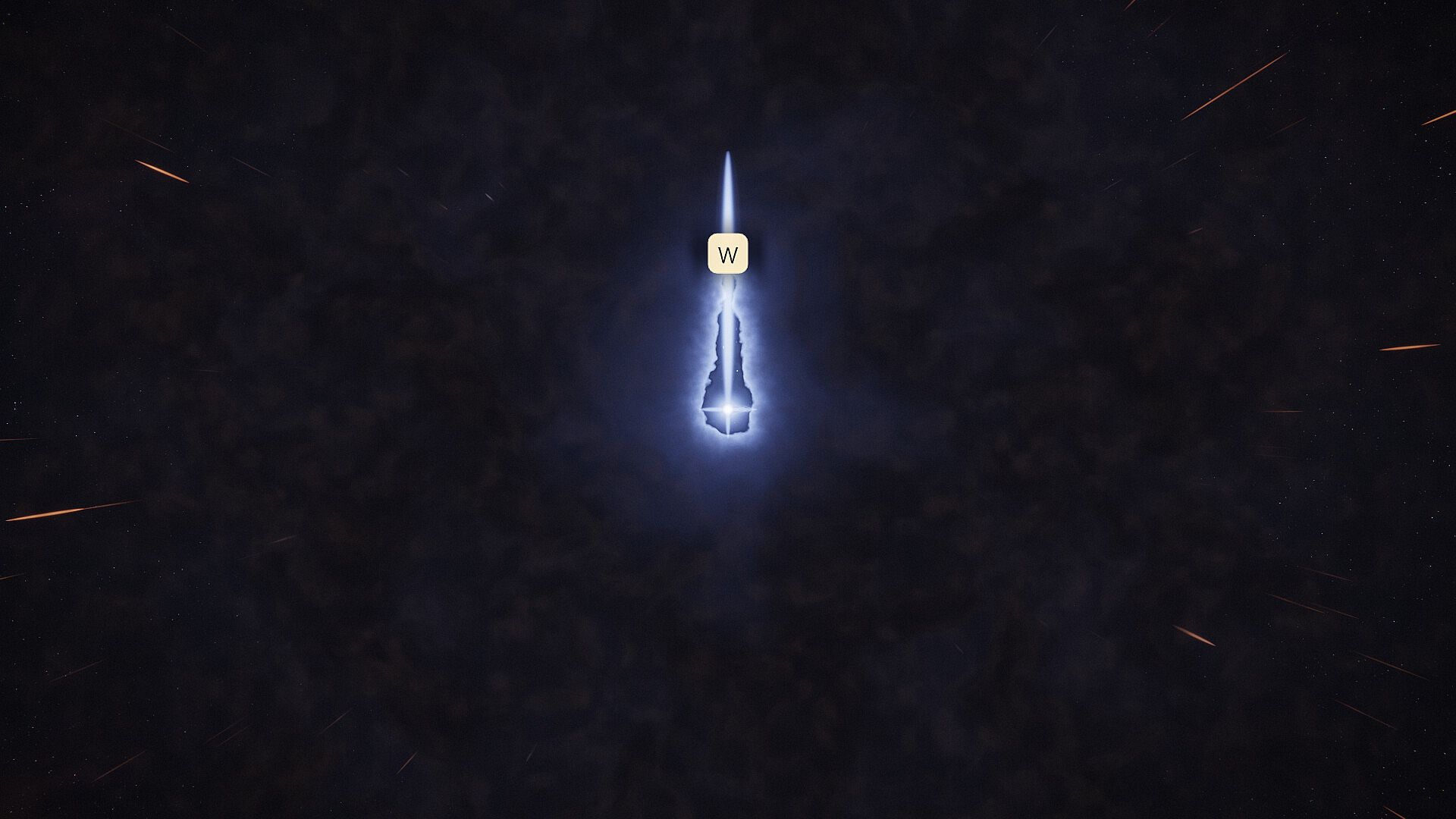
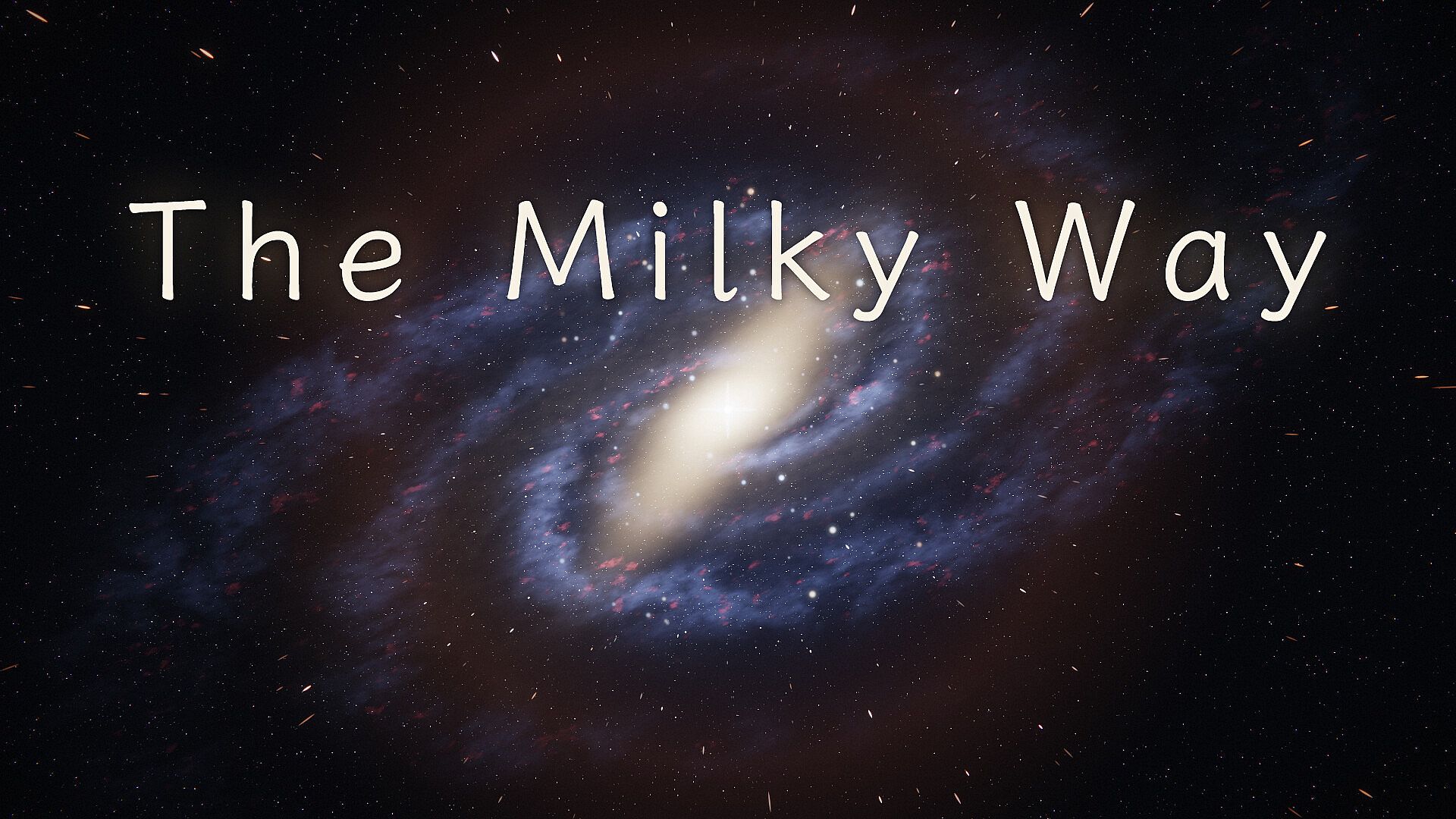

Look Far is an indie narrative adventure game set on PC that follows the path of a single carbon atom across billions of years. Born inside a star alongside a beam of light, the atom begins a solitary journey after sending the light outward. The experience unfolds as a reflective single-player story that traces cosmic origins, planetary formation, and the emergence of life on Earth before settling into intimate human moments.
Gameplay
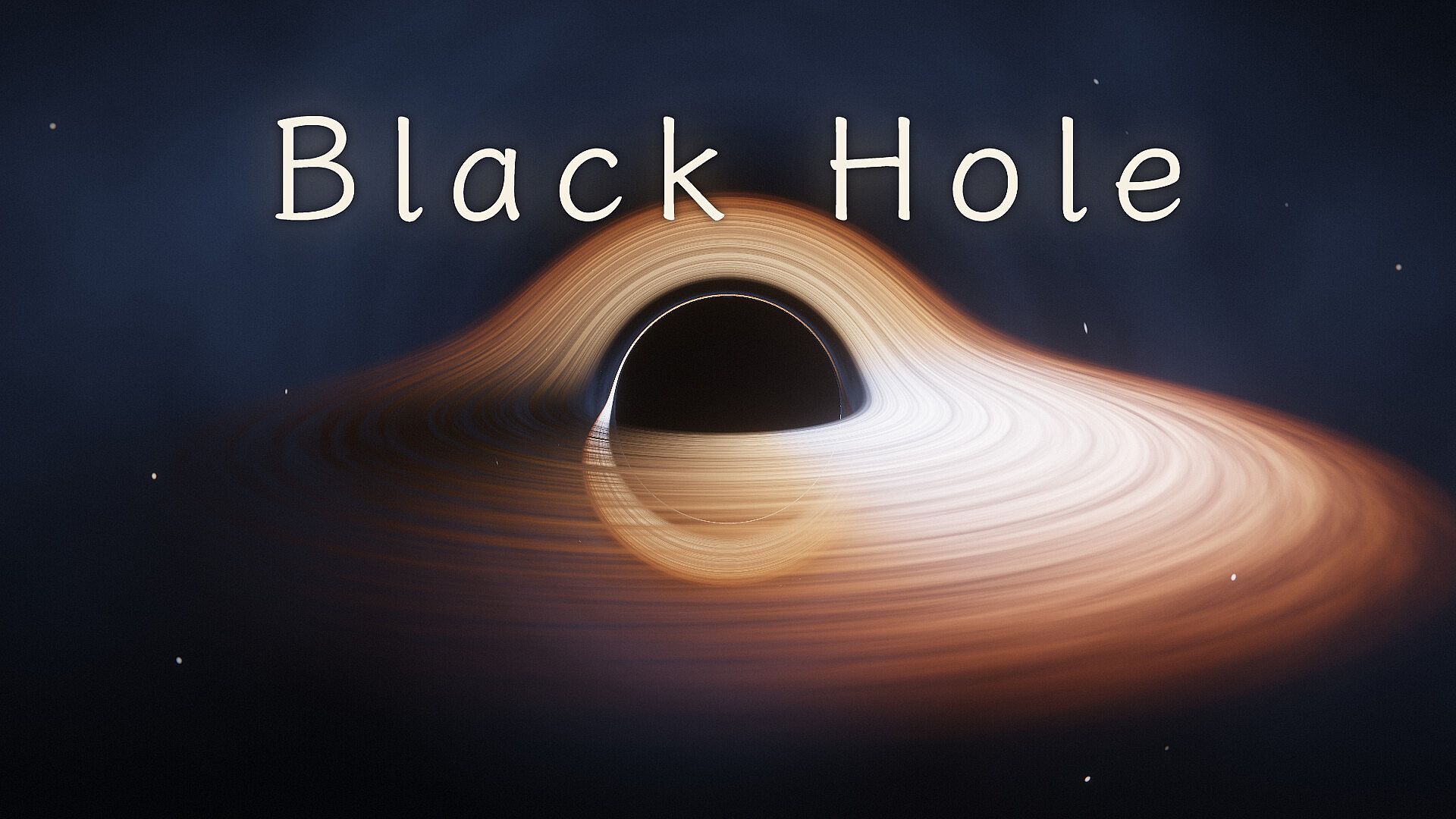
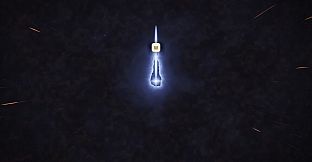
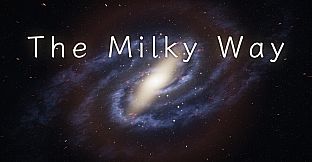
The core loop centers on observation and progression through a sequence of connected scenes. Players move through environments that represent stages in the atom's history, from the collapse of its parent star to the cooling of a young planet and the first stable bodies of water. Later sections shift focus to terrestrial life, with the atom drifting through ancient seas, becoming part of early vegetation, and eventually lying buried in sediment for vast stretches of time. The narrative advances at a measured pace, emphasizing quiet transitions rather than active challenges or resource management.
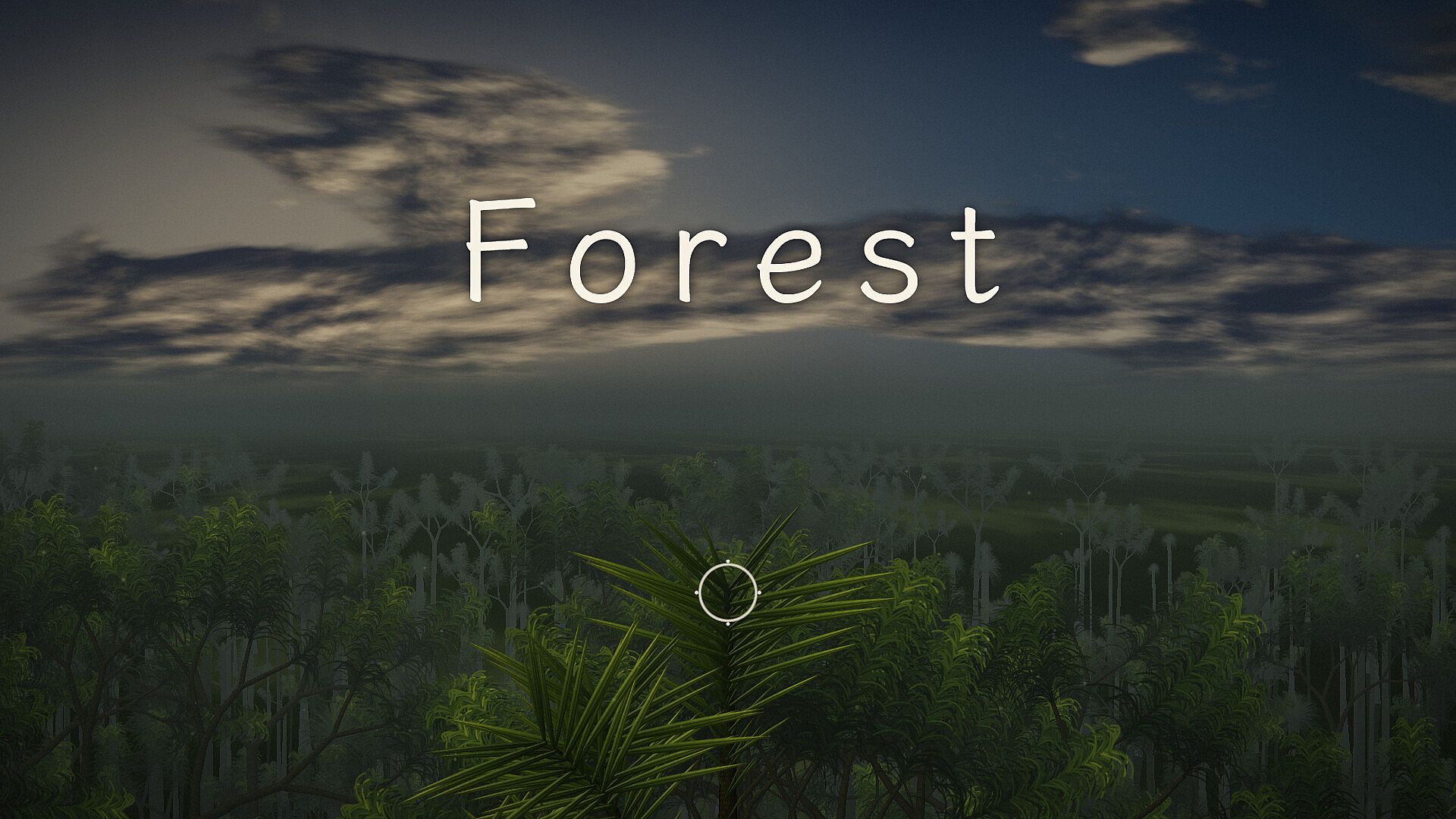
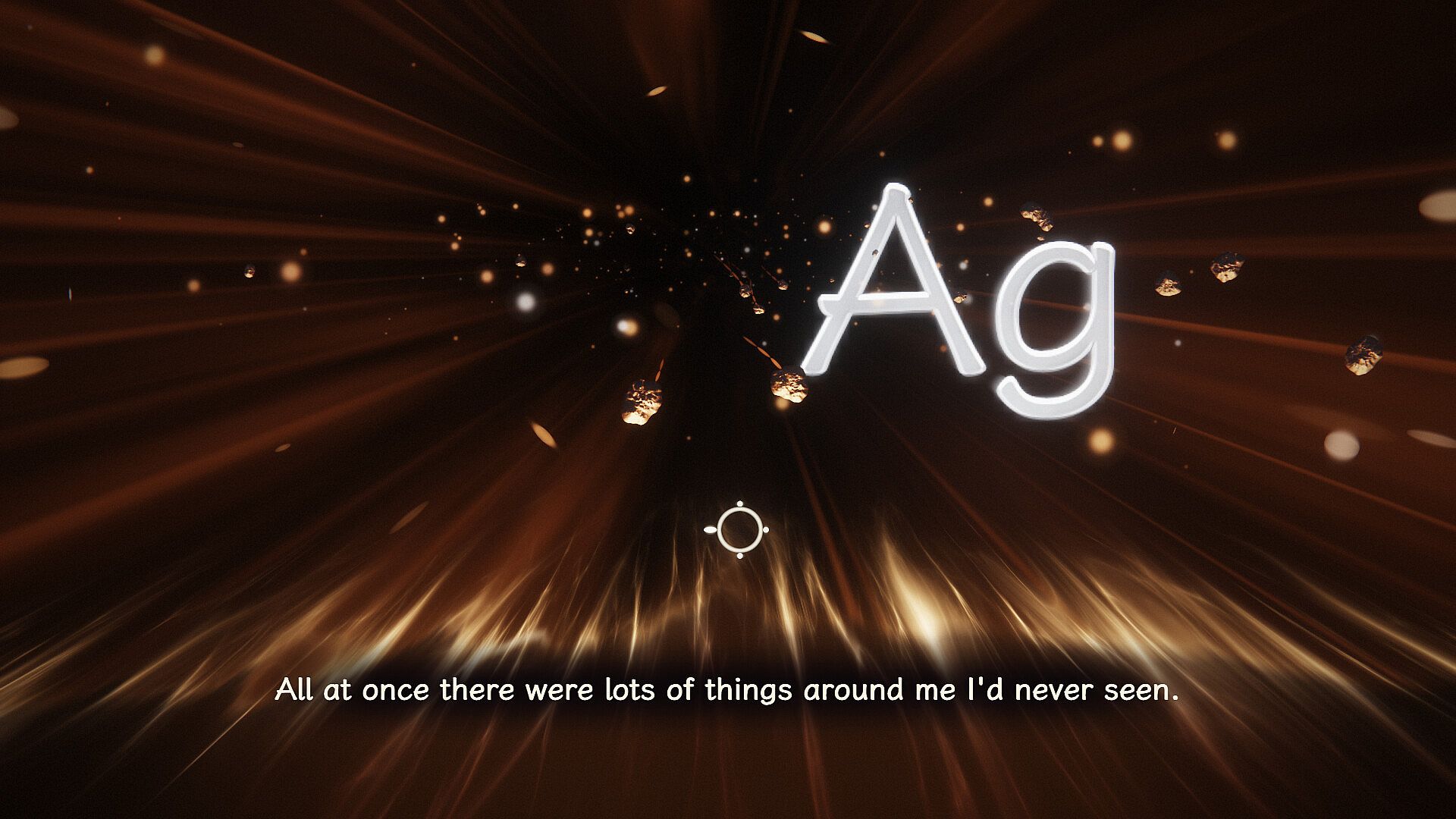
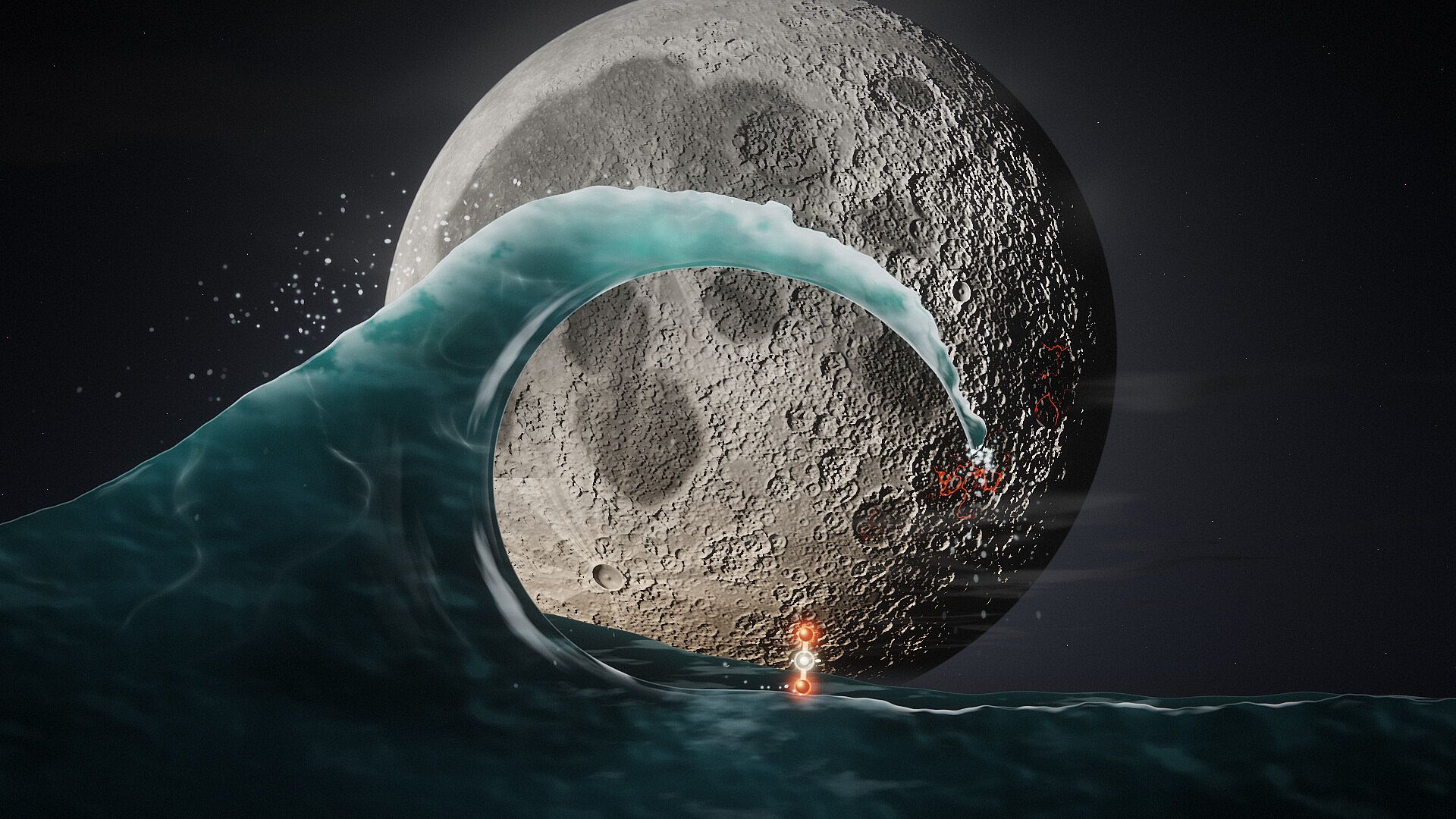
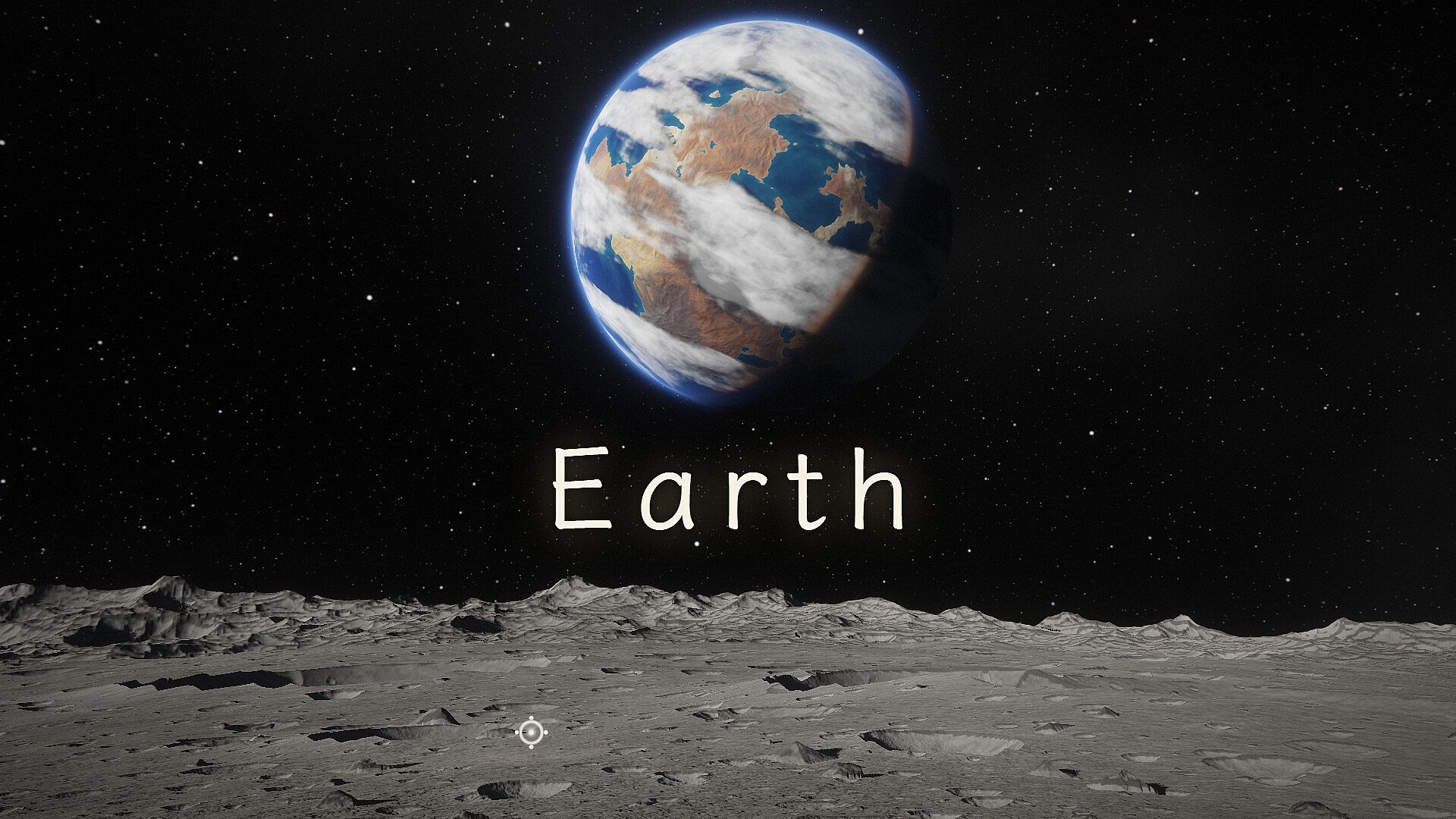
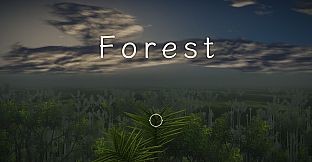
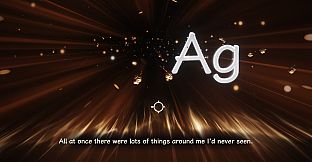
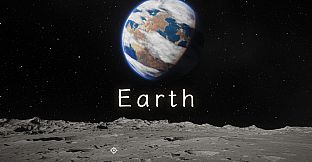
Visual and atmospheric details carry the weight of the experience. Scenes evolve from stellar interiors to lunar vantage points overlooking a waterless Earth, then to forests, mud layers, and finally a modest human dwelling warmed by a stove. Interaction remains minimal and purposeful, allowing the story's poetic structure to guide attention toward specific moments such as rain forming on the surface or stars becoming visible through a child's eyes. The journey closes with a reminder that the original beam of light continues its travel unchanged while eons pass for the atom.
Game Modes
Look Far offers a single continuous narrative experience. There are no separate modes, competitive elements, or branching paths that alter the fundamental sequence of events. The entire game functions as one cohesive story that players follow from beginning to end, with the atom's perspective serving as the sole viewpoint throughout.
Story and Themes
The narrative weaves together vast timescales and personal scale. Early chapters cover the atom's departure from its star, the formation of a new sun from gathered dust, and the gradual appearance of oceans on a distant planet. Subsequent sections compress geological eras into the atom's passage through water, leaves, and deep sediment before emerging into a village setting. The final portion narrows to everyday human activities: a child gazing at the night sky, the construction of a simple telescope, and quiet nights spent watching the stars. These elements highlight connections between cosmic events and individual perception without introducing external conflict or multiple viewpoints.
Is It Worth Playing?
Look Far suits players who value contemplative, story-focused indie adventures over action or systems-driven gameplay. Its strength lies in the precise, poetic framing of the atom's journey and the way it compresses immense history into a series of still, evocative images. Because the game remains in development with a planned 2026 release and currently has no player reviews or completed content available, any decision to play will depend on interest in its unique premise once it launches. Those drawn to narrative experiences that explore time, light, and observation will find the described concept distinctive, while players seeking varied mechanics or replayability may prefer other titles in the genre.











