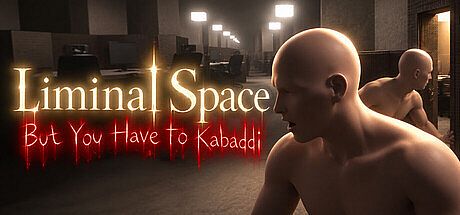










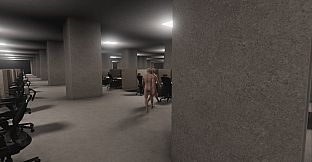
Liminal Space But You Have to Kabaddi is a casual online co-op liminal horror game available on PC. Players explore unsettling environments that resemble everyday locations while relying on their voices to survive outside designated safe zones. The core requirement involves chanting the word kabaddi into a microphone to maintain health for yourself and nearby teammates.
Gameplay
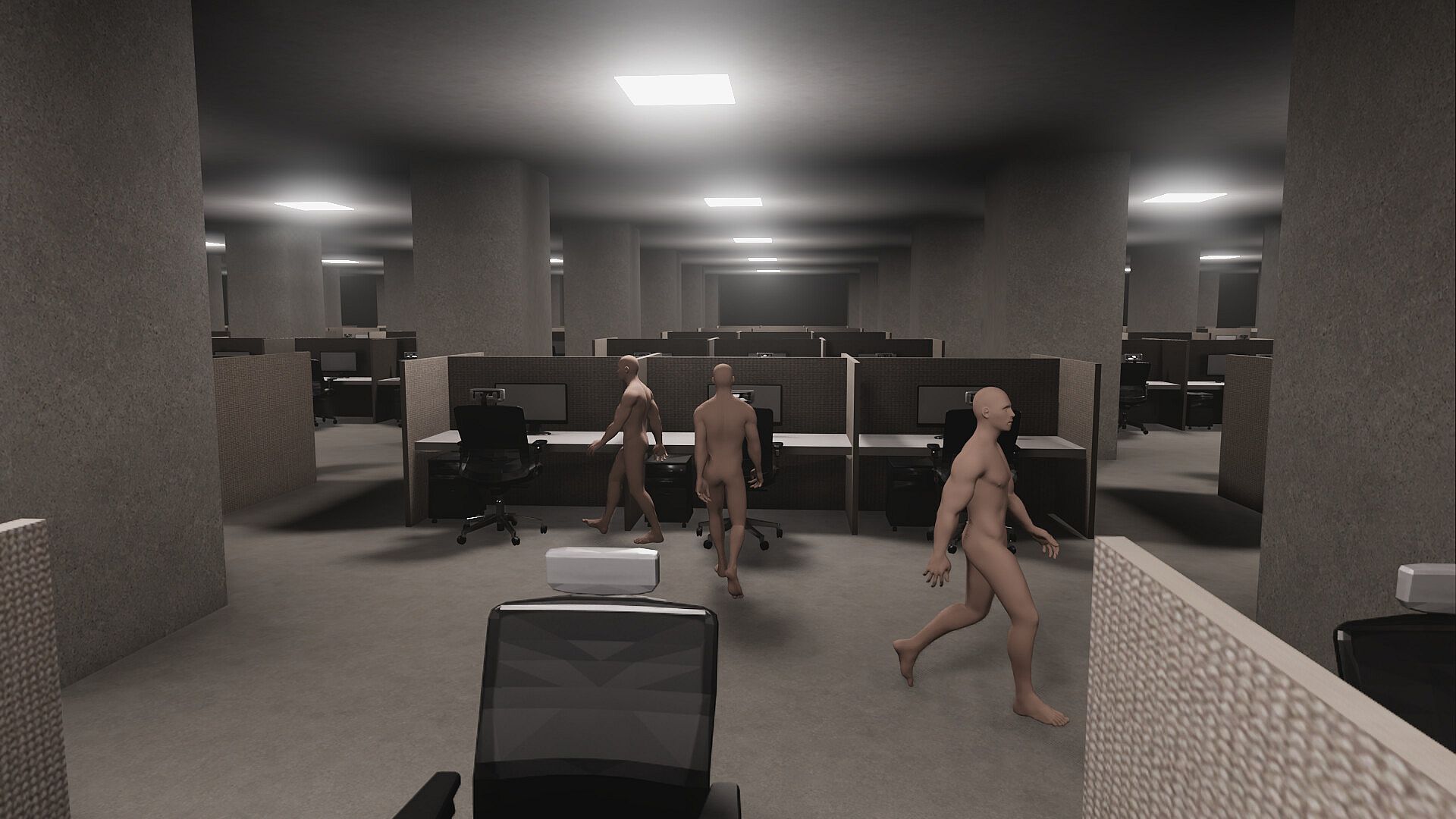
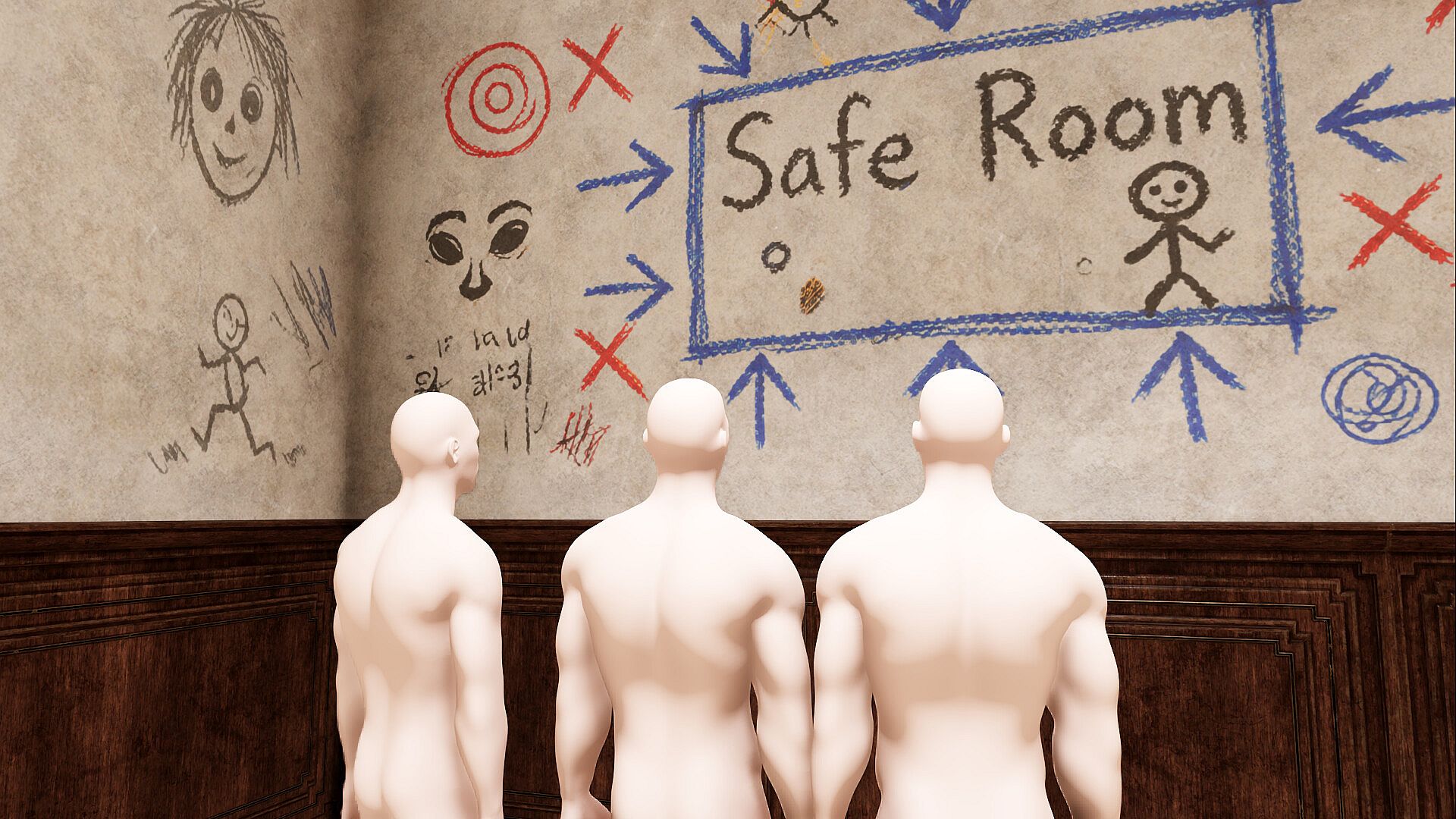
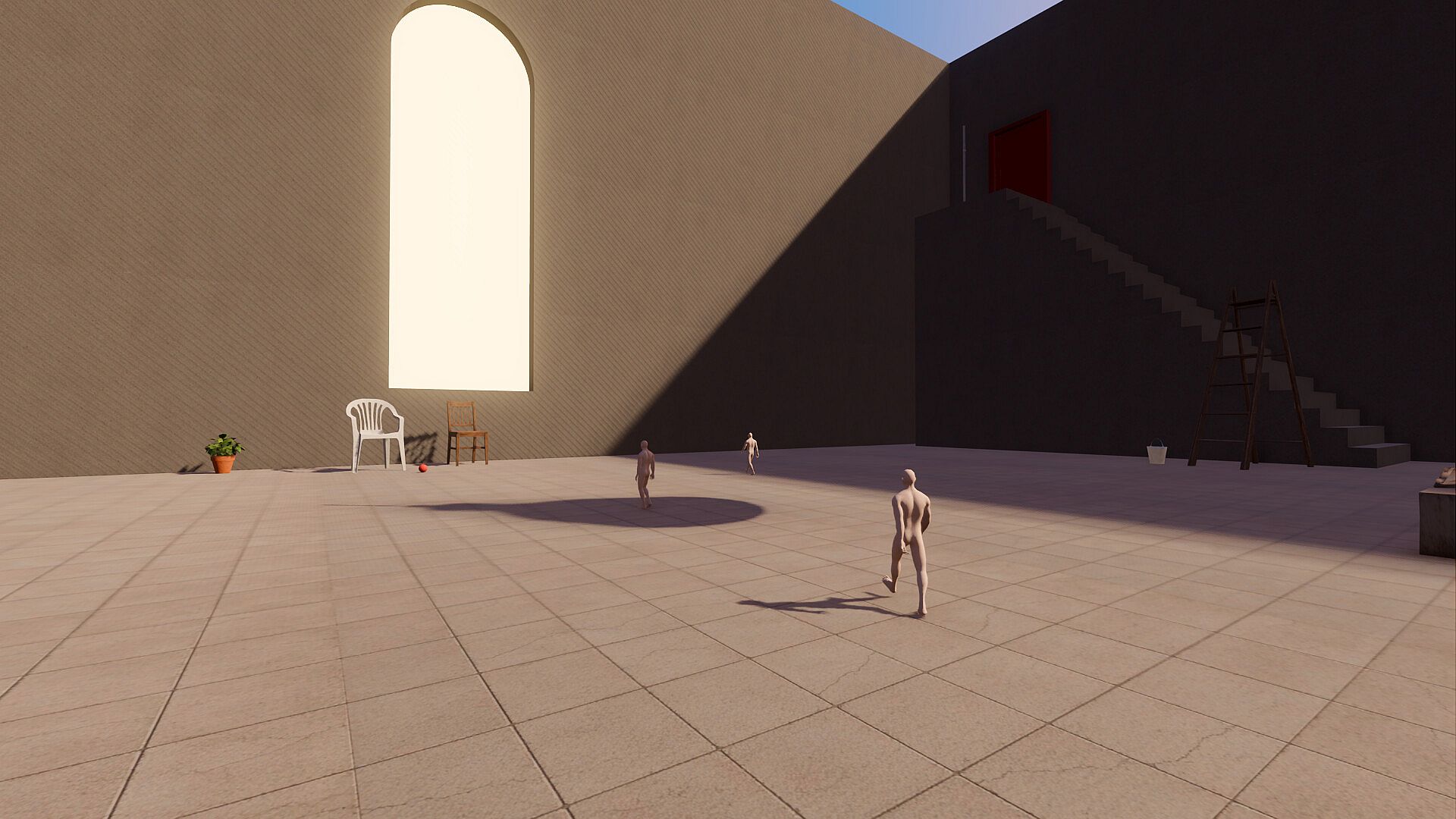
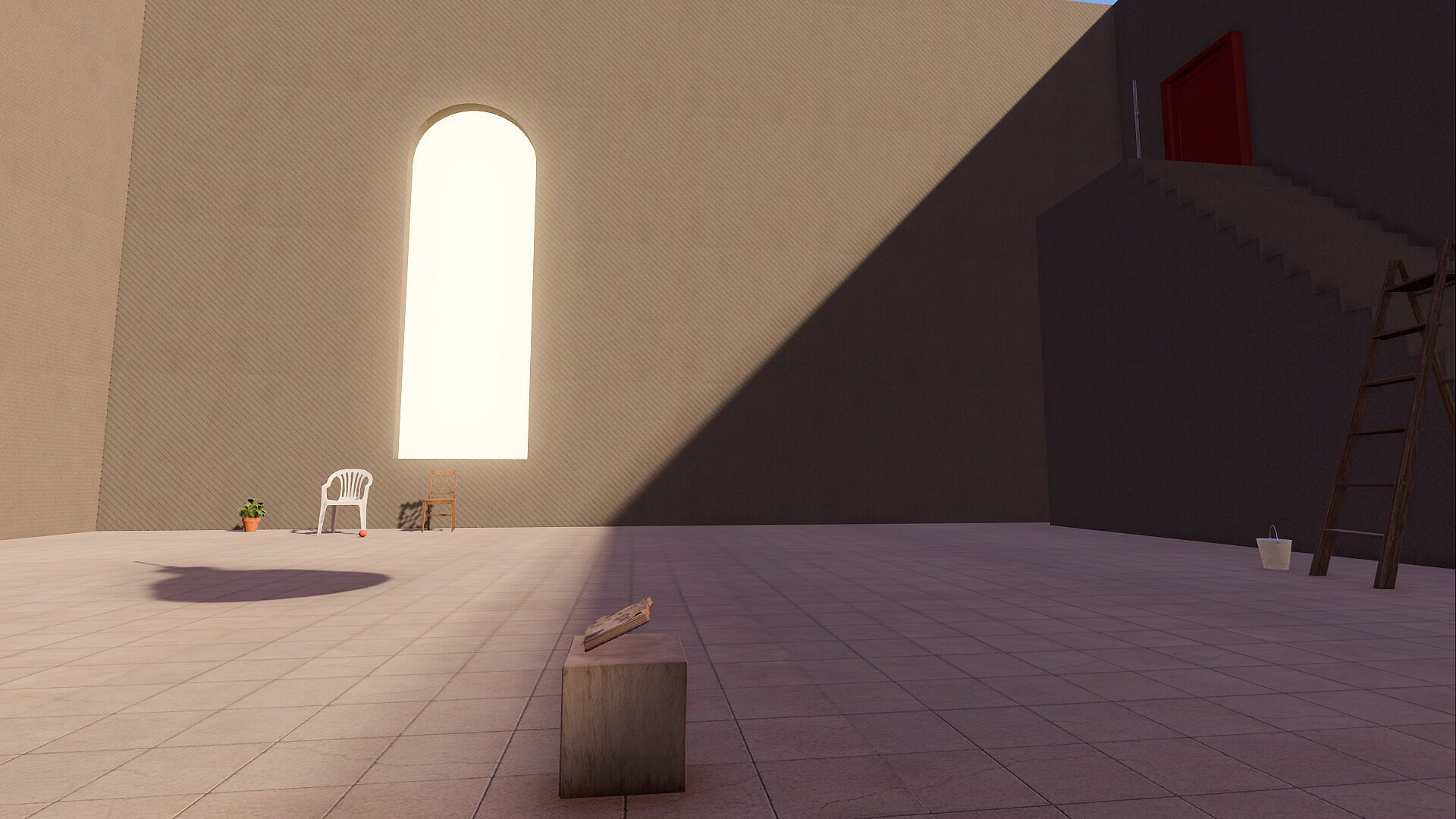
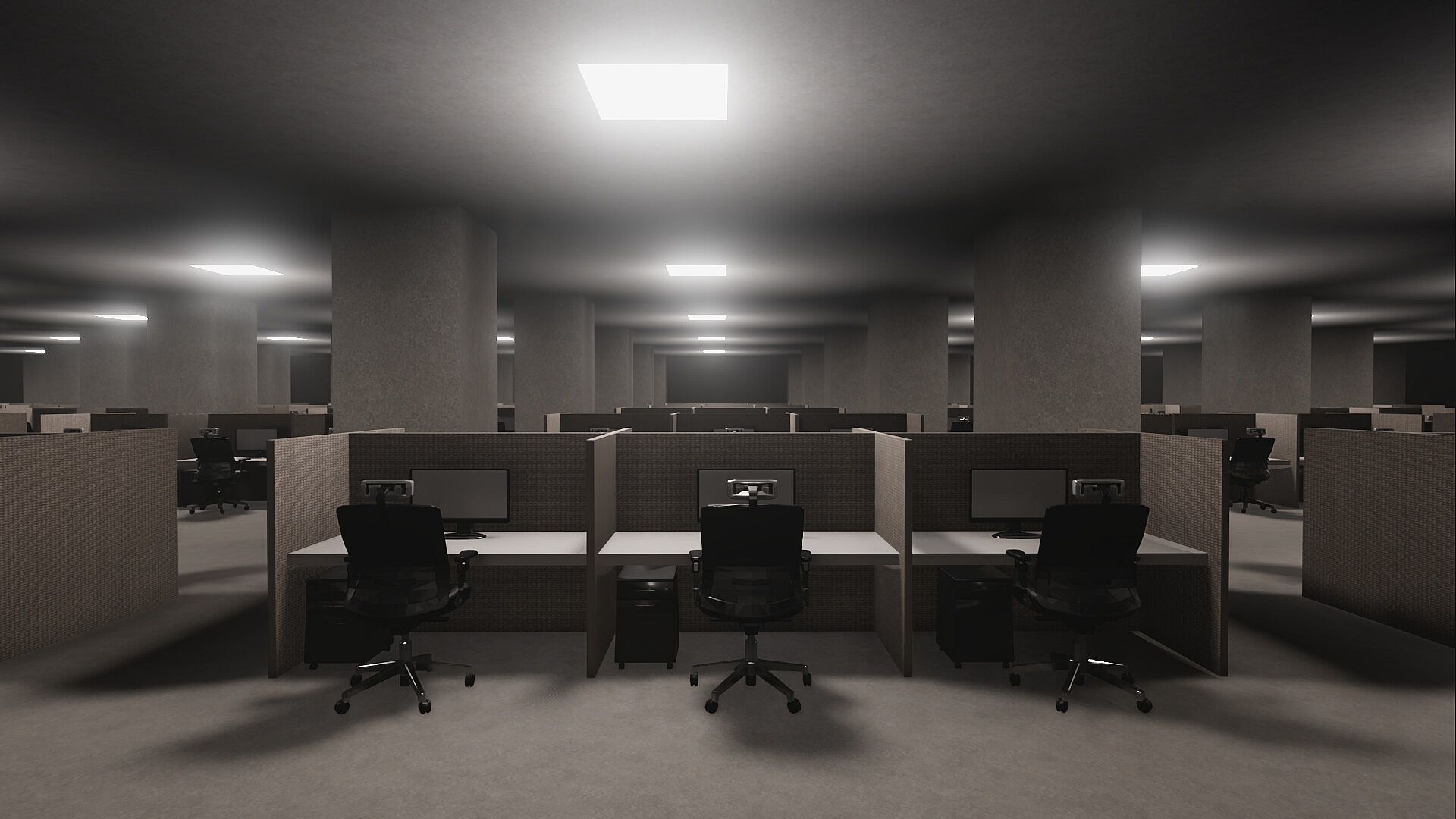
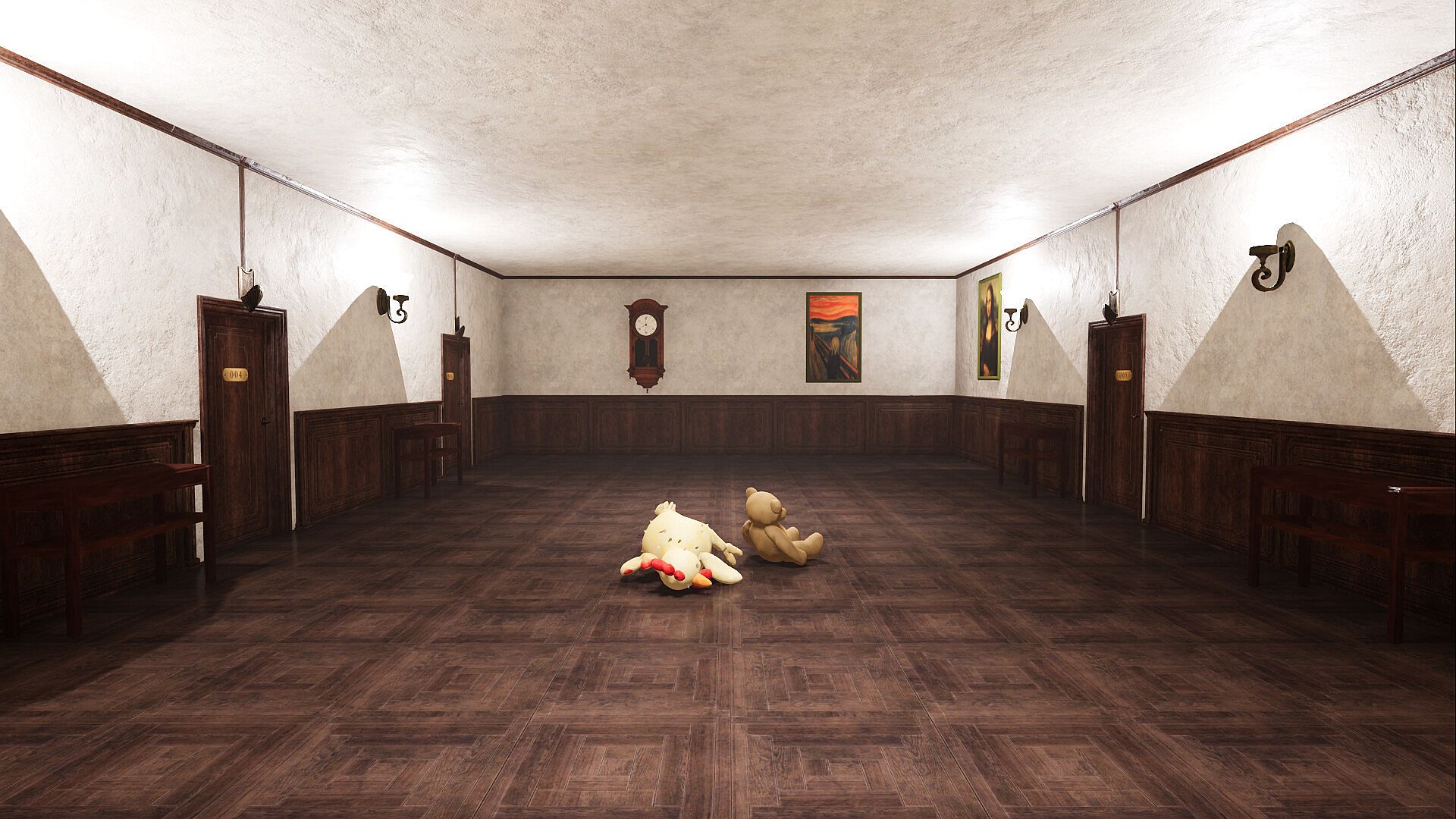
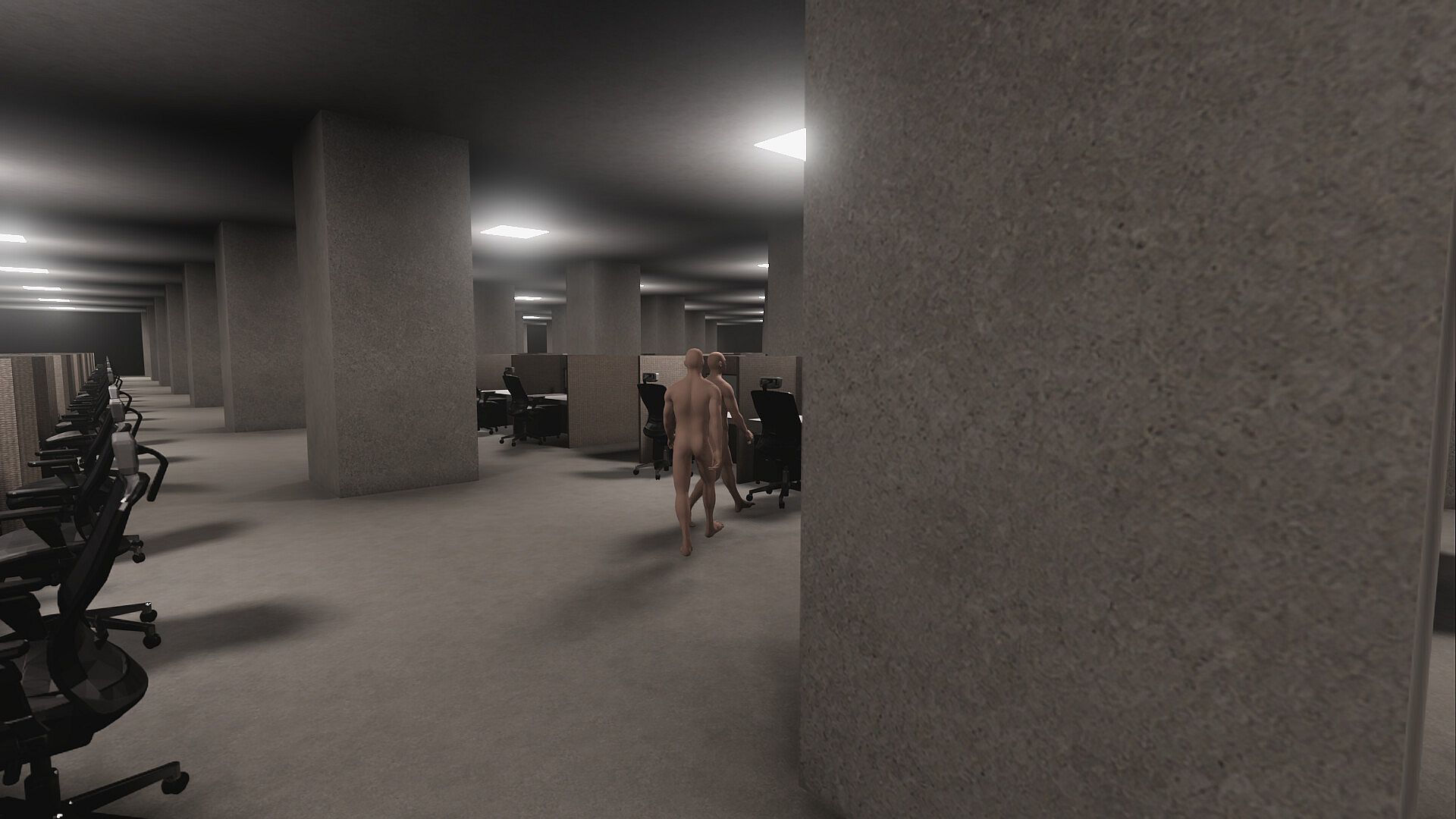
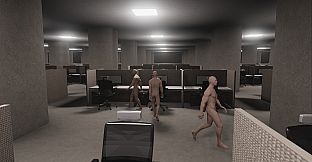
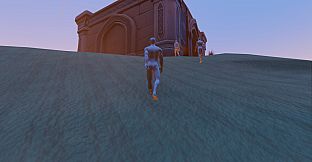
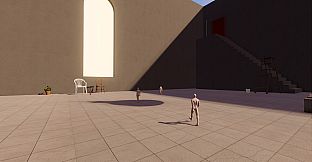
The experience centers on group exploration in spaces that appear ordinary at first glance yet contain subtle distortions. Corridors lined with identical doors, empty offices, and twilight deserts all feature objects placed in unexpected positions or slight visual inconsistencies that build tension. Players move through these areas using keyboard and mouse controls while chanting kabaddi to prevent health drain. One teammate can chant to shield others, allowing the group to split up for faster progress or stay close for mutual protection. Safe zones provide recovery points where the team can regroup before advancing. When a player falls, they become a translucent ghost unable to interact with objects or provide voice protection. A living teammate must reach the body to revive them, continuing the chant during the rescue. The run fails only if the entire group turns into ghosts.
Voice input drives the survival loop. Chanting protects both the speaker and those nearby, creating opportunities for coordinated investigation and puzzle solving. Deciding roles within the group becomes essential, as one player might focus on chanting while others examine clues. Leaving the range of a teammate's voice forces individual chanting to continue safely. This system encourages constant communication and positioning awareness throughout each session.
Game Modes
The game operates as a single cooperative experience built around shared exploration and voice-based survival. No separate named modes exist beyond the core online co-op format. Sessions emphasize teamwork in traversing connected areas, locating clues, and completing puzzles while managing the health mechanics tied to chanting. Players can choose how closely to stay together or spread out, but the underlying rules remain consistent across all play.
Exploration and Atmosphere
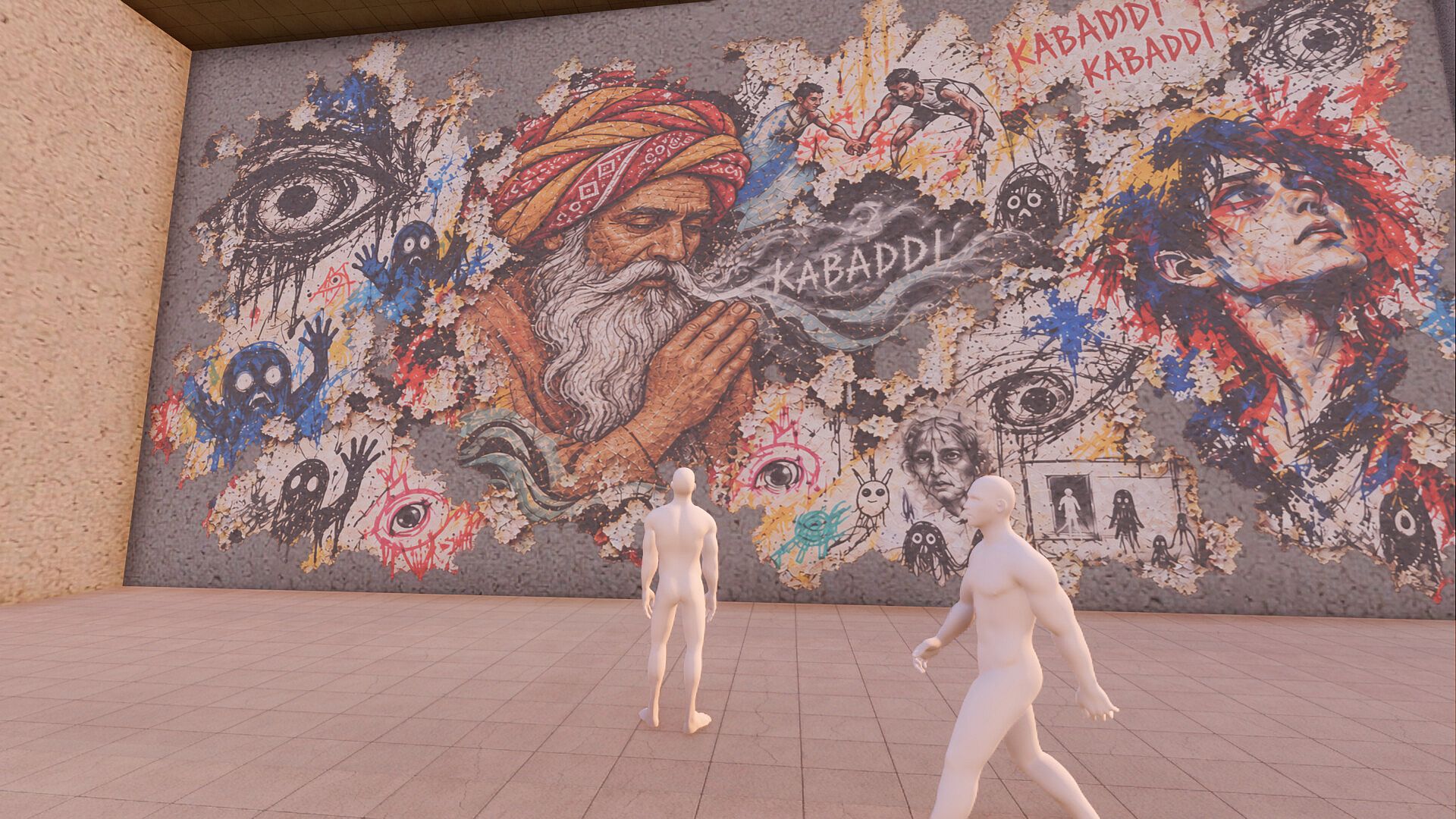
Environments draw from liminal concepts with familiar settings rendered slightly off. Dark hallways, vacant workspaces, and sparse desert structures create a quiet sense of unease through minor visual anomalies rather than overt threats. Attention to detail rewards players who examine surroundings closely for the clues needed to progress. The absence of traditional enemies shifts focus to environmental observation and group coordination.
Revival mechanics add another layer to the atmosphere. Fallen players linger as ghosts, observing the remaining teammates as they attempt rescues while maintaining their own chants. This creates moments of tension during returns to bodies and reinforces the importance of staying within voice range of at least one other player.
Is It Worth Playing?
The game suits players who enjoy cooperative horror experiences that rely on voice communication and positioning rather than combat or complex inventories. Its unique chanting requirement sets it apart from standard liminal or backrooms titles by turning microphone use into an active survival tool. Groups that appreciate light puzzle solving alongside constant teamwork will find the mechanics engaging. The title remains available on PC for those seeking a focused co-op session built around this specific voice-driven loop.