

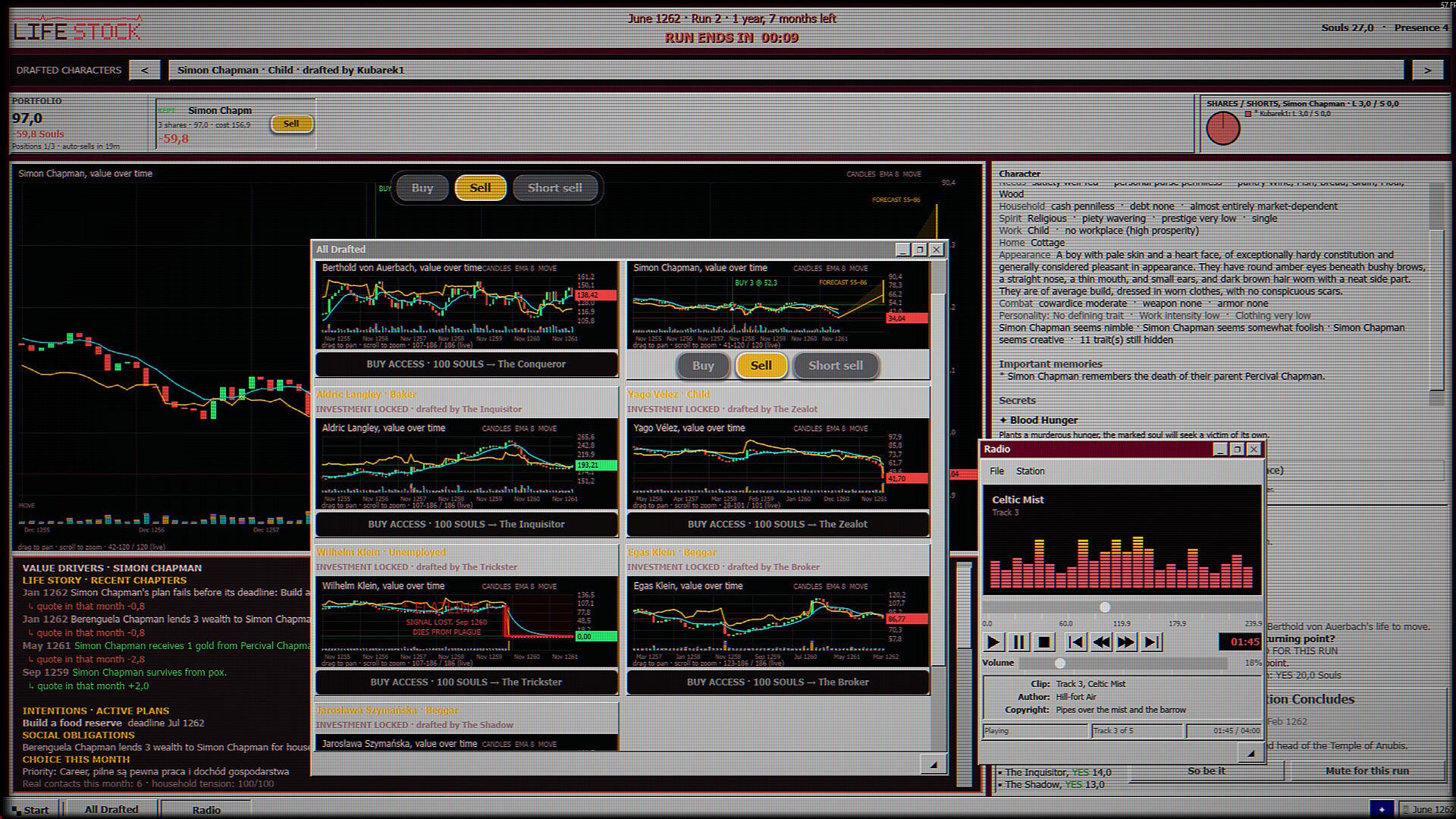
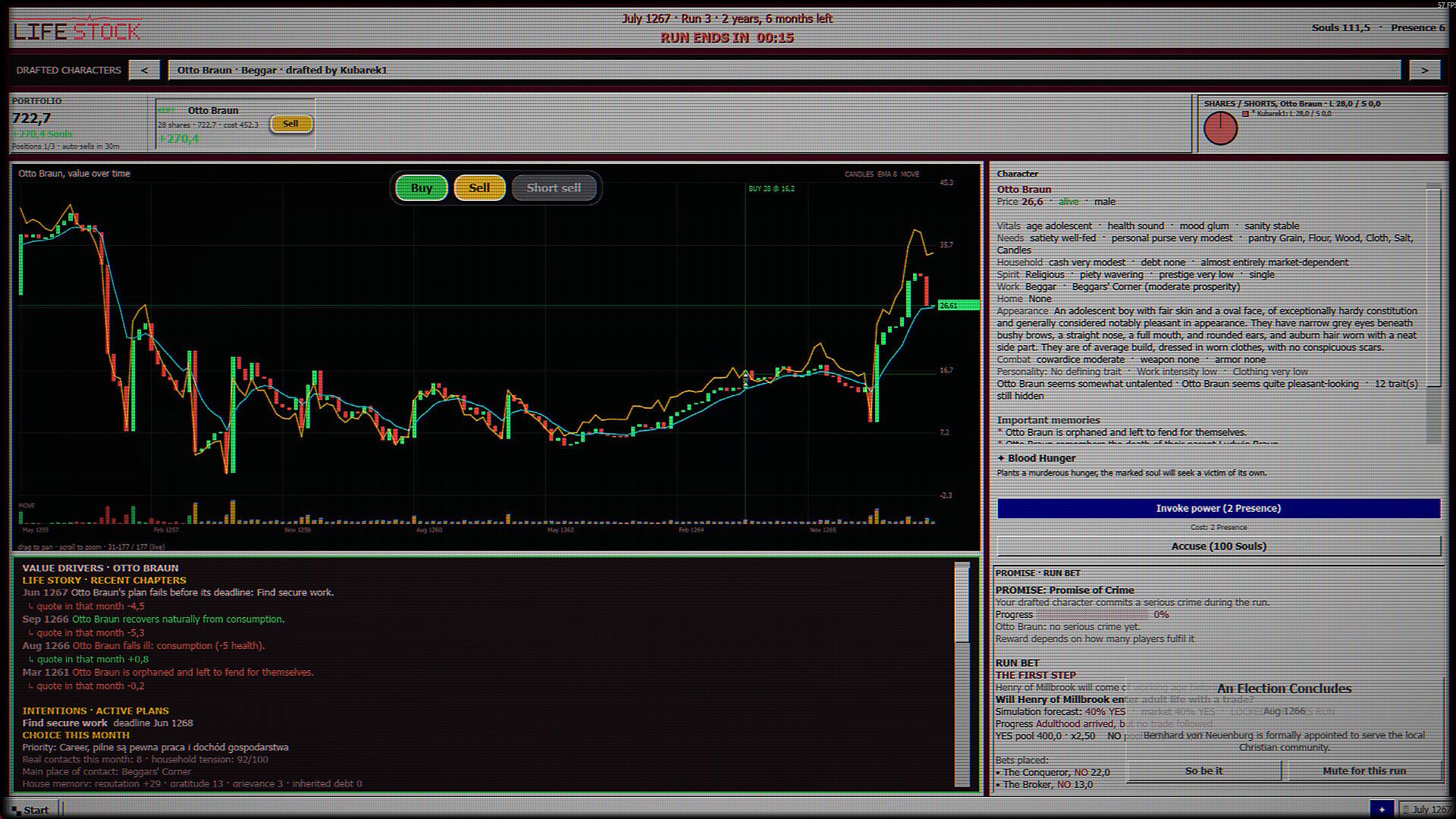
LifeStock is a strategy simulation game for PC in which players assume the roles of competing gods who treat mortal lives as tradable assets in a market called the Divine Exchange. Set against the backdrop of an autonomous medieval village, the experience centers on drafting villagers, buying and selling shares in their futures, and managing divine influence while rivals pursue the same goal of accumulating the most Souls.
Gameplay
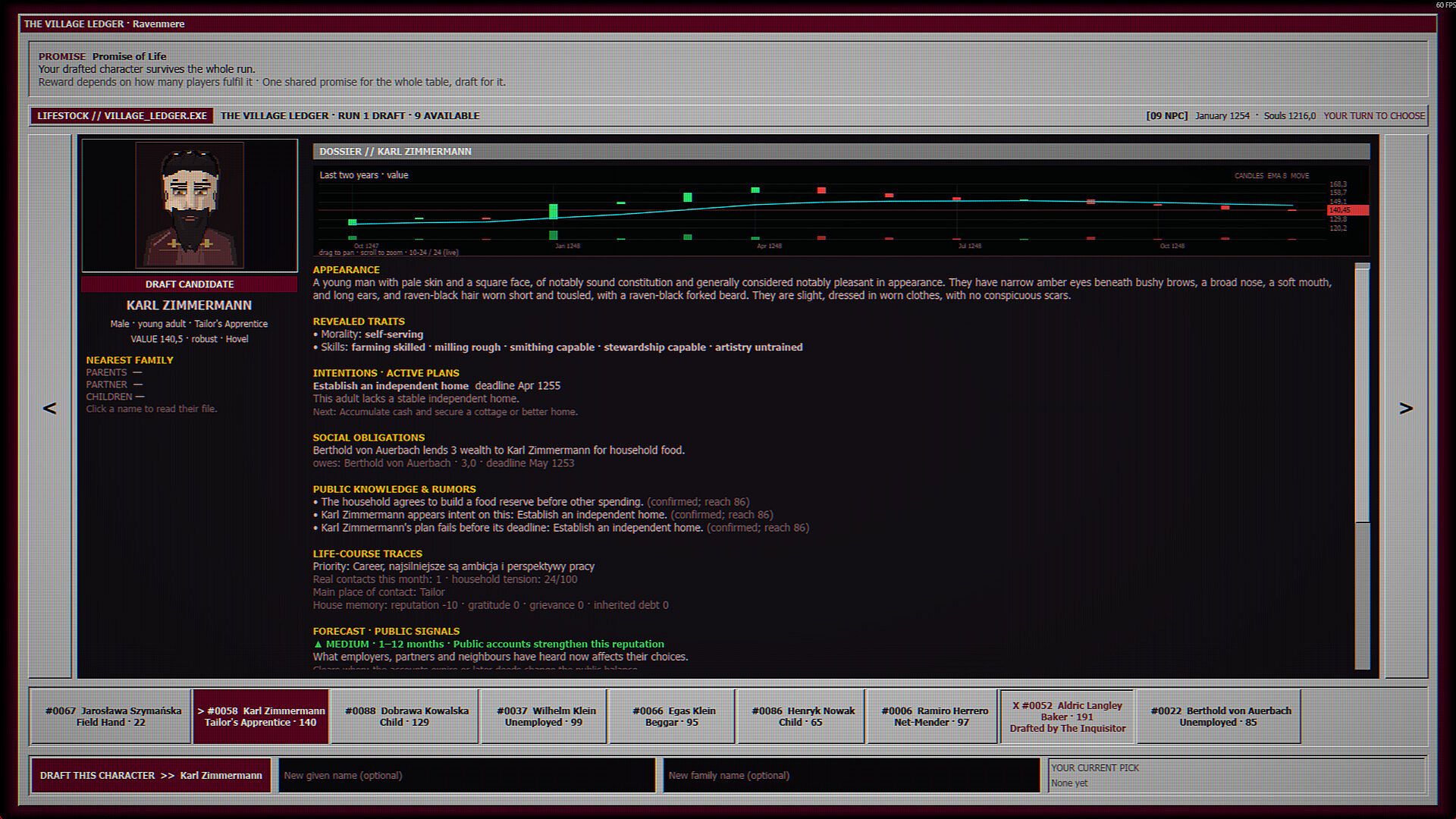
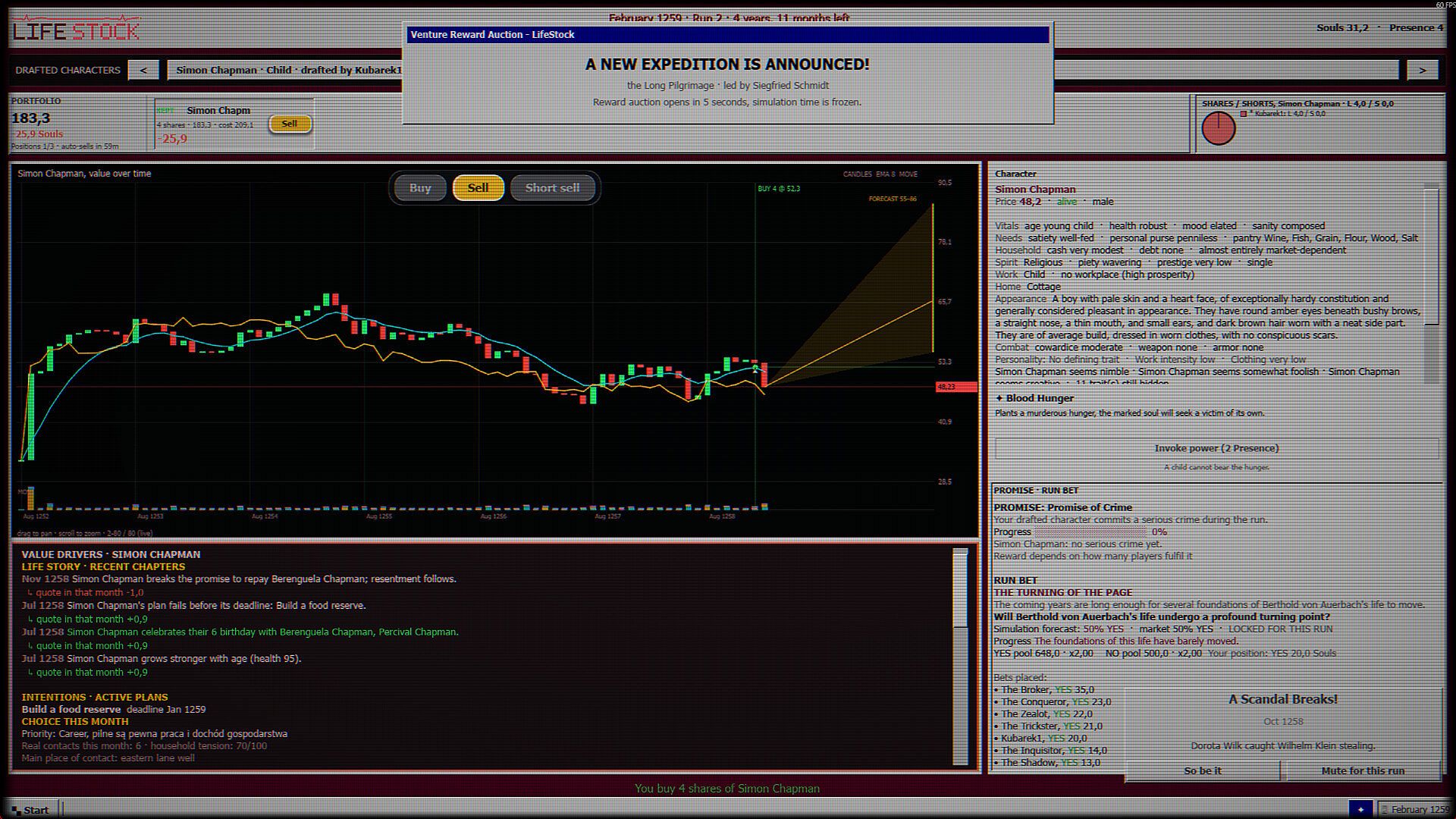
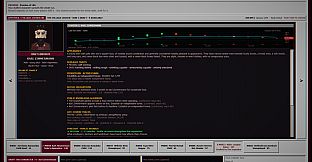
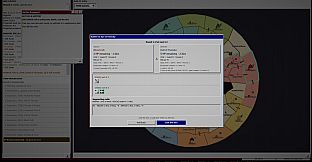
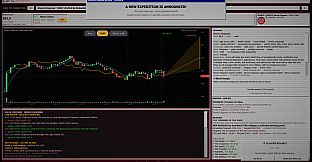
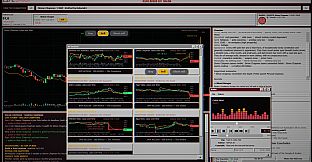
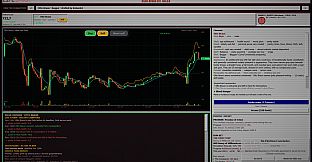
The core loop begins with a draft of villagers at the start of each five-year period. Participants review detailed dossiers that cover family ties, career paths, market history, recent events, and personal traits before selecting their initial holdings. Once the draft ends, the market opens and prices fluctuate in real time based on village events and the collective actions of all players. Buying shares in a life expected to improve, selling ahead of downturns, or shorting prospects that appear overvalued form the central trading mechanics.
A persistent simulation drives the village forward without pausing for player input. Residents pursue jobs, form relationships, marry, raise families, inherit property, join or leave religious groups, incur debt, commit crimes, face trials, and vie for public office. Economic factors such as harvests, food supplies, workplaces, and shifting religious balances generate organic events that directly affect individual valuations. A promotion, scandal, illness, or death can instantly alter market prices across connected households.
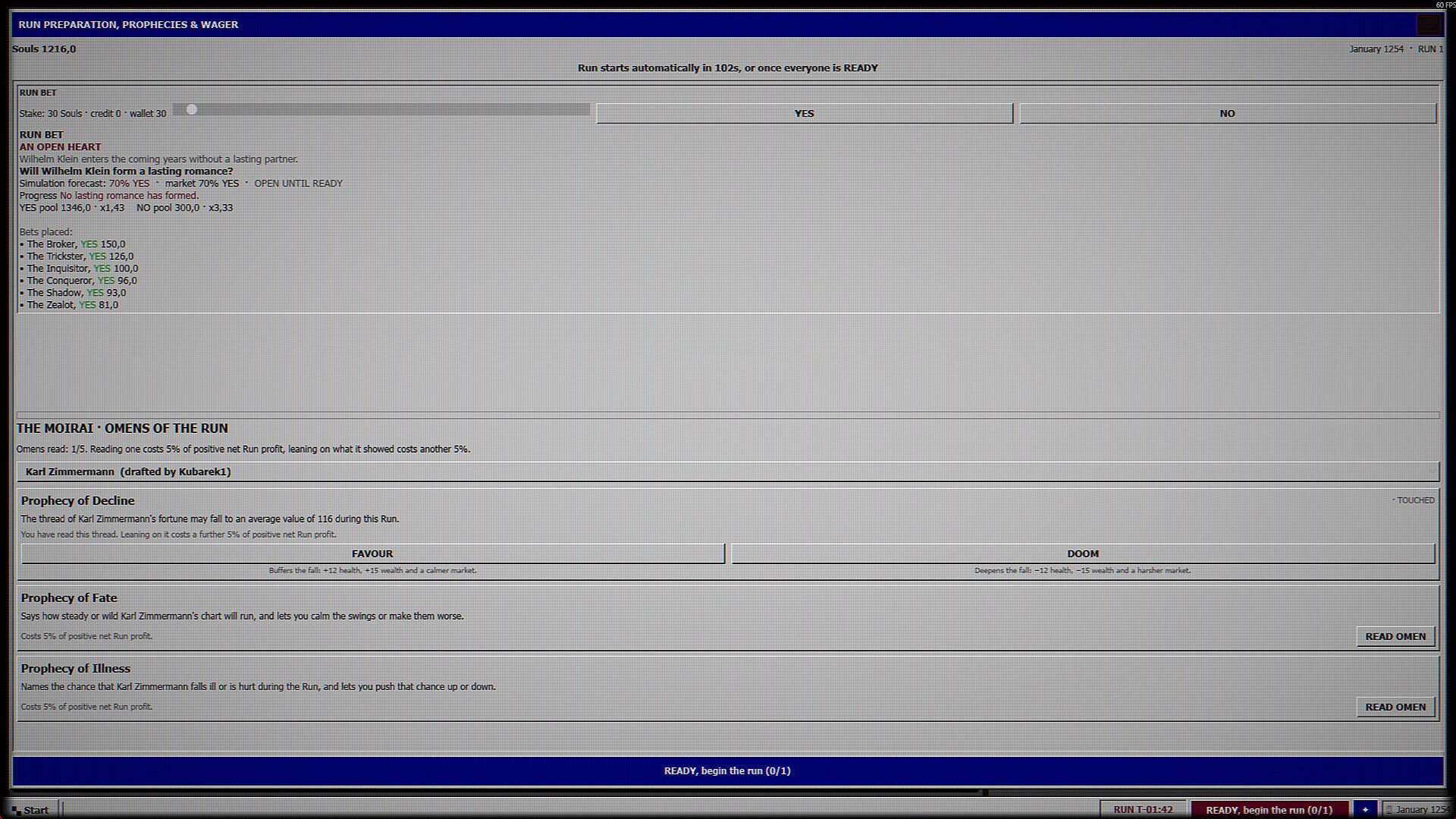
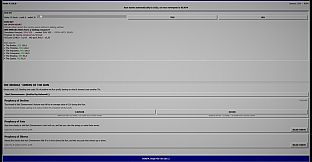
Players receive forecasts from the Fates before each run. These projections, derived from repeated simulations of the current setup, outline possible outcomes including death, illness, career shifts, family changes, volatility, and future value. While informative, the forecasts remain probabilistic rather than certain. Additional Presence points allow limited interventions that protect, redirect, or hinder specific villagers. Other participants may detect that an outcome was altered without learning the source or intent behind the change.
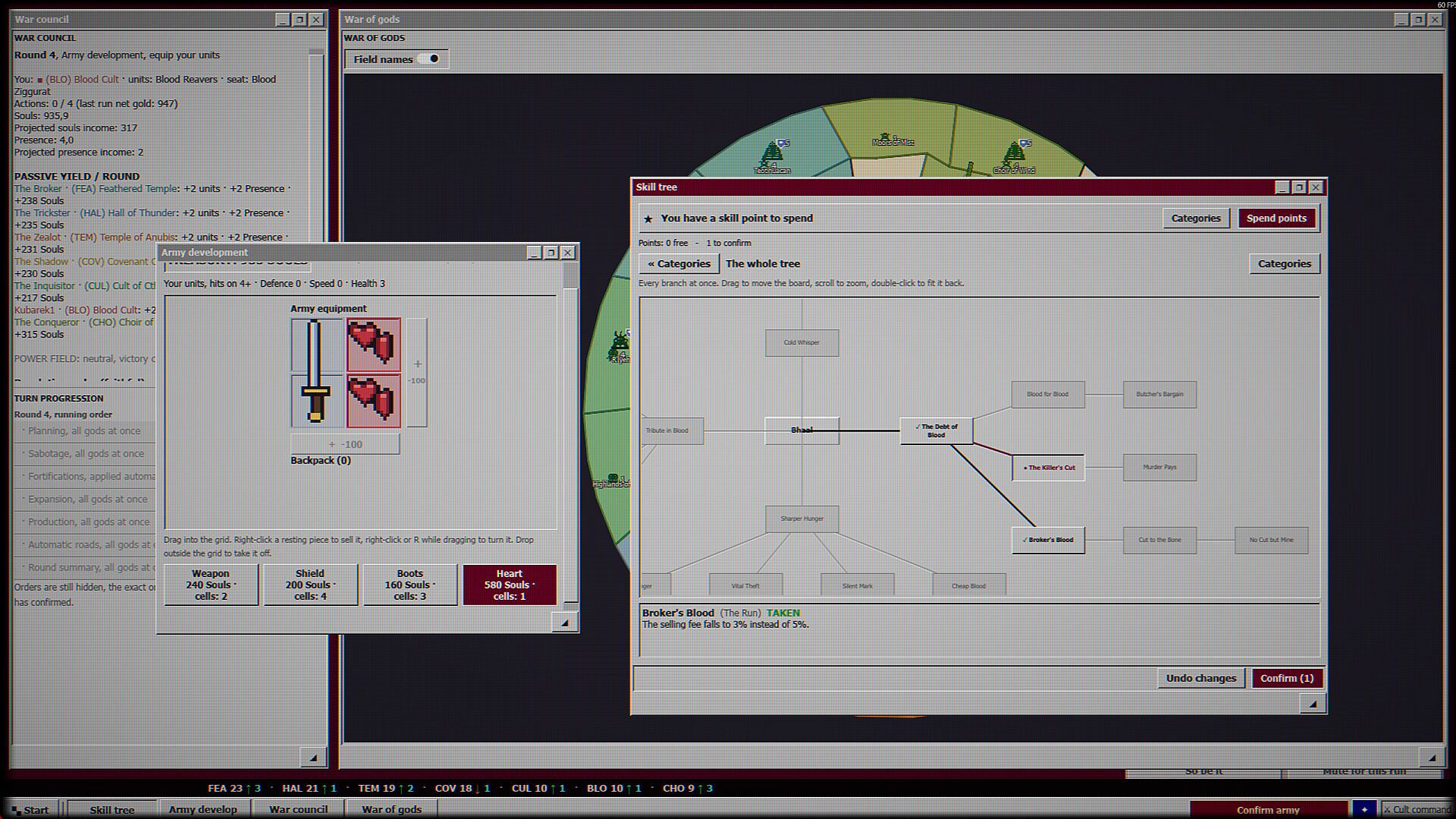
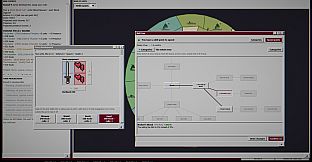
Between trading periods the focus shifts to cult development. Influence is built by converting households, supporting priests, managing treasuries, and competing for the status of state religion. This religious standing affects elections, public opinion, resource access, and the orders available in later phases. A four-path skill tree provides further customization for each god.
Game Modes
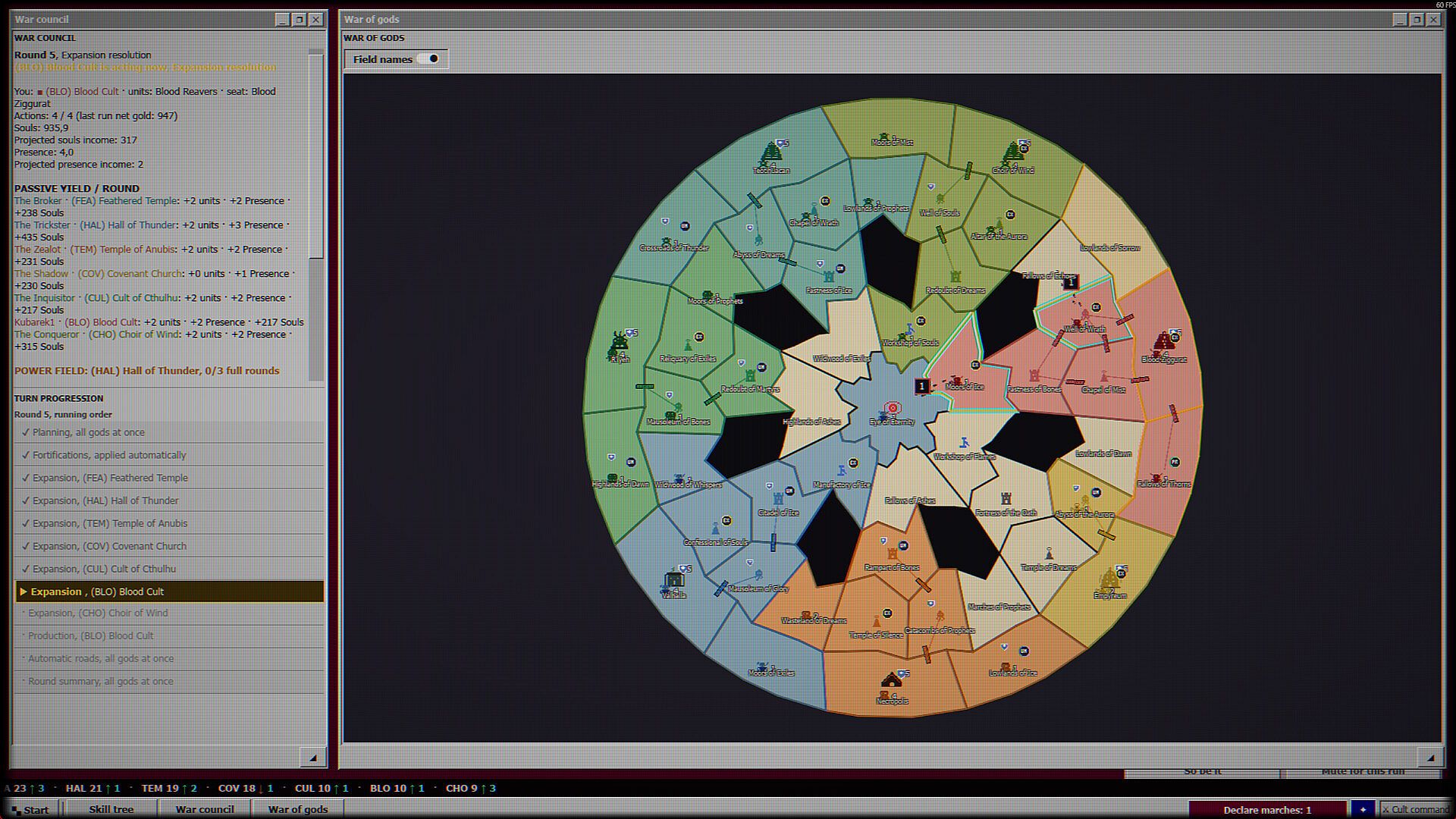
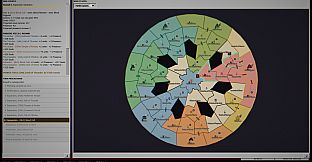
Matches unfold across alternating phases that combine market trading with territorial conflict. The primary trading phase runs for simulated five-year intervals inside the living village, where all participants buy, sell, and short lives while the simulation generates independent events. Between these intervals the village clock halts and the game transitions into the War of Gods, a turn-based strategic contest on a territory map.
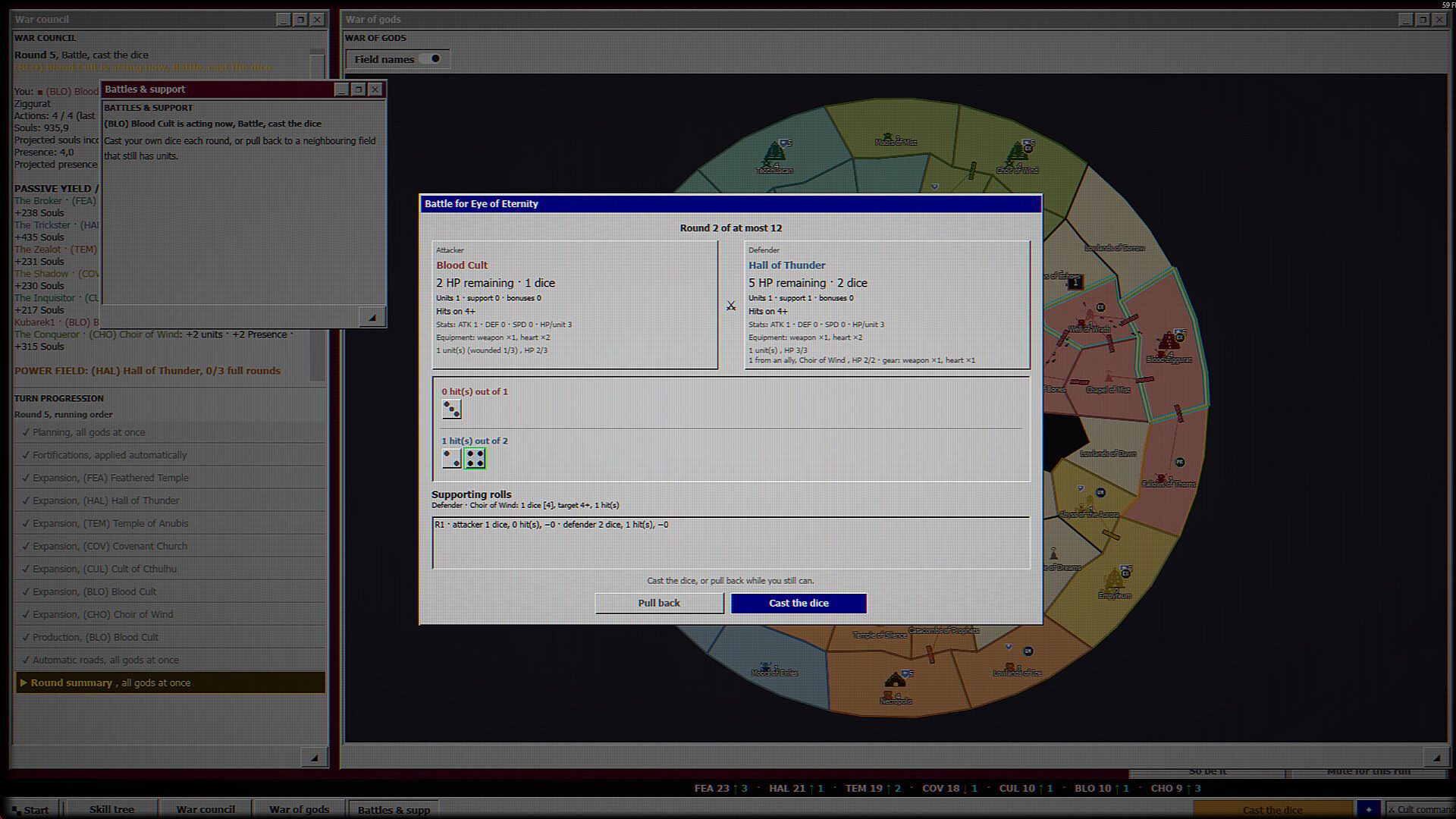
In the War of Gods phase players command armies, issue hidden orders, fortify borders, expand into neutral areas, sabotage opponents, and compete for zones that produce Souls and Presence. Resource allocation covers equipment, expansion, defense, production, and sabotage, with each decision carrying risk. Losing control of a divine seat collapses the associated cult, while holding territory strengthens the next trading cycle.
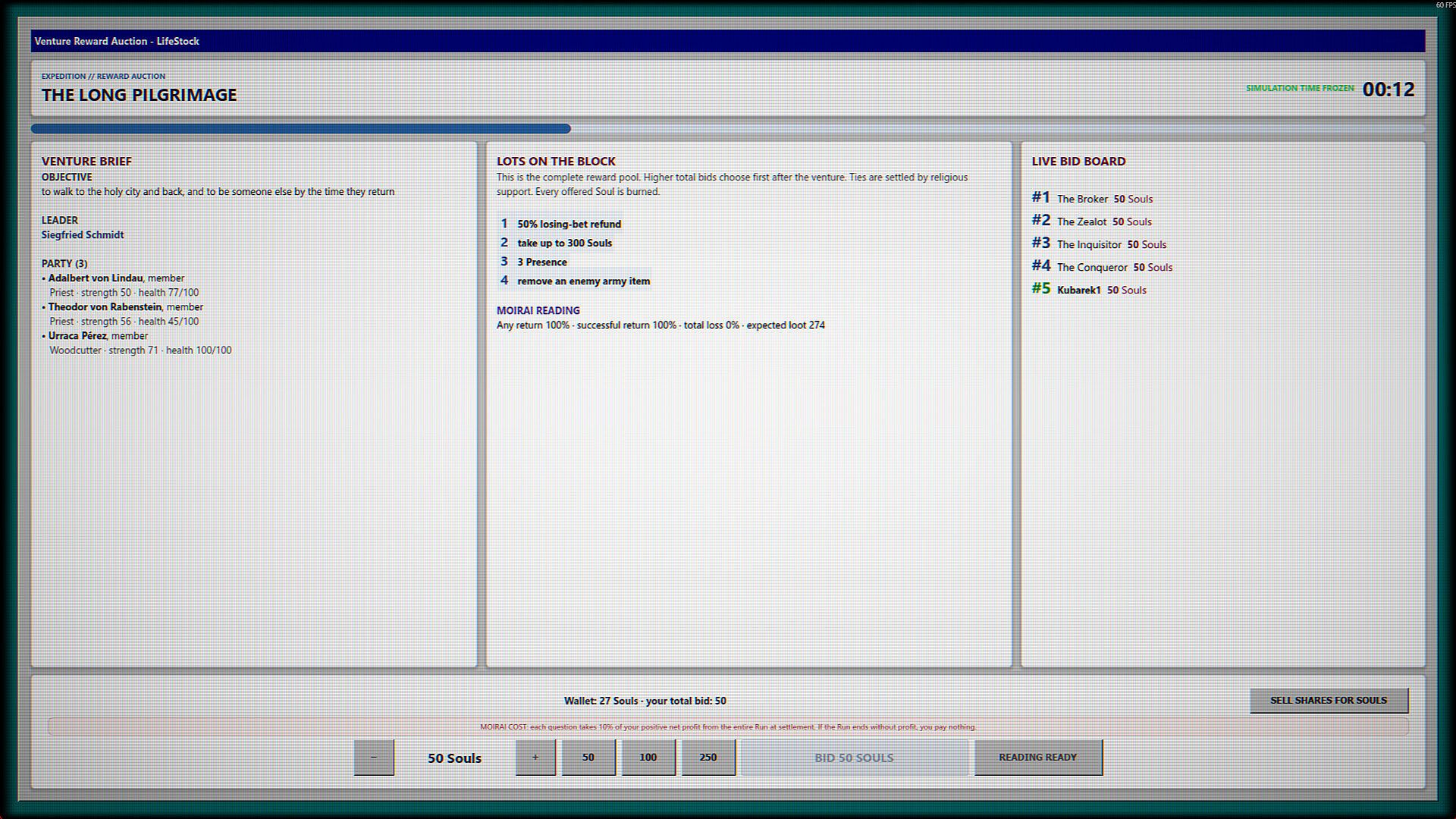
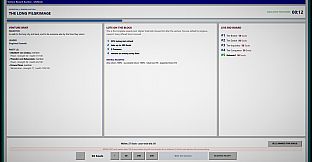
Expeditions and royal levies add another layer during village runs. Selected villagers depart on extended journeys that may involve combat, disease, supply shortages, desertion, or death. Returning survivors bring potential rewards that enter a live auction among players. Matches support two to ten participants with bots available to fill seats, and peer-to-peer networking allows sessions to be saved, resumed, or reconnected mid-match.
The Gods and Their Cults
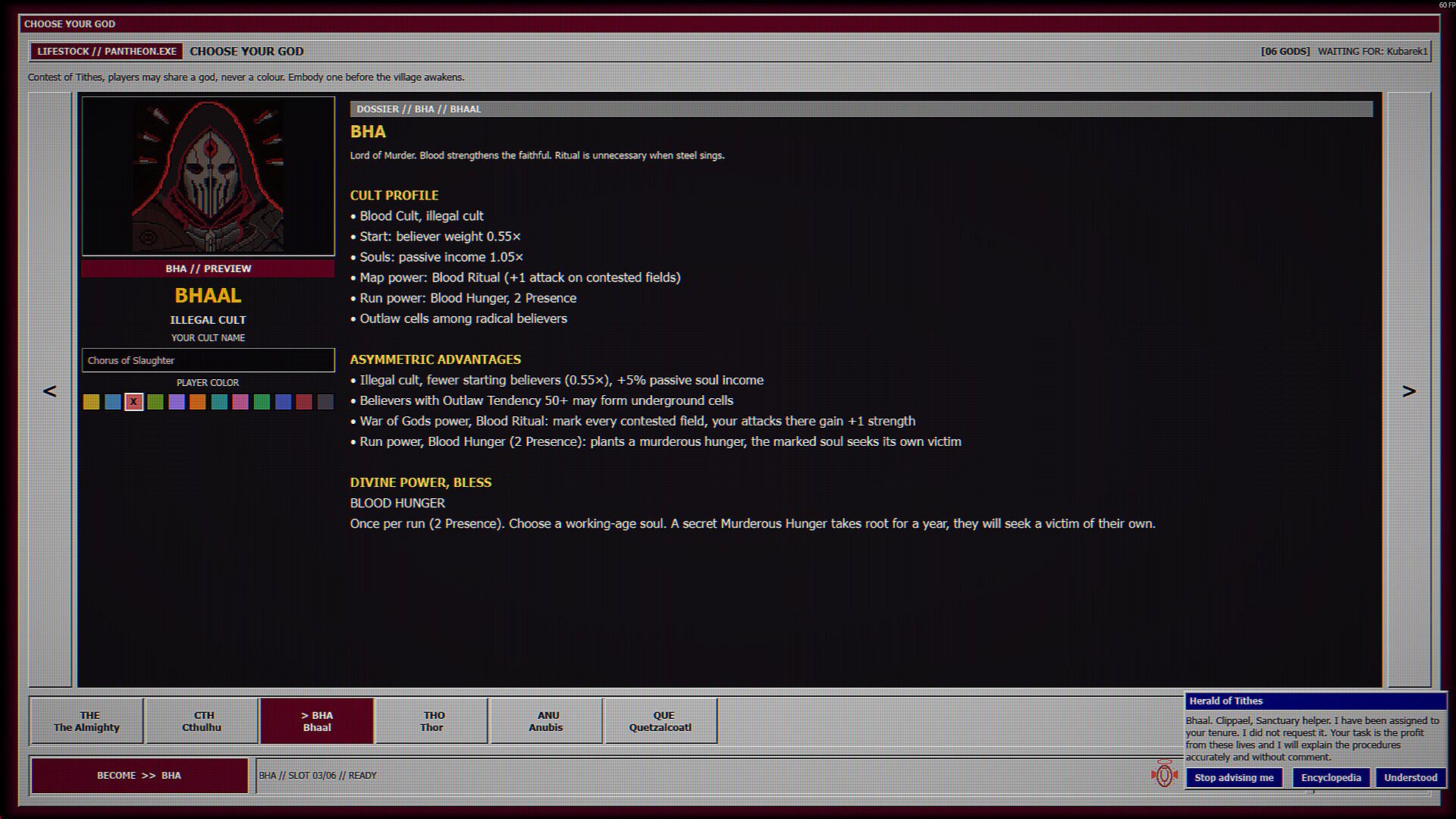
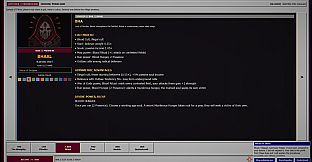
Six asymmetric gods provide distinct strategic approaches. The Almighty emphasizes authority, order, and miracles. Anubis safeguards the dead and can restore fallen soldiers. Bhaal draws power from violence, fear, and disorder. Cthulhu operates through madness, dreams, and subtle influence. Thor favors direct military strength and heroic trials. Quetzalcoatl leverages beauty, creativity, and cultural sway. Each god maintains separate cults, colors, territories, believers, and economies even when multiple players select the same deity. Future updates may introduce additional gods with new powers and mechanics.
Is It Worth Playing?
LifeStock remains in a pre-release state with a coming-soon listing and no user reviews available. The described systems emphasize a combination of economic speculation, simulation-driven storytelling, and asymmetric multiplayer strategy that will appeal to players who enjoy managing risk across interconnected systems. The fictional Souls currency and absence of real-money transactions remove any gambling elements, focusing instead on competitive balance within each match. Those interested in strategy simulations that blend village-level detail with god-level oversight and periodic large-scale conflict may find the concept compelling once the game launches. Availability is currently limited to wishlist notifications on the platform.